Buyer Fit Snapshot
| Best fit | CMYK Printed Cartons projects where brand print, material claims, artwork control, MOQ, and repeat-order consistency need to be specified before quoting. |
|---|---|
| Quote inputs | Share finished size, material target, print colors, finish, packing count, annual reorder estimate, ship-to region, and any compliance wording. |
| Proofing check | Approve dieline scale, logo placement, barcode or warning zones, color tolerance, closure strength, and carton packing before bulk production. |
| Main risk | Vague material claims, crowded artwork, missing packing details, or unclear freight terms can make a low unit price expensive after revisions. |
Fast answer: CMYK Printed Cartons: How Full-Color Packaging Works should be specified like a repeatable production item. The safest quote records material, print method, finish, artwork proof, packing count, and reorder notes in one written spec.
Production checks before approval
Compare the actual filled-product size with the drawing, then confirm tolerance on folds, seals, hang holes, label areas, and retail display edges. Reserve space for logos, QR codes, warning copy, and material claims before decorative graphics fill the panel.
Quote comparison points
Review material grade, print process, finish, sampling route, tooling charges, carton quantity, and freight assumptions side by side. A quote is only useful when the supplier can repeat the same color, closure quality, and packing count on the next order.
CMYK printed cartons sit behind a large share of retail packaging because they solve a simple problem well: turn a flat design file into a physical box with controlled color, readable type, and enough shelf presence to compete in a crowded aisle. A carton rarely gets a second look. It has a few seconds, sometimes less, to make a shopper stop, reach, and choose.
The gap between screen and substrate surprises buyers more often than it should. A monitor throws light; paperboard receives it. That difference changes everything. Ink sits on fibers, coatings alter how light bounces, and carton stock adds its own texture to the final image. A blue that glows on a backlit display can settle into something quieter once it meets board, while skin tones, grays, and deep blacks all respond differently depending on the stock and press setup. Good prepress work narrows that gap enough that the finished carton still lands where the brand intended.
For packaging teams, the practical question is not whether CMYK can print a carton. It can. The real question is whether the board, artwork, finish, and production method are aligned well enough to keep the result consistent across a run, a reorder, or a second product launch six months later.
"The carton has to look right under store lighting, not just in a file preview." That is the test that matters, because a box lives in fluorescent aisles, on warehouse pallets, near windows, and in customers' hands long before anyone opens the original artwork again.
Why CMYK Printed Cartons Stand Out on the Shelf
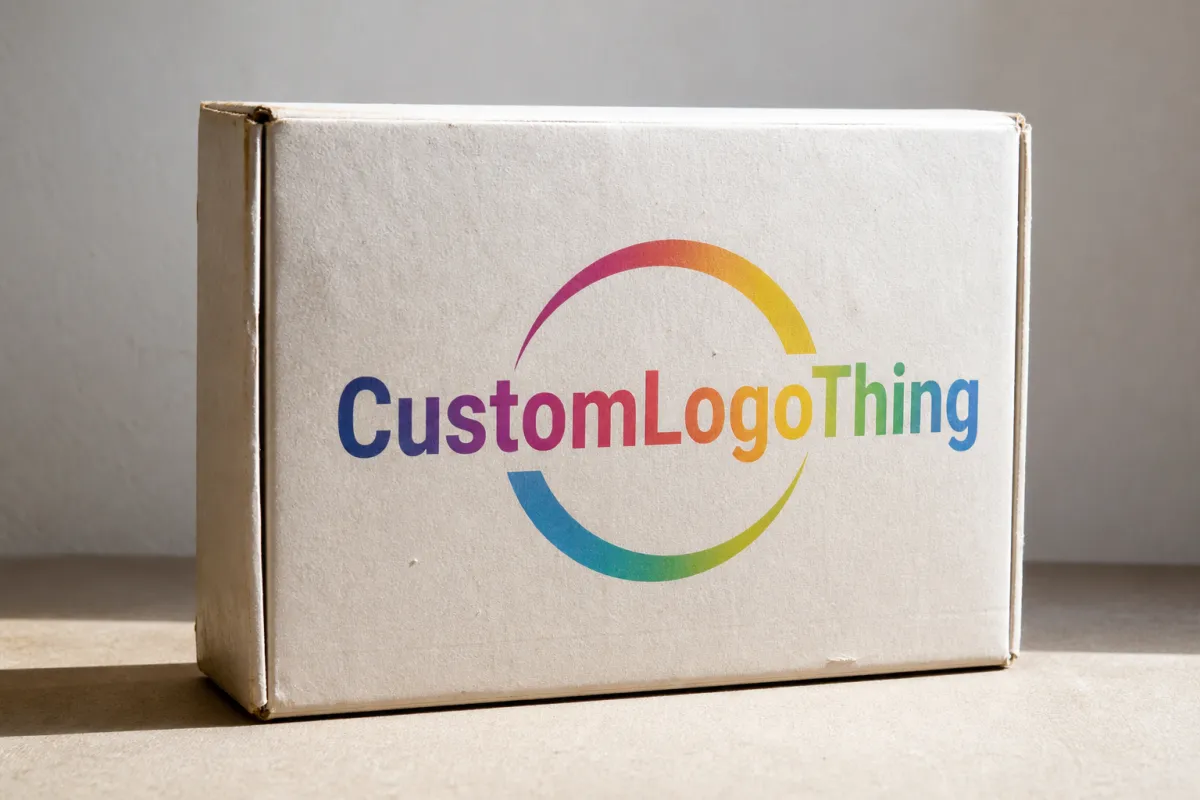
Retail packaging gets judged fast. A shopper does not inspect a carton with the patience of a designer reviewing proofs. They scan a shelf from an angle, under mixed lighting, while other brands crowd the same visual field. That is the environment where CMYK printed cartons earn their keep. Four-color printing gives brands room for photography, layered illustration, gradients, product claims, and a dense visual story without requiring separate plates for every hue.
CMYK means cyan, magenta, yellow, and black. Those inks combine through tiny dot patterns, and the eye blends them into the final image. The system has lasted because it is efficient and adaptable. A product box, whether it carries cosmetics, supplements, specialty food, electronics, or a seasonal retail item, can use those four process colors to build a package that feels finished instead of flat.
The catch is physical reality. A screen is lit from behind. Carton stock is not. Paperboard reflects ambient light, absorbs ink in different ways, and introduces its own surface behavior. That is why a photograph can look crisp on a monitor and slightly softer on board, why a rich red may print warmer than expected, and why a dark area can either look elegant or collapse into a dull block if the substrate and ink density are not handled well. None of that is a defect by itself. It is the price of moving from pixels to paper.
Experienced buyers usually ask for proofs early because small shifts become obvious once the artwork leaves the screen. A press proof, a digital proof, or a sample on the actual board lets the team compare intent against reality before the full run starts. That matters even more on cartons with fine gradients, detailed photography, or subtle tonal transitions. A minor move in coating or ink density can change the tone enough to alter the entire shelf impression.
The appeal is practical, not abstract. CMYK gives a brand broad creative range without making the project depend on a separate spot color for every element. Add a clean dieline, a finish that matches the category, and a substrate chosen with the artwork in mind, and the carton can look controlled, premium, and repeatable from one order to the next.
How the CMYK Printing Process Works on Carton Stock
The process starts long before ink touches board. Artwork is separated into four channels: cyan, magenta, yellow, and black. Each channel is printed as a pattern of dots, and those dots overlap in precise ways so the eye sees a full image instead of four separate inks. That principle drives offset printing and many digital packaging workflows.
Carton stock changes the behavior of those dots. Paperboard can absorb ink, scatter light, and soften edges a little more than a glossy magazine sheet. The effect is more obvious on porous or lightly coated board. That is where dot gain comes in. Dot gain describes the way a printed dot appears larger once ink spreads or settles into the fibers, which can darken midtones if the press is not tuned correctly.
Ink density matters just as much. Too little, and the carton can look faded. Too much, and detail disappears in shadows or the surface takes on a heavy cast. Trapping also plays a role. Trapping is the slight overlap between neighboring inks that prevents thin white gaps from showing when registration drifts a little. Good trapping is invisible when it works and painfully visible when it does not. A clean carton looks intentional; a poor one looks tired before it even reaches the shelf.
The printing method shapes the result. Offset printing is often preferred for medium and high-volume carton runs because it offers precise control, sharp detail, and consistent repeatability after setup. Digital printing fits shorter runs, test launches, seasonal packaging, and SKU-heavy projects because it reduces setup time and makes versioning easier. Flexographic printing is more common in corrugated and simpler packaging structures, though it can still be used in carton production depending on the plant, the board, and the graphic demands.
Finishing changes the experience again. An aqueous coating adds a light protective layer. Matte and gloss laminations change how light moves across the surface. Spot varnish can lift a logo or product name. Foil and embossing create a tactile cue that process color alone cannot deliver. Those finishes are not part of CMYK itself, yet they alter how the printed colors are read once the carton is folded, stacked, and handled.
If a design includes a spot color, the team has to decide whether that ink is doing real work or simply adding cost. Sometimes a brand mark needs a fixed color across a whole line of products, while the rest of the box lives in process color. That combination gives a brand consistency where it matters and keeps the rest of the carton in the CMYK system.
One useful rule of thumb: the more the package relies on photographic realism, the more important the proofing process becomes. The more it relies on flat shapes and bold type, the more the structural details and finishing choices begin to matter. The printing method is only one part of the result.
Key Factors That Affect Color, Quality, and Shelf Impact
Substrate is the first lever. Paperboard thickness, brightness, coating, and surface smoothness all influence how the print lands. A bright coated SBS board usually handles gradients, small type, and dense solids with more precision than a rougher or more absorbent stock. Recycled board can still look excellent, but it behaves differently, and that texture may soften saturated imagery or slightly mute fine tonal work.
Artwork and board should be chosen together. A cosmetic carton with glossy photography and metallic accents often needs a smoother coated board to keep the image crisp. A natural food or wellness product may benefit from a quieter surface that supports an earthy brand story. If sustainability is part of the brief, many buyers ask for FSC-certified board so the packaging aligns with sourcing goals. The FSC resource center helps clarify certification language and supply-chain expectations for teams that need to document those choices.
Image quality can help or hurt the result. A file that looks acceptable in a sales deck can still print soft on a carton panel if the resolution is too low. Hairline type can disappear if the board or press setup is not right. Dark solid backgrounds need a careful black build so they do not print streaky or flat. Reverse type needs enough contrast to survive coating, creasing, and handling. Transparent shadows, subtle gradients, and fine line art all deserve prepress attention before the job reaches production.
Structure matters as much as graphics. Fold lines can cross a brand mark, a barcode, or a legal panel if the layout is not built around the dieline. Bleed needs room to run past the trim edge so no white sliver appears after cutting. Window placement needs to balance product visibility with panel hierarchy. A carton has to work as both a graphic surface and a mechanical object, which means the art must survive gluing, folding, stacking, and shelf handling without losing its message.
Brand position changes the target too. Some products need strong contrast, bold saturation, and a retail look that punches through visual clutter from several feet away. Others need restraint: quieter CMYK builds, balanced spacing, and a matte finish that signals quality through understatement instead of brightness. The right answer depends on category, audience, and shelf context, not on a single print recipe.
Transit performance belongs in the conversation as well. A carton can look excellent on press and still fail if it scuffs, crushes, or opens too easily during shipping. Packaging tests and distribution standards help catch that. The ISTA library is a useful starting point when a package has to handle vibration, drops, or compression before it reaches the customer.
There is also a commercial angle that gets overlooked. The most beautiful carton on press is not always the most effective one in market. A slightly quieter palette, a cleaner type hierarchy, or a finish that resists fingerprints may outperform a louder design once real customers handle it. Packaging succeeds when it balances visual speed with practical durability.
CMYK Printed Cartons Cost, Pricing, MOQ, and Quote Factors
Pricing for CMYK printed cartons usually comes down to a set of variables that move together. Size comes first. A larger carton uses more board, more ink, and often more press time. Board grade follows. A heavier or brighter stock costs more than a basic one, and specialty boards can move the number up again. Coverage matters too. A carton with full-bleed graphics and deep solids requires more control than a white box with a restrained logo and a small amount of color.
Finishing adds another layer of cost. Aqueous coating is usually a modest addition. Matte or gloss lamination increases the price. Spot varnish, foil, embossing, and windows each bring their own tooling or setup requirements. Multiple versions, barcode changes, multilingual copy, and SKU-heavy packaging lines also add prepress work even when the structure stays the same.
Quantity has a strong effect on unit price. Setup time for plates, calibration, proofing, make-ready, and finishing gets distributed across the run, so larger orders often reduce the per-carton figure. That is why 1,000 pieces and 10,000 pieces can feel like completely different projects even if the carton is identical. A buyer who looks only at unit price can miss the value difference between board grades, proofing support, and finishing quality.
As a working planning range, a straightforward carton with standard board, clean CMYK artwork, and a simple finish may land around $0.12-$0.35 per unit at moderate volume. Smaller quantities, heavier board, tighter color control, and more elaborate finishing can push that figure higher. That range is a starting point, not a quote. Real pricing depends on carton size, print method, artwork complexity, and the number of steps required to finish the job.
MOQ, or minimum order quantity, is another point where expectations often diverge from reality. A digital printer may accept a lower MOQ because setup is lighter. Offset often makes more sense at higher quantities, where plate costs and press prep get absorbed across a larger run. If the project includes several SKUs, custom inserts, or strict matching across a product family, the MOQ may be driven more by workflow than by the box itself.
Buyers sometimes compare quotes that look similar on paper and assume the lowest one is the best option. That can be a mistake. A cheaper quote may omit a proof on the intended board, use a less suitable finish, or rely on tighter tolerances than the plant can hold consistently. The line item is only one part of the story.
| Printing Method | Best Fit | Setup Load | Color Control | Quote Behavior |
|---|---|---|---|---|
| Offset printing | Medium to high carton volumes, detailed graphics, repeat orders | Higher upfront setup, plates, calibration, and make-ready | Strong consistency once approved and dialed in | Unit price improves as quantity rises |
| Digital printing | Short runs, test launches, many versions, fast turns | Lower setup, faster prepress path | Good for controlled short-run work, but board and profile matter | Better for lower quantities; per-unit cost can stay higher |
| Flexographic printing | Simpler packaging, corrugated, high-volume utility cartons | Moderate setup with flexo plates and press tuning | Solid for bold graphics and repeat work, less ideal for fine detail | Often efficient at scale, especially on simpler designs |
A lower quote is not always the better buy. If the print shifts, the board scuffs, or the finish misses the brand promise, the hidden cost shows up later in damaged product, slower launches, or a reprint. A carton should be judged on unit price, yes, but also on how well it protects the product, supports the shelf story, and moves through production without friction.
CMYK Printed Cartons Production Steps, Timeline, and Lead Time
A well-run carton project follows a familiar sequence, yet each stage can add time if the files are not ready. The usual path is file submission, prepress review, proofing, approval, printing, finishing, die cutting, folding and gluing, packing, and shipment. Once buyers understand that chain, it becomes easier to see why one project moves quickly while another with similar artwork slows down for days.
- File submission: The customer sends the dieline, artwork, copy, and any special instructions.
- Prepress review: The supplier checks bleed, fonts, image resolution, panel alignment, and color builds.
- Proof approval: A digital or physical proof is reviewed before press starts.
- Printing: The carton stock is printed using offset, digital, or another suitable method.
- Finishing: Coating, lamination, spot varnish, foil, or embossing is applied if needed.
- Converting: The printed sheets are die cut, scored, folded, and glued into finished cartons.
- Packing and shipping: Finished cartons are counted, packed, and sent to the destination.
The longest delay is often not on press. It is the back-and-forth over artwork correction, dieline adjustments, and proof approval. A designer may need to move a barcode, shift legal copy, or rework a panel title after the first proof. That is normal. The real slowdown happens when a team waits until the files are nearly ready, then discovers the fold line crosses text or the bleed is too short on one side. Those issues can be fixed, but every revision adds time.
Lead time changes with quantity and complexity. A straightforward carton order with clean files, one finish, and a stable substrate can move quickly. Add multiple SKUs, specialty coatings, inserts, windows, or custom packaging inserts, and the schedule stretches. Seasonal demand can also affect plant availability, especially when several packaging runs are happening at once. A launch planner should leave room for proof review, internal sign-off, and shipping transit, because even a strong production schedule can be slowed by a late approval.
For cartons that will be handled heavily or shipped long distances, some teams ask for extra performance checks. That may include compression awareness, fit testing, or transit simulation based on industry guidance. That is not excess caution if the package is carrying a premium product, a fragile item, or a subscription shipment that has to arrive intact and presentable. Finding a strength issue after the cartons are printed costs more than catching it beforehand.
One habit saves a lot of trouble: lock the spec sheet before approving artwork. Carton dimensions, board grade, finish, quantity, target ship date, and compliance requirements should be fixed before the press schedule is set. If those details keep changing after proof approval, the job stops being a project and starts behaving like a moving target.
It also helps to think of lead time in layers. Artwork approval, plate or file preparation, press scheduling, converting, and freight each take their own slice of the calendar. A buyer who assumes production time is the only time often underestimates the total timeline by a wide margin.
Common Mistakes to Avoid with CMYK Printed Cartons
The most common mistake is designing in RGB and expecting the printed carton to match the screen. RGB is built for displays, not presses. If the file is not converted properly, blues can dull down, reds can shift, and deep brand colors can lose density. A prepress team can correct a lot, but it is easier to begin with a file built for ink and paper than to rescue one built for light-emitting screens.
Low-resolution imagery causes another problem. A product photo that looks fine in a presentation can turn soft when enlarged for a carton panel. For most carton work, raster artwork should be prepared at print-ready resolution, commonly around 300 dpi at final size, unless the file type or art direction calls for another standard. Vector logos and type should stay vector whenever possible, because that keeps edges sharp through die cutting and folding.
Bleed and safety margins deserve more respect than they usually get. If the bleed is too short, a thin white edge can show after trimming. If text sits too close to the fold, it may crack, distort, or become hard to read after creasing. Barcodes need quiet space around them, and legal copy has to stay clear of folds, seams, and hidden panels. A carton can look correct in a flat proof and still fail on the table if those zones were treated casually.
Finishing shifts the visual tone more than many brands expect. Matte lamination reduces contrast and can make a design feel quieter. Gloss boosts brightness and often makes colors feel more saturated. Soft-touch changes the tactile read and can add a premium feel, but it may also darken the artwork slightly. If a design depends on exact tonal control, the finish should be chosen before final color approval rather than after.
Rushing the proof is another avoidable error. A missed panel, a wrong SKU name, or an incorrect barcode can lead to a reprint that burns time and budget. The proof should be treated like a production document, not a loose design preview. Check the spelling, legal copy, panel order, carton measurements, finish, and special marks line by line. Ten careful minutes there can save days later.
A quieter but expensive mistake is assuming the first approved sample guarantees every future run will match automatically. Reorder consistency depends on board, coating, press condition, and even how the plant stages the job. Repeatability is earned, not assumed.
Expert Tips and Next Steps for Ordering CMYK Printed Cartons
Start with a clean dieline. If the structure is still changing, the art team is building on shifting ground, and revisions pile up quickly. Files should be organized, native, and easy for prepress to inspect. Linked images should be embedded or correctly linked, fonts should be handled consistently, and spot elements should be clearly labeled. If the project includes separate SKUs or language versions, name each file so the differences are obvious at a glance.
Ask for a proof on the exact board if color accuracy matters. A carton can print beautifully on one substrate and differently on another because ink absorption and coating behavior change the result. If the order includes a premium finish, request a production sample or a close match before release. That small step often separates a controlled launch from a scramble.
Before requesting a quote, confirm the quantity, MOQ, carton dimensions, target ship date, and any retail compliance or logistics requirements. A supplier can price the job more accurately once the basic variables are settled. If the carton needs case packing, shipper compatibility, or multiple insert configurations, say so early. It saves time and reduces the odds of surprise costs in the middle of production.
Here is a simple checklist that keeps most carton projects on track:
- Review the dieline and confirm the artwork fits the structure.
- Check bleed, safe areas, barcode placement, and legal copy.
- Confirm the board type, finish, and print method before approval.
- Ask for a proof on the intended substrate whenever color matters.
- Lock quantity, ship date, and packaging requirements before production begins.
Do those things in order and the project usually moves with fewer delays. CMYK gives brands wide creative range, but it rewards disciplined files, realistic timelines, and a clear sense of how paperboard, ink, and finishing interact. That is the practical reality of cmyk printed cartons: not just color, but control over how the carton reads, feels, and performs after it leaves the press.
The best takeaway is simple. If the carton matters at shelf, do not treat color as the only decision. Choose the board for the image, the finish for the category, and the proofing method for the level of accuracy the launch actually needs. That order of operations prevents most of the costly surprises.
What are CMYK printed cartons used for?
They are used for retail packaging, product boxes, subscription cartons, and any application that needs full-color branding or photographic graphics. They work especially well when the carton needs strong shelf appeal, multiple colors, and consistent artwork across different product SKUs.
How do I keep CMYK printed cartons colors consistent?
Use color-managed files, convert artwork from RGB before production, and review a proof on the intended board whenever possible. Keep the same substrate, finish, and print setup across repeat orders, because changing any of those can shift how the color appears.
Do CMYK printed cartons cost more than one-color boxes?
Usually yes, because full-color printing uses more setup, more complex artwork handling, and often more finishing decisions. The unit cost often improves with higher quantities, so the final price depends on run size, board type, and decoration choices.
What files should I send for CMYK printed cartons?
Send print-ready artwork with the dieline, bleed, fonts outlined or embedded, and linked images at proper resolution. If your carton includes barcodes, legal copy, or multiple versions, label each file clearly so prepress can verify the details quickly.
How long does it take to produce CMYK printed cartons?
Lead time depends on artwork approval, quantity, finishing, and whether the job needs special dies, windows, or inserts. The fastest orders are the ones that are approved quickly, have clean files, and do not require repeated proof revisions. For a smooth launch, review the artwork, approve the proof, confirm the finish, and send final specs early so the order can move from concept to finished CMYK printed cartons without avoidable delays.
Related packaging resources
Use these related guides to compare specs, costs, quality checks, and buyer decisions before making the final call.


