Frosted Zipper Bags Carton Packing checklist for coffee shops
Why Coffee Shops Need a Carton Checklist Before Bags Ship
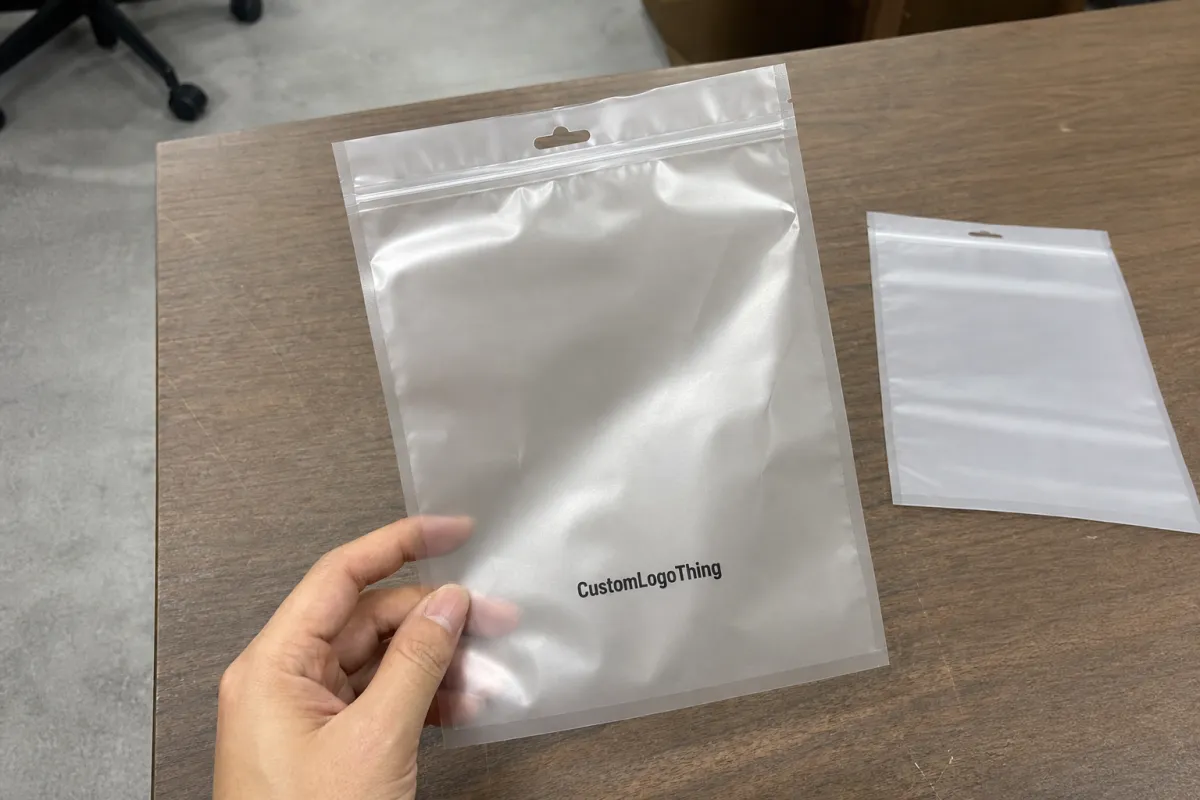
The carton often arrives at the least convenient time: before the morning rush, during a retail shelf reset, or right before roasted coffee needs to be packed for weekend sales. The bags looked clean in the product proof, the purchase order shows the right quantity, and then the first box opened in the back room has mixed sizes, bent zipper tracks, or 250 pieces where the label says 500. A Frosted Zipper Bags Carton Packing checklist for coffee shops is not extra paperwork; it is the last quality check between finished custom packaging and the hands of the team that has to use it.
Frosted zipper bags are used for more than whole-bean coffee. Shops and small roasters use them for roasted beans, single-serve portions, sample packs, tea, drink powders, cookies, tasting kits, loyalty gifts, and small merchandise. That variety matters because several bag styles can look nearly identical at a glance, especially with matte translucent PE, frosted co-extruded film, or a frosted PET/PE laminate carrying restrained artwork.
A useful carton checklist focuses on the details that cause real problems later: carton strength, bag count, bundle orientation, inner poly protection, carton labeling, size separation, moisture control, and pallet or master carton identification. It gives the person receiving the shipment a clear way to verify the order before those bags are split between storage shelves, under-counter bins, and multiple cafe locations.
Frosted films can look refined and quiet on a retail shelf, but they are still flexible plastic structures. They can scuff, crease, curl, or pick up pressure marks if the carton fit is wrong. A zipper profile that was crisp at the converting line can feel rough after too much compression in transit, and a soft frosted front panel can lose its clean appearance if stacks slide inside an underfilled carton for several hundred miles.
Packaging floor rule: the bag is not finished just because it passed print and sealing. It is finished when it reaches the buyer in the right count, in the right carton, with closures and panels still in usable condition.
For cafe owners, roasters, purchasing managers, and operations teams, the goal is practical: fewer receiving surprises, cleaner inventory control, and less time trying to determine whether a defect came from production, packing, freight handling, or storage after delivery.
How Frosted Zipper Bags Are Packed Inside Cartons
The basic packing flow is simple on paper. Finished bags are counted, inspected, stacked or bundled, protected with an inner liner if needed, placed into corrugated cartons, labeled, sealed, and shipped loose, in master cartons, or on a pallet. Problems appear when any of those steps becomes casual.
Bag structure determines how much pressure the carton can safely carry. A matte frosted PE pouch is usually softer and more flexible than frosted PET laminated to PE. Co-extruded translucent films may feel pliable in hand but still show surface scuffing if the finish is delicate. A thick stand-up pouch with a bottom gusset needs more space than a flat sample bag, and it should not be forced into a carton that is just slightly too shallow.
Zippers need their own attention. Press-to-close zippers, slider zippers, and resealable tracks should not sit under heavy compression because the profile can distort. The defect may not look dramatic. It may show up as a bag that opens unevenly, closes with a gritty feel, or gives the customer a first touch that feels cheaper than the printed design suggests.
Common packing styles include flat stacks, upright rows, alternating nested bundles, and smaller inner bundles grouped by count. The right method depends on gusset style, zipper type, print finish, and carton dimensions. Four-ounce flat pouches may ship comfortably in tight stacks, while 12-ounce stand-up coffee bags often need controlled rows so gussets and zipper flanges do not push against each other.
Carton fit is a balance. Empty space lets bags shift and rub. Overpacking curls flanges, creases frosted panels, and creates pressure lines near seals and closures. From a buyer's point of view, the best carton is not always the smallest carton; it is the carton that protects the bags while keeping freight, storage, and counting practical.
If your shop receives multiple bag sizes or artwork versions, ask for carton labels that separate size, design, roast line, volume capacity, print version, and quantity per carton. That label may feel like a small production detail, but it saves real time when a shift lead is stocking retail shelves between drink orders.
Key Carton Specs to Confirm Before Production
Confirm carton-level specifications before the order is packed, not after the boxes are taped shut. At minimum, ask for carton dimensions, corrugated board grade, maximum gross weight, pieces per inner bundle, pieces per carton, master carton use, and pallet configuration if the shipment is large enough for freight handling.
Carton strength is not a vague packaging preference. A single-wall corrugated carton may be acceptable for light, small-format frosted zipper bags moving through a short shipping lane. Heavier shipments, taller stacks, parcel networks, or mixed freight routes may need stronger corrugated board, tighter void fill, edge protection, or palletized shipping. Many packaging buyers reference ISTA procedures when cartons must survive parcel handling or mixed distribution environments, although the exact testing requirement should match the value and sensitivity of the order.
Bag dimensions belong on the same checklist. Confirm width, height, bottom gusset, fill capacity, zipper location, hang hole if used, and whether the carton count refers only to finished usable bags. Production overruns, loose samples, set-up pieces, and film scraps are not the same as clean, counted, usable packaging.
Print and finish protection can change the packing method. Frosted bags with spot printing, metallic inks, applied labels, soft-touch varnish, or large areas of dark ink may need interleaving, careful stack direction, or lower compression to reduce rub marks during transit. Not every job needs tissue, slip sheets, or individual poly wrapping, but delicate finishes deserve a discussion before the quote is locked.
Moisture and odor control matter around coffee. Cartons should stay clean, dry, and away from strong smells because flexible packaging can pick up warehouse odors, humidity, or chemical notes that are unacceptable near food-adjacent products. If sustainability claims are part of your sourcing conversation, confirm paperboard and chain-of-custody language through credible programs such as the Forest Stewardship Council rather than relying on vague carton copy.
For custom runs with several SKUs, seasonal artwork, or similar bag sizes, request a packing photo before full pack-out. One clear image showing bag orientation, inner bundle count, label position, and carton closure can prevent a surprisingly expensive receiving mess.
Cost, MOQ, and Unit Cost Factors in Carton Packing
Carton packing affects total landed cost, not just the quoted bag price. Film structure, bag size, zipper type, print method, color count, finish, order quantity, carton strength, inner packing, labeling, and SKU separation all influence what your shop pays to receive packaging that can actually be used.
Minimum order quantity needs honest math. A higher MOQ can reduce unit cost, but only if you can store the cartons properly and rotate through them before artwork, roast offerings, price labels, or retail formats change. If a shop buys 20,000 frosted zipper bags to save a few cents and then changes its label system after 8,000 pieces, the savings can disappear quickly.
Pricing varies by supplier, material, print method, and order size, but practical ranges help frame the conversation. A small flat frosted sample pouch may quote around $0.12-$0.20 per unit at 5,000 pieces, depending on film, print coverage, and zipper style. A larger custom printed stand-up coffee pouch may land closer to $0.28-$0.55 per unit at the same quantity. Specialty matte finishes, metallic ink, additional white ink layers, hang holes, degassing valves, or stronger cartons can move the number again.
| Carton Packing Choice | Typical Cost Effect | Operational Tradeoff | Best Fit |
|---|---|---|---|
| Higher pieces per carton | May reduce carton count and freight volume | Can increase compression marks if packed too tightly | Durable flat pouches with simple finishes |
| Lower pieces per carton | May increase shipping volume by 10%-25% | Better protection and easier counting | Gusseted bags, slider zippers, premium frosted panels |
| Inner bundles of 50 or 100 | Adds light labor and material cost | Faster receiving and cleaner inventory control | Multi-location coffee shops or mixed SKUs |
| Palletized shipment | Can add pallet and freight handling cost | Reduces parcel crushing on larger orders | Bulk packaging orders over several cartons |
Freight math can be irritating because the cheaper option is not always cheaper after damage and handling are counted. Fewer bags per carton may protect delicate finishes but increase carton count and cubic volume. Overloaded cartons may look efficient on the quote, then create damaged zipper bags, slower receiving, and a dispute that costs more staff time than the savings were worth.
Ask suppliers to quote both the bag unit cost and the packed-carton details: pieces per carton, estimated carton dimensions, gross weight, loose carton versus pallet shipment, and whether master cartons are used. Keep the carton checklist next to the price quote. The lowest bag price is not always the lowest operating cost.
Process and Timeline From Artwork Approval to Delivery
The usual sequence is orderly: confirm bag specifications, finalize artwork, approve the proof, order materials, produce or convert the bags, inspect finished pieces, pack cartons, label cartons, arrange freight, and receive the shipment. Each handoff has a chance to introduce count, label, or handling errors.
Discuss the packing checklist before production is finished. Count per carton, label format, inner bundle size, and carton protection are easiest to control during the packing stage. After cartons are sealed, changes require time, labor, and sometimes new labels or full repacking.
Artwork proofing also connects to carton packing because frosted films change how ink appears. White ink layers, opacity, barcode readability, print placement, and clear window areas should be approved before full production. A barcode that scans cleanly on a glossy mock-up may behave differently on a matte translucent bag if the contrast is weak or the print sits over a frosted panel without enough backing white.
Inspection should happen before cartons are closed. The supplier should check zipper function, seal integrity, panel alignment, print registration, size tolerance, and carton count. Flexible packaging can be evaluated with ASTM test methods for film and seal performance, but the right plan depends on the bag structure and intended use. For many coffee shop orders, a functional zipper check, visual inspection, dimension check, and count verification are more useful than an overly formal lab protocol.
Lead times vary. A straightforward custom pouch reorder might be ready to ship in 12-18 business days after proof approval if materials are available and the production queue is open. Complex print, specialty films, new tooling, seasonal demand, delayed approvals, or freight congestion can stretch that schedule. It does not happen every time, but it happens often enough that a buffer belongs in the plan.
Build receiving time into launch schedules. If a seasonal drink promotion, wholesale delivery, or retail shelf reset depends on finished packaging, do not plan for bags to arrive the afternoon before filling starts. A two- to five-business-day receiving buffer gives the team time to count, inspect, report damage, and organize cartons by SKU.
Step-by-Step Receiving Checklist for Coffee Shop Teams
Receiving has to work in a busy back room. The person doing it may be a manager, barista, warehouse lead, or owner moving between tasks. A good Frosted Zipper Bags Carton Packing checklist for coffee shops turns inspection into a repeatable routine instead of a memory test.
- Inspect the outside of every carton. Look for water marks, crushed corners, punctures, loose tape, relabeling, odor, or signs that cartons were stacked under excess weight.
- Check labels before opening. Confirm supplier name, purchase order, bag size, design name, SKU, color or print version, carton number, quantity per carton, and total carton count against the packing list.
- Open carefully. Use shallow cuts or a safety blade. A deep box-cutter pass can slice the top 10-30 bags, especially if there is no top board or thick inner liner.
- Count a sample bundle. If the label says bundles of 100, count one bundle. Then count the number of bundles in the carton before the shipment is stocked.
- Inspect bag condition. Look for zipper misalignment, distorted tracks, powdery scuffing, bent corners, blocked openings, weak side seals, print rub, trapped debris, or bags stuck together from compression.
- Document problems immediately. Photograph the outer carton, carton label, packing list, and affected bags. Keep suspect cartons separate from usable inventory.
Do not mix questionable cartons into stock and hope the issue clears itself up. Once bags are distributed between locations or placed under a counter, proving the original condition becomes harder. A clear photo set, carton number, and count discrepancy can speed up replacement, credit, or root-cause review.
For multi-location shops, use the same receiving form everywhere. One location should not write "bad bags" while another writes "zipper profile crushed on carton 4 of 12." Specific language helps a supplier separate carton compression from bag conversion, freight handling, and storage conditions after receipt.
Common Packing Mistakes That Damage Frosted Zipper Bags
Overpacking is the obvious failure. Cartons stuffed too tightly may bow at the side panels, create zipper pressure marks, and make gusseted bags lean before they reach the filling station. The carton may look efficient from the outside while slowly damaging the closure profile inside.
Underpacking creates another kind of damage. Too much empty space allows stacks to slide during transit, and frosted surfaces can rub against each other until they develop dull patches, scratches, or edge wear. A better carton size, a top board, or a modest amount of void fill can protect the retail appearance without making the shipment complicated.
Mixed SKUs create operational pain. Similar frosted bags with slightly different capacities, roast labels, or print colors can be accidentally combined unless carton labels and inner bundle separation are clear. An 8-ounce and a 10-ounce pouch may look close enough in a rushed receiving area to cause wrong fills later.
Poor carton sealing is another quiet failure. Weak tape, unbalanced weight, reused cartons from unrelated goods, or poor flap alignment can increase the risk of splitting, moisture exposure, and odor transfer. Around coffee, that odor risk deserves attention. Empty packaging should not smell like cleaning chemicals, warehouse dust, or the product the carton carried before.
Sharp opening tools are a receiving mistake rather than a supplier mistake, but the damage looks the same once the bags are cut. Use shallow blade settings and train staff to cut along tape lines gently. If cartons are packed close to the top, ask the supplier for a top board, inner liner, or slightly deeper carton.
Storage after receiving can undo good packing. Keep cartons away from espresso machine steam, floor drains, direct sunlight, cleaning chemicals, and heavy inventory that could crush zipper tracks. A dry shelf, closed cabinet, or dedicated packaging rack is safer than the floor near mop buckets.
Frosted Zipper Bags Carton Packing Checklist for Coffee Shops
Before your next custom packaging quote, gather the details your supplier needs to pack the order correctly: bag dimensions, film structure, zipper type, print version, current carton labels, purchase order details, storage limits, and any receiving problems your team has already seen. If count errors or mixed SKUs happened once, write that requirement into the next purchase order rather than depending on a verbal reminder.
Create a one-page checklist with sections for carton count, quantity per carton, SKU label, bag size, zipper type, print version, outer carton condition, sample count, visual inspection, and issue documentation. Keep it plain. A checklist that fits on one page gets used; a long quality manual usually sits in a folder.
- Carton identification: PO number, SKU, design name, print version, carton number, and total cartons.
- Quantity control: pieces per bundle, bundles per carton, pieces per carton, and accepted count tolerance.
- Protection details: inner liner, interleaving if needed, void fill, orientation, and carton strength.
- Receiving checks: outer carton condition, sample count, zipper function, print condition, and photo documentation.
- Escalation rules: who reports issues, what photos are required, and when credits or replacement cartons are discussed.
Agree on tolerance and escalation rules before the shipment leaves. Some suppliers allow a small count tolerance on custom converting jobs, while others quote exact carton counts. Damage reporting also needs structure: photos of the carton, label, packing list, and affected bags are far more useful than a short message saying the shipment looks wrong.
Coffee shops with more than one location should standardize receiving notes. A manager at one shop and a warehouse lead at another should use the same wording for crushed cartons, zipper deformation, scuffed frosted panels, and mixed SKUs. That consistency makes supplier conversations calmer and much faster.
Put carton packing instructions on the purchase order, especially for seasonal bags, promotional artwork, and multi-SKU shipments. This is the part many buyers skip because it feels small. It is not small. A clear carton packing checklist protects custom packaging quality from the supplier's final pack-out to the moment the bags are filled, sealed, placed on the shelf, and handed to a customer.
FAQ
What should a frosted zipper bags carton packing checklist include for coffee shops?
A frosted zipper Bags Carton Packing checklist for coffee shops should include carton count, bag quantity per carton, SKU or design name, bag size, zipper type, print version, carton condition, inner bundle count, sample inspection results, and photos of any damage. For shops with several roasts or product lines, add roast category, label version, store location, and whether the bags are for retail shelves, sample packs, or back-bar use.
How many frosted zipper bags should be packed in one carton?
The right count depends on bag size, film stiffness, gusset depth, zipper profile, and carton strength. Smaller flat pouches can usually be packed more densely than larger stand-up coffee bags. Ask for the quoted pieces per carton, gross carton weight, and carton dimensions before ordering so you can confirm whether the shipment is practical for storage, handling, and receiving.
Can carton packing affect the zipper performance on frosted bags?
Yes. Heavy compression, overfilled cartons, or poor stack orientation can deform the zipper track and make the bag harder to open and close smoothly. Zipper bags should be packed with enough support to prevent shifting, but not so tightly that the closure profile is flattened, bent, or forced out of alignment.
What carton labeling details help coffee shops avoid inventory mix-ups?
Useful labels include purchase order number, SKU, bag dimensions, design name, print version, quantity per carton, carton number, total cartons, and any location-specific routing notes. If two frosted bags look similar, use bold carton labels or color-coded stickers to separate sizes, roast lines, or seasonal artwork.
How can coffee shops reduce damage when receiving frosted zipper bag cartons?
Inspect cartons before signing off, open boxes with shallow cuts, count one sample carton per SKU, and keep damaged or questionable cartons separate from usable inventory. Store cartons in a dry, clean area away from heat, steam, sunlight, cleaning chemicals, and heavy items that could crush the zipper tracks.

