Cosmetics unstructured dad hats Unit Cost Review sounds narrow, but it sits at the intersection of branding, margin, and production reality. For cosmetics teams, the hat is rarely the expensive part in a vacuum. The real cost shows up after decoration, setup, packaging, and freight are added to the base blank, and that is where a launch can drift from tidy to awkward fast.
Unstructured Dad Hats are popular in beauty for a reason: they read relaxed, they travel well, and they feel closer to lifestyle merchandise than hard-sell promo wear. That softer look suits sampler kits, retail staff uniforms, event giveaways, and influencer mailers. The catch is that a casual silhouette does not guarantee a casual price. One small change in fabric, logo size, or closure style can move the unit cost more than buyers expect.
Why a simple dad hat can change unit cost fast
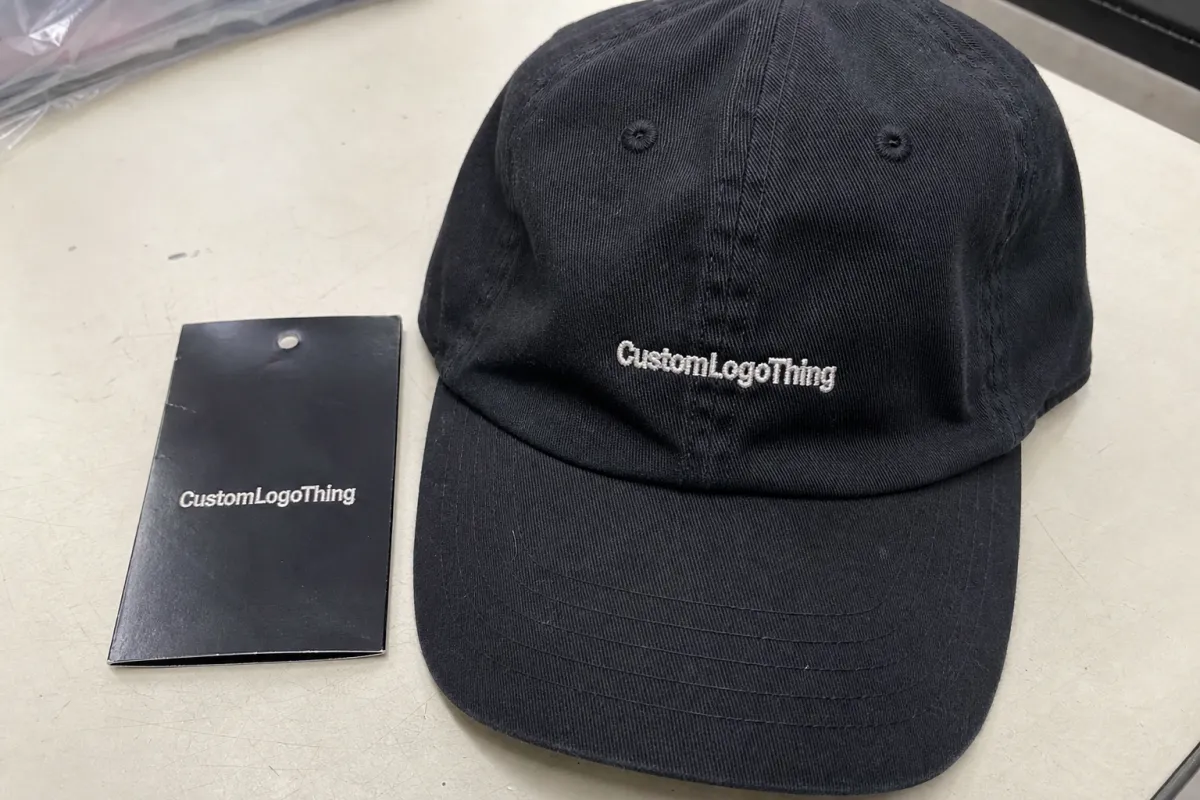
An unstructured dad hat looks straightforward because it has a soft crown, a curved brim, and an adjustable closure. That simplicity is partly an illusion. The style can be made from stock blanks, custom bodies, washed fabrics, or premium finishes, and each path carries a different cost profile. Two quotes that look similar on paper can diverge sharply once labor, packaging, and freight are included.
The blank cap is only one line in the budget. Decoration method matters just as much, sometimes more. A low-stitch front embroidery may be economical, while a dense logo, multi-location embroidery, or patch application adds time and handling. If a buyer wants the same artwork on a hat, a hangtag, and a polybag insert, the order becomes a small packaging project, not just a cap order.
MOQ also affects the math in a way that is easy to underestimate. On a 100-piece run, digitizing, sampling, setup, and approval time can represent a large share of the total spend. At 500 pieces, those fixed costs spread out, and the unit price usually drops. That is why the same style can feel expensive in one scenario and reasonable in another. The hat did not change; the production burden did.
The lowest quote is often the one that leaves out packaging, shipping, or stitch complexity.
Build choices: unstructured crown, fabrics, and decoration
The appeal of an unstructured cap is the soft, low-profile crown. There is no rigid buckram front forcing a stiff shape, so the hat sits closer to the head and folds more easily in transit. That makes it practical for cosmetics programs that need something wearable, packable, and less formal than a classic promotional cap.
Fabric choice shapes both appearance and cost. Cotton twill is the workhorse option because it balances durability, price, and embroidery performance. Washed cotton gives a worn-in finish that pairs well with lifestyle branding, though the surface texture can soften small details. Canvas feels heavier and more substantial. Brushed chino can read cleaner, but it may not deliver the same relaxed look that beauty teams often want. A tighter weave usually helps embroidery edges hold shape; a heavily washed or looser fabric can make small lettering less crisp.
Decoration should be chosen with the fabric, not against it. Flat embroidery is usually the cleanest and most economical option for simple logos. Puff embroidery creates more depth, but it also increases stitch time and can make the crown feel firmer in the decorated area. Woven patches can sharpen fine detail, while leather patches and embossed labels lean premium. Each adds material cost and application labor, and some require tooling. That extra work is easy to miss when a quote is presented as a single line number.
There is also a practical tradeoff between softness and shelf presence. A fully unstructured hat feels comfortable and modern, but if the cap needs to stand out in retail photos or on a display hook, a lightly reinforced front panel or a higher-contrast logo can improve the visual read. These are not mandatory upgrades. They are costed decisions. And in cosmetics, where packaging language matters, the visual effect can be worth more than the raw spec sheet suggests.
Fit and finish specs buyers should lock before quoting
Before asking for a price, lock the core spec. Crown height, panel count, brim curve, closure style, fabric color, thread color, and wash treatment all affect cost and lead time. A supplier can quote faster and more accurately when those details are fixed. If the buyer is still deciding between embroidery and a patch, ask for both paths at once so the comparison stays useful.
Fit deserves more attention than it usually gets. A soft crown can sit beautifully on one head and look shallow on another. That is not a defect; it is the nature of the pattern. For cosmetics teams using hats for events, staff wear, or gifting, the goal is often broad wearability rather than precise fashion fit. A closure that is too flimsy or a crown that collapses awkwardly can make the hat feel cheaper than the price suggests.
Color control is another line item disguised as a style choice. In-stock black, cream, washed olive, and similar shades usually support lower minimums and faster turnaround. Custom-dyed fabric can improve brand alignment, but it often raises MOQ and stretches the schedule. Buyers should ask whether the fabric is stock-dyed, garment-dyed, or finished to look washed. Those are not interchangeable processes, and they do not price the same way.
Logo placement should also be settled early. Front center embroidery, side marks, and back hits each require different hooping and setup. Larger artwork pushes stitch count up, which increases labor and can stiffen the front panel. Packaging matters too. A retail-ready order may need hangtags, size stickers, or polybags; a field-use order may not. The wrong packaging spec can add labor with no visible benefit.
If the hats must arrive in strong shape, ask about carton construction and inner packing. Some buyers assume a cap is forgiving in transit. It is, up to a point. Too much compression can flatten the crown and warp the brim. If sustainability is part of the brief, paper-based packaging can support that direction, and FSC guidance at fsc.org is a useful reference for responsible paper sourcing. For shipment handling and transit testing, ISTA resources at ista.org help frame the right questions.
Cosmetics unstructured dad hats unit cost review: cost, pricing, MOQ, and unit cost breakdown
A clean Unit Cost Review has to separate the real cost drivers. Blank cap cost, decoration, setup, packaging, sampling, and freight should be visible on the quote. If they are bundled into one vague number, the comparison becomes unreliable. That is where many buying decisions go wrong: the quote looks better than the competition until the missing charges appear.
MOQ is not just a factory preference. It is a way to recover setup time, material commitments, and decoration labor. Stock colors with basic embroidery can sometimes start around 100 to 300 pieces, depending on the supplier and artwork. Custom colors, special washes, multi-step decoration, or premium finishing often push that higher. The more a style departs from stock materials, the more the supplier has to protect capacity and pricing.
| Build | Typical MOQ | Approx. unit cost at 100 pcs | Approx. unit cost at 500 pcs | Buyer notes |
|---|---|---|---|---|
| Stock blank + flat embroidery | 100-300 | $5.50-$7.50 | $3.40-$4.80 | Best for simple logos and controlled setup fees |
| Stock blank + woven patch | 150-300 | $6.20-$8.60 | $4.10-$5.60 | Sharper detail, slightly more materials, more handling |
| Washed cotton + puff embroidery | 200-500 | $7.10-$9.80 | $4.80-$6.50 | More dimension, stronger premium feel, longer stitch time |
| Custom color + premium patchwork | 300-1000 | $8.50-$12.00 | $5.90-$8.40 | Higher tooling risk, slower approval cycle, stronger brand impact |
These numbers are directional. They move with region, season, thread density, decoration size, and order timing. A small front logo with low stitch count may sit near the bottom of a range. A dense badge, oversized mark, or layered patch system will climb quickly. Mixed-color runs, multiple logo placements, and rush schedules can also push the price upward without changing the blank itself.
That is why itemized quotes matter. If one supplier is cheaper by sixty cents but hides a separate digitizing fee, carton charge, or labeling fee, the comparison is not real. A better quote should show what the hat costs, what the decoration costs, what the setup costs, and what the freight estimate assumes. The buyer then sees where the margin sits and where the risk lives.
On smaller runs, the economics can feel lopsided. A 100-piece order may pay a disproportionate share of setup, while a 500-piece order dilutes those fixed costs. That does not mean larger runs are automatically better; it means unit cost should be read in context. If the launch is experimental, a lower MOQ may be worth the premium. If the program is recurring, the math changes and bulk pricing becomes more attractive.
Production steps, timeline, and approval checkpoints
The workflow is usually predictable: artwork intake, digital proof, sample or pre-production review if needed, production, quality check, packing, and shipment. The sequence sounds tidy, but delays usually happen at the handoff points. Missing vector art slows digitizing. Unclear thread colors slow proofing. Late changes to logo placement can push the order back into the queue.
Simple stock blank runs move faster than custom builds. If the cap color is already in inventory and the decoration is straightforward, production can start quickly after approval. Once custom dyeing, specialty patches, or multi-step decoration enters the spec, lead times stretch. For many buyers, a simple decorated stock order can often be planned around roughly 12 to 15 business days after proof approval, with extra time added for complex artwork or freight routing. That is a planning range, not a promise.
Sampling is where expectations get corrected. A digital proof can look clean while the actual embroidery feels too dense or the patch reads too small on the crown. That is common. The sample stage is less about discovering dramatic problems and more about adjusting the details that affect wear, appearance, and cost. The fastest way to keep a launch moving is to approve the proof with clear rules for what can and cannot change.
Shipping should be treated as part of production, not an afterthought. Hats travel differently depending on how they are packed. Nested cartons may preserve shape better than loose packing, while export palletization may require different carton sizes than domestic parcel. If the buyer wants the hats to land retail-ready, ask how the supplier prevents brim distortion and crown flattening. Those issues are cheaper to avoid than to fix after arrival.
What wholesale buyers should expect from a cap supplier
A useful supplier does more than send a price. They explain why the price is what it is, point out where the artwork may increase labor, and flag the difference between a technically possible spec and a commercially sensible one. That matters in cosmetics because the brief often combines brand polish, launch timing, and margin pressure in the same order.
Repeatability is one of the real tests. A beauty brand may reorder the same hat for seasonal events, staff uniforms, and later promotions. The next batch should not look like a different product. Good suppliers can keep color, fit, and placement close across reruns, and they can say where tolerances sit on stitching, shade, or label placement. If they cannot explain that clearly, the buyer should treat the first order as a test, not a promise.
Quality control should focus on the details customers actually see. Stitch consistency, seam alignment, closure function, crown symmetry, and label placement all affect presentation. For staff wear, closure durability matters. For gifting, the hat needs to arrive clean, crease-free, and ready to hand out. A supplier that understands those use cases will recommend the right construction instead of defaulting to the lowest-spec version.
Responsiveness matters, but accuracy matters more. A quick quote that omits MOQ, lead time, or packaging is not useful. A better response gives inventory status, production timing, and shipping assumptions in the open. That is the difference between a supplier that sells hats and a supplier that understands how launch budgets actually work.
What to send for a faster quote and cleaner launch plan
The fastest way to get a usable quote is to send the real constraints first. Quantity by color, target ship date, decoration method, and artwork files are the core inputs. If the team is still deciding between flat embroidery and a patch, ask for both options. Otherwise the supplier will fill gaps with assumptions, and the first quote will probably need revision.
Packaging notes help more than many buyers expect. A retail drop may need hangtags, tighter carton labeling, or presentation-focused packing. A staff program may prioritize comfort and price. A promotional mailer may care most about arrival condition and shipping weight. If the order needs to land at a specific destination, ask for landed cost rather than ex-factory pricing alone. Freight can erase an apparent savings faster than most teams expect.
It also helps to say what the logo has to do visually. Some marks work well at a low stitch count. Others need a patch, a smaller size, or a mixed technique to keep the look sharp without overbuilding the front panel. That information saves time in both quoting and sampling because the supplier can price the design around the intended finish rather than guessing at it.
A short approval buffer is useful if the launch date is fixed. It absorbs small changes in thread color, label placement, or carton spec without forcing a rushed shipment. In practice, that buffer often saves more money than a last-minute rush fee can recover. For a cosmetics Unstructured Dad Hats Unit Cost review, the best outcome is not simply the cheapest line item. It is the version that fits the brand, the timeline, and the actual use case without hidden corrections later.
FAQ
What affects the unit cost of cosmetics unstructured dad hats the most?
Quantity, decoration method, fabric choice, and packaging have the biggest impact. Small runs carry more setup cost per piece, while custom colors, dense embroidery, or premium patches add labor and often raise the MOQ.
How low can the MOQ be for unstructured dad hats with cosmetics branding?
Stock blanks with simple decoration can sometimes start around 100 to 300 pieces. Once the order moves into custom dyeing, specialty patches, or more complex finishing, the minimum usually increases.
Does embroidery or a patch give a better price for dad hats?
Flat embroidery is usually the lower-cost choice for simple artwork. Patches can cost more because they add material and application steps, but they may deliver a sharper premium finish and handle certain logos better.
How long does production usually take after artwork approval?
A simple stock blank order may be planned around 12 to 15 business days after final approval, though custom fabrics, larger stitch counts, or special packaging can extend that window. Freight time is separate.
What should be included in a quote for cosmetics unstructured dad hats?
The quote should show blank cost, decoration cost, setup fees, packaging, shipping assumptions, MOQ, and Lead Time. If those pieces are missing, the number is too incomplete to compare fairly.

