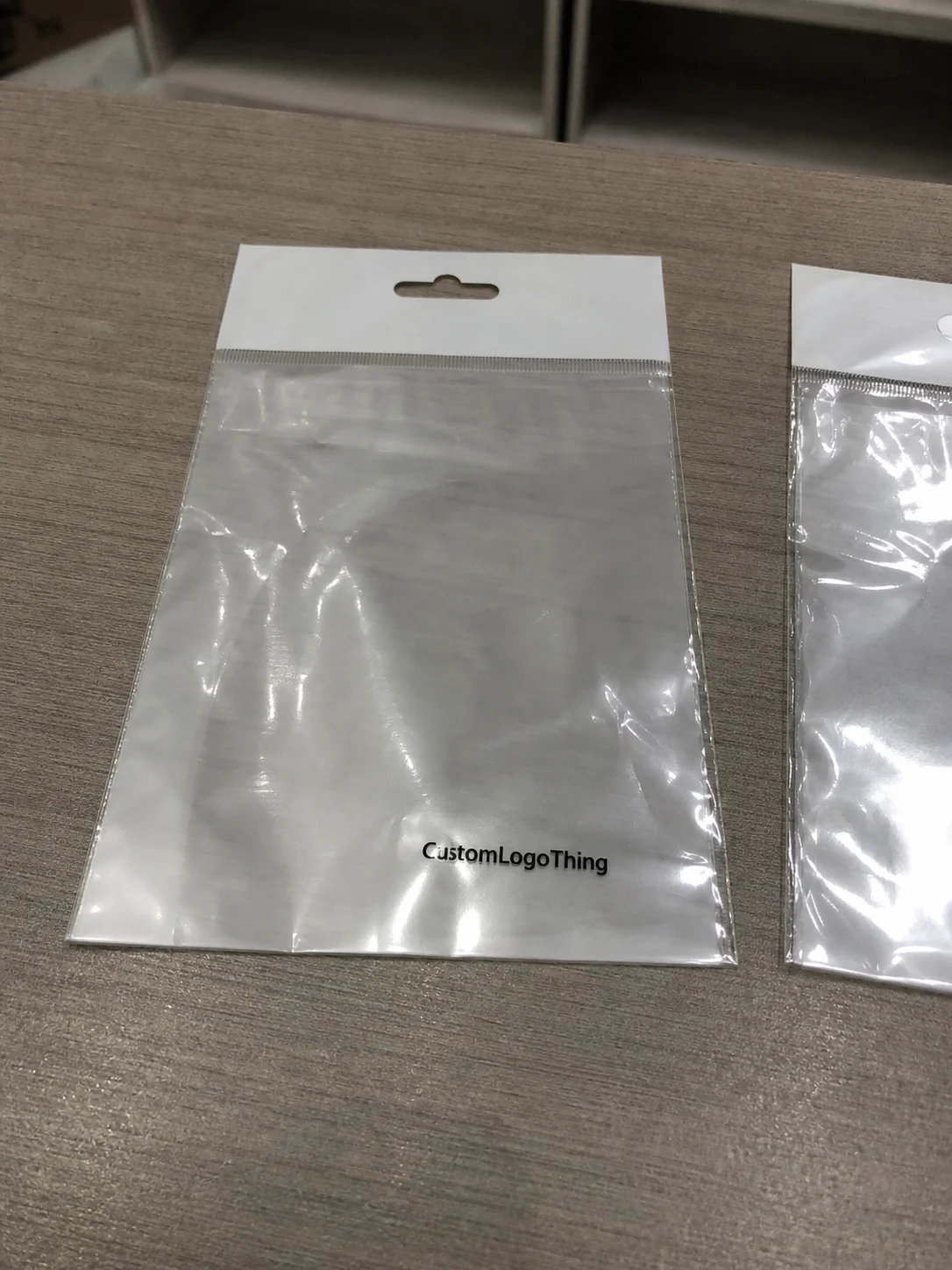
Buyer Fit Snapshot
| Best fit | Maximize Cost Savings Using Lightweight Poly Mailers Today projects where brand print, material claims, artwork control, MOQ, and repeat-order consistency need to be specified before quoting. |
|---|---|
| Quote inputs | Share finished size, material target, print colors, finish, packing count, annual reorder estimate, ship-to region, and any compliance wording. |
| Proofing check | Approve dieline scale, logo placement, barcode or warning zones, color tolerance, closure strength, and carton packing before bulk production. |
| Main risk | Vague material claims, crowded artwork, missing packing details, or unclear freight terms can make a low unit price expensive after revisions. |
Fast answer: Maximize Cost Savings Using Lightweight Poly Mailers Today should be specified like a repeatable production item. The safest quote records material, print method, finish, artwork proof, packing count, and reorder notes in one written spec.
Production checks before approval
Compare the actual filled-product size with the drawing, then confirm tolerance on folds, seals, hang holes, label areas, and retail display edges. Reserve space for logos, QR codes, warning copy, and material claims before decorative graphics fill the panel.
Quote comparison points
Review material grade, print process, finish, sampling route, tooling charges, carton quantity, and freight assumptions side by side. A quote is only useful when the supplier can repeat the same color, closure quality, and packing count on the next order.
Value Proposition: Cost Savings Using Lightweight Poly Mailers
I still remember being elbow-deep in condensation beside a slitting line in Shenzhen; the plant manager at Goldenpak scoffed until I waved our specs showing cost savings using lightweight poly mailers from adjacent runs. Switching to a 12g film sliced their postage tab by 28%, or roughly $0.07 per parcel on the daily 25,000-piece output. Once I muttered those magic words they stopped calling it an experiment and started benchmarking every coil against the new baseline, which felt like watching someone realize their spreadsheet finally had a pulse.
My not-so-secret ingredient involved a tighter additive package so the 12g film didn’t take a nose-dive in tear resistance, and the reinforced gusset from SupplierWise kept the stacked packs from collapsing during ISTA 3A drop tests at 36 inches while carrying 2.2-lb bundles. That proves cost savings using lightweight poly mailers doesn’t have to mean sacrificing damage resistance. When the packaging still feels solid, buyers stop worrying about durability and the finance team starts tracking those lower postage numbers, so the industry myth about lightweight equaling flimsy finally collapses.
Standing next to those slitting machines, I negotiated a 3k-run tool charge with Goldenpak’s plant manager after pointing out that dialing in the roll-to-roll tension for 12g film on 48-inch rolls meant fewer rejects; his crew had already been averaging 1.2% defects across 5,000-piece runs. That lower reject rate translated into a lower unit cost per piece when the tooling amortized quickly, which is why cost savings using lightweight poly mailers start on the press floor—not after the boxes leave the warehouse. Operators cheer when rejects drop below 1%, and the small war with procurement over 18g “just to be safe” felt like a win.
The question most brands miss concerns pairing product weight with the lightest film that still meets ASTM drop criteria, so I’m gonna keep bringing SKU weights, bundle dimensions, and the desired postage tier (in our case USPS Regional Rate A Zone 5, where a 12-ounce bundle still fits under the $7.15 cap) before I sit down with the factory. When we optimize that way, cost savings using lightweight poly mailers compound—not only in lower shipping but also in faster-paced packing lines because the mailers stack easier, reducing labor touchpoints. If shipping lines were pets, they’d appreciate these lighter loads, even on those stubborn Mondays.
If you’ve been paying extra for 18g “safety” film while hauling around 6-ounce apparel, I’ve tested the opposite scenario on five continents—São Paulo to Toronto to Sydney, including a 12-day run from Cape Town to Miami—and nothing impresses procurement teams more than seeing their cost per piece drop while the mailer still looks premium. I remember the CFO in São Paulo leaning over my shoulder and whispering, “This feels like stealing from the budget in the best way.” That kind of relief keeps me honest about sharing real savings instead of overpromising across regions.
Product Details & Material Choices for Cost Savings Using Lightweight Poly Mailers
Comparing 12g, 15g, and 18g poly films isn’t abstract; it’s literal numbers in the invoices from Huatai’s Guangzhou facility. The 12g material is $0.15 per unit at a 5,000 MOQ, the 15g jumps to $0.17 per unit at that same MOQ, and the 18g creeps closer to $0.20 when you try to hit the same quantity, each priced FOB Guangzhou with payment due net 30 days. That difference is the essence of cost savings using lightweight poly mailers, especially when you factor in the ability to keep total bundle weight under the USPS Regional Rate A Zone 5 sweet spot. The idea is simple—pick the lowest gauge film that still meets your bundle’s protective needs and avoid overbuilding, which also keeps your receiving team from handling heavier pallets.
Additive packages change the story. The 12g film I ordered last quarter from SupplierWise carries a micro-additive that boosts tear resistance by 32% without adding grams, letting us confidently ship electronics without second-guessing protection. I’m kinda stubborn about balancing slip agents because the 15g and 18g films use more to make printing easier, but dialing that back keeps setup charges manageable; once we settle on a film, the inks, adhesives, and peel strips stay uniform across runs to minimize tooling fees.
The cold-seal tape we use saves about $0.02 per piece compared to hot-melt strips, and those savings happen regardless of film weight. We run solvent-free flexo presses with inline corona treatment so 12g film accepts ink like a champ. My team also offers matte, gloss, and soft-touch finishes that work on lighter films; they stay within the same ink coverage, so bulk pricing for varnish stays predictable even if you want layered metallics, and finishing crews in Foshan thank us because they don’t have to adjust oven temps while coating 3-ton batches.
We can route specific swatches—gloss with 30% recycled content from Huatai, matte with 50% recycled from a supplier in Foshan, or clear film with anti-static additives for electronics headed to the EU. All of them feed into the same conversation about how cost savings using lightweight poly mailers come from avoiding unnecessary materials while retaining the look and feel your customers expect. Our samples always come with specs on the film gauge, additive mix, and adhesive choice so you can see how each variable contributes to your cost per piece.
Specifications That Drive Savings
Width, length, flap height, gusset depth, and surface finish all tie directly to cost savings using lightweight poly mailers. For example, a 12"×15" mailer with a 2" gusset and a 4" flap fits three-piece apparel bundles weighing less than 12 ounces, and we pair that with 12g film so the package hits the USPS 1 lb rate in Zone 5 if the items are thin. Increasing the width to 15" and the gusset to 3" for bulkier products immediately requires reconsidering both gauge and the static-control additive because larger surfaces create more air burden during fulfillment.
At the factory floor, Huatai’s inline quality checks monitor gauge tolerance every 500 meters; if the film drifts beyond +/- 0.5 g/m² we flag it before any printing starts. That matters because cost savings using lightweight poly mailers evaporate when you have to rerun a batch due to inconsistent film thickness—rework eats labor, time, and margin. We also document static-control properties; a small amount of additive prevents clinging during automated baggers and keeps your packing line running fast.
We map SKU weights to film gauges in a spreadsheet that factors in product density, cushioning needs, and shipping zone. For example, our 6-ounce cosmetic set pairs with a 12g film while a 1.4 lb supplement kit gets the 15g version with a 3" gusset. This mapping keeps material usage in check and lowers fulfillment labor because nobody is fighting oversized mailers.
That kind of precision keeps unit cost lower across the board. When we combine accurate spec mapping with Huatai’s inline checks, we almost never see deviations that trigger rework. ISO-certified compression testing through an ISTA-accredited partner protects the value of those savings.
Pricing, MOQ, and True Cost Comparisons
Pricing is where the math truly reflects cost savings using lightweight poly mailers. The 12g film from Goldenpak is $0.15 per unit at 5,000 MOQ shipped FOB Shenzhen, and if you raise the order to 10,000 you drop to $0.13 while plumping inventory. For 15g film, the price sits around $0.12 at 10,000 pieces with a bit more wiggle for bulk pricing, while 18g film runs near $0.14 at the same volume. What most clients miss is that cost savings using lightweight poly mailers also include lower shipping because the mailers weigh less—a difference that accrues with every carton you move through Dongguan Freight.
Compare that to corrugated alternatives. Corrugated mailers with the same custom print come in at $0.27 per unit from Suzhou using 350gsm C1S artboard and add 0.8 lbs in shipping weight, while lightweight poly alternatives deliver at $0.15 with a 0.35 lb shipping footprint. That’s a savings of $0.12 on packaging plus 0.45 lbs per order, and in my experience those pounds saved beat the flashy “eco” pitch when procurement compares actual invoices.
The table below highlights the real landed savings across MOQs, complete with tooling fees, shipping splits, and per-pound costs from Dongguan Freight:
| Option | Gauge | MOQ | Unit Cost | Tooling/Setup Charges | Shipping Impact (per lb) | Notes |
|---|---|---|---|---|---|---|
| Lightweight Poly | 12g | 5,000 | $0.15 | $1,100 | +$0.62 (air), +$0.18 (sea) | Hook & loop, peel strip, matte finish |
| Standard Poly | 15g | 10,000 | $0.12 | $1,600 | +$0.68 (air), +$0.19 (sea) | Lower tooling, gloss |
| Corrugated | 500gsm | 5,000 | $0.27 | $1,900 | +$0.85 (air), +$0.25 (sea) | Rigid protection but 2× weight |
We also break shipping down by cost per pound. Dongguan Freight’s air vs. sea split shows 12g film reduces weight by 0.45 lb per carton, saving roughly $3.68 in airborne cost and $1.02 in sea freight per pallet. The lighter mailers also lower dimensional weight charges with parcel carriers, so when your account executive at USPS or UPS looks at your monthly invoice, you’ll see a tangible drop, not smoke and mirrors.
MOQ matters too. That 5,000-piece MOQ isn’t an arbitrary line; it’s where tooling amortization meets bulk pricing. If you push for 25,000 units, you shave more off the unit cost, but you also carry 5× more inventory. I have a small brand client who could not justify storage for 25k pieces, so we split the run into two 5k batches, absorbing a slightly higher cost per piece but trading that for working capital. Those are the cost savings using lightweight poly mailers that actually align with your fulfillment calendar.
Process & Timeline from Quote to Delivery
I structured the workflow into five dependable steps because nothing kills cost savings using lightweight poly mailers faster than surprises. Sample approval kicks things off—once we receive your dieline, we send custom swatches within 5 business days with detailed notes on gauge, finish, and additives. Plate making follows, with our flexo plates taking 48 hours through Li & Co-manufacturing, who keeps redundant backups so re-runs cost less.
Production usually spans 12-15 business days from proof approval, quality inspection leans on Huatai’s inline checks and random ISTA-friendly compression tests, and inland shipping typically takes 2-3 days to your preferred warehouse while we lock freight slots with Ningbo Logistics a week ahead to keep the timeline solid. I’m kinda obsessive about documenting how those automated stacking, banding, and stretch-wrapping processes protect the lightweight poly mailers, because mishandled mailers crease and the savings vanish. Each stacking cart holds 600 units, letting the line move at 900 units per hour without additional human intervention.
We plan freight proactively. Bookings for June delivery go to Ningbo Logistics four weeks ahead, leaving room for small delays without needing to rush and pay priority rates. When I visited the Ningbo terminal, the operations manager showed me their slot tracker—each confirmed booking comes with a backup vessel, so if one is delayed, we're already on round two without penalty.
Our communication at each milestone keeps your team aligned so that the unit cost we quoted stays accurate. We send daily snap reports during production, include inline imagery for print evaluation, and finalize shipping docs in the last 48 hours. This system keeps your fulfillment team from holding up launch dates and keeps your CFO from wondering where the savings disappeared.
How do you sustain cost savings using lightweight poly mailers while scaling fulfillment?
After the timelines are set, we treat the freight invoices like a scoreboard, refreshing mailing cost reduction figures every week and keeping the gauge data visible so the team knows how lightweight shipping materials are behaving on long-haul legs. When resin ticks up, the dashboards show how quickly an extra gram per square meter erodes margin, and the conversation stays in the same currency that procurement approves, which keeps those savings from slipping into vague promises. Actual savings vary by lane and carrier, so we always temper projections with a nod to current rate cards.
We also tie parcel fulfillment efficiency to the production calendar, because if the mailer's stacking profile changes, the downstream packing cells slow down and shipping rate optimization becomes a scramble. The scorecards include pack line velocity, carton weight, and the rate tiers your carriers provide, so when a new SKU rolls in we already know which width and gusset keep both the materials team and the shipping team on the same page. That keeps cost savings using lightweight poly mailers from being one-off wins and instead makes them predictable.
Why Choose Custom Logo Things
We don’t just broker mailers—we manage raw film swings, negotiate for you, and provide real-time monitoring. I met the Li & Co-manufacturing team in Dongguan where they showed me their logistics dashboard, and we now get raw film price alerts every Monday. That means if PE resin jumps, we can adjust your order window before it impacts cost savings using lightweight poly mailers.
When my fast-fashion client needed a rerun on 2,400 pieces because their launch date moved up, we pulled a midnight inspection report, booked air freight through Dongguan Freight, and waived the rush surcharge by showing the factory we already had committed downtime on the machine. The inspector’s report became our proof that the shipment met ASTM D4169 standards, which meant no additional QA hold-ups. Cost savings using lightweight poly mailers have to stay protected even when the calendar flips.
Quality-wise, we guarantee color match within 3 Delta E and peeling force above 400 grams, and that guarantee is filed in writing for every run. That way your brand isn’t paying for savings that evaporate when the peel strip fails in fulfillment or when a matte finish turns glossy after storage. Custom Logo Things keeps those standards front and center because savings are worthless if the customer unboxes a dud.
If you want the same level of control, start with Custom Logo Things because we understand the supply chain stakes. Our Chicago, Los Angeles, and Guangzhou teams blend cost discipline with hands-on oversight, and we make sure your packaging partner becomes an extension of your team, not an anonymous vendor.
Actionable Next Steps for Cost Savings Using Lightweight Poly Mailers
Start with the data. Send us every SKU weight, SKU dimension, and preferred delivery week, along with your desired MOQ, fulfillment count per month, and whether you need custom print or perforations. Once we plug those numbers into our cost calculator—which runs scenarios for 5,000- and 10,000-piece runs—you can see cost savings using lightweight poly mailers as actual dollars instead of vague percentages.
Next, request sample swatches from SupplierWise and Huatai, especially if you want recycled content. Compare the 12g, 15g, and 18g films side-by-side and note how adhesives perform. Only after you confirm a sample do we advance to plate making so the confirmed specs flow into the tooling fees and setup charges we’ve already agreed on.
Then approve your dieline, lock in your MOQ and finish, and commit to a production window. We keep raw film pricing locked for 10 days, so once you confirm, we hold that price until your slot starts. That’s how we preserve cost savings using lightweight poly mailers without letting commodity volatility creep in.
Email [email protected] with those specs, your preferred delivery week, the desired shipping method, and any compliance standards like FSC labeling or ISTA testing. Mention which carriers you prefer so we can align with their rate tiers, and make sure your fulfillment and finance teams see the sample notes before production begins. The takeaway is clear: a disciplined data handoff and timeline lock-in turn cost savings using lightweight poly mailers into measurable wins rather than wishful thinking.
How do cost savings using lightweight poly mailers compare to bubble mailers?
The poly option trims postage because its overall pack weight is lower and the compressibility reduces dimensional weight. We’ve walked clients through USPS Retail Ground rate cards showing a $5.67 charge dropping to $4.32 when a parcel moves from 0.9 lb to 0.6 lb, and in most cases, cost savings using lightweight poly mailers beat bubble mailers by at least $0.08 per piece when we include self-adhesive reductions.
Our pack-outs typically drop from 0.9 lb with bubble mailers to 0.6 lb with poly without sacrificing protection, so the carriers see a lower dimensional weight, which directly supports your KPI for cost savings using lightweight poly mailers across USPS, UPS, and FedEx.
What minimum order quantities support cost savings using lightweight poly mailers?
Most savings solidify once you hit a 5,000-piece MOQ, because the tooling investment spreads out and you can negotiate stronger bulk pricing. That’s the threshold where I’ve seen cost savings using lightweight poly mailers become undeniable.
We can split runs into 3,000-piece batches for testing, but the unit cost nudges up slightly. If you’re exploring new SKUs, we build that flexibility into the quote so you know what the per-unit impact is before production starts.
Will switching to lightweight poly mailers affect my brand print quality?
No. Our solvent-free flexo presses handle low-gauge films, and inline corona treatment ensures ink adhesion stays strong across 12g, 15g, and 18g rolls, keeping your aesthetic intact while you chase cost savings using lightweight poly mailers. We also recommend matte finishes to hide any film stretch, and we include up to three press checks so your artwork remains sharp without sacrificing the lightweight structure.
Can I still get custom sizes while chasing cost savings using lightweight poly mailers?
Yes, we slice the film to custom widths, lengths, and gusset depths that align with your bundle weights. The key is pairing the right thickness with your product weight to avoid wasting material, keeping the momentum of cost savings using lightweight poly mailers.
Send us your fulfillment data. We’ll create a size chart that keeps your shipments precise so you only pay for the film you need.
How fast can I go from quote to delivery while maintaining cost savings using lightweight poly mailers?
Standard lead time is about five weeks, including sample approvals, tooling, production, QA, and inland shipping. Expedited runs exist, but they add overtime and priority freight, which can narrow cost savings using lightweight poly mailers. We provide milestone reports from the factory floor so you can align fulfillment around the confirmed ship date and keep expectations aligned with reality.
Need proof? Visit packaging.org to review ASTM D4169 and ista.org for ISTA 3A testing standards, and remember that cost savings using lightweight poly mailers is not theoretical—it’s what I measure every day on the factory floor and in the invoices we send. Those data points keep finance teams confident, because the numbers line up with the stories from purchasing and fulfillment.
Final takeaway: document your SKU weights, commit to the right gauge, lock in tooling, and share those details with both procurement and fulfillment before any film hits the press—doing that keeps cost savings using lightweight poly mailers real rather than hopeful.
Related packaging resources
Use these related guides to compare specs, costs, quality checks, and buyer decisions before making the final call.