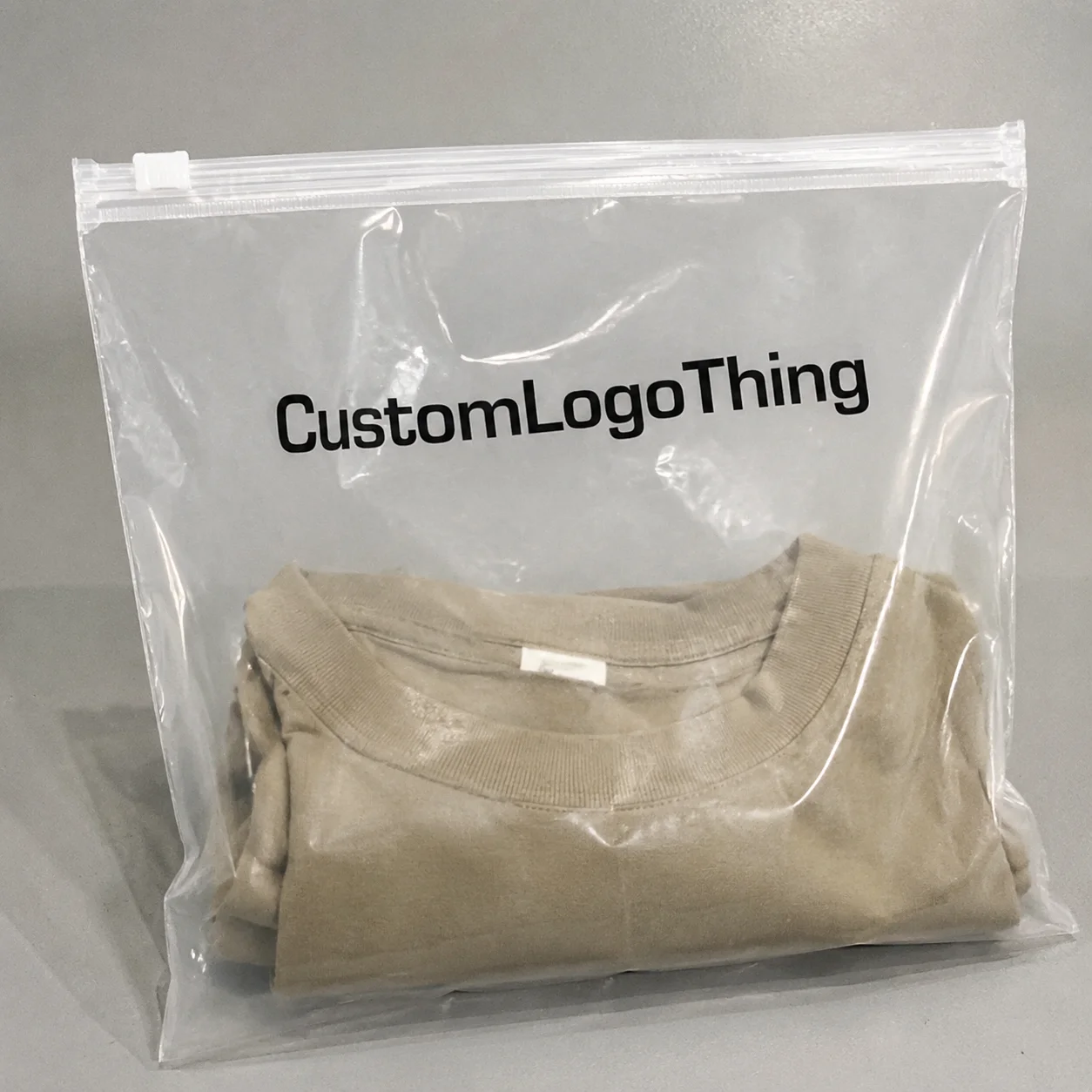
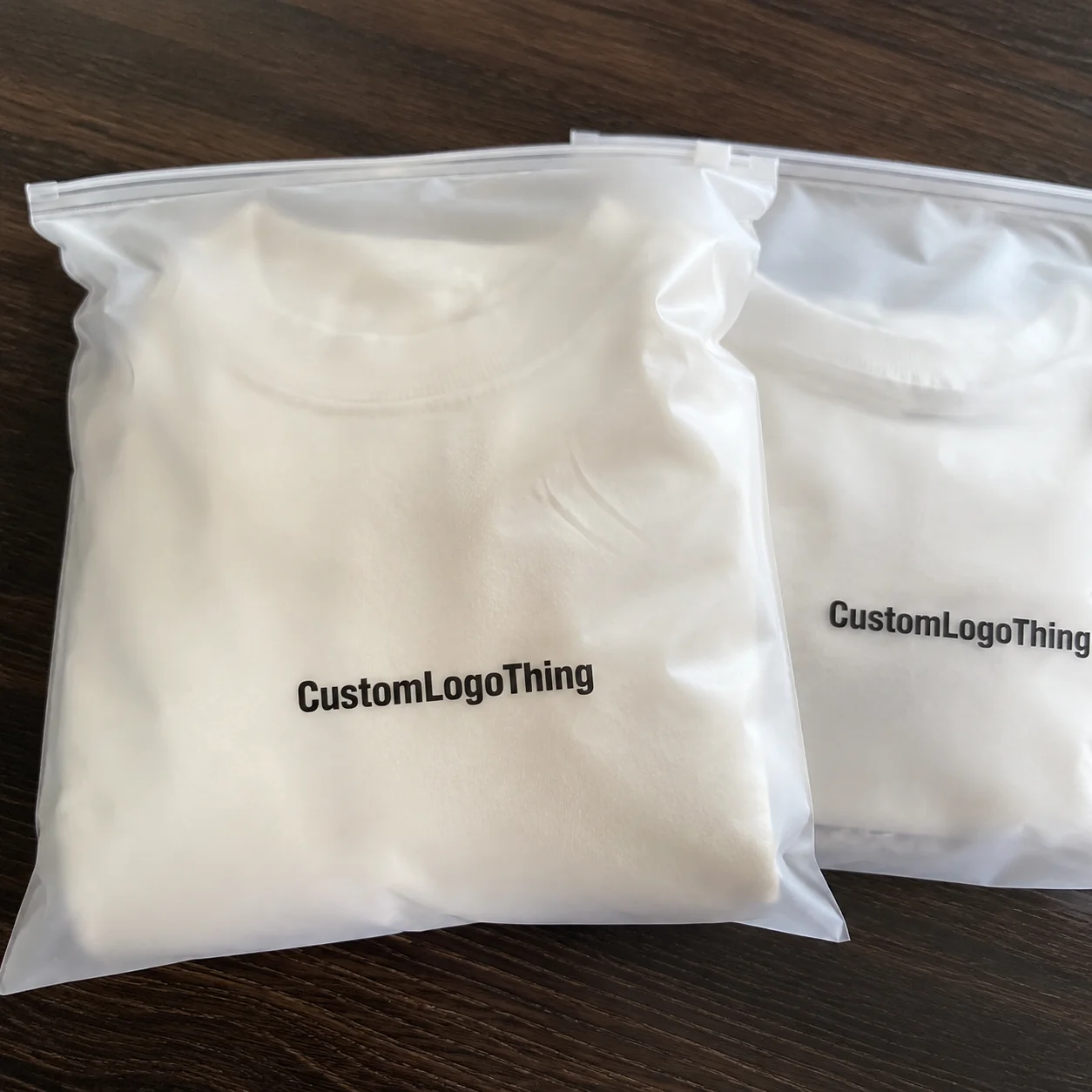
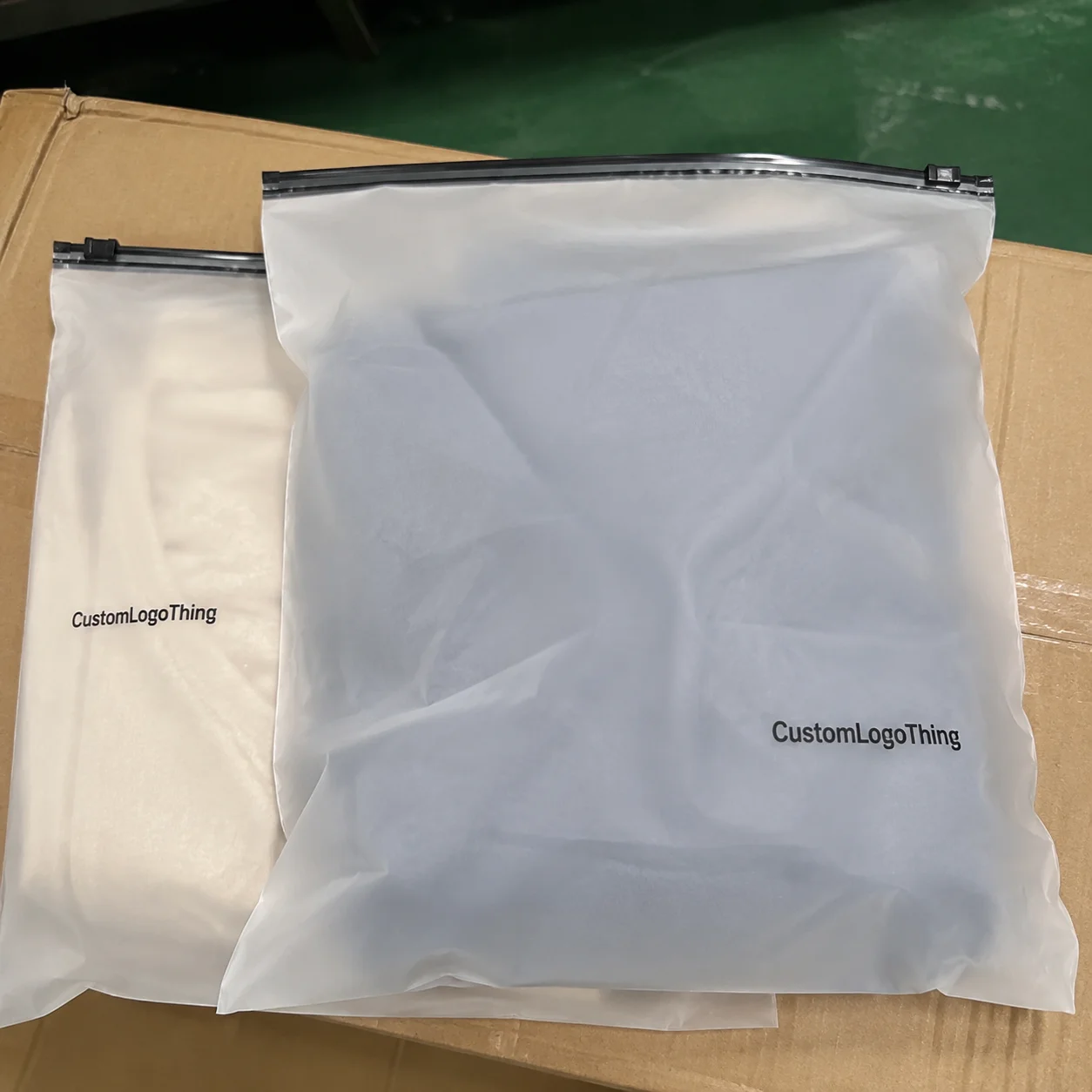
Boutique packaging looks simple until the quotes arrive. Then the numbers start moving around for reasons that do not show up in the product photo. The Courier Mailer Bags for boutiques cost breakdown changes with film thickness, print coverage, bag size, closure style, and order quantity. Two bags can look nearly identical and still land in different price bands once production is priced correctly.
The real buying question is not just what the bag costs per piece. It is what the bag costs once you factor in protection, packing speed, shipping weight, and the chance of a return caused by poor packaging. A mailer that tears, stretches too much, or looks off-brand can quietly add expense after the order ships.
For boutiques shipping apparel, scarves, small gift sets, cosmetics cartons, and flat accessories, the goal is straightforward: keep the product protected, keep pack-out efficient, and keep the presentation clean enough to match the brand.
Why boutique shipping costs change so much from one mailer to another
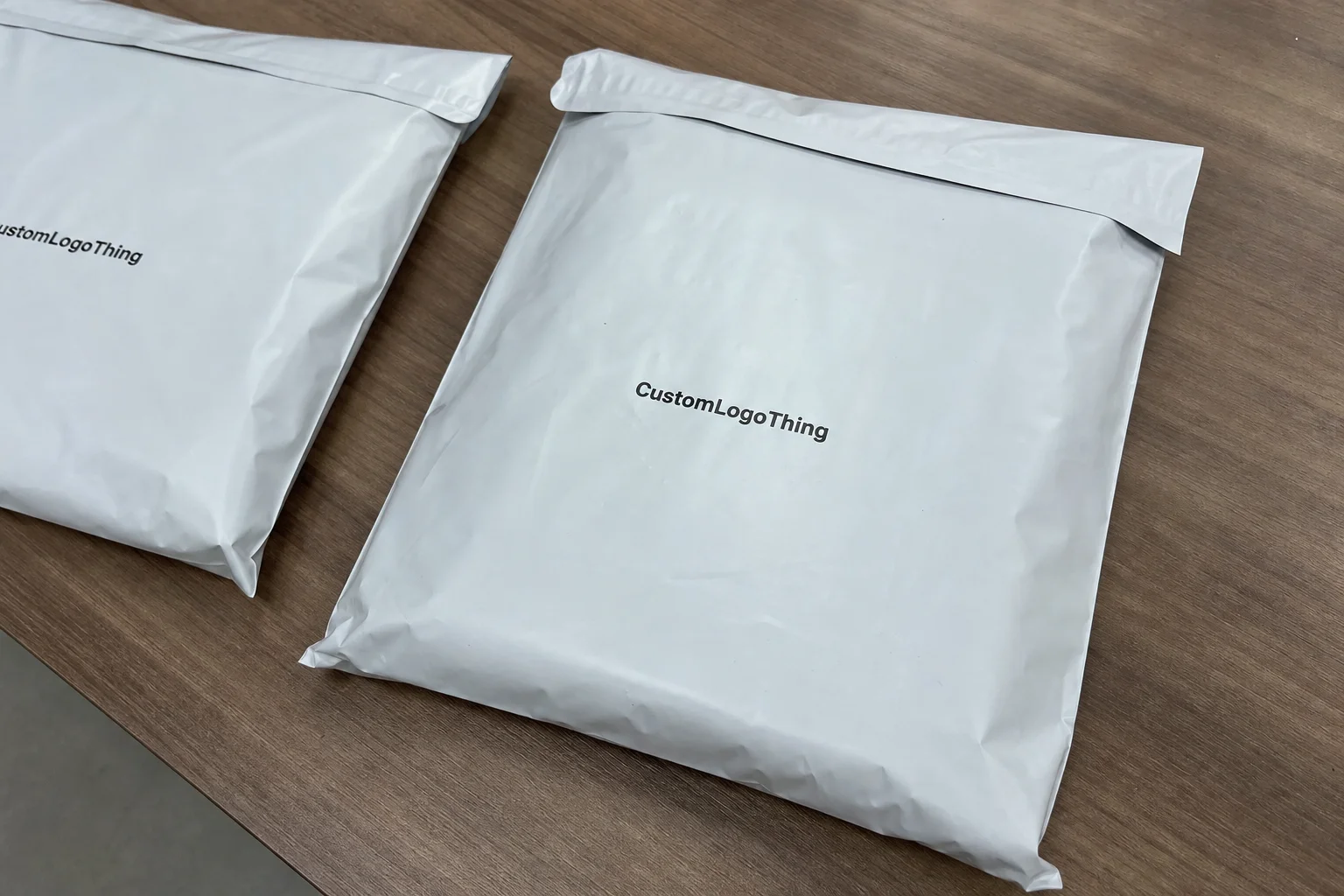
Most buyers compare the outside first: white poly mailer, branded logo, self-seal flap, maybe a matte finish. That is the visible part. The price difference usually sits underneath the surface in film grade, structure, print method, and closure design.
A 50-micron bag and a 70-micron bag may look similar, but they behave differently in production. The thicker structure uses more material and usually improves puncture resistance, which matters if the boutique ships items with corners, zippers, or hard edges. A standard single-seal bag is cheaper than a dual-adhesive version designed for returns, but the return strip can save time later if exchanges are common.
Printing also moves the number. One small logo in a single color is a very different job from full-bleed coverage, metallic ink, or a layout with multiple print zones. More ink, more setup, and more inspection time all show up somewhere. That is why a useful courier mailer Bags for Boutiques cost breakdown starts with construction, not artwork.
Hidden costs matter too. A bag that is too large adds postage and slows packing because staff end up folding extra material. A bag that is too weak creates damage risk in transit. If the package arrives damaged, the boutique pays for replacement goods, reshipping, or a refund. The lowest quote on paper is not always the lowest spend in reality.
For small teams, even small changes in packaging can affect labor. A mailer that seals cleanly and fits the product properly reduces rework at the table. That is part of landed cost whether it appears on the quotation or not.
For buyers comparing Custom Poly Mailers with other bag formats, the useful view is the full chain: production cost, packing speed, shipping rate impact, and product protection.
Courier mailer bag materials, build, and print options
Most boutique mailers are made from LDPE, co-extruded film, or recycled-content blends. LDPE remains common because it is flexible, quiet, and cost-effective for soft goods. Co-extruded film uses multiple layers, which can improve opacity, puncture resistance, or print appearance depending on the structure. Recycled-content blends help with sustainability goals, but they still need to perform consistently.
Thickness is one of the first numbers Buyers Should Check. Thinner film can be fine for a folded tee or a scarf. Heavier garments, boxed candles, or products with sharp edges usually need a sturdier build. Water resistance is also basic, not optional. Courier bags should protect against splashes, damp handling, and normal transfer between carriers.
Print method affects both look and cost. Flexographic printing is common for larger runs because it is efficient once setup is complete. A simple one-color logo is usually the most economical branding option for boutiques that want a clean result without paying for complicated pre-press work. Full-coverage designs, metallic inks, and fine-detail graphics add complexity and usually increase the cost per piece.
Optional features can make a real difference in use, but they are not free.
- Dual adhesive strips for return or exchange workflows
- Matte or glossy finishes to match the brand style
- Custom sizing for flat apparel, gift sets, or boxed items
- Tamper-evident closures for better security during transit
Each extra feature adds cost somewhere: material, tooling, setup, or line time. That does not make the feature bad. It just means the feature should solve a real packaging problem instead of inflating the spec because it sounds premium in a quote.
“A boutique mailer should protect the product, stay efficient to pack, and carry the brand without pushing landed cost out of line.”
For packaging performance and disposal references, buyers can review ISTA and EPA recycling resources when comparing packaging expectations or broader sustainability claims.
Spec sheet essentials boutique buyers should check before ordering
A spec sheet can prevent expensive mistakes, but only if it covers the right details. Start with width, length, and any gusset or bottom style. Then confirm the usable internal space, not just the outer dimensions. A bag that looks fine on paper can still be too tight once the product is folded, wrapped, or packed with tissue and inserts.
That matters for boutique presentation. If the mailer strains at the seal or distorts the item inside, the package looks rushed. If the bag is too loose, the product shifts and the parcel can feel flimsy. Neither outcome helps the brand.
Print placement deserves the same attention. Logos can drift too close to a seal margin, side seal, or cut line if the artwork is not checked against the dieline. If the product line includes folded tees, scarves, small boxes, or accessory sets, the mailer should be matched to the real item dimensions, not a rough guess from a product page.
A good supplier should provide a layout drawing or dieline so the buyer can see where the artwork lands. That makes proofing less theoretical and helps avoid a clipped logo or a layout that looks off.
Performance checks are just as useful. Ask about puncture resistance, seal consistency, storage stability, and adhesive performance after handling. Some boutiques keep stock in warm back rooms or packed storage areas, so the closure still needs to hold without curling or losing tack. If the mailers will sit for weeks before use, the film should also stay flat and easy to handle at the packing bench.
Before approving a bulk order, request a digital proof, a plain sample, or a pre-production sample. That gives you a way to verify dimensions, opacity, logo placement, and seal function before the full run begins. If the sample feels too flimsy or the print is off, fix it there. It is cheaper than correcting 20,000 printed bags.
Consistency matters on reorders too. A boutique that uses packaging as part of the customer experience cannot afford a different fit or finish every season. The best spec sheet is one that can be repeated without guesswork.
If the order includes paper inserts or mixed-material components, references like FSC can help buyers compare related packaging choices and sustainability claims.
Courier mailer bags for boutiques cost breakdown and MOQ planning
Here is the practical version of the Courier Mailer Bags for boutiques cost breakdown: the total usually includes material, print setup, tooling or plate charges, packaging configuration, and freight. Some quotes also include sampling and artwork cleanup. Others do not. That is why two offers with the same per-bag number can produce very different total spend.
For a straightforward Custom Poly Mailer order, typical ranges may look like this:
| Order profile | Typical unit cost | Likely setup charges | Best fit |
|---|---|---|---|
| Low MOQ, simple one-color print | $0.22-$0.38 per bag | $80-$250 | Small boutiques testing a new look |
| Mid-volume, standard custom size | $0.14-$0.26 per bag | $120-$400 | Established stores with steady replenishment |
| Higher-volume, fuller coverage print | $0.10-$0.20 per bag | $200-$600+ | Brands needing better bulk pricing |
Those numbers are directional, not fixed. Thickness, dimensions, print colors, finish, and return-strip features can move the quote quickly. A 70-micron bag with dual adhesives will cost more than a basic 50-micron single-seal version. Full-bleed print usually costs more than a small logo. Recycled-content structures and specialty finishes can raise the unit price again.
MOQ has a direct impact on price. Lower minimums suit boutiques that are testing packaging or launching seasonal collections, but the unit cost tends to be higher because setup and waste are spread across fewer pieces. Larger runs improve pricing and reduce the per-bag burden of setup, but they also tie up more cash and take more storage space.
Compare what is actually included in each quote. Are artwork revisions covered? Are plate costs included? Is freight to your receiving address part of the price, or will it be added later? Some suppliers quote ex-works pricing, which can look attractive until shipping and handling are added. For boutique buyers, landed cost is the number that matters.
A simple example helps. If a boutique orders 5,000 bags for a seasonal apparel line, a quote at $0.18 per bag with $350 in setup may cost less overall than a quote at $0.15 per bag with separate artwork and freight charges. The lowest unit price is not always the best deal.
Production steps, lead time, and approval milestones
Production should begin with artwork review and dieline confirmation. The supplier checks logo placement, safe zones, bleed, and any return-strip layout before plates are made or printing starts. Once the proof is approved, the job moves into scheduling, film sourcing, printing, converting, sealing, and packing. If the bag size is custom, tooling or knife setup may be needed first.
Lead time depends on order size and complexity. A simple custom bag can often be produced in roughly 12-15 business days after proof approval. More complex jobs, specialty films, multiple print colors, or busy seasonal periods can take longer. Holiday orders are especially unforgiving, and packaging delays quickly become fulfillment delays.
Sampling is worth the time. Many buyers start with a digital proof, then move to a physical sample or pre-production proof if the layout or fit is sensitive. That step is where color accuracy, logo placement, and seal behavior get checked. If the first sample feels too tight, too glossy, or too thin, correct it before the full run.
Quality inspection should be part of the process, not an afterthought. At minimum, the supplier should check dimensions, print registration, seal integrity, and pack counts before shipment. If the order ships in batches, the carton labeling and inventory count need to be clear enough for quick receiving.
Reorder handling matters as well. A supplier should be able to repeat the same specification without drifting on size, film source, or print placement. If the second run does not match the first one, the packaging line loses consistency and the brand loses polish.
How to choose a supplier that keeps boutique packaging consistent
The cheapest supplier is rarely the best fit. The better choice is the one that can hold print registration, keep film sourcing stable, and deliver repeatable sealing quality from run to run. That matters because customers notice packaging changes faster than buyers expect.
A solid supplier should be able to talk clearly about pre-press checks, artwork corrections, and tolerance ranges. They should explain whether the bag comes from standard film widths or requires extra setup for a custom format. If they avoid those questions, that is a problem.
Boutique buyers should also avoid overbuying features they will not use. Not every shop needs the thickest film, the most complex closure, or a giant print area. A properly sized mailer with a simple one-color logo can outperform a more expensive structure that fits the product badly.
Ask for consistency checks in writing: dimension tolerance, print color target, seal type, and carton count. If your team receives and stores packaging internally, make sure the spec fits your receiving process. Clean carton labeling and stable counts reduce sorting time and prevent inventory confusion later.
In boutique packaging, consistency is savings. Fewer packing mistakes, fewer replacements, and fewer surprises in reorder seasons. That is the unglamorous part. It also happens to be the part that protects margin.
Next steps to request an accurate quote and place the right order
If you want a quote that is actually usable, send a complete brief: bag size, quantity, print colors, finish preference, closure type, and target ship date. If you know the item being shipped, include product dimensions or a sample reference. That helps the supplier match the mailer to the real product instead of guessing from a category name.
Before approving the order, confirm the MOQ, freight method, proofing timeline, and setup charges in writing. Ask whether tooling fees, plate costs, or artwork cleanup are included. If the quote feels unclear, request a second version using a different film thickness or a simpler print spec.
A practical buying path usually looks like this:
- Choose the product size and bag dimensions.
- Decide how much branding you actually need.
- Request two or three quotes with the same spec.
- Review samples or proofs before production.
- Confirm freight and receiving details before the run starts.
Compare like with like. Confirm the same size, the same film thickness, the same print area, and the same shipping terms. Then check the sample, not just the PDF. That is the difference between a quote that looks cheap and an order that actually stays on budget.
Get those pieces right, and the packaging does its job: it fits the product, supports the brand, and keeps total cost under control.
FAQ
What affects courier mailer bags for boutiques cost the most?
Size, film thickness, and print coverage usually have the biggest impact on unit price. Order quantity also matters because setup costs are spread over more bags in larger runs.
What is the typical MOQ for custom boutique mailers?
MOQ depends on bag size, print method, and the level of customization. Smaller quantities are often available, but the unit cost is usually higher than for larger production runs.
Can I get custom printed courier mailer bags with a low order quantity?
Yes. Low-MOQ custom orders are possible for many boutique applications. Expect fewer finish options and a higher cost per bag than bulk orders.
How long does production usually take after artwork approval?
A simple order can often be produced in roughly 12-15 business days after proof approval. Complex jobs, specialty films, or peak-season schedules may take longer.
What information should I send to get an accurate quote?
Share the bag size, quantity, print colors, closure type, finish, and shipping destination. Including product dimensions or photos helps match the mailer to the boutique items being shipped.