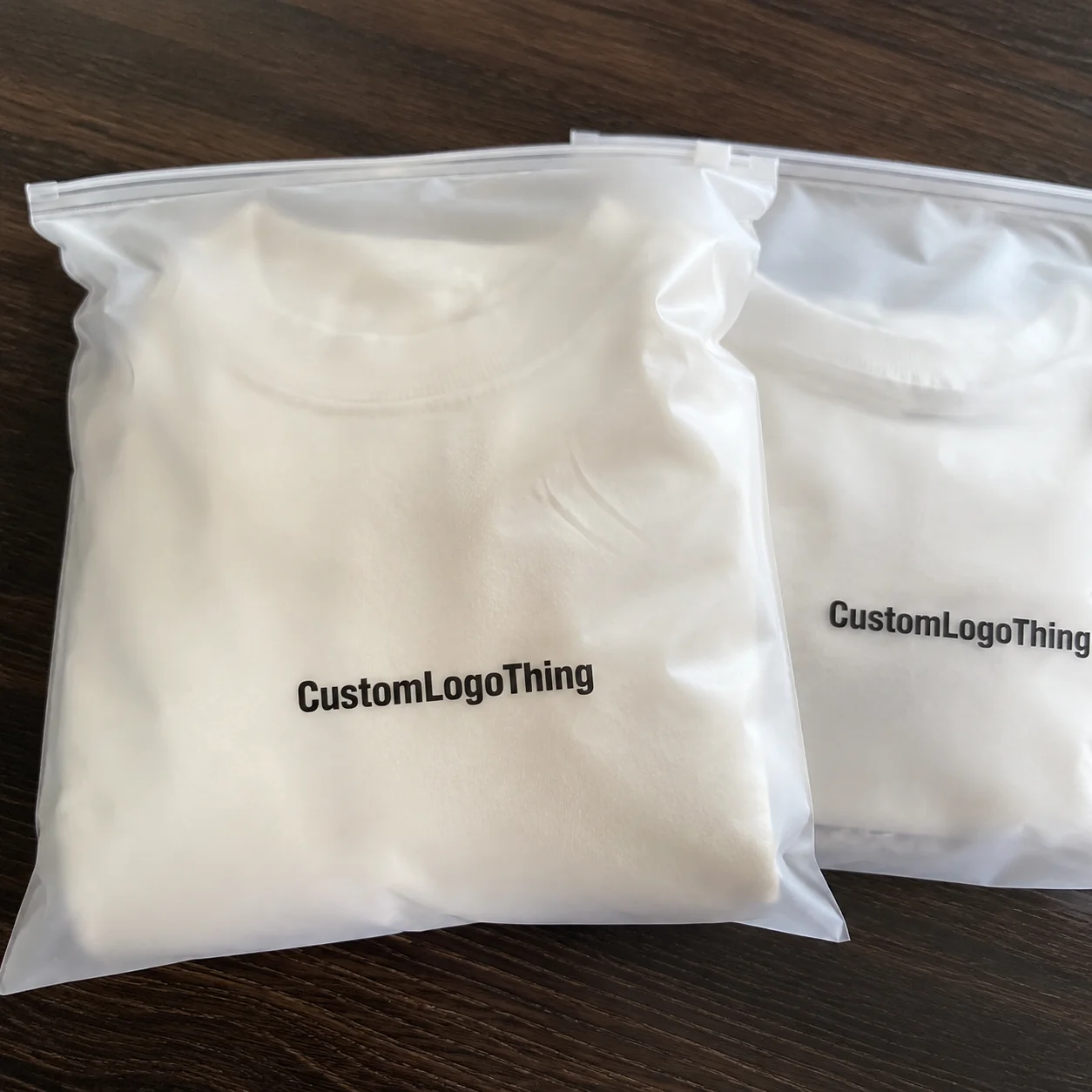
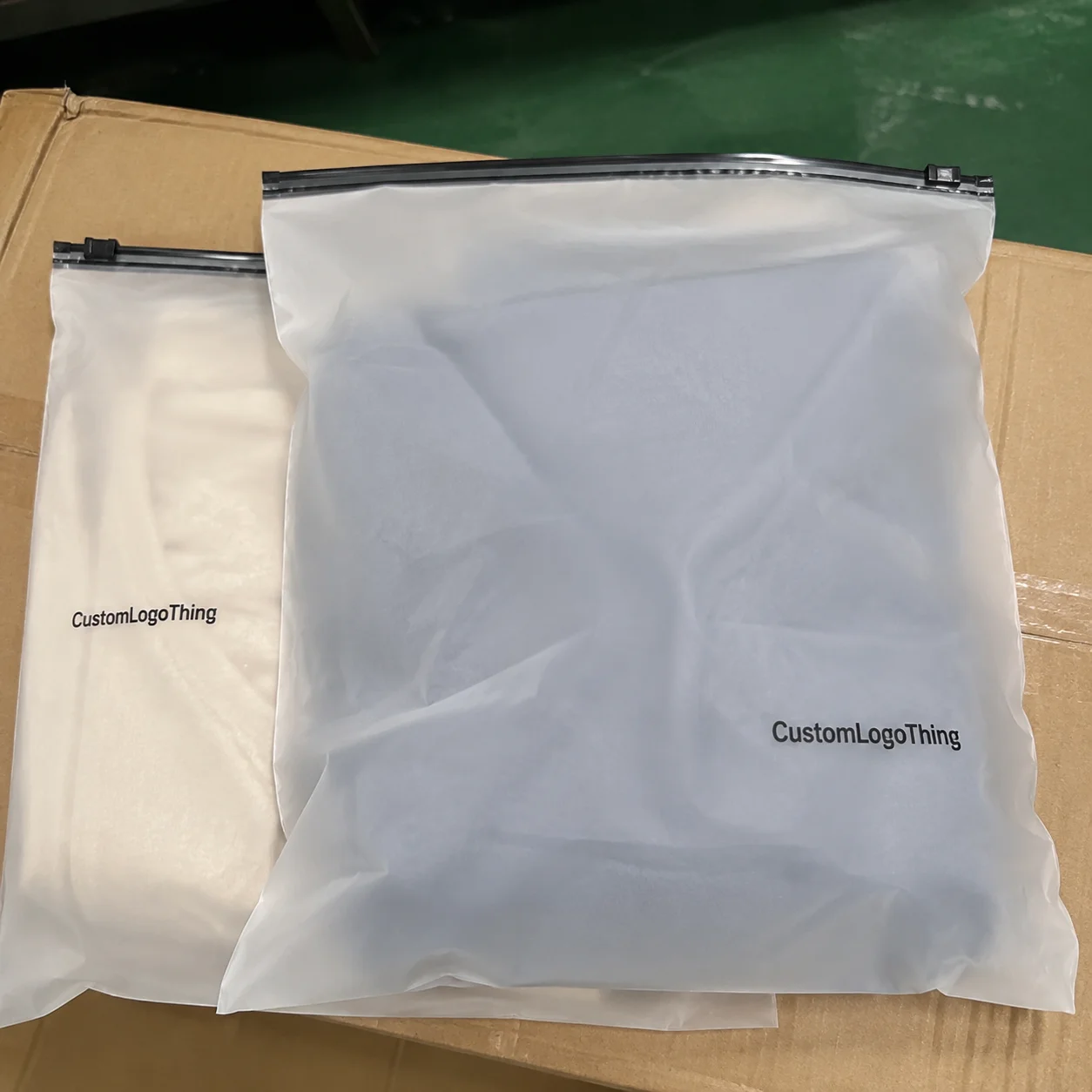
The weak point in many bakery delivery programs is not the pastry. It is the outer package that has to protect it after it leaves the cooler, slides into a car trunk, and gets handed off at the door. That is why Courier Mailer Bags for bakeries wholesale pricing should be treated as a delivery-control decision, not a random packaging expense with a nice logo on it.
From a buyer’s point of view, the bag has to do several jobs at once. It needs to keep boxed items upright, protect labels and branding, reduce moisture pickup, and make pickup faster for staff who already have enough to do. If the bag is too flimsy, too small, or annoying to seal, the savings disappear pretty quickly in the form of crushed corners, greasy outer packaging, and complaints that cost more than the bag did.
Independent bakeries, multi-location shops, and commissary kitchens usually want the same thing: a format that speeds packing without forcing workers to over-tape, overfill, or repack every order. That is where courier mailer Bags for Bakeries Wholesale Pricing becomes useful as a planning tool. The real question is not “What is the cheapest bag?” It is “What bag keeps orders clean, identifiable, and saleable all the way to the customer?”
Why bakery courier bags matter when delivery orders leave the cooler
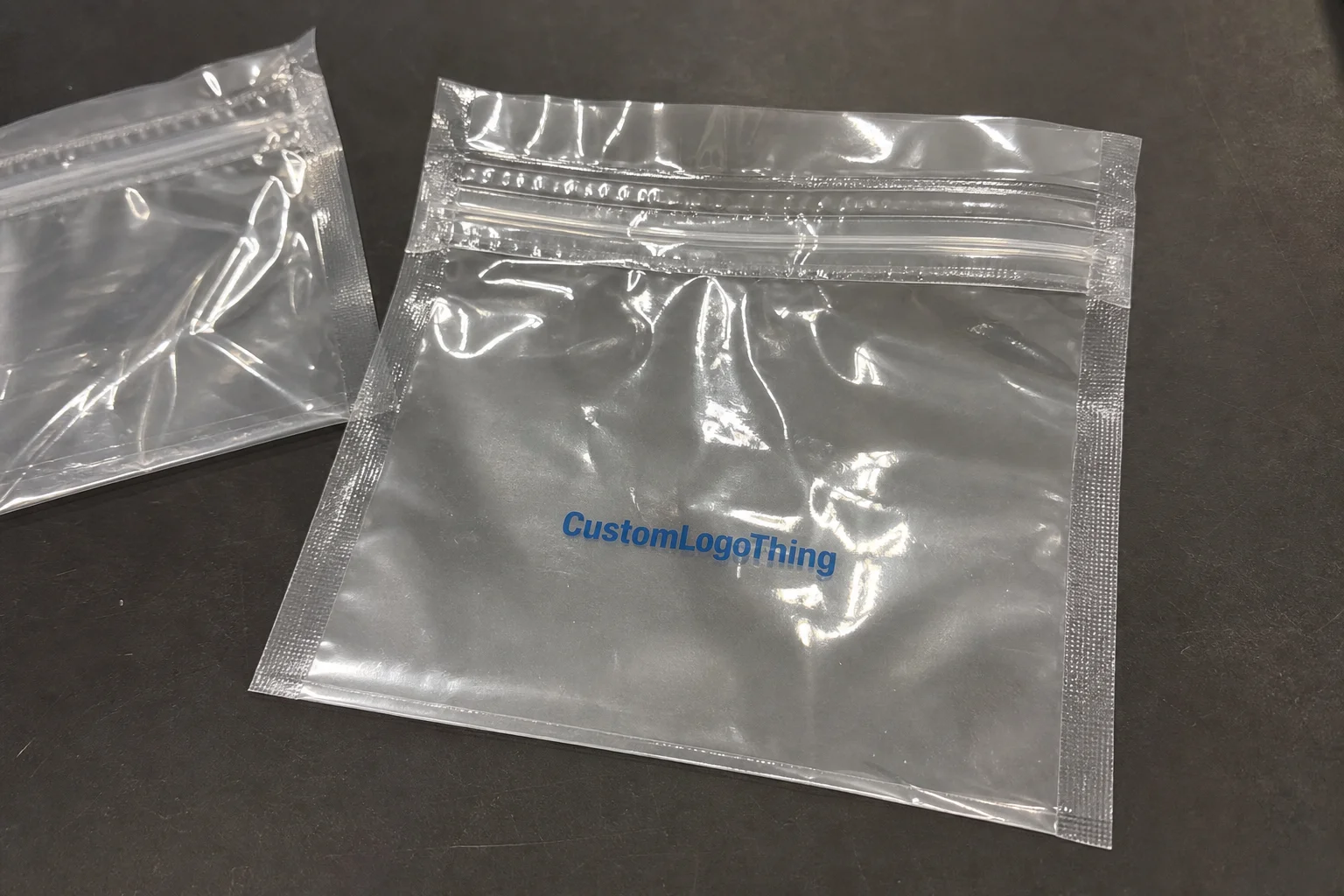
A courier-style mailer gives a bakery more control than a loose carry bag or a generic shipping sack. In practice, it helps reduce sliding inserts, protect stacked pastry boxes, and limit condensation from softening the exterior packaging before the customer opens it. That matters most with frosted cakes, cookie assortments, buns, and prepacked grab-and-go sets where the presentation still has to survive the trip.
The outer bag also helps with order recognition. A good delivery bag gives room for printed branding, a label, or a tamper sticker so staff and customer can identify the order without opening it. When orders are moving through a busy front counter or a driver pickup shelf, that visual control saves time and cuts down on mistakes. Small thing. Big difference.
The strongest bakery delivery systems usually start with packaging discipline, not bigger ad budgets. A better mailer does not replace proper inner boxes or temperature control, but it supports those systems by holding the order together during the most vulnerable part of the trip: the transfer from prep area to customer.
For bakeries that handle volume, the packaging format needs to fit daily workflow. Staff should be able to load, seal, and stack orders without wrestling the bag every time. If the bag slows packing by even a few seconds per order, that cost adds up very quickly over a week of deliveries. Nobody needs another bottleneck at the packing table.
There is also a quiet quality benefit. A bag that closes cleanly and holds shape makes the whole order feel more intentional. Customers may not know the film gauge or the seal overlap, but they notice when a box arrives scuffed, damp, or awkwardly stuffed into packaging that obviously wasn’t built for the job.
Materials, seal styles, and bakery-safe construction options
Most buyers comparing courier mailer Bags for Bakeries Wholesale Pricing will first look at film type and closure style, and that is the right place to start. Low-density polyethylene is commonly chosen for its flexibility and forgiving hand feel, while co-extruded films usually offer better puncture resistance and stronger protection against scuffs, tears, and corner wear. For heavier boxed orders, a thicker gauge often performs better in the real world than a thinner bag that only looks cheaper on paper.
Seal style matters just as much as material. Self-seal adhesive strips are popular because they speed packing and create a clean closure. Tamper-evident options add visible confirmation that the package has not been opened after it leaves the bakery. Open-top formats can still work well if the bakery uses internal box handles, sticker seals, or secondary closure systems that match the existing workflow.
Opacity and finish affect both presentation and practicality. Some bakeries want a clean, opaque look that hides the contents and gives the order a premium delivery feel. Others prefer a semi-clear area for label checking, logo visibility, or quick order verification. Gloss level matters too. A high-gloss finish can look polished, while a softer finish may hide scuffs better during handling.
“The outer bag should make the order easier to move, easier to verify, and harder to damage. If it only looks nice, it is not doing enough.”
Food-adjacent packaging should be judged with realistic expectations. The mailer bag supports clean transport, but it does not fix poor boxing, warm product packed too early, or desserts placed into the bag before condensation has been managed. Good bakery packaging still depends on the full system: inner wrap, proper box strength, sensible temperature control, and a delivery window that fits the product.
In production terms, the useful details are often small: whether the corners are reinforced by the film structure, whether the seal area closes flat without wrinkling, and whether grease-resistant inner packaging stays put during movement. A bag that resists tearing around edges and keeps moisture off the outer surface will usually pay for itself faster than a prettier bag that fails under load.
There is also a handling issue that gets ignored too often. If a bag is too slick, stacked orders can slide in transit. If it is too rigid, workers spend extra time coaxing it shut. The better construction is usually the one that balances stiffness and flexibility without creating a fight at the packing station.
Sizes, thickness, and print specs that fit bakery orders
Size selection should start with the actual bakery order, not with a catalog photo. Small cookie boxes, half-sheet pastry trays, loaf packs, multi-item carryouts, and sandwich or lunch combinations all place different demands on the bag. A box that fits the pastry may still leave no room for a label, invoice, or tamper seal, and that is where many buyers get forced into a second reorder.
Thickness should follow the load profile. A light retail order and a stacked pastry box are not the same job, so they should not get the same film gauge by default. Thin film can work for small, light items, but larger orders or sharp-cornered boxes often need a thicker gauge for better puncture resistance and less stretch during handling. If the bag is going into a delivery tote or a van with other orders, that extra margin is usually worth paying for.
Most practical bakery programs do better with a few standard bag sizes than with one oversized catch-all. Too many size changes slow the team down. Too few, and the packing crew starts improvising. That is usually when corners get bent, seals get awkward, and someone reaches for extra tape.
Print specifications are worth discussing early. Buyers should ask where the logo will sit, how many print colors are supported, whether the artwork area remains visible after folding or sealing, and what the registration tolerance is for repeat production. For bakery programs, a simple one-color logo often gives the best mix of cost control and clean branding, especially when the bag already has a strong label or sticker system.
Here is a practical sizing matrix that helps teams avoid guessing:
| Typical bakery order | Common bag approach | Why it works |
|---|---|---|
| Small cookie box or single pastry pack | Compact mailer with modest seal overlap | Keeps the package tight and easy to label without excess empty space |
| Half-sheet pastry tray | Medium-width bag with extra gusset room if needed | Allows flatter loading and protects corners during pickup and transport |
| Multi-item carryout or mixed dessert order | Larger mailer with thicker film | Handles weight variation and reduces split risk at the seams |
| Lunch combo with pastry add-on | Bag with label space and a broader opening | Makes packing faster and keeps tickets visible for handoff |
Pay attention to usable length, width, gusset depth if applicable, and seal overlap. If the bag is too tight, workers start forcing the box in at an angle, and that is how corners get crushed. If it is too loose, the order shifts around and the presentation gets sloppy. The best fit usually leaves enough room for a flat seal area, a visible order label, and any secondary sticker the bakery uses for verification.
For custom artwork and branding, file readiness matters too. Clean vector art, clear color calls, and a defined print area make proofing easier and reduce rework. If the bag is part of a recurring bakery program, the spec should be written down carefully so the next run matches the approved sample. Memory is not a production control system, no matter how optimistic everyone feels on Monday.
Also ask about print placement on the actual folded bag, not just the flat dieline. Plenty of artwork looks fine on screen and then disappears halfway under a seal flap or label zone. That mistake is entirely avoidable, which is a polite way of saying it should not happen.
Pricing, MOQ, and quote drivers for wholesale bakery bags
Wholesale pricing changes for a few specific reasons: film gauge, bag dimensions, print color count, custom artwork setup, packaging format, and quantity. That is why Courier Mailer Bags for bakeries wholesale pricing should always be compared as a landed cost, not just a unit price. The cheapest quote can become the most expensive choice once freight, setup, and repeat waste are included.
For stock items, minimum order quantities are often more flexible. Custom-printed runs usually carry higher minimums because the press setup, proofing, and material allocation have to be justified over the job. Repeat orders generally improve unit economics because the art is already approved and production can move with less back-and-forth.
Typical quote variables include:
- Freight, especially for larger cartons or palletized shipments.
- Plate or setup charges for custom print work.
- Proofing fees if the job requires multiple revisions.
- Special finishing, such as tamper-evident features or custom seals.
- Rush premiums when the bakery needs a fast restock for a seasonal menu or promotion.
Typical market ranges can help frame the conversation, though they move with material prices and order size. Stock courier mailers often land in the low cents per bag at higher quantities, while custom printed bags can climb into a broader range depending on gauge, size, and print complexity. Freight can swing the final number more than some buyers expect, especially on heavier cartons or palletized runs.
A practical way to judge value is to calculate cost per delivered order, not cost per thousand bags. If one mailer reduces repacking, protects a $25 dessert box, and shortens packing time, that lower-risk outcome often beats a slightly cheaper bag that tears or slows the line. From a buyer’s standpoint, that is the number that matters.
For smaller bakeries, the right MOQ is usually the one that matches consumption without clogging storage space or tying up too much cash. For multi-location programs, larger repeat runs may make more sense because they simplify replenishment and keep branding consistent across stores.
A good quote should also make clear whether the price includes pre-production samples, digital proofs, or only a flat file check. Those distinctions sound small. They are not. A quote that hides setup costs until the end is not cheaper; it is just incomplete.
If you are building a packaging program, Wholesale Programs can help frame the order around recurring demand rather than one-off purchases. That is usually the smarter way to buy bakery delivery packaging.
Production steps, proofing, and lead time expectations
A good production flow is straightforward: artwork review, spec confirmation, proof approval, material sourcing, print run, finishing, quality check, and shipment. Once those steps are locked in, the job should move in a fairly predictable way. Delays usually come from missing specs, artwork changes, special film requirements, or a production schedule that is already full.
Lead time can stretch for several reasons. New artwork setup takes time. Color matching can add back-and-forth. Larger orders may need staged manufacturing so the run is not rushed. If the bakery wants a particular finish or a film that is not a standard stock item, the timeline may extend further. Holiday production always finds a way to be annoying.
A proper proof should show more than the logo. It should confirm dimensions, print placement, seal position, and any clear zones needed for barcode stickers or order labels. The more specific the proof, the fewer surprises at receipt. Buyers should also ask for notes on any areas that must stay unobstructed, especially if the bag will be scanned, labeled, or checked by staff at pickup.
For bakery operations running daily specials or holiday menus, a small buffer is smart. Emergency reorders nearly always carry more stress and often more cost. If the packaging is tied to a high-volume campaign, build in time for proofing, transit, and a little safety margin before stock gets thin.
Once the spec and proof are signed off, production should move without drift. That is how the buyer knows when inventory will arrive and when the next reorder should start. In a well-run packaging program, reordering is planned before the last carton is open, not after the last carton is gone.
That said, buyers should still ask what the supplier checks before shipment. A real quality-control step is not just “we looked at it.” Useful checks include seal integrity, print registration, color consistency, bag dimensions, and random pull tests on finished cartons. If the order is custom printed, ask whether the first run is compared against an approved master sample or only against the proof file. Those are not the same thing.
For product testing and transport validation, many packaging buyers look to standards bodies such as ISTA for distribution testing guidance and PMMI / packaging industry resources for broader packaging practices. Those references do not replace supplier samples, but they do help teams ask better questions.
How to judge a wholesale supplier beyond the lowest quote
A strong supplier should answer with measurable details, not vague claims. Material grade, thickness, closure type, print method, tolerance range, and freight timing are all useful. If the supplier cannot describe those clearly, the quote may look attractive but still leave the bakery exposed to quality problems or schedule risk.
Consistency matters a great deal in bakery programs. A bag that works in one run should work the same way in the next. That means repeatable seals, readable branding, stable dimensions, and communication that stays responsive when the menu changes or a seasonal design needs updating. For bakeries, a missed detail can slow the front counter in a way customers notice immediately.
It also helps when a supplier can support both stock and custom supply paths. Stock items are useful for short-term demand spikes, while custom printed orders keep the brand consistent over time. The ability to bridge both paths reduces the chance that a bakery has to sacrifice branding just because demand jumped for a holiday week.
Documentation is a quiet sign of professionalism. Buyers should expect drawings, proof files, order confirmations, and reordering records that preserve the approved spec. Without that paper trail, repeat orders can drift, and then everyone spends time reconfirming details that should already be locked.
If you need to compare delivery packaging across formats, Custom Poly Mailers are a useful reference point for understanding how film gauge, print coverage, and MOQ affect price in another mailer category. The same buying logic often applies here.
Reliability is not a slogan. It is an operational advantage. The right packaging partner lowers rework, reduces packing errors, and helps the customer experience stay consistent even when the bakery is running under pressure.
For buyers who care about certified fiber or secondary materials in adjacent packaging programs, FSC remains a useful reference for chain-of-custody and material sourcing standards. That is not always the deciding factor for courier bags, but it can matter in a broader packaging policy.
One more thing: ask how the supplier handles substitutions. If a quoted film grade or adhesive changes because of raw material availability, does the supplier tell you before production or after delivery? Good suppliers answer that question directly. Bad ones get creative. Nobody wants that surprise on a rush order.
Next steps for ordering bakery courier mailer bags
Before requesting a quote, confirm the bag size, the typical product weight, and the outer box dimensions. Decide whether the run is stock or custom printed, and gather your logo files so the conversation starts with real information rather than guesses. That alone shortens the quote cycle.
Three details make a big difference: monthly usage volume, preferred closure style, and the delivery timeline you need to protect. Once those are clear, the supplier can point you toward the most workable construction and pricing structure instead of sending a generic proposal that misses the mark.
For high-volume bakery programs, ask for a sample or a spec sheet before you place a full run. A quick physical check can show you if the seal closes cleanly, if the label area is adequate, and if the bag handles the box the way you expected. That is a small step that can prevent a costly mismatch later.
If you are building a repeat order plan, think beyond the first shipment. Schedule replenishment before inventory gets low, confirm the MOQ, approve the proof carefully, and keep the approved spec on file so repeat runs match. That is the practical way to keep Courier Mailer Bags for bakeries wholesale pricing under control while protecting the products that matter most.
Buyers who treat packaging as part of the service experience tend to make better choices. Not because the bag is glamorous. It is not. Because it has to work, every time, under messy conditions, with staff moving fast and customers expecting their dessert to look like it still belongs in the display case.
FAQ
What size courier mailer bag works best for bakery boxes?
Match the bag to the outer box dimensions, not only the pastry count, so the box slides in without tearing the seal area. Leave enough room for labels, invoices, and a flat seal overlap if the order uses tamper evidence. For mixed orders, the next size up is usually safer than forcing a tight fit that can crush corners.
How does courier mailer bags for bakeries wholesale pricing usually change with print and thickness?
Thicker film and larger dimensions increase material cost, while more print colors and custom artwork increase setup and run cost. Higher quantities usually improve unit price, but freight and setup should still be reviewed in the full landed cost. A simple one-color logo often gives the best balance of branding and budget for bakery delivery use.
Do bakery courier mailer bags need venting for warm items?
Only if the bakery is packing warm product that creates condensation and the inner packaging cannot handle moisture well. For most boxed bakery items, proper inner wrapping and correct timing matter more than vent holes in the outer bag. If warmth is a regular condition, test the package with real product before ordering a full production run.
What MOQ should a bakery expect for custom courier mailer bags?
MOQ depends on size, print complexity, and whether the bag is stock-based or fully custom. Smaller bakeries often start with a lower trial quantity, while multi-location operations usually benefit from larger repeat runs. The right MOQ is the one that supports reorder cadence without forcing excessive storage or cash tied up in inventory.
What should bakeries send when requesting a quote for custom mailer bags?
Send bag dimensions, estimated monthly usage, product weight range, closure preference, and the logo file format you have available. Include whether the order is for standard retail carryout, delivery, or subscription boxes so the supplier can recommend the right construction. If timing matters, state the required ship date up front so the quote reflects realistic production lead time.