Why gift shops often underestimate courier mailer bags
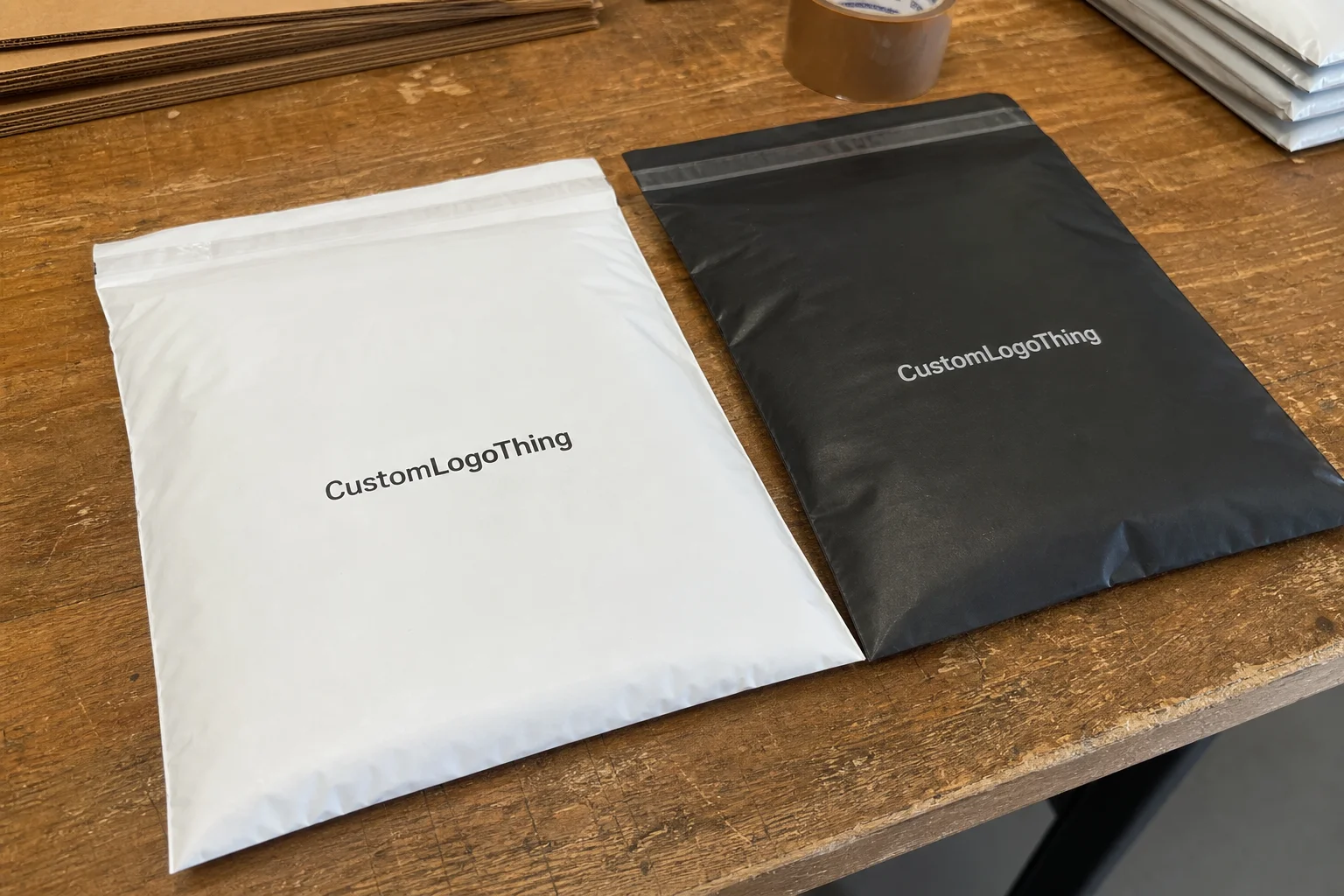
Gift shops usually invest energy where the customer can see it first: the product, the shelf display, the ribbon, the insert card. Packaging often gets treated as a utility item, which is where the trouble starts. A fragile candle, a boxed jewelry set, or a neat stack of stationery can arrive looking premium, or oddly casual, depending on the bag structure, seal quality, and print finish. That is why a Courier Mailer Bags for gift shops supplier comparison deserves the same discipline as any other purchasing decision that affects brand perception.
Courier Mailer Bags do more than move a parcel from one address to another. They protect the contents, reduce handling damage, and shape the unboxing moment, which matters when gifts are sent directly to a recipient. A well-chosen mailer can also reduce the need for extra outer cartons, tissue wrap, or void fill, especially on lightweight orders that do not need heavy structural packaging.
The format itself is simple. Most mailers are made from polyethylene film, co-extruded multilayer film, or recycled-content blends. For gift shops, the right choice depends on the item mix. A soft accessory behaves very differently from a rigid boxed item with corners that can stress the seal line. Presentation matters too. If a package looks thin, translucent, or poorly printed, the customer reads that as a cue about the shop, even before opening it.
There is also a practical angle. Many gift shops now ship online orders, local delivery orders, and event or pop-up sales from the same packing station. In that setup, a bag that packs quickly, seals cleanly, and prints consistently is not a cosmetic detail. It affects labor time, complaint rates, and the cost of replacing damaged shipments.
How courier mailer bags work in a retail fulfillment flow
On paper, a mailer bag looks like a thin pouch with adhesive. In use, it is a small system. Most versions include a multilayer body, a self-seal strip, and a tear-open strip. Some add tamper-evident closure features, dual adhesive for returns, or a black inner layer that blocks visibility through the film. Those details matter because they change how the package behaves once it is folded, stacked, sorted, and handled by courier networks.
Gift items create a wider range of packing challenges than many buyers expect. A soft scarf sits differently in a bag than a boxed candle. A stationery set may slide around if the bag is oversized, while an ornament box can push hard against the closure if the bag is too tight. The right fit lowers the chance of bulging seams and makes the parcel look deliberate rather than improvised. That is not just aesthetics. Bags that sit flatter usually travel better through sorting systems.
Opacity is another quiet issue. A translucent film may be acceptable for some non-branded shipments, but it works against gift orders that are meant to feel polished or private. Higher-opacity film helps the outer package look cleaner and reduces the chance that contents, labels, or filler materials show through under bright light. For many shops, that single choice can remove the need for additional wrapping on a large share of orders.
There is a meaningful difference between a mailer designed only to get through transit and one designed to do that while still representing the brand well. The first is about survival and cost control. The second has to survive the same journey while still looking intentional when the recipient opens the parcel. That second requirement is where supplier quality starts to separate quickly.
Key supplier comparison factors: material, print, and durability
In a Courier Mailer Bags for gift shops supplier comparison, material is the first filter. Virgin LDPE usually gives a cleaner surface, consistent stiffness, and better print clarity. Recycled-content film supports a stronger sustainability story, but surface texture and opacity can vary more from run to run. Co-extruded structures are popular because they let suppliers balance toughness, printability, and privacy across layers rather than forcing one layer to do everything.
The useful question is not whether recycled material is automatically better. It is whether the film suits the actual products the shop ships. A recycled-content mailer may be completely suitable for scarves, paper goods, and lighter boxed gifts if the gauge and seal are right. Sharp corners, heavier ceramics, and multi-item bundles need more scrutiny, especially around puncture resistance and seal integrity.
Film thickness is worth asking about in real numbers. Many standard mailers sit somewhere in the 50 to 70 micron range, while heavier or more premium structures may move toward 80 to 100 micron, depending on design. That does not tell the whole story, but it gives a buyer a better sense of whether the supplier is offering a true shipping-grade product or just a thin promotional pouch. Seal width matters too. A wide, consistent seal is more forgiving under pressure than a narrow one with uneven adhesion.
Print method affects both price and appearance. Flexographic printing tends to suit larger runs because setup costs are spread across volume, which brings the unit price down once the run is established. Digital printing is better when a shop needs shorter runs, multiple seasonal variations, or frequent artwork changes, though the per-unit cost is usually higher. Color count, registration accuracy, and ink coverage all influence the final price. A simple one-color logo can look sharp and restrained. Heavy ink coverage on film can look rich, but it also raises the risk of scuffing or registration drift if the supplier does not control the process well.
Durability should be evaluated against real use, not brochure language. Ask for puncture resistance, seal strength, moisture protection, and whether the adhesive closure performs consistently across a batch. A matte finish often reads as more premium in photos and under store lighting, while gloss can make saturated colors pop. Either can work. The wrong choice is a finish that clashes with the brand or reveals scuffs too easily during handling.
| Option | Typical strengths | Typical tradeoffs | Best fit for gift shops |
|---|---|---|---|
| Virgin LDPE mailer | Clean finish, dependable seal, strong print clarity | Less sustainability messaging | Premium presentation, branded orders, boxed gifts |
| Recycled-content film | Useful environmental positioning, solid general performance | Surface and opacity can vary more; samples matter | Light retail items, eco-positioned shops |
| Co-extruded blend | Balanced strength, opacity, and puncture resistance | Spec details vary by supplier | Mixed gift orders, recurring e-commerce fulfillment |
| Higher-gauge custom mailer | Better abuse resistance, more substantial feel | Higher unit cost and freight weight | Sharper corners, heavier boxed items |
For suppliers that reference transit testing, ask what they actually test and how. If they mention ISTA procedures, that is a useful sign that performance is being discussed in a structured way rather than guessed at. Not every gift shop needs lab certification. Still, suppliers who can explain test conditions, failure points, and accepted tolerances usually understand the packaging better than suppliers who only talk about price and lead time.
Cost and pricing: what affects unit cost and MOQ
Price is driven by more than size. Bag dimensions, film thickness, print complexity, number of colors, adhesive options, and order volume all move the number. A smaller bag with a single-color logo will cost less than a larger mailer with heavy coverage, a matte finish, and a custom return strip. That sounds obvious, but buyers still get caught comparing quotes that are not built on the same spec.
As a rough market reference, a simple Custom Poly Mailer at 5,000 pieces may land around $0.18 to $0.28 per unit, while more complex print work or thicker structures can push higher. That range is useful only as a sanity check. A recycled-content structure, specialty finish, or tighter color control can move pricing upward fast. Freight can do the same, especially on large cartons or international shipments.
MOQ, or minimum order quantity, is where gift shops need to think in terms of usage, not just unit cost. A shop shipping 150 to 300 orders a month may prefer a lower-volume print option to avoid tying up cash and storage space. A busier e-commerce operation can justify a larger run because the unit cost falls and the same bag design can be used longer before reordering. The problem is not only budget. Overstock creates clutter and makes visual planning harder if the shop changes branding later.
Hidden costs change the real landed price. Setup fees, plates or cylinders, artwork prep, sampling, freight, customs handling, and sometimes storage or split shipment charges can all appear later if they were not included in the original quote. A supplier quote that looks unusually low is not automatically better. It may just be incomplete.
The cleanest comparison method is to force like-for-like quotes. Keep size, film structure, print method, destination, and quantity identical. Then compare the total delivered cost, not only the unit price. If one supplier cannot quote on the same terms, that tells you something useful about how tightly they control their process.
- Compare unit price only after confirming identical specs.
- Include freight, setup, and proofing in the total.
- Ask whether reorder pricing changes after the first run.
- Check whether sample costs are credited back on production orders.
Process and timeline: from artwork approval to delivery
The production flow is usually straightforward: inquiry, specification confirmation, artwork review, proofing, sampling if needed, printing, finishing, packing, and shipment. Delays usually begin much earlier than the factory floor. Missing dimensions, unclear artwork, or a changing brand file can add days before a press ever starts.
Lead time depends on print method, bag style, material availability, and seasonal demand. For a simple order, a supplier may quote around 12 to 15 business days from proof approval, plus freight. More complex print work, special film structures, or peak gifting periods can push that longer. International freight adds its own variability. A realistic schedule is more useful than an aggressive one that looks good in a quote and falls apart in transit.
Buyers should prepare a few things before requesting quotes: vector logo files, Pantone references if color matching matters, exact dimensions, expected order volume, shipping destination, and the target launch date. If the shop ships fragile or high-value gifts, it also helps to describe the product weight range and the typical item shape. That gives the supplier a better chance of recommending a film structure that actually survives packing and transit rather than one that only works on paper.
Approving proofs quickly matters. So does freezing the artwork once the order is in motion. Small changes in logo position or color often seem harmless, but they can trigger a new proof cycle or push production back if plates or print files must be updated. A stable file and a clear sign-off process are worth more than shaving a little off the quoted price.
Step-by-step supplier comparison checklist for gift shops
A practical Courier Mailer Bags for gift shops supplier comparison starts with product fit, not supplier branding. What is being shipped? How fragile is it? Is the bag intended for e-commerce, local delivery, or a gift presentation that will be seen first by a recipient? Those answers determine the size, thickness, finish, and print strategy far more than a supplier brochure does.
Once that is clear, build a shortlist and compare suppliers on identical terms. Ask each one for material specs, print capabilities, MOQ, turnaround time, sample policy, and quality control process. Clear answers usually mean the supplier has worked through the practical issues already. Vague answers usually mean those issues will show up later, when they are more expensive to fix.
- Define the item profile. Measure the largest common gift, note the weight, and record any sharp edges or awkward corners.
- Set brand priorities. Decide whether the priority is matte finish, color accuracy, privacy, recycled content, or a premium feel in hand.
- Collect like-for-like quotes. Keep size, quantity, print setup, and shipping destination identical across vendors.
- Review samples carefully. Check seal strength, opacity, print sharpness, and how the adhesive behaves after sealing and reopening.
- Confirm the reorder path. Ask whether future batches will match the first run closely and whether any spec drift is possible.
A written specification sheet helps prevent drift. It should confirm thickness, dimensions, seal style, print method, film structure, and any added features such as tamper evidence or a return strip. Without that record, reorder quality can shift in subtle ways that are easy to miss until a later batch arrives.
If packaging consistency is a concern across product lines, it may help to compare related formats alongside Custom Poly Mailers and other branded shipping mailers so the presentation stays aligned from product to product.
Common mistakes gift shops make when ordering mailer bags
The first mistake is choosing a size that looks acceptable on a spec sheet but behaves badly in actual packing. A bag that is too large wastes material and lets the gift shift in transit. A bag that is too tight forces awkward folds around a boxed item and can make the parcel look rushed, even if the print itself is excellent.
The second mistake is ignoring closure strength. A lightweight scarf is forgiving. A boxed candle, ceramic ornament, or multi-item gift bundle is not. If the adhesive is weak or inconsistent, the bag can open partially during handling, and the customer ends up seeing a shipping problem that should never have left the pack table.
Another common error is judging suppliers on price alone. The lowest quote can hide thin film, poor opacity, muddy print, or inconsistent sealing. Gift customers notice packaging quality quickly, especially when the order is going straight to a recipient. In that context, a weak bag is not a minor packaging choice. It becomes part of the product review in the customer’s mind.
“A mailer bag is part of the product experience. If it feels flimsy or looks careless, the package speaks before the gift does.”
Skipping samples and proof checks is probably the costliest mistake of all. A proof can expose weak contrast, incorrect logo placement, poor opacity, or a finish that looks less premium than expected. One sample often saves a full run of regret. That is especially true with custom print jobs, where small changes in ink, film, or adhesive can change the customer’s first impression in a way that is hard to recover from later.
Expert tips and next steps for comparing suppliers
Ask for physical samples or pre-production proofs before you commit, especially if the bags will carry fragile or higher-value gifts. A sample tells you more than a spec sheet ever will. You can see how the seal feels, how the film reacts to light, and whether the print still looks crisp when held at arm’s length rather than under studio lighting.
Keep a written specification sheet on file for reorders. It should capture thickness, dimensions, seal style, film structure, print method, and any special features. That document becomes useful the moment the next order is due, because it makes comparison easy and reduces the chance of silent changes between batches. Reorder consistency is often where supplier quality becomes obvious.
A simple scoring sheet can help remove noise from the decision. Rate each supplier on cost, lead time, print quality, communication speed, sample quality, and flexibility on MOQ. It will not make the decision for you, but it does reveal which quote is cheapest only on paper and which supplier is actually easier to work with under pressure.
Seasonal ordering needs extra margin. Holiday volumes, freight congestion, and last-minute artwork changes can stretch a schedule that looked fine in June and tight in November. A supplier that is transparent about lead time risk is usually more trustworthy than one that promises a short turnaround without explaining how the job will be controlled.
For broader material context, sustainability claims are easier to evaluate when they are compared against recognized references such as the EPA recycling resources and certification frameworks like FSC for related packaging inputs. Those references will not answer every film question, but they help a buyer separate genuine material claims from vague marketing language.
The practical path is usually simple: narrow the field to two finalists, request final quotes with delivery terms, confirm the artwork, then release the order. That keeps the purchase grounded in real specs, protects margin, and gives the finished packaging a better chance of matching the quality of the gifts inside.
FAQ
What should I compare first when choosing courier mailer bags for gift shops?
Start with bag size, material thickness, and seal strength because those three factors determine fit and transit performance. After that, compare print quality, MOQ, lead time, and total delivered cost so you can judge value rather than only unit price.
Are recycled courier mailer bags strong enough for gift shop orders?
Many recycled-content mailers perform well for lightweight retail items if the film structure and thickness are right. Ask for puncture resistance and seal performance details, then test samples with your heaviest normal item before you commit.
How do I know if a supplier’s MOQ is too high for my shop?
Compare the minimum order against your monthly volume and how quickly the bags would be used without overstocking. If the MOQ creates too much inventory pressure, ask whether the supplier offers a stock size, a lower-volume print option, or a shared production run.
What is a normal turnaround time for custom courier mailer bags?
Turnaround depends on artwork approval, print complexity, bag style, and the supplier’s current workload. A straightforward order often moves faster than a fully custom spec, so ask for a timeline that separates proofing, production, and shipping.
How can a gift shop reduce mistakes when ordering custom mailers?
Provide exact dimensions, confirmed artwork, and a clear description of the products being shipped. Always approve a proof or sample, and compare final quotes using the same specifications from each supplier.


