cuffed Beanies for Retail collections work because the folded brim does more than change the shape. It gives the hat a clear front, a place for branding, and a profile that reads quickly on shelf. For buyers, that matters: a beanie has to look intentional from a distance, hold up in merchandising, and still make sense on head.
A cuff gives a knit hat a visible focal point. If the logo reads cleanly in store lighting and the silhouette stacks well in display, the style is usually worth serious review.
What cuffed beanies for retail collections signal to shoppers
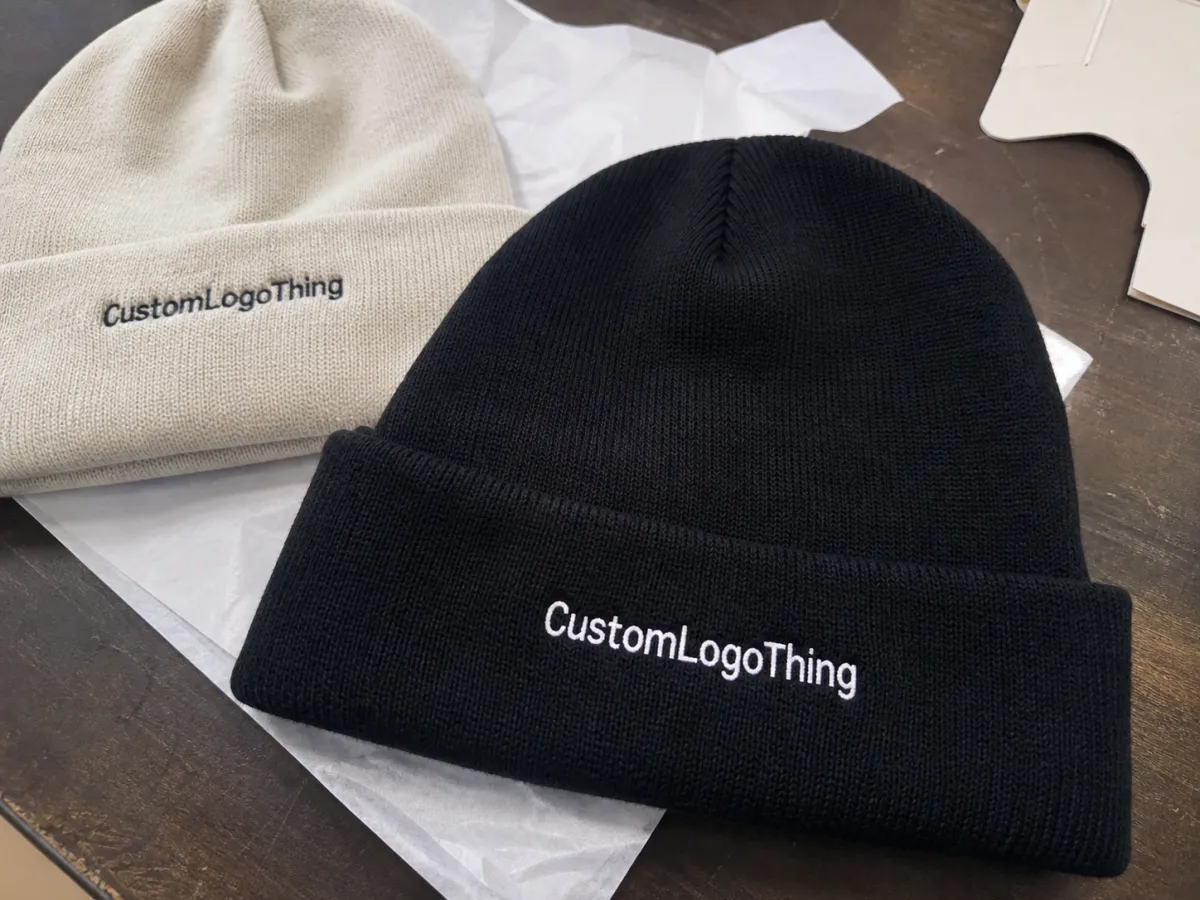
A cuffed beanie is a knit hat with a folded brim, but in retail it behaves like a more edited product. The fold creates structure, frames the face, and gives the style a clear place for embroidery, a patch, or a label. Compared with a slouchier knit, cuffed styles often look more deliberate and easier to place in a curated assortment.
That structure changes perception fast. Shoppers often read a tidy beanie as higher quality, even when the fiber content is similar to a cheaper option. The reaction is simple: the hat looks planned. In a crowded winter wall, that impression can help the style feel more premium and less like leftover inventory.
Buyers also value how the cuff supports merchandising. It stacks cleanly, photographs predictably, and keeps the front panel readable. In gift shops, campus stores, outdoor assortments, and small fashion departments, that clarity helps the product feel like part of a system rather than a one-off.
There is a practical branding benefit too. A mark placed on the cuff usually sits where the eye lands first, which improves visibility without forcing oversized artwork. For a retail collection, that can make a restrained design outperform a louder one.
How the cuff changes fit, branding, and display
The cuff affects fit as much as appearance. The folded brim adds weight at the lower edge, which often helps the beanie sit more securely and reduces the floppy look that can make a knit feel cheap. It is not a substitute for good patterning, but it does make the style more forgiving across head shapes.
Branding choices usually determine whether the hat feels retail-ready or generic. Embroidery on the cuff remains the most common option because it is durable and easy to understand. Woven patches can feel more premium, especially on midweight knits. A woven label works well when the brand wants a quieter finish and more visible texture. The wrong decoration can flatten the knit or make the piece feel too promotional.
Display also improves when cuff height is consistent. A row of beanies with the same profile looks curated, and that helps both ecommerce photography and in-store presentation. Buyers do not need every style to be dramatic; they need the assortment to look disciplined.
The tradeoff is worth noting. Cuffed construction is not ideal if the concept calls for a deep slouch, oversized drape, or very light handfeel. In those cases, the fold solves the wrong problem. Product direction should follow the retail job, not the trend cycle.
Materials, knit gauge, and decoration choices that move inventory
Material choice affects feel, cost, and how confidently a buyer can price the line. Acrylic remains a workhorse because it holds color well, keeps costs accessible, and is familiar to most retail customers. Polyester blends can improve durability and dry faster after washing. Wool blends bring warmth and a more traditional hand, but they raise cost and may add care requirements. Recycled fibers can support a sustainability story, though any claim should be backed by the right documentation.
Knit gauge changes the product more than many teams expect. A finer gauge usually looks cleaner and more controlled, which helps in curated retail settings. A chunkier knit reads warmer and more tactile, but it uses more yarn and can push the style into a higher cost band. That can be right for outdoor or cold-weather assortments, but it may feel too heavy for a minimal fashion line.
Decoration should suit the logo first. Small embroidery works when the mark is simple and durability matters. A patch can add dimension and often improves shelf presence without needing oversized artwork. Labels are useful when the brand wants restraint and more visible knit texture. Screen print is less common on true retail beanies because stretch and surface texture can blur the edges.
Color discipline usually matters more than breadth. A strong core of black, charcoal, navy, cream, or olive can sell across many store types. One or two seasonal accents can refresh the range without making reorders messy. Too many colors make the assortment harder to buy, harder to stock, and harder to explain at a glance.
Extras deserve scrutiny. Liners improve warmth but add cost and complexity. Pom-poms create a more playful look, yet they narrow the audience and can limit where the style fits. Contrast cuffs can help on shelf, but every added variation increases inventory risk. In practice, the cleanest styles often sell best: simple build, clear branding, reliable color.
Cuffed beanies pricing, MOQ, and unit cost
Pricing depends on yarn, gauge, decoration, packaging, and whether the order uses stock or custom color matching. Two quotes that seem similar can differ sharply once those details are defined. For Cuffed Beanies for Retail collections, the lowest quote is not automatically the best choice if it weakens handfeel, muddies color, or makes the logo harder to read in photos.
MOQ is where the real decision point usually appears. Lower quantities tend to carry a higher unit cost because setup work is spread across fewer pieces. Larger quantities lower the per-unit price, but they increase exposure if the color misses or the style does not move. A good request for quote separates spec from volume so the buyer can compare apples to apples.
| Option | Typical MOQ | Indicative Unit Cost | Best Use |
|---|---|---|---|
| Stock acrylic, single-color embroidery | 250-500 units | $1.80-$2.80 | Core retail test, gift shops, entry price points |
| Custom color, midweight acrylic, woven patch | 500-1,000 units | $2.60-$4.20 | Brand-led retail programs, cleaner shelf presentation |
| Wool blend, contrast cuff, embroidery plus custom label | 1,000+ units | $3.80-$6.25 | Premium assortments, higher ticket retail |
| Recycled blend, custom packaging, premium patch | 1,000+ units | $4.20-$7.00 | Sustainability-led launches, stronger brand storytelling |
These ranges are only a planning frame. Yarn costs move, freight changes, decoration density changes, and some factories price custom dye lots more aggressively than others. Still, the table helps buyers see the shape of the market. Simple stock builds can stay close to mass-market pricing. Once a program adds custom color, special packaging, or premium decoration, the cost climbs quickly.
It helps to ask for the same spec at 250, 500, and 1,000 units. That reveals the cost curve better than a single quote. Some programs flatten after a certain volume; others barely move because the factory is absorbing higher setup, color matching, or finishing costs. If the line will move through ecommerce or long-haul distribution, carton strength matters too. Some teams use transit testing aligned with ISTA methods because a soft product still has to survive compression, moisture, and repeated handling.
Production steps and turnaround: from sample to shipment
A clean production path saves more time than squeezing a few cents out of unit cost. The basic sequence is straightforward: concept brief, artwork approval, color matching, sampling, revision, bulk production, inspection, and freight booking. The delay usually appears between sample approval and bulk release, where late changes create friction.
- Brief: define fabric, cuff height, decoration method, target retail, and quantity range.
- Sample: review knit density, logo placement, and color in hand, not just on screen.
- Revision: correct fit, artwork scale, or stitch issues before the bulk order is locked.
- Bulk run: approve the pre-production sample and release the order.
- Inspection and freight: confirm carton counts, finish quality, and ship dates.
Lead time depends on complexity, but it rarely stays short for long. Sampling often takes 7-14 business days. Revisions can add another week. Bulk production may run 15-30 business days, especially during cold-season demand. Freight and receiving add more time. A modest retail order can move from first sketch to warehouse arrival in 5-9 weeks, and custom colors may stretch that further.
Quality control should be specific. Check cuff height consistency, embroidery placement, seam finish, color spread, and handfeel across the batch. If the order uses recycled yarn or special labeling, ask for the supporting documentation before shipping, not after. A missing carton label or a mismatch between the spec sheet and the actual bulk run can slow receiving and create avoidable rework.
For retail buyers, pre-shipment review should happen under the same light the customer will see. Fluorescent lighting, warm LEDs, and storefront daylight all change color perception. A charcoal beanie can look nearly black in one environment and washed out in another. If the sample only looks good on a desk, it is not fully approved.
Common mistakes that make retail beanie assortments underperform
Most weak beanie programs do not fail because the product itself is flawed. They fail because the assortment tries to do too much. Too many colors, too many decoration types, or too many silhouettes can make the line hard to understand. The shopper sees noise instead of a collection.
- Overdesigning the hat: oversized artwork and mixed decoration methods can make the line feel promotional instead of retail.
- Ignoring the customer mix: one size and one color story rarely fit every store type.
- Underestimating packaging: a weak hangtag or poor fold presentation muddies the price story.
- Skipping light review: colors shift under fluorescent, warm LED, and daylight, sometimes enough to change the decision.
- Buying too many fashion colors: trend shades can create excitement and then sit still while core neutrals keep moving.
The most common blind spot is store context. A beanie can look polished in a sample room and lose that advantage on a crowded shelf. That is why sample review should happen at shelf height, under real store lighting, alongside the other winter accessories it will compete against. If the style only works in isolation, the assortment is not finished.
Another mistake is treating cuffed and uncuffed styles as interchangeable. They are not. A cuffed option needs its own pricing logic, its own visual role, and its own merchandising purpose. If the goal is volume, the build should stay simple enough to reorder without hesitation. If the goal is premium, the yarn and logo finish need to support that price.
Expert tips for building a tighter retail assortment
Start with a narrow color ladder. One core neutral, one dark anchor, and one seasonal accent often cover more retail situations than a wider set of shades. That approach keeps the line readable and reduces the odds that one color gets stranded in inventory. It also makes replenishment easier because the buyer is not managing a matrix of near-duplicates.
Use the cuff as the brand anchor. If the logo is centered, scaled correctly, and placed with enough breathing room, the beanie feels purposeful. If the mark is too small, it disappears. Too large, and it can overpower the knit texture. The best placement usually reads fast without turning the cuff into a billboard.
Plan by channel, not by wishful thinking. Gift shops often tolerate bolder color and lighter construction. Outdoor retailers usually want warmer handfeel and more muted tones. Fashion boutiques may pay more for a cleaner patch, a more restrained label, or a sharper color story. Those distinctions change how the same beanie should be built and priced.
Before bulk approval, inspect the sample in hand, on head, and under actual lighting. Check drape, cuff height, logo scale, and how the beanie looks next to scarves or gloves if those items are part of the same program. Thinking in collection terms helps the whole assortment sell together instead of as isolated units.
For buyers building a retail beanie range, tighter usually wins. The line should feel edited enough to sell, but flexible enough to reorder. That balance is what keeps the style from becoming a one-season curiosity.
Next steps for launching a cuffed beanie collection
Before requesting quotes, build a one-page spec sheet with fabric choice, target colors, decoration method, packaging, quantity range, and target retail price. A clear spec reduces back-and-forth and makes quotes easier to compare. It also exposes budget problems early, before the project starts absorbing time.
Keep the first order small enough to learn from. A test run of 250, 500, or 1,000 pieces can show sell-through, color preference, and logo visibility. If the first drop performs, the reorder can be tighter and faster. If it misses, the risk stays contained.
Request digital mockups, a physical sample, and a packaging check before bulk approval. Map the launch backward from the in-store date so the product, carton labels, and merchandising pieces arrive together. That kind of scheduling discipline matters more than most teams realize, especially if the line has to land before the weather turns.
The strongest programs are usually not the loudest. They are the ones that narrow the palette, Choose a Decoration that fits the knit, and stay inside a price point the channel can actually carry. That is what makes a retail collection repeatable instead of merely seasonal.
Frequently Asked Questions
What makes cuffed beanies for retail collections different from basic promotional beanies?
The cuff creates a clearer branding zone, so logos and labels read more like retail merchandise than giveaway items. Retail collections are also judged on fit, shelf presentation, and assortment balance, not just the lowest unit price. That extra structure usually makes the style feel more premium and easier to merchandise.
What is a realistic MOQ for cuffed beanies in retail buying?
MOQ depends on the factory, yarn choice, and decoration method, but custom runs often start around 250-500 pieces and move up from there. Simpler builds support lower quantities, while special colors or premium decoration usually require larger runs. Ask for pricing at multiple volume levels so you can see the break points clearly.
How long does it take to produce cuffed beanies for retail collections?
Sampling, approvals, and color matching usually take longer than the knitting stage. A buyer should plan several weeks for the full cycle, then add time for freight and any revisions. Seasonal demand can stretch the schedule quickly, especially if custom colors or packaging are involved.
Which decoration method works best on a cuffed beanie?
Embroidery is still the most common choice because it is durable and readable on the folded cuff. Woven patches and labels can feel more premium if the brand wants a cleaner retail-first finish. The right answer depends on logo detail, target price, and how minimal the style should feel.
How do I choose colors for a cuffed beanie retail assortment?
Start with core neutrals that can sell across store types and seasons. Add one or two accent shades that match the brand or the trend cycle, then stop before the range gets noisy. If the goal is to make cuffed Beanies for Retail collections repeatable, keep the first run narrow, watch sell-through by color, and reorder only the styles that hold both the logo and the margin together.