A reorder can look simple on paper and still drift in the details. The cuff may sit a little differently, the yarn shade can shift, and a logo that looked centered on the sample can land a touch high on the next run. That is why a Cuffed Knit Beanies reorder planning guide has to start with the approved sample, not memory.
The safest repeat order protects fit, color, and decoration placement before production begins. That means checking the knit structure, confirming the cuff depth, matching the artwork file, and setting a realistic lead time before anyone promises a delivery date to a team, retail shelf, or event. If those four points stay aligned, most of the avoidable problems never appear.
From a buyer’s point of view, the best reorders feel boring in the right way: no surprise artwork changes, no late-stage color chase, and no debate about whether the next batch matches the first. That is the work here. Reorders are not supposed to be creative.
Cuffed Knit Beanies Reorder Planning Guide: What to Check First
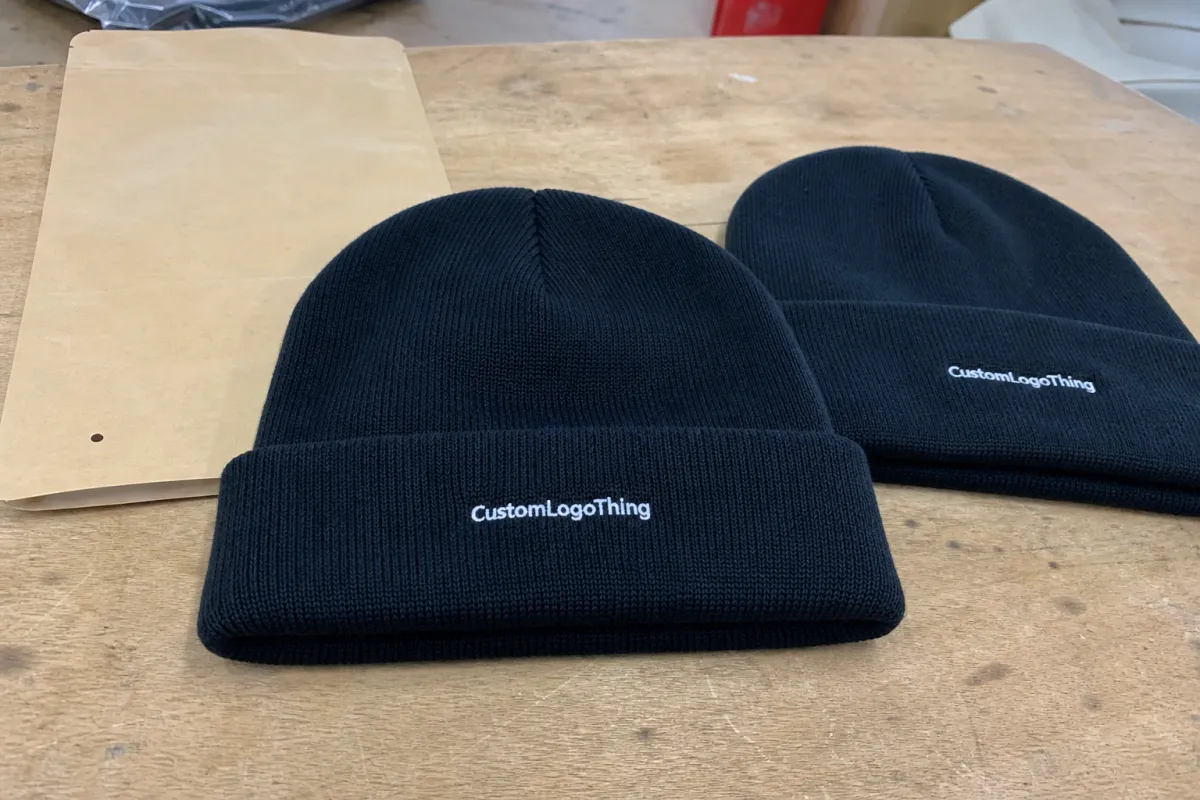
The first step is to pull the approved sample, the last purchase order, and the final spec sheet. Those three items usually tell you more than a memory of the original order ever will. Repeat orders drift for ordinary reasons: a knit program gets adjusted, a yarn lot changes, or the factory uses a slightly different placement reference on the front panel.
Start by separating the details that must match exactly from the details that can tolerate a modest production variance. That distinction saves time and money. If the beanies are for resale, even a small change in fit or cuff height can affect how the product is received on the rack. If they are for employee kits or internal giveaways, consistency still matters, but the acceptable range may be broader.
- Must-match items: yarn color, decoration method, logo placement, cuff depth, and approved artwork.
- Flexible items: minor handfeel variation, natural knit stretch within tolerance, and small dye-batch differences if the supplier flags them early.
- Business context: resale, promotions, uniform programs, and seasonal retail all call for different quantity and timing decisions.
Also check whether the reorder is meant to replace stock quickly or support a planned campaign. That one answer changes everything. A replenishment order may need the fastest possible turnaround and the closest match to prior production. A seasonal launch can absorb a slightly longer timeline if it improves shade consistency, keeps the artwork clean, or lets the factory build a better quantity break.
Write down the exact wording the supplier used when the first run was approved, especially if the factory described the fit as shallow, standard, or deep. Those words sound casual, but they matter. A shallow beanie may sit better for fashion retail, while a deeper crown often works better for winter use or a slouchier look. If the fit changes, the product changes with it.
A reorder runs best when the sample, spec sheet, and PO all say the same thing.
Keep the Knit Structure, Cuff Height, and Fit Consistent
Most repeat-order problems with Cuffed Knit Beanies start in the structure, not the logo. Yarn weight, knit gauge, and stitch count determine how the beanie stretches, how warm it feels, and how the cuff folds under load. If any one of those shifts, the hat can look like the same product while wearing like a different one.
Cuff height deserves its own line item. A cuff that measures 2.5 inches on one run and 3 inches on the next changes the visible front panel, which affects embroidery scale, patch placement, and label positioning. It also changes how the beanie sits on the head. Small pattern changes are easy to miss in a factory photo and obvious once the product is unpacked.
For decorated styles, note how the fold-over cuff supports the logo. Embroidery needs enough flat real estate to stay clean and balanced. A woven patch can sit well on a slightly smaller cuff, but it should still clear the seam allowance and not bunch when the cuff is worn down. If you are using a woven label or appliqued label, ask the supplier to confirm whether the stitch map or backing changes the drape of the front panel.
Practical buyer checks before approving a reorder usually include:
- Yarn weight: confirm the same mill count or comparable denier/ply specification.
- Knit gauge: keep the same stitch density so the handfeel and stretch stay consistent.
- Cuff depth: verify the folded cuff measurement and whether it includes seam allowance.
- Fit profile: shallow, standard, or deep should be written into the reorder notes.
- Front panel space: confirm enough room for embroidery, woven patch, or label placement.
If the first run included a ribbed cuff, ask whether the rib count and tension are the same. Rib structures can look similar from a distance and still wear differently. A looser rib may feel softer, but it can also lose shape faster after repeated use. For a buyer managing resale or client-facing kits, that is not a small detail.
Material choice matters too. A 100% acrylic beanie usually gives a soft hand, predictable stretch, and a lower price point, while polyester blends can add durability and a slightly smoother finish. Wool blends cost more, but they often feel warmer and hold structure better in cold weather. Recycled yarn can help with procurement goals, although it may introduce a slightly different texture or a narrower color palette. Those tradeoffs should be visible in the spec sheet, not discovered after approval.
Color Matching, Decoration Method, and Artwork Checks
Color is where reorders most often go off script. A prior run may have looked perfect under warehouse lighting, then read slightly warmer or cooler under retail lighting or outdoor daylight. The safest path is to match the previous approved yarn color or, if that exact yarn is no longer available, ask for a lab dip or strike-off before the order moves forward. That extra step is worth it when a custom brand color has to feel right to the eye.
Decoration method matters just as much. Embroidery, woven patch, woven-in design, and appliqued label all behave differently on a knit surface. Embroidery gives strong brand visibility and holds up well, but it can pucker if the stitch count is too heavy for the knit gauge. A woven patch looks crisp and can show fine detail, while a woven-in pattern creates a more integrated effect. Appliqued labels can be efficient, but they need careful placement so the edge does not wrinkle when the cuff stretches.
Before the reorder is released, reconfirm the artwork file, thread colors, stitch count, and placement measurements. Do not rely on a screenshot from the first order. Ask for the final vector file and the exact PMS references, if those were used. If the decoration sits 1/8 inch off center, it may be acceptable on a sample table and distracting in a carton of 500 pieces.
Here is a practical way to compare repeat-order decoration choices:
| Decoration option | Typical repeat-order use | Usual price impact | What to check |
|---|---|---|---|
| Embroidery | Clean logo, solid brand visibility | Low to moderate setup cost; often $0.40-$1.20 added per unit depending on stitch count | Thread color, stitch density, centering |
| Woven patch | Fine detail, sharper artwork | Moderate; often $0.60-$1.50 added per unit | Patch size, edge finish, placement |
| Woven-in design | Integrated pattern or brand mark | Higher setup, lower decoration labor on larger runs | Color matching, knit gauge, repeat alignment |
| Appliqued label | Simple branding with a softer look | Usually efficient on mid-size runs | Backing, stitch border, cuff distortion |
If your order needs packaging or transit validation, the ISTA testing framework is a useful benchmark for carton performance. If the project includes paper hangtags, insert cards, or recycled packaging language, FSC certification may matter to a retail customer or procurement team. Those are small items until a buyer asks for them during approval.
Material Specs That Affect Repeat Orders
Knits behave differently depending on the fiber blend, and repeat buyers should not assume the old fabric code is enough. Acrylic, polyester, wool, and recycled blends can all be built into cuffed beanies, but each one carries a slightly different feel and cost structure. Acrylic tends to be the most forgiving for price and color consistency. Polyester can hold shape well and resist pilling better in some constructions. Wool adds warmth and a more natural hand, though it can also raise the price and require more careful finish control.
Thickness matters too. A heavyweight beanie can feel premium and hold a deeper cuff, but it may take longer to dry and cost more to ship. Lightweight versions pack well and work for milder seasons, yet they may feel less substantial in retail display. If the first run sold because it felt thick and winter-ready, do not quietly switch to a lighter knit on the reorder just to save a few cents. Buyers notice.
Pay attention to finishing details that are easy to overlook: seam type, yarn twist, lining, and wash label construction. A brushed interior or fleece lining changes warmth and bulk. A tighter seam can improve durability, while an aggressive seam can create a pressure point under the cuff. For reorders, the safest language is exact language. “Same as last time” is too loose for a production line.
Cost, MOQ, and Unit Price for Repeat Beanie Orders
Repeat pricing usually moves in a few predictable ways: quantity, decoration complexity, yarn selection, and whether the order needs fresh sampling or setup. A buyer can avoid wasted time by asking for pricing at the quantity breakpoints they actually plan to buy, not only the lowest MOQ the supplier can quote. That gives a better view of real budget impact.
For Cuffed Knit Beanies, the unit price can shift more than many buyers expect because the core knit item is only part of the cost. Decoration method, number of color changes, label style, and packaging all stack onto the base garment. A simple embroidered reorder at 1,000 pieces may price very differently from a lower-quantity run that needs a new woven patch or a fresh label application.
Use a clean pricing comparison before approving the repeat order:
| Quantity range | Typical unit price | Common setup notes | Best fit for |
|---|---|---|---|
| 200-299 | $7.50-$10.50 | Higher setup burden; may include sampling and decoration prep | Small campaigns, pilot programs, limited retail drops |
| 500-999 | $5.75-$8.25 | Better balance of setup and labor spread | Employee programs, regional promotions, mid-size launches |
| 1,000+ | $4.20-$6.50 | Lower unit cost, but usually tighter planning needed | Retail programs, recurring seasonal stock, bulk giveaways |
Those ranges are not universal. A heavy yarn, specialty patch, or branded retail packaging can push the number upward, while a simpler decoration or an in-stock yarn color can pull it down. Rush fees, extra color changes, custom labeling, and split shipments also matter. Buyers often get a quote that looks good until they add a second ship-to location or ask for mixed sizes in one carton.
MOQ can be the quiet budget trap. A low unit price means little if the order forces more inventory than a team can use. The better question is not “What is the cheapest quote?” but “What quantity keeps us aligned with demand without creating dead stock?” That question sounds practical because it is.
If your company buys repeat stock regularly, ask whether the supplier can keep prior tooling or art setups on file. That does not erase every charge, but it can reduce the cost of moving from quotation to production. For larger recurring programs, the internal planning process is often easier if the supplier already knows your reorder patterns. That is one reason some buyers move toward our Wholesale Programs page once the style is proven.
Production Steps, Timeline, and Lead Time to Reorder
The cleanest repeat orders follow a simple path: spec review, artwork confirmation, proof or sample approval, production, inspection, and shipment. If any one of those steps gets skipped, the order can still move forward, but the risk of delay rises. That is especially true for cuffed knit beanies, where the decoration sits on a soft, stretchable surface and a small change can alter the final look.
Lead time depends on how much needs to be recreated. If the factory already has the yarn color, artwork file, and label spec, the reorder may move faster than a new development run. If they need to source a new yarn shade, rebuild a patch, or queue the order during peak cold-weather season, the schedule stretches. From a buyer’s point of view, the difference between 12 business days and 20 business days is not a small gap when a sales event or staff rollout is on the calendar.
A realistic reorder timeline often looks like this:
- Day 1-2: confirm prior specs, quantity, and delivery target.
- Day 2-4: review artwork, placement, yarn color, and price.
- Day 4-7: approve proof or repeat sample if needed.
- Day 7-15: production and in-line checks.
- Day 15-18: inspection, packing, and outbound shipping.
That schedule can expand if the order requires customs clearance, split cartons, or a tighter inspection protocol. Build in transit time and internal receiving time before you promise a date to sales, HR, or a retail buyer. If the shipment must travel under an ISTA-tested carton profile or a particular freight arrangement, say so early. It is much easier to protect schedule upfront than to explain a delay after a truck is already booked.
One more practical point: if the reorder is tied to a seasonal campaign, pad the timeline by a few business days. Cold-weather products move in clusters, and the better suppliers get busy at the same time your team does. A reorder placed late in the season often costs more simply because the calendar is working against it.
What Reliable Repeat-Order Support Should Include
A reliable supplier does more than say “yes” to a reorder. They keep the prior spec sheet, decoration notes, packing instructions, and shipment history on file so the next run starts from the approved baseline. That sounds basic, but it saves time because the buyer is not rebuilding the order from memory or from a buried email thread.
You should also get plain-language answers on variance tolerances, reorder minimums, and whether prior tooling can be reused. If the supplier knows the old embroidery file, patch die, or label placement, they should say so clearly. If they cannot reuse a setup, they should explain why. Good communication is not decoration; it is the difference between a clean repeat order and a change order nobody budgeted for.
Look for these support signals:
- Written spec recap with fit, cuff depth, color, and decoration details.
- Clear statement on what can be matched exactly and what may vary slightly.
- Proof or sample confirmation before production starts.
- Pricing that shows setup charges, unit price, and any freight or packaging adders.
- A dated production schedule that is realistic, not optimistic.
The strongest support teams answer the question you did not know to ask. For example, they may flag that a woven patch will sit differently on a deeper cuff, or that a new yarn lot could shift the shade just enough to matter on a retail wall. That kind of warning is worth more than a quick yes.
If you are still comparing reorder processes or need broader ordering guidance, our FAQ covers common production questions without the sales gloss. It is a practical starting point when you want straight answers on timing, proofs, and production checks.
Straight answers beat fast promises, especially on repeat orders where the first sample already set expectations.
Common Reorder Mistakes That Create Delays or Cost Creep
The biggest reorder mistake is changing one small thing and assuming nothing else will move. A thread color swap, a label shift, or a new packaging request can trigger setup charges and revised timelines. That is normal manufacturing behavior, not a supplier problem. The trouble starts when the buyer expects a same-as-last-time order but does not define what “same” means.
Another common issue is reordering from memory instead of the signed spec sheet. That is how mismatched sizing, logo drift, and color surprises happen. People remember the product they liked, but the factory builds from measurements, artwork files, and production notes. If those three documents do not line up, the result can vary even when the original sample looked perfect.
Skipping pre-production confirmation is another expensive habit. A quick proof check can catch a logo that is too low on the cuff, a thread shade that is a touch off, or a patch border that looks heavy on the knit surface. By the time cartons are packed, the correction cost is usually much higher.
Watch for these avoidable errors:
- Assuming the old sample is enough without checking the written spec.
- Changing artwork size without adjusting placement measurements.
- Forgetting that a new yarn lot may alter shade slightly.
- Requesting rush shipping after production has already started.
- Leaving carton marking or packaging instructions until the last minute.
Budgeting is another place where reorders drift. Buyers sometimes chase the lowest quoted price without noticing the MOQ forces more inventory than they can use. That ties up cash and storage space. A smarter approach is to match the reorder size to actual demand, then ask for a price at the next breakpoint so you can decide whether the extra units are worth it.
The cleanest repeat orders are usually the ones where the buyer slows down just enough to prevent a problem that would have been far more expensive to fix later.
Next Steps to Approve Specs and Place the Repeat Order
If you are ready to place the reorder, gather the documents that remove guesswork: the last PO, approved sample photos, size notes, artwork files, target delivery date, and any color or label references. That packet gives the supplier a real starting point and shortens the quote cycle.
Then confirm the exact quantity, the decoration method, and whether you need the same yarn lot or simply the closest acceptable match. Be direct about the must-match items. If the logo needs to stay centered within a tight tolerance, say so. If the cuff depth has to remain unchanged because the beanies are sold as a branded retail item, say that too. Clear priorities make the rest of the conversation easier.
Ask for a written spec recap, unit pricing at the chosen quantity, and a dated production schedule. Those three items should be enough to verify the reorder without going back and forth. If the quote includes a setup charge, ask what it covers. If the lead time seems long, ask which step is driving it. The answers usually tell you whether the delay is normal or avoidable.
For recurring programs, the reorder process improves when one person owns the source documents and one person approves changes. That keeps version control clean. It also prevents the classic mistake where marketing approves one file, procurement approves another, and production receives a third.
Use this cuffed knit Beanies Reorder Planning guide to verify the final details before you release the order, and you will protect fit, color, cost, and timing in one pass instead of trying to fix them after the fact.
How far in advance should I start cuffed knit beanies reorder planning?
Start as soon as you know the quantity and delivery date. Four to eight weeks ahead is a safer window for custom decoration, and it gives more breathing room if the order lands during peak cold-weather season, needs new artwork approval, or depends on imported materials.
What changes usually raise the price on a repeat beanie order?
New yarn colors, lower quantities, extra decoration positions, or a different label method can all move the unit price up. Rush shipping, new sampling, and special packaging can also add cost even if the core beanie spec stays the same.
Can I keep the same fit and cuff height on a reorder?
Yes, if you approve the same spec sheet and sample reference and ask the supplier to match the knit gauge and cuff depth. If the factory changes the stitch count or yarn weight, the fit can shift even when the artwork stays unchanged.
Do I need a new sample for cuffed knit beanies reorder planning?
Not always. A repeat order may only need proof approval if the specs and decoration stay the same. A new sample is smarter when you change colors, switch decoration methods, or want a tighter fit tolerance.
What information speeds up a beanie reorder quote?
Send the prior PO, final art files, exact quantity, target ship date, decoration method, and any must-match requirements. If you want the same material or color lot, say that up front so the quote reflects the real sourcing task.