Custom Acrylic Beanies Bulk Order: Pricing & Lead Times starts with a simple reality: cold-weather headwear gets used hard. It is pulled on in a hurry, stuffed into coat pockets, washed too often or not enough, and judged in daylight, not in a polished product photo. For a buyer planning a custom acrylic beanies bulk order, the real work is less about choosing a cute style and more about balancing knit quality, decoration method, packaging, and landed cost without losing time to revisions.
Why Acrylic Beanies Work in Bulk
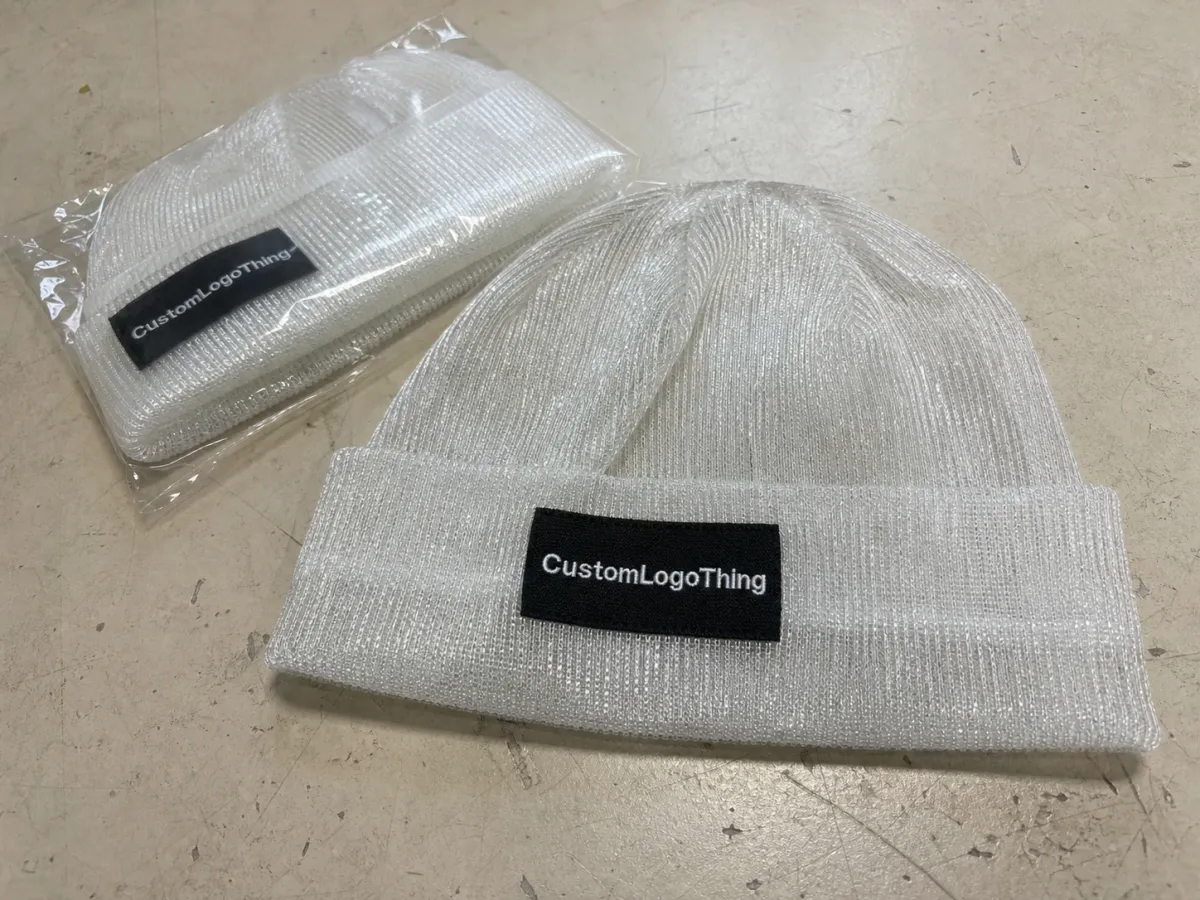
Acrylic stays popular because it covers the basics well. It is warm enough for everyday wear, knits cleanly, and holds its shape better than cheap blends that stretch out after a few wears. For bulk buyers, that matters more than fashion language or trend claims. A hat that gets worn again and again delivers real impressions, while a one-off novelty item disappears into a drawer.
That repeat use is the business case. A beanie worn on a commute, at a game, on a jobsite, or during an event can circulate a logo far longer than most promo items. A consistent run also makes planning easier: the same color, same cuff height, and same decoration method across the order mean fewer surprises during production and fewer complaints after delivery.
Most buyers are not asking whether acrylic is luxurious. They are asking whether the piece looks good, wears well, and fits the budget after freight and packing. If those three line up, the order works. If one of them is off, the lowest unit price can turn into the most expensive option by the time the carton reaches the dock.
A bulk beanie program succeeds when the knit reads cleanly, the logo survives wear, and the landed cost still makes sense after packing and freight.
Choose the Right Knit, Cuff, and Decoration
The core construction choices are simple, but they shape the order more than most buyers expect. A basic 100% acrylic cuffed beanie is usually the safest starting point. It is affordable, easy to decorate, and easy to reorder. Acrylic-wool blends can feel a little softer or more substantial, but they add cost and are not always worth the premium on a large promo run.
Knit structure matters too. A tighter rib knit usually looks neater, recovers better after stretching, and gives embroidery a more stable surface. Double-layer construction adds warmth and improves the decoration area, which is useful if the logo needs to stay readable. Slouch styles can work well for retail, but they are less forgiving for placement and often need more care during proofing.
For logo placement, cuffed beanies are the most practical. The cuff gives the decorator a flatter, more visible zone and keeps the brand mark from wandering across a stretchy crown. If the design is small or detailed, ask for a proof at actual size. A logo that feels fine on screen can disappear in knitwear once it is stitched or woven into texture.
Decoration options that hold up
Embroidery is still the workhorse for bulk orders. It looks familiar, wears well, and gives a clean finish on cuffed beanies. Woven patches are better when the art needs finer detail, multiple colors, or a flatter retail look. Labels and badges work well for minimalist branding. Jacquard knit has its place too, especially for patterns that need to feel built into the hat rather than added on later, but it usually increases setup and minimum quantity.
One common mistake is asking for too much information in too little space. A beanie is not a poster. Small text, thin lines, and long taglines tend to break down once the fabric stretches. If the brand needs more than one touchpoint, put part of the identity on the cuff, another part on a woven tag, and leave the knit area clean. That usually produces a stronger result than forcing every detail into the front panel.
| Decoration method | Best for | Typical feel | Cost impact |
|---|---|---|---|
| Embroidery | Simple logos, durable branding | Raised, classic | Low to moderate |
| Woven patch | Fine detail, multiple colors | Flat, crisp | Moderate |
| Label or badge | Minimal branding, retail presentation | Subtle, polished | Low to moderate |
| Jacquard knit | Integrated pattern or logo | Built into the fabric | Higher setup cost |
Decoration choice also affects turnaround. Simple embroidery on a stock beanie is usually the fastest path. Add custom patches, extra label placement, or multiple logo versions, and the schedule stretches because every variation needs its own approval and handling step.
Color Matching, Labeling, and Packaging
Color is where expectation and production reality tend to part ways. Stock yarn colors are the easiest route because they are already available and usually keep the schedule moving. Custom-dyed yarn is possible, but exact Pantone matching is limited by fiber behavior, knit tension, and how the yarn takes dye. A good supplier should be careful about promising a perfect match on a knitted product, because knitting is not flat print and it does not behave like paper.
Physical references matter here. A digital mockup is useful for layout, but it does not prove color. If the beanie needs to match another branded item, ask for a yarn swatch, a previous production sample, or an approved reference piece before sign-off. That one step can save a great deal of back-and-forth later, especially on orders where the beanie is part of a larger merchandise kit.
Labeling deserves the same level of attention. Sewn-in labels are fine for basic branding. Private-label tags make more sense for retail packaging or resale programs. Folded neck labels can look cleaner on display. Size marks are usually less important on one-size knitwear, though they become useful when the order includes multiple fits, slouch variants, or youth sizing.
Packaging changes the economics more than people expect. Bulk cartons are the least expensive and fastest option. Individual polybags add labor and material cost, but they are useful for retail, direct mail, or event distribution. Hang tags, sticker seals, and assorted color packing all require extra handling. None of that is complicated; it just has a labor line attached to it.
- Bulk cartons keep unit cost lower and move faster through fulfillment.
- Individual polybags help when the order is headed to retail or direct mail.
- Hang tags support shelf presentation and brand storytelling.
- Color sorting is useful, but it adds packing time and risk of mix-ups.
If packaging matters beyond the beanie itself, ask whether the outer cartons are sized to reduce crush damage and whether the supplier follows standard transit-test logic such as ISTA shipping standards. If you are using recycled or certified paper materials for inserts or outer packaging, check what FSC certification actually covers. A label can look polished while still being vague about what it certifies.
Fit, Style Mixes, and Quantity Planning
Most acrylic beanies are sold as one size fits most, but that phrase hides a lot of detail. Crown depth, cuff height, knit tension, and fabric weight all change how the hat sits on the head. A shallow beanie can look sharp on a display form and feel short in real life. A deeper cuffed style is usually safer for broad distribution because it fits more head shapes and gives more space for decoration.
Audience should drive the style mix. Corporate gifting usually calls for restrained colors and clear branding. Ski shops or outdoor retailers may want a stronger color range and a more retail-minded finish. School programs often need lower cost first and logo visibility second. Nonprofits may care more about margin than premium handfeel. Event staff, on the other hand, need warmth, easy identification, and minimal complaints.
Mixed-color orders can work well, but only when they are planned for the audience and the inventory reality. Equal splits are not always efficient. If one color will move faster, stock more of it. If a dark cuff gives the logo better contrast, do not waste half the run on a color that works against the art. That is the kind of decision that keeps usable inventory moving and keeps dead stock from piling up.
For a custom acrylic Beanies Bulk Order, quantity planning should be tied to actual use. If the hats are for a single event, match the order to attendance plus a small buffer. If they are for retail or ongoing team use, build the order around sell-through and replenishment timing. A spreadsheet is helpful, but the audience should decide the split, not habit.
Pricing, MOQ, and Cost Breakpoints
MOQ varies with construction and decoration. A simple stock beanie with one embroidery location usually allows a lower minimum than a fully custom knit design with multiple label options. Add custom yarn, a second logo position, or sorted packing, and the floor rises. That is not a penalty; it is the result of setup, approval, and handling work that has to happen somewhere.
Unit price falls in tiers as volume increases. The smartest quote requests ask for the full ladder, not just the lowest number. A price at 250 pieces can look very different from 500 or 1,000 pieces, and the best breakpoint is not always the biggest one. The right question is where the price curve starts to reward the buyer without forcing extra inventory onto the shelf.
For a standard program, a basic acrylic cuffed beanie with simple embroidery often lands around $2.25-$4.25 per unit at mid-volume. More complex decoration, custom labels, or gift-ready packaging can push that into the $3.50-$6.50 range. Larger runs can go lower, but only if the specs stay simple and freight does not erase the savings.
What drives cost the most is usually not a mystery:
- Yarn type and knit weight
- Decoration method and artwork size
- Labeling and packaging choices
- Sampling and proof revisions
- Freight, carton count, and destination
Ask for a landed-cost quote rather than a factory-only number. Freight, handling, and packing can move the final budget enough to change the buying decision. A useful quote should show the unit price, sample cost if there is one, shipping method, and any added cost for custom boxes, inserts, or sorting. That is the cleanest way to compare options.
| Quantity | Typical build | Indicative unit range | Notes |
|---|---|---|---|
| 100-250 | Stock acrylic, simple embroidery | $3.50-$6.50 | Useful for small team orders or concept testing |
| 500 | Stock acrylic, one logo, basic labeling | $2.75-$4.75 | Common breakpoint for stronger pricing |
| 1,000+ | Standard knit, simple decoration, carton pack | $2.25-$4.25 | Best chance for lower unit cost if specs stay tight |
If the beanie is part of a broader merch kit, keep it aligned with the rest of the package. A hat that looks cheaper than the packaging around it weakens the whole presentation, and a mismatch between product and box is easy to notice on arrival.
Process, Timeline, and Production Steps
The workflow is predictable if the buyer is organized. It usually starts with a quote request, then artwork review, then a digital proof or sample, then approval, then knitting or decoration, quality control, packing, and shipment. The delays usually come from unclear input, not from the calendar.
Timelines vary by stage. A proof can move in one to two business days if the artwork is ready. Samples often take five to ten business days depending on the style and whether the order needs new materials. Production for a straightforward run is often twelve to twenty business days after approval, and shipping adds its own time on top of that. Holiday periods stretch every part of the schedule.
Last-minute changes are the fastest way to slow an order down. Revised artwork, custom color requests, extra label placement, split shipments, or a packaging switch all require more checks. If the delivery date is firm, work backward from it and leave room for proof sign-off, transit, and one round of correction if needed. The buyer who waits until the week of the event is not managing a lead time; they are gambling with it.
Good packing is part of quality, not an afterthought. Cartons should be sized so the hats do not arrive crushed or over-compressed. If the order is heading through more than one shipping handoff, ask how the outer cases are packed and whether cartons are reinforced for the route. A beanie that looks fine in production and battered in transit still counts as a problem.
That is why a custom acrylic Beanies Bulk Order should be treated as a supply-chain job as much as a decoration job. Knit choice, proofing, packing, and freight all have to line up, or the order drifts.
Approval Checklist and Common Mistakes
Send vector artwork if you have it. SVG, AI, or EPS files usually travel better through embroidery and patch production than a low-resolution JPG pulled from a folder named final-final2. Cleaner files mean fewer questions and more reliable stitch lines.
Watch the small stuff. Tiny text, thin borders, and low-contrast colors often look acceptable on a screen and weak on textured knitwear. If the design depends on detail, ask for a size-adjusted proof. The proof should show logo placement, cuff height, and actual scale on the hat, not just the artwork floating on a white page.
The most common errors are predictable:
- Using the wrong Pantone reference for thread or yarn.
- Approving art before the spec sheet is final.
- Sending a ship-to address without a dock, suite, or contact.
- Adding packaging instructions after production has started.
- Trying to fit too much copy into one small decoration area.
If something feels off, ask for another proof. That is cheaper than remaking hundreds of hats because a logo looked strong in PDF form and awkward once it hit the cuff. A careful supplier should expect that request and treat it as part of the process, not as a nuisance.
What to Send for a Fast Quote
The fastest quote requests are the ones that contain real production data. Send quantity, style, color count, logo file, decoration method, deadline, and ship-to ZIP code. If you need retail packaging, event packing, or color sorting, say so early. Those details change the price more than most buyers realize.
If the new run needs to match an existing piece, include a photo or a sample. Memory is not a spec. “Make it like the last one” is a common instruction, but it is too vague to build from. A reference image, old label, or physical sample gives the production team something solid to check against.
The same logic that applies to product packaging applies here: clean inputs produce cleaner quotes. The more precise the brief, the less time gets burned on back-and-forth. For buyers comparing multiple merchandise lines, that difference can matter more than a small unit-price swing.
For a custom acrylic Beanies Bulk Order, the best quote is the one built from clear specs, a realistic quantity, and a shipping plan that matches the deadline. That keeps the budget honest and the timeline believable.
What is the usual MOQ for a custom acrylic beanies bulk order?
MOQ depends on construction, decoration, and color count. A stock acrylic beanie with one decoration method usually allows a lower minimum than a fully custom knit or mixed-label program. If you need a lower entry point, keep the style simple and avoid multiple variations in the same order.
How much do custom acrylic beanies cost in bulk?
There is no honest single number because yarn, knit weight, decoration, labeling, and packaging all move the price. As a practical range, a basic stock acrylic beanie with simple embroidery often lands around $2.25-$4.25 per unit at mid-volume, while more involved packaging or decoration can move it into the $3.50-$6.50 range. Always compare landed cost, not just unit price.
How long does production usually take?
Proofs can move in one to two business days if artwork is ready. Samples usually take five to ten business days, and production is often twelve to twenty business days after approval for a straightforward run. Freight adds its own time, so build buffer into any hard event date.
What artwork works best on acrylic beanies?
Vector files are best because they keep edges clean through embroidery, woven patches, and knit production. Bold logos with medium detail usually perform better than tiny text or ultra-thin lines. If the art is complex, ask for a proof at actual size before approving the run.
Can I mix colors or styles in one order?
Yes, but mixed orders usually affect MOQ, price, and packing time because each variation adds setup and sorting. Color mixes work best when they are planned around the audience or resale plan instead of split evenly by habit. If cost control matters, keep the base style consistent and vary only the colorway or label.

