Fitness Acrylic Winter Beanies Bulk Order for Teams
A winter beanie often earns more wear than the nicer hoodie in the closet. It goes from the gym to the commute to the grocery run, which is why a fitness Acrylic Winter Beanies bulk order can create more repeat visibility than many higher-cost promo items. The hat stays on the head. That is the whole advantage.
Acrylic sits in a useful middle ground for fitness buyers. It delivers warmth, stretch, and shape retention without the care issues that can come with wool-heavy blends. It also keeps pricing more manageable than premium natural fibers, which matters if you are balancing staff apparel, member merch, and event stock at the same time.
There is a real difference between a novelty handout and a uniform item. A novelty piece can survive loose sizing and basic decoration. A repeat-use beanie cannot. If the logo needs to stay readable, the cuff needs to sit flat, and the knit needs to hold its form after repeated wear, the order needs clear specs, a realistic timeline, and a decoration method that matches the artwork. That is where the value is decided.
The beanie that keeps getting worn is the one that keeps getting seen. In bulk orders, that matters more than a clever line of copy.
Why Acrylic Winter Beanies Make Sense for Fitness Programs
Acrylic performs well in everyday use. It is warm enough for early-morning coaching, outdoor classes, and post-work commutes, yet it remains lighter on budget than many wool-based options. For a buyer handling seasonal apparel, that pricing stability is useful because winter programs tend to stack up quickly.
The other advantage is visibility. People wear beanies outdoors, in parking lots, on transit, and on the way into the building. A beanie can keep working long after a flyer, tote, or sticker has been forgotten. That makes it a practical branding surface for gyms, studios, wellness teams, bootcamps, and event organizers who need useful merchandise rather than one more object that lands in a drawer.
Acrylic also helps simplify sizing. Most adult headwear programs rely on one-size-fits-most construction, and a well-made acrylic knit has enough stretch and recovery to serve a broad audience without feeling sloppy. That matters for teams with mixed staff sizes or member programs that need a single SKU rather than a complicated size run.
The strongest use cases tend to be simple:
- club merch worn outside the facility
- coaches’ or trainers’ winter uniforms
- front-desk retail add-ons with a practical price point
- event giveaways where useful wearability beats novelty
- membership gifts tied to winter promotions or outdoor challenges
Buyers usually get better results when they decide whether the beanie is meant for staff issue or resale before requesting a quote. Staff gear can prioritize durability and bulk packing. Retail gear often needs a cleaner finish, better packaging, and a decoration style that looks good at a glance. The materials may be similar, but the business goal is not.
Product Details: Knit Structure, Fit, and Decoration
Once the language is stripped down, the main choices are easy to read. Single-layer knit is lighter and more flexible. Double-layer knit brings more warmth and usually feels more substantial. A folded cuff gives a clear decoration area and a classic shape. An uncuffed body can look cleaner and more minimal, though it usually offers less room for branding.
Single-layer versus double-layer knit
Single-layer beanies work well in milder climates, event packs, and budget-sensitive campaigns. They pack smaller and can feel less bulky on the head. Double-layer versions are the safer winter choice because they trap more air and usually hold their shape better after repeated wear. For fitness brands that want a more premium hand feel, the extra layer is often worth it.
Knit density matters too. A tighter gauge usually gives a cleaner silhouette and helps embroidery sit neatly on the cuff. A looser knit can feel softer, but it may show more texture variation from piece to piece and may not support small logo details as cleanly. Acrylic helps control that variability, which is one reason it is used so often for promotional cold-weather headwear.
Decoration methods that fit fitness branding
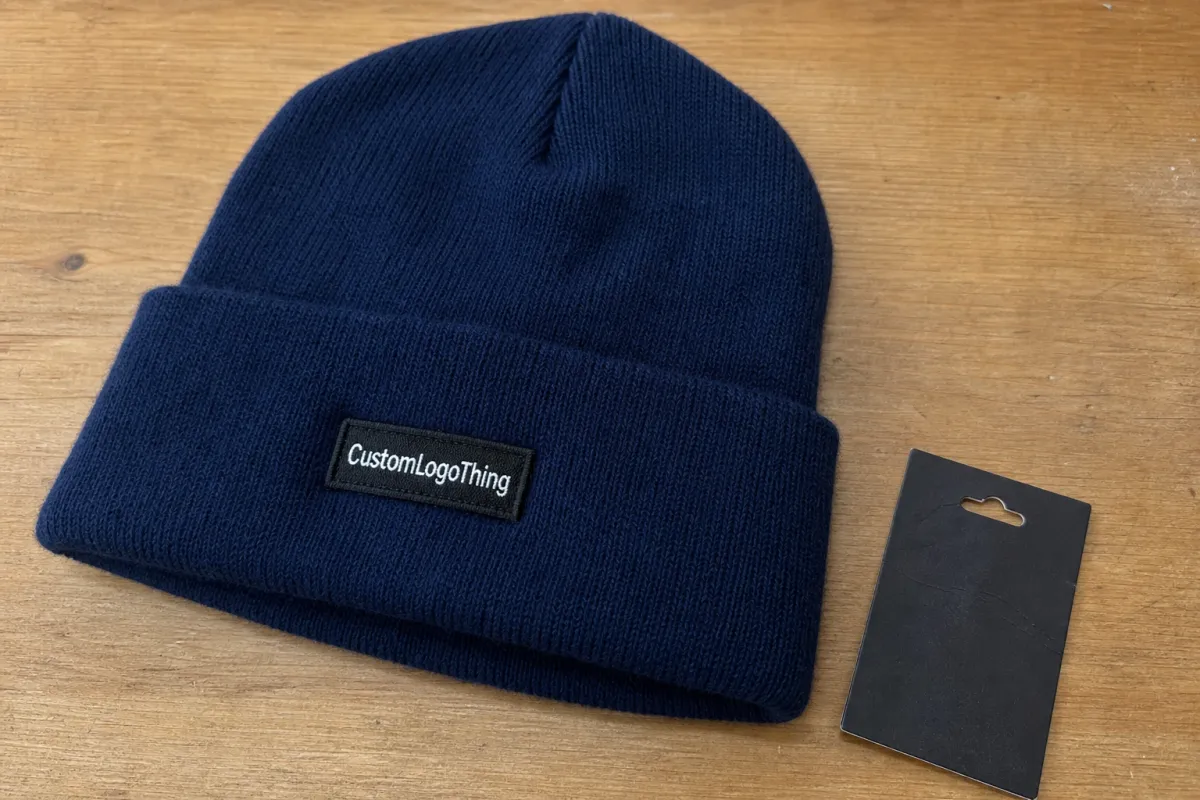
Embroidery remains the most common finish for a fitness acrylic winter Beanies Bulk Order because it is durable and legible from a distance. It works especially well for simple logos, short wordmarks, and icon-based marks with clean edges. Woven patches are a good alternative when the artwork needs sharper line detail or more visual contrast. Sewn-on labels can feel quieter and more retail-friendly, which suits some front-desk or lifestyle-oriented programs better than a bold stitch mark.
The right method depends on how the beanie will be used. Staff apparel can usually support a more visible mark. Member merch sometimes works better with subdued branding that people are happy to wear outside the gym. If the logo includes thin outlines, tiny text, or multiple colors, the decoration method should be chosen for printability, not just appearance on a flat mockup.
Color choice affects both cost and speed. Stock yarn colors are generally the fastest and least expensive route. Custom yarn matching takes more coordination and usually raises minimums. Heathered or melange looks can hide small knit variation and feel more lifestyle-driven, but they soften exact brand color control. That tradeoff is fine if the goal is a winter retail look; it is less fine if the brand requires a precise red, navy, or black.
Packaging also deserves attention. Bulk packing is efficient for staff issue and warehouse distribution. Individual polybags, hangtags, and retail cards add perceived value and can help resale programs justify a higher shelf price. For buyers with sustainability requirements, paper selection may matter. A paper program aligned with FSC-certified paper is worth asking about, and for shipping protection, ISTA test procedures can help separate a sturdy carton from one that only looks sturdy.
This product category succeeds because it does more than keep heads warm. It gives the brand a repeat-use surface that survives packing, transit, and daily wear. That is a more demanding job than many buyers expect, which is why the construction details matter early.
Specifications to Confirm Before You Approve Artwork
Artwork approval moves faster when the product basics are already settled. Start with fit. Most adult beanies are sold as one size fits most, but that label hides a wide range of actual measurements. Ask for the relaxed opening, stretch range, crown depth, and cuff height if there is one. Those dimensions matter more than the marketing label, especially if the beanie will be worn by a mixed audience.
Next, confirm the yarn and gauge. A tighter knit usually improves warmth and gives embroidery a cleaner base. A looser knit may feel softer and more casual, but it can expose more texture differences from unit to unit. Buyers do not need to become knit technicians, though they do need to understand that gauge affects hand feel, logo crispness, and how consistently the run will look.
Decoration placement deserves equal care. Front-centered embroidery on the cuff is the default, but default is not always best. Fine-line logos need enough space around the stitch area. Small type can blur if it is pushed below the practical size for the method. Multi-color marks may need thread substitutions or a simplified construction. If the logo is delicate, ask for a proof that reflects real stitch count rather than a generic artwork mockup.
- Fit range: relaxed opening, stretch recovery, and crown depth
- Construction: single-layer or double-layer knit, folded cuff or uncuffed body
- Decoration: embroidery, woven patch, woven label, or sewn-on label
- Color: stock yarn, custom match, heathered finish, or melange look
- Packaging: bulk packed, individually polybagged, size-tagged, or retail ready
Packaging is not just a warehouse decision. If the beanies will be sold, a hangtag or retail bag can change how people perceive the item. If they are for staff issue, bulk packing can lower cost and simplify distribution. If the order depends on exact shade matching, request a pre-production sample or decorated proof before the full run starts. That step is cheaper than discovering a problem after production is complete.
If you are comparing cold-weather apparel categories, the Wholesale Programs page is a useful place to sort through options before narrowing the spec sheet.
Cost, Pricing, and MOQ for a Fitness Acrylic Winter Beanies Bulk Order
Good buyers ask what the unit price includes. A useful quote should separate the blank beanie, decoration setup, per-unit embellishment, packaging, and freight. That structure matters because a low unit price can hide a high setup fee, or a cheap setup can be offset by more expensive decoration labor.
| Option | Typical unit cost impact | Best for | Tradeoff |
|---|---|---|---|
| Stock acrylic beanie with embroidery | $2.40 to $4.25 per unit at 500 to 1,000 pieces | Staff wear, club merch, standard logo runs | Low setup friction, but limited decoration complexity |
| Stock beanie with woven patch or sewn label | $2.90 to $5.10 per unit at 500 to 1,000 pieces | Retail add-ons, cleaner brand presentation | Better visual detail, usually higher decoration cost |
| Custom color knit with logo finish | $4.75 to $8.50 per unit and up | Brand-heavy programs, larger campaigns | Higher minimums, longer production timeline |
Those ranges are directional, not universal. Quantity changes pricing quickly. Moving from 250 pieces to 500 can lower the unit cost noticeably, and larger jumps can open better bands again because setup and labor are spread across more units. Bulk apparel pricing rarely drops in a straight line. It tends to move in steps.
MOQ depends on the blank style, the decoration method, and whether the color is stock or custom. Simple embroidery on a stock beanie often allows a lower minimum than a custom-knit body with multi-location branding. If the logo has multiple colors, several placement points, or special packaging, the minimum may rise again. Anyone promising one universal MOQ without seeing the artwork is usually simplifying the job too much.
Several variables affect quote accuracy:
- yarn type and knit density
- stock color versus custom color match
- embroidery, patch, or label method
- number of thread colors or logo locations
- packaging format and retail add-ons
- rush service and freight destination
A practical buying rule helps here: decide the target quantity first, then choose the decoration style that fits the deadline and the budget. If the order is for a winter class series, keep the logistics tight. If the order is for retail resale, protect margin with a finish that feels worth the shelf price. That is how the purchase stays controlled instead of reactive.
Process and Timeline for Bulk Production
The cleanest orders follow the same sequence: quote, artwork review, spec confirmation, sample approval, production, quality check, and shipping. It looks simple on paper. The delays usually happen at the handoffs. A blurry file, an unapproved color reference, or a missing delivery date can stall production before the first stitch is made.
Artwork is usually the first bottleneck. If the logo file is low resolution, not vector-based, or built with tiny type, the decoration team has to clean it up before stitch mapping starts. That is manageable if it is caught early. It becomes a problem if the buyer assumes a flat image is enough. Vector artwork produces the cleanest result, and it helps to specify whether the logo should read bold, subtle, or retail polished.
Lead times vary with construction and decoration complexity. A stock acrylic beanie with straightforward embroidery can often move through production in about 12 to 18 business days after proof approval. Add a sample step, custom labeling, or a more detailed patch build, and the timeline can stretch to 20 to 30 business days or more. Custom knit programs may take longer still, especially if color matching or yarn sourcing is involved.
Shipping time needs its own line in the schedule. A finished order in transit is not a finished order in hand. If the beanies need to arrive for a winter promo, event staffing date, or member launch, add buffer for freight and receiving. A local shipment can be straightforward, but cross-border moves or multi-location receiving plans usually need more margin.
One practical habit saves trouble: order earlier than the campaign instinct suggests. Winter items tend to cluster into the same narrow production window, and the best schedules fill quickly. A buyer who approves artwork two weeks earlier usually has more control than one who is trying to compress everything into a final-week rush.
For basic proofing, minimums, and schedule questions, the FAQ page can help sort out common timing issues before the order enters production.
What to Look for in a Reliable Bulk Beanie Supplier
Consistency is the first test. The supplier should be able to repeat color, sizing, and logo placement across the full run without visible drift from piece to piece. A sample can make almost anything look acceptable. A 1,000-piece order tells the real story. The front row and the last carton need to look like they belong to the same program.
Communication matters as much as equipment. A dependable supplier explains proofs, approval windows, and revision limits in plain language. That keeps small misunderstandings from becoming expensive ones. Strong vendors also explain what the chosen yarn, knit, or decoration method can do, and what it cannot do. A buyer should hear boundaries, not just promises.
Repeatability matters for fitness brands because the order may come back next season. A studio might start with 100 beanies for staff and then return for 600 more after the first winter run sells through. If the second batch does not match the first, the brand loses visual consistency. That is often more costly than a slightly higher first-order quote.
Ask practical questions before approving production:
- How is the logo proof reviewed before production?
- What tolerance is acceptable for color and placement variation?
- Can the supplier support a decorated sample or pre-production proof?
- How are defects handled during inspection and packing?
- Can the order be packed for retail, staff issue, or mixed distribution?
Quality control should be visible in the process, not just promised in the sale. Straight seams, clean thread trims, even cuff folds, and consistent label placement are the signs that the batch has been handled carefully. Those are small details, but they are the ones people notice when the beanies are worn by coaches, front-desk teams, and members in public.
Next Steps to Lock in Your Quote and Ship Date
The most useful quote starts with the simplest brief. Send the logo file, quantity target, preferred color, decoration method, and delivery deadline together. The cleaner the input, the less time gets lost on back-and-forth. It also gives the supplier room to recommend a beanie style that fits the use case instead of defaulting to a generic estimate.
Define the end use in one sentence. Is the order for staff, members, retail resale, or a special event? A staff order may need bulk packing and faster turnaround. A retail order may need individual polybags, hangtags, or more polished decoration. A giveaway may prioritize unit cost and a simpler placement. Those choices change the quote, so naming the purpose early makes the numbers more accurate.
If the logo has fine detail, multiple colors, or a specific placement requirement, ask for a decorated proof. That is especially helpful for established fitness brands, because the goal is not only to decorate the beanie but to preserve the logo proportions and the brand tone. A proof costs less than a warehouse full of product that feels slightly off.
Before approving production, compare the deadline against the actual calendar. Count shipping time, receiving time, and any internal review time. Then check the quote for MOQ, unit cost, lead time, and delivery method. If those items line up with the campaign plan, the order is ready to move.
A disciplined fitness acrylic winter Beanies Bulk Order is rarely about chasing the cheapest number. It is about getting the right knit, the right logo treatment, and the right arrival date so the beanies are worn instead of stored. That is where the value shows up for a team, a studio, or a seasonal retail program.
What makes acrylic winter beanies a good choice for fitness brands?
Acrylic gives a practical balance of warmth, stretch, and cost control for cold-weather merch. It also holds shape well under repeated wear, which matters for staff, coaches, and members who will actually use the item instead of treating it as a one-time promo piece.
What is a normal MOQ for fitness acrylic winter beanies bulk order requests?
MOQ depends on the blank style, decoration method, and whether the order uses stock colors or custom yarn colors. Simple embroidery on a stock beanie usually supports a lower minimum than a fully custom knit build. The clearest way to confirm MOQ is to share quantity, logo type, and deadline together.
Can we add our gym logo to acrylic winter beanies?
Yes. Common options include embroidery, woven patches, and sewn labels. The best choice depends on logo detail, size, and whether the brand wants a subtle or high-visibility look. Artwork quality matters, so vector files usually produce the cleanest result.
How long does production usually take for a bulk beanie order?
Lead time depends on sample approval, decoration complexity, and order volume. Simple stock styles move faster than custom knit or multi-step decoration projects. Shipping time should be added separately so the final arrival date is realistic.
What details do you need to quote winter beanies accurately?
Quantity, target delivery date, logo file, decoration preference, and color choice are the core inputs. It also helps to know whether the beanies are for retail, staff use, or a promotional giveaway. Clear specs reduce back-and-forth and make the first quote more useful.