Buyer Fit Snapshot
| Best fit | Custom Apparel Boxes With Logo projects where brand print, material claims, artwork control, MOQ, and repeat-order consistency need to be specified before quoting. |
|---|---|
| Quote inputs | Share finished size, material target, print colors, finish, packing count, annual reorder estimate, ship-to region, and any compliance wording. |
| Proofing check | Approve dieline scale, logo placement, barcode or warning zones, color tolerance, closure strength, and carton packing before bulk production. |
| Main risk | Vague material claims, crowded artwork, missing packing details, or unclear freight terms can make a low unit price expensive after revisions. |
Fast answer: Custom Apparel Boxes With Logo: Design, Cost, Timeline should be specified like a repeatable production item. The safest quote records material, print method, finish, artwork proof, packing count, and reorder notes in one written spec.
Production checks before approval
Compare the actual filled-product size with the drawing, then confirm tolerance on folds, seals, hang holes, label areas, and retail display edges. Reserve space for logos, QR codes, warning copy, and material claims before decorative graphics fill the panel.
Quote comparison points
Review material grade, print process, finish, sampling route, tooling charges, carton quantity, and freight assumptions side by side. A quote is only useful when the supplier can repeat the same color, closure quality, and packing count on the next order.
Custom apparel Boxes with Logo often become the first physical touchpoint between a brand and its customer, and that first touch can set the tone before the garment is even unfolded. Packaging is not a decorative afterthought sitting quietly on the sidelines. It is part of the product experience, and in a lot of cases it is doing real work before the buyer has opened the lid.
If a box arrives bent, scuffed, or flimsy enough to feel rushed, the shirt or hoodie has to do extra heavy lifting on its own. A well-made box does the opposite. It protects the apparel, supports the brand story, and gives the order a more finished feel without pretending the package is more important than the product inside.
The practical way to think about it is simple. Good branded packaging is not about covering every surface with graphics or stacking on finish after finish. It is about Choosing the Right structure, the right board, the right print method, and the right opening experience so the packaging supports the sale instead of muddying it.
What Custom Apparel Boxes With Logo Actually Are
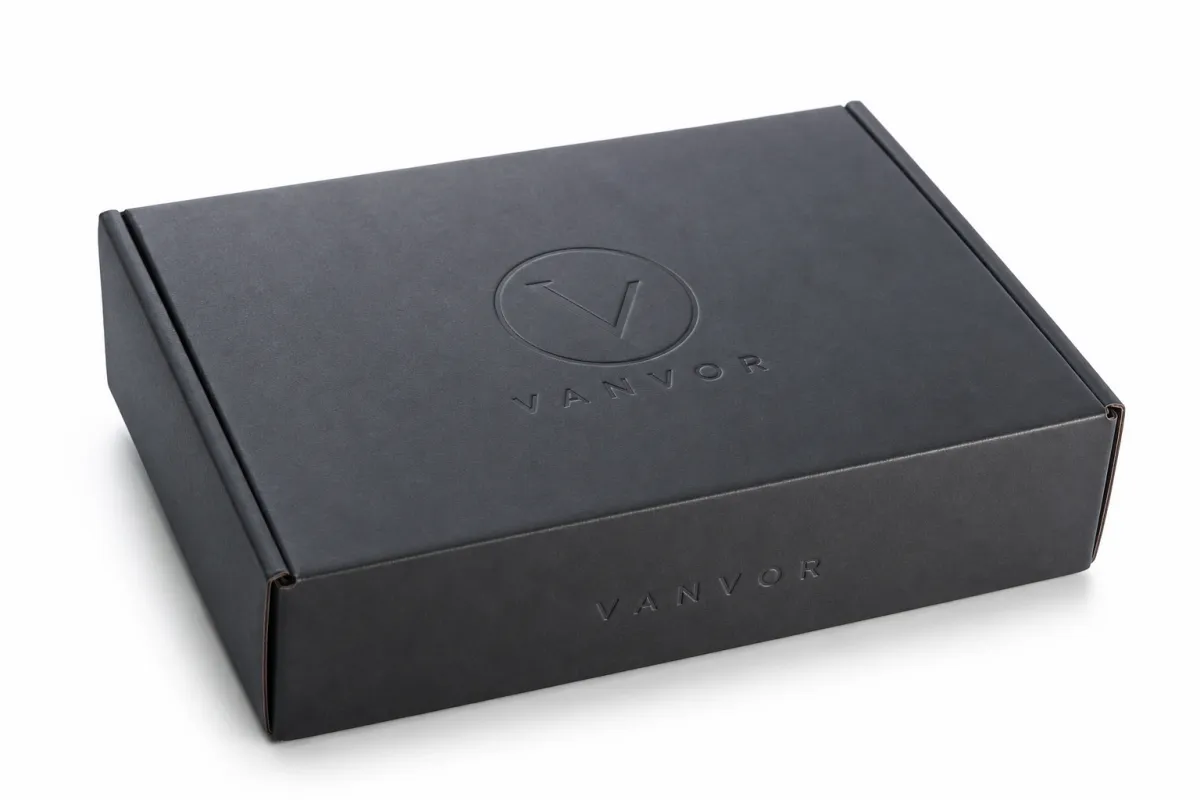
Custom Apparel Boxes with logo are purpose-built containers made to hold folded garments, keep them protected during handling, and present them in a way that matches the brand’s visual language. In many orders, the box is seen before the fabric, which makes the package the opening statement. A careless-looking box can quietly lower expectations before the customer even lifts the lid, and that reaction happens faster than most teams expect.
The usual formats are pretty straightforward, and each one handles a different packaging need. Folding mailers are common for e-commerce and lighter apparel orders. Tuck-top cartons work well for retail presentation and direct shipments that still need a clean, finished look. Rigid Gift Boxes are better suited to premium drops, limited releases, and higher-ticket apparel. Shipper-style apparel boxes are built more like transit packaging, with strength taking priority over display. All of them can be custom printed boxes; the real difference is how they balance durability, cost, and presentation.
- Folding mailers: lighter, lower cost, and a practical fit for tees, socks, and flatter folded items.
- Tuck-top cartons: clean presentation with enough structure for retail counters and direct-to-consumer shipping.
- Rigid gift boxes: thicker board, stronger perceived value, and a better fit for elevated unboxing.
- Shipper-style boxes: engineered for transport first, with appearance secondary to protection.
What makes custom apparel boxes with logo feel branded is not the logo alone. The whole system matters: color palette, typography, coating, inside print, tissue paper, and the way the lid or flap opens in the hand. That moment of opening carries real weight. A plain white carton with one small logo can feel calm and refined. A box crowded with too many fonts and too many finishes usually feels overworked, as though the budget needed to be visible at all times.
Packaging buyer reality: a box that looks beautiful on a mockup but arrives crushed in transit is not premium. It is expensive waste with a logo on it.
From a packaging buyer’s perspective, the box has three jobs. It protects the garment, it reinforces the brand, and it fits the channel. A retail launch may need a shelf-facing lid. An influencer kit may need a dramatic reveal. A subscription drop may need fast packing with repeatable steps. The best custom apparel boxes with logo are the ones that suit the channel instead of forcing the channel to adapt to the box.
For brands building a broader packaging system, the wider Custom Packaging Products catalog helps because apparel boxes rarely stand alone. Labels, mailers, inserts, and shipping cartons usually need to coordinate with them.
How Custom Apparel Boxes With Logo Work in Production
Custom apparel boxes with logo do not begin with artwork. They begin with the garment. Fold size, fabric thickness, and shipping method determine the box dimensions long before anyone starts debating ink colors or surface finishes. A single folded tee may fit neatly into a slim mailer. A heavyweight hoodie with tissue and a brand card needs more depth. A multi-piece outfit can push the packaging toward a larger carton or a rigid presentation box. Guessing here is how brands end up paying for empty space.
The structure matters because it changes both the customer experience and the shipping risk. A box used only for retail display can prioritize crisp lines, smooth edges, and a tidy reveal. A box that moves through parcel networks needs crush resistance, stable corners, and an outer surface that can handle labels, tape, and abrasion. If the boxes are going out nationally, it makes sense to ask whether the carton should be checked against ISTA handling standards or compared with common distribution testing practices. That is not flashy work, but it saves money in the long run.
Print method is another decision that affects both appearance and cost. A one-color logo on kraft or white board often keeps pricing down while still looking sharp, provided the design is disciplined. Full-coverage print gives more visual impact, though it raises ink usage, setup time, and proofing complexity. Premium finishes such as foil stamping, embossing, debossing, spot UV, and soft-touch lamination add polish, yet each one also adds cost and another point where production can drift. More finishes do not automatically make a better package. Sometimes they just create more opportunities for slight mistakes.
The middle ground that works best for many brands is also the simplest: use a strong box structure, one primary logo face, and one secondary accent inside or underneath. That keeps the packaging design clean while still giving the unboxing moment something to discover. A box with good proportion and one restrained finish usually feels more premium than a noisy box trying to show every trick it knows.
Inserts, tissue, stickers, sleeves, and brand cards are part of the packaging system, not random add-ons. Tissue wrap can reduce rubbing on folded knits. A die-cut insert can keep a stack of garments from shifting around in transit. A printed care card can answer the questions customers would otherwise send by email. If the order is a gift set or an influencer send, the insert also shapes how the contents photograph. That detail matters more than some teams expect, and it is one of those things people only notice after a messy pack-out has already happened.
Proofing is where expensive errors get caught before they turn into a full run. A proper proof should include the dieline, artwork placement, fold lines, bleed, safe area, and the exact box dimensions with the intended garment inside. If possible, request a physical sample or a short-run mockup before full production. One wrong fold line or a logo placed a few millimeters too low can make an entire run feel off. It may not look dramatic on screen, but it feels obvious in hand.
For brands comparing formats across a larger assortment, the same Custom Packaging Products page can help line up apparel boxes with mailers, product sleeves, and shipping cartons so the whole system speaks with the same visual voice.
Custom Apparel Boxes With Logo: Cost and Pricing Factors
Custom apparel boxes with logo are priced by more than logo count, which is useful because the cheapest answer is rarely the right one. The main cost drivers are material grade, box size, structure complexity, print coverage, finish level, and whether inserts are included. A simple one-color mailer lives in a very different price range from a rigid box with foil, soft-touch lamination, and a custom insert.
Short runs usually carry the highest per-unit cost because setup, die cutting, plates, and proofing get spread across fewer boxes. That is why a 100-unit order can feel surprisingly expensive while a 1,000-unit order may land in a much better per-box range. Nothing mystical is happening there. Production economics are just doing what they always do. If only a small batch is needed, setup belongs on the bill. Chasing the lowest unit price on a tiny run usually ends in disappointment and a box that looks like it was bargained into existence.
For quote comparison, ask for the same spec at 100, 250, 500, and 1,000 units. That gives a clear view of setup pressure and the savings that come from volume. If one supplier quotes a lower number but quietly changes the board grade, print coverage, or insert complexity, the comparison stops being useful. Apples to apples matters more than a nice-looking headline price.
| Box Type | Best Use | Typical Build | Approx. Unit Cost at 500 pcs | Approx. Unit Cost at 1,000 pcs |
|---|---|---|---|---|
| Folding mailer | Tees, light knits, e-commerce orders | 18pt to 24pt paperboard, one-color print | $0.55-$1.20 | $0.35-$0.85 |
| Tuck-top carton | Retail packaging, gift-ready apparel | Paperboard with matte or aqueous coating | $0.75-$1.60 | $0.50-$1.10 |
| Shipper-style apparel box | Direct-to-consumer shipping, protection first | Corrugated board, stronger walls, simpler print | $0.95-$2.10 | $0.70-$1.50 |
| Rigid gift box | Premium launches, influencer kits, luxury apparel | Rigid setup board, wrap paper, specialty finish | $2.50-$6.50 | $1.90-$5.20 |
Those numbers are budget bands, not promises. Artwork complexity, board availability, insert count, shipping lane, and rush timing all move the final number. Even so, the table gives a more realistic starting point for custom apparel boxes with logo than a vague phrase like “affordable packaging.” Affordable compared with what? The answer only makes sense once the spec is clear.
Hidden costs deserve attention because they tend to appear after the quote looks settled. Sample revisions can add both time and money. Freight can be larger than expected if the boxes are bulky or the destination is far away. Rush production usually carries a premium. Reprints happen when artwork changes after approval or when measurements are wrong and the run needs to be adjusted. If a packaging partner does not spell those out, ask directly.
Material choice also brings a tradeoff worth understanding. Recycled content and FSC-certified board can support sustainability claims, but the exact feel, whiteness, and print result may change a little. If sustainability is part of the brand promise, ask for documentation and verify the source. The FSC certification system remains one of the clearest mainstream references for that conversation.
Budget tiering is often the clearest way to think about custom apparel boxes with logo:
- Basic branded mailers: one or two colors, simple structure, lower spend, practical for recurring e-commerce.
- Mid-premium retail boxes: stronger board, cleaner print, maybe a matte finish or inside print.
- Premium rigid presentations: heavier board, specialty finishes, inserts, and a more gift-like feel.
If a choice has to be made, spend on structure before spending on extras. A box that closes cleanly and survives shipping will do more for the brand than a dramatic finish on weak board. Custom apparel boxes with logo should support the product, not compete with it.
Process and Timeline for Custom Apparel Boxes With Logo
Custom apparel boxes with logo move through a predictable sequence, and the projects that stay on schedule are the ones that respect it. The usual flow is brief, spec gathering, dieline creation, artwork, proofing, sample review, production, quality check, and shipping. Each step has a purpose. Skipping one tends to create a problem later, usually at the worst possible moment.
Timeline depends on the structure. Simple printed cartons can move faster than rigid boxes or boxes with specialty finishes. As a practical planning range, a straightforward mailer or tuck-top carton often takes about 12-18 business days after proof approval, while rigid presentation boxes can take 20-30 business days or more, especially if foil, embossing, or custom inserts are part of the design. Shipping time sits on top of that. If the launch date is fixed, the calendar should move backward from the deadline, not forward from the order date.
The biggest delays tend to come from unglamorous issues: unclear measurements, slow approvals, artwork changes after proofing, and late requests for color matching or finish upgrades. A brand may decide it wants a soft-touch black box, then ask at the last minute for a metallic silver logo, and suddenly the proof has to be checked again. That is not the vendor being difficult. It is the project changing shape after the production path was already set.
To keep custom apparel boxes with logo moving, build a buffer into the schedule for seasonal launches, product drops, and reorder windows. If the boxes support a holiday drop or a limited release, leaving one to two weeks of extra time after the planned production window is a safer move. Add more if freight is long-haul or if the team has a habit of approving artwork in a rush on Friday afternoon. That pattern shows up everywhere, and it always seems harmless right up until it isn't.
A simple project checklist helps design, operations, and marketing stay aligned before anything goes to press. One version of the size. One version of the artwork. One person responsible for final approval. If three departments are all “almost done,” the box is not done yet. It is merely expensive potential.
Here is a clean working sequence for custom apparel boxes with logo:
- Define garment type, folded dimensions, and shipping method.
- Choose the box style and board grade.
- Approve the dieline and print layout.
- Check the proof with the actual garment inside.
- Sign off on color, finish, and insert plan.
- Release production and confirm the ship date.
This is also the right moment to think about the broader packaging plan. If the apparel box, shipper, and inserts all need to match, start comparing the options in the Custom Packaging Products lineup early. It is much easier to coordinate package branding once than to revise three separate formats later.
For brands shipping at scale, the smartest move is to connect the box schedule with stock forecasting. Reorders should be triggered before inventory gets critical. A rush reorder on custom apparel boxes with logo is a classic self-inflicted wound. The boxes cost more, the options narrow, and everyone acts surprised that production does not bend around poor planning.
Step-by-Step Guide to Ordering Custom Apparel Boxes With Logo
If you want custom apparel boxes with logo to work well, start with the product brief rather than the visual mood board. What garment is going inside? Is it a tee, hoodie, jogger set, dress shirt, or multi-piece bundle? What is the folded size? Will the box ship direct to consumer, sit on a retail shelf, or live inside another mailer? Those answers shape the box more than any inspiration image ever will.
Start With the Real Garment
Measure the folded apparel in its final packing state. Not the loose product on a table. Final packing state means folded the same way every time, with tissue if tissue will be used, and with any inserts included. Oversized boxes waste board, increase freight costs, and let the contents move around. Undersized boxes force poor folds and can wrinkle the product. The right size is usually tighter than a first-time buyer expects, and that is a good thing.
Choose the Box Style
Pick the structure based on how the order will travel and how it should feel when opened. For simple e-commerce apparel, a mailer or tuck-top carton may be enough. For premium gifting, a rigid box can justify the extra spend. For shipping-heavy programs, corrugated wins because it handles impact better. That is the point where custom apparel boxes with logo stop being a design exercise and become an operations decision.
Set the Artwork Hierarchy
Decide what matters most: logo, product name, campaign line, or a short brand message. Keep it tight. The strongest custom apparel boxes with logo usually have one clear front panel, not six competing messages. Add supporting copy only if it helps the customer understand the offer. If the box needs barcode, SKU, or compliance information, place that on a non-front panel so it does not interrupt the visual read.
Review a Sample or Mockup
A digital render is useful, but a physical sample tells the truth. Put the actual garment inside, close the box, open it, and look at what the customer will see first. Check whether the logo sits centered. Check whether the flap closes cleanly. Check whether tissue bunches up or the insert shifts. That little pack-out test catches more issues than a long thread of emails about font size ever will.
Release Production Only After the Details Stop Moving
Once the sample is approved, freeze the spec. Changes after release cost time and money. Track the first article or pre-production sample if your vendor provides one, especially for a launch run. The first carton off the line should match the proof closely enough that you are not squinting at it and making excuses. That is the standard to hold.
A strong ordering process for custom apparel boxes with logo is not complicated. It is disciplined. Brands that skip steps often end up paying extra to fix problems they could have caught during a short sample review.
Common Mistakes With Custom Apparel Boxes With Logo
The biggest mistake with custom apparel boxes with logo is buying on visual appeal alone and ignoring the shipping route. A box can look polished in a mockup and still fail the moment it gets stacked, dropped, or rubbed in transit. If the carton collapses or scuffs too easily, the package has already failed, no matter how good the artwork looked on a screen.
Another common problem is choosing a box that is too large. Bigger is not automatically more premium. Oversized packaging burns extra board, increases freight, needs more filler, and often makes the contents look badly planned. In apparel, a snug fit usually feels more intentional. You want the customer to think, “This was designed for the garment,” not “Someone picked a random container and hoped it would work.”
Overdesign is a quieter issue, though it shows up quickly. Too many finishes, too many colors, too much copy, and too many effects make the box feel loud instead of refined. A lot of package branding fails because the design team treats every surface like an advertisement. It is not a billboard. It is an opening experience. A restrained box with good board and one clean finish often wins.
Skipping a real pack test is another classic error, especially for hoodies, layered outfits, folded sets, or shipments with tissue and inserts. A garment that fits on paper may not fit neatly once the fold is finalized. Test the exact contents. If the reveal looks messy, adjust the dimensions or insert before production. No one wants 1,000 boxes proving a theory wrong.
Retail and label requirements can also trigger costly revisions if they are left too late. Barcode placement, SKU space, and compliance text should be planned early. If the box is headed for a retail shelf, check whether the front panel needs to stay visually quiet while the side panel carries the data. That packaging design detail saves headaches later.
Short version: pretty, too large, overfinished, untested, or poorly labeled boxes are all expensive ways to learn the same lesson.
Finally, do not assume all custom apparel boxes with logo should use the same material. Corrugated board is the safer choice for shipping. Paperboard works better for clean retail presentation. Rigid boxes fit premium gifting and higher-ticket apparel, but they cost more and take more storage space. Choosing the wrong material for the channel is how brands end up with a box that looks fancy and behaves badly.
Expert Tips and Next Steps for Custom Apparel Boxes With Logo
The strongest custom apparel boxes with logo usually do less, not more. Use one strong logo face and let the shape, finish, or a single accent color carry the rest. Texture can do a great deal. So can a clean fold. So can white space. There is no need to cram a brand story onto every panel just because the substrate exists.
Design the unboxing sequence on purpose. Outer box, reveal moment, tissue or insert, garment, then brand card or care note. That order matters because people remember sequences, not just surfaces. If the reveal feels messy, the box loses impact. If the product is centered and the first touch feels deliberate, the packaging does part of the selling for you.
I’ve seen brands spend more time debating foil color than they spend testing the fold, and that usually ends up backwards. Compare two or three sample versions side by side with the same garment inside. One box may look better on a screen but feel weaker in hand. Another may be simpler and end up reading as more expensive because the proportions are better. Side-by-side review is plain, almost boring, and that is exactly why it works.
Start small if the packaging system is new. One SKU. One campaign. One seasonal drop. That pilot shows where the packing table slows down, where the insert catches, and whether the box survives the actual route. It is much cheaper to fix a 250-unit test than a 5,000-unit production run. That is not theory. It is a practical way to avoid waste, and it saves a lot of headache.
From a materials standpoint, ask for the useful details: board caliper, coating, finish type, and whether the supplier can keep color consistent across reorders. For a shipping-heavy program, a carton tested to ISTA methods offers more confidence than a generic “durable” claim. For recycled or responsibly sourced paper, FSC-certified board remains one of the clearest signals to request.
One more practical note: if the apparel line is growing, build the packaging family instead of ordering every format separately in a panic. Matching mailers, apparel boxes, inserts, and shipping cartons make the brand feel organized. That is what people mean by strong retail packaging and package branding. There is no mystery to it. It is consistency, plus a little discipline.
You can also browse custom packaging products if you need to coordinate apparel boxes with other formats, or if you want the same visual system to carry across product launches and shipping cartons.
Here is the clean action plan. Define your sizes, request matched quotes at a few quantities, order samples, test with the actual garment, and confirm the final spec before production. If you do that, custom apparel boxes with logo stop being a budget drain and start doing what they should have done from the beginning: protect the product, strengthen the brand, and make the customer feel like the package was made for them.
FAQ
How much do custom apparel boxes with logo usually cost per unit?
Pricing depends on size, material, print coverage, and finish level, so the same logo can land in very different price bands. Short runs usually cost more per box because setup and tooling are spread across fewer pieces. Ask for quotes at 100, 250, 500, and 1,000 units so you can see where the savings begin.
What is the usual timeline for custom apparel boxes with logo?
Artwork approval and sample review usually take the most time because small changes can reset the queue. Simple printed boxes often move faster than rigid presentation boxes or specialty finishes, which need more production time. Add shipping time on top of that, especially if the launch date is fixed and there is no buffer.
Which material works best for custom apparel boxes with logo?
Corrugated board is the safer choice for shipping because it handles crush and transit better. Paperboard works well for retail presentation when the box needs to look clean and light. Rigid boxes make sense for premium gifting or higher-ticket apparel, but they cost more and take more space.
Do custom apparel boxes with logo need inserts or tissue paper?
Not every box needs inserts, but they help when the apparel is fragile, layered, or part of a multi-item set. Tissue and printed inserts improve the reveal without adding much structural complexity. Use inserts when you want the product to stay centered and the presentation to look intentional.
Where should the logo go on custom apparel boxes with logo?
The front panel or lid is the most common choice because it gives the brand the fastest read. Side placement works when the box is stacked, shelved, or shipped in a way that hides the top panel. Keep the logo large enough to read at arm's length and leave enough whitespace so the box does not feel crowded.

