Custom Beanies for Subscription brands work because they do something most inserts cannot: they leave the box and become part of the member’s week, not just part of the unboxing moment. That matters in branded packaging and packaging design because a beanie has real utility, real visibility, and a much longer shelf life than a postcard or sticker.
Custom Beanies for Subscription Brands: What They Really Do
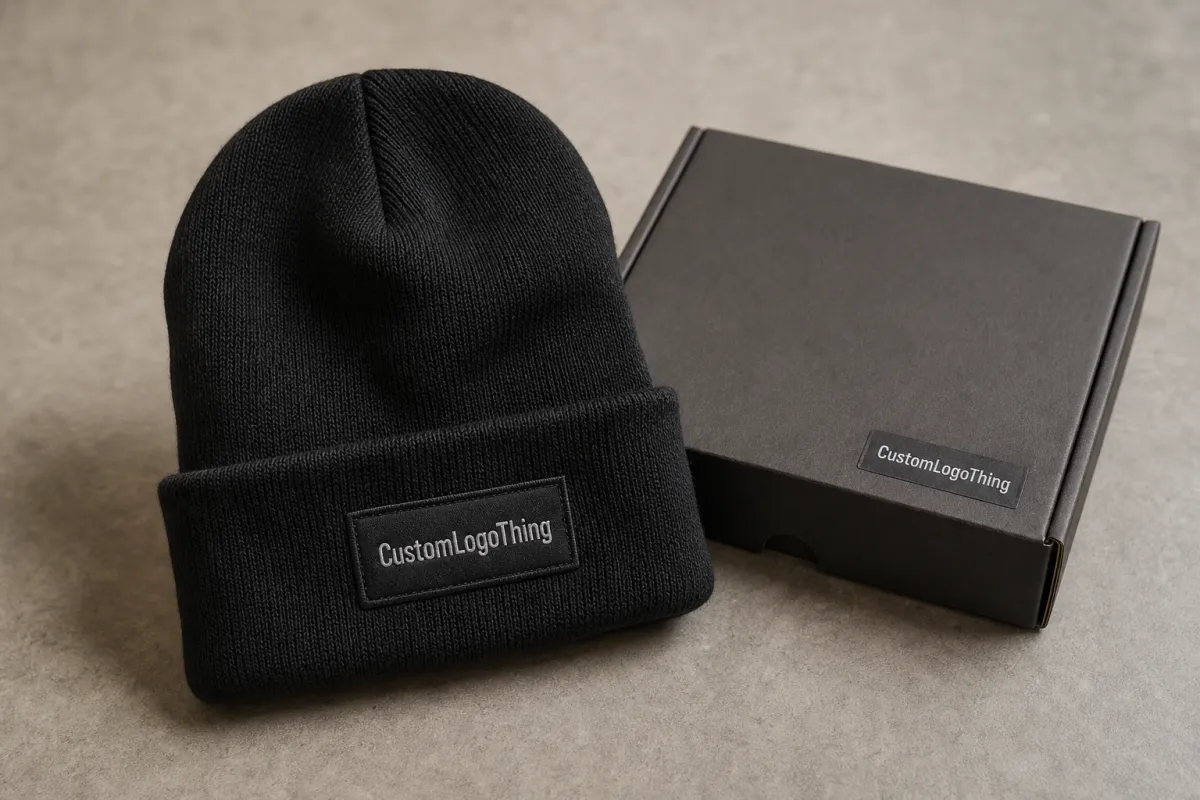
From a packaging buyer’s point of view, a beanie is one of the few inserts that can earn its keep twice. First, it lifts the perceived value of the shipment; then it becomes wearable product packaging in the wild, showing the brand every time the temperature drops. That is why Custom Beanies for Subscription brands tend to outperform flat promo items that disappear into a drawer after the first delivery.
The strongest programs use beanies with a clear job in mind: welcome gifts for new members, renewal rewards, seasonal drops, referral incentives, or member-only merch tied to a box program. The item works best when it supports a specific retention or engagement goal. Random swag rarely holds attention for long, and subscribers can usually tell when a piece was added to fill space rather than to serve the offer.
Why does this category do so well? It is practical, visible, and emotionally easy to justify. A subscriber may not remember every insert, but they remember the one they actually wore on the commute or at a weekend game. That repeated exposure helps package branding do quiet work long after delivery.
Before comparing quotes, buyers should understand the main build choices: knit construction, cuff style, decoration method, and how the item will be packed. A simple cuffed acrylic beanie with embroidery behaves very differently from a recycled yarn jacquard knit with a woven patch and a custom printed box or belly band. Those choices affect cost, lead time, and the final feel in hand.
A subscriber will forgive a plain shipper faster than a beanie that pills, stretches out, or looks off-center in photos. The tactile piece has to hold up.
There is also a durability issue that gets overlooked during sampling. Knit headwear can look sharp on a table and still fail once it has been worn, folded, and tossed into a bag a few times. Buyers should check how the cuff rebounds, whether the yarn opens up after stretching, and whether the decoration sits flat once the fabric relaxes. Those small details separate a useful member gift from something that only looks good in a proof.
How the Program Works From Brief to Delivery
The cleanest programs start with the member goal, not the artwork. Is the beanie meant to win new signups, reduce churn, celebrate an anniversary tier, or support a winter launch? Once that objective is clear, the brief can answer the right questions about audience, climate, style direction, and budget. That is the part many teams rush, and it usually shows later in the sample.
A normal workflow moves from audience brief to digital mockup, then sample approval, bulk production, packing, and delivery to the fulfillment center. If the beanie is going into kits, the receiving plan should be settled early, because carton counts, barcode placement, and pack-in instructions can change how the whole production lot is handled. For brands that already manage Custom Packaging Products, this step feels familiar; for teams that do not, it is worth documenting carefully.
Subscription calendars matter more than most people expect. Billing cycles, launch dates, warehouse receiving windows, and freight time all influence when art needs approval and when inventory has to be booked. If the drop is tied to a seasonal campaign, the safest move is to build buffer time before the warehouse needs to receive anything. A winter release that arrives a week late is usually worse than a smaller release that lands on time.
For transit planning, many teams use outside standards to set expectations. A supplier may reference shipment testing aligned with ISTA methods, especially if the beanie ships in a retail-style carton or a custom printed mailer. If the insert package includes paper cards or belly bands, FSC-certified stock is often a practical choice for brands that care about sourcing claims and documentation.
In real production terms, the approval path should be treated as a sequence of gates. Artwork approval is one gate. Color confirmation is another. Sample sign-off should come after someone has checked the piece in hand, not only on screen. Once bulk knitting begins, changes become expensive because yarn, machine setup, and labor are already locked in. Teams that assume they can keep revising after the sample stage usually end up paying for extra rework or accepting a compromise they did not plan for.
Material, Fit, and Decoration Choices That Matter
Material choice sets the tone immediately. Acrylic and acrylic blends are usually the most budget-friendly and hold shape well across large runs. Recycled polyester can be a good fit for sustainability-minded brands, especially when the rest of the branded packaging story already talks about lower-impact materials. Wool blends feel warmer and more premium, while fleece-lined builds add comfort in colder markets but raise cost and care complexity. Cotton blends are less common for true cold-weather use, yet they can work for lighter-weight lifestyle programs.
Fit is just as visible as fiber content. Buyers should look at cuff depth, crown height, stretch recovery, and whether the silhouette reads more streetwear or more practical. A shallow crown with a crisp cuff feels sharper and more fashion-forward, while a fuller shape can feel friendlier and easier to wear. If the audience skews younger, the style often needs a cleaner profile; if the audience wants utility, warmth and stretch matter more than trend.
Decoration choice can make the piece feel collectible or cheap. Embroidery is simple, durable, and usually the easiest premium option for a clean logo. Woven patches allow fine detail without overcrowding the knit, and leatherette patches can add a bolder retail packaging feel if the brand wants a more finished look. Jacquard knit patterns integrate the logo into the fabric itself, but they work best when the mark is simplified and the colors are controlled.
Knitwear color matching has limits, and that is where good packaging design thinking helps. Small contrast choices, reduced logo complexity, and careful yarn selection often make the final piece look more expensive than adding more colors ever will. A clean two-color cuff can read better than a crowded five-color front panel, especially after the beanie has been worn a few times and the texture starts doing the visual work.
There are also technical limits that matter in production. Fine text can disappear into the knit structure, especially on looser gauges. Thin lines and tiny symbols often need to be thickened or simplified to survive the knitting process or embroidery backing. If a logo depends on delicate detail, a patch may preserve it better than direct knit construction. That choice is not just aesthetic; it is a quality decision.
| Style | Best Use | Typical Decoration | Planning Price Range |
|---|---|---|---|
| Acrylic cuff beanie | Large member gifts and broad seasonal drops | Embroidery or woven patch | $2.10-$3.80 at 5,000 pcs; $3.20-$5.50 at 1,000 pcs |
| Recycled polyester knit | Eco-forward programs and modern branded packaging | Embroidery or jacquard knit | $2.50-$4.10 at 5,000 pcs; $3.80-$6.25 at 1,000 pcs |
| Wool blend | Premium member rewards and colder markets | Woven patch or embroidery | $3.60-$6.00 at 5,000 pcs; $5.50-$9.00 at 1,000 pcs |
| Fleece-lined beanie | Heavy winter gifting and utility-first programs | Embroidery or patch | $4.20-$7.25 at 5,000 pcs; $6.00-$10.50 at 1,000 pcs |
Those ranges are planning numbers, not guarantees. Yarn prices, trim selection, labor market conditions, and freight all move the final cost. The same style can land at a very different number once a brand adds custom labels, special folding, individual polybags, or a warehouse-specific insert sequence. Buyers who compare only factory price usually miss the real budget picture.
Process Timeline and Production Steps
The timeline starts with a tight design brief and ends with freight arriving at the warehouse, but the middle matters most. After the brief, the supplier prepares a proof, then a physical sample if the project needs yarn confirmation, size checks, or patch approval. Once the sample is approved, bulk knitting begins, followed by finishing, trimming, quality control, packing, and shipping. For most custom Beanies for Subscription brands, the process is simple on paper and slower in practice because small approvals can create big delays.
The approvals that slow teams down most often are logo redraws, stitch-pattern changes, and color decisions that need a sample in hand. If someone on the marketing side wants to change the logo scale after seeing a proof, that can be fine, but it should happen before bulk production starts. Once knitting has begun, changes are expensive because yarn, machine setup, and labor are already locked in.
Seasonal demand deserves its own planning window. A fall or holiday drop often needs more buffer time for sampling and transit, especially if the inventory must be in a fulfillment center before subscriber billing cuts off. That is where custom printed boxes, insert cards, and any special retail packaging details have to be coordinated early rather than added after the production run is already live.
Extra components can fit the schedule if they are planned early. Hangtags, care cards, sticker seals, and custom polybags all need artwork, proofing, and usually a separate print step. The more the beanie is treated like a complete product packaging program instead of a loose apparel item, the easier it becomes to keep the launch date realistic.
Sampling usually exposes the problems that render proofs hide. A photo can make a beanie look proportioned, while the physical sample may reveal that the cuff is too deep, the crown is too tall, or the patch reads too large at wearable distance. A sample also shows whether the knit feels dense enough for winter use or too open for the climate the brand is targeting. That in-hand check is not a formality; it is the stage where most avoidable mistakes get caught.
Cost, MOQ, and Unit Pricing
Price is driven by a handful of levers: yarn choice, stitch density, decoration method, color count, finishing details, and whether the order is packed as a loose carton drop or assembled into kitted inserts. If the brand wants a simple embroidered cuff beanie, the price can stay approachable. If the design calls for multiple yarn colors, custom labels, a wrapped insert card, and special handling at the warehouse, the landed cost goes up quickly.
MOQ is easier to understand if you think about setup spread. Knit headwear usually needs enough volume to justify machine setup, yarn matching, and finishing labor. Smaller runs are possible, but the unit price rises because the fixed work gets divided across fewer pieces. Some brands manage risk by splitting colors, offering one evergreen style for the base program, and reserving a second style for a seasonal campaign.
Hidden costs tend to appear in the same places over and over: sampling, freight, duties, special packaging, and extra warehouse handling for member-specific bundles. A program that looks inexpensive on the quote sheet can become much more expensive once it lands at the fulfillment center, especially if the team forgot to budget for carton relabeling or insert assembly. That is why landed cost matters more than factory price.
Here is a practical way to frame the budget: compare landed cost against perceived member value and retention impact. If a beanie costs another dollar or two but keeps the box from feeling generic, that extra spend may be easier to justify than saving pennies and shipping something forgettable. Good package branding is rarely the cheapest line item, but it often helps the subscription feel worth renewing.
Another useful budget check is to compare the item to the rest of the drop. If the package includes a printed mailer, insert card, and maybe a second small piece of merch, the beanie does not need to carry every bit of creative energy by itself. In some programs, a simpler beanie with cleaner finishing ends up feeling more premium than a more complicated style that clashes with the rest of the kit.
For planning purposes, many buyers evaluate options like this:
| Decision Point | Lower-Cost Choice | Higher-Value Choice | What Usually Changes |
|---|---|---|---|
| Fiber | Acrylic blend | Wool blend or recycled polyester | Warmth, hand feel, sustainability story, price |
| Decoration | Small embroidery | Woven patch or jacquard knit | Detail level, labor, visual polish |
| Packaging | Loose carton drop | Custom bag, band, or insert card | Warehouse handling, presentation, cost |
| Run size | Smaller launch | Larger member-exclusive run | MOQ pressure, unit pricing, inventory risk |
Common Mistakes That Hurt Subscriber Perception
The biggest mistake is choosing a beanie that feels cheap in hand. If it pills quickly, loses shape, or photographs poorly after one wear, subscribers remember that. In subscription programs, the audience is not evaluating the item once; they are living with it. That is why texture, density, and stitch quality matter more than the product sample often suggests.
Overdesign causes just as much trouble. Too many colors, tiny copy, and oversized logos can make the item look promotional instead of collectible. The strongest pieces usually rely on one or two details, not a crowded front panel. A restrained mark can actually do more for retail packaging feel than an overworked design ever will.
Climate and audience style need to match. A heavy winter beanie may feel perfect for colder regions, but it can miss the mark in warmer markets or among members who prefer lightweight, fashion-led accessories. This is where good audience segmentation helps. The same is true for branded packaging choices; what feels premium to one group may feel overbuilt to another.
Fulfillment errors create their own kind of friction. If folded dimensions are not documented, barcode placement is inconsistent, carton labels are vague, or pack-in instructions are missing, the warehouse has to stop and ask questions. That delay can throw off launch timing and create avoidable labor charges. A solid spec sheet prevents most of that pain.
One more practical risk: treating the beanie as if it were standalone and ignoring the rest of the package. If the mailing box, insert card, and outer labeling do not match the item’s tone, the whole program feels disconnected. Custom printed boxes and the beanie should support the same message, not compete for attention. When the box feels luxury but the hat feels flimsy, the member notices the gap immediately.
There is a quality-control layer here that brands should not skip. Before approval, check stitching at the cuff seam, patch alignment, yarn tension, loose threads, and color consistency across the first and last pieces in a run. Ask for measurements in the relaxed state and after stretch. Those checks take a little time, but they prevent the more expensive problem of receiving inventory that looks fine in the middle of the pallet and inconsistent at the edges.
Expert Tips for Better Member Engagement
Limited colorways work because they make the item feel timed to the moment. A seasonal shade or a small run exclusive can make a familiar shape feel fresh without forcing a full redesign. That approach is useful in custom beanies for subscription brands because it keeps production manageable while still giving members a reason to notice the drop.
Pair the beanie with a short story card, care note, or loyalty message. The copy does not need to be long; it just needs to connect the item back to the membership experience. A line about why the color was chosen, or how the drop ties to renewal rewards, can add just enough context for the member to feel seen.
Photogenic details matter more than many teams admit. A tonal patch, a stitched cuff line, a subtle branded tab, or a clean contrast stripe can help the piece travel well on social without screaming promotion. That is especially useful for Subscription Brands That depend on member shares and organic referral behavior.
Keep one evergreen style and one campaign-specific style. The evergreen version gives the team a stable production path, which is useful for reorder planning and budget control. The campaign style can carry the creative idea without turning every launch into a new sourcing exercise. In practice, that balance keeps product packaging decisions from getting too complicated.
If the brand already has a broader merchandise strategy, the beanie should fit that system. It should feel related to other branded packaging elements, not like an isolated one-off. That makes it easier to plan future drops, especially if the program expands into scarves, tote bags, or winter gift sets later.
There is also a timing advantage to thinking in series rather than one-offs. A subscriber who receives a well-made beanie this season is more likely to pay attention to the next seasonal piece if the overall quality, palette, and tone remain consistent. That consistency builds recognition without making the program feel repetitive.
Next Steps for Planning a Better Drop
Start with a short planning sequence: define the member goal, choose the style, set a realistic budget, and confirm where the beanies will be packed or shipped. Once that is clear, ask for a digital mockup and one physical sample before approving bulk quantity. Knit texture, logo scale, and color balance are simply easier to judge in hand than on a screen.
Gather the three details that matter most before requesting quotes: target launch date, expected volume, and acceptable landed cost per unit. Those three numbers make it much easier for a supplier to recommend a build that fits the program instead of forcing the program to fit the build.
A good checklist usually includes artwork files, Pantone or yarn color references, packaging instructions, carton labeling requirements, and insert-card copy if you are using one. If the drop needs custom printed boxes or a specific warehouse receiving window, note that up front. The cleaner the handoff, the fewer surprises later.
From a retention standpoint, custom beanies for subscription brands work best when they are planned as a member experience tool, not as leftover swag. That shift in thinking usually leads to better materials, better fit, better packaging, and a better reason for members to stay.
For teams building a first run, it helps to keep the design narrow and the schedule realistic. A well-executed beanie with one strong decoration and a clean package often performs better than a complicated concept that misses its window. In subscription work, timing and consistency carry as much weight as the artwork itself.
FAQ
What material works best for custom beanies for subscription brands?
Acrylic and acrylic blends are often the most budget-friendly and hold shape well for larger runs. Wool blends and fleece-lined builds feel warmer and more premium, but they usually raise cost and care complexity. The best choice depends on climate, target member profile, and how the beanie will be used in the subscription journey.
What is a typical MOQ for custom subscription beanies?
MOQ varies by construction and decoration, but knit headwear usually needs enough volume to justify setup and color matching. Smaller runs are possible, though the unit price rises because labor and setup are spread across fewer pieces. Asking for tiered quotes helps you compare a low-volume launch against a larger member-exclusive run.
How long do custom beanies for subscription brands take to make?
Most timelines include concept, sample approval, bulk production, finishing, and freight, so plan for several weeks rather than a quick turnaround. Add extra time if you need stitch revisions, custom packaging, or a warehouse receiving window tied to a launch date. The safest schedule leaves buffer before the subscriber ship date, not after it.
Which decoration looks most premium on a member gift beanie?
A woven patch or clean embroidery usually feels polished and wearable without making the front panel too busy. Tonal branding and a restrained color palette often look more elevated than heavy multi-color graphics. The best finish depends on the logo shape, the yarn texture, and whether the brand wants a sporty or lifestyle feel.
How do I choose the right beanie style for my subscribers?
Match the style to your audience: fashion-forward members may prefer a tighter cuff and cleaner patch, while utility-focused buyers may want warmth first. Consider where subscribers live, what season the item will ship in, and whether the beanie is meant to be worn daily or saved as a collectible. Also check how the style will pack, label, and ship so the creative choice still works in fulfillment.
What should I ask for before approving a sample?
Ask for the relaxed and stretched measurements, yarn or fabric composition, decoration placement, and a clear photo of the front, back, and inside finish. If the beanie will be packed with cards or in a custom mailer, confirm folded dimensions and pack-out instructions at the same time. Those details help prevent receiving a sample that looks right but ships poorly.

