Why Boutique Brands Use Clear Zipper Bags to Sell Better
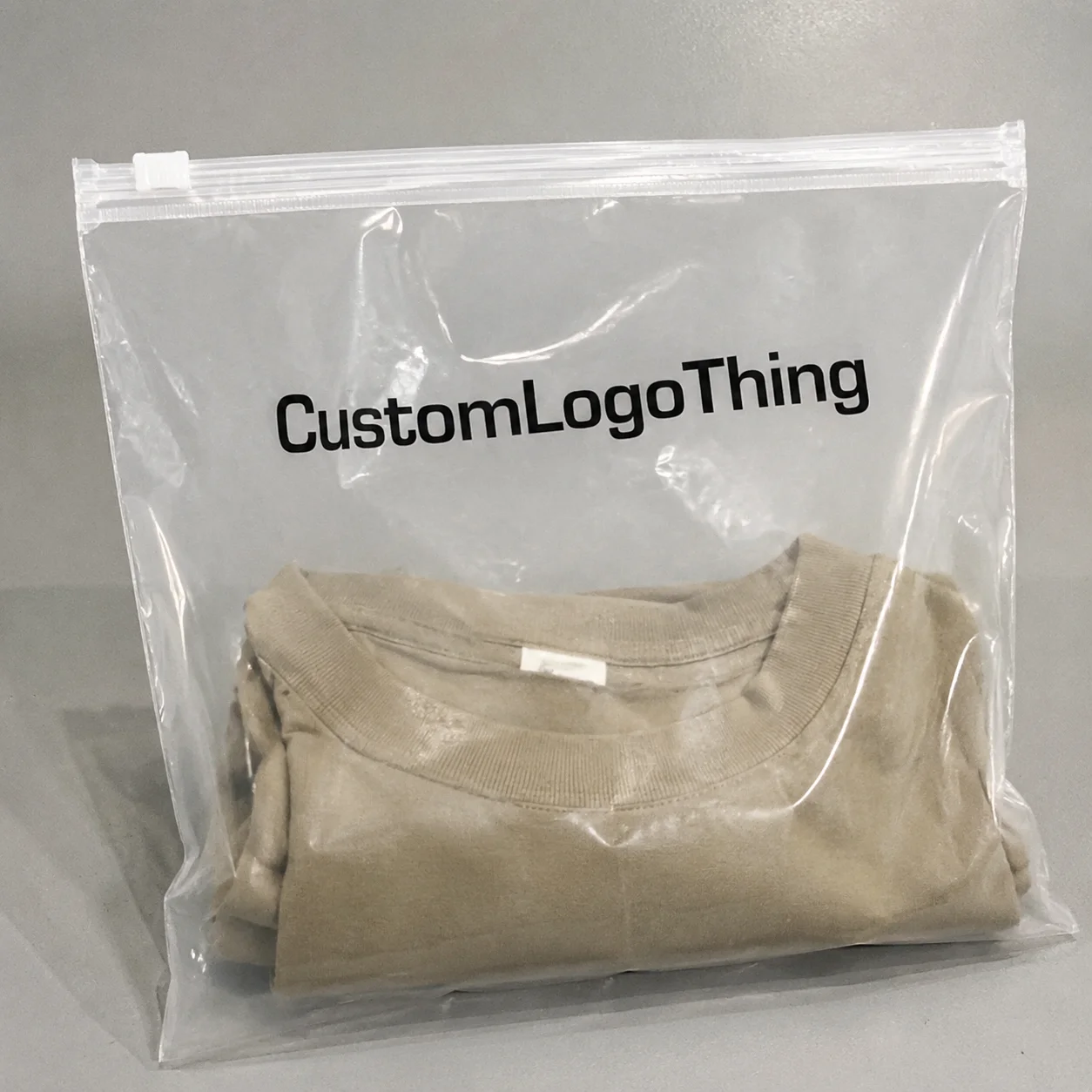
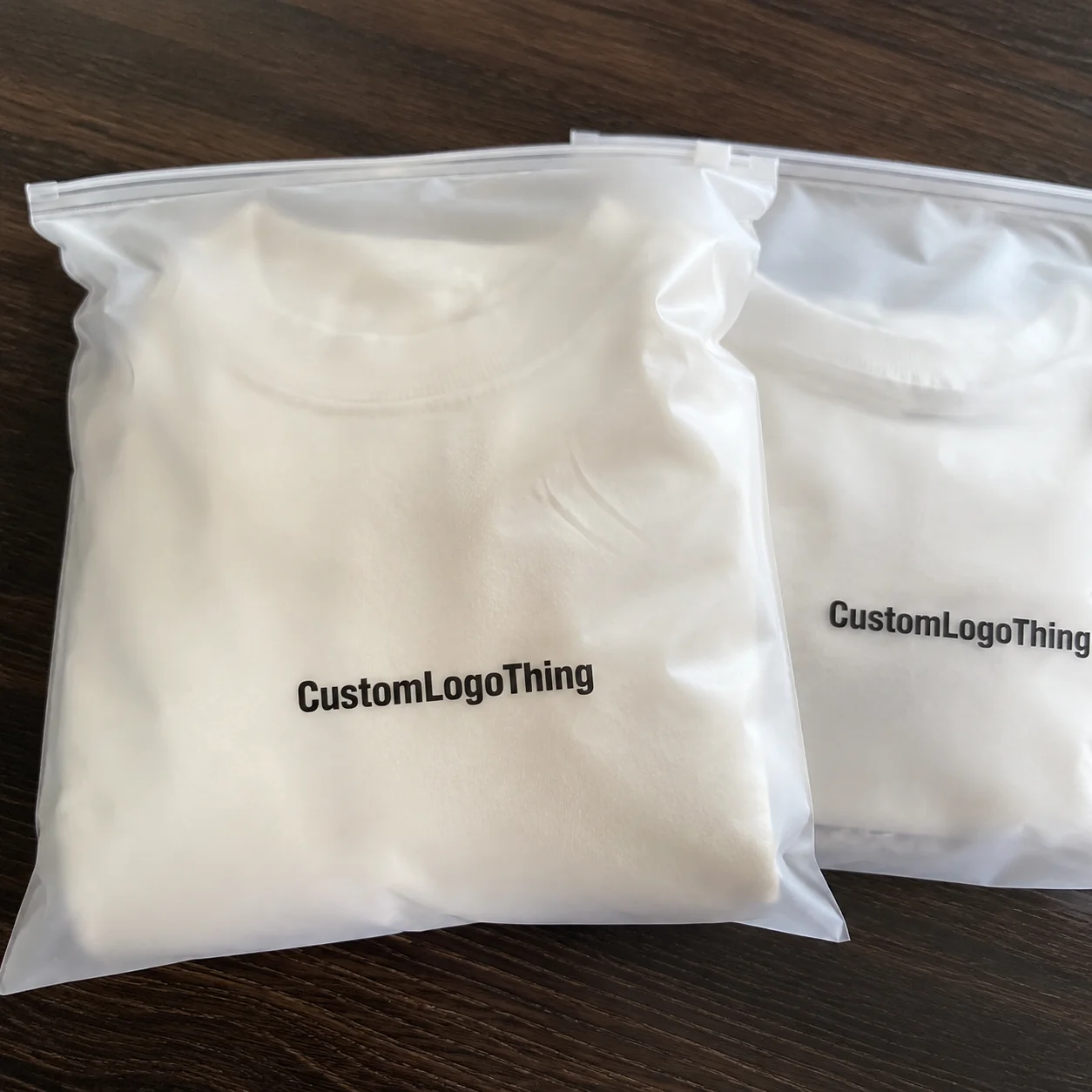
Custom Clear Zipper Bags for boutique brands work because they reduce uncertainty at the point of sale. Shoppers can see the product’s color, texture, fill level, and finish before they buy. For small-batch candles, handmade snacks, apparel accessories, beauty items, or gift sets, that visibility can help a customer decide faster.
Clear packaging is especially useful when the product itself carries the value. If the stitching is neat, the contents are carefully arranged, or the product has a refined finish, a transparent bag lets those details show without relying on heavy graphics.
The bag still has to feel considered. Cloudy film, weak zippers, awkward proportions, or poor print placement can make a good product look less premium. Clear Zipper Bags are not a replacement for brand storytelling; they give the product a clean stage so the story lands quickly.
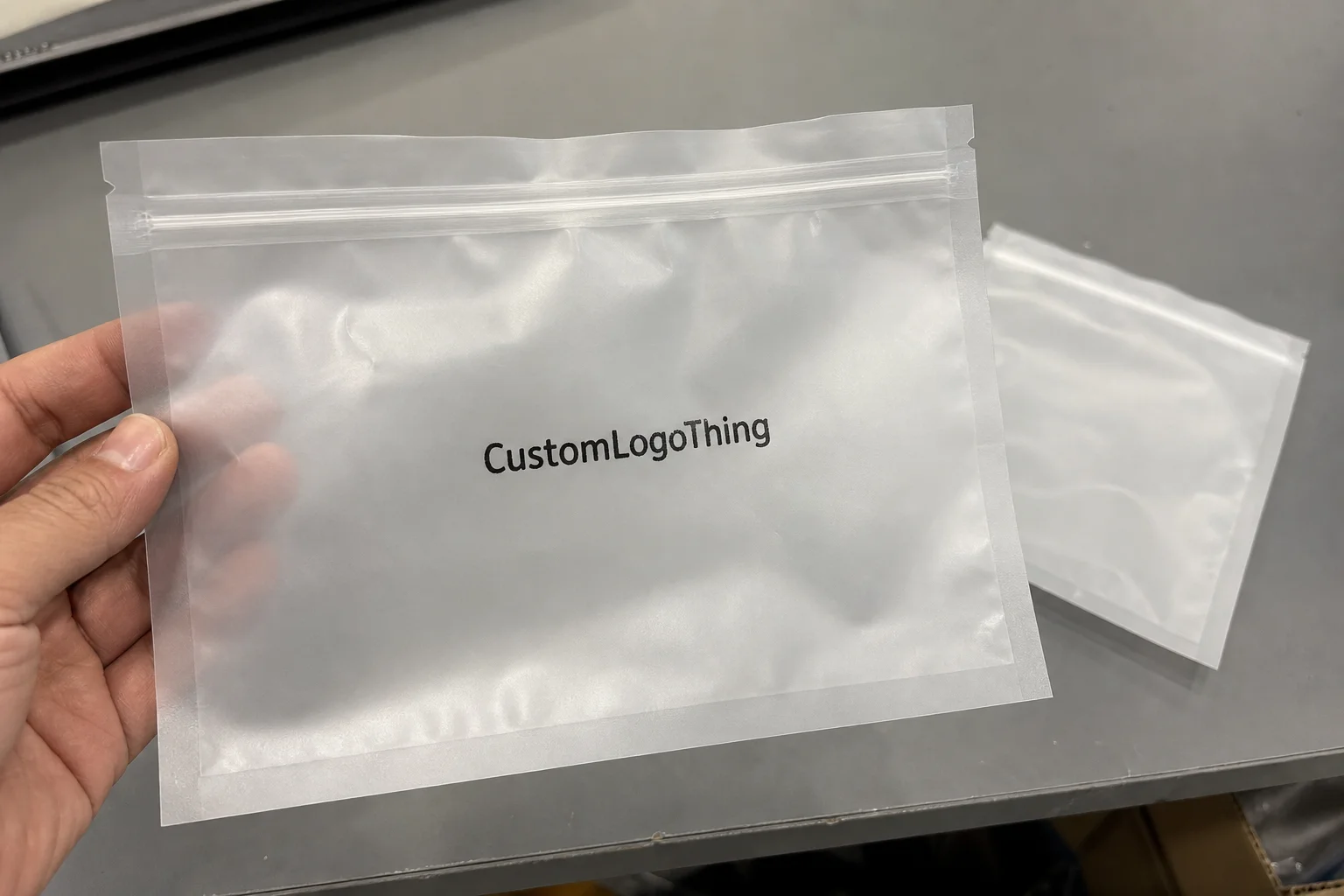
In practical terms, these are resealable pouches made from transparent film and specified by dimensions, thickness, closure style, finish, and branding. Depending on the product and channel, they may include print, a hang hole, tear notch, gusset, slider zipper, or tamper-evident feature.
The right spec depends on where the bag has to perform. Shelf display, peg hooks, ecommerce fulfillment, and gift presentation all require different decisions about size, structure, closure, and print coverage.
How Custom Clear Zipper Bags Work: Materials, Zippers, and Print Options
Most Clear Zipper Bags use a transparent film body with a resealable closure, then add details based on the product. A bag that looks simple on a quote sheet can behave differently once it is filled, stacked, hung, shipped, or opened repeatedly.
PET is often chosen when crisp clarity and a sharper retail presentation are the priority. It tends to hold a cleaner visual line and can make the package feel more structured. PE is softer and more flexible, which suits accessories, samples, and items that need slight compression. Laminated structures are used when stiffness, puncture resistance, or barrier performance matters more than minimal material use.
Material choice affects both appearance and handling. A thin, soft film may work for lightweight products, but it can crease easily or lose shape under retail lighting. A heavier structure can look more premium and protect the contents better, though it increases cost and may feel too rigid for some products.
Print is usually most effective when it leaves enough product visible. A logo band, back panel, product name strip, compliance area, or barcode zone often works better than full-surface coverage. Heavy artwork can defeat the main reason to choose clear packaging.
Common customization options include:
- Dimensions matched to product size, fill volume, and shelf presentation
- Thickness measured in mils or microns
- Closure style such as press-to-close, slider zipper, heat seal, or tamper-evident feature
- Finish in glossy or matte appearances
- Functional add-ons such as hang holes, euro slots, gusseted bottoms, or tear notches
- Branding placement for logos, ingredients, care icons, barcodes, or handling notes
The zipper is not a minor detail. It should open and close cleanly, stay aligned after repeated use, and avoid distortion once the bag is filled. Many boutique packages are reused in drawers, vanity storage, travel kits, or gift storage, so durability can support the brand experience after the first sale.
If you are comparing clear bags with cartons, insert cards, wraps, or outer shippers, our Custom Packaging Products page can help map where each format fits in a broader packaging system.
Key Specs That Affect Cost, Pricing, and MOQ
Pricing is driven by the spec sheet. Size, film thickness, print coverage, zipper type, structure, finish, and order quantity all shape the quote. If a supplier gives a number without asking for those details, the quote is not ready for a fair comparison.
Small boutique runs usually cost more per unit because setup and proofing costs are spread across fewer pieces. A run of 1,000 bags can land in a very different range than 5,000 or 10,000. As a rough planning frame, simple Clear Zipper Bags with light branding may sit around $0.18 to $0.28 per unit at 5,000 pieces. Heavier structures, multiple print areas, specialty finishes, slider closures, freight, duties, and inserts can move the landed cost higher.
MOQ exists because suppliers need to recover setup time, plate or cylinder costs, proofing, and machine adjustments. For a new launch or seasonal drop, that minimum can be the deciding constraint. A small change in artwork size, zipper color, or construction may shift the order into a different MOQ bracket.
Here is a practical way to think about the biggest cost drivers:
| Spec choice | Typical cost effect | What it changes for the buyer |
|---|---|---|
| Thicker film | Higher unit cost | Better feel, more structure, more protection |
| More print coverage | Higher setup and print cost | Stronger branding, less product visibility |
| Custom zipper color | Moderate increase | More distinctive retail presentation |
| Slider closure | Higher than a basic zipper | Easier consumer use, more premium feel |
| Multi-layer structure | Highest of the group | Better barrier performance and stronger bag body |
Watch for costs that may not be obvious in the first quote: special inks, unusual shapes, tooling, extra proofs, rush production, and late artwork changes. Revisions after proof approval are especially costly because they interrupt production and may require new sampling.
Packaging standards can also shape the project. If the finished product will move through ecommerce, transit testing aligned to ISTA methods can help confirm shipment performance. If paper components are part of the wider packaging system, FSC certification may support the materials strategy.
Production Steps, Timeline, and Lead Time for a Custom Order
A clean order usually follows this sequence: quote request, spec confirmation, artwork proofing, sample approval, production, inspection, and shipping. The fastest projects are usually the ones where measurements, artwork, quantity, and required delivery date are settled before quoting begins.
Most delays come from predictable issues: artwork edits, uncertain dimensions, product samples that are thicker than expected, unclear compliance text, or packaging decisions made after the product is already in production. Each late change affects the launch date and freight plan.
Lead time depends on customization and supplier workload. Simple clear bags with minimal print can sometimes move through production in roughly 12 to 15 business days after proof approval. More complex orders with layered structures, specialty closures, or several proof cycles need more time. Freight, customs clearance, and receiving checks should be added to the schedule.
Work backward from the shelf date or fulfillment deadline and allow time for:
- Artwork corrections and internal sign-off
- Sample review and adjustments
- Production queue time
- Transit and customs clearance, if relevant
- Receiving, counting, and internal quality checks
A useful quote should state more than unit price. Ask what is needed to begin: exact dimensions, zipper style, print colors, finish, acceptable tolerances, sample requirements, and required ship date. If those basics are unclear, the project is still underdefined. For examples of how packaging specs affect finished results, visit our Case Studies page.
“A packaging schedule is usually lost before production begins. The mistake is not the factory timeline. It is the brand timeline.”
How to Choose the Right Size, Thickness, and Closure
Start with the product, not the artwork. Measure the finished item and add room for insertion, zipper clearance, labels, and any insert card. If the bag must stand upright, consider a gusset. If it will hang on a peg, hole placement, top seal strength, and product weight matter more than a little extra width.
Thickness affects protection, feel, and shelf presence. Too thin, and the bag can crease, bow outward, or feel low value. Too thick, and it can feel overbuilt for lightweight items. A jewelry kit, candle refill pouch, snack pack, and skincare set each require different structure.
Closure choice should match use. A standard press-to-close zipper is usually enough for apparel accessories, stationery, and many dry goods. A slider can be easier for travel items, gift sets, or products opened often. Heat seal or tamper-evident features matter more when product integrity is part of the sale, such as food, supplements, or some skincare categories.
A simple product-to-packaging match can narrow the options:
- Apparel accessories: clarity, hangability, and reclosure
- Candles or wax melts: stiffness and scuff resistance
- Snacks or dry goods: barrier performance and label compliance
- Skincare or cosmetics: visibility plus a clean information panel
- Gift sets: polished finish under retail lighting
Before approving a spec, fill the bag with the real product and open and close it several times. Check whether the film creases, the zipper tracks properly, the print remains readable, and the product still looks intentional once the bag is handled.
Some brands use clear zipper bags on their own. Others pair them with printed inserts, outer cartons, or shippers for protection. The goal is not to add layers; it is to match the package to the product’s sell-through path.
Common Mistakes Boutique Brands Make Before Ordering
The most expensive mistake is approving a bag from a screen alone. A digital mockup can hide gloss level, zipper firmness, clarity, print contrast, film stiffness, and how the product sits inside the pouch.
Oversized artwork is another common issue. Brands sometimes add more text, framing, and logo coverage because they worry a clear package will not read strongly enough. That can make the product harder to see. If the product is the main selling feature, the package should support it rather than compete with it.
Measurement errors create avoidable cost. Brands may forget insert thickness, zipper clearance, hanging requirements, label space, barcode placement, or required compliance text. Once the product is inserted, those details must still be readable and functional.
Timing causes just as many problems. Ordering too late narrows customization options and raises shipping pressure. If the launch date is fixed, the packaging schedule should be locked before the final fulfillment window.
Before approving any order, check these five items:
- Does the product fit without compression?
- Does the zipper close cleanly after repeated use?
- Does the print placement preserve visibility?
- Is required labeling still legible?
- Does the final sample match the retail goal?
Expert Tips for Better Shelf Appeal and Repeat Orders
Good package branding should win the first sale and still feel useful after purchase. Clear zipper bags are often reused for storage or travel, so restrained branding usually works better than crowded graphics.
Use the logo with discipline. A clean mark, clear hierarchy, and enough negative space can feel more premium than multiple competing text blocks. The product should remain the visual anchor.
Sample testing should happen with actual product conditions, not empty bags. Once filled, clarity shifts, seams behave differently, and print contrast can change under store lighting. Ask for samples that reflect final fill level and weight. If possible, compare them under bright and warm light.
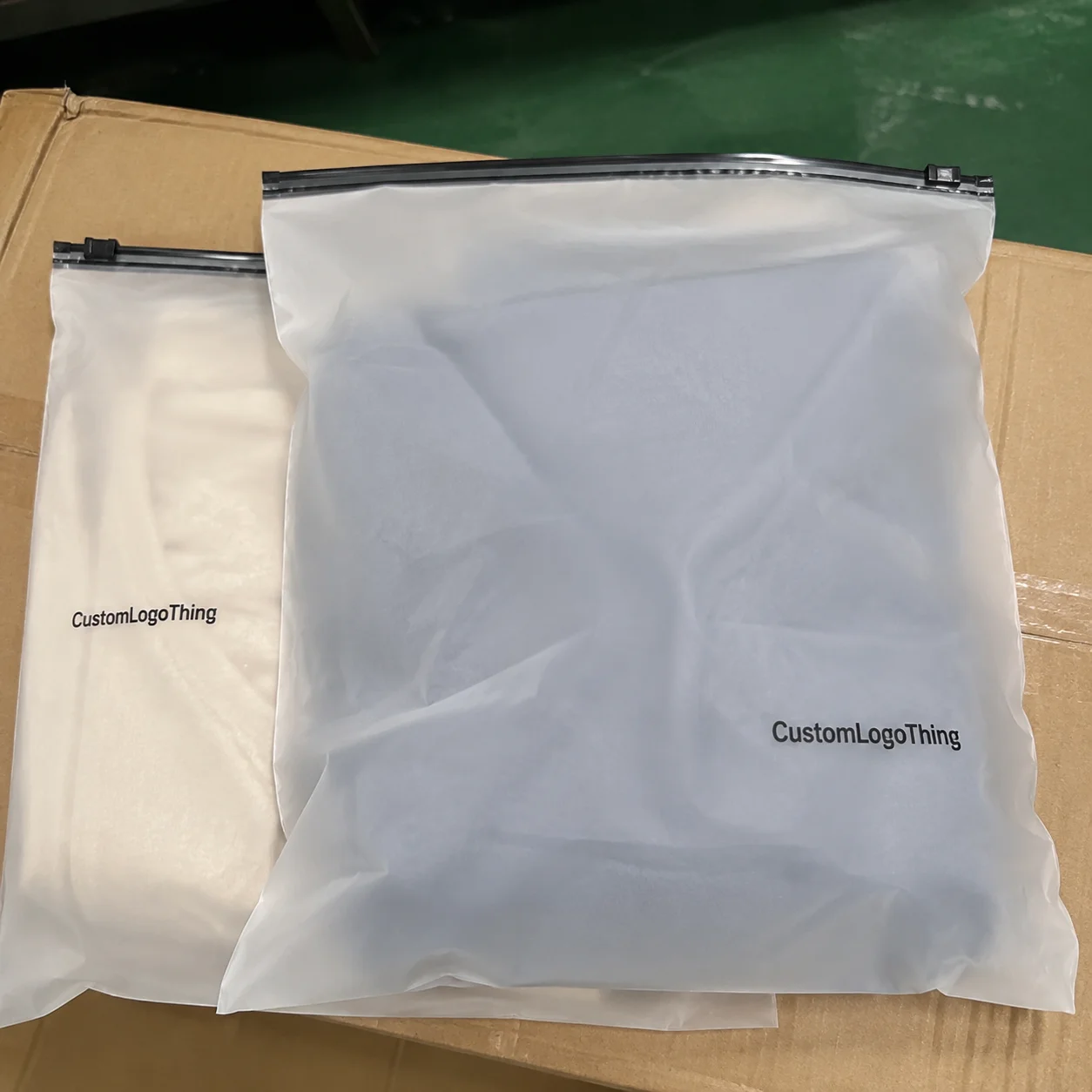
Finish affects positioning. Glossy bags usually read brighter and more transparent. Matte versions can feel softer and more subdued, which may suit a higher-price or more artisanal product. The right choice depends on category, shelf environment, and how much attention the packaging should draw to itself.
For repeat orders, keep the spec stable. Changes in film, size, zipper feel, or print color can make a reorder look like a different version of the brand. If the bag is part of a system with boxes or insert cards, consistency becomes even more visible.
“Boutique packaging should feel intentional from the first carton to the fifth reorder. Consistency is part of the brand experience.”
Next Steps: Build a Smarter Spec Sheet Before You Request Quotes
For clearer pricing, start with a spec sheet rather than a mood board. Suppliers can quote accurately when they receive the same core information in the same format. A vague request produces a vague quote.
Prepare these items first:
- Product dimensions and fill volume
- Target quantity
- Artwork files or logo placement notes
- Preferred finish: glossy or matte
- Closure type: zipper, slider, heat seal, or tamper-evident feature
- Required ship date
- Any labeling or compliance text
Collect two or three reference examples that show the clarity level, branding density, and overall presentation you want to match or improve. This helps the supplier understand the target without guessing.
When requesting pricing, ask for sample cost, MOQ, production timeline, tooling or setup fees, and unit price breakdown in the same exchange. If one quote includes tooling and another does not, the lowest unit price may not be the lowest total cost.
Prioritize decisions in this order: fit, function, then visual upgrades. If the bag does not protect and present the product properly, decoration cannot fix the problem. If the structure works, a cleaner logo, better zipper, or more refined finish can improve the full package.
Custom clear zipper bags for boutique brands perform best when the spec is tight, the timeline is realistic, and the branding leaves room for the product to be seen.
What size custom clear zipper bags do boutique brands usually need?
The right size depends on the finished product, fill volume, and whether the bag needs to lie flat, stand upright, or hang on display. Leave enough headspace for the zipper and enough width for easy insertion without forcing the film to stretch.
Are custom clear zipper bags expensive for small boutique orders?
Small orders usually cost more per unit because setup, printing, and proofing costs are spread across fewer bags. Pricing improves as quantity rises, but better savings often come from choosing only the specs that help the product sell.
How long does production usually take for custom clear zipper bags?
Lead time depends on artwork readiness, sample approval, customization level, and supplier workload. Simple orders may move quickly after proof approval, while complex builds need extra time for proofing, production planning, and shipping.
What should boutique brands check before approving a sample bag?
Check fit, zipper performance, print placement, clarity, and how the bag looks when filled with the real product. Confirm that required labeling or compliance information remains readable after insertion.
How do I choose between matte and glossy clear zipper bags for a boutique brand?
Glossy finishes usually maximize brightness and visibility, while matte finishes feel softer and more subdued. Choose based on shelf appeal, brand tone, and whether the product or the packaging should draw more attention.