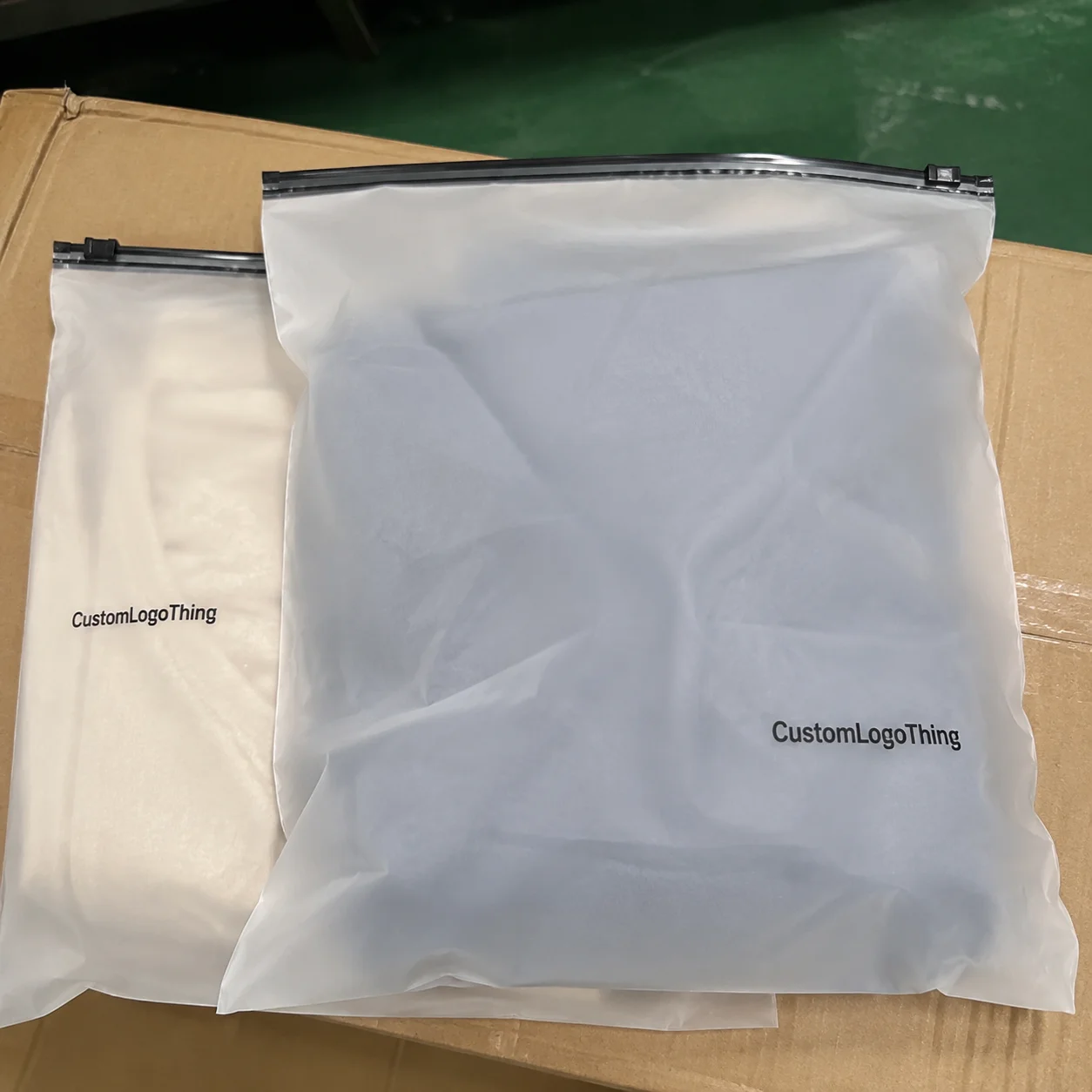
Clear Zipper Bags Unit Cost for Cosmetics: Get Quotes
The Small Bag Detail That Changes Cosmetic Shelf Appeal
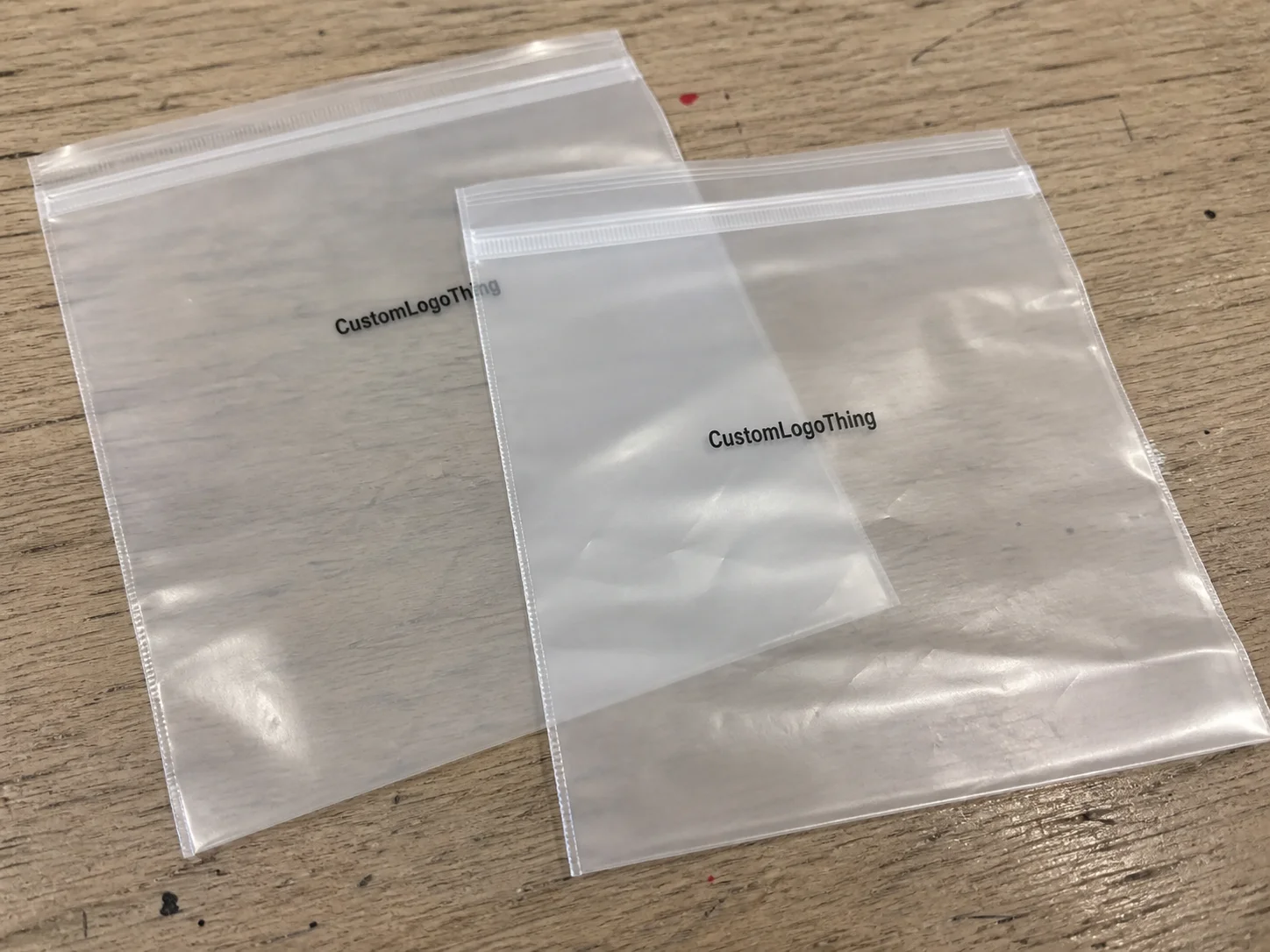
A lip gloss trio can look gift-ready or bargain-bin cheap because of one quiet detail: the bag around it. Buyers checking Clear Zipper Bags unit cost for cosmetics are usually not buying only a pouch; they are buying product presentation, hygiene support, retail handling protection, and packing efficiency in a component that may cost only a few cents per unit but touches every kit shipped.
That small line item has a long reach. A clear zipper bag that lies flat, closes cleanly, and fits the product without sagging gives a lash kit, skincare sample bundle, travel-size duo, brush set, nail pack, or influencer mailer a more controlled presentation. A bag that is too thin, cloudy, oversized, or poorly sealed can make the same products feel disposable, even if the cosmetic items inside are well made.
The lowest bag price is not always the lowest packed cost. A slightly thicker or better-sized pouch may reduce scuffed cartons, rejected kits, repacking time, zipper failures, and fulfillment slowdowns. If a packing team saves 8 to 12 seconds per kit because the bag opens easily and the product slides in without fighting the seams, that labor value can outweigh a small increase in cost per piece.
Clear Zipper Bags work best as secondary packaging for cosmetics: refill packs, sample kits, promotional bundles, travel sets, retail accessory packs, brush kits, beauty tools, applicators, nail items, and organized multipack presentation. They are also useful in direct-to-consumer shipping because the customer can see the item immediately without tearing into a carton or sleeve.
This guide is written for brand owners, contract fillers, purchasing teams, and cosmetics distributors who need practical quote inputs. The focus is material choice, sizing, film thickness, zipper quality, artwork, MOQ, production timing, and the details that help Custom Logo Things quote cosmetic Clear Zipper Bags with fewer revisions.
Practical packaging rule: A clear bag should make the cosmetic item easier to sell, easier to pack, and easier to inspect. If it only lowers the invoice line and creates trouble on the packing table, it is not truly low cost.
Product Details That Matter for Cosmetic Zipper Bags
Clear zipper bags for cosmetics are flexible plastic pouches with a press-to-close zipper, usually made from PE, PP, or laminated film structures. The right choice depends on clarity, softness, stiffness, puncture resistance, print needs, and whether the product is simply being grouped or needs additional structure during retail handling.
LDPE is common because it is soft, flexible, and forgiving during hand packing. It works well for sample sachets, small bottles, applicators, sponges, and wrapped items. PP has a crisper feel and a stiffer presentation, which can help flat beauty tools, brow pencils, masks, and retail accessory sets look cleaner on display. Laminated films cost more, but they can add body, improve print control, or create a more substantial hand feel for premium kits.
Closure style matters more than buyers sometimes expect. A standard single-track zipper is usually the lowest-cost custom option for general cosmetic use. A heavier zipper profile makes sense for reusable packaging, brush sets, or tools that customers may open and close many times. Slider zippers add convenience, but they raise unit cost and are rarely necessary for small one-time-use cosmetic packs.
Display features should be specified before pricing. Hang holes, euro slots, header extensions, bottom gussets, rounded corners, vent holes, and extended lips all affect converting and inspection. Some are inexpensive additions in the right construction; others push the pouch into a different setup or material plan.
Appearance can stay simple or carry visible branding. Common formats include fully clear bags, frosted clear film, tinted transparent film, a clear front with a printed back panel, or a clear bag with a white write-on area for lot codes, shade names, internal kit numbers, or sample identification. For many retail cosmetics, clear film with a restrained one-color logo gives a strong balance of visibility and brand control.
Fit is the quiet differentiator. Too much headspace makes a compact cosmetic item look lost inside the pouch. Too little clearance stresses the zipper, bends cartons, slows hand packing, and may create side-seal failures if sharp corners press into the film. For hand-packed kits, allow enough room for a gloved operator to insert the bundle smoothly, but not so much empty film that the product slides around.
Production quality shows up in small places: zipper alignment, bottom seal strength, side seal width, gauge consistency, clean cutting, carton packing, and count accuracy. A bag can meet the written size and still look rough if the cut edge is ragged or the zipper track waves across the header. For cosmetics, that visual neatness matters because the consumer is often buying finish, color, cleanliness, and trust.
Regulatory and compatibility questions deserve early review. These bags are commonly used around boxed, bottled, tubed, sealed, or wrapped cosmetics. If the formula will touch the plastic directly, material compatibility should be checked for oils, fragrance, pigments, solvents, moisture, and migration concerns. Retail programs may also require barcode placement, lot labeling, recycling marks, or suffocation warnings depending on bag size, channel, and destination market.
Clear Zipper Bags Unit Cost for Cosmetics: What Drives the Number
The main drivers behind clear zipper bags unit cost for cosmetics are bag dimensions, film thickness, material type, zipper style, print coverage, number of print colors, order quantity, tolerance requirements, packing method, and shipping carton configuration. Freight can be surprisingly influential, especially for bulky bags packed with trapped air or low carton density.
Size is the first pricing lever. Width, usable height below the zipper, overall height, lip extension above the zipper, gusset depth, and zipper placement all affect material use and setup. A half-inch change may look minor on a sample table, but across 25,000 or 50,000 bags it changes resin consumption, roll width, carton cube, and sometimes converting speed.
Thickness is the second large cost lever. Light-gauge film can reduce resin use and freight weight, which helps with sample packs, masks, flat inserts, and sachet bundles. Medium-gauge film is better for daily handling of lip products, mini skincare sets, brow pencils, or mixed cosmetic kits. Heavier film improves hand feel and puncture resistance for brush kits, sharp-edged cosmetic cartons, metal tools, and reusable customer storage, although it raises both material cost and shipping weight.
| Specification Choice | Typical Use | Cost Impact | Buyer Watchout |
|---|---|---|---|
| Stock clear LDPE zipper bag | Samples, sachet bundles, basic kitting | Lowest unit cost and faster availability | May not fit tightly or support exact branding needs |
| Custom-size clear zipper bag | Retail cosmetic sets, travel kits, refill packs | Moderate cost increase due to setup and custom converting | Requires accurate dimensions and approval before production |
| One-color printed clear bag | Branded samples, launch kits, influencer mailers | Adds setup charges, ink, and inspection time | Logo must avoid zipper track, side seals, and heavy product distortion |
| Multi-color or high-coverage print | Retail presentation, promotional programs | Higher cost per piece, possible tooling fees or plate costs | Needs tighter artwork control and longer proofing time |
| Slider zipper or specialty feature | Reusable kits, higher-touch customer experience | Higher material and converting cost | Not always justified for small one-time-use cosmetic packs |
Printed versus unprinted pricing deserves a clean comparison. Stock clear bags are usually the lowest-cost route. One-color logo printing adds artwork review, setup charges, ink, registration checks, and scrap allowance. Full-coverage or multi-color artwork may involve plates, cylinders, screens, or digital print preparation depending on quantity and print method. On smaller runs, setup can dominate the price. On larger runs, that setup is spread over more pieces, so bulk pricing improves.
MOQ exists for practical reasons, not just sales policy. Film rolls, zipper rolls, machine setup, printing prep, inspection, counting, and carton packing all have fixed costs. If a buyer requests a fully custom printed pouch in a very small quantity, those fixed costs have fewer units to absorb them, so the unit cost rises quickly.
Quote comparisons should be based on equal specifications: same size, same thickness, same material, same zipper, same print coverage, same pack count, same delivery address, and same approval timing. Without that discipline, two quotes may look comparable while one includes freight, setup, and sampling and the other does not.
Realistic price ranges vary by market conditions, resin cost, order size, and customization level, so they should be treated as planning ranges rather than promises. Plain stock zipper bags may fall into a low cents-per-piece range at volume. Custom printed bags may move higher because setup, artwork handling, print waste, and inspection are built into the job. Specialty structures, sliders, heavy-gauge film, and low-order quantities can move the number up quickly.
Specifications to Confirm Before Requesting Pricing
Good pricing starts with good measurements. For cosmetic zipper bags, buyers should provide inside usable width, inside usable height below the zipper, overall height, lip length above the zipper if needed, and gusset depth if the bag must hold thicker items. If the product will hang on a peg, confirm header width, hang hole type, and the distance from the top edge to the hole.
Measure the cosmetic item or kit at the widest and thickest points, not just the front label panel. A tube with a crimped end, a compact with rounded edges, or a mascara carton with sharp corners may need more clearance than expected. For hand packing, a practical allowance might be 1/4 to 1/2 inch on width for small flat kits, with more room for bulky or irregular items. The goal is smooth insertion without a loose, sloppy package.
Material selection should match the job. LDPE is a good default for soft, flexible clarity. PP is better where a crisper retail feel is desired. Laminated structures are worth discussing if the bag needs extra stiffness, more controlled printing, or a more protective construction. Not every cosmetic bag needs a laminate; adding structure without a handling or presentation reason can push up the cost per piece for little benefit.
Gauge decisions should be tied to product risk. Light film can work for flat samples, masks, instruction cards, and sachets. Medium film is usually better for everyday cosmetic sets. Heavier film makes sense for reusable packaging, brush kits, tools, sharp corners, or products handled repeatedly in retail bins. If a bag feels flimsy next to a premium skincare kit, shoppers notice.
- Optional display features: hang hole, euro slot, header space, bottom gusset, rounded corners, or vent hole.
- Optional identification features: writable panel, barcode area, lot code window, recycling mark, shade label area, or suffocation warning.
- Optional usability features: tear notch, heavier zipper profile, slider zipper, or extended lip for easier opening.
Artwork needs the same discipline as sizing. Send vector logo files where possible, such as AI, EPS, or print-ready PDF. Provide Pantone or other color references if brand color matters. Keep live artwork away from side seals, bottom seals, zipper tracks, hang holes, and gussets. Barcodes should be large enough to scan through the film and should not sit over a curve, seam, or product edge.
Testing should include fit, zipper repeat-use feel, clarity, odor, print rub resistance, seal strength, carton packout, and fulfillment handling. Standards such as ISTA package testing guidance can help teams think about distribution handling, especially if the zipper bag is part of a larger shipper or retail display program. For sustainability claims and recycling language, review current guidance from sources such as the U.S. EPA recycling resources before printing marks that may be misunderstood.
MOQ, Quote Details, and Sample Approval
MOQ is tied to machine setup, material sourcing, printing method, and whether the buyer needs a stock size or a custom dimension. Stock clear zipper bags may allow lower quantities because the film, zipper, and converting setup already exist. Custom bags need more planning, especially if the buyer wants a specific thickness, printed logo, specialty header, or nonstandard size.
For a clean quote, send the target bag size, product dimensions or photos, desired thickness, clear or frosted appearance, quantity tiers, print requirements, delivery zip or postal code, pack count preferences, and target in-hand date. If you have a launch calendar, share it early. Lead time planning is easier before artwork and dimensions are locked than after a retailer has already issued a ship window.
Ask for tiered pricing at realistic quantities. A trial launch might need 2,500 to 5,000 pieces. A first replenishment may be 10,000 to 25,000 pieces. A scale order could be 50,000 pieces or more. Actual minimums depend on the specification, but tiered pricing helps purchasing compare cash flow, storage space, and unit cost without guessing.
Samples prevent expensive surprises. An existing similar sample can confirm film feel and zipper quality. A blank custom-size sample, where available, can check fit before printing. A printed proof or ink drawdown can confirm color and opacity. For larger custom jobs, a production sample approval may be the right checkpoint before the full quantity is completed.
Physical fit is not the only test. A cosmetic item may slide into the bag but still look loose, stress the zipper, distort the barcode, hide the logo behind the product, or sit awkwardly below a hang hole. Sample approval catches those problems while the fix is still a spec adjustment, not a repacking project.
Confirm what the quote includes. Freight, duties, tooling fees, printing setup charges, sampling, proofing, and carton labeling can change the final landed cost. A quote with a lower bag price but missing freight and setup may not beat a more complete quote once the numbers are placed side by side.
Production Process, Lead Time, and Turnaround Planning
Normal production follows a practical sequence: specification review, quote confirmation, artwork check, proof approval, material allocation, printing if needed, bag converting, quality checks, counting, packing, and shipping. Each step needs correct information. One missing dimension can pause the job before the film is allocated.
Lead time starts after specifications, payment terms, and artwork approvals are complete. It does not start from the first inquiry email. That distinction matters for launch programs because a buyer may spend several days comparing gauges, changing logo placement, or waiting for internal approval before the production clock begins.
Delays usually come from familiar places: unclear inside dimensions, missing dielines, low-resolution logos, barcode placement changes, uncertainty about thickness, late sample feedback, or last-minute quantity adjustments. A change from 10,000 to 25,000 pieces may improve bulk pricing, but it can also affect material planning and shipping carton configuration.
Unprinted stock bags usually move fastest if the size is available and the quantity is reasonable. Custom unprinted bags take longer because the converting setup and material selection must be confirmed. Custom printed zipper bags require additional proofing, setup, print drying or curing considerations depending on process, inspection, and sometimes longer scheduling. For many routine custom printed runs, buyers should plan in business days rather than fixed calendar promises, and they should leave room for freight and receiving inspection.
Plan backward from the cosmetic launch date. Include time for sample review, production, freight, inbound receiving, filling or kitting, retailer compliance checks, and a safety buffer. If a contract filler needs the bags before a scheduled line date, missing that date can cost far more than a small difference in the bag’s cost per piece.
Quality checks should be operational, not vague. Inspect seal integrity, zipper closure feel, bag count, print position, cut accuracy, clarity, odor, carton labeling, and random pull samples before shipment. For clear cosmetic packaging, clarity and clean cutting are just as visible as the printed logo. A cloudy or scratched bag can undercut a clean product presentation.
Once a size and film are approved, treat them like a controlled packaging component. Keep artwork locked. Monitor usage rate. Reorder before cosmetic production consumes the last safety stock. A simple reorder plan protects launch kits, holiday programs, refill bundles, and sample campaigns from emergency freight and rushed decisions.
Next Steps to Get a Firm Cosmetic Bag Quote
Before contacting Custom Logo Things, gather the details that let a packaging supplier Quote With Confidence. You do not need every answer fully engineered, but you do need enough information to avoid a vague estimate that changes after the first proof.
- Product or kit dimensions, measured at the widest and thickest points
- Preferred bag width, usable height, overall height, and any header or gusset requirement
- Desired style: plain clear, frosted, tinted, printed front, printed back, or write-on panel
- Film preference: LDPE, PP, or a laminated option if extra structure is needed
- Thickness target or a sample bag that shows the desired hand feel
- Artwork file, print color reference, barcode needs, and safe-zone concerns
- Quantity tiers, such as trial order and replenishment order
- Delivery location, pack count preference, and launch deadline
Photos help. Send a picture of the cosmetic product or kit laid next to a ruler, preferably from the front and side. Visual context catches problems that numbers alone miss, such as a cap that protrudes, a brush handle that pushes into a side seal, or a carton corner that may need heavier film.
Choose one preferred specification and one value-engineered alternative. For example, compare a custom printed medium-gauge bag against a stock-size clear bag with a one-color logo placement, or compare two thicknesses that both protect the product. That approach gives purchasing a real choice without stripping out the features needed for function and presentation.
Be clear about the priority. Some cosmetic programs need the lowest unit cost. Others need the best retail clarity, a reusable feel, fast turnaround, sample-kit polish, or exact brand color printing. The best bag construction depends on that priority, not just on the product name.
Custom Logo Things can help refine the specification for manufacturability, quote tiered quantities, review artwork placement, and suggest practical clear zipper bag constructions for branded cosmetic packaging. The useful quote is the one that compares both price and performance, because those two numbers meet on the packing table.
To finalize clear zipper bags unit cost for cosmetics, provide the quote details above and ask for landed pricing, MOQ, sample options, setup charges, and estimated production timing in the same request. Gather the measurements, attach the artwork, choose two quantity tiers, and make the packaging decision before the launch calendar gets tight.
FAQs
What affects the clear zipper bag price for cosmetic products the most?
The biggest factors are bag size, film thickness, material type, zipper style, printing, order quantity, and shipping destination. A small size change can affect resin use and machine setup, so quote comparisons should use identical dimensions and thickness. Printed bags cost more than plain clear bags because artwork review, setup, ink, registration, and inspection add labor and material.
What MOQ should I expect for custom clear cosmetic zipper bags?
MOQ depends on whether the bag is stock, custom unprinted, or custom printed. Stock clear zipper bags may allow lower order quantities, while custom sizes and printed runs usually require higher minimums to cover setup and material preparation. For an accurate MOQ, provide size, thickness, print needs, and quantity targets rather than asking from the product name alone.
How do I lower the unit cost of clear zipper bags for beauty kits?
Use the smallest practical bag size, avoid unnecessary thickness, limit print colors, consider stock dimensions, and order in higher quantity tiers when storage and cash flow allow. Keep artwork away from seams and the zipper to reduce production complications. Compare landed cost, not just bag price, because freight, packing count, setup, and rejects can change the real cost.
Are clear zipper bags suitable for direct contact with cosmetics?
They are commonly used as secondary packaging for boxed, bottled, tubed, wrapped, or sealed cosmetic items. If the cosmetic formula will touch the plastic directly, the material choice should be reviewed for compatibility with oils, fragrance, solvents, pigments, or moisture. Share the product format and contact requirements during quoting so the bag is not specified like a general retail pouch when it needs additional review.
What information is needed to quote clear zipper bags unit cost for cosmetics?
Provide bag width, usable height, overall height, product dimensions, target thickness, material preference, print artwork, quantity tiers, delivery location, and deadline. Photos or a sample of the cosmetic item help confirm fit, headspace, and whether a gusset, hang hole, or heavier film is needed. Ask for MOQ, setup costs, sample options, production lead time, and freight so the quoted unit cost is complete.