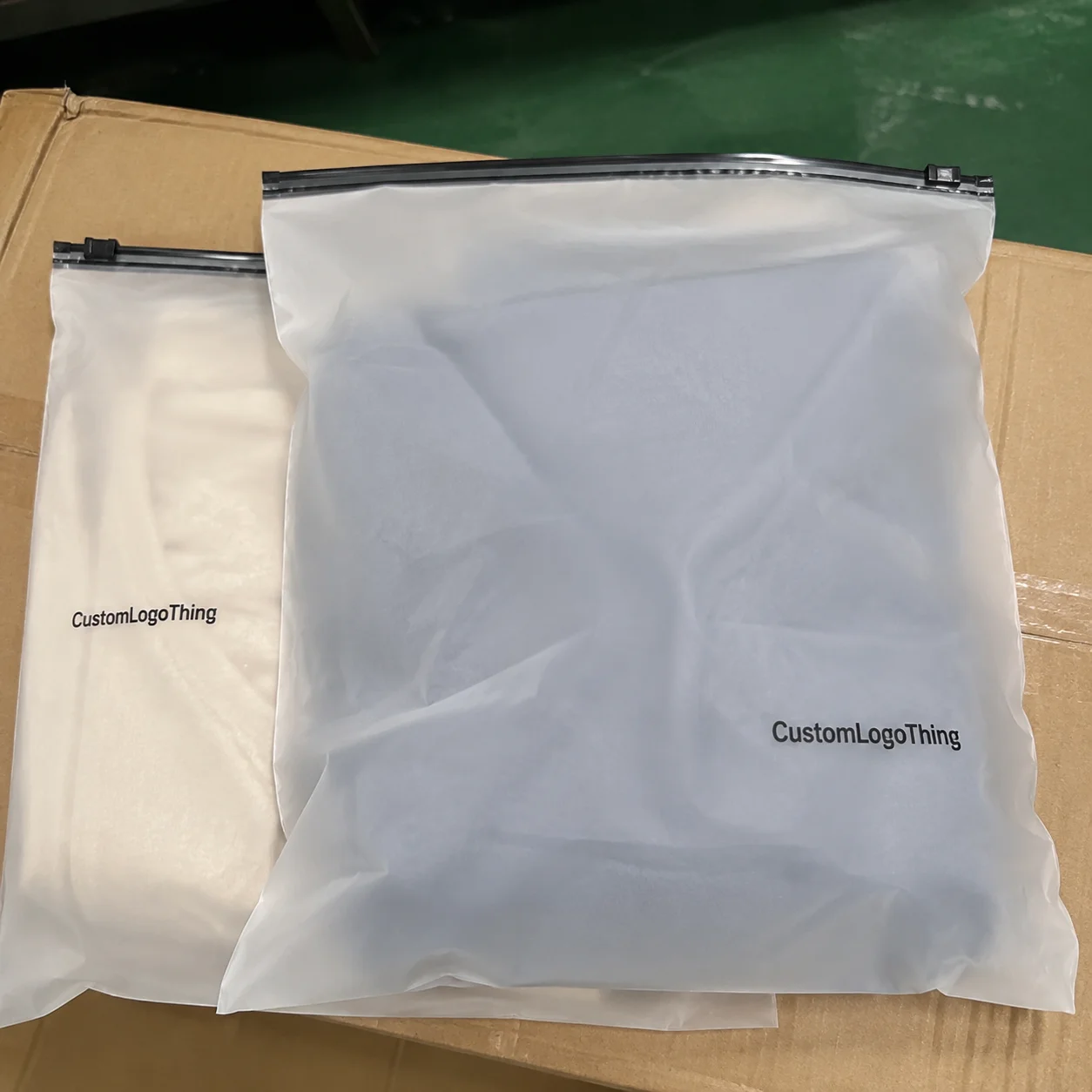
A serum sample kit has a different packaging problem than a single retail carton. The buyer wants visibility, but not a cheap look. Brands requesting a printed Clear Zipper Bags quote for cosmetics are usually trying to balance four practical needs at once: product visibility, brand control, protection, and speed to market.
Clear packaging reduces uncertainty. A shopper can see a lip shade, tube size, fill level, brush shape, applicator style, lash tray, or bundled kit contents before opening the pack. That matters in cosmetics because small visual differences can drive purchase decisions. A 3 ml serum vial, a 10 ml travel cleanser, and a brow pencil set may all fit in flexible packaging, but they do not need the same bag.
Why Cosmetic Brands Request Printed Clear Cosmetic Zipper Bag Pricing
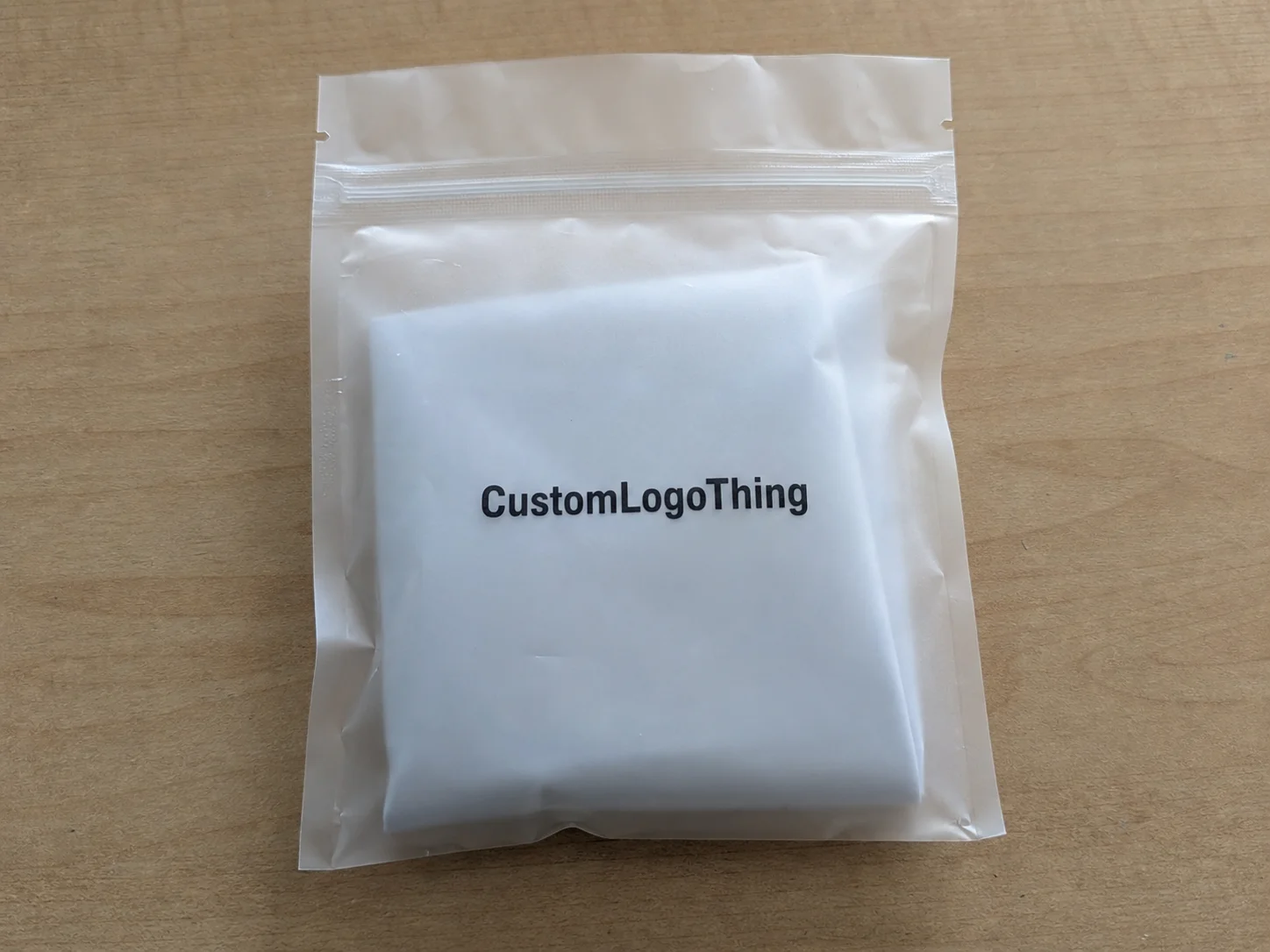
A custom bag quote is not only a price check. It is a specification test. The quote shows whether the film thickness, zipper quality, print method, minimum order quantity, and lead time match the way your product will be sold, packed, shipped, and handled after purchase.
Clear Zipper Bags sit in a useful middle ground. They offer more brand control than plain unPrinted Poly Bags, less bulk than rigid cartons, and more flexibility than clamshells or molded plastic trays. They are lightweight, resealable, and practical for cosmetic SKUs that do not require a full folding carton.
That can reduce storage space, freight volume, and kitting time, especially for subscription boxes, event giveaways, sample bundles, and wholesale kits. Still, they have limits. A zipper bag has less crush resistance than a paperboard box, less structure than a thermoformed clamshell, and less room to hide production flaws than opaque packaging.
If the seal is crooked or the film looks cloudy, the buyer sees it immediately.
Common cosmetic uses include:
- Lip gloss sets and mini lipstick bundles
- Lash packs, brow pencil sets, and makeup brush kits
- Skincare minis, ampoules, and travel-size bottles
- Sheet masks, sample cards, and sachet groupings
- Retail-ready accessory packs with hang holes
- Subscription box inserts and promotional giveaways
- Wholesale kits for spas, salons, hotels, and beauty events
From a packaging buyer’s point of view, the appeal is straightforward: one bag can show the product, carry a logo, group several items, and close again after use. But the specification has to be right. A 2 mil LDPE bag may work for flat sample sachets; a brush set with metal ferrules and firm edges may need a heavier gauge, a different material, or a more generous internal size.
Practical rule: if the product has a cap, corner, pump, wand, ferrule, hinge, or exposed edge, do not quote the bag from flat dimensions alone. Quote it around the product’s real shape.
This guide is written for purchasing managers, founders, private-label cosmetic teams, and fulfillment coordinators who are ready to specify a bag and request pricing from Custom Logo Things. The goal is simple: fewer assumptions, cleaner pricing, and fewer surprises after production starts.
Product Details That Matter Before You Request Pricing
Printed Clear Zipper Bags are transparent or semi-transparent flexible plastic bags with a resealable zipper track and custom branding printed on one or both sides. The zipper may be a standard press-to-close track, a slider zipper, or another closure style depending on budget and handling needs.
The packaging jobs are practical. The bag protects the product from dust, groups multiple cosmetic items into one sellable or shippable unit, and gives the brand a cleaner presentation than a loose poly sleeve. It can also support tamper-evident add-ons, although tamper evidence usually requires a separate seal, label, tear strip, shrink band, or secondary packing method.
Film clarity changes the whole visual effect. High-clarity PE or PP can make color cosmetics look sharper because the product shows through with less haze. Frosted or translucent film softens the appearance and can work well for clinical skincare, spa kits, or premium sample sets. Clear is direct. Frosted feels more controlled.
Closure and retail features should be decided early. A hang hole may be required for peg display. Header space may be needed for a barcode, batch sticker, suffocation warning, or retail label. A slider zipper can be easier for consumers to use, but it usually costs more and adds bulk. Standard press-to-close zippers are common because they are economical, familiar, and easy to pack.
Print placement deserves more attention than many quotes receive. A logo floating over a clear window can look polished if the product behind it is light and clean. The same logo can become unreadable if it sits on top of a black mascara tube, a reflective compact, or a dark brow pencil. For accurate brand color, transparent bags often need an opaque white underprint beneath the logo or text.
Cosmetic packaging has some specific risks:
- Oil transfer: serums, balms, and glosses can mark the film if caps are not fully clean.
- Cap abrasion: ribbed caps and sharp pump shoulders can scuff clear film during transit.
- Powder residue: loose powder or dusty applicators can make a clear bag look dirty.
- Edge puncture: lash trays, brush ferrules, spatulas, and card inserts can stress thin film.
- Glossy surface glare: barcodes and QR codes may scan poorly if contrast is weak.
Compliance also has boundaries. A custom zipper bag can carry branding, handling copy, warning text, QR codes, ingredient panels, or retail barcodes, but cosmetic labeling obligations depend on the product type, sales market, and final retail presentation. FDA cosmetic labeling rules, EU requirements, state-level rules, and retailer standards can all affect final copy. Packaging suppliers can print approved artwork; they do not replace your regulatory review.
Before requesting pricing, send the product dimensions, filled weight, desired display orientation, and photos of the product beside a ruler. If the item is a bottle, include the cap width and shoulder shape. If it is a brush set, include the longest handle, widest ferrule, and total bundle thickness. Those details prevent undersized bags and overbuilt specifications.
Material, Size, Print, and Zipper Specifications to Confirm
A useful Printed Clear Zipper Bags Quote for cosmetics starts with a specification sheet, not a vague request for “small clear Bags with Logo.” The difference can be several cents per unit, several weeks of lead time, or a rejected retail presentation.
Confirm these fields before pricing:
- Bag width and height
- Usable internal space below the zipper
- Lip or header height above the zipper
- Bottom gusset, side gusset, or flat construction
- Film material and thickness
- Zipper style and zipper color
- Number of print colors
- One-side or two-side print
- White underprint requirement
- Hang hole, rounded corners, or tear notch
- Carton packing preference for fulfillment
Film thickness is usually discussed in mils or microns. Lighter films can suit sample cards, sheet mask groupings, lightweight accessories, and flat kits. Heavier films are more appropriate for jars, bottles, brush sets, applicators, and cosmetic tools with edges. As a broad working range, many custom cosmetic zipper bags fall around 2 to 4 mil, though the right choice depends on product weight, shape, and presentation standards.
LDPE is soft and flexible. It works well for bags that need a slightly forgiving feel. PP is crisper, often clearer, and a little stiffer, which can make the product look sharper on shelf. Recyclable mono-material options may be available depending on the structure, closure, and print requirements, but recycling claims should be checked against local collection realities. The U.S. Environmental Protection Agency publishes useful background on recycling systems and plastics at epa.gov/recycle.
Internal dimensions matter more than flat bag dimensions. A cylindrical bottle does not behave like a flat card. A 25 mm cap consumes space inside the bag. A pump top can push into the zipper area. A lash tray may be flat, but its corners can stress the seal if the bag is too tight. Add practical clearance, not guesswork.
Print method also changes the quote. Flexographic printing is efficient for larger production runs and repeat orders. Digital printing can support shorter custom runs, variable designs, or early-stage launches where artwork may still change. Screen or spot printing can work for simple, bold logos with limited colors. Each method has its own setup, color control, and unit cost profile.
| Specification Choice | Best Fit | Typical Cost Impact | Buyer Watchout |
|---|---|---|---|
| LDPE film, 2-3 mil | Samples, sachets, light accessories | Lower to moderate | May scuff or flex too much for premium kits |
| PP film, high clarity | Color cosmetics, retail display packs | Moderate | Can feel stiffer and less forgiving around bulky products |
| White underprint | Logos, barcodes, small text on clear film | Moderate add-on | Needed for color accuracy and scan contrast |
| Slider zipper | Consumer-friendly kits and frequent reuse | Higher | Adds bulk and may require more header space |
| Hang hole | Peg display retail packs | Small to moderate | Header strength must support filled weight |
Ink opacity is not a decorative footnote. It affects sell-through. On clear material, transparent ink can disappear into the product behind it. A pale pink logo placed over a nude gloss tube may look weak without white ink underneath. Barcodes also need contrast and quiet zones. If the bag is glossy, test scanning under store-style lighting before approving a large run.
Normal tolerances apply in flexible packaging. Size, seal position, zipper placement, cut accuracy, and color can vary within accepted production limits. Ask for the tolerance range before bulk approval, especially if the bags feed into automated kitting, hang on retail pegs, or must fit a rigid insert card.
Your quote request should include final artwork files, Pantone or CMYK targets, zipper preference, bag orientation, hang hole position, suffocation warning if applicable, and packing preference. If you need the bags packed in bundles of 100 or cartons marked by SKU, state that early. Fulfillment details can affect labor, carton count, and warehouse handling.
Cost, MOQ, and Unit Cost Factors for Custom Cosmetic Bags
Pricing is driven by size, material, thickness, print coverage, number of colors, order quantity, zipper type, sampling requirements, and shipping method. That may sound obvious until two quotes appear to be “the same” and are not. One may include freight. Another may exclude plate cost. A third may quote a thinner film with no white underprint.
MOQ is a production economics issue, not an arbitrary wall. Setup time, film purchasing, print preparation, plate or digital setup, and machine changeover have to be spread across the run. If the order is very small, those fixed costs dominate the unit price. If the order grows, the cost per bag usually drops, provided the size, artwork, material, and zipper style stay consistent.
As a practical example, a small clear zipper cosmetic bag with one-color logo printing might land in a broad range around $0.18-$0.45 per unit at mid-volume quantities, depending on size, film, print method, and freight. Larger bags, heavier film, full-coverage printing, slider zippers, metallic inks, extra sampling, or rush shipment can push pricing higher. Very large repeat orders may reduce the unit cost, but only after the specification is stable.
Common cost adders include:
- Heavy-gauge film for bottles, jars, or sharp cosmetic tools
- Slider zippers or specialty closure components
- Bottom gussets for standing or bulky kits
- Full-coverage ink or two-sided printing
- Opaque white underprint for color accuracy
- Metallic, specialty, or high-opacity inks
- Hang holes, rounded corners, or header reinforcement
- Custom carton packing, SKU sorting, or bundle counts
- Rush production or expedited freight
The cheapest quote may be the most expensive if the bag fails in use. A thin bag can save a few cents but create returns, repacking labor, or weak shelf presentation. Weak logo color on clear material can make a premium serum kit look like a giveaway. A zipper that does not reclose cleanly after a few uses makes the brand feel careless.
Ask for at least two or three pricing tiers: a pilot quantity, a standard reorder quantity, and a scale-up quantity. This gives you a realistic view of cost behavior before you commit to a launch forecast.
| Quote Tier | Typical Use | What to Evaluate | Pricing Pattern |
|---|---|---|---|
| Pilot run | Launch test, event kit, first retail trial | Fit, print readability, fulfillment handling | Higher unit cost due to setup spread |
| Standard reorder | Recurring e-commerce or wholesale packing | Inventory turn, carton packing, reorder timing | Better unit cost if specs stay stable |
| Scale-up run | Retail rollout or subscription volume | Storage space, freight mode, quality limits | Lowest likely unit cost, larger cash commitment |
Also ask whether tooling, plates, samples, artwork adjustment, and freight are included or listed separately. Incomplete quotes are hard to compare. A printed clear zipper bags quote for cosmetics should show enough detail that a purchasing manager can understand the assumptions behind the number.
For an accurate quote from Custom Logo Things, send the target quantity, bag dimensions, film thickness if known, print colors, zipper style, destination ZIP or country, deadline, and product weight. If you already have a sample bag that almost works, send that too and explain what is wrong with it: too cloudy, too tight, weak zipper, poor logo color, high freight bulk. Specific complaints produce better specifications.
Process, Timeline, and Lead Time from Artwork to Delivery
The production path is not complicated, but delays often hide in the handoff points. A typical custom clear cosmetic bag project moves through quote intake, specification review, artwork check, digital proof, sample or pre-production approval if needed, bulk production, quality check, packing, and shipping.
The fastest projects start with complete information: bag dimensions, vector artwork, print color references, product photos, target delivery date, and destination. If those details arrive together, the quote can be built around actual production requirements rather than assumptions.
A digital proof should confirm size, orientation, logo placement, print colors, zipper position, hang hole location, warning copy, barcode placement, and QR code location. Do not approve a proof by glancing only at the logo. Check the zipper line. Check the usable internal area. Check whether the barcode sits on a clear enough area to scan.
Physical samples reduce risk for first orders, unusual products, premium retail kits, or bags requiring exact color and fit. Sampling can add time, but it can prevent a costly mismatch. Buyers often underuse samples for cosmetic kits with mixed product shapes. One bottle plus one brush plus one sample card can behave very differently inside the same bag than expected on a flat drawing.
Bottlenecks are predictable:
- Artwork supplied as low-resolution images instead of vector files
- Late changes to ingredient copy, warnings, or barcode numbers
- Custom material sourcing or specialty zipper requirements
- Complex print coverage requiring extra approval
- Holiday or peak-season production congestion
- Changes after proof approval
- Slow internal review across marketing, compliance, and purchasing
Rush production may be possible, but it usually narrows the choices. You may have fewer material options, less time for sampling, and higher shipping cost. Air freight can rescue a launch date, but it can also erase the savings from flexible packaging. For international shipments, customs clearance should be treated as part of the timeline.
A sensible approval plan helps. Assign one decision maker. Confirm regulatory copy early. Test product fit before bulk production. Lock the artwork version. If the bag is for a retail set, test how it hangs, stacks, ships, and scans. ISTA provides widely used packaged-product testing procedures through ista.org, and while every cosmetic pouch project will not require formal ISTA testing, the logic is useful: test the pack the way it will actually move.
Lead time should be quoted as production time plus transit time. Factory completion is not delivery. A bag order that finishes production on Friday may still need packing, pickup, transit, customs review if applicable, and final delivery to your warehouse or fulfillment center.
Quality Checks That Protect Cosmetics in Clear Resealable Packaging
Clear zipper bags are brutally honest. They expose both the product and the packaging mistakes. Crooked seals, cloudy film, weak ink opacity, trapped debris, uneven cuts, and zipper misalignment are easier to notice than they would be on an opaque pouch or paperboard carton.
Core quality checks should include film clarity, zipper alignment, seal strength, print registration, ink adhesion, bag dimensions, cut accuracy, and carton count accuracy. If the order includes multiple SKUs, carton labeling matters too. A warehouse team should not have to open every carton to find the right printed bag.
Cosmetic-specific testing is simple but valuable. Insert the actual product. Close the zipper. Shake the sample pack. Leave it filled for a few days. Check for cap abrasion, oil transfer, powder marks, and film distortion. Open and close the zipper multiple times. If the bag is intended for reuse, three clean closures are not enough; test repeated handling.
Logo placement must account for the product inside. A perfectly printed logo can become unreadable if it overlaps a dark tube or metallic compact. Barcodes and QR codes need the same scrutiny. Clear and glossy surfaces can create scanning problems if contrast is weak or if the code sits over a curved bottle, product shadow, or reflective insert.
For fulfillment, ask how the bags will be packed. Bundle count, bag orientation, inner poly packing, and carton labeling can speed kitting and reduce handling errors. A carton packed with bags all facing the same direction is easier to use on a packing line than a carton full of mixed orientations. Small labor savings matter at volume.
Custom Logo Things treats this as a manufacturing problem, not just a print job. The objective is not merely to place a logo on clear film. The objective is to prevent avoidable reorder problems: wrong size, unreadable print, weak zipper, poor carton packing, or a bag that looks good empty but fails around the actual cosmetic product.
Documented approvals protect both sides. Proofs, samples, and specification sheets reduce assumptions. If a buyer approves one bag size but later changes the product cap, the spec sheet makes the issue visible. If the print color must match a brand standard, Pantone or approved CMYK targets should be recorded before production.
Next Steps to Get an Accurate Custom Clear Bag Quote
Start with the product, not the bag. Measure the cosmetic item. Choose the display orientation. Estimate the order quantity. Select the preferred material feel. Gather artwork files. Then request pricing.
- Measure the product: include width, height, depth, cap diameter, pump height, card thickness, or brush bundle thickness.
- Choose orientation: decide whether the product stands upright, lies flat, hangs from a peg, or sits inside a subscription box.
- Estimate quantity: ask for pilot, reorder, and scale-up pricing if your forecast is still developing.
- Select material feel: clear and crisp, soft and flexible, frosted, heavier-gauge, or retail-ready with header space.
- Prepare artwork: send vector files, brand colors, barcode files, QR codes, and approved regulatory copy.
- State the deadline: include the required in-hand date, not just the launch date.
Product photos help more than many buyers expect. Send bottles, jars, tubes, brushes, lash trays, and sample cards beside a ruler. If you have CAD-style measurements, even better. A flat 4-inch item and a 4-inch item with a bulky cap are not the same packaging challenge.
Choose at least one target use case. Retail peg display needs header strength and a hang hole. E-commerce bundles need durability through pick-and-pack handling. Sample giveaways may prioritize unit cost and speed. Subscription Box Inserts may need predictable carton packing and fast kitting. Wholesale sets may need a more polished printed panel.
Separate must-have features from upgrades. A clear zipper may be mandatory. A slider closure may be nice but not required. Frosted film may support the brand look, while extra-thick film may be the feature that actually prevents damage. White underprint may sound like an upgrade, yet for barcodes and pale logos it can be essential.
If you already use packaging you dislike, send it to the team or describe the issue clearly. “The zipper feels weak” is useful. “The logo disappears over the product” is better. “The current 2 mil bag scuffs against a ribbed black cap after carton transit” is the kind of detail that leads to a better quote.
Ready to price a project? Send your specs through Contact Us. If you are still deciding between LDPE and PP, or between one-color print and a fuller branded panel, Custom Logo Things can quote practical options side by side. You can also use Contact Us to submit photos, artwork, quantity targets, and your delivery deadline.
For the most accurate cosmetic zipper bag pricing, submit dimensions, quantity, artwork, material preference, and deadline together. Complete inputs produce cleaner pricing, fewer revisions, and a bag that fits the product before it reaches the production line.
FAQs
What details do I need for a printed clear zipper bags quote for cosmetics?
Provide bag width and height, product dimensions, estimated quantity, film thickness if known, print colors, logo file, zipper type, destination, and required delivery date. If you are unsure about size or thickness, send product photos and product weight so the manufacturer can recommend a practical specification.
What MOQ should I expect for custom printed clear cosmetic zipper bags?
MOQ depends on size, material, print method, and artwork complexity. Digital print options may support smaller runs, while flexographic or higher-volume production usually offers better unit costs at larger quantities because setup and material costs are spread across more bags.
Can clear zipper bags for cosmetics include a logo, barcode, and ingredients panel?
Yes. Custom printing can include branding, barcodes, QR codes, usage notes, warning copy, and ingredient or product information panels. For readability on clear film, consider white underprint behind text, dedicated barcode zones, or a frosted or opaque label-style print area.
How long does production take after I approve the cosmetic bag proof?
Timeline depends on order quantity, material availability, print complexity, sampling needs, and shipping method. Ask for production time and transit time separately so your launch, replenishment, or event schedule is realistic.
Are printed clear zipper bags protective enough for skincare and makeup products?
They can be effective for many cosmetic items, especially sample kits, brushes, lip products, lash packs, lightweight bottles, and accessory sets. Protection depends on film thickness, seal strength, product shape, cap edges, and whether additional inner protection is needed for fragile or leak-prone items.