Custom coffee Paper Bags Unit Cost Breakdown sounds like a simple pricing question until the first quote arrives and the numbers start moving. The bag itself is only one part of the bill. Artwork preparation, printing setup, paper grade, barrier structure, conversion waste, packing, and freight all sit inside the final price, and each one can shift the total in a different direction.
That is why two quotes that look similar on the surface can be miles apart in reality. A plain kraft bag with a one-color mark is not the same product as a laminated bag with a valve, matte finish, and full-coverage artwork. If the specifications are different, the prices are not competing with each other. They are simply describing different builds.
For roasters, retailers, and subscription brands, the useful question is not which quote is lowest in isolation. The better question is which structure protects freshness, supports shelf appeal, and still leaves enough margin after packing and shipping. Coffee packaging has to do several jobs at once, and the cheapest version is often the one that cuts too deeply into one of them.
The pricing logic is straightforward once the spec is stable. Material cost rises with barrier complexity, print cost rises with coverage and finish count, and unit price falls as volume increases because setup gets spread across more bags. Change the size, the closure, the liner, or the artwork, and the baseline changes too. That is normal. It is also the reason a clean spec sheet matters more than negotiating hard over a number that was built on assumptions.
Why Coffee Bag Costs Jump on Small Orders
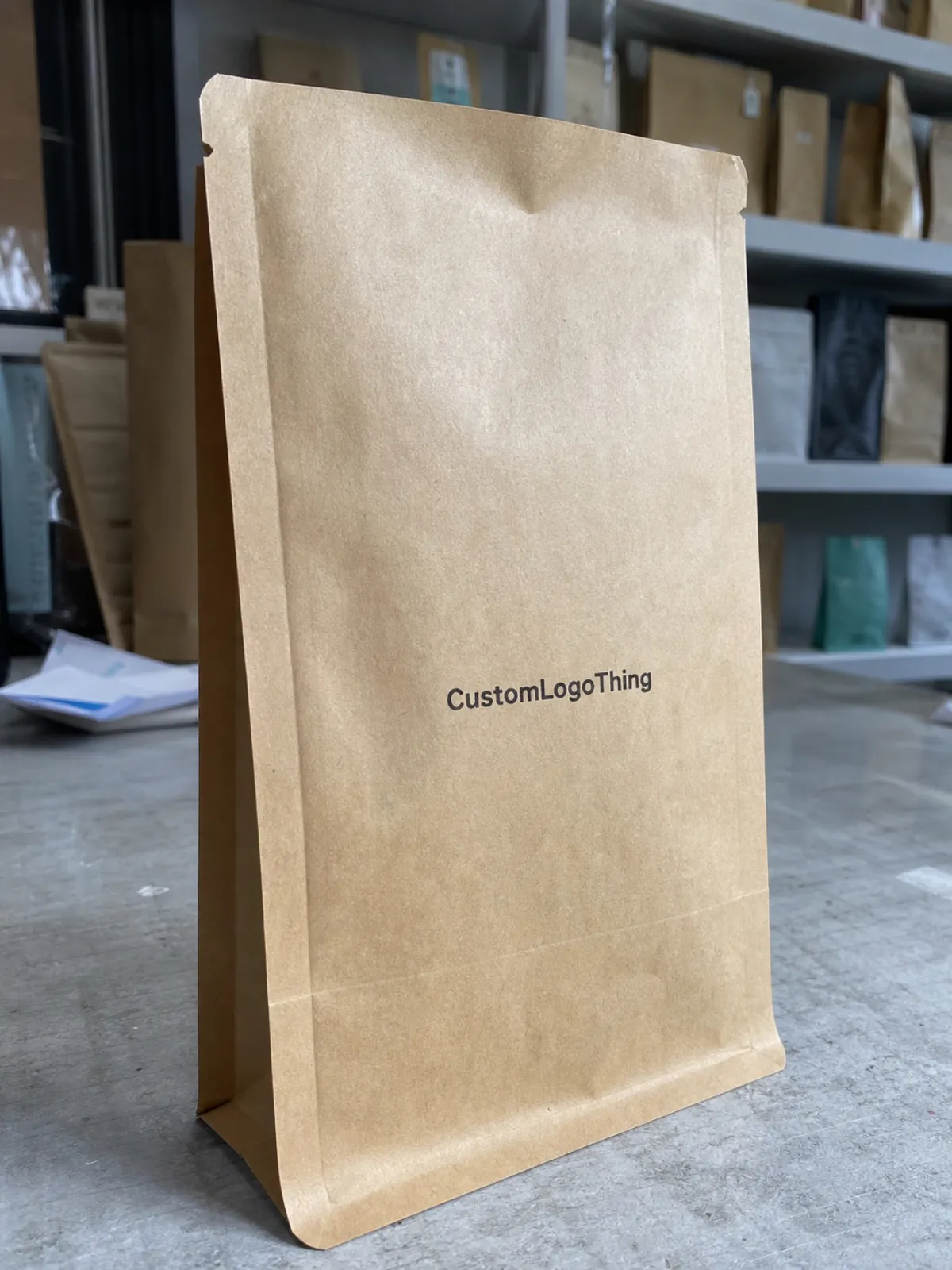
Small orders carry more fixed cost per bag because the factory still has to do the same front-end work. Artwork review, proofing, plate or file preparation, line setup, seal checks, color checks, and inspection all happen whether the order is 1,000 pieces or 10,000. The machine does not reduce its setup time just because the quantity is modest.
That is why a low-volume run can look surprisingly expensive even when the material itself is not. The paper may only account for a portion of the total, but the setup and waste allowance do not disappear. If the order is rushed, if the artwork is not clean, or if the proof cycle turns into a back-and-forth exchange, the cost moves up again. Production risk has to land somewhere.
Spec creep makes the problem worse. Buyers often start with a simple request and then add features one by one: a window, a different finish, a heavier liner, a valve, a richer print, a stronger closure. Each small addition sounds harmless on its own, but together they reset the quote. Packaging is not priced by how easy the concept sounds in a meeting. It is priced by the material stack and the machine time required to build it.
A stable spec is the only reliable baseline. If the dimensions stay fixed, the material stays fixed, and the finish stays fixed, then the unit cost becomes useful. If the request keeps changing during the quote cycle, the supplier can only keep reworking a moving target. That is how buying teams end up comparing numbers that were never meant to be compared.
A low quote is not a low cost if it omits the valve, changes the barrier, or turns into a reprint after the first proof.
For buyers managing wider product packaging or retail packaging programs, the same discipline applies to Custom Packaging Products across the board: define what is included before evaluating price.
Paper, Liner, and Barrier Specs That Change the Price
The outer paper gets the most attention because it is visible, but the inner structure usually drives the bigger performance and cost decisions. Coffee packaging has to protect against oxygen, moisture, odor transfer, and handling damage. If the product is meant to hold freshness for weeks or months, the paper alone is rarely enough. The structure needs a liner or barrier layer that fits the fill, transport, and retail conditions.
Kraft paper is often the leanest place to start. It gives a natural look, usually prices reasonably, and works well for brands that want a more restrained presentation. Coated paper improves print sharpness and surface consistency. Laminated paper tends to cost more, but it usually offers better protection and a more premium finish. Specialty liners or barrier films add another layer of expense, especially when freshness targets are strict or the bag has to perform in demanding shipping conditions.
Barrier is functional, not decorative. If the bag needs stronger resistance to oxygen and moisture, the construction may require a more engineered inner film or a multi-layer stack. That increases both raw material cost and conversion cost. It can also affect shelf life, which is where the real business risk sits. Saving a few cents on structure is not a win if the coffee stales early or the pack loses shape during distribution.
Bag format matters too. A flat-bottom bag uses material differently than a side-gusset or pinch-bottom design. Valve-compatible bags need precise placement and extra handling. Window patches, resealable closures, and tear features all add conversion steps. None of those details are dramatic on their own, but each one creates another opportunity for waste, inspection, or slower throughput.
For a buyer, the practical tradeoff is clear: a simpler paper structure lowers the quote, but a slightly stronger build can protect the product better and reduce downstream complaints. That is especially true for coffee sold through retail, where shelf appearance and freshness need to hold up together.
- Kraft paper: usually lower cost, good for natural branding, moderate print consistency.
- Coated paper: better print sharpness, smoother finish, slightly higher cost.
- Laminated paper: higher barrier and better premium feel, more expensive to convert.
- Specialty liner: added freshness protection, usually the biggest cost jump.
If transit performance matters, ask whether the supplier builds around a documented shipping test method such as ISTA procedures. That does not guarantee a perfect result, but it shows the supplier is thinking beyond shelf appearance and into the conditions the package will actually face.
Print Coverage, Finishes, and Setup Fees
Printing is one of the fastest ways to change the final number. A simple logo on kraft is usually straightforward. Add full-bleed artwork, multiple colors, tight registration, or specialty effects and the production cost rises. Each extra step brings more setup time, more checks, and a greater chance of waste during the run.
Setup fees matter most on smaller quantities. A 1,000-piece order can look expensive per unit even with modest artwork because the press still has to be prepared, calibrated, and approved. On larger runs, the same setup cost gets diluted across more bags. That is one of the few areas in packaging where volume helps quickly and predictably.
Artwork quality also affects price more than many buyers expect. Clean vector files, clear font outlines, and properly separated colors reduce back-and-forth. Poorly prepared files slow proofing, increase the risk of misregistration, and can lead to unexpected rework. A supplier cannot price efficiently when the artwork still needs interpretation.
Common finish upgrades include matte coating, gloss coating, hot foil, embossing, debossing, windows, tear notches, and resealable closures. The cost impact varies. A matte finish may be modest. Foil, embossing, or window work usually costs more because it requires extra tooling or additional handling. On the wrong spec, even a small decorative change can have a bigger effect than the base paper choice.
Here is a practical comparison for a 5,000-piece order. These are working ranges, not promises, because size, structure, destination, and seasonal production pressure can all move the number.
| Spec Type | Typical Unit Cost Range | What Drives the Price | Best For |
|---|---|---|---|
| Plain kraft, one-color print | $0.18-$0.28 | Low print coverage, simple setup, standard material | Testing a roast, lean retail packs |
| Kraft with valve and matte finish | $0.24-$0.38 | Barrier upgrades, valve placement, extra QA | Fresh coffee sold through retail |
| Laminated paper, full-surface print | $0.32-$0.52 | More material, more press time, tighter alignment | Premium package branding |
| Specialty stock, foil, emboss, window | $0.48-$0.85 | Tooling, finish layers, waste, slower production | High-end retail packaging |
If the design can be simplified without hurting the shelf result, the unit price usually improves faster than trying to shave the paper grade alone. Good packaging design is selective. It keeps the details that help the brand and removes the ones that only look attractive in a mockup.
For teams buying multiple formats at once, it also helps to keep the same discipline across Custom Packaging Products. Consistent spec control across bags, boxes, and inserts usually produces cleaner pricing and fewer surprises during production.
Custom Coffee Paper Bags Unit Cost Breakdown: MOQ and Pricing
The practical custom coffee Paper Bags Unit Cost Breakdown usually falls into five buckets: material, printing, finishing, packing, and shipping. If a supplier only offers one flat number, ask for the split. A proper quote should show where each part of the cost comes from, because that is the only way to judge which changes are worth making.
Material covers the paper, liner, and barrier layer. Printing covers artwork prep and press work. Finishing includes extras such as coating, foil, windows, or closures. Packing covers cartonization and internal protection. Shipping turns the factory price into a landed cost. A quote that ignores any of those pieces is incomplete, even if the headline number looks attractive.
MOQ changes the math because setup is spread across the quantity. A 3,000-piece order almost always carries a higher unit price than a 10,000-piece order with the same specification. The machine setup does not scale down just because the run is smaller. If anything, smaller runs feel the setup cost more sharply because there are fewer units to absorb it.
For coffee brands, the practical MOQ band is often somewhere around 3,000 to 10,000 bags, depending on structure and print method. Digital printing can sometimes support lower quantities. More complex conversion work usually needs a higher MOQ to stay efficient. If someone offers a very low MOQ and a very low price at the same time, examine the spec line by line. Something is likely missing.
A useful way to think about the economics is to separate the one-time and recurring parts. For example, a small run may spend a large share of its cost on setup and proofing, while a larger run shifts more of the total into raw material and freight. That is why unit price often drops in a curve rather than a straight line. The first jump in volume usually brings the biggest improvement, and after that the savings flatten out.
Do not confuse unit price with landed cost. Air freight can erase a clean factory quote very quickly. Sea freight usually improves the shipping side, but it adds lead time and requires better forecasting. Carton size matters too, because oversized cartons increase both freight and warehouse handling. A quote that looks efficient at the factory gate may look very different once it reaches the warehouse floor.
Here is a simple way to compare suppliers without getting distracted by the lowest number:
- Match bag size exactly.
- Match paper, liner, and barrier spec.
- Match print colors and finish count.
- Confirm MOQ and overruns.
- Ask for shipping terms to your destination.
That is the only fair comparison. If the specs differ, the quotes are not competing with each other. A clean quote should let you trace the cost from material through delivery, which is the real value of a good Custom Coffee Paper Bags unit cost breakdown.
Production Steps, Lead Time, and What Slows Orders Down
The workflow is familiar, but every handoff creates room for delay. A typical order moves through file check, proofing, sampling, production, inspection, packing, and shipping. If the spec is locked and the artwork is ready, the timeline stays manageable. If the buyer keeps changing details after proof approval, the schedule stretches quickly.
Typical lead time after proof approval is often 12-20 business days for production, with shipping added on top. Sampling can add another 5-7 business days if a physical sample is required. These ranges change with season, order size, and tooling complexity, so they should be treated as planning numbers rather than guarantees.
The most common delays are usually ordinary ones: missing dielines, late text changes, slow color approval, and spec swaps after proofs are already in motion. Buyers often think they are saving time by making small adjustments late in the process. In practice, those adjustments usually cost time because they force the supplier to reopen work that was already nearly finished.
Coffee bags need close inspection before shipment. Seal strength, valve placement, print alignment, carton condition, and pack count all deserve attention. If the bag includes a one-way degassing valve, check that placement is consistent. If the order is headed for retail shelves, cosmetic inspection matters more than it would for an internal sample run. A pack that looks good in a proof but arrives with weak seals or uneven print is not a successful pack.
Quality control also extends to compliance claims. If sustainability matters to the brand, ask for certificate scope and verify it directly through the issuer, such as FSC for paper sourcing claims. Claims are easy to write into a quote. Verified documentation is what protects the buyer.
One more practical point: if the order includes multiple bag sizes, the schedule becomes more fragile. Each size may need its own setup, proof, or carton plan. That can still work well, but only if the sequence is planned early. Mixed-SKU packaging is rarely expensive because of one dramatic issue. It gets expensive through a series of small coordination problems.
Spec Sheet Checklist for Roasters, Retailers, and Subscription Brands
If you want an accurate quote, send a clean spec sheet. The more complete the request, the less the supplier has to guess, and guessing is where pricing starts to drift. Missing information usually gets filled in with conservative assumptions, which means a higher number or a quote that is too vague to trust.
At minimum, include bag size, structure, material preference, print colors, finish, quantity, and shipping destination. For coffee packaging, also include whether a valve is required, what barrier level you want, and whether the bag needs to stand on shelf or survive shipping in cartons. Those details sound basic, but they change the recommendation more often than buyers expect.
A retail display bag and a subscription refill bag do not need the same construction. Sample packs are different again. Retail wants shape and shelf presence. Subscription shipments care about transit strength and carton efficiency. Sample packs often care most about speed and cost. One spec rarely fits all three use cases well.
It also helps to include a reference file, a rough mockup, or an image of a past pack. That gives the supplier something concrete to verify against and reduces the chance of quoting the wrong print area or closure style. If you are buying other items alongside coffee bags, such as Custom Packaging Products for boxes or inserts, mention that early so the packing and carton plan can be considered together.
- Bag size: fill weight and finished dimensions.
- Material: kraft, coated, laminated, or specialty liner.
- Print: number of colors, coverage, front/back layout.
- Finish: matte, foil, emboss, window, or closure type.
- Logistics: destination, shipping method, and delivery target.
That list is simple because the real challenge is discipline, not complexity. The more complete the brief, the easier it is to get a quote that reflects the actual build rather than a rough guess.
How to Compare Suppliers Without Chasing the Lowest Number
Comparing suppliers starts with matching specs. No match, no comparison. A cheaper quote with thinner paper, fewer inspections, or vague shipping terms is not a win. It is just a cheaper number attached to a different package.
Ask each supplier to break out the same fields: material, print method, finish, MOQ, packing, and shipping terms. If one quote includes freight and another does not, stop there and normalize the comparison. If one supplier says “similar structure” instead of the exact construction, that is another warning sign. Similar is not a specification.
A capable supplier should be able to explain the proofing steps, realistic timing, and sample support without drifting into vague promises. They should also be clear about the tradeoffs between barrier performance, order size, and unit cost. If the answer stays evasive, the quote may be attractive but the process probably is not.
There is a real difference between inexpensive and reliable. Reliability reduces cost by preventing rework, delays, and emergency freight. That matters even if it does not appear as a separate line item. A late coffee launch can cost far more than the packaging itself, especially when inventory, retail timing, and promotional plans are already locked.
It also helps to check whether the supplier is comfortable discussing common failure points: seal weakness, print rub, carton crush, valve inconsistency, and moisture exposure during transit. Those details are not glamorous, but they are where packaging problems show up. A supplier who understands those risks is usually pricing from experience instead of guesswork.
My blunt view is simple: choose the supplier who can explain the quote without dodging the construction details. If they understand the build, they will understand the cost. If they cannot explain the cost, they probably do not understand the build well enough to protect the order.
Next Steps to Lock the Right Quote and Order
The cleanest next move is practical. Pick the bag style, lock the dimensions, define the print needs, and confirm the MOQ before asking for pricing. That gives the supplier a stable target and gives you a quote that can actually be compared against another quote.
Ask for a line-by-line breakdown so you can see which parts of the cost are fixed and which parts are optional. If the artwork is new, request a digital proof first. If the barrier requirement is new, ask for a sample or a structure recommendation before production begins. Those steps slow the front end a little, but they usually prevent much larger problems later.
If you are deciding between a simple retail bag and a more premium structure, keep the core rule in mind: the custom coffee Paper Bags Unit Cost Breakdown should reflect the real build, not a generic guess. Material, printing, finishing, MOQ, packing, and shipping all matter. Ignore one of them and the quote becomes misleading very quickly.
The strongest buying decisions usually come from clear specs, realistic timelines, and a willingness to cut decorative extras that do not improve the package. That approach does not just lower cost. It produces a better package for the product it has to protect.
What is the typical custom coffee paper bag unit cost for small orders?
Small runs usually pay more per bag because setup, proofing, and print costs are spread across fewer units. Ask for a quote that separates material, printing, finishing, and freight so the real unit cost is easy to compare.
How does MOQ affect custom coffee paper bag pricing?
Higher MOQ usually lowers unit price because setup and tooling get divided across more bags. If you are testing a new blend or brand, a lower MOQ can be the smarter move than overbuying packaging you may not use.
Which material gives the best cost-to-performance ratio for coffee bags?
Kraft-based structures are often the leanest starting point, but barrier needs can push the spec toward coated or laminated paper. The best option is the one that protects freshness without paying for a finish or structure you do not need.
What print choice raises the unit cost the least?
Simple one- or two-color artwork usually costs less than full-coverage or multi-process decoration. Clean artwork and standard print coverage reduce setup complexity and help keep the quote under control.
What should I send to get an accurate coffee paper bag quote?
Send size, material preference, print colors, finish, quantity, destination, and any barrier or valve requirement. A dieline, artwork file, or rough sketch helps the supplier confirm feasibility before pricing.

