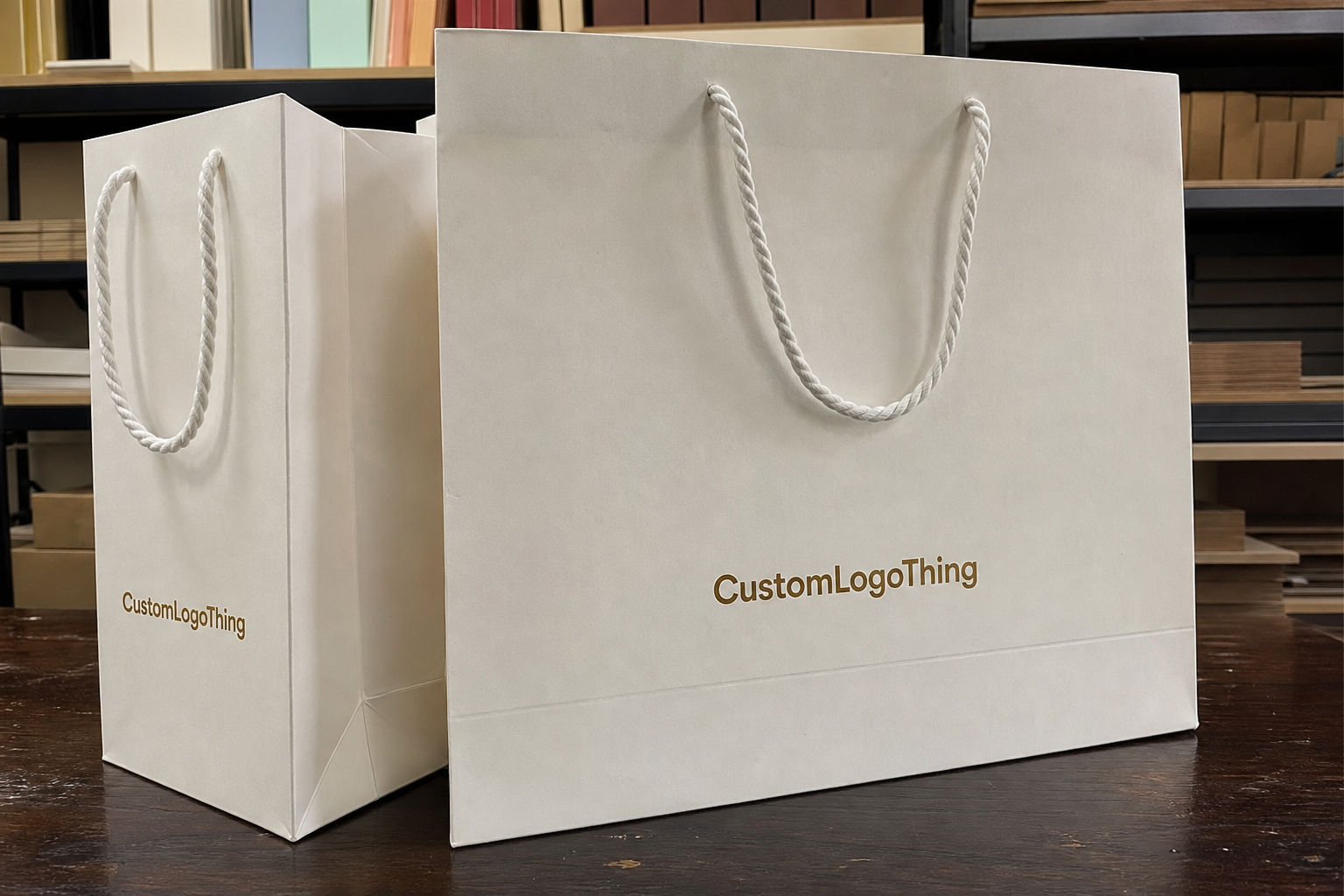
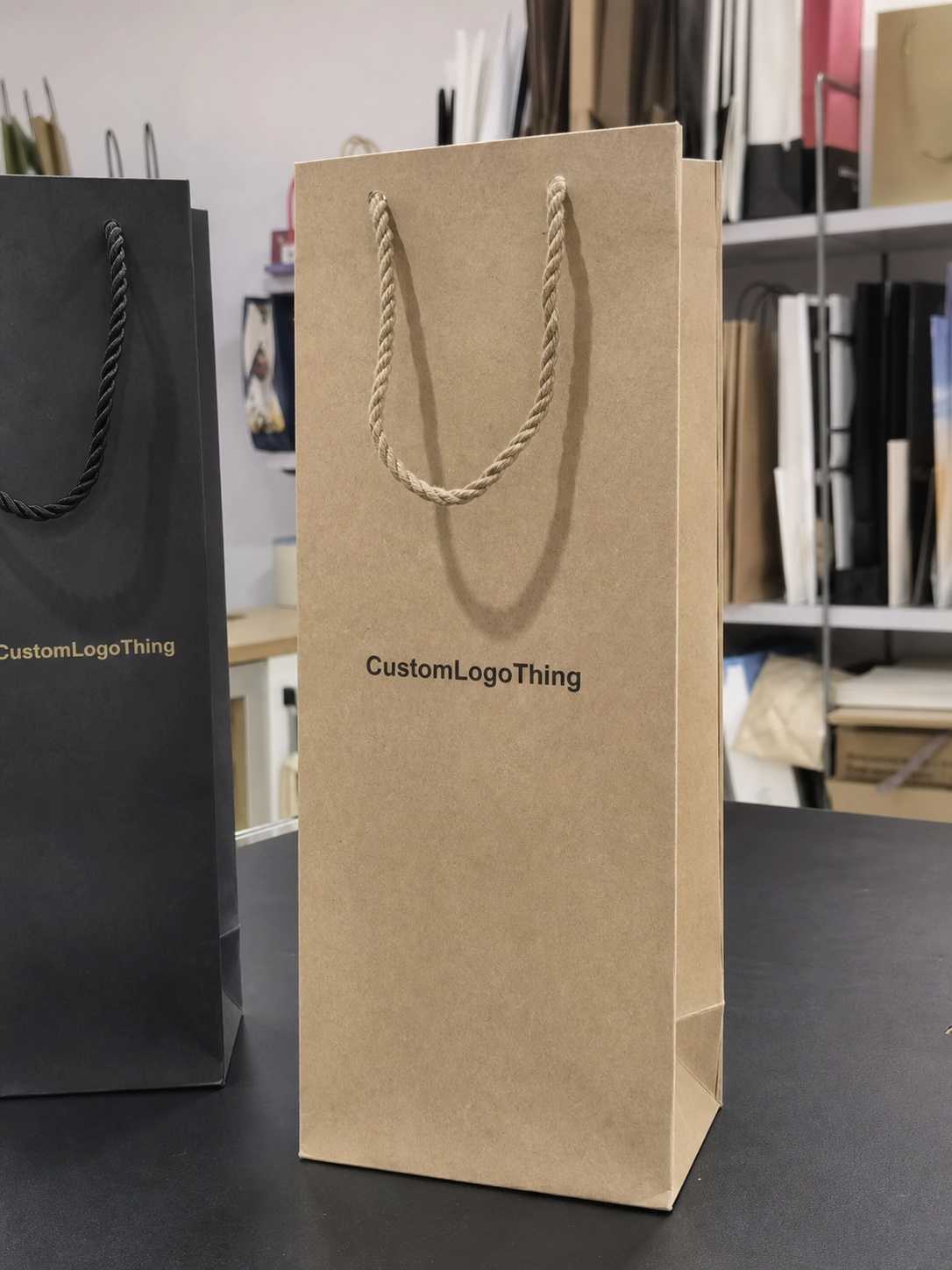
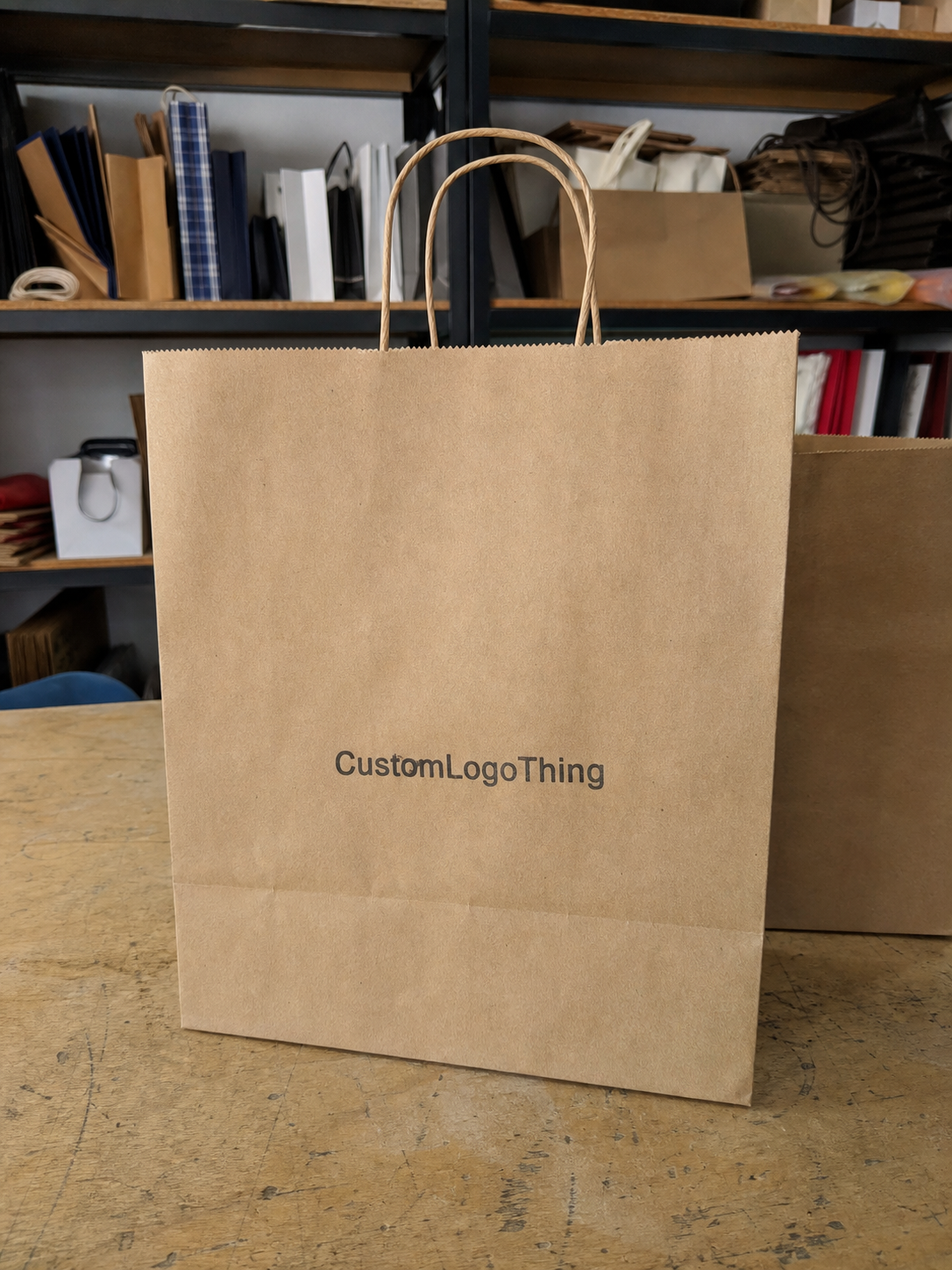
The small retail Paper Bags Unit Cost Breakdown often surprises buyers because the paper itself is only one part of the bill. At low volume, setup charges, tool preparation, finishing, and handwork can move the price more than the sheet stock does, so two bags that look nearly identical can land in very different quote ranges.
That is why the smartest way to buy is not to ask for a single number first. Ask for a quote built from the actual structure, print method, handle style, and shipping plan, then compare the unit cost as a complete system. Once you do that, the numbers become easier to trust and much easier to negotiate.
Retail buyers also run into a second problem: the cheapest quoted bag is not always the cheapest delivered bag. A weak base, loose handle attachment, or inconsistent folding can create damage before the bags ever reach store use. That turns a packaging purchase into a replenishment headache, which is usually where the hidden cost shows up.
Why small retail paper bag costs move so much at low volume
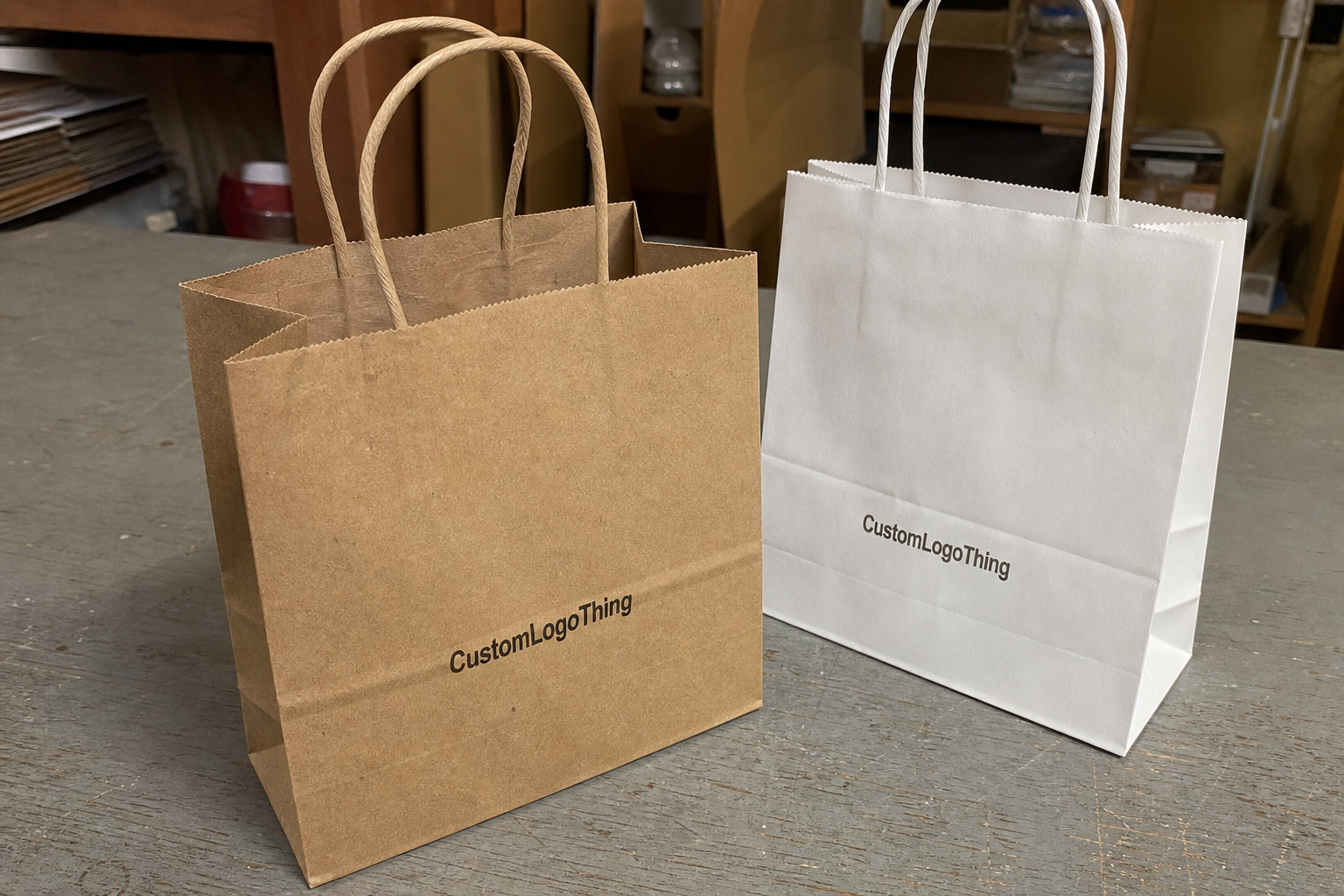
At small quantities, fixed work gets spread across fewer bags, and that is where the price starts to climb. A bag with a modest kraft face and a single-color logo may still need plate prep, die cutting, gluing, handle attachment, carton packing, and inspection. None of those steps disappear just because the order is only a few thousand pieces.
From a packaging buyer's point of view, the first cost jump usually comes from the factory having to prepare the job, not from raw paper. If a quote includes tooling fees for a custom die, setup charges for print, and labor for handle insertion, those fixed items can push the cost per piece up fast on a short run. In many cases, paper accounts for less than half of the delivered price.
That is why two quotes that list the same size and the same printed logo can still be far apart. One supplier may include a better handle, tighter folding, and more careful carton loading. Another may strip the build to the bare minimum. The bags can look similar on a screen, but the production method underneath is not the same.
The cleanest way to read a quote is to separate it into buckets: material, print preparation, converting labor, finishing, internal QC, carton packing, and freight. Once you do that, the small retail Paper Bags Unit Cost breakdown becomes readable instead of mysterious. It also becomes easier to judge whether the cheap quote is truly cheap, or only cheap before damage, spoilage, or rush replacement are added back in.
Quantity break behavior matters too. At 1,000 pieces, the factory may be absorbing a lot of handling time. At 5,000 pieces, the same setup is diluted over a bigger run, which usually improves bulk pricing. At 20,000 pieces, the curve often improves again, but only if the spec stays stable and the order does not require extra staging, split cartons, or repeated proof changes.
There is also a practical production limit on very small orders. Some plants can run them cleanly; others treat them as interruption work, which means slower scheduling and a higher minimum charge. That is not a sales tactic so much as a reflection of line efficiency. If a job has to be started, adjusted, and cleaned up for only a few hundred bags, the labor cost does not shrink in proportion.
Paper, handles, and finish choices that define the retail build
The paper grade is where most buyers start, and it matters more than many people realize. Brown kraft gives a natural, practical look and tends to hide minor handling marks. White kraft prints cleaner, especially for logos with fine type. Coated paper or a specialty stock can lift the look into a more premium retail lane, but it usually adds cost and may demand a more careful converting setup.
GSM, or paper weight, changes stiffness, print sharpness, and carry performance. A lighter bag may still be fine for apparel, accessories, or small boxed goods, while a heavier build makes more sense for beauty sets, candles, or gift items. The right range depends on product weight, base size, and whether the bag needs to sit upright on a shelf. A 200gsm structure is not the same as a 250gsm structure, and the difference shows up in how the bag feels in hand and how well the base holds shape.
Handle choice changes both appearance and the unit cost structure. Twisted paper handles are efficient and common. Flat paper handles can feel more utilitarian but still work well for retail. Rope handles add a more premium look and usually increase material and attachment labor. Die-cut grips can reduce parts, but they often need reinforcement if the bag will be carried with any real weight.
Finishing is where a bag moves from simple carrier to brand asset. Matte varnish, gloss, soft-touch lamination, foil, and spot UV each change the process flow. A plain one-color kraft bag may need only print and conversion. A bag with foil and soft-touch can require more steps, more inspection, and more risk of rework if registration drifts. That is why finishes often affect the unit cost more than buyers expect.
For brands that want a cleaner environmental story, FSC-certified paper is worth asking about, and the sourcing standard is clearly documented at FSC. Certification does not make a bag automatically better, but it does give buyers a recognized paper sourcing framework.
Structural details matter too. Gusset width controls how easily the bag swallows a box or folded garment. Base reinforcement helps with load distribution. Top fold affects stiffness and the finished look at the opening. If the bag is meant for shelf display, the print area and top edge finish matter more than if it is only meant to get product from register to customer. In practice, the right build is the one that balances looks, carry strength, and repeatable conversion, not the one with the most add-ons.
There is a point where simple materials out-perform decorative upgrades. A retail bag that uses the correct paper weight, an efficient handle, and a clean one- or two-color print can look more credible than a heavily finished bag built on stock that is too thin for the product. The finish should support the merchandise, not fight it.
- Kraft: economical, natural look, solid for simple retail use.
- Coated stock: better print clarity, usually higher cost.
- Twisted paper handle: common and efficient.
- Rope handle: premium feel, higher labor and material cost.
- Foil or spot UV: visual lift, but only worth it if brand value supports the extra spend.
Specification sheet details buyers should lock before quoting
If you want an accurate quote, the spec sheet has to be complete enough for production to price real work. The first thing to lock is size: width, gusset, and height. Even a small adjustment can change paper consumption, die layout, carton packing efficiency, and the final unit cost. A bag that is 5 mm wider may still seem like the same design, but it can shift the whole nesting plan.
Next comes artwork. Confirm how many print colors are involved, whether the bag is printed on one side or both, and whether the design includes fine text, barcodes, warning copy, or small reversed-out elements. Those details influence press setup and quality control. A simple logo is not the same as a full-coverage print with precise registration.
It helps to specify tolerances, too. If the opening width, handle height, or gusset depth must stay within a tight range, say so early. Without that detail, buyers sometimes approve a proof that looks acceptable on screen but feels wrong on the shelf. Packaging is physical. Screen mockups only get you part of the way there.
Sample approval should also be part of the written spec. For a low-volume run, a physical sample is often useful when the buyer is choosing between handle types or comparing paper weights. A digital proof can be enough for a straightforward reorder, but it will not reveal how the structure feels in hand or whether the base stands up the way the buyer expected.
A quote is only as clean as the spec behind it. If the dimensions, artwork, handle style, packing format, and delivery term are vague, the final invoice usually becomes less friendly than the first number on the page.
Packing instructions matter more than many teams realize. Do the bags need poly-wrapped bundles, printed cartons, palletized shipment, or a mixed-SKU pack plan? Does the customer distribution center require carton labels in a certain format? These are not cosmetic details. They affect labor, carton count, and freight math. A factory pricing a simple bulk load will quote differently from one that has to split, label, and stage the order by retail SKU.
Shipping location and delivery terms should be fixed early. If the bags are going to one warehouse, the freight picture is simpler. If the order is split across multiple addresses, the landed cost can move a lot. I also recommend noting whether the bags will move by sea, air, or domestic truck, because transit choice changes both timing and cost exposure. For distribution-style packaging that has to survive the trip cleanly, the test framework from ISTA is a sensible reference point for carton and parcel handling.
One more practical point: if the order involves multiple sizes or colors, decide whether each SKU will be priced separately or as a combined run. Mixed jobs can help on procurement, but they may also create extra changeover time. The more clearly the master spec is written, the more useful the quote becomes for direct comparison and future reorders.
Small retail paper bags unit cost breakdown by MOQ and setup
This is the section where the numbers usually become real. The small retail Paper Bags Unit Cost Breakdown is driven by a few repeatable buckets: paper, print preparation, die cutting, handle attachment, finishing, QC, carton packing, and freight. Some of those scale with volume. Others do not. That split is why MOQ matters so much.
At a low MOQ, the factory still has to create the production tools, run the press, cut the shapes, attach the handles, and inspect the goods. If those fixed steps are spread over only a small order, each bag carries more of the burden. As the quantity rises, the fixed work is diluted and the cost per piece usually drops.
For a rough planning model, many buyers think in percentages before they get to the quote stage. On a simple run, paper may sit in the 30-45% range of ex-factory cost, printing and setup in the 15-25% range, converting and handles in the 20-30% range, and inspection plus pack-out in the remaining share. Add finishing, and that mix shifts quickly. These are not fixed rules, but they are useful for sanity checking a quote that looks too cheap or too rich.
| Build option | Typical MOQ | Indicative unit cost range | What drives the price |
|---|---|---|---|
| Brown kraft, 1-color print, twisted paper handle | 1,000-3,000 | $0.22-$0.42 | Simple structure, lower finish cost, but setup still weighs heavily at small volume |
| White kraft, 2-color print, flat handle, light matte varnish | 3,000-5,000 | $0.28-$0.55 | Cleaner print, more labor, modest finishing, better retail presentation |
| Coated paper, full-color print, rope handle, premium finish | 5,000-10,000 | $0.55-$1.10 | Material upgrade, finishing steps, tighter QC, and higher handling time |
Those numbers are not universal, of course. They move with size, print coverage, paper source, and shipping lane. Still, the pattern is consistent: the higher the MOQ, the better the spread of setup charges and tooling fees. That is why a 10,000-piece quote can sometimes look dramatically better per unit than a 2,000-piece quote, even when the total spend is higher.
There is another layer buyers should watch closely: hidden costs. Rush charges, artwork corrections, split shipments, packaging changes after proof approval, and revised delivery instructions can all disturb the quote. A factory may not always list those items front and center, but they show up fast if the buyer changes direction late in the process. The Small Retail Paper Bags unit cost breakdown only stays meaningful if the scope is frozen before production starts.
Comparing quote tiers also helps. Ask for a lean MOQ option and a better-volume option side by side. The lean run tells you what a test order really costs. The larger run shows the more normal production price and often reveals how much room there is for future bulk pricing. If the difference per bag is large, it may be worth consolidating demand or planning the next replenishment sooner.
Buyers should also separate product cost from landed cost. A low unit price ex-factory can be offset by expensive air freight, oversized cartons, or extra handling in the warehouse. The true number to compare is what the bags cost once they are available to use. That is the figure that answers the question procurement actually cares about.
In many retail programs, the best savings do not come from stripping the bag bare. They come from right-sizing the spec, simplifying the print, and keeping the order stable long enough for the factory to run it cleanly.
For programs that reorder often, consistency matters almost as much as price. If one batch uses slightly heavier stock or a different handle supplier, the bag may still pass visual approval but behave differently on the sales floor. Buyers who keep one master spec usually get more predictable pricing on the next run because there is less room for interpretation.
Production steps and lead time from proof to shipment
A reliable schedule starts with a clear production path. First comes the request for quote and spec review. Then the artwork check, proof approval, material prep, printing, cutting, gluing or handle attachment, inspection, and carton pack-out. Each step has its own delay risk, and most of those delays are caused by unclear inputs rather than the press itself.
Sampling is helpful when the buyer is comparing multiple bag sizes, paper weights, or finishes. A physical sample can show whether the handle feels right, whether the bag stands well, and whether the print look matches the brand level expected in store. For a repeat order with no changes, a digital proof is often enough, provided the spec has already been locked and the supplier has a known production history.
Lead time depends on the order structure. Straightforward kraft bags with limited print can move faster than a premium order with foil, lamination, or specialty handles. If custom hardware or specialty paper must be sourced, the schedule expands before production even starts. In practice, many orders land in the 12-18 business day range after proof approval, but that can stretch if the job is complex or if materials are not in stock.
One of the fastest ways to speed up the order is to answer proof questions promptly. Consolidate all revisions, approve the final art in one pass, and confirm shipping instructions before the job goes live. Every extra round of changes can push back the line and increase the chance of correction charges.
Inspection is not a box-ticking exercise. On a retail bag run, the common checks are simple: print clarity, handle alignment, glue bond, base strength, fold accuracy, and carton count. A good bag should open squarely, hold shape without wobbling, and carry a believable load without tearing at the mouth or handle points. If any of those fail, the problem usually shows up long before the bags reach the store.
It also helps to think about transit testing and outer packaging if the bags are being shipped through a distribution network. Retail bags may not need the same abuse testing as a rigid shipping carton, but the cartons that hold them still have to survive stacking and handling. That is where practical test thinking, not just visual approval, protects the budget.
For buyers comparing suppliers, ask each one how they handle inspection and pack-out. Some suppliers inspect in-line and again at carton loading. Others rely on a single final check. That difference can matter if the order is going into stores where presentation is part of the sale. If the bag arrives with scuffed corners or uneven handles, the damage is not only cosmetic; it affects sell-through and buyer confidence.
Good scheduling is usually simple discipline. Lock the spec, approve the proof, confirm carton labeling, and make sure the shipping destination is correct before the line starts. That sequence protects both the calendar and the quote.
One caution on timing: premium finishes can hide delay in ways that simple bags do not. Foil needs alignment, lamination needs cure time, and denser coverage often means slower inspection. A buyer planning for a store launch should build in margin rather than assuming every style runs on the same clock.
What to send for a fast quote and a repeatable next order
If you want a fast, useful quote, send the full job picture in one message. Include the bag dimensions, paper preference, handle type, print colors, artwork coverage, target quantity, delivery address, and the date the bags must be in hand. If there is a retail shelf requirement, say so. If the bags need to carry heavier boxed goods, say that too. Those details shape the build and the price far more than a vague request for custom bags ever will.
- Size: width, gusset, and height.
- Paper: kraft, coated, or specialty stock, with GSM if known.
- Handle: twisted paper, flat paper, rope, or die-cut.
- Print: number of colors, sides printed, and any special finishes.
- Quantity: target MOQ and any future reorder estimate.
- Logistics: delivery address, pallet needs, and required in-hands date.
Ask for at least two scenarios. A lean MOQ quote tells you the cost of testing the market. A better-volume quote shows what happens if the order is sized for efficiency. That side-by-side view makes it much easier to judge inventory risk against the price per bag. It also gives you a cleaner baseline for future negotiation, because you can see exactly where the savings are coming from.
For repeat orders, keep a master record. Save the approved spec sheet, final artwork, carton format, and packing instructions in one place. If the same bag is reordered six months later, the supplier should not have to rediscover the job from scratch. That is how buyers keep the small retail Paper Bags Unit Cost Breakdown stable from one run to the next, instead of allowing drift in size, finish, or shipping method to erode the budget.
It also helps to keep a short decision history beside the spec. If a heavier paper was chosen because the product corners were cutting through lighter stock, that reason should stay attached to the file. Without that note, a future reorder can drift toward a cheaper build that looks fine on paper and fails in use.
The best quote is not always the lowest sticker price. It is the one that gives you the right look, the right carry strength, the right lead time, and the right landed cost without hidden surprises. Use the same framework every time, and the small retail paper bags unit cost breakdown becomes a practical buying tool instead of a guessing game.
What usually has the biggest impact on small retail paper bags unit cost breakdown?
Setup, finishing, and print complexity usually move the price more than the paper itself at low volumes. Handle style, coating, and special decoration can change the quote quickly, especially when the order is below a comfortable production run.
How does MOQ change the price per bag for retail paper bags?
Higher MOQ spreads setup and tooling over more bags, which lowers the unit cost. Very small runs often carry a higher per-bag price because the fixed production steps do not shrink, even when the quantity does.
What specifications do you need to price custom retail paper bags accurately?
Size, paper grade, handle type, print details, quantity, and delivery location are the core items. Artwork status and packing requirements also affect the final quote, because they change the amount of labor and handling in the job.
Do premium finishes increase the unit cost a lot?
Yes. Finishes like foil, soft-touch, spot UV, and complex laminations add labor and process steps, so they push the cost up faster than simple printing does. If the goal is a cleaner retail look at lower cost, simple print on the right paper often performs best.
How can I reduce cost without making the bag look cheap?
Keep the structure simple, limit ink coverage, and choose a paper grade that still supports the product weight. Lock the specification early so you avoid rush charges, revisions, and rework, which are the easiest ways for a good quote to turn expensive.
What should I check on a sample before approving production?
Open the bag, check the handle height and bond, set it on a flat surface, and look at the base corners and fold lines. Then compare the print against the artwork file under normal light. A sample that feels stiff enough in hand and stays square on the table usually tells you more than a photo ever will.