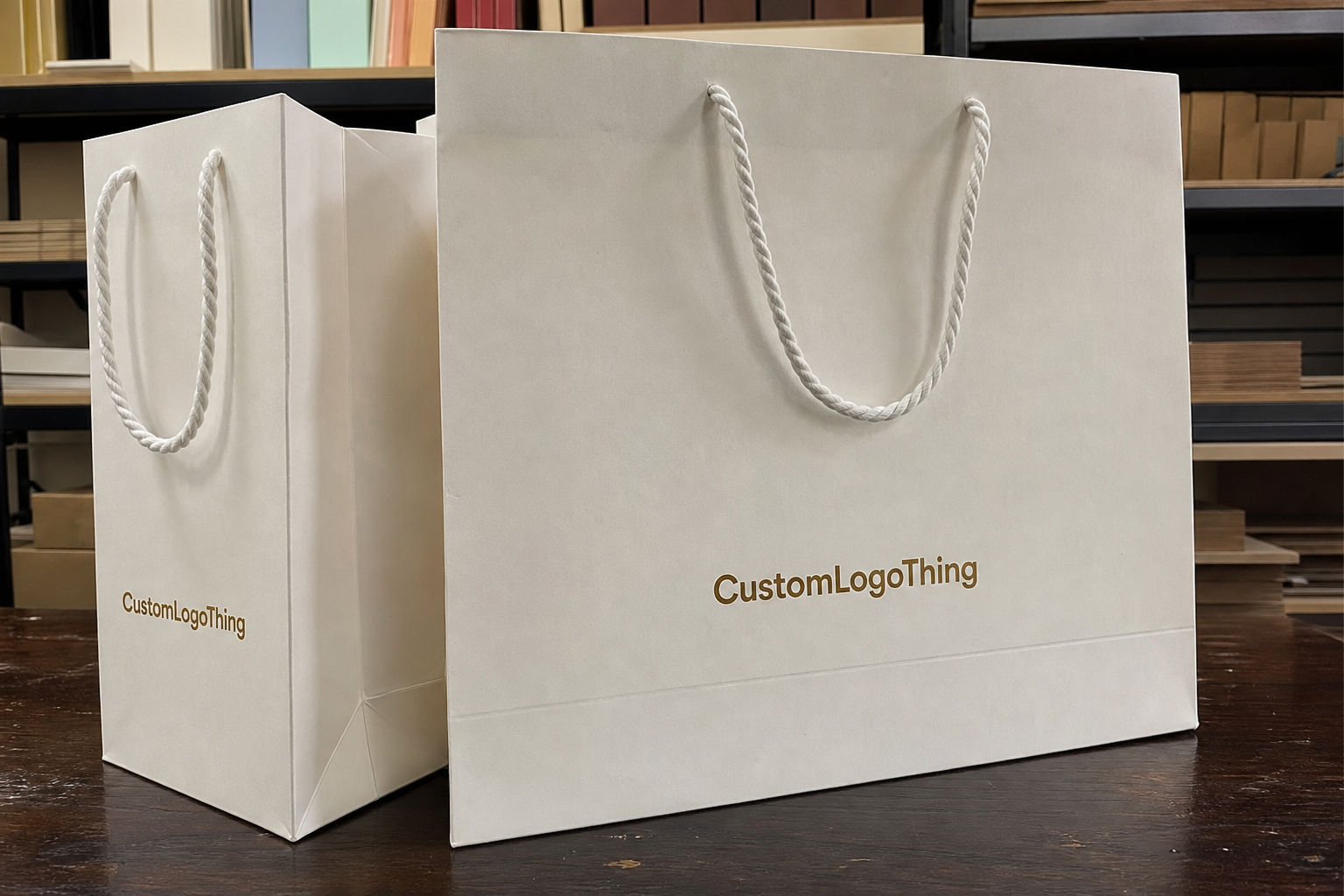
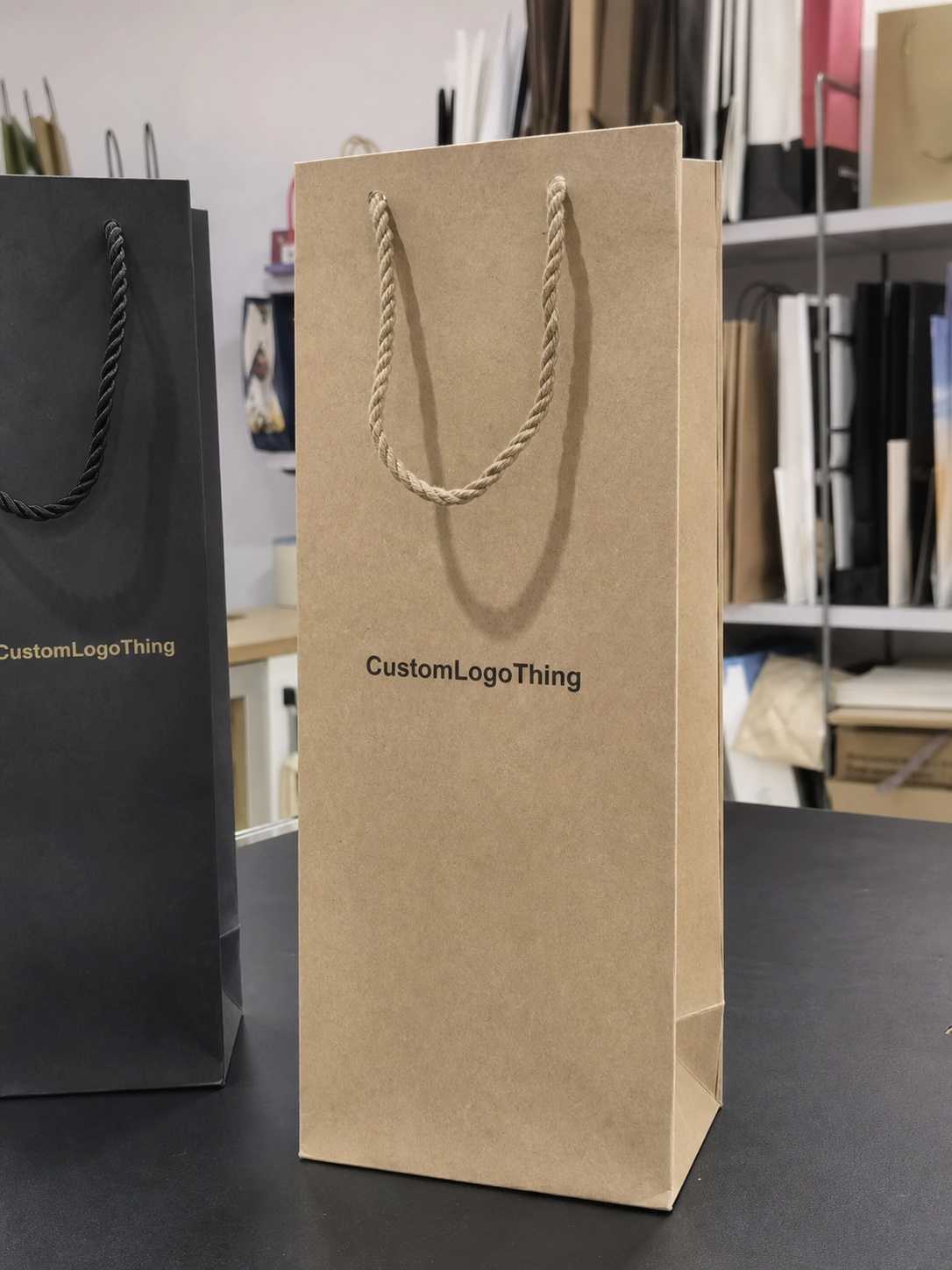
A Custom Coffee Paper Bags sample approval checklist saves more than time. It protects shelf life, avoids line stoppages, and keeps a branded bag from turning into an expensive correction after production has already started. Coffee packaging looks simple from a distance, but the sample has to prove a lot at once: fit, closure, barrier performance, artwork position, print clarity, and how the bag behaves once it is filled.
That matters because coffee buyers are rarely judging only appearance. The bag has to stand upright, close cleanly, travel well, and still look aligned after it has been handled, packed, shipped, and opened a few times. A sample that passes on a screen can still fail in the hand. The approval step is where those gaps show up.
Good packaging reviews are practical, not theatrical. Measure the bag, test the closure, inspect the seals, fill it with product, and compare it to the approved dieline and artwork proof. If a detail is off by a few millimeters, it may not sound serious, but on a retail bag that small shift can change the visual balance or interfere with machine performance. A disciplined custom coffee Paper Bags Sample Approval Checklist keeps the discussion grounded in facts instead of guesswork.
What This Checklist Is For
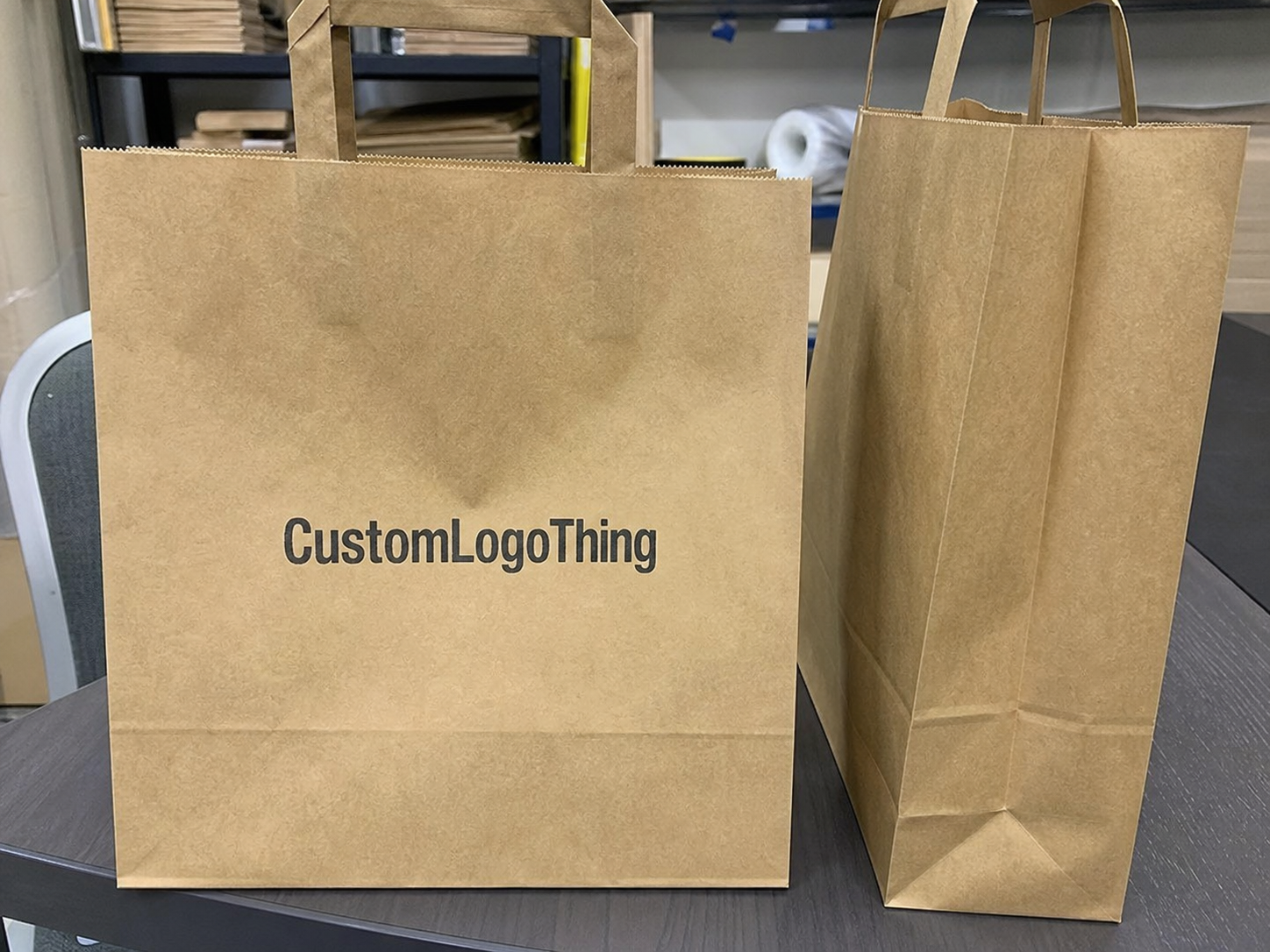
The purpose of the checklist is simple: catch errors before they become inventory. A bag can look acceptable at first glance and still be wrong in ways that matter. The zipper may sit too high, the tear notch may sit awkwardly close to the seal, or the gusset may open unevenly and affect how the bag stands in a carton. None of that is cosmetic once the bags go into use.
Coffee packaging also carries a tighter set of demands than many dry goods. Aroma retention, moisture resistance, and oxygen barrier all influence freshness. If the packaging is meant for whole bean coffee, ground coffee, or a darker roast that oils up faster, the bag structure needs to support that use case. A strong visual design does not compensate for a weak barrier or a closure that fails after repeated opening.
That is why the approval review should not be treated like a quick yes-or-no exercise. It is a structured comparison between what was promised, what was drawn, and what actually arrived. If the sample passes that test, the production run has a much better chance of matching expectations.
A sample is only useful if it reveals the problems a production line would expose later.
For buyers handling multiple SKUs, the checklist also keeps brand presentation consistent. A 12 oz coffee pouch and a 1 lb pouch may share the same artwork system, but if proportions, zipper position, or print placement drift, the set starts to look uneven. That kind of mismatch is easy to miss until the bags are lined up together.
How the Sample Approval Process Works
A clean approval process starts with three documents: the dieline, the artwork proof, and the material specification. The sample should be reviewed against all three. Relying on memory is how small mismatches slip through. I prefer to see the physical sample laid beside a marked-up proof and a spec sheet so every critical item can be checked line by line.
It also helps to define who owns the final decision. One person should be responsible for packaging details, one for operations or production fit, and one for purchasing or pricing. That keeps the process from drifting into split decisions, where one team approves the look, another objects to the structure, and a third realizes the minimum order quantity no longer fits the budget. One revision. One decision path. One set of notes.
If the supplier wants written sign-off, ask for the preferred format before the sample arrives. Some want a signed PDF, some want comments on a proof, and some want annotated photos. The format matters less than clarity. Any requested change should be identified as cosmetic or structural. Cosmetic items can often move through prepress. Structural changes usually require a new sample.
When the order includes matching labels, cartons, or other branded packaging components, the sample review should also confirm that the coffee bag works within the larger packaging system. A logo that looks balanced on the bag may feel crowded once the carton and label system are added. Good approval practice keeps those pieces aligned before production starts.
Specs That Should Match the Drawing
This is where the sample either earns approval or gets sent back. Begin with dimensions. Measure height, width, gusset depth, seal width, zipper location, and tear notch placement. Check whether the one-way valve sits where the artwork drawing says it should. A valve that lands a few millimeters off can interfere with the front panel design, especially if the branding uses dense typography or a centered badge.
Then inspect the structure. Many coffee paper bags use a paper outer layer with an inner barrier layer, but the exact build depends on freshness goals, roast type, and shipping conditions. If the product needs stronger aroma retention, ask which layer is doing the work. If the bag uses a matte or soft-touch finish, make sure that finish does not hide weak seals, inconsistent folds, or a closure that feels loose.
Artwork is just as important as structure. Confirm barcode placement, legal copy, roast level, origin callouts, and any space reserved for batch coding. The logo should be checked at actual size, not only on the digital proof. What looks elegant on screen can feel compressed once the zipper line, gussets, and bottom seal are all visible on the real bag.
For buyers who need a more technical review, a few common references help keep the conversation honest. Seal performance may be checked through standard packaging test methods, transit handling can be validated with ISTA-style procedures, and fiber sourcing should be supported with FSC chain-of-custody documentation if sustainability claims are part of the brief. See the FSC and ISTA sites for background on those frameworks.
Finally, test the filled bag. An empty pouch can look perfect and still bow, lean, or wrinkle once coffee is added. A 12 oz bag with a narrow bottom seal may stand poorly after handling, while a taller format may look stable but shift awkwardly in a shipping case. A Custom Coffee Paper Bags sample approval checklist should always include a fill test, because that is where many structure problems become obvious.
Material Builds and Barrier Details
Material choice drives both performance and cost. A kraft paper exterior can create a natural look, but the barrier layer underneath is what protects the coffee. Depending on the shelf life target, the bag may need a foil laminate, metallized film, or another high-barrier structure. The right answer depends on how long the product will sit in distribution, how sensitive the coffee is to oxygen, and whether the brand is willing to trade some barrier strength for a more paper-forward appearance.
Common retail coffee bags often fall into a few practical builds:
| Build Type | Typical Use | Strengths | Tradeoffs |
|---|---|---|---|
| Kraft paper + inner barrier film | Natural-looking retail coffee packaging | Good shelf presence, familiar feel, flexible branding | Barrier performance depends on the inner layer |
| Paper + metallized barrier | Longer shelf life or wider distribution | Stronger oxygen protection and aroma retention | Less visible paper texture, slightly higher cost |
| Paper + foil laminate | Premium coffee lines or export runs | Very strong barrier and freshness protection | Higher cost and less recyclable structure in many regions |
The closure system matters just as much. A zipper should open and close with consistent resistance, not loose enough to feel cheap and not so tight that the user struggles with it. One-way valves should be positioned so they do not interfere with graphics or fold lines. If the bag has a tear notch, check that it is easy to find and does not weaken the seal area.
Buyers sometimes focus so much on the finish that they overlook the engineering. A matte surface can look premium, but the real question is whether the bag still performs after filling, sealing, and shipping. The sample approval stage is the time to ask about film gauge, seal integrity, and whether the structure is suitable for the roast profile and expected storage time. Coffee with a shorter turnover can tolerate a different build than product that will travel farther or sit longer in a warehouse.
Cost, MOQ, and Sample Fees
Sample approval is also the right moment to clear up pricing. A sample fee may cover tooling, plate setup, prepress work, materials, labor, and freight, but those items are not always bundled the same way from one supplier to another. If they are not spelled out early, the final invoice can feel larger than expected even when the order itself has not changed.
MOQ deserves the same attention. Lower quantities usually raise the unit price because the setup cost is spread across fewer bags. Higher quantities generally improve efficiency, but they also increase inventory exposure if the artwork changes or the brand refreshes sooner than planned. A Sample Approval Checklist should connect design choices to volume realities, not treat them as separate conversations.
Feature choices also move the number. A custom zipper, valve, matte finish, specialty print coverage, or metallic accent will usually cost more than a simpler kraft build. That does not make the upgrade bad; it just means the buyer needs the full picture before release. The unit cost is only part of the spend. Freight, boxing, and any rush charge affect the landed cost more than many teams expect.
Typical sample and production ranges vary by structure and quantity, but practical planning often looks like this:
| Approval Stage | Typical Use | Typical Cost Range | What It Helps Confirm |
|---|---|---|---|
| Unprinted structural sample | Size, gusset, seal width, zipper, valve position | $35-$90 plus freight | Fit and function before artwork is locked |
| Printed sample | Artwork, color, barcode location, finish | $120-$300 depending on print coverage | How branding reads on the actual bag |
| Pilot run | Line fit, fill behavior, stackability, handling | Near production unit pricing plus setup | Real production behavior before a full release |
If the budget is tight, an unprinted structural sample can be enough for the first round, followed by a print proof for artwork confirmation. If the artwork is complex or the brand is preparing a retail launch, a fully printed sample is usually worth the extra cost. For broader packaging programs, it can also help to compare the bag with related items in your Custom Packaging Products range so print logic and material choices stay consistent across the order.
Lead Time and Production After Sign-Off
Approval does not end the process. It starts the manufacturing sequence. A clear supplier should be able to map the steps: file lock, prepress review, material ordering, printing, curing, converting, inspection, packing, and shipping. If any one of those stages slips, the rest follow.
For a standard order, a realistic turnaround from approval to first shipment is often 12-15 business days, though a more complex build can stretch longer. Custom valves, special finishes, heavier barrier structures, or unusual dimensions can all add time. It is safer to ask for the lead time from final sign-off, not from the first inquiry. Those are different schedules.
If the order is rushed, ask what quality checks remain in place. Good production teams do not skip inspection simply because the calendar is tight, but they may shorten the window for changes or reduce the buffer between proofing and print. That is where small mistakes become expensive. The buyer who understands the schedule is usually the buyer who avoids launch problems.
Seasonal releases and coordinated packaging rollouts need extra margin. Transit delays happen. Artwork revisions happen. A second sample is often required after a structural tweak. The safest version of the Custom Coffee Paper Bags sample approval checklist leaves room for one more review cycle than the optimistic timeline expects.
How to Review the Physical Sample
Start with the bag in your hand, not with a spreadsheet. Look for obvious defects first: scuffs, uneven folds, warped panels, weak seals, print smearing, or zipper misalignment. Then move into measurement and function. That order works because the eye and the ruler catch different problems.
- Inspect the empty bag - confirm dimensions, gusset depth, seal width, zipper height, valve location, and tear notch placement.
- Fill it with product - use the actual coffee if possible, or a similar-density substitute if the product is not available.
- Test closure behavior - open and close the zipper several times to check consistency and feel.
- Check appearance under normal light - review color, barcode placement, logo scale, and text legibility.
- Record one decision set - keep approvals and corrections together so the supplier receives one clear response.
It also helps to watch how the bag behaves at the fill head or in a carton. A pouch can look fine on a table and still catch on guides, tilt inside a case, or fail to settle flat during packing. If you are comparing suppliers, machine behavior is often the most useful separator. A small issue with stiffness or seal geometry can create more downtime than a small color shift.
Photographs are worth keeping. Take images with a ruler, a scale, and the final artwork nearby. If a later production lot drifts, those photos become a reference point. They also make internal sign-off easier because operations, purchasing, and marketing can all look at the same evidence instead of debating old emails. That kind of documentation is a quiet part of any strong custom coffee paper bags sample approval checklist.
Mistakes That Cause Rework
The most common mistake is approving from a digital proof alone. A PDF can show layout, but it cannot show zipper resistance, seal compression, or whether the gusset opens the way the drawing suggests. Another easy miss is ignoring machine compatibility. A beautiful pouch that jams on the line is still a problem, and one that creates stoppages after production starts is expensive to fix.
Barrier detail gets skipped too often. Coffee is sensitive to oxygen, moisture, and aroma loss, so the structure has to match the intended shelf life. If the supplier cannot explain the barrier layer in plain terms, ask for more detail before sign-off. A visual review will not reveal weak freshness protection.
Vague feedback causes its own problems. Comments like “make it pop” or “clean it up” do not give production teams anything usable. Better notes are specific: move the barcode 8 mm to the right, reduce the logo by 5 percent, widen the bottom seal, or increase contrast on the roast badge. Precision is what keeps the review useful.
Production teams can work from measurements, placement, and revision numbers. They cannot act on a feeling.
Another source of delay is mixed instructions. If one person approves the structure while another asks for a material change, the order can go back and forth for days. The cleanest review process ends with one set of notes, one revision number, and one confirmed path forward. That is the difference between a controlled approval and a repeating loop of corrections.
Practical Tips Before Release
Before releasing the order, create a short sign-off sheet that includes the approved revision number, approval date, sample photo, and the name of the final decision maker. That small record can save a lot of time later if a production lot is questioned. Keep the approved sample with the spec sheet if your process allows it. Having both in the same place is cleaner than searching through old email threads.
Confirm the purchase order details, shipping address, production window, and the cutoff point for changes after approval. If the final artwork needs to be locked, do not send it until the sample is truly approved. That sounds basic, but rushed release decisions are a common source of avoidable errors. The more complex the bag, the more useful that discipline becomes.
If the sample still feels off, ask for a corrected sample or a pilot run instead of forcing the sign-off. Mechanical issues deserve a mechanical fix. Visual issues deserve a visual correction. A few extra days spent here are usually cheaper than a full reprint, especially if the bags are tied to a retail launch or a seasonal coffee program.
For buyers managing broader packaging programs, this is also the point to check whether the coffee bag still fits the rest of the line, from labels to shipping cartons. A good approval process does not isolate one item from the rest of the package system. It makes sure each part works with the others.
That is the real value of a custom coffee paper bags sample approval checklist. It keeps the review specific, documents the decision, and helps the finished bags match the approved standard instead of a fuzzy memory of what the proof once looked like.
FAQ
What should be on a custom coffee paper bags sample approval checklist?
Include dimensions, gusset depth, seal width, zipper type, valve placement, finish, barrier structure, and artwork position. Add functional checks for fill performance, closure feel, shelf standing, and machine compatibility. Keep the revision number on the record so the sample and production order match exactly.
How many samples should I review before approving coffee paper bags?
One physical master sample is usually enough if the size, structure, and print setup are final. Ask for a revised sample if the material, closure, artwork, or dimensions change after the first review. Approve one version at a time so the supplier is not working from mixed instructions.
Does sample approval lock the final price?
It usually locks the quoted structure, but the final price can still move if materials, quantities, finishes, freight, or rush handling change. Ask for landed cost, not just unit cost, before giving sign-off. That is the cleanest way to avoid surprises later.
How long does coffee bag sample approval usually take?
The timing depends on transit, prepress, and whether the first sample needs changes. A straightforward approval may finish in a few days, while a revised sample can add another review cycle. Build in buffer time if the order supports a launch or seasonal release.
What should I do if the sample looks good but fails on the filling line?
Pause the approval and test the issue before releasing production. Check whether the zipper, seal width, stiffness, or dimensions need adjustment. Ask for a corrected sample or a controlled pilot run before the full order moves forward.
What material details matter most for coffee freshness?
Barrier performance matters most, followed by seal integrity and closure quality. Paper appearance is useful for branding, but the inner layer is what protects aroma and limits oxygen exposure. Match the build to the expected shelf life and shipping conditions, not just to the visual brief.