Buyer Fit Snapshot
| Best fit | Custom Corrugated Mailer Boxes Factory Direct projects where brand print, material claims, artwork control, MOQ, and repeat-order consistency need to be specified before quoting. |
|---|---|
| Quote inputs | Share finished size, material target, print colors, finish, packing count, annual reorder estimate, ship-to region, and any compliance wording. |
| Proofing check | Approve dieline scale, logo placement, barcode or warning zones, color tolerance, closure strength, and carton packing before bulk production. |
| Main risk | Vague material claims, crowded artwork, missing packing details, or unclear freight terms can make a low unit price expensive after revisions. |
Fast answer: Custom Corrugated Mailer Boxes Factory Direct: Film, Print, MOQ, and Carton Packing should be specified like a repeatable production item. The safest quote records material, print method, finish, artwork proof, packing count, and reorder notes in one written spec.
Production checks before approval
Compare the actual filled-product size with the drawing, then confirm tolerance on folds, seals, hang holes, label areas, and retail display edges. Reserve space for logos, QR codes, warning copy, and material claims before decorative graphics fill the panel.
Quote comparison points
Review material grade, print process, finish, sampling route, tooling charges, carton quantity, and freight assumptions side by side. A quote is only useful when the supplier can repeat the same color, closure quality, and packing count on the next order.
The biggest cost in packaging is often not the box itself. Freight, rework, and missed launch dates usually do more damage than the board price ever will, which is why custom Corrugated Mailer Boxes factory direct deserves a careful look before a purchase order goes out. Direct buying can simplify the path from quote to delivery, but only if dimensions, board grade, print plan, and production route are grounded in real shipping conditions instead of optimistic guesses.
That is the practical advantage of Custom Corrugated Mailer Boxes factory direct: you sit closer to the people who shape the structure, tune the material, and catch a bad spec before it turns into an expensive stack of corrugated. For a brand that depends on product packaging, branded packaging, or package branding to make a first impression that sticks, the mailer box has to do three jobs at once. It must protect the contents, pack efficiently, and look deliberate the second the lid opens.
A good mailer box rarely feels flashy in the hand; it feels correct. The real test is hidden in the fit, the fold, and how well it survives the route it has to travel.
That is why this topic matters for e-commerce orders, subscription kits, influencer mailers, sample programs, retail packaging, and launches that live or die by the unboxing moment. A corrugated mailer box can replace a separate outer shipper in many applications, or it can serve as the retail-ready inner package that keeps the presentation sharp. In the sections below, I will trace how Custom Corrugated Mailer boxes factory direct actually works, what pushes the price up or down, how long production usually takes, and which mistakes waste the most money. I have seen a simple size mistake add more cost than a premium finish ever could; that kind of thing is not glamorous, but it is real.
What custom corrugated mailer boxes factory direct really means
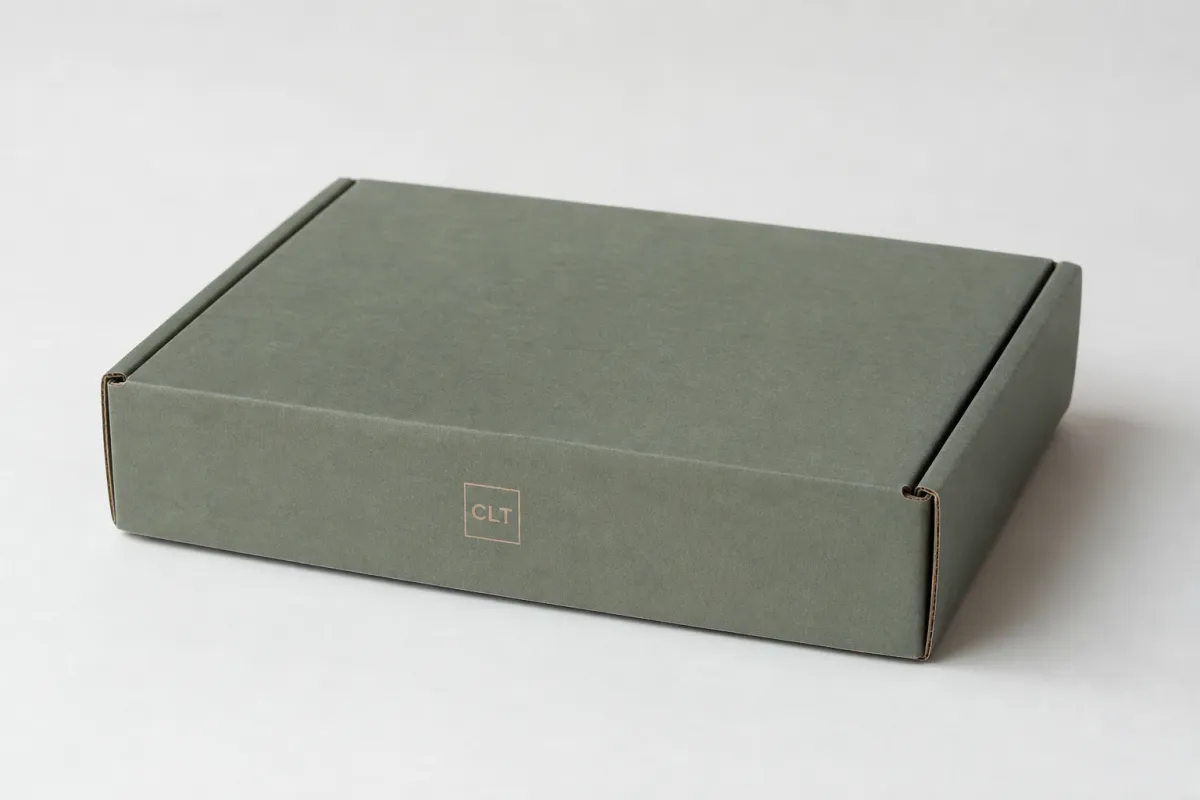
In plain language, Custom Corrugated Mailer boxes factory direct means buying from the corrugated manufacturer or converter instead of moving the job through a distributor chain. Every extra handoff adds a little friction. Details get softened, timing stretches, and the original brief can drift before anyone notices. With direct ordering, the people quoting the job are usually much closer to the tooling, print, and finishing decisions that determine whether the box actually works.
A corrugated mailer box is a folding box made from fluted board, usually with an integrated tuck-in closure and a front flap that locks the lid in place. In many product packaging programs, it replaces both the retail box and the shipping carton, which saves material and cuts down on pack-out steps. That is one reason custom Corrugated Mailer Boxes factory direct appeals to brands that want cleaner operations and a better customer experience without paying for unnecessary layers.
The word mailer matters here. This is not the same thing as a random folding carton, and it is not always the same as a heavy RSC shipping box. A mailer box is built to open neatly, close securely, and present the product in a controlled way. For lighter consumer goods, apparel, accessory kits, and sample bundles, that balance between protection and presentation is often exactly what the order needs. For heavier or more fragile goods, the spec may need thicker board or a different shipping format altogether.
Factory direct usually gives buyers more control over five practical points: inside dimensions, board grade, print method, finish, and timing. That control matters because the same outside footprint can behave very differently depending on flute profile and liner stock. A box that looks fine on a dieline can still behave badly in real life if the product shifts, the closure fights the packer, or the print coverage warps the board. In other words, custom corrugated mailer boxes factory direct is not only about price. It is about owning the spec.
Where do these boxes fit best? They show up in e-commerce order fulfillment, influencer mailers, subscription kits, sample programs, retail packaging, and product launches that need a memorable first impression without overbuilding the box. They also pair well with other formats in a larger packaging mix, including Custom Packaging Products for broader branded packaging programs, or even Custom Shipping Boxes when the outer shipper needs to be separated from the presentation box.
My read is simple: the main draw is not just a smaller markup. It is the ability to keep one clear decision set intact from quote to delivery. Fewer intermediaries usually means fewer assumptions, and fewer assumptions usually means fewer surprises. That part sounds tidy on paper, but in the plant it often means the difference between a box that packs cleanly and one that needs a second pass.
How custom corrugated mailer boxes factory direct ordering works
The buying flow for custom corrugated mailer boxes factory direct usually starts with a plain brief: product dimensions, weight, shipping method, artwork files, and the role the box has to play in the customer journey. A good converter will ask whether the box is meant for parcel shipping, shelf display, kitting, subscription fulfillment, or a promotional drop. Those details matter because structural choices change with the use case, and a box that is perfect for one job can be wrong for another.
From there, the factory turns the brief into a workable structure. That usually means selecting the flute style, defining the panel sizes, deciding whether the lid needs locking tabs or a friction tuck, and matching the board to the shipping environment. If the product is light, a thinner E-flute may be enough. If the contents are heavier or need more crush resistance, B-flute, C-flute, or even double-wall board may be the better answer. In a direct order, those decisions are not buried under layers of sales talk; they are handled as part of the actual production plan.
Next comes the dieline. This is the flat technical drawing that shows where the score lines, folds, flaps, locks, and print areas live. For custom corrugated mailer boxes factory direct, the dieline is one of the most important checkpoints because it translates an idea into a physical structure. If the dieline is off by even a small amount, the box may pinch the product, waste space, or fail to close cleanly. That is why accurate internal dimensions matter more than the outside size people usually write down first.
Samples and proofs matter a great deal here. A digital proof can confirm artwork placement, logo size, and basic color intent, but a physical mockup tells a different story. It shows whether the closure has too much tension, whether the product shifts during pack-out, and whether the print sits where the eye expects it to sit. For custom corrugated mailer boxes factory direct, a sample often prevents the most expensive kind of mistake: approving a full run that looks fine on screen but feels wrong in the hand.
Direct communication helps because revisions move faster when the same team is looking at the spec, the artwork, and the production path. In a longer chain, a tiny change can drift as it passes from buyer to rep to estimator to plant. In a factory direct setup, the team can usually respond with a cleaner recommendation: adjust the inner depth by a few millimeters, widen the front flap, reduce print coverage, or change the board to keep the pack line moving. That is the kind of practical improvement that makes custom corrugated mailer boxes factory direct feel worth the effort.
For readers who are also comparing mailers with lighter-weight options, Custom Poly Mailers may fit apparel and flat goods better than corrugated in some cases. I mention that because the smartest packaging choice is not always the heaviest one. Sometimes the better move is choosing the simplest format that still protects the product and supports the brand. Sometimes, honestly, the lighter option is the one that wins on both cost and damage rate.
If you want one practical rule, make it this: the more expensive the product inside, the more carefully you should manage the proofing step. A box can be attractive and still fail the job. Custom corrugated mailer boxes factory direct works best when the buyer, the artwork team, and the production team agree on the same technical target before the press runs.
Key factors that affect structure, strength, and appearance
Board construction is the first thing to sort out. E-flute is common for clean print and a slimmer profile, which makes it a good fit for many custom corrugated mailer boxes factory direct programs that focus on presentation. B-flute is thicker and usually stiffer, so it can improve crush resistance. C-flute sits in a heavier range and may work better for bulkier products or longer shipping lanes. Double-wall is a step up again, but it adds cost and can make the box feel less elegant unless the product truly needs the extra structure.
Internal dimensions matter more than outside measurements because the product has to fit inside the usable cavity, not the printed outline. If there is an insert, a sleeve, tissue, or void fill, those materials steal space. If the product is packed by hand, a little clearance can help speed up the line, but too much room invites movement and damage. That balance is one of the main reasons custom corrugated mailer boxes factory direct specs should be built around the pack-out, not just around the product on its own.
Appearance is shaped by liner choice, print coverage, and finish. Kraft liners give a natural, earthy look and can support a more understated brand story. White liners create a brighter stage for graphics and usually help color feel more consistent. One-color print is often enough for a simple, modern package branding approach, while multi-color work can make the box feel more retail-ready. If the goal is premium presentation, coating choices such as aqueous coating or a soft-touch finish can change the tactile feel, but each added finish should earn its keep.
The shipping environment matters just as much as the visual plan. Will the box ride with parcel carriers? Will it sit on a warehouse shelf for weeks before use? Will it be stacked under heavier cartons? Will humidity be an issue? Those questions are not academic. They change how a corrugated box behaves. A design that looks perfect in a controlled sample room may still bow, scuff, or delaminate if it is stored badly or abused in transit. That is why good custom corrugated mailer boxes factory direct sourcing is part engineering, part print planning, and part logistics.
For testing, ask whether the box should be validated against a recognized method such as ISTA test standards or an ASTM shipping protocol. Not every project needs formal certification, but the language of standards helps buyers and factories talk about performance in a concrete way. A box that is meant to survive parcel handling should be treated differently from a box that only needs to move across a local fulfillment floor.
Sustainability also sits inside the structure conversation. Right-sized packaging reduces waste board, cuts the need for void fill, and lowers shipping volume. Recycled fiber content can support a better material story, and many brands prefer fiber-based packaging because it can align with internal recycling goals. The important part is not to chase a sustainability label at the expense of function. The best result is a box that performs well, uses sensible material, and does not force the shipper to waste extra padding because the fit is sloppy. That is where custom corrugated mailer boxes factory direct can help both the brand story and the operation.
One more practical note: if your program includes a wider branded packaging system, keep the visual logic consistent across the line. Mailer boxes, inserts, labels, and collateral should speak the same design language. That makes the unboxing feel deliberate instead of assembled from unrelated parts, and it strengthens the overall product packaging story.
Custom corrugated mailer boxes factory direct: cost and pricing
Pricing for custom corrugated mailer boxes factory direct usually comes down to a handful of levers: size, board grade, print coverage, number of colors, coatings, inserts, and whether the job needs new tooling. The larger the box, the more board it consumes, and the more likely shipping and storage costs become part of the conversation. A small mailer with one-color print can be relatively efficient, while a large premium box with multiple finishes and a custom insert set can climb quickly.
MOQ, unit cost, and setup charges need to be looked at together. A lower per-unit price does not always mean the better deal if the startup charge is large and the order size is modest. For example, a 1,000-piece run may carry a meaningful die cost and print setup, while a 5,000-piece run can spread those costs over more units and bring the price down. Factory direct often helps by removing markup layers and tightening communication, but custom corrugated mailer boxes factory direct still reflects the reality of corrugated manufacturing: more customization usually means more cost.
Here is a simple comparison that shows how features can change the quote.
| Option | Best For | Typical Unit Cost at 5,000 pcs | Notes |
|---|---|---|---|
| Kraft E-flute mailer | Light apparel, accessories, samples | $0.42-$0.68 | Clean structure, good for simple one-color branding |
| White-lined E-flute mailer | Premium unboxing, retail packaging | $0.58-$0.95 | Brighter print surface, better for custom printed boxes with graphics |
| B-flute or heavier mailer | Heavier goods, more crush risk | $0.78-$1.25 | More board, stronger feel, sometimes slightly bulkier fold |
| Mailer with custom insert | Kits, fragile products, multi-piece sets | +$0.12-$0.45 | Insert price varies with cut complexity and quantity |
Those numbers are broad, because real quotes depend on the exact spec, the mill, the freight lane, and the timing of the order. Still, they are useful because they show how quickly a small change can move the budget. Add a two-color print instead of one, and the price changes. Add a coating, and the price changes again. Increase wall strength, and the board cost rises. That is why the smartest custom corrugated mailer boxes factory direct buyers do not ask only, “What is the cheapest box?” They ask, “What is the right box for this product, this route, and this margin?”
To control cost without weakening the package, there are a few good habits. Standardize a few box sizes across product lines so tooling and inventory stay manageable. Keep print coverage focused, especially if the box is usually sealed with a label or sticker. Choose a common flute where possible. Reduce the number of special inserts if the product can be held securely by the fold structure itself. And if the volume is likely to repeat, plan the order around a quantity that gives the plant a stable run. Those steps usually save more than trimming a tiny detail that does not affect performance.
Another thing buyers should check is what the quote actually includes. Does it cover dieline creation? Is the sample charge separate? Are freight terms included or billed later? Does the factory quote the job with the exact internal dimensions, or is there room for interpretation? Are the inks, coatings, and finishing steps fully spelled out? Good custom corrugated mailer boxes factory direct quoting should feel technical enough that two people reading it would arrive at the same understanding of the box.
For brands that want to compare options across a larger assortment, browsing Custom Packaging Products can help identify where a mailer makes sense versus where another format might do the job more economically. That kind of comparison is often what keeps package branding consistent without overspending on one hero item while neglecting the rest of the line.
One more thing: freight can erase a lot of savings if the order is packed inefficiently or shipped too far in too many split deliveries. Factory direct should simplify the job, not create hidden logistics costs. The real win is a spec that is clear enough to quote accurately and economical enough to repeat. A cheap quote that turns into a carton of crushed corners is not cheap at all.
Production steps, proofing, and turnaround timeline
The production path for custom corrugated mailer boxes factory direct usually follows a steady sequence: artwork review, dieline approval, board sourcing, printing, die-cutting, folding or gluing, inspection, palletizing, and shipment. That sounds straightforward, but each step carries risk if the spec is not settled early. A good plant will not rush a poor file into production just to save a day, because a bad file costs more to fix later than to review correctly at the start.
Proofing is the place where most projects either gain confidence or expose trouble. A digital proof can confirm logo placement, copy, and basic color direction. A physical mockup shows whether the dimensions actually work, whether the closure snaps in the right way, and whether the print lands on the panel you expected. For custom corrugated mailer boxes factory direct, that mockup step is often the moment a buyer realizes a box needs a quarter-inch more depth or a different tuck style to pack properly. That is a good thing. Better to find it before the line is busy.
Turnaround depends on complexity. A simple repeat order of an existing structure may move faster than a new program with fresh artwork and new tooling. A brand-new custom box with an insert set can take longer because the die has to be made, the art has to be checked, and the structure may need a sample round. In practical terms, a straightforward project might ship in roughly 12-15 business days after final proof approval, while a more complex job can stretch beyond that once sample signoff, material availability, and freight are included. Custom corrugated mailer boxes factory direct gives you more direct access, but it does not remove the physics of production.
Here are the most common delay points I see on packaging programs like this:
- Missing or unclear internal dimensions
- Artwork revisions after the dieline has already been built
- Late changes to coatings, inserts, or print coverage
- New tooling that was not budgeted into the schedule
- Sample approval that happens after the launch calendar has already tightened
Those problems are predictable, which makes them avoidable. The best buyers treat packaging as part of the launch plan, not as a final administrative step. If the box is tied to a product drop, marketing event, or retail reset, build in a cushion. The box should arrive before the product needs it, not the other way around. That is especially true for custom corrugated mailer boxes factory direct, where the whole point is to reduce friction and keep control close to production.
A useful technical mindset helps here. Ask for the dieline early. Confirm board thickness before the artwork is finalized, because small fold allowances can change the usable space. Decide whether color accuracy is critical enough to require a more controlled proof path. If the project needs corrugated performance validation, ask whether the factory can align the design to recognized parcel test methods. That kind of planning turns packaging design into a manufacturing decision instead of a guess.
It also helps to think ahead to fulfillment. If the box will be folded by hand, the scores and tabs need to be forgiving. If it will be packed by a third-party logistics team, the box should be easy to identify, open, and close without mistakes. If it will ship with inserts, the insert fit must be checked with the real product, not only with a mock placeholder. Those details do not sound glamorous, but they are what make custom corrugated mailer boxes factory direct perform the way buyers expect.
Common mistakes when ordering custom mailer boxes
The first mistake is measuring the product and stopping there. Real pack-out includes room for inserts, hand clearance, closure overlap, and the small tolerances that make a box easy to use on a busy line. A product that fits on paper can still feel cramped in production if the closure lands too tight or if the packer has to force the flaps into place. That is why custom corrugated mailer boxes factory direct specs should always be built from an actual pack-out, not just a ruler and a product photo.
The second mistake is choosing the structure based on appearance alone. A crisp sample can look excellent and still be too light for the route it has to survive. If the box has to move through parcel handling, sit in a hot truck, or stack in storage, the flute profile and board grade matter a great deal. I have seen brands fall in love with a very slim box only to discover that the lid bows, corners crush, or edges scuff before the customer ever sees it. Good custom corrugated mailer boxes factory direct ordering respects both the visual goal and the performance target.
The third mistake is overcomplicating the artwork. Too many colors, too much coverage, or unnecessary coatings can slow the job down and raise the price without making the package better. Clean graphics often travel farther than busy graphics. A strong logo, a clear message, and a disciplined print area can create a more premium feel than a crowded panel full of ideas that do not support the product. That is especially true for branded packaging, where restraint often looks more intentional than excess.
The fourth mistake is skipping the sample. For fragile items, subscription kits, or anything with a precise fit, a sample is not optional. It is the cheapest way to catch a problem. A physical check can tell you whether the insert holds the product, whether the board flexes too much, and whether the closure works with a packer’s normal hand motion. If the sample is off, adjust it before the production run. That is how custom corrugated mailer boxes factory direct protects both quality and budget.
The fifth mistake is waiting too long for approvals. Every revision after proofing can cost time and sometimes money. If artwork, copy, dimensions, or finish choices are still in motion, the schedule will keep moving too. Buyers sometimes treat the box as if it can be finalized at the last minute, but corrugated production does not work that way. The plant needs stable information. Once that information is locked, the rest of the process becomes much more predictable.
A packaging line runs better when the box is boring in the right way: predictable to fold, easy to fill, and strong enough to leave the product untouched.
There is one more mistake worth calling out: not matching the package to the actual business model. A box used for direct-to-consumer shipping may need different performance than a box used for retail packaging on a shelf. A subscription kit may need more presentation value than a bulk replenishment order. A launch box may justify a premium finish that would be wasteful in a reorder. That is why the best custom corrugated mailer boxes factory direct decisions are made with the whole channel in mind, not only with the sample in front of you.
Expert tips and next steps for a smarter order
If you want a smoother quote, build a short spec sheet before you contact the factory. Include internal dimensions, product weight, closure style, print goals, quantity range, and expected ship method. Add any insert details, coating requests, and whether the box needs to fit into another outer carton. That one page can save a surprising amount of back-and-forth because it gives the plant enough information to price custom corrugated mailer boxes factory direct correctly the first time.
Ask for a sample or mockup early, even if the quote looks promising. A hands-on check often reveals things that are hard to notice on screen: a fold that feels stiff, a logo that sits too close to the crease, or a panel that does not give the right visual balance. In packaging design, the screen is useful, but the hand is the final judge. That is especially true for custom printed boxes that are supposed to support both protection and presentation.
Choose one primary priority for the project. Do you want the lowest total cost, the strongest protection, or the most premium presentation? You can usually improve one of those more than the others, but trying to maximize all three at once often creates a box that is expensive and still not ideal. For custom corrugated mailer boxes factory direct, the fastest path to a good result is knowing which tradeoff matters most.
Standardizing a few box sizes across related SKUs is another smart move. It reduces complexity, helps inventory planning, and often improves buying power because the factory can repeat the same tooling and setup more efficiently. A small family of sizes can cover more products than people expect, especially if the insert strategy is flexible. If your product packaging line is growing, this is where package branding and operations can support each other instead of fighting each other.
Brands that want to compare formats side by side can also review other packaging options, including Custom Poly Mailers for light flat goods and Custom Shipping Boxes for outer transit protection. Not every project belongs in corrugated mailers, and honest spec selection usually saves money in the long run. The best suppliers are willing to say that plainly, even if it means recommending a simpler box.
If sustainability is part of the brief, keep the design focused on right-sizing, recycled fiber content, and minimal excess material. For buyers who want to read more about fiber sourcing and responsible forest management, FSC certification is a useful reference point. That does not replace a proper box spec, but it does help frame the material choices inside a larger environmental conversation.
For teams that are serious about shipping performance, ask whether the box should be considered against parcel test expectations such as ISTA methods, especially if the order will move through common carrier networks. Even a basic discussion around standards can sharpen the design conversation and prevent avoidable damage claims later. Custom corrugated mailer boxes factory direct works best when the quote is not just a price, but a technical plan.
The next step is not complicated: gather the internal measurements, decide how the box will ship, confirm whether it needs a sample, and lock the artwork only after the dieline is checked. If those four pieces are settled, custom corrugated mailer boxes factory direct becomes a controlled manufacturing decision instead of a gamble, and the finished mailer is much more likely to protect the product, support the brand, and arrive on time.
What does custom corrugated mailer boxes factory direct mean?
It means you are buying directly from the manufacturer or converter rather than through a reseller. That usually gives you more control over size, material, print, and revisions, and it can also reduce communication delays because the people quoting the job are closer to the production line. I have seen that difference save days on a launch when a small dieline correction had to be made fast.
How do I choose the right corrugated mailer box structure?
Start with the product weight, fragility, and ship method, then match the flute and board grade to that need. If the item is light and presentation matters, a thinner flute may be enough; heavier or more delicate items often need more stiffness. Ask for a sample so you can test fit, closure tension, and crush resistance before approving a full run.
What affects pricing the most for factory direct mailer boxes?
The biggest drivers are dimensions, board grade, print complexity, quantity, and whether custom tooling is required. Freight, inserts, coatings, and setup charges can also change the final quote in a meaningful way. A simple design with a higher quantity often lowers unit cost more effectively than trimming small features one by one.
How long does production usually take for a custom order?
Turnaround depends on proof approval, tooling needs, print complexity, and how busy the production schedule is. Reorders of an existing spec are usually faster than a brand-new box design with fresh artwork. Build in extra time for sample approval and freight so the packaging arrives before launch or fulfillment starts.
Are factory direct corrugated mailer boxes better for sustainability?
They can be, because right-sized packaging reduces wasted board, void fill, and unnecessary shipping volume. Many corrugated options use recycled fiber content and are widely recyclable when designed without unnecessary mixed materials. Factory direct planning can also reduce rework and extra shipments, which helps cut waste across the job.
Is custom corrugated mailer boxes factory direct always the lowest-cost option?
Not always. If the order is very small, highly decorated, or packed with special inserts, the setup costs can outweigh the savings from removing intermediaries. The best value comes from matching the structure, print plan, and quantity to the real shipping need, not just chasing the lowest line item.
If you want packaging that does its job without drama, custom corrugated mailer boxes factory direct is often the smartest path because it keeps the structure, pricing, and timeline closer to the people who actually build the box. The clearest takeaway is simple: lock the internal dimensions, confirm the shipping route, and approve a sample before you approve quantity. Done that way, custom corrugated mailer boxes factory direct gives you a cleaner spec, a better pack-out, and a finished result that supports product packaging, retail packaging, and branded packaging without adding unnecessary friction.

