Custom Dad Hats for Event Giveaways That Get Worn More
Custom Dad Hats for event giveaways only work when the hat feels normal enough to keep wearing after the event. If the cap arrives crooked, stiff, or crushed, the giveaway turns into dead inventory with a logo on it.
The buyers who get the best results pay attention to fit, decoration, packing, and lead time. Those are the decisions that affect whether a hat gets tossed in a drawer or worn on errands, at games, and on the commute home.
What custom dad hats for event giveaways actually do
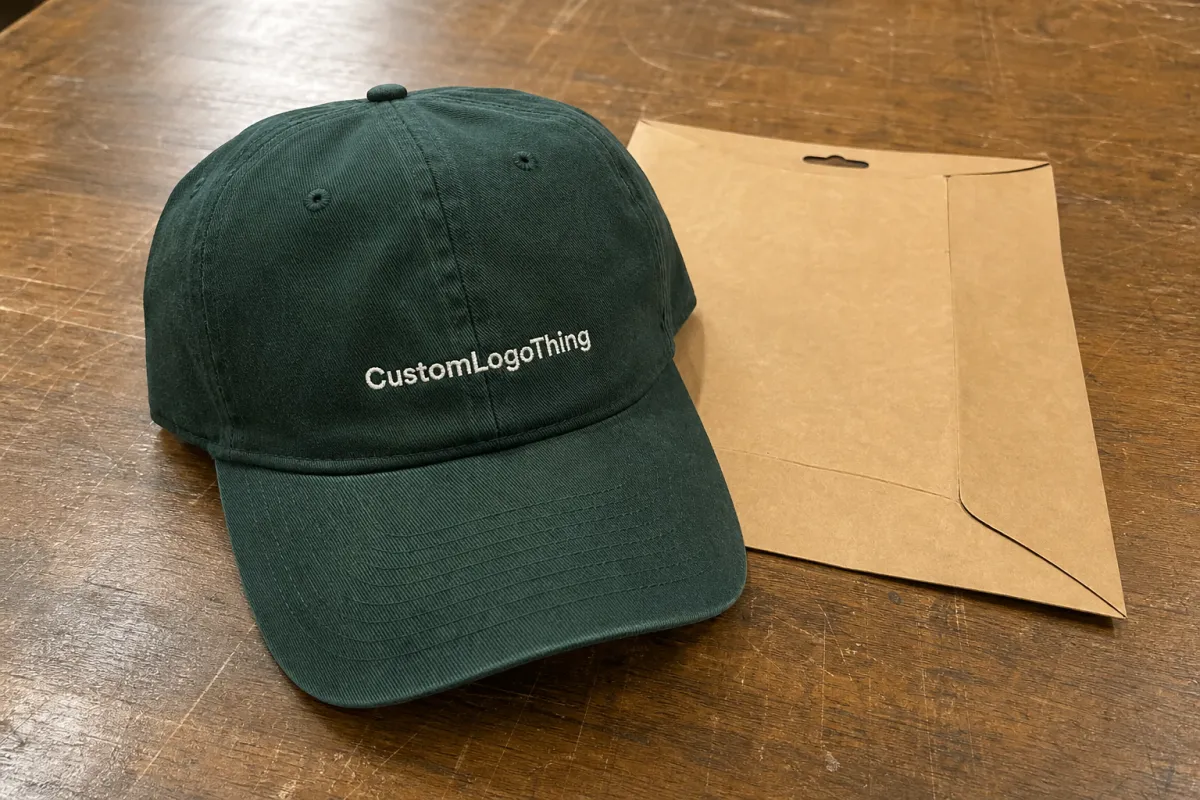
Giveaway hats are judged after the event, not at the booth. People decide whether to keep wearing them later, which is why Custom Dad Hats for event giveaways outperform a lot of other swag. They are adjustable, familiar, and easy to hand out without sizing drama.
The silhouette does most of the work. A dad hat usually has a low-profile crown, a curved brim, and an adjustable strap-back or metal buckle. That shape fits a broad mix of head sizes and feels more relaxed than a rigid snapback, which helps when the audience is mixed.
They work well for conferences, sponsor activations, charity runs, concerts, employee events, and product launches. The style reads as everyday rather than trendy, so people are more likely to wear it again. If the goal is repeat impressions, that matters more than a flashy mockup.
A hat that still looks good six months later is worth more than one that looks exciting for six minutes.
For event kits that include extras, the same logic applies to Custom Packaging Products. Better packaging helps the handout feel deliberate instead of tossed together.
Buying custom dad hats without guesswork
The order process should be straightforward. Pick the hat style and color, lock the artwork, confirm the decoration placement, approve the proof, then move into production. If a vendor skips steps, delays and reprints become more likely.
Proofing is where most problems show up. Thin serif text, tiny sponsor marks, and detailed logos often need cleanup before embroidery or patch work starts. If the artwork looks delicate on screen, expect some revision. The mistake is approving something too small to read and hoping production will fix it.
Typical production for stock hats with embroidery often lands around 10-15 business days after proof approval. Patch work can take closer to 12-18 business days depending on the patch type and decoration complexity. Rush service can shorten the schedule, but it adds cost. Shipping time still needs to be counted separately, especially for venue delivery or split shipments.
Timing depends on stock availability, decoration method, quantity, freight lane, and whether the artwork is production-ready. If the event date is fixed, send final files early and treat proof approval as a real production decision, not a casual click.
Packaging matters too. If the hats are part of a kit, ask for packing that protects the brim and crown. A crushed stack of caps is not a finished product.
Materials, fit, and decoration choices that change adoption
Fabric choice affects how the hat feels on day one and how often it gets worn later. Cotton twill is the safe default because it is durable, breathable, and easy to decorate. Brushed cotton feels softer and a little more premium. Washed cotton gives a broken-in look. Blends can hold shape better and wrinkle less, but some wearers find them warmer.
Fit matters more than most buyers expect. Crown depth, panel shape, brim curve, and closure type decide whether a hat sits naturally or feels awkward. A slightly deeper crown usually works better for broader audiences. Strap-back and buckle closures are also easier to share across groups than fixed sizing. If a hat pinches, rides high, or flops strangely, it tends to stay in a bag.
Decoration method changes both the look and the wear rate. Heavy decoration can look strong in a mockup and feel intrusive on a real head. The goal is to make the hat something people keep wearing.
| Decoration method | Look | Typical price impact | Durability | Best use |
|---|---|---|---|---|
| Embroidery | Clean, classic, high visibility | +$1.25 to +$3.50 per hat | Very strong | Simple logos, everyday wear |
| Woven patch | Sharper detail, flatter finish | +$1.75 to +$4.00 per hat | Strong | Small type, detailed marks |
| Leather patch | Warm, textured, premium feel | +$2.00 to +$4.50 per hat | Strong | Lifestyle brands, VIP gifts |
| Lower profile, budget-friendly | +$0.75 to +$2.00 per hat | Moderate | Short runs, simple graphics |
Embroidery usually lasts best for repeated wear and washing. Patches can look richer, but they should be chosen for the logo and the audience, not because “premium” sounds nice in an email.
For transit-heavy orders, ask whether the hats can survive pack-out similar to an ISTA shipment test. Crushed packaging and bent brims ruin the first impression before anyone wears the hat.
For inserts, sleeves, or ship-ready kits, branded packaging should support the hat rather than fight it. Good package branding is practical when it keeps the giveaway from looking random the moment someone opens the box.
If the hat feels good but arrives sloppy, the packaging did not do its job.
Cost, MOQ, and unit-cost tradeoffs
Price depends on the blank hat, stitch count, patch size, color changes, placement, labeling, and any custom packaging tied to the order. A plain stock dad hat with a small embroidery run stays relatively lean. Add a large patch, side mark, woven label, hangtag, or printed box and the math changes fast.
For practical budgeting, smaller runs often land around $4.80-$9.50 per finished hat depending on style and decoration. Mid-size runs can fall in the $3.20-$6.50 range once setup costs spread out. A nicer blank, sharper stitching, or a more detailed patch moves the price up. That is normal.
MOQ logic is simple. A 25-unit order usually costs more per hat than a 250-unit order. A 500-unit run may lower the unit price, but only if you actually need that many. Ordering extra just to chase a lower line price can turn “savings” into storage.
Watch for hidden costs too:
- Digitizing for embroidery
- Sampling before the full run
- Freight and split shipping
- Rush fees for compressed timelines
- Replacement charges for damaged stock or reprints
The same logic behind product packaging solutions applies here: compare the finished, delivered, ready-to-hand-out cost, not the blank-item price.
Step-by-step: plan a giveaway hat order that fits the event
Start with the goal. Are these hats for awareness, sponsor value, staff uniforms, VIP gifting, or merch resale? The answer changes the specs. A VIP gift can justify a more premium patch and cleaner packing. A general admission handout usually needs a tighter cost target and a more universal color.
- Estimate quantity from attendance plus a buffer for walk-ins, staff, replacements, and late requests.
- Choose the blank based on audience and weather. Washed cotton feels different from structured twill, and that difference matters.
- Place the artwork where it can actually be seen. Front logo for visibility, side mark for a subtle brand touch, back hit for a secondary message.
- Approve the proof only after checking scale, thread color, spacing, and closure details.
- Plan distribution through swag bags, registration, VIP boxes, team handout, or on-site pickup.
Distribution can change the product choice. If the hats are going into custom printed boxes for VIP kits, protect the crown and keep the brim shape. If they are stacked on a table for open grab-and-go traffic, the decoration still needs to read cleanly after the first twenty units disappear.
For event kits, it helps to work backward: when do the hats need to be boxed, when do those boxes need to leave the building, and how much slack is left if the proof needs one more revision? That simple count prevents a lot of panic.
Common mistakes that waste budget and lower wear rate
The biggest mistake is over-designing the logo. Tiny text on a dark hat disappears from a few feet away, and busy artwork gets lost in stitching or patch borders. If people cannot read it, you paid for decoration, not visibility.
Second mistake: choosing a style that fights the audience. A hat that feels too stiff, too trendy, or too corporate ends up in a tote bag instead of on a head. Dad hats work because they feel relaxed. Do not ruin that with a design that tries too hard.
Third mistake: skipping the sample. Thread color, patch scale, brim curve, and closure feel are exactly where bad decisions show up. The mockup hides a lot. The sample does not.
Fourth mistake: ignoring packing and shipping. Hats crushed into a carton without shape support arrive looking cheap, even if the product itself was decent. If the event kit also includes branded packaging, ask for a pack-out that keeps the cap from folding into nonsense.
Packaging trade data from packaging.org backs up a simple point: presentation affects perceived quality.
Practical tips for art, packing, and distribution
Keep the logo readable from six feet away. That is the distance that matters at a crowded event, not the one-inch view on your monitor. If the mark can be understood quickly, it has a better shot at becoming repeat wear.
Use contrast with intent. Light thread on a dark hat, dark thread on a light hat, or a patch border that frames the logo can all improve visibility. Simple shapes usually beat fussy artwork because hats are curved, and the curve already makes the surface harder to read.
Pack the hats like you want people to be impressed. Tissue, inserts, and shape support are not luxury extras if the giveaway is meant to feel premium. They are basic protection. If the order is going into VIP mailers, pairing the hat with clean retail packaging can improve the whole presentation without blowing the budget.
If the giveaway is tied to a product launch, think about package branding as part of the campaign rather than decoration on the side. The hat, the box, and the insert should feel like they belong together.
One practical trick: put the hats where people will wear them immediately or photograph them quickly. The best giveaway is the one that turns into visible brand exposure the same day.
If the order needs packaging support, the same Custom Packaging Products page can help you build a cleaner handoff. A hat in a plain carton and a hat in a proper kit are not the same experience.
What to finalize before you place the order
Before production starts, lock the final art file, logo placement, hat color, closure type, thread or patch colors, quantity, proof approval, and delivery address. If any of that changes after the run begins, cost goes up and patience goes down.
Confirm lead time in writing. Confirm whether the order ships to the venue, office, or fulfillment partner. Confirm whether split delivery is allowed. Confirm the sample policy, inspection policy, and reprint policy so you know what happens if the first run misses the mark.
If the event date is fixed, build in a buffer. Extra days make room for artwork corrections, freight delays, and the occasional factory hiccup. The buffer costs less than panic shipping.
The cleanest orders behave like packaging orders: clear specs, realistic timelines, and no guesswork. That is how Custom Dad Hats for event giveaways stop acting like throwaway swag and start doing real brand work.
FAQ
What makes custom dad hats for event giveaways better than other promo items?
They are adjustable, so sizing is much less of a gamble than with apparel. They also stay useful after the event, which gives the brand more impressions without paying for another touchpoint.
What decoration method lasts longest on giveaway dad hats?
Embroidery usually lasts best for repeated wear and washing. Woven or leather patches can also hold up well, but they should be chosen based on logo detail, look, and budget.
How many custom dad hats for event giveaways should I order?
Base the quantity on attendance plus a buffer for staff, walk-ins, replacements, and any post-event requests. If the event has multiple days or locations, add extra units so you are not forced into a second rush run.
How long does production usually take for event giveaway hats?
It depends on proof approval, blank availability, decoration method, and shipping distance. Stock hats often land in the 10-15 business day range after approval, while more complex patch work can take a bit longer.
What should I approve before placing the final order?
Confirm the art file, logo size, hat color, thread or patch colors, closure type, quantity, and delivery details. Check the proof at actual scale, because tiny artwork issues become obvious once they are stitched or patched.

