Buyer Fit Snapshot
| Best fit | Custom Die Cut Boxes for Candles projects where brand print, material claims, artwork control, MOQ, and repeat-order consistency need to be specified before quoting. |
|---|---|
| Quote inputs | Share finished size, material target, print colors, finish, packing count, annual reorder estimate, ship-to region, and any compliance wording. |
| Proofing check | Approve dieline scale, logo placement, barcode or warning zones, color tolerance, closure strength, and carton packing before bulk production. |
| Main risk | Vague material claims, crowded artwork, missing packing details, or unclear freight terms can make a low unit price expensive after revisions. |
Fast answer: Custom Die Cut Boxes for Candles: Sustainable Packaging should be specified like a repeatable production item. The safest quote records material, print method, finish, artwork proof, packing count, and reorder notes in one written spec.
Production checks before approval
Compare the actual filled-product size with the drawing, then confirm tolerance on folds, seals, hang holes, label areas, and retail display edges. Reserve space for logos, QR codes, warning copy, and material claims before decorative graphics fill the panel.
Quote comparison points
Review material grade, print process, finish, sampling route, tooling charges, carton quantity, and freight assumptions side by side. A quote is only useful when the supplier can repeat the same color, closure quality, and packing count on the next order.
Custom Die Cut Boxes for candles do far more than keep a jar from rattling loose. They have to survive parcel transit, hint at scent and mood before the lid is lifted, and make the brand feel deliberate in the first second of contact. That is a tall order for a carton. It is also why candle brands get better outcomes when they treat packaging as a structural decision first and a visual layer second.
Custom die cut boxes for candles: what they are and why they matter
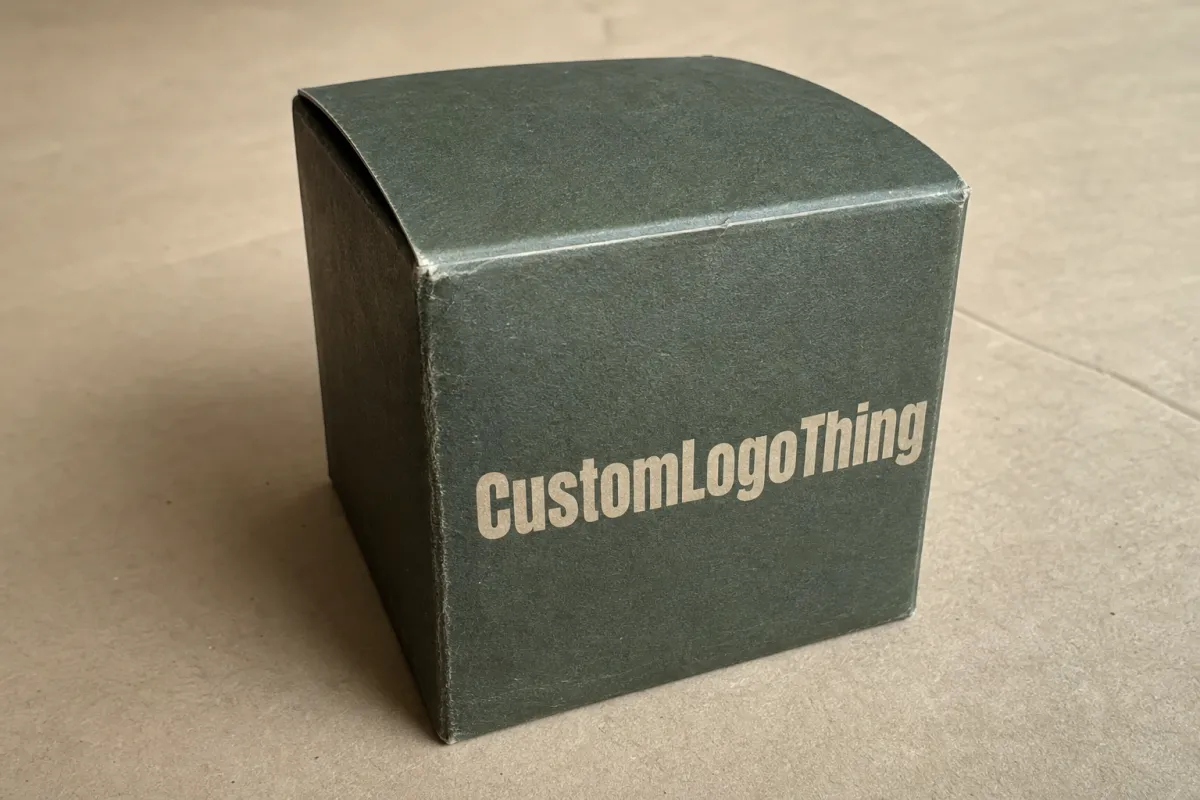
A die cut box starts with a dieline, the flat technical map that defines every cut, score, fold, tuck, and glue area before production begins. For candles, that precision is not cosmetic. Glass can crack. Tins can dent. Wax can soften in heat. Fragrance oils can stain if the coating is wrong. A box that is even a little too loose can create scuffing, movement, and breakage in transit. That is why Custom Die Cut Boxes for candles should be treated as a practical packaging decision, not a decorative afterthought.
The same box often has to play three roles at once. It needs to protect a fragile vessel, present the product well enough to earn shelf attention, and communicate brand story through graphics, texture, and opening sequence. That is a difficult combination, especially for packaging that may pass through retail channels, direct-to-consumer shipping, and seasonal gift bundles in the same year. A structure that works in one channel can fail in another if it is too loose, too heavy, or too visually crowded.
The sustainability case is easy to miss. A precise fit usually means less board, less void fill, and fewer oversized cartons entering the shipping stream. When the box matches the candle vessel closely, recycled paperboard often performs better because it is doing more structural work per gram of material. There is no trick in that. It is basic engineering. In a category where buyers pay close attention to brand presentation and package branding, the cleaner solution is often the one that wastes less material while protecting more value.
From a packaging buyer's point of view, the question is not simply whether the box looks good. The real question is whether the structure protects the candle, fits the channel, and keeps the material story honest. That line of thinking usually leads to stronger outcomes than chasing decoration alone, because the best custom printed boxes tend to do three jobs at once: protect, present, and reduce waste.
How the die-cut process works for candle packaging
The process begins with the dieline, and that stage is where most of the real decisions happen. The supplier maps the box dimensions around the candle vessel, lid height, label placement, insert depth, and opening style. A jar with a wide shoulder needs that shoulder accounted for. A lid that protrudes by 8 mm changes the structure too. Good packaging design handles all of that before artwork ever reaches print, because a beautiful graphic on the wrong box is still the wrong box.
Once the structure is set, the board is selected and the sheet is cut, creased, and converted into the final carton style. Depending on the project, the box may ship flat for later assembly, or it may arrive glued and ready to fill. Common formats include tuck-end cartons, sleeve-and-tray systems, mailer-style Die Cut Boxes, and insert-based boxes for heavier glass jars or gift sets. Some brands add a window cutout so shoppers can see the vessel or the wax color. Others prefer a fully enclosed structure for a cleaner, more premium look.
Fit testing is not optional for candles if the brand cares about damage rates. A sample should be loaded with the actual candle, then shaken, tipped, and dropped in a controlled way to see whether the vessel moves, the closure holds, and the corners resist crushing. For ecommerce, that test should be aligned with parcel stress expectations. Packaging teams often ask for an ISTA-oriented test plan or a comparable transit simulation, especially when the product will ship nationally rather than sit only on a boutique shelf. The testing standards published by ISTA are a useful reference point when parcel performance matters.
The fit test also exposes small issues that are easy to miss on a screen. A lid that rubs against the top panel, an insert that creases the label, or a glued tab that fights the opening action can turn an attractive box into an irritating one. Candle packaging should open with intention, not resistance.
Common structural choices
- Insert tabs help stabilize jars and tins with less loose movement inside the carton.
- Window cutouts improve shelf visibility, but they add die complexity and can affect recyclability if a plastic film is used.
- Sleeve-and-tray systems work well for gift sets and premium candle lines because they create two distinct brand moments, one outside and one inside.
- Flat-pack cartons usually reduce shipping volume before filling and can lower freight cost compared with fully assembled boxes.
Design factors that affect protection, shelf appeal, and sustainability
Protection comes first, but board grade alone does not decide performance. The candle vessel weight, the fill level, the jar shape, and the shipping route all change how much structure the box actually needs. A 7 oz tin sent to a local boutique faces very different demands than a 14 oz glass candle moving through ecommerce fulfillment, especially if it crosses multiple distribution points before arrival. The box has to be built for the journey, not just for the product photo.
Print design is part of structure, not separate from it. Heavy coverage, dark inks, foil stamping, embossing, soft-touch lamination, and spot UV all affect cost and, in some cases, recyclability. A brand can absolutely use premium finishing, but every added layer should justify itself. If the candle line is built around natural ingredients and low-waste buying, then a fully laminated, foil-heavy carton can send the wrong signal even if it looks polished on day one.
Shelf appeal has its own logic. Candle buyers often shop by scent family, mood, season, and gifting intent. The box has to communicate quickly. Typography, contrast, and tactile finish matter, yet they work best when the structure already feels balanced in the hand. A clean dieline with one strong visual cue often outperforms a crowded layout full of patterns competing for attention. Strong packaging is usually the clearest object on the shelf, not the loudest one.
Sustainability depends on several decisions working together. Recycled paperboard, FSC-certified stock, soy-based or low-VOC inks, and paper-only inserts are all common ways to keep the package more circular. The FSC system is useful when a buyer wants clearer chain-of-custody expectations for paper materials. If end-of-life messaging is part of the brand story, the EPA's recycling guidance at EPA can also help teams stay realistic about what consumers can actually recycle in practice.
"If the candle can move inside the box, the box is too big. If the box cannot survive a short drop test, it is too small on the wrong dimension or built from the wrong board."
Channel strategy ties all of this together. Retail packaging usually needs strong shelf presence and quick legibility. Ecommerce packaging needs more crush resistance and cleaner assembly behavior. Gift packaging often asks for a more memorable opening experience. One structure can sometimes cover all three, but only if the supplier is briefed well and the box is designed around those use cases from the start.
Cost, pricing, MOQ, and quote drivers for candle boxes
Pricing for candle boxes usually comes down to six things: board grade, box size, die complexity, print method, finish selection, and insert design. A simple one-color tuck box with no insert will price very differently from a laminated sleeve-and-tray set with foil, embossing, and a custom paperboard cradle. In buying terms, every added step creates labor, setup, or material cost somewhere in the chain.
MOQ, or minimum order quantity, is tied to those setup costs. Smaller runs tend to cost more per unit because plate fees, cutting forms, press setup, and finishing labor are spread across fewer boxes. That does not make small runs a bad idea. It simply means the buyer should ask for pricing at several quantities so the break point is visible. A quote at 1,000 units and 5,000 units usually tells a far better story than a single number ever will.
As a planning range, many candle brands see simple die cut cartons land around $0.35-$0.95 per unit at moderate quantities, depending on size and print coverage. More premium structures with inserts, windows, or special finishes can move into the $1.20-$3.50 per unit range, sometimes higher for rigid gift formats or highly customized kits. Those are not universal prices. They are budgeting ranges that help a buyer compare options before requesting a formal quote.
It also makes sense to compare box cost against damage cost. A sturdier carton can look more expensive on paper, but if it prevents breakage, replacements, refunds, and negative reviews, it may be cheaper overall. That matters especially for glass jars and multi-piece candle sets, where a single broken unit can erase the margin on several successful orders.
| Structure or material | Best use | Typical planning range per unit | Notes on performance and sustainability |
|---|---|---|---|
| 18-24 pt folding carton | Single candles, retail display, lighter jars | $0.35-$0.95 | Good print surface, efficient for branded packaging, usually easy to recycle if kept paper-based. |
| E-flute corrugated die cut box | Ecommerce shipping, heavier glass vessels | $0.75-$1.60 | Better crush resistance, often a stronger choice for product packaging that ships direct to consumer. |
| Sleeve and tray system | Gift sets, premium scent collections | $0.60-$1.40 | Great for presentation, with a clean unboxing sequence and flexible graphics on the outer sleeve. |
| Rigid setup box with insert | High-end candles, holiday sets, limited editions | $1.80-$4.50 | Excellent premium feel, but material use and shipping volume are higher than lighter carton formats. |
That table forces the tradeoff into the open. A lighter carton may improve unit cost, while a stronger corrugated structure may reduce freight damage. A premium rigid box can lift perceived value, but it can also raise shipping weight and packing labor. The right answer depends on the channel, the margin, and how often the candle is likely to travel before purchase.
If you are still comparing formats, our Custom Packaging Products page is a practical place to narrow the field before requesting samples. It helps to know whether you are really shopping for a folding carton, a mailer, or a gift-style setup box, because those categories behave very differently in production.
Production process and timeline: from spec sheet to delivery
A good candle box project usually moves through a predictable sequence. First comes the brief: candle dimensions, vessel material, lid style, quantity, shipping method, and target launch date. Then the supplier builds or confirms the structural dieline, prices the job, and sends a digital proof. After proof approval, the team may produce a sample or structural prototype, especially if the candle is fragile, heavy, or part of a gift set. Once that sample is signed off, the job enters full production, then packing, then freight.
The slowest part is often not printing. It is usually revision. If artwork is not locked, if the barcode needs to move, if the dieline changes after graphics are already laid out, or if a sustainability requirement calls for a different stock, the timeline stretches quickly. Experienced buyers build buffer time into seasonal candle launches for that reason. Holiday scents, spring releases, and retailer onboarding schedules can all collapse into the same few weeks if planning is too optimistic.
Typical lead times vary, but a straightforward run may take around 10-15 business days for sampling and 15-25 business days for production after final approval, not including freight. Complex finishes, specialty stocks, or custom inserts can add time. If the box needs an FSC-certified substrate, a particular coating, or imported board, the schedule may widen further depending on material availability. That is normal, not a failure.
One useful rule: the fewer variables in the first release, the faster the process tends to move. A clear spec sheet, restrained structural changes, and fast approval cycles can shave days off the project without sacrificing quality. That is one reason many brands start with a core box platform and then refresh graphics by scent or season instead of rebuilding the structure for every SKU.
What slows production most often
- Late dieline revisions after artwork is already placed.
- Unclear fit requirements for jars, lids, dust covers, or inserts.
- Material substitutions caused by sustainability goals that were not stated at the quote stage.
- Slow sample approval when multiple people are signing off on the same box.
- Freight changes that force a different packaging configuration at the last minute.
Common mistakes when ordering candle packaging
The most common mistake is measuring only the jar and forgetting the lid, shoulder, label thickness, or any protective cap on top. That extra few millimeters can be the difference between a neat closure and a box that crushes the wick or scuffs the graphic. It also matters when a brand plans to expand from a single candle into sets or bundles later. A box that fits one format with no room for variation can create a new tooling problem the moment the product line grows.
Another frequent mistake is approving the graphics before confirming the structure. Teams often get excited about color and finish, then discover the box needs a stronger insert or a different fold to protect the candle properly. That can trigger expensive rework, especially if foil stamping or embossing is already baked into the design. It is safer to lock the structure first, then build the visual story around it.
Overusing coatings and mixed materials can also sabotage sustainability goals. A plastic window, heavy lamination, and metallic accents may look attractive, but they can complicate recycling and make the box feel inconsistent with the brand's environmental claims. A paperboard box with disciplined graphics often feels more trustworthy than a flashy carton that is difficult to dispose of responsibly. The cleaner route is usually the more credible one.
Some teams also judge the box only by how it sits on a table. That is not enough. Candle packaging needs to survive shipping stress, stacking, vibration, and occasional drops. A box that looks beautiful in a mockup can still fail in transit if the board is too light or the insert does not stabilize the vessel. If the candle is going into ecommerce, field testing should be part of the approval process, not an afterthought.
Finally, buyers sometimes choose a structure that works for the current SKU but becomes awkward when the line expands. Sets, duos, and holiday bundles often need different proportions, more insert support, or a stronger closure than single units. Thinking one step ahead saves money later, especially for brands that plan to move into gift packaging or limited-edition collections.
Expert tips for better custom die cut boxes for candles
Design for the unboxing moment and the first shipment at the same time. A candle box should open with intention, but it should not require excessive force or unnecessary layers to do so. The best designs feel simple because the structure is doing the work quietly. That is one of the clearest differences between decorative packaging and packaging that actually performs.
Modular sizing can save money across a line. If a brand uses 8 oz, 12 oz, and 16 oz candles, there may be a way to build around one packaging architecture with a few dimensional adjustments rather than three separate systems. That keeps custom printed boxes more consistent, helps with inventory planning, and simplifies package branding across scent families. It is also easier for retailers and fulfillment teams to understand when the line looks related across formats.
Structural samples are worth requesting before full production, especially for glass jars, premium lids, or multi-item gift sets. A sample reveals whether the insert holds the candle steady, whether the box closes too tightly, and whether the opening sequence feels awkward. The sample may not look like the final branded box, but it will tell you far more about real-world function than a screen rendering can.
Write the brief like a buyer, not a poet. State the channel, the rough shipping method, the board preference, the finish limits, and the sustainability goal in plain language. A supplier solves technical problems faster when the brief says, for example, "This candle ships direct to consumer in a glass vessel, must use mostly paper-based materials, and should survive a 24-inch drop test," instead of leaving those expectations implied.
Also, resist the instinct to add more decoration just because there is space. Strong candle packaging often looks simpler because the box fits well, the print is disciplined, and the tactile quality comes from the stock and structure rather than from extra graphics. A restrained carton can feel more premium than a crowded one, especially in categories where scent and mood carry the emotional weight.
A practical checklist: fit first, then finish, then freight. If the box cannot protect the candle and ship within budget, the visual concept needs another pass.
If you need a broader starting point, our custom packaging products catalog can help you compare structures before you commit to samples. That is often the fastest route to a sensible package design, because the line between a retail carton and a shipping-ready solution is thinner than many brands expect.
Next steps: turn your candle box idea into a workable brief
The fastest way to move from idea to quote is to gather the numbers that matter. Start with the candle's exact dimensions, vessel material, lid style, weight, whether the box needs an insert or window, target quantity, shipping method, and launch date. If the product will be sold through retail, ecommerce, or both, say that clearly. Channel context changes the packaging decision almost as much as size does.
Then decide which priority matters most. Is the goal protection, shelf impact, sustainability, or premium unboxing? You can have all four, but one usually leads the project. A buyer who knows the priority can compare quotes more intelligently and avoid paying for finishing that does not support the real business need. That matters especially when moving from a small test run to a larger rollout.
Ask for at least one structural sample and one alternate material option. That comparison often exposes differences in board strength, print quality, and recyclability that are hard to see in a PDF. It can also show whether a lighter recycled board still performs well enough to justify the greener choice. The sample stage is where candle brands often make their best long-term packaging decisions.
- Collect candle dimensions, lid height, and finished weight.
- State the shipping method and target channel.
- Choose the top priority before requesting pricing.
- Ask for a structural sample and a second material option.
- Compare MOQ, lead time, print method, and insert options side by side.
For brands trying to balance cost, transit performance, and sustainability, Custom Die Cut boxes for candles are not a finishing touch. They are the system that holds the whole product story together. When the fit is precise, the board is chosen well, and the quote reflects real-world use rather than guesswork, the result is packaging that protects the candle, supports the brand, and wastes less material doing it. Before you request a quote, lock the candle measurements, decide the shipping channel, and pick the one priority that cannot be compromised. That single page of clarity will save more money than any finishing upgrade ever could.
What information do I need to request a quote for custom die cut boxes for candles?
Share the candle jar dimensions, lid height, weight, and whether the box needs an insert or window. Include your target quantity, print finish preferences, shipping method, and desired launch date. Mention sustainability requirements up front, such as recycled board, FSC stock, or plastic-free construction.
Are custom die cut boxes for candles recyclable if they use inserts or coatings?
Usually yes, if the structure stays mostly paper-based and the coatings are not plastic-heavy or foil-laminated. Paperboard inserts are generally easier to recycle than foam, plastic, or mixed-material supports. Ask the supplier to confirm the end-of-life impact of every finish before you approve the final structure.
How do I choose the right board strength for candle packaging?
Match board strength to the candle's weight, fragility, and how far it will travel before it reaches the customer. Glass jars and gift sets usually need more structure than tins or lightweight single-wick candles. A sample drop test is the fastest way to verify whether the board grade is strong enough.
What is a typical MOQ for custom die cut boxes for candles?
MOQ varies by supplier, structure complexity, and print method, so there is no universal number. Simple designs often allow lower minimums, while complex finishes and custom inserts usually raise the threshold. If your run is small, ask for pricing tiers so you can see how the unit cost changes at higher quantities.
How long does it take to produce custom die cut boxes for candles after artwork approval?
Timelines depend on sampling, material sourcing, production queue, and freight method. Straightforward projects move faster when the dieline is approved early and there are no last-minute structural changes. Build extra time for seasonal launches because delays often happen during proofing and final sign-off.

