Buyer Fit Snapshot
| Best fit | Custom Foil Stamped Labels projects where brand print, material claims, artwork control, MOQ, and repeat-order consistency need to be specified before quoting. |
|---|---|
| Quote inputs | Share finished size, material target, print colors, finish, packing count, annual reorder estimate, ship-to region, and any compliance wording. |
| Proofing check | Approve dieline scale, logo placement, barcode or warning zones, color tolerance, closure strength, and carton packing before bulk production. |
| Main risk | Vague material claims, crowded artwork, missing packing details, or unclear freight terms can make a low unit price expensive after revisions. |
Fast answer: Custom Foil Stamped Labels: Design, Cost, and Planning should be specified like a repeatable production item. The safest quote records material, print method, finish, artwork proof, packing count, and reorder notes in one written spec.
Production checks before approval
Compare the actual filled-product size with the drawing, then confirm tolerance on folds, seals, hang holes, label areas, and retail display edges. Reserve space for logos, QR codes, warning copy, and material claims before decorative graphics fill the panel.
Quote comparison points
Review material grade, print process, finish, sampling route, tooling charges, carton quantity, and freight assumptions side by side. A quote is only useful when the supplier can repeat the same color, closure quality, and packing count on the next order.
Custom Foil Stamped Labels: Design, Cost, and Planning
Custom Foil Stamped labels can make a small package look expensive fast. That part is easy. The hard part is making sure the shine survives real use. Stock, adhesive, artwork, and product environment all have to line up. A foil label that looks perfect in a mockup can still fail in cold storage, on an oily jar, or after a week of handling by people who absolutely do not care how pretty your presentation deck was.
For packaging buyers, that matters because foil is not just decoration. It can sharpen package branding, pull attention to a logo, and help a product stand out in crowded retail packaging where shoppers decide quickly and usually with very little patience. A well-built foil label can carry a lot of visual weight, sometimes enough to do the job that a larger Custom Packaging Products order or a more complex Custom Labels & Tags program would otherwise need to handle.
Foil is not magic, no matter how often people talk about it like it is. It is not the same as metallic ink. It does not fix weak branding. It does not make a crowded layout feel intentional. The result depends on the label stock, die, foil film, adhesive, and art file all working together. Buyers who treat foil as a production decision instead of a mood-board choice usually end up with fewer surprises in product packaging runs.
Used well, foil works best as a controlled accent. A logo edge, a seal, a border, or a small premium marker often looks more deliberate than a full sheet of shine. That restraint is one reason foil shows up so often in premium beverages, cosmetics, candles, specialty foods, and gift packaging. It signals value quickly, before the customer has even read the copy.
"The label looked expensive because the foil was crisp, not because we covered everything in metal."
What Are Custom Foil Stamped Labels?
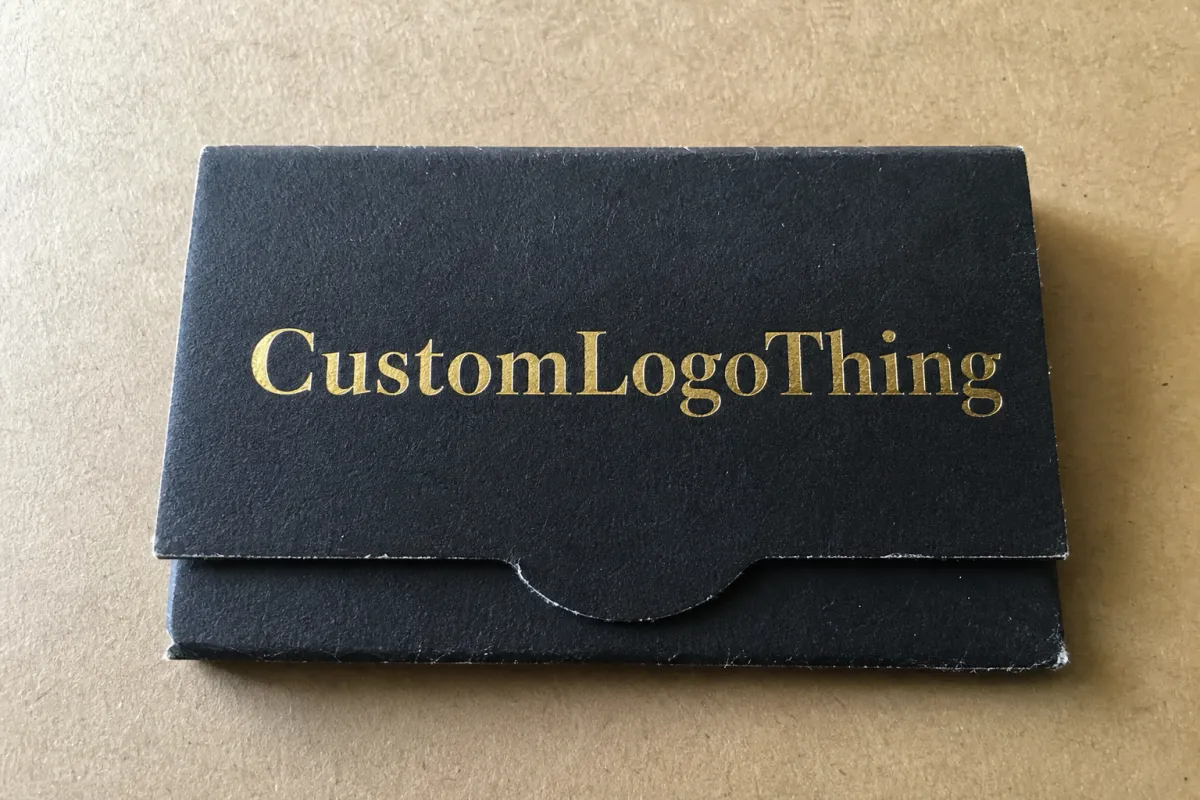
Custom Foil Stamped labels are decorative labels that use heat, pressure, or a related transfer method to bond a metallic layer to specific parts of the artwork. Instead of printing a silver or gold tone across the whole label, the process places foil only where the design asks for it. That selective placement is what gives the finish its sharp contrast and premium feel.
Plain version: the foil sits on top of the label surface like a reflective highlight. The label stock underneath can be matte, gloss, textured, soft-touch, paper-based, or synthetic. The foil appears only where the stamping die or plate makes contact, so the design feels precise and restrained instead of loud for no reason.
Most buyers use foil stamping for products where shelf impact matters. Beverage labels with a small metallic crest. Skincare labels with a clean border. Candle packaging with a subtle brand mark. Specialty food labels that need to feel giftable without turning into a circus. A foil accent can turn a modest label into a more polished piece of branded packaging.
The business case is simple. Foil can guide the shopper's eye, reinforce quality cues, and make a brand easier to remember on a crowded shelf. That matters in categories where a package has only a few seconds to earn attention. In some cases, a strong foil treatment does more for visual hierarchy than a larger label or extra ink coverage ever could.
It also helps to know what foil stamped labels are not:
- Metallic ink, which prints a reflective tone but does not have the same transfer-based edge clarity.
- Foil wash effects, which can suggest metal in print but usually lack the same depth and crispness.
- A durability guarantee, because label performance still depends on substrate, adhesive, and environmental exposure.
That last point causes plenty of trouble. A shiny label can still fail if the adhesive is wrong for refrigerated bottles, if the stock absorbs moisture, or if the container surface has oil or condensation. The finish may look premium, but the label system still has to survive actual use.
The right question is not "Do we want foil?" It is "Where does foil help, what material supports it, and what environment will the label face?" That sounds less glamorous. It also gets better results.
How Custom Foil Stamped Labels Are Made
The core mechanism is straightforward. A die or plate applies heat and pressure so the metallic layer transfers onto the label surface in the exact shape of the artwork. The foil film does not stay everywhere. It releases only where the press conditions are correct, which is why line quality and registration matter so much.
A typical production sequence starts with artwork setup. The printer checks the file, separates the foil layer from the print layer, verifies line weights, and confirms the die shape. Once the file is approved, a foil die or stamping plate is created. That tooling step matters because the die controls edge crispness, especially around small text or thin borders.
After tooling, the team selects the foil color and carrier type, then tests the label stock under press conditions. Some stocks accept foil cleanly and hold sharp corners. Others need more heat, more pressure, or a different foil formulation. Then comes the stamping run, followed by inspection, finishing, slitting or die-cutting, and final packaging.
Hot stamping and cold foil are related, but they are not the same thing. Hot stamping uses heat and pressure for transfer. Cold foil uses adhesive and UV curing, and it can fit certain long-run applications or artwork that needs to be built into an offset or flexographic print line. Metallic print stays entirely in the ink layer and is usually better when the budget is tight or the design only needs a subtle metallic tone.
Here is the practical difference: a manufacturer may recommend hot foil when the brand wants a crisp highlight on a short to medium run, and cold foil when the label format, press line, or coverage pattern fits that method better. Metallic print can win when speed and cost matter more than reflectivity. There is no universal winner. The best process depends on run size, artwork complexity, and the surface underneath.
Substrate choice has a bigger effect than many buyers expect. Coated papers often produce the sharpest foil detail because the surface is more even. Films like BOPP or polyester can be excellent for moisture resistance, but they may need different settings. Textured papers can look beautiful, yet the texture may interrupt foil transfer and soften edges. Surface and foil have to be designed together, not treated as separate afterthoughts.
Design details matter too. If the foil area includes very thin strokes, tiny serif text, or tight counters, the press can lose clarity. Negative space matters. Good foil design usually feels open enough for the die to transfer cleanly, especially on small labels where even a little misregistration is obvious.
For shipping durability or transit stress, some producers model testing on common distribution standards such as the procedures published by ISTA. For fiber-based packaging claims, FSC helps buyers understand responsible sourcing language. Those standards do not choose the foil for you, but they help shape the broader packaging specification conversation.
Design and Material Factors That Change the Result
Material choice can change the final look as much as the foil color itself. On matte stock, foil usually appears brighter because the contrast is stronger. On gloss stock, the finish may feel sleeker and more commercial. On textured stock, the foil can look softer or more artisanal, but only if the detail holds cleanly. Packaging should be reviewed on the actual substrate whenever possible. Screens lie. Samples do not.
Foil color is another place where teams stop too early. Gold and silver remain common because they are familiar and flexible, but copper, rose gold, black foil, blue foil, green foil, and holographic effects can change the brand story in useful ways. A cosmetic label may use rose gold to feel warmer and less formal. A craft beverage may use copper or black foil to signal depth and restraint. Holographic foil can work for limited-edition items, though it can overpower a quiet design very quickly.
There is also a huge difference between using foil to support a brand and using foil to cover up a weak layout. If the composition is crowded, the foil can make the problem louder. Strong brands usually apply foil as hierarchy: logo first, product name second, detail accents third. That ordering helps the eye move through the label without getting lost.
Artwork limits are real. Ultra-fine text may fill in. Small icons may break at the corners. Tight line spacing can blur the foiled area, especially if the substrate is textured or the press speed is high. A practical rule: do not ask foil to do work below the safe tolerance range recommended by the printer. For tiny type, many teams stay above 6 pt and test before approving production.
Adhesion and environment deserve even more attention than the visual details. A label that will live on chilled bottles, jars with food oils, bath products, or packages touched repeatedly by shoppers needs the right adhesive and face stock. Moisture, refrigeration, abrasion, and condensation can all create edge lift or scuffing. In those cases, the foil itself may stay intact while the label backing or adhesive fails around it.
Shape and size matter too. Complex die cuts often increase setup difficulty, waste, and press time. Very small labels are especially unforgiving because any misalignment becomes obvious. If the foil area sits close to the cut edge, tolerances shrink even more. That is one reason a simple shape often performs better than a highly decorative outline unless the run is large enough to absorb the extra setup.
A useful packaging buyer habit is to think in layers:
- Visual layer: How the foil reads at shelf distance.
- Material layer: Whether the stock supports the finish.
- Functional layer: Whether adhesive and durability match the use case.
That three-part view keeps the label from turning into a one-note design exercise. It also helps teams compare foil labels with other branded packaging, including custom printed boxes, secondary cartons, and insert cards. Sometimes foil belongs on the label. Sometimes it works better on the carton. Sometimes it belongs on both, but at different intensities.
Custom Foil Stamped Labels Cost, Pricing, and MOQ
Pricing for Custom Foil Stamped labels usually depends on five variables: foil coverage, number of print colors, stock choice, die complexity, and total run size. Those variables interact. A simple one-color label on a common paper stock may be manageable. A multi-layer label with heavy foil coverage, a specialty adhesive, and a complex die cut can jump into a much higher cost bracket quickly.
Setup costs matter more on small runs than many buyers expect. The die, proofing, prepress work, press calibration, and waste allowance are fixed or semi-fixed expenses. On a short order, those costs can take a surprisingly large slice of the total. On a larger run, the same setup gets spread over more labels and the unit cost drops.
MOQ exists for that reason. Minimum order quantities are not random. They reflect the fact that the press has to be set up, adjusted, inspected, and run with an acceptable waste allowance. If the order is too small, the manufacturer may not be able to keep the pricing practical. Common MOQ ranges vary widely, but many foil label programs start around 1,000 to 5,000 labels, depending on size, complexity, and finishing steps.
Here is a useful way to compare budget levels. The numbers below are illustrative, not universal, because coverage and material choices can move them up or down quickly.
| Run Size | Typical Unit Cost | Setup Consideration | Best Fit |
|---|---|---|---|
| 1,000-2,500 labels | $0.18-$0.45 each | Tooling and proofs can take a big share of the quote | Launches, trials, short seasonal runs |
| 5,000-10,000 labels | $0.06-$0.18 each | Setup cost is more diluted | Core SKUs, small retail programs |
| 25,000+ labels | $0.03-$0.08 each | Tooling is spread across a larger volume | Established product lines, repeat orders |
The cheapest quote is not always the best one. Buyers should ask what is included before comparing numbers side by side. Does the price include the die, proof, and freight? Are reruns billed differently? Is the quote based on exact quantity or a range with spoilage built in? Those questions can change the real landed cost more than the front-page number suggests.
A second cost issue is inventory risk. A lower unit price sounds attractive until it forces the brand to overbuy and store labels for months. If the package copy, regulatory text, or seasonal artwork may change, a huge print run can become expensive very quickly. A smaller, well-timed run can protect cash flow even if the per-unit quote is a little higher.
For a buyer balancing premium appearance against budget, the best question is usually: "Where does the foil actually improve the customer's perception?" If the answer is the logo and a single accent line, keep it there. If every inch gets foil, the label may cost more while becoming visually less disciplined.
One more practical comparison helps.
| Option | Visual Impact | Durability Potential | Typical Use Case |
|---|---|---|---|
| Hot foil stamping | Very high, crisp metallic effect | Strong with the right stock and adhesive | Premium labels, short to medium runs |
| Cold foil | High, especially for larger coverage | Good on compatible press lines | Integrated print-and-foil production |
| Metallic ink | Moderate, less reflective | Depends on topcoat and substrate | Budget-sensitive packaging design |
From a procurement standpoint, that table is the real comparison. A team may think it is buying "foil," but it is actually choosing between production methods, run economics, and shelf finish.
Custom Foil Stamped Labels Process, Timeline, and Production Steps
The process usually starts with discovery. The printer needs to know the container shape, substrate, application method, artwork size, foil area, quantity, and target use environment. A label for a chilled beverage bottle is not the same project as a label for a dry candle jar. The more exact the brief, the easier it is to avoid revision cycles later.
Next comes artwork prep. This is where the foil layer gets separated from the other print layers, dielines are cleaned up, and small elements are checked for production safety. Vector files are usually preferred because they keep edges crisp at scale. If the file contains tiny type, special scripts, or unusual effects, a prepress review becomes even more valuable.
Proofing follows. Depending on the setup, the supplier may provide a digital proof, a simulated proof, or a physical sample. A physical proof is especially useful if the label will face moisture, cold, or abrasion. A design that looks elegant on screen can change once it is applied to a curved bottle or exposed to condensation.
After proof approval, the die or plate is produced and the press is scheduled. Timing depends on the shop's current load, the availability of foil material, and whether the job needs custom shades or special finishing. Standard jobs can move fairly quickly once approved. More complex runs need more time because each extra variable gives the press another place to argue.
Typical lead time can look like this:
- Simple foil label: often 7-10 business days after proof approval.
- Custom die cut or specialty stock: often 10-15 business days.
- Custom foil shade, multiple revisions, or heavy finishing: often 12-18 business days or more.
Those are planning ranges, not promises. Material availability and press capacity can change quickly, especially during promotional seasons or end-of-quarter purchasing spikes. If timing matters, ask the printer which step is most likely to slow the job: file approval, tooling, material sourcing, or production scheduling.
Some projects can be rushed. Others cannot. A simple label with an existing die and standard foil may be accelerated. A job that needs a new foil color, a new die shape, and a revised file cannot be rushed in the same way without inviting mistakes. The fastest way to lose time is to approve artwork before the key production details are settled.
A straightforward production checklist helps. Before releasing a foil label order, confirm the following:
- Container shape, size, and surface finish.
- Exact label dimensions and die cut shape.
- Foil color, finish, and coverage area.
- Stock type and adhesive requirement.
- Application method, by hand or by machine.
- Expected exposure to moisture, refrigeration, oil, or abrasion.
- Final quantity plus a realistic spoilage allowance.
- Any compliance text, barcode, or legal copy that must remain unchanged.
That checklist does more than prevent errors. It also helps the buyer compare foil labels with other components in the full package system, whether that means custom printed boxes, neck tags, seals, or outer cartons. Packaging decisions are rarely isolated. The label has to work with the rest of the package, not against it.
For buyers who want a technical reference point, trade association guidance, vendor specification sheets, and packaging test reports are more useful than generic marketing claims. ISTA helps define transit expectations, while substrate and adhesive suppliers usually publish the tolerances that matter in real production. Those references do not make decisions for you, but they keep the conversation grounded in numbers instead of adjectives.
Common Mistakes That Waste Time and Budget
The most expensive mistake is approving artwork before checking foil-safe line weights and spacing. A label may look perfect in a PDF and still print poorly if the type is too small, the lines are too thin, or the foil area is too crowded. Rework after approval costs time, and time is usually the most expensive part of a packaging schedule.
Another common error is choosing a stock because it looks good in a sample book, not because it works in the real environment. A soft-touch paper may feel premium, but if the label will be refrigerated or handled with wet hands, the finish may be wrong for the job. A glossy film may be the smarter choice for moisture resistance, even if the first impression is less artisanal.
Last-minute content changes create another round of pain. If the legal copy changes, if a barcode moves, or if a product name gets revised, the die layout and proof may need to be updated. That can trigger new tooling or at least a fresh prepress cycle. Small changes are not always small in production terms.
Application method is often overlooked. Hand-applied labels and machine-applied labels have different tolerances. A hand-applied label can sometimes tolerate a little more flexibility. A label applied on an automated line needs tighter dimensional consistency, cleaner release characteristics, and a more predictable adhesive profile. If the application method is not communicated early, the supplier may build to the wrong assumptions.
Underestimating quantity is another expensive habit. Brands often place a smaller initial order to reduce risk, then discover that they need a second run quickly. The second run can cost more because it may require a split setup, new scheduling, or a fresh minimum. Planning a realistic quantity upfront often lowers the total program cost, even if it feels less cautious in the moment.
There is also a hidden waste category: overly decorative design. Too many foil zones can make the label look busy and may increase spoilage during production. A restrained foil layout often runs cleaner. It also tends to feel more premium because the shine appears intentional instead of scattered.
A useful rule for brand teams is this: if the foil does not help the customer identify the product faster, trust it, or remember the name, it is probably doing too much. Premium does not mean crowded. It usually means precise.
For performance testing, some packaging teams ask for peel and adhesion checks modeled on common ASTM methods such as ASTM D3330 for peel adhesion or ASTM D3654 for holding power, depending on the substrate and adhesive system. That does not replace real-world application trials, but it gives the buyer a better basis for comparison than a purely visual approval.
Expert Tips for Better Foil Labels and Next Steps
The best foil labels are not the flashiest ones. They are the ones that use shine as a hierarchy tool. A logo mark, a product seal, or a key scent name often deserves the reflective emphasis. A wall of foil usually does not. That distinction helps the label feel more deliberate and often more expensive than a design that tries to impress with coverage alone.
Ask for a physical proof or sample kit before approving a full run, especially if the label will face moisture, abrasion, or chilled storage. A sample can reveal small issues that screens hide: edge lift, dull transfer on textured stock, too much glare on a glossy surface, or weak contrast between the foil and the surrounding print. Those issues are much cheaper to solve before production.
Pair foil with other finishes carefully. A matte background can make foil pop. A soft-touch coating can create a quiet luxury feel. Embossing can add depth, but it can also add cost and complication. Clear varnish can protect the label, but it may also change the visual balance. The strongest labels usually have one clear idea and one or two supporting effects, not five competing ones.
Buyers should also think about the package as a system. If the label is premium but the carton is plain, the experience can feel uneven. If the label, carton, and insert all share the same visual logic, the brand feels more coherent. That is where foil labels, Custom Packaging Products, and custom printed boxes can support one another instead of fighting for attention.
Before moving forward, confirm these next steps:
- Lock the substrate and adhesive based on the real product environment.
- Finalize foil area, type size, and die lines in the artwork file.
- Request a quote with clear setup and rerun terms.
- Review lead time against launch dates, not just against the proof date.
- Check the application method and any machine tolerances before release.
That sequence keeps the project grounded. It also helps buyers compare custom foil stamped labels against other branding options with a clearer eye. Sometimes foil is the right move because it elevates a core SKU without pushing the whole package into a more expensive format. Sometimes the smarter choice is to use foil sparingly and put the rest of the budget into material quality or a better die cut.
Either way, the strongest programs start with the same discipline: clear specs, realistic timing, and a design that respects how labels actually run on press and behave in the market. Custom foil stamped labels can improve shelf presence quickly, but the best results come from planning the structure beneath the shine. If you are building a new label program, start with substrate, adhesive, and foil coverage first; then fit the artwork to those realities instead of hoping production will fix them later.
FAQ
What surfaces work best for custom foil stamped labels?
Coated paper and many synthetic label stocks usually give the sharpest foil detail because the surface is smoother and more predictable. Textured or soft-touch materials can still work well, but they need testing because the foil transfer may soften on rough finishes. If the label will be used on cold, wet, or oily packaging, the stock and adhesive should be chosen for that environment first, not for appearance alone.
Are custom foil stamped labels durable on bottles and jars?
They can be very durable if the foil, adhesive, and face stock are matched to the container and the actual use case. For refrigerated, handled, or condensation-prone products, durability depends more on substrate and adhesive than on the foil itself. A good supplier should be able to suggest testing or sample trials if the package will face abrasion, moisture, or repeated handling.
How much do custom foil stamped labels cost per order?
Pricing usually depends on run size, foil coverage, die complexity, stock choice, and finishing requirements. Smaller orders often carry a higher unit cost because setup and tooling are spread across fewer labels. A quote should clearly show whether dies, proofs, freight, and rerun charges are included so you can compare bids on equal terms.
How long does the custom foil stamped labels process usually take?
Lead time typically includes artwork approval, die production, press scheduling, and finishing. Simple jobs can move quickly, but custom foil colors, multiple revisions, or specialty stocks add time. If timing matters, ask the printer where delays are most likely before you approve the order, because that answer is often more useful than a generic turnaround promise.
What artwork files should I send for custom foil stamped labels?
Vector files are usually best because they keep foil shapes crisp at production scale. Separate foil layers, clear dielines, and outlined text help reduce prepress mistakes. If the design is complex, ask for file-check feedback before final approval so changes do not slow the run or force a new proof cycle.

