For many fitness brands, the package outlasts the product. A protein sample might be gone in a week, but the pouch gets tossed into a gym bag, reused for earbuds, snack portions, travel supplements, or resistance bands, and kept around for months. That is a big reason custom Frosted Zipper Bags for fitness brands have become so useful: they do the practical job, yet still look intentional long after the first unzip.
The real question is not whether frosted pouches look good. It is whether they hold up to sweaty hands, shipping friction, repeated handling, and mixed-use kits where presentation matters as much as protection. Buyers who understand the specs usually get better results and fewer surprises later.
Why frosted zipper bags are showing up in fitness kits
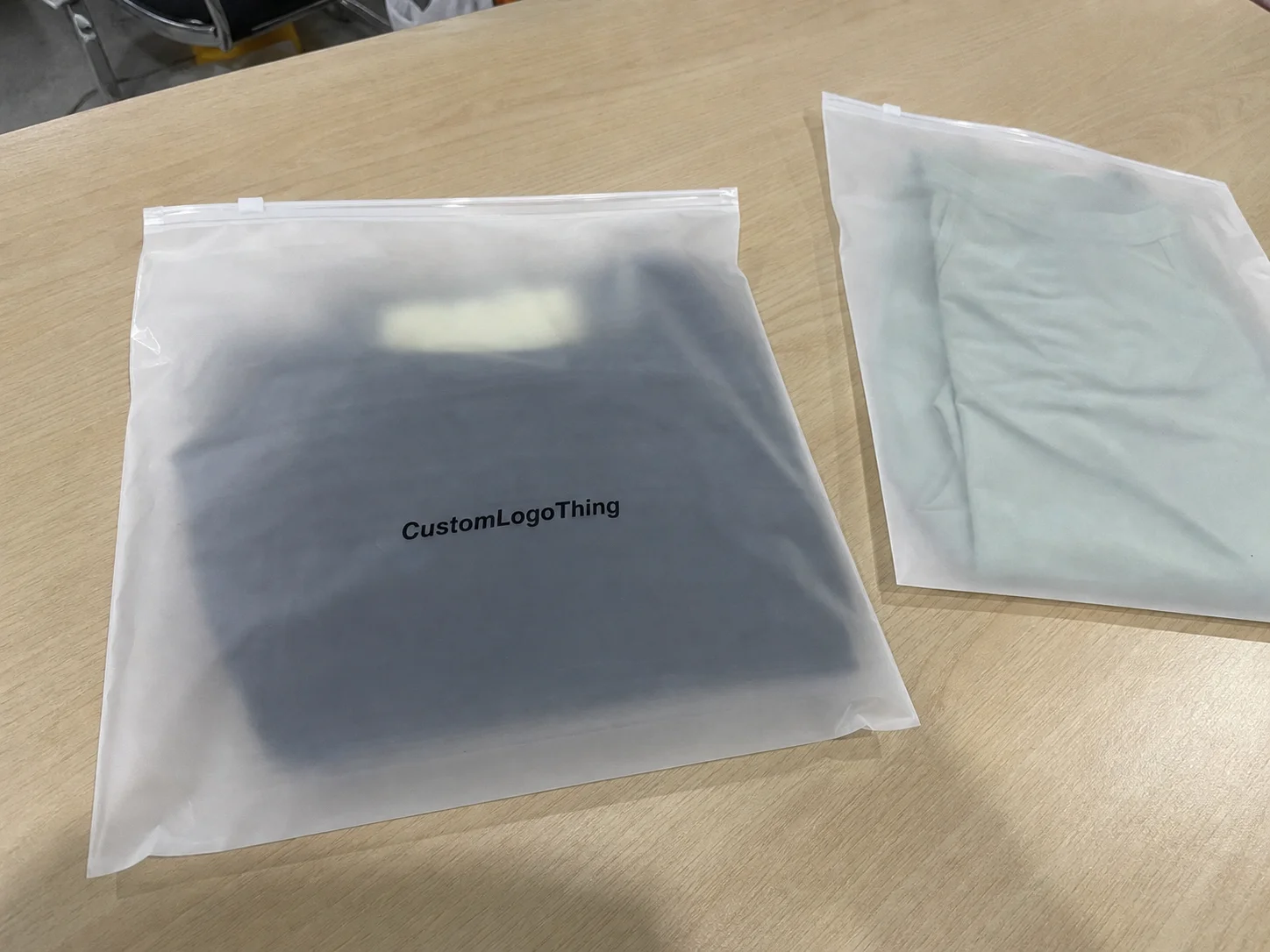
Fitness packaging has a difficult job. It needs to feel premium, but not precious. It has to protect product, yet stay light enough for shipping and event handouts. Frosted Zipper Bags fit that middle ground better than many rigid or fully opaque options.
In practical terms, a frosted zipper bag is a semi-transparent plastic pouch with a resealable closure. The frosted finish softens what is inside just enough to hide clutter, fingerprints, and minor scuffs. That matters in retail packaging, where a clear bag can make a kit look busy or cheaply assembled if the contents are unevenly folded. Frosted film quiets the visual noise without hiding everything.
Why do fitness brands keep using them? Because the use cases are straightforward. Protein sachets, mini shaker accessories, loop bands, straps, grooming items, and promo inserts all work well in a pouch that arrives tidy and can still be reused after unboxing. For samples and event giveaways, that reusability becomes a quiet brand advantage. The packaging keeps working after the product is gone.
There is also a perception effect. A frosted finish tends to make logos feel more elevated than plain clear poly bags. Not always luxurious, exactly, but cleaner and more deliberate. That matters for branded packaging in a category where many products still rely on basic stock mailers or generic pouches.
Here is the buyer problem in plain terms: the bag has to look sharp on a shelf, ship efficiently in bulk, and still survive moisture, handling, and repeat use. That is a lot to ask from one pouch, which is why the spec matters so much.
“The best fitness pouch is rarely the fanciest one. It is the one that balances shelf appeal, protection, and a unit cost the brand can repeat without hesitation.”
For buyers comparing pouches against Custom Packaging Products such as cartons, mailers, or rigid inserts, the frosted zipper bag often wins on speed and simplicity. It is less about replacing every other format and more about filling the gap between commodity poly and premium gift packaging.
How custom frosted zipper bags work in real use
The structure is simple: a plastic film body, a zipper seal, and, depending on the format, an optional hang hole, gusset, or hang tab. Common film thickness sits in the range of 2.5 mil to 6 mil, though some heavier-duty utility pouches go thicker. Thicker film usually improves puncture resistance and gives the bag a more substantial hand feel, but it also raises cost and can add a little shipping weight.
Frosted film changes visibility in a subtle way. You can still see outlines and colors, but details are softened. That works well for folded apparel, bands, and accessory sets because it hints at the contents without exposing every crease or component. For supplements or sample packs, it helps keep the presentation cleaner, especially when inner items have busy labels or mixed colors.
Print method matters more than many buyers expect. Simple one-color printing on frosted film can look crisp and deliberate. Multi-color graphics can work too, but fine gradients and tiny text may lose clarity depending on the ink system and the bag surface. If a logo relies on sharp edges or very thin lines, ask for a proof that shows how it reads on translucent film, not just on a screen.
Barrier performance is another point buyers often misunderstand. A frosted zipper bag is usually first a presentation and organization pouch, second a protection layer. Some versions offer moderate moisture resistance and dust protection; others are mostly about appearance and handling. If the contents are sensitive to humidity, powder contamination, or repeated opening and closing, the spec should include a better seal profile or an upgraded film structure.
Think about real fitness scenarios. A shaker bottle insert may only need to stay tidy in transit. A resistance band set needs abrasion resistance. A sample pack for a new supplement needs enough barrier to stay clean in distribution. A merch kit with straps, wipes, and a tee needs a pouch that opens and reseals cleanly without feeling flimsy. Same pouch family, different requirements.
For brands that also use custom printed boxes or outer cartons, Frosted Zipper Bags can work as the inner layer that adds perceived order. The box makes the statement; the pouch keeps the contents organized. That pairing is common in subscription kits and event bundles because it reduces damage while keeping the unboxing tidy.
Key specs that change performance, shelf appeal, and unit cost
Buyers often focus on print first. In practice, size and thickness are more likely to make or break the project. If the pouch is too thin, it feels disposable in the wrong way. Too thick, and the bag can become expensive without adding much function. A lot depends on whether the bag is being used once for delivery or repeatedly by the end user.
For fitness use, the size decision usually falls into three buckets:
- Small pouches for sachets, bands, earbuds, or pill-sized accessory packs
- Medium pouches for straps, wipes, nutrition samples, and merch inserts
- Larger bags for folded tees, leggings, towel kits, or bundle sets
That sounds basic, but the wrong size creates hidden waste. Too much empty space inside the pouch makes the kit look underfilled. Too little room can stress the zipper and create wrinkling that makes the packaging look rushed. Good packaging design is fit-first, not dimension-first.
Closure style matters too. A standard press-to-close zipper is enough for many applications, but some brands prefer a sturdier zipper profile because it signals repeat use. If you are shipping influencer kits or premium merch, that tactile impression can shape how the package is perceived before anyone opens it.
| Spec choice | Typical use | Effect on performance | Relative cost impact |
|---|---|---|---|
| 2.5–3 mil film | Light samples, giveaway items | Lighter feel, less puncture resistance | Lower |
| 4–5 mil film | Accessory kits, retail pouches | Better durability and presentation | Moderate |
| 6 mil+ film | Heavier merch, repeated consumer use | Strong hand feel, better protection | Higher |
| Single-color logo print | Minimal branding | Best readability on frosted surface | Lower |
| Full-coverage multi-color print | Retail or campaign packaging | Higher brand impact, more setup complexity | Higher |
Opacity also affects the final result. A bag that is too transparent loses the frosted effect. A bag that is too opaque can hide the contents too much, which weakens the utility for sample kits or retail presentation. The best balance depends on the product mix and whether the bag is meant to be a display item or a shipping utility item.
MOQ affects all of this. Smaller orders often force fewer configuration choices, while larger runs give more room to optimize size, finish, and print coverage. Storage and packing efficiency matter too. Bags that nest flat ship economically, but bulkier gusseted versions take more carton space. That changes freight and warehouse handling.
If you need packaging that fits a larger kit strategy, it helps to review actual brand examples in Case Studies. Not because every project is identical, but because the best packaging decisions are usually visible in the details: fit, fill ratio, print restraint, and closure behavior.
Cost, pricing, and MOQ: what fitness brands should expect
For Custom Frosted Zipper Bags for fitness brands, pricing is driven by a familiar cluster of variables: size, film thickness, zipper style, print coverage, color count, and order volume. The final number can swing more than buyers expect, especially when they compare a simple one-color pouch against a fully printed promotional kit bag.
As a rough market framework, low-volume test runs may land around $0.35 to $0.90 per unit depending on size and print complexity. Larger replenishment orders can drop well below that, sometimes into the $0.18 to $0.30 range for simpler builds at scale. Those are not universal figures. They depend on specs, freight, and supplier structure. Still, they are useful enough to sanity-check a quote.
MOQ works in two directions. A lower MOQ helps a new product launch or a seasonal campaign, but the per-unit price is usually higher. A higher MOQ lowers the unit cost, yet it ties up cash and storage space. That tradeoff gets missed often. Brands like the lower unit price until they calculate how long it will take to use the inventory.
Hidden costs are where budgets drift. The usual suspects are:
- Setup or plate fees for print
- Sampling charges before full production
- Freight, especially for larger or heavier pouches
- Rush charges when launch timing slips
- Artwork revision costs if files are not production-ready
One practical way to compare quotes is to ask vendors to price the same bag in three scenarios: a test run, a mid-size order, and a replenishment volume. That gives you an apples-to-apples view of how scale changes the economics. Without that, a low quote may hide a high setup fee, or a slightly higher quote may actually be cheaper once freight and prep are included.
If the pouch is part of a broader package branding system, request the quote alongside any inserts, labels, or outer cartons. A bag that looks cheap in isolation may be the right choice once it sits inside a more polished kit structure. Packaging is rarely a single-item decision.
For sustainability-minded brands, ask whether the supplier offers material or process details that align with recognized standards. If recycled content or responsible sourcing is part of your story, you can review references from groups such as the Forest Stewardship Council for paper-based components, and packaging-industry guidance from PMMI packaging resources for broader learning. Not every pouch project touches these standards directly, but good buyers know where the supply chain questions begin.
Process and turnaround: from artwork to delivery
The process should feel structured. It usually starts with the spec: dimensions, film thickness, closure style, and print coverage. Then comes dieline confirmation, artwork prep, proofing, sample approval, production, and shipping. Any one of those steps can slow the job if the details are vague.
The most common delays are predictable. Unclear sizing is a big one. So is low-resolution artwork that looks fine on a laptop but falls apart when enlarged. Delayed approvals can stall a production slot. Material substitutions can also create trouble, especially if a supplier switches film or zipper stock because of availability.
Lead time depends on whether the bag is a stock-style customization or a fully custom build. Stock-style options with print often move faster than completely bespoke pouch structures. A reasonable planning window for many projects is often 12 to 15 business days from proof approval for production, plus transit time. More complex runs can take longer, especially if sampling is required first.
For campaign-driven fitness kits, add a buffer. Influencer drops, expo giveaways, and subscription box inserts rarely tolerate delays well. If the pouch is tied to a launch date, build in time for one revision cycle and one physical sample review. It is cheaper to catch a color mismatch before production than after 10,000 units are printed.
A simple pre-flight checklist helps:
- Confirm final dimensions and fill method
- Check zipper type and seal strength
- Review logo placement and safe margins
- Approve the color target against the frosted film
- Verify any compliance text, batch codes, or ingredient panels
- Ask for a physical sample if the bag is customer-facing
That last item matters more than brands like to admit. A digital proof tells you layout. A physical sample tells you translucency, zipper feel, and how the bag sits in the hand. In packaging design, those are not small details.
Common mistakes brands make with frosted pouch orders
The first mistake is over-designing the pouch. Frosted film already brings a soft, premium look. If you cover it edge to edge with text, patterns, and busy graphics, you can erase the very effect that made the format attractive. Simple, high-contrast branding usually performs better.
The second mistake is choosing the wrong size. Folded apparel needs different dimensions than slim accessory kits. A supplement sample that sits beautifully in a medium pouch may look lost in a large one. A multi-item kit that seems fine in a sample may suddenly strain the zipper when mass-packed. Scale reveals the problems samples hide.
Third, buyers sometimes approve a zipper style based on appearance alone. That is risky. A closure can feel adequate in one opening but fail to inspire confidence after repeated use. For fitness brands, repeated use is part of the value proposition. If the pouch is meant to stay in circulation in gym bags or lockers, the seal needs to feel reliable.
There is also a compliance issue that gets overlooked. If the pouch touches food-adjacent products, supplement materials, or regulated items, labeling and material claims need to be checked carefully. The rules vary by category and market. A nice-looking pouch does not automatically fit every use case.
And then there is the sample problem. Skipping samples saves time at the front end, but it often causes mismatched opacity, color shift, or weak closure performance. For retail packaging, that is a painful way to save a few days. For a launch tied to a trade show or athlete seeding campaign, it can become expensive fast.
In plain English: the pouch should be spec’d, not guessed.
Expert tips for stronger branding and better ordering decisions
If you want custom frosted zipper bags for fitness brands to work harder, use the frosted surface intentionally. High-contrast logos usually read best. Thin typography can work, but keep the text simple and give it room. A clean logo on a frosted background often looks more premium than a crowded composition with too many claims.
Match the pouch to the channel. A retail shelf bag should prioritize visual clarity and tidy presentation. A gym event giveaway should prioritize durability and easy reuse. A subscription box insert should be sized for the carton, not the product alone. Direct mail kits need packaging that keeps components in place without adding unnecessary weight. Same family of pouch, different job.
Ask for a physical sample whenever touch, translucency, or zipper feel is part of the brand promise. This is especially true for premium wellness products. Buyers often focus on artwork and forget that the closure sound, film texture, and opening force all shape the customer’s impression.
Try to think beyond the bag as a stand-alone object. Good packaging planning means the pouch works with labels, inserts, and any outer carton or mailer. If the whole kit is being built around a fitness launch, the best result usually comes from aligning the pouch with the broader product packaging system rather than treating it as an afterthought.
One more point that gets ignored: negotiate around total landed cost, not just unit price. Freight, packaging waste, sampling, and storage all affect the real number. A slightly pricier pouch that nests better and ships more efficiently can outperform a cheaper one that creates higher handling cost later.
Experienced buyers usually ask a better question than “What is the cheapest bag?” They ask, “What is the right bag for this channel, this margin, and this brand story?” That question saves money and protects the brand at the same time.
custom frosted zipper bags for fitness brands are worth serious consideration when you need a pouch that feels clean, protects the contents, and supports repeat use without making the project overly complex. Spec them carefully, price them with freight and setup in mind, and test the sample before scaling. That is usually the difference between packaging that simply holds product and packaging that strengthens the brand.
What products work best in custom frosted zipper bags for fitness brands?
They work well for lightweight accessories, folded apparel pieces, sample sachets, recovery items, and branded giveaway kits. They are less ideal for sharp, heavy, or moisture-sensitive items unless the film and seal specification is upgraded.
Are custom frosted zipper bags better than clear bags for gym retail packaging?
Usually, yes, if branding and presentation matter more than full product visibility. Frosted bags tend to look more premium and hide scuffs better. Clear bags are better when the product itself needs to stay fully visible on shelf.
How do I estimate the right MOQ for a new fitness product launch?
Start with expected sell-through or giveaway volume, then add a buffer for damage and reorders. Ask suppliers how MOQ changes unit cost so you can compare a test run against a larger production order without guessing.
What should I check before approving artwork for frosted zipper bags?
Confirm the bag size, print boundaries, logo contrast, and any required compliance text. Review a proof or sample to check readability on frosted film, because colors and fine detail often look different in production than they do on screen.
How long does production usually take for custom frosted zipper bags?
Timing depends on proof approval, order size, material availability, and print complexity. Build in extra time for sampling and revisions if the bags are tied to a launch, event, or seasonal promotion.


