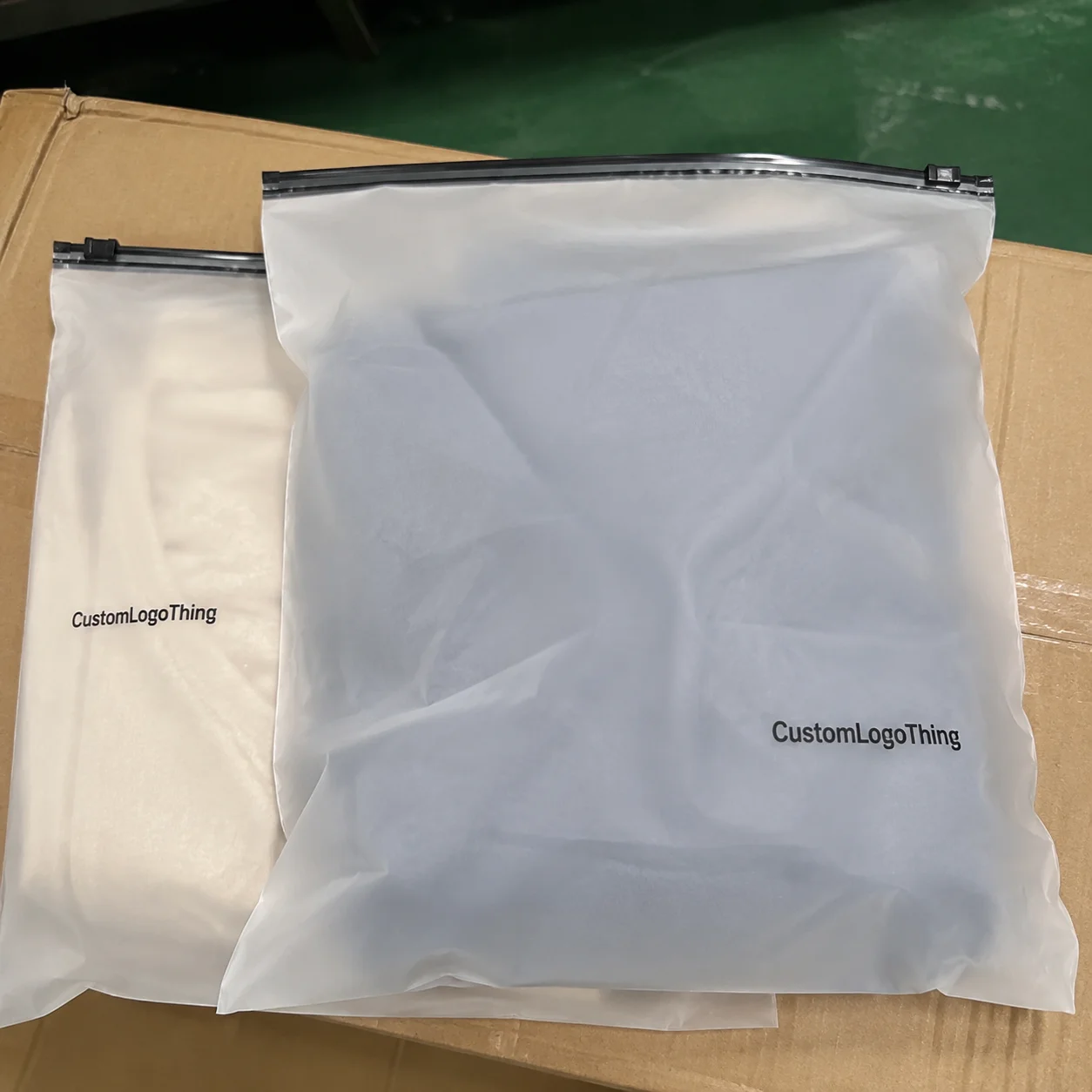
Custom grocery Bags With Logo do more than carry a customer’s purchase to the car. They protect the order, keep your store visible after checkout, and quietly shape how people remember the whole buying experience. In grocery, that matters. The bag is functional packaging, but it is also a moving brand asset.
The right bag is not the one that looks best in a mockup. It is the one that holds weight safely, dispenses cleanly at the register, stacks well in back stock, and prints in a way that still looks deliberate after a cashier has handled a hundred of them in a shift. That balance is where the real buying decision starts.
Why branded grocery bags do more than carry groceries
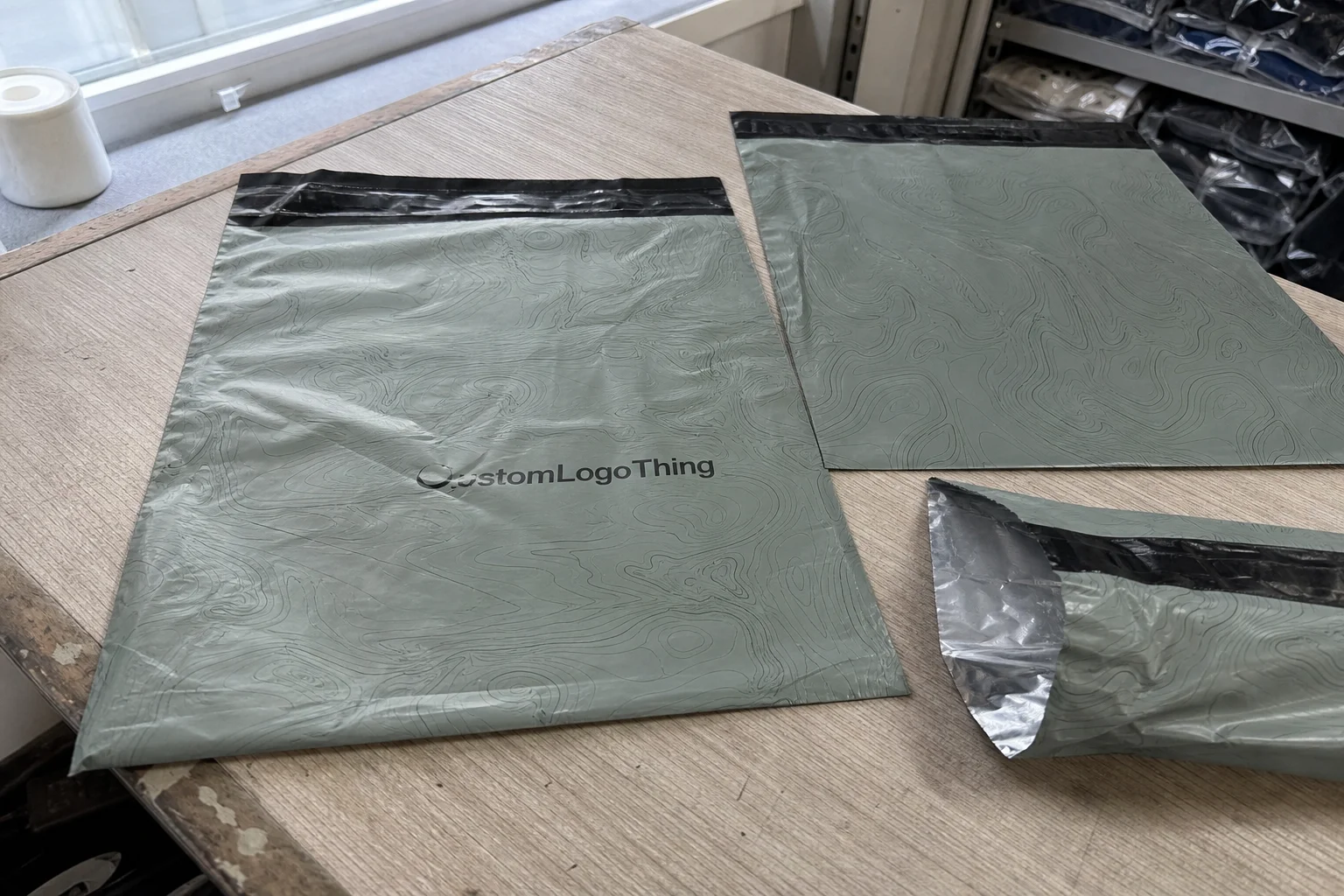
The grocery bag is often the last physical touchpoint before a shopper leaves the store. That gives it a bigger branding role than people expect. A receipt gets tossed. A shelf talker disappears into the aisle. A bag goes home, rides in a car, lands on a kitchen counter, and sometimes gets reused.
That repeated exposure builds familiarity. Not in a flashy, marketing-brochure way. Just in a practical, everyday way that works because shoppers actually see the bag. A clean logo on a bag can reinforce store identity far better than a wall sign that customers walk past without looking.
Custom grocery Bags with Logo can also support promotions, loyalty programs, seasonal campaigns, or a more polished checkout presentation. Small detail, big effect. A store that gets the bag spec right usually feels more organized, even if shoppers never say it out loud.
There is also a straight-up operational side to branding. A bag that is easy to identify at a glance helps staff move faster. That matters in a busy lane. If a store uses multiple checkout formats or different bag sizes for different departments, a consistent logo system makes the whole operation easier to manage.
In grocery packaging, the most common carryout materials are still HDPE and LDPE:
- HDPE bags are thin, crisp, and economical. They are common for high-volume, lightweight carryout.
- LDPE bags are softer, more flexible, and often chosen when a smoother hand or heavier-duty feel is preferred.
Neither one is universally better. The choice depends on what your customers actually carry, how much you need to spend, and the impression you want at checkout. Fancy does not automatically mean useful. Grocery packaging tends to punish bad assumptions quickly.
How custom grocery bags with logo are produced
The production path is fairly standard, but the details matter. Resin is selected first, then extruded into film. The film is converted into bags, sealed, printed, cut, stacked, and packed. If the bag looks simple, that usually means the process is working properly. It does not mean it was easy.
Bag style changes the setup. A die-cut handle bag needs different tooling than a loop-handle carryout. Gusseted bags need enough structure to open correctly without pulling the artwork into a distorted shape. A logo that sits too close to a fold can look fine on a flat proof and awkward once the bag is filled. That is a production issue, not a design miracle gone bad.
Most large grocery runs use flexographic printing. Flexible plates transfer ink onto the film in repeat runs, which suits high-volume jobs and consistent artwork. Flexo is efficient, but it rewards clean files. Thin lines, tiny text, low-contrast gradients, and overly detailed graphics are the first things to cause trouble.
Production quality usually comes down to a few check points:
- Film thickness affects strength, stiffness, and price.
- Handle construction affects comfort and how well the bag carries weight.
- Seal placement can change durability and artwork layout.
- Print area limits determine how much space the logo really has.
One other thing buyers sometimes miss: the bag print spec should match the way the store operates. A beautiful bag that stacks badly at the register creates friction. A bag that prints perfectly but rips in the parking lot is just expensive waste. The goal is not a pretty sample. The goal is a bag that works under real retail conditions.
“A bag that prints beautifully but tears at the register is still a bad bag. The best spec is the one that matches how the store actually works.”
Key material, size, and print choices that shape performance
Material choice starts with what is being carried. Light purchases, such as boxed snacks and dry goods, can usually use a lighter HDPE bag. If the load includes bottles, produce, dairy, or mixed weekly groceries, you need more structure. That is where LDPE or a heavier-gauge construction becomes more sensible.
Gauge, or thickness, matters more than people think. Thin bags in the 8 to 12 micron range may work for very light loads. Heavier grocery use often moves into the 18 to 25 micron range or higher, depending on the bag structure and local requirements. There is no universal number that fixes everything. Bag style, resin blend, and load type all change the result.
Size matters just as much. A small convenience bag and a large grocery gusset bag are built for different jobs. If the base is too narrow, the bag tips. If the gusset is too shallow, the load balloons out and stresses the seams. If the handle area is underbuilt, the first heavy item exposes the weakness immediately. Good bag specs prevent those problems before the first carton ships.
Print decisions affect both appearance and cost. A one-color logo with strong contrast often reads better than a busy multi-color layout, especially on a bag that moves quickly through a checkout lane. More colors usually mean more setup, more ink handling, and more room for registration issues. That does not mean multi-color is a bad idea. It just means the bag should earn it.
| Typical choice | Best for | Visual feel | Cost impact |
|---|---|---|---|
| HDPE, one-color print | Light grocery carryout, high volume | Crisp, functional, economical | Usually the lowest unit cost |
| LDPE, one- or two-color print | Softer hand, moderate loads | Smoother, slightly more premium | Moderate increase depending on gauge |
| Thicker gusseted bag, multi-color print | Heavier retail loads, stronger branding | More substantial, more visible | Higher due to material and setup |
That table is not a rulebook. It is a practical shorthand. In real sourcing, the right choice comes down to how the bag behaves on the floor, not how it looks in a catalog photo.
Buyers also need to think about handle type and storage format. T-shirt style bags dispense differently from loop-handle options. Carton-packed bags store differently from bundled bags. If the team that receives the order cannot stage it efficiently, the spec is wrong even if the print looks excellent.
Custom grocery bags with logo: pricing, MOQ, and quote factors
Pricing for Custom Grocery Bags with logo usually comes down to five variables: size, thickness, print colors, print sides, and order quantity. Move all five upward and the price rises fast. A larger, thicker, multi-color bag in a small run will always cost more per unit than a simple one-color design ordered in volume. That is basic manufacturing math, not vendor theater.
MOQ exists because setup has real cost. Plates, inks, machine changeover, proofing, and line prep take time whether the order is 1,000 bags or 50,000. Very small runs can look expensive on a per-unit basis because the setup cost is spread over too few bags. A buyer who only looks at the unit price misses how the line is actually being paid for.
A practical budget range helps. For simple, high-volume grocery bags, unit pricing may sit in a low range once quantities get large. Thicker film, special sizing, extra colors, and custom print placement push the number up. The spread can be wide, so it is smarter to compare the whole spec instead of asking for a price on a vague “standard bag.” Standard for whom?
Quote factors that often change the total without sounding dramatic:
- Rush scheduling when the order needs to jump ahead of the normal queue.
- Artwork cleanup if the supplied file is not print-ready.
- Compliance requirements tied to thickness, recycled content, or local bag rules.
- Packing preferences such as bundling, carton counts, or pallet specifications.
It also helps to compare this purchase the same way you would other retail packaging. The cheapest bag on paper can cost more in actual use if it tears, jams, or slows checkout. A low unit price is only useful if the bag survives the work it was bought for.
If the store uses other branded items, keep the bag spec in the same conversation as Custom Packaging Products and custom printed boxes. Consistent branding across packaging touchpoints usually looks more intentional than a stack of unrelated materials that happen to share a logo.
Process and timeline: from artwork approval to delivery
The order process usually starts with a quote request, then moves to artwork submission, proof review, production, and shipping. Simple enough. The delays usually show up when information is incomplete or the artwork keeps changing after the proof has already been reviewed.
Artwork is the most common bottleneck. Low-resolution logos, unclear color references, and last-minute edits all slow things down. A vector file is the cleanest starting point because it scales without soft edges. Raster artwork can work too, but only if the resolution is high enough for print. If the file looks fuzzy on screen, it will not get better in production.
Timeline depends on order size, print complexity, proof approval speed, and factory scheduling. Straightforward runs with final artwork and standard specs can often move in roughly 12 to 20 business days after proof approval. Add more colors, special construction, or seasonal backlog and the window stretches. That is normal. Production does not care that a grand opening is on Friday.
The jobs that need the most lead time are usually:
- holiday retail spikes
- grand openings
- promotion launches
- store reset dates
- multi-location rollouts
Before approval, check more than logo placement. Look at handle position, seam lines, gusset folds, and where the artwork will sit once the bag is expanded. A clean proof should tell you how the bag behaves, not just how it looks flat. Flat proofs can be polite liars.
For sustainability-related questions, the useful sources are the materials and the compliance context. Industry organizations such as the EPA and FSC are useful starting points when you need to understand environmental claims, sourcing language, or packaging standards. The right reference depends on whether you are reviewing plastic carryout, recycled content, or paper-based alternatives.
Common mistakes when ordering branded carryout bags
The biggest mistake is buying for the mockup instead of the checkout lane. A bag can look polished on screen and still fail in actual use. If customers regularly leave with milk, canned goods, produce, and other awkward items, the bag needs the thickness and gusset depth to support that mix. Light-duty specs are fine until they are not.
Artwork problems show up fast. Tiny text disappears once the bag is moving. Low contrast makes the logo hard to read. Placing critical branding too close to seams or folds can cut the design in half when the bag is formed. That is not a print flaw. It is a layout issue.
Operational details get ignored more often than they should. If cashiers need to pull bags quickly, the dispensing format matters. If back-room storage is tight, carton size matters. If multiple lanes use the same supply, stack consistency matters. Good package branding should fit the workflow instead of slowing it down.
Another common mistake is ordering too little because the first purchase feels safer. Small repeat orders often cost more over time and create inventory inconsistency across stores. Once one location has a different bag spec from another, the brand presentation starts to drift. That may not sound dramatic, but retail is full of little mismatches that add up.
There is also the avoidable mistake of overdesigning. A bag does not need to carry every brand message at once. Too many colors, too much copy, and too much decoration usually make the logo less readable. Grocery bags are seen quickly and at a distance. Simpler often works better.
The right bag spec should reduce friction at checkout, not create it.
Expert tips for a cleaner print and better customer experience
Keep the logo bold and simple. Grocery bags fold, crease, and catch light differently depending on how they are packed and handled. Fine lines and tiny details may look elegant on a computer screen, then vanish once the bag gets filled and carried out the door.
Contrast matters. Dark ink on a light bag usually prints clearly. Light ink on a darker film can work too, but only if the artwork is designed for it. Busy backgrounds, faint gradients, and thin reversed-out text are the kinds of choices that look clever in a presentation and underperform in real life.
Ask for a proof review that checks the parts people usually skip: handle area, seal zone, gusset fold lines, and any place where the artwork may distort. A proper proof review should show the bag in its actual construction, not just as a pretty rectangle.
From a packaging-floor perspective, the best grocery bag is the one that balances strength with flexibility. Too stiff, and the bag feels awkward in hand. Too soft, and it can feel flimsy or collapse under load. The sweet spot is a bag that cashiers can dispense quickly and customers can carry without thinking about it.
Material consistency matters too. If one production run feels much thinner than the previous one, people notice. They may not know why, but they notice. That is why buyers should keep a record of approved thickness, handle style, print setup, and carton packing. Good sourcing is partly design and partly memory.
If the store is trying to keep its branding packaging consistent across departments, align grocery bag art with shelf tags, signage, and other product packaging elements. The goal is not to make every item identical. The goal is to make them feel like they belong to the same operation.
For transit or distribution checks, testing references such as ISTA can be useful when evaluating handling, load movement, and packaging durability, especially if bags are shipped with other store materials or bundled for multiple locations.
Next steps for choosing the right grocery bag spec
Before you Request a Quote, gather the details that actually affect the order: bag dimensions, expected load, material preference, artwork file, print colors, quantity, and delivery timing. If you know how the bag is used, include that too. A grocery bag for light convenience items is not the same as one meant for a full weekly shop.
Compare at least two options, usually HDPE and LDPE, so the feel and performance differences are easier to judge side by side. If budget allows, compare a simple one-color layout against a more complex version. Seeing the cost jump next to the design change usually clarifies what is worth paying for and what is not.
Confirm the proof process, production window, packing format, and delivery location before approving the order. That sounds basic because it is basic. Skipping it creates avoidable delays, and there are already enough moving parts in a packaging order.
A useful final check is to look at your current checkout bag performance and treat it like a baseline. What tears too easily? What feels too thin? What slows the cashiers down? What design gets read instantly? Those answers usually point to the next order. If you want custom grocery bags with logo that support the store instead of fighting it, start with the real use case and build from there.
What is the best bag type for custom grocery bags with logo?
HDPE is often used for lightweight, economical grocery carryout. LDPE can be a better fit when a softer hand, more flexibility, or a slightly heavier-duty feel is needed. The right choice depends on the store’s typical load.
How much do custom grocery bags with logo usually cost?
Pricing depends on size, thickness, print colors, print sides, and quantity. Higher volumes usually lower the unit cost because setup is spread across more bags. A simple one-color bag is usually less expensive than a multi-color version with more material and setup requirements.
What information do I need for a quote on custom grocery bags with logo?
Have your bag size, material preference, quantity, artwork file, and delivery timeline ready. It also helps to know whether you need handles, gussets, thicker film, or special packing, since those details can change the quote.
How long is the production timeline for printed grocery bags?
Timeline varies by order size, print complexity, proof approval speed, and factory scheduling. Simple orders can often move in roughly 12 to 20 business days after proof approval, while more complex jobs usually need more time.
Can I print a full-color logo on grocery bags?
Full-color printing may be possible, but it usually increases setup and cost. Bold, simple artwork often prints more clearly and performs better in real checkout use, especially on a moving bag seen from a few feet away.