Custom Kraft Paper bags for subscription Brands That Ship Well and Look Intentional
Custom kraft paper Bags for Subscription brands do more than carry a product from point A to point B. They can speed up pack-out, reduce excess filler, and make the first physical touch feel deliberate instead of generic. That matters because the bag is often the first item a subscriber sees, and packaging tends to reveal effort faster than the product copy ever could.
Kraft sits in an interesting middle ground. It is lighter than rigid packaging, easier to store than bulky corrugated cartons, and more brandable than a plain poly mailer. It also has a kind of built-in honesty: kraft shows dents, scuffs, ink weakness, and bad sizing immediately. Used well, that transparency works in your favor. Used badly, it turns into an expensive reminder that paper is not forgiving.
What Are Custom Kraft Paper Bags for Subscription Brands?
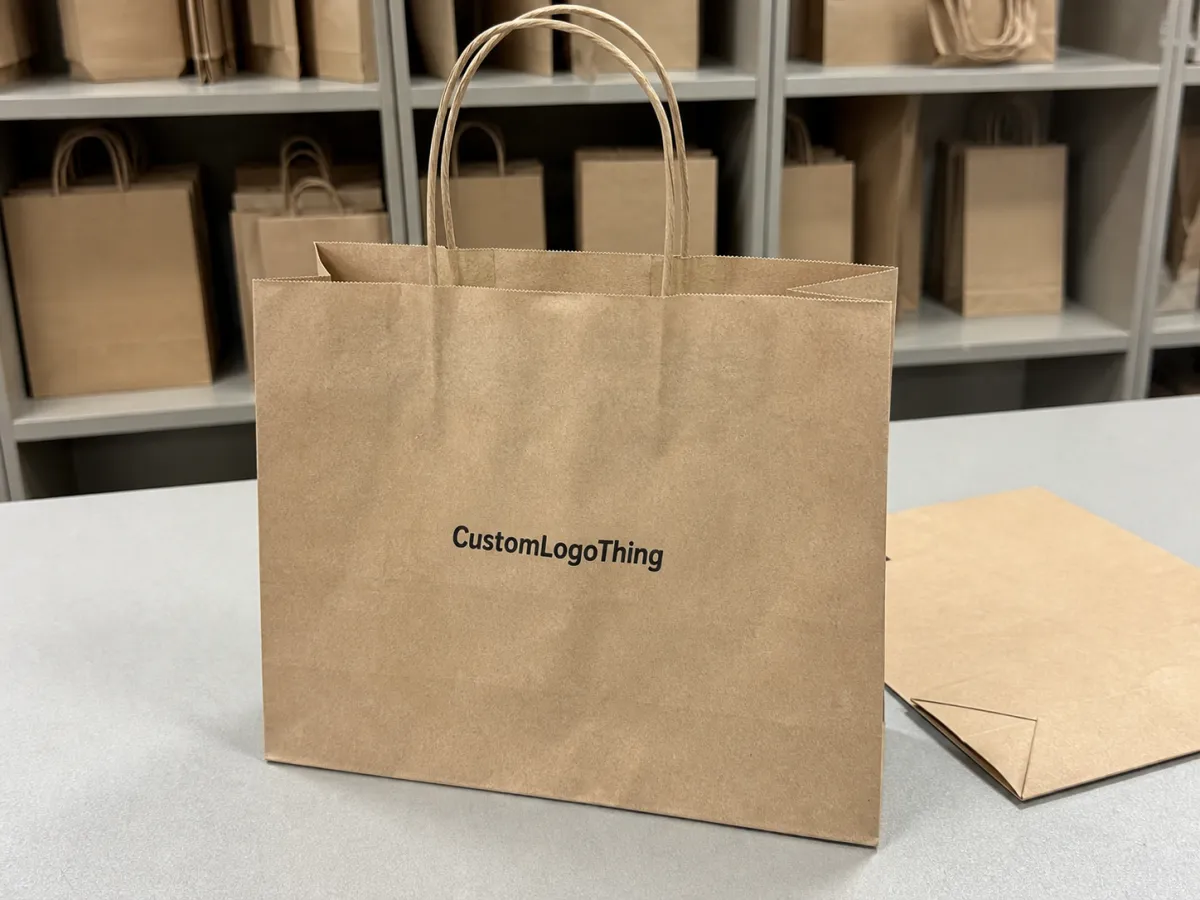
At the simplest level, these are paper-based carriers or pouches printed with a logo, campaign artwork, or a recurring brand system. In practice, they show up as flat kraft bags, gusseted pouches, handled shopping bags, or inserts that live inside a larger shipper. The right format depends on what is inside: apparel, sample bundles, refill packs, or a mixed monthly kit with a few loose pieces that need to stay organized.
Brands choose them for practical reasons first and aesthetic reasons second. They can raise perceived value without jumping straight into expensive retail boxes. They also make the packing table less chaotic, especially for teams shipping large volumes of similar orders. Kraft communicates everyday usefulness, which is not the same thing as cheap. A good bag looks considered. A bad one looks like a compromise.
The product, though, sets the rules. Kraft is a solid choice for dry goods, folded apparel, lightweight kits, and products with clean edges. It is not the right answer for wet items, heavy glass, sharp corners, or anything that needs serious crush protection. If the contents are structurally demanding, a reinforced mailer or corrugated carton is usually the smarter move. The material should serve the load, not fight it.
That is why the real question is not whether kraft looks premium. The more useful question is whether the format improves pack-out, protects the contents, and matches the way the subscriber opens the shipment. That is the difference between packaging that earns its keep and packaging that just takes up shelf space.
A bag that tears at the seam is not premium. It is a reprint.
How the Bag Format Works in a Subscription Fulfillment Line
Subscription packing is repetitive by nature. A bag has to move through a line without slowing people down or forcing awkward workarounds. The usual sequence is fill, close, stack, label, and ship. If the bag opens cleanly, stands reasonably well, and does not collapse in the packer's hands, the team saves seconds on every order. Across several thousand shipments, seconds turn into labor cost.
Sizing is where many programs drift off course. Measure the finished packed product, not just the item itself. Then add room for tissue, inserts, a note card, and any sample that ships alongside the main item. A pouch that fits the product perfectly on paper may be too tight once the filler and inserts go in. Too much extra space is also a problem: the bag can look underfilled, wrinkle at the seams, and travel badly.
For monthly kits, a gusseted bag often performs better than a flat one because it creates volume without wasting material on dead air. For apparel, handled bags usually feel more retail-ready and more reusable. For smaller refill packs, a flat carrier or adhesive-close bag may be enough. The main question is whether the bag is the primary shipper or a presentation layer inside another package.
Closure choice changes both the look and the labor burden. Folded tops, adhesive strips, rope handles, reinforced bottoms, and side gussets all carry different costs and different risks. A glued top is faster than tying a ribbon. A reinforced base costs more, but it lowers the chance of split seams when the load is heavier than expected. These are not decorative details; they are throughput decisions.
If you are comparing formats, it helps to see how they behave in actual fulfillment, not just in mockups. The useful examples are the ones that show pack-out reality, not just a finished photo under flattering light. That is where packaging either proves itself or quietly fails.
Here is a simple comparison of common bag setups for subscription programs:
| Bag Type | Best For | Typical Unit Price | Pros | Tradeoff |
|---|---|---|---|---|
| Flat kraft bag | Light samples, inserts, thin items | $0.12-$0.22 at 5,000 units | Low cost, fast packing, easy storage | Limited volume and structure |
| Gusseted kraft pouch | Refill kits, small bundles, folded items | $0.18-$0.32 at 5,000 units | Better capacity, cleaner fill, stronger presentation | More paper use, slightly higher freight |
| Handled kraft bag | Apparel, retail-style subscription drops | $0.22-$0.40 at 5,000 units | Reusable feel, strong brand presence | Handles and reinforcement add cost |
| Reinforced mailer insert | Products shipped inside a master shipper | $0.16-$0.30 at 5,000 units | Good for layered presentation | Not always necessary if the outer shipper already does the job |
Material, Print, and Finish Choices That Change the Look
Kraft paper is not a single material. Weight, fiber content, color, and surface texture all change how the bag performs and how it reads on shelf or in transit. A lighter sheet can work well for sample packs. A heavier one is better for apparel or anything with more body. Many buyers end up somewhere between 100gsm and 200gsm, though thicker options exist if stiffness matters more than cost or foldability.
Natural brown kraft gives a warm, utilitarian appearance. White or bleached kraft feels cleaner and tends to show graphics more sharply. Uncoated kraft keeps the paper feel intact and is usually the most straightforward option if recyclability is a priority. Coated or laminated versions can resist scuffing and fingerprints, but they also change the end-of-life story. If sustainability claims are going on the artwork, the structure needs to support them.
Print method has a bigger effect than many buyers expect. One-color flexo is common for simple logos and large-volume runs. It is efficient and can look crisp if the artwork is bold enough to hold up on textured paper. Offset printing gives more control over detail and color variation, which matters if the design has multiple colors or fine line work. Foil, spot color, and inside print can make a bag feel more deliberate, but they should serve the brand story rather than crowding the surface with decoration.
Finish often becomes the surprise cost. Matte lamination, aqueous coating, and selective varnish each change the feel, the durability, and the final price. Aqueous coating is often a practical middle ground because it adds some protection without making the bag feel plasticky. Matte lamination looks polished, but it can complicate recycling depending on the exact build. If the brand story is earthy or low-waste, the finish should not contradict the message.
The details that usually matter most are plain ones:
- Logo placement: centered, low, or repeated across the surface changes how the bag reads at a distance.
- Ink contrast: pale inks can disappear on kraft; dark, high-contrast artwork usually reproduces better.
- Handle color: matching or contrasting handles can lift a simple design quickly.
- Inside print: a short message or repeat pattern can make a basic bag feel less generic.
- System fit: the bag should work visually with labels, inserts, and any custom printed boxes used elsewhere in the subscription flow.
Custom Kraft Paper Bags for subscription brands tend to work best when the visual plan is restrained. One strong logo, one supporting color, and one well-chosen finish usually outperform a bag that tries to do everything at once. That is less about style and more about production discipline.
Cost, MOQ, and Unit Pricing: What Drives the Quote
Pricing is usually a math problem wearing a design hat. The big variables are size, paper weight, print complexity, handle style, finish, and packaging configuration. Add a second ink, and the cost moves. Add reinforcement, and it moves again. Ask for a custom shape or nonstandard closure, and the quote can rise faster than expected.
For many runs, small orders can land around $0.20-$0.45 per unit depending on the structure. Larger quantities, often 5,000 pieces or more, can push lower if the design is simple and the build does not ask too much from the plant. Lower unit cost is not always lower total cost, though. Overbuying to win a slightly better per-piece price creates storage pressure and locks you into a spec that may be outdated before the stock is gone.
MOQ matters because setup is real. Tooling, plates, proofing, and color matching all cost money. A plain one-color bag will usually have a lower minimum than a bag with handles, lamination, and inside print. That is not a pricing trick. It is the footprint of setup labor showing up on the invoice.
Most quotes include some mix of the following:
- Tooling or setup: die creation, plates, and file prep.
- Sample proofs: physical samples or pre-production checks, often $80-$250 depending on complexity.
- Freight: carton packing, palletizing, and transportation, which can matter a lot on smaller orders.
- Extras: inserts, labels, special folds, or custom tape if the bag is part of a larger ship system.
If you are comparing suppliers, compare the same specification. Same dimensions. Same paper grade. Same print count. Same closure. Same shipping terms. A cheaper quote for a thinner sheet or a simpler finish is not a fair comparison; it is a different product with the same label attached.
If you need to see how a bag fits into a broader packaging system, the Custom Packaging Products page is a better reference point than a standalone quote because it shows how the formats relate to each other.
Production Steps and Lead Time From Proof to Delivery
Good production should feel predictable. The usual sequence is inquiry, spec confirmation, artwork review, proofing, sampling, production, inspection, and shipment. Each stage is simple until a file is wrong or a dimension was guessed. Artwork causes most of the friction. Missing bleed, weak dielines, low-resolution logos, and mismatched color expectations can cost days.
For straightforward jobs, lead times often land around 12-18 business days after proof approval. More complex projects with multiple colors, special finishes, or higher MOQs can stretch to 18-30 business days. Freight is separate, and that matters if the launch date depends on inventory actually reaching the warehouse. A schedule that only counts factory time is not a real schedule.
Testing should happen before mass production. If the bag is part of a subscription launch, fill a sample with the real product, stack it, move it, and ship it through the same path the finished order will take. Many teams use ISTA-style transport testing or a comparable internal process to catch failures early. That does not mean turning every order into a lab exercise. It means avoiding obvious surprises, like a seam that opens under weight or a closure that gives way after one handling cycle.
The most common delays are predictable:
- Artwork arrives without proper bleed, safe area, or print-ready files.
- The dimensions were estimated instead of measured from the packed item.
- Approvals drag because too many people want one more revision.
- Buyer and supplier are not using the same color or finish standard.
Build in at least one extra week of buffer if the shipment is tied to a hard launch date. If the calendar is tight, ask whether a partial shipment or backup reprint window is possible. That is not overplanning. It is what keeps a launch from turning into a scramble.
Common Mistakes That Blow the Budget or the Brand Look
The fastest way to waste money is to guess. Guess the size, guess the print, guess the finish, then act surprised when the bag looks wrong. The packed product should be measured in its real shipping state, not as a loose item on a table. That means accounting for tissue, inserts, instructions, and any sample add-on that marketing or operations likes to tuck into the kit.
Overdesign is another common failure. Kraft has texture and a slightly rough visual field. Tiny typography and pale colors can blur or vanish once they hit production. If a logo needs a magnifying glass in the mockup, it is probably too small. Strong contrast, clean spacing, and solid shapes tend to reproduce better and read better, whether the bag is used alone or alongside a subscription box.
Operational issues create a different kind of waste. A beautiful bag that does not stack well can slow the line. A pouch that looks fine on a desk may wrinkle, collapse, or misalign during automated pack-out. Weight matters too. Across thousands of shipments, even a few extra grams per unit add freight cost and handling load. That is the unglamorous side of packaging, and it is where many budgets quietly drift.
Reorder mistakes are just as expensive. Keep final artwork files, lock the spec before production, and record the paper weight, finish, ink colors, and die dimensions. If the next batch is slightly off, you want a clean record of why. A successful first run does not guarantee the second one will behave identically, especially if the supplier or the paper stock changes.
A few choices usually save money without making the bag feel cheap:
- Use one strong print color instead of three weak ones.
- Keep the bag size tight but not cramped.
- Choose a finish only if it solves a real handling problem.
- Standardize the spec so reorders do not require a redesign.
If the goal is efficient subscription fulfillment, the best package is the one that opens well, fills fast, and arrives looking deliberate. Not theatrical. Deliberate.
What to Order First: Samples, Specs, and Reorder Plan
Start with a short, plain spec sheet. Include product dimensions, fill weight, monthly volume, print count, finish, and shipping method. Add whether the bag is a primary shipper or an insert inside another carton. That one detail changes a lot, especially if you are deciding between kraft bags, mailers, or a box-based system.
Order a physical sample or pre-production proof before committing to the full run. For recurring subscriptions, a sample is cheap insurance. You want to see how the bag feels in the hand, how it stacks, and how the print reads under warehouse lighting. Screen color is not the same thing as ink on paper. Paper usually wins that argument.
A sensible buying sequence looks like this:
- Test pack the real product.
- Compare two or three bag formats.
- Check cost per unit at the actual order volume.
- Lock the artwork and dimensions.
- Set a reorder point before stock gets thin.
That reorder point should be based on burn rate, not optimism. If you ship 2,000 units a month and the lead time is three weeks, do not wait until you have 500 left to place the next order. That is how brands end up paying for rush freight and apologizing to customers in the same week.
If an eco claim is part of the brief, be careful and specific. “Recyclable” is not a universal promise. It depends on the exact material mix, adhesives, coatings, and local recovery rules. If recycled content or certification language is being used, keep the documentation on file. That is where trust comes from, and where sloppy claims get expensive.
Custom Kraft Paper Bags for Subscription brands are worth ordering when they improve the pack-out and support the brand story at the same time. If they do neither, they are just another line item.
Bottom line: send exact dimensions, target quantities, artwork, and a realistic delivery window, then ask for a sample before production. That is the cleanest path to packaging that ships well and looks like it belongs in the program.
Are custom kraft paper bags for subscription brands strong enough for monthly shipments?
Yes, if the paper weight, gusset, and bottom construction match the load. Heavier contents usually need reinforcement at the handles or seams. Always test a fully packed sample, not an empty bag that looks good on a desk and fails in a warehouse.
What size should I choose for custom kraft paper bags for subscription brands?
Measure the finished packed product first. Then add room for tissue, inserts, and any small sample items that ship with it. Leave enough clearance for a clean close so the bag does not bulge or distort the print.
How much do custom kraft paper bags for subscription brands cost?
Price depends on size, paper weight, print colors, finish, handles, and order quantity. Small runs usually cost more per unit because setup is spread across fewer pieces. Ask for quotes using the same spec so you are comparing the same product, not two different versions of it.
What do I need to send for an accurate quote on custom kraft paper bags for subscription brands?
Send dimensions, product weight, quantity, print requirements, and your target delivery date. If you already have artwork, include it. If not, send a rough layout so the supplier can judge print complexity. Mention whether you need samples, freight included, or a rush option.
Can custom kraft paper bags for subscription brands be recycled?
Usually yes if the bag is uncoated or uses recyclable finishes and minimal mixed materials. Lamination, heavy inks, or glued accessories can change that outcome. Check the exact structure with your supplier before printing any eco claim on the bag.

