Buyer Fit Snapshot
| Best fit | Custom Mailing Bags for Marketplaces projects where brand print, material claims, artwork control, MOQ, and repeat-order consistency need to be specified before quoting. |
|---|---|
| Quote inputs | Share finished size, material target, print colors, finish, packing count, annual reorder estimate, ship-to region, and any compliance wording. |
| Proofing check | Approve dieline scale, logo placement, barcode or warning zones, color tolerance, closure strength, and carton packing before bulk production. |
| Main risk | Vague material claims, crowded artwork, missing packing details, or unclear freight terms can make a low unit price expensive after revisions. |
Fast answer: Custom Mailing Bags for Marketplaces: Film, Print, MOQ, and Carton Packing should be specified like a repeatable production item. The safest quote records material, print method, finish, artwork proof, packing count, and reorder notes in one written spec.
Production checks before approval
Compare the actual filled-product size with the drawing, then confirm tolerance on folds, seals, hang holes, label areas, and retail display edges. Reserve space for logos, QR codes, warning copy, and material claims before decorative graphics fill the panel.
Quote comparison points
Review material grade, print process, finish, sampling route, tooling charges, carton quantity, and freight assumptions side by side. A quote is only useful when the supplier can repeat the same color, closure quality, and packing count on the next order.
Custom Mailing Bags for Marketplaces: Seller's Guide
The product does not always arrive first in the customer's mind. Often, the parcel does. On a crowded marketplace, that parcel is frequently the first physical brand touchpoint a buyer sees, which makes Custom Mailing Bags for marketplaces far more consequential than their low profile suggests. They protect the order, sure. They also set the tone for delivery, shape how fast the package is opened, and influence how clearly the seller is remembered after the tracking page is forgotten.
From the buyer's side of the desk, custom mailing bags for marketplaces are not just a branding play. They are a control system. Fit, closure strength, opacity, print durability, and unboxing tone all sit inside that one purchase decision. A good mailer does a quiet amount of work. It keeps the pack-out efficient, keeps the shipment intact, and makes the order feel like it came from a real business rather than a random listing.
No mailer can rescue a weak offer. A poor product, late fulfillment, or inaccurate listing will still trigger complaints. Packaging can still matter, though. The right mailer can lift perceived value, cut avoidable damage, reduce repack labor, and make repeat buying feel less like a gamble. That is usually where custom mailing bags for marketplaces begin paying for themselves. Not in theory. In the messier, more expensive middle of actual operations.
In my experience reviewing marketplace packing lines, the Packaging Choice That looks minor on paper is often the one that keeps causing little headaches three months later. A half-second saved at sealing, a label that actually sticks, a bag that does not split at the seam on cold mornings - those details add up faster than most teams expect.
What Custom Mailing Bags for Marketplaces Really Change
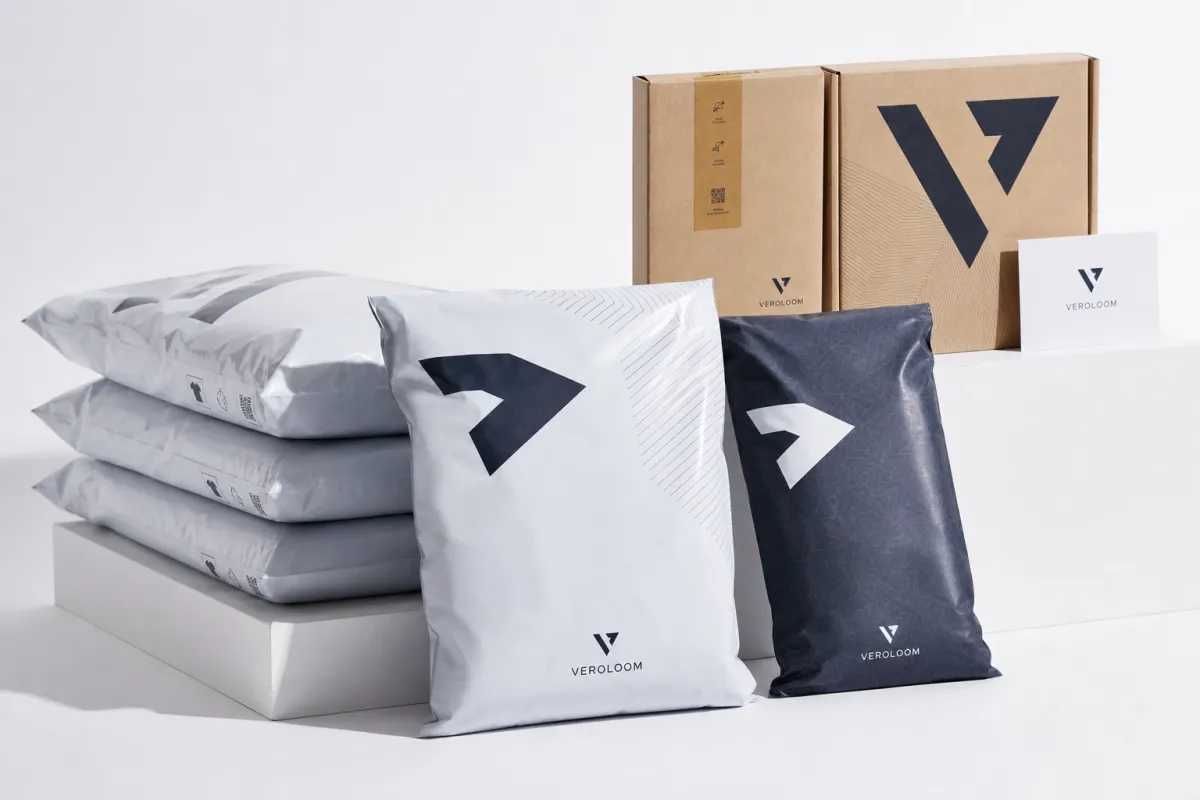
Many sellers begin with plain poly mailers because they are cheap, familiar, and easy to source. That works for a while. Volume rises. The category gets noisier. The brand starts to look interchangeable. Custom mailing bags for marketplaces shift the package from generic to intentional by matching size to the product mix, adding brand elements, and choosing film and closure specs with transit in mind.
The branding effect is smaller than a billboard and bigger than a label. A plain black or white bag says "shipment." A custom mailer says "brand." On marketplaces, that distinction matters because buyers compare listings at one stage and judge fulfillment at another. A distinctive color, a concise message, or a clean logo can sharpen recall and make a second purchase feel less uncertain. That is a useful advantage when the customer has ten other tabs open and, frankly, limited patience.
Practicality matters just as much. Custom mailing bags for marketplaces can be built around the product instead of forcing the product to adapt to the packaging. A 2.5 mil or 3 mil poly bag may handle lightweight apparel well, while heavier soft goods or return-friendly shipments may need a 4 mil film or a stronger adhesive strip. A loose bag lets the contents slide. A tight bag can split at the seam, crease the item, or leave no room for inserts and return notes.
The better question is not "Does it look branded?" It is "Does it reduce friction at every stage?" If custom mailing bags for marketplaces help the picker pack faster, help the parcel survive carrier handling, and help the buyer remember the seller name, they are doing real work. If they only improve the mockup, they are mostly decoration.
Strong sellers treat the bag as part of product packaging, not an accessory. That mindset narrows the decision to the variables that matter: actual ship size, closure performance, and order economics. It also keeps the discussion away from vague ideas about premium presentation and back toward measurable outcomes.
Why Do Custom Mailing Bags for Marketplaces Matter So Much?
Because they sit at the meeting point of marketplace packaging, fulfillment speed, and brand recall. A branded shipping bag can make a modest order feel deliberate, while a generic one can make a polished product look like an afterthought. For sellers who live inside tight margins, custom mailing bags for marketplaces are one of the few packaging choices that can improve presentation, reduce handling friction, and support repeat purchases at the same time.
That matters even more in categories where buyers cannot touch the product before purchase. The bag becomes part of the signal. It says the seller knows what they are doing, has thought through the packing process, and is likely to ship with care. In a marketplace setting, that small cue can help a listing feel more trustworthy before the item is even opened.
There is also a math problem hiding behind the aesthetics. If a seller ships 8,000 orders a month and packaging problems create only a 1% failure rate, that is 80 orders likely to trigger a repack, a support ticket, or a replacement shipment. A mailer that reduces that failure rate by even a fraction can move more margin than its unit price suggests. Packaging is often treated like a cost center because it is easy to count the bag. The expensive part is everything around the bag.
How Custom Mailing Bags for Marketplaces Work in Fulfillment
Fulfillment is the stress test. A packing associate wants a bag that opens cleanly, accepts the product without wrestling, seals in one motion, and survives label application plus carrier handling. Custom mailing bags for marketplaces improve that workflow only when the design is built around the bench, not around a rendering.
The sequence is familiar: pick the item, fold or wrap it, insert it into the mailer, seal it, label it, hand it off. Each step changes the packaging requirements. A weak adhesive can reopen under compression. Poor opacity can reveal the contents and make the package look less polished. Thin film can split on a carton edge or against another parcel. Even bag width affects throughput; an extra half inch can save seconds on every pack, and seconds add up fast across a high-volume line.
Size comes first. Measure the item as it ships, not as it sits on a table. Include tissue, hang tags, care cards, inserts, and any protective wrap. A single tee may fit comfortably in a 10 x 13 inch bag, while hoodies, bundled sets, or products with rigid tags may need 14 x 19 inch or larger formats. The most common sizing error is choosing a mailer that fits the item and ignoring the rest of the pack-out. That mistake shows up the moment the insert or return slip goes in.
Closure design is just as important. Many custom mailing bags for marketplaces use a peel-and-seal strip with tamper evidence built in. That speeds packing, removes the need for tape, and leaves the bag with a cleaner finish. Some sellers add a second seal strip for returns, which helps in categories with frequent exchanges. The closure still has to hold under dusty warehouse conditions and survive temperature swings. An adhesive that looks fine in a sample room can fail in a cold dock. I have seen that happen, and it is never a glamorous fix.
Branding can be handled in several ways: full-color print, a single-color logo, a tinted film, a matte finish, or a short message on the back panel. The right choice depends on category and budget. A minimalist black-on-kraft look can feel premium for apparel. A brighter graphic can suit accessories that rely on impulse purchase behavior. Durability matters either way. If the print scratches off in transit or looks faded after stacking, the design loses authority quickly.
For soft goods, accessories, and lightweight products, custom mailing bags for marketplaces are often the most efficient format. Fragile items, sharp edges, glass, electronics, or products that need crush protection may belong in a rigid box or a padded format instead. Packaging should follow the failure mode. Moisture, scuffing, and small punctures can be handled by a strong mailer. Crush damage needs a different tool entirely.
Custom Mailing Bags for Marketplaces: Cost and Pricing Factors
Price looks small until volume makes it visible. Custom mailing bags for marketplaces are usually priced by quantity, film thickness, print complexity, size, and freight. Two bags can look nearly identical in a mockup and still land at very different total costs once production and shipping are factored in.
Short runs cost more per unit because tooling, print setup, and material waste are spread across fewer bags. Bulk orders lower the unit price, sometimes sharply, but they increase the upfront cash requirement and the storage burden. A 5,000-piece order may carry a noticeably higher unit cost than a 20,000-piece order even if the smaller purchase is easier to fund. That is not a supplier trick. It is manufacturing math.
Several variables move the quote. Film thickness is one. A 2.5 mil bag costs less than a heavier 4 mil option, but the thicker film may reduce tears and replacement shipments. Print coverage matters too. A single-color logo usually costs less than a full-bleed design with multiple inks and tight registration. Custom sizing adds cost because the bag is made to spec rather than cut from a standard width. Finish can push the number upward as well. Matte and soft-touch surfaces often cost more than a standard gloss.
Freight deserves attention from the start. A buyer who chases the lowest unit price can end up with the more expensive package once shipping, storage, and damage are included. That issue shows up quickly with custom mailing bags for marketplaces, because the pack-out process and the review cycle expose weak packaging in a hurry. A bag that saves a few cents but creates even a 1% higher damage rate can turn into a false economy.
| Packaging option | Typical unit cost at 5,000 pcs | Best use case | Watch-outs |
|---|---|---|---|
| Plain stock poly mailers | $0.05-$0.12 | Low-risk apparel, test runs, basic shipping | Generic look, limited brand recall, fewer fit options |
| Custom printed poly mailers | $0.12-$0.28 | Most custom mailing bags for marketplaces, branded apparel, accessories | Print coverage and sizing can raise cost fast |
| Recycled-content custom mailers | $0.15-$0.34 | Brands with sustainability goals or retail packaging standards | Material availability and print finish may be more limited |
| Padded mailers | $0.20-$0.45 | Small fragile items, cosmetics, light electronics | More bulk, higher freight, less efficient than a flat bag |
| Custom printed boxes | $0.35-$1.20 | High-crush items, premium presentation, multi-item kits | Usually more expensive and slower to pack than mailers |
The table is not a quote sheet. It is a decision map. A sharp packaging buyer compares unit price with the hidden costs that sit around it: repacks, replacement shipments, customer service time, and the margin lost to negative reviews. On marketplaces, those hidden costs are often larger than the packaging itself.
Custom mailing bags for marketplaces should be judged as a margin decision. If the bag supports a faster pack station, fewer damaged parcels, and stronger repeat purchase behavior, the packaging spend is doing more than moving goods from A to B. It is supporting package branding and lowering friction after the sale. That is why the cheapest option is not always the least expensive one.
If a better mailer saves 20 seconds per order and trims breakage by even a small margin, payback can arrive faster than most sellers expect. Packaging rarely wins on one metric. It wins by removing tiny losses across the order cycle.
For sellers comparing formats, it helps to review options like Custom Poly Mailers alongside other Custom Packaging Products. That comparison makes fit, print area, and total shipping cost easier to judge than a single spec sheet ever will.
Custom Mailing Bags for Marketplaces: Process and Timeline
Production follows a rhythm, and packaging delays usually begin with a skipped step. The standard workflow for custom mailing bags for marketplaces starts with sizing and ends with delivery into inventory or fulfillment storage. Fewer surprises along that path usually mean faster turnaround and less rework.
The first step is product definition. A buyer should know the packed dimensions, weight, number of inserts, and any seasonal shifts in the assortment. If the catalog includes both small and oversized orders, two bag sizes may make more sense than forcing one format to cover everything. A little discipline at this stage saves a lot of scrambling later.
Artwork and proofing come next. Simple designs with one or two colors typically move faster than full-bleed jobs with complex placement. A realistic timeline might look like this: artwork review in 1 to 3 business days, sample approval in 5 to 10 business days if sampling is needed, production in roughly 10 to 20 business days after proof approval, and freight depending on the shipping method. That puts some custom mailing bags for marketplaces in hand in about 2 to 4 weeks, while more complex runs can stretch beyond that. Custom sizing, specialty inks, or heavy print coverage usually add time.
Delays tend to show up in three places. Artwork revisions drag on because the logo needs resizing, the copy is too small, or the print area is not settled. Buyers wait too long to confirm dimensions. Shipping specs change after the order is already moving. None of those problems is exotic. All of them cost money.
Seasonal products, giftable items, and marketplace relaunches need a buffer. A package can arrive on schedule and still be late if the inventory is already live. That leaves the packaging upgrade in emergency mode instead of controlled rollout mode. Good custom mailing bags for marketplaces should be in the building before the first order ships, not after the first customer complaint.
Quality checks belong in the schedule too. Ask for a printed proof, confirm color consistency if the brand is color-sensitive, and inspect the sample for seal strength, tear resistance, and opacity. Transit testing can be as simple as a small internal drop and compression check, though larger sellers may want to align with recognized distribution testing methods such as those published by ISTA. For broader packaging guidance, the packaging industry resources at packaging.org can be useful when a team is comparing formats and performance expectations.
Common Mistakes Sellers Make with Marketplace Mailers
The biggest mistake is a sizing error that looks minor during ordering and expensive during fulfillment. A bag can seem correct on screen and still be too tight once tissue paper, tags, a barcode insert, or a return slip is added. That leaves no room for a clean seal and increases edge damage. Custom mailing bags for marketplaces should be sized to the real pack-out, not the idealized product dimension.
Over-branding causes another kind of trouble. A mailer can carry too much information, too many colors, or type so small that nobody can read it in motion. The result is a package that costs more to print but looks less confident. Cleaner usually wins. One strong brand mark, one short message, and one color family often create a more premium result than a crowded layout full of noise.
Some sellers focus on appearance and ignore performance. That is risky. Seal strength, opacity, and puncture resistance matter, especially for products that snag, crease, or shift inside the bag. A weak seal can peel open on a conveyor. Poor opacity can expose the contents and blunt the presentation. Thin film can split at corners when carriers toss parcels into bags or bins. Custom mailing bags for marketplaces have to survive handling, not just photography.
Unit price alone can be a trap. A cheaper mailer may look attractive until replacement shipments, repacking labor, and a wave of complaints about torn bags or bent edges are added in. The real cost includes the refund, the support time, and the lost chance of a repeat order. Packaging decisions look different once failure is priced in.
Brand mismatch shows up often too. A premium beauty accessory shipped in a flimsy white poly bag feels off. A low-ticket impulse item wrapped in an elaborate pouch can feel overbuilt. Packaging should match the product story. That is the difference between polished retail packaging and generic shipping material.
Expert Tips for Better Results with Marketplace Mailers
Start with real samples, not just spec sheets. Test two or three sizes with actual products, actual inserts, and the exact packing motion used in the warehouse. That one step often exposes the difference between a mailer that looks right and one that fits the line. With custom mailing bags for marketplaces, fit is where most gains and losses live.
Build a packaging system, not a one-off purchase. The mailer, label, insert card, and return information should feel like part of the same family. If the bag says one thing and the insert says another, the brand looks disjointed. A simple system keeps the visual language consistent and gives the package a stronger identity without expensive decoration. That is where branding packaging decisions start to matter as much as the logo itself.
Match finish and color to the category. Clean, minimal bags often suit premium apparel, beauty, and lifestyle products. Bolder visuals can work for accessories or products that thrive on impulse buying. The goal is not to shout. The goal is to signal the right level of value at a glance. A matte black mailer with a single silver mark can feel precise. A kraft-toned or recycled-look finish can feel more honest for other brands.
Test under real shipping conditions. A bag should hold the seal after handling, resist moisture, and survive scuffs during sorting. A smart seller will run a small drop test, a compression test, and a seal check before scaling. If the product is more fragile, align the test plan with ISTA methods or similar transit standards rather than relying on guesses. The point is not to over-engineer everything. The point is to find weak points before customers do.
One practical rule I keep coming back to: if a packaging upgrade cannot survive a bad warehouse day, it is not ready. That sounds blunt, but it is the kind of blunt that saves money.
- Test the top two or three sizes with packed product samples before placing a full order.
- Keep print simple unless the category truly benefits from a louder visual style.
- Ask for opacity and film-thickness details, not just a photo of the final bag.
- Check whether the adhesive holds after compression and temperature variation.
- Review the total landed cost, including freight, storage, and expected waste.
Sellers who want to improve the whole packaging stack should think beyond the mailer too. Inserts, tissue, labels, and secondary packaging can all help a parcel feel coherent. That is why a bag often performs better when it sits inside a broader Custom Printed Boxes or mailer strategy, even if the final shipping format stays flat. The same logic applies whether the brand is growing through marketplaces or building a stronger direct channel.
Custom mailing bags for marketplaces also benefit from restraint. A good design does not need five selling points and a full product story on the outside. It needs enough visual clarity to be recognized, enough material strength to survive the journey, and enough consistency to make repeat buying feel familiar. Usually, that is enough. Sometimes, it is exactly enough.
Actionable Next Steps for Ordering Custom Mailing Bags for Marketplaces
If the packaging upgrade is moving from concept to action, start with data instead of instinct. List the top five products shipped most often, then record the packed dimensions, weight, seal method, and any add-ons such as thank-you cards, returns notes, or tissue. That gives you the real spec for custom mailing bags for marketplaces, not the approximate one.
Next, define the must-have features. At minimum, that usually means bag size, film thickness, opacity, closure type, print area, and order volume. If the product is premium or fragile, add finish, puncture resistance, and any special handling considerations. If the order mix includes return-heavy categories, a dual-seal or resealable option may justify the extra spend.
Then request samples or a small pilot run. Pack real orders with the sample bags, not dummy objects. Watch how long each order takes to assemble, whether the seal holds, and how the package looks after a short transit test. Compare damage rates and customer feedback against the old packaging. That is the fastest way to tell whether custom mailing bags for marketplaces are doing real work or just adding surface-level branding.
- Measure your best-selling products in their shipped state.
- Choose one or two bag sizes that cover most orders.
- Decide whether the priority is brand recall, damage reduction, or packing speed.
- Request a printed proof and, if possible, a sample before production.
- Set reorder points so stock does not run out mid-campaign or mid-season.
- Track the first 100 shipments and compare complaints, breakage, and packing time.
Finally, build a rollout checklist that covers artwork approval, inventory timing, warehouse storage, freight lead time, and reorder thresholds. Packaging projects usually fail for boring reasons: the wrong size gets approved, the production window gets forgotten, or transit time gets underestimated. A simple checklist prevents that. It also keeps the team consistent once the first order lands.
The clear takeaway is this: order custom mailing bags for marketplaces only after you have measured the shipped product, tested a real sample, and matched the bag to the failure mode you are trying to prevent. If the mailer improves fit, handling, and presentation together, it is doing its job. If it only looks nicer on a mockup, go back to the bench and tighten the spec.
For sellers who want a cleaner starting point, the best move is to compare options, request samples, and choose a format that matches the product rather than forcing the product to fit the format. That is the real value of custom mailing bags for marketplaces: they can improve protection, speed, and branding at the same time, but only if they are specified with enough care to fit the actual business.
Are custom mailing bags for marketplaces worth it for small sellers?
Yes, if the bag improves brand recall, reduces damage, or speeds up packing enough to offset the upfront cost. Small sellers often get the most value from a simple print and a size that fits their top-selling product exactly, because those two choices reduce waste without pushing the budget too far.
How do I choose the right size for custom marketplace mailers?
Measure the product as it is actually shipped, including tissue, tags, inserts, or any protective wrap. Leave enough room for a clean seal, but not so much room that the parcel shifts around or looks undersized on arrival. A sample pack test is usually better than guessing from measurements alone.
What affects the price of custom mailing bags for marketplaces the most?
Quantity, material thickness, print complexity, and custom sizing usually have the biggest impact on unit price. Freight and waste matter too, because a low-cost mailer that causes damage or repacking can cost more than a better-made option over time.
How long does it take to produce custom mailing bags for marketplaces?
Timeline depends on proofing speed, design complexity, and whether the bag is standard or fully custom sized. A simple run can move in roughly 2 to 4 weeks after approval, while more complex jobs need extra buffer for sampling, revisions, and shipping.
Do custom mailing bags help marketplace reviews?
They can, when the packaging prevents damage and creates a cleaner unboxing experience that feels more professional. They will not fix product issues, but they can reduce complaints tied to poor presentation, leakage, scuffed surfaces, or transit wear.

