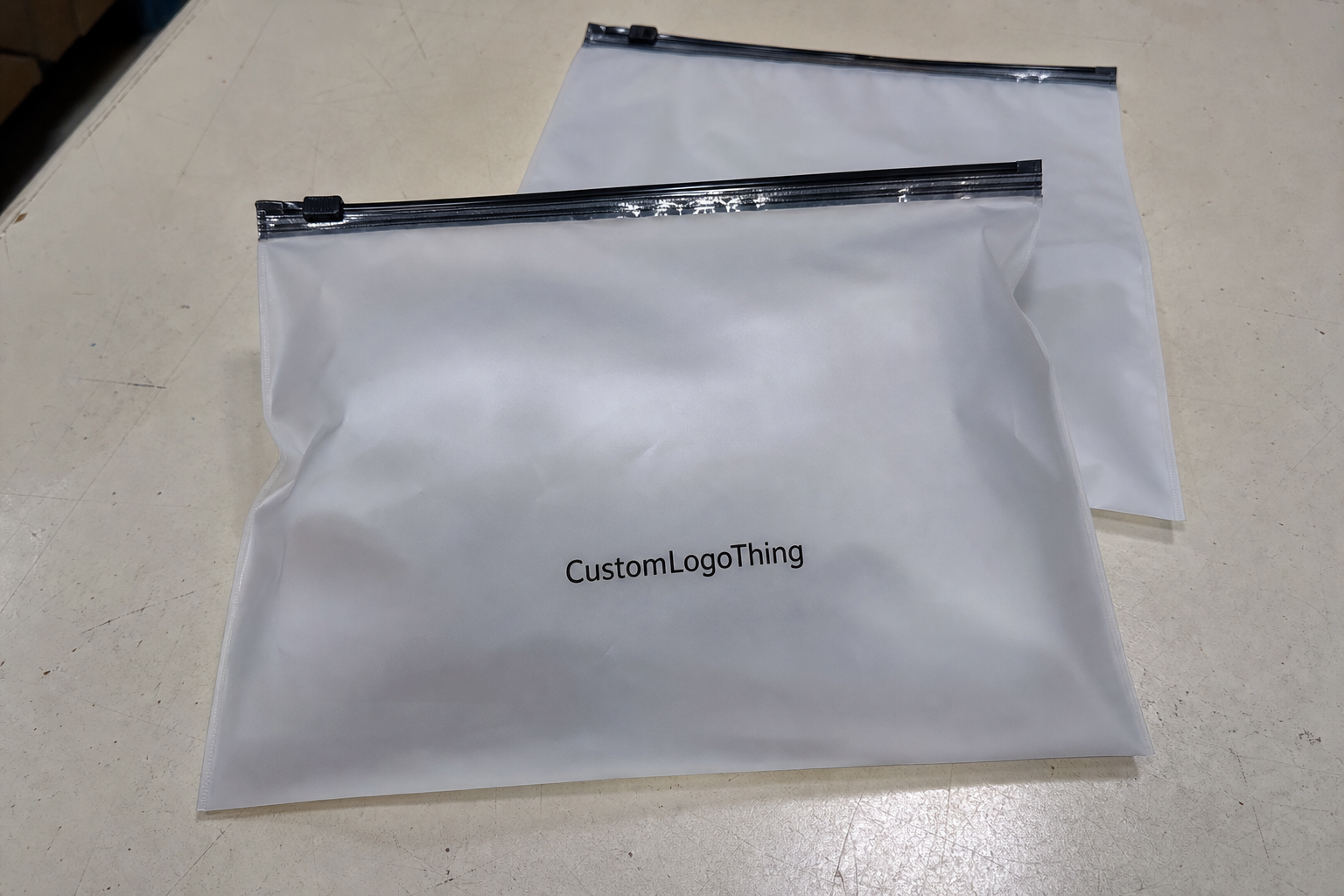
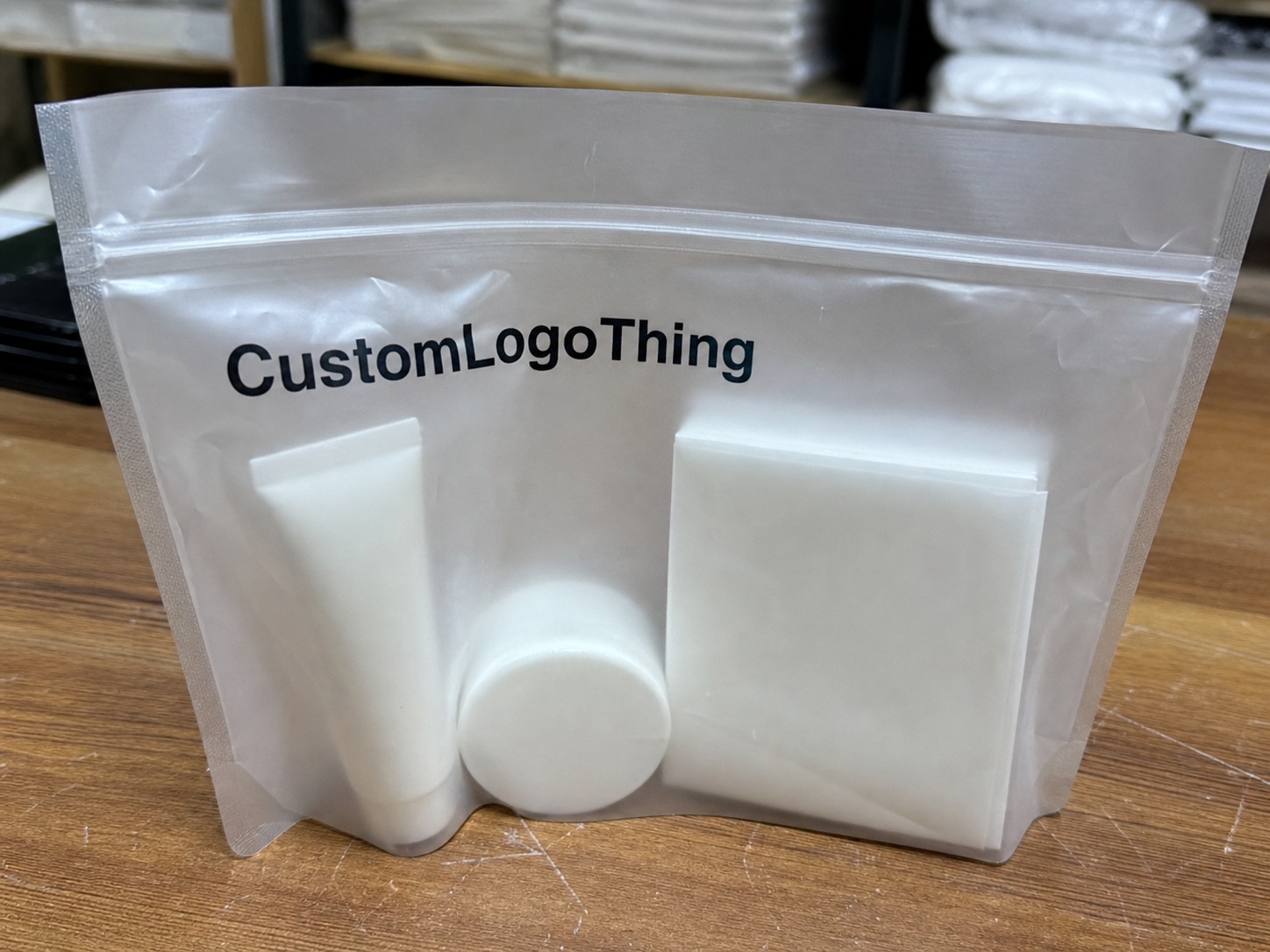
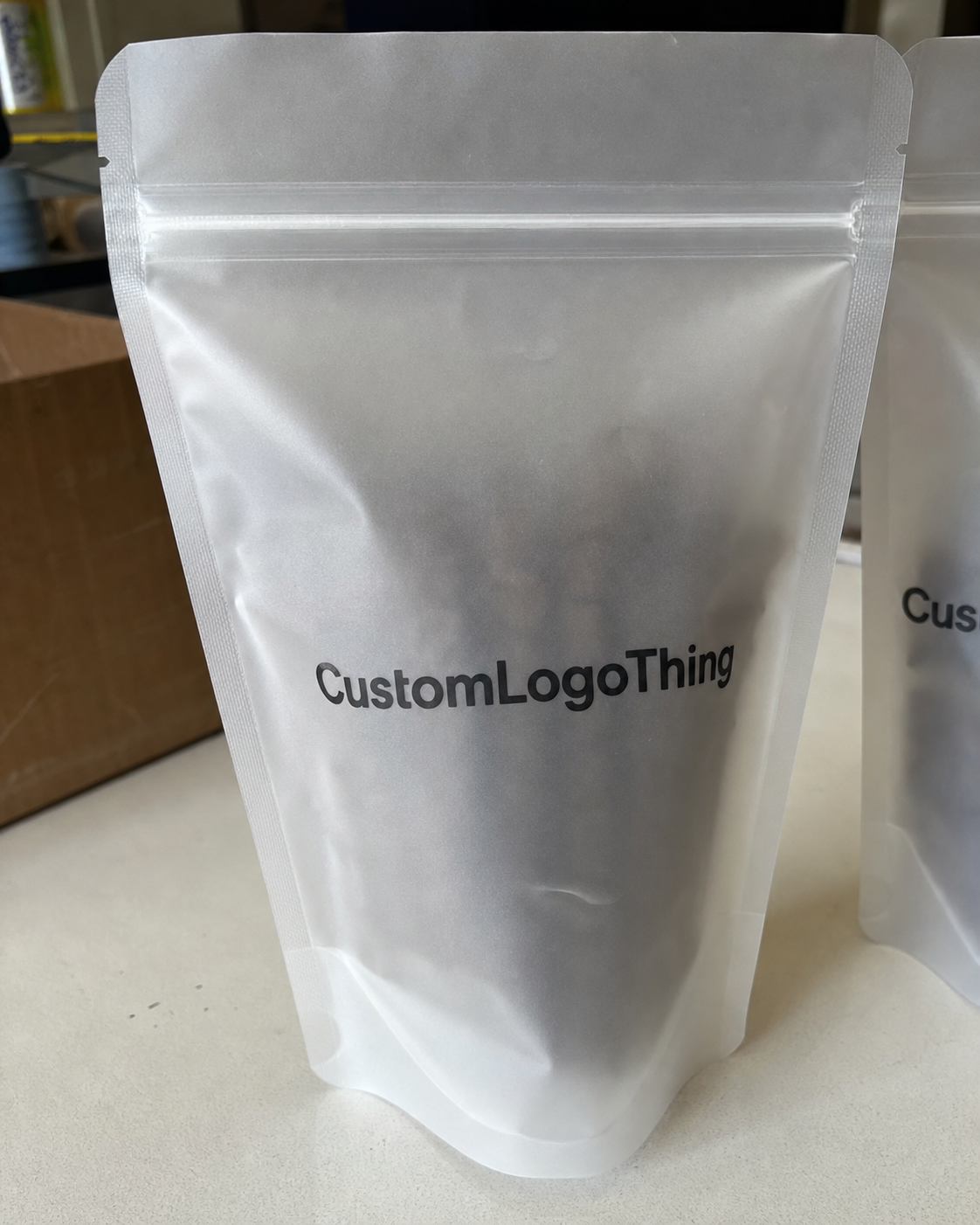
Custom OPP Bags Supplier Bulk Order With Clear Pricing
A 2-cent bag looks harmless. Multiply it by 100,000 units and the line item becomes $2,000 before freight, storage, labor slowdowns, rejected cartons, or rework enter the calculation; that is why buyers searching for a Custom OPP Bags Supplier bulk order usually are not browsing casually, they are trying to lock price, capacity, and print quality before a launch window closes.
OPP bags sit in a deceptively small corner of product packaging. They are thin. Clear. Often overlooked. Yet they affect how a T-shirt looks on a retail shelf, whether a sticker pack arrives unscratched, and whether a fulfillment team can pack 1,200 units in a shift without fighting static, tight sizing, or weak adhesive strips.
Why a Custom OPP Bags Supplier Bulk Order Changes Your Packaging Math
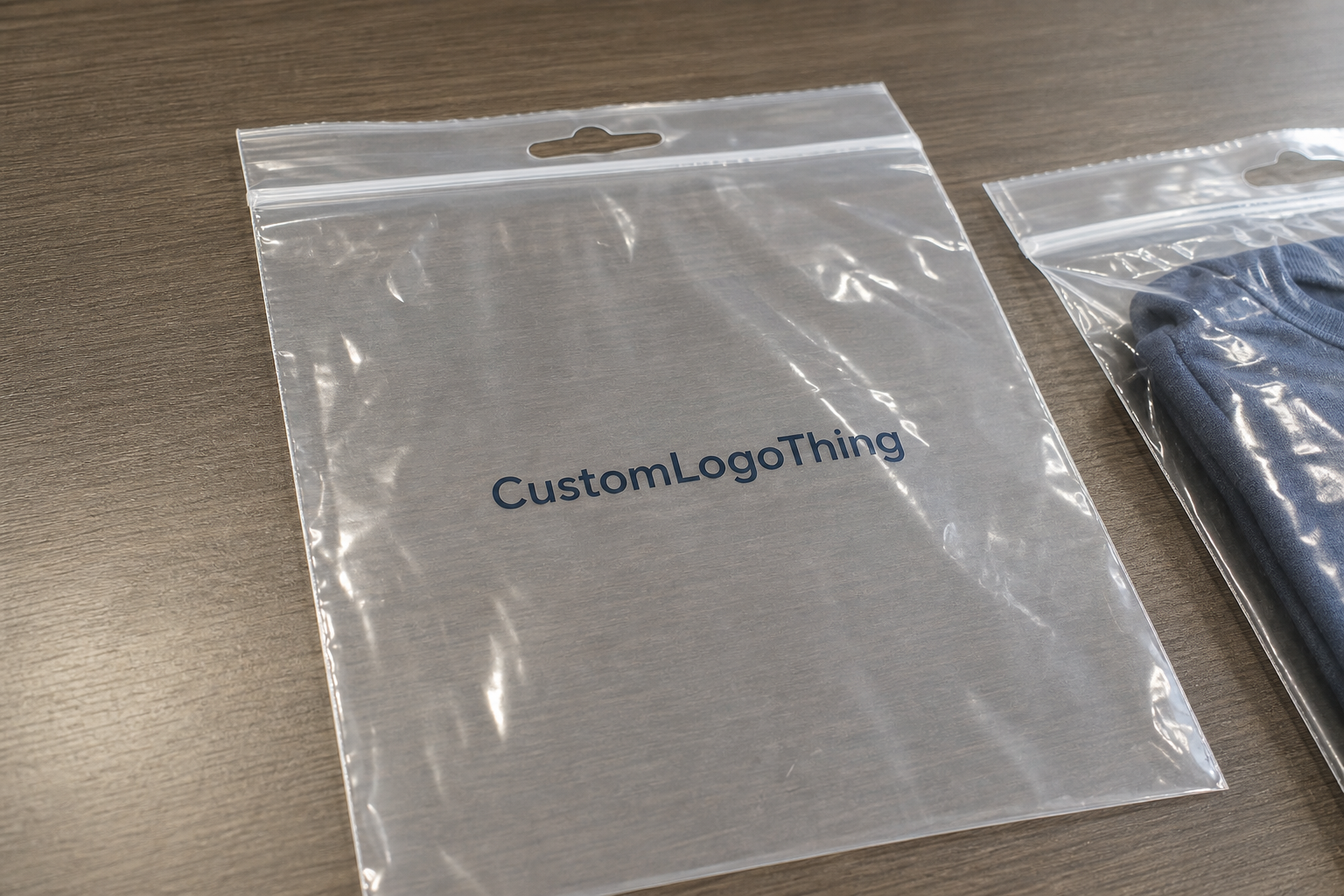
Oriented polypropylene, usually shortened to OPP, is popular because it delivers crisp clarity, a slightly stiff hand feel, and a glossy branded surface at a lower unit cost than many rigid retail packaging formats. For apparel, stationery, cosmetics accessories, phone cases, jewelry cards, craft products, and promotional kits, it protects presentation without burying the product behind opaque material.
Generic poly mailers have their place. They cushion better, hide contents, and work for outbound shipping. Paper sleeves can carry stronger sustainability messaging, especially when FSC-certified paper is used; buyers can review broader fiber sourcing standards through the Forest Stewardship Council. But OPP wins on visibility. A folded shirt looks clean. A greeting card stays flat. A beauty sample kit reads as organized rather than improvised.
Here is what most people get wrong: the cheapest quote is rarely just cheaper. It may be thinner film. It may allow wider dimensional tolerances. It may exclude plate charges, proofing, or carton labeling. It may quote ex-works freight terms that push inland transport, export handling, and risk back to the buyer. A low number can be useful. It can also be a trap.
Buyer rule: compare the full packaging system, not just the bag price. Film thickness, adhesive quality, packing speed, freight weight, and defect rate all change the real cost per usable unit.
A serious Custom OPP Bags Supplier bulk order should be reviewed as a decision map: specifications first, then pricing, MOQ, sampling, production timeline, inspection, and shipping terms. Custom Logo Things takes that route because it keeps the conversation grounded. No vague claims. No mystery math. Just the details that decide whether the order works.
Product Details Buyers Should Confirm Before Ordering OPP Bags in Bulk
OPP bags are clear oriented polypropylene bags used for retail packaging, inner product protection, and branded presentation. They feel crisper than LDPE bags, show the product more sharply than many soft poly films, and accept custom printing well when the artwork and ink system are matched correctly.
Common styles include self-adhesive flap bags, resealable bags, lip-and-tape bags, header bags, bottom-gusset bags, hang-hole bags, and flat retail sleeves. A sock brand may need a hang hole for pegboard display. A greeting card seller may need a flat sleeve with a clean adhesive strip. A subscription kit may want resealable bags so warehouse staff can inspect contents without destroying the package.
The best fit depends on how the product is packed and sold. T-shirts, socks, greeting cards, stickers, phone accessories, jewelry cards, craft items, and promotional inserts are typical matches. Some food-adjacent or bakery inner packs may be possible only when the material, ink, and handling requirements are suitable. That depends on the exact use. Do not assume a standard retail OPP bag is automatically approved for direct food contact.
Closure choice matters more than buyers expect. Permanent adhesive works for one-time sealing and tamper resistance. Resealable adhesive supports returns, inspections, and customer reuse. Vent holes help packed textiles release trapped air, which can reduce bulging cartons. Hang holes support pegboard merchandising but can affect tooling, scrap, and print layout.
- Single-color logo printing: efficient for simple package branding and lower ink coverage.
- Spot color branding: useful when Pantone accuracy matters for retail packaging consistency.
- Full-surface pattern printing: stronger shelf impact, usually higher setup and ink cost.
- White ink underlay: improves logo visibility on transparent film, especially over dark products.
- Barcode or clear windows: helpful when scanning, compliance labels, or product visibility must remain open.
OPP looks simple. It is not. Bag dimensions, film thickness, flap length, adhesive placement, and print area determine whether packing teams move quickly or fight the package for eight hours. From a packaging buyer's point of view, that labor cost is not theoretical. If an operator loses even 3 seconds per unit across 30,000 units, the order has created 25 labor hours of drag.
Buyers comparing this format against custom printed boxes or paper sleeves can review broader options through Custom Packaging Products. OPP is often the right inner or retail-facing layer, but not always the only layer.
Specifications That Control Fit, Clarity, Strength, and Shelf Appearance
Good quotes start with a specification sheet, not a guess. For a Custom OPP Bags Supplier bulk order, buyers should prepare width, length, flap length, gusset depth if needed, film thickness, print area, adhesive type, hole style, carton quantity, packing method, and shipping destination. Missing one of those details usually creates either a vague quote or a later price correction.
Sizing starts with the actual product. Measure the widest, tallest, and thickest points after folding, bundling, or inserting cards. Then add clearance. A thin sticker sheet may need only a few millimeters. A folded cotton T-shirt may need 10-20 mm of practical room, depending on fabric bulk and packing speed. Too tight, and corners tear. Too loose, and the product slides, wrinkles, or looks cheap.
Thickness is usually discussed in microns. Many retail OPP bags fall roughly in the 25-60 micron range, though the best choice depends on size and product weight. Thinner film can reduce unit cost and carton weight. It can also wrinkle, split near the seal, or look cloudy under retail lighting. Heavier film improves strength and presentation but raises material cost, freight weight, and sometimes MOQ.
| Specification | Typical Buyer Choice | Cost or Performance Effect |
|---|---|---|
| Film thickness | 25-60 microns | Thicker film improves stiffness and durability but increases unit cost and carton weight. |
| Closure | Permanent or resealable adhesive | Resealable strips can support inspections and returns but may cost more than standard sealing. |
| Print coverage | 1-color logo to full pattern | More colors and heavier ink coverage increase setup, proofing, and registration control needs. |
| Hang hole | Round, sombrero, or euro slot | Useful for displays; may affect tooling, waste, and header dimensions. |
| Carton packing | 500-2,000 bags per carton | Impacts warehouse handling, pick-pack flow, freight cube, and SKU separation. |
Print files should be vector artwork whenever possible. AI, EPS, or press-ready PDF files reduce cleanup time. Pantone or CMYK targets should be stated clearly, with minimum line weights, safe margins, barcode contrast, and any white ink backing noted before proof approval. Transparent film changes perception. A black logo over a black garment nearly disappears unless the print plan accounts for it.
Tolerances deserve a direct conversation. Plastic bag production can involve small dimensional shifts, color variation, seal placement movement, and registration differences. For many orders, a few millimeters may be acceptable. For tight-fit medical accessories, retail card inserts, or barcode windows, it may not be. Define acceptable tolerance before deposit, not after cartons arrive.
Compliance language also belongs on the front end. Suffocation warnings, recycling marks where supported, country-specific retail text, product safety language, and customer-supplied legal copy should be included in the artwork review. ASTM packaging and material test methods may apply in some validation programs, and transport testing guidance from ISTA can be useful for buyers building a broader shipping test plan.
Small changes ripple. Add a hang hole, and the header may need adjustment. Increase thickness by 15 microns, and freight weight rises. Move the adhesive strip, and the packing team may need to rotate every product before sealing. Specifications are not paperwork. They are cost controls.
Pricing, MOQ, and Unit Cost Factors for Custom OPP Bag Orders
Pricing depends on film thickness, bag size, print coverage, number of colors, adhesive type, quantity, tolerance requirements, packing format, and delivery destination. That is the honest answer. A plain 30-micron small sleeve at 50,000 pieces does not price like a 60-micron full-print apparel bag with a resealable flap and SKU-specific cartons.
For planning, many basic custom printed OPP bag programs can land around $0.03-$0.12 per unit at commercial quantities, while larger, thicker, or more heavily printed bags may move above that range. Smaller pilot runs can be notably higher because setup cost spreads across fewer units. Freight can shift the final landed cost by several percentage points, especially for bulky cartons.
MOQ is not arbitrary in most cases. It reflects machine setup, material purchase, plate or cylinder preparation, ink matching, scrap during startup, and labor. Printed custom runs usually require higher minimums than plain stock bags. If a supplier accepts a very low MOQ, ask what changes: digital print, stock dimensions, simplified color, limited adhesive options, or a higher unit price.
For a custom opp bags supplier bulk order, quote inputs should be specific. Send target quantity, bag sizes, artwork, number of SKUs, desired thickness, closure type, expected ship date, destination ZIP or port, and compliance text. If the order supports a retail launch, include the in-hand deadline, not only the selling date.
- Pilot quantity: useful for testing fit and sell-through, often higher unit cost.
- Standard replenishment quantity: usually the best balance of inventory risk and price.
- Annual forecast quantity: helps procurement compare long-run savings against storage and cash flow.
Misleading low quotes follow patterns. Thin film is quoted without saying so. Plate fees sit outside the unit price. Proofing is excluded. Freight terms are vague. Carton markings, SKU separation, or inspection photos are treated as extras. Ask for a quote that shows what is included, what is optional, and where cost can be reduced without weakening the bag.
Custom Logo Things reviews OPP quotes the same way it reviews broader Wholesale Programs: by separating genuine savings from specification erosion. A smaller logo, a standard size, or fewer ink colors may save money without hurting presentation. Dropping film thickness below the product's real need may not.
Production Steps and Lead Time From Artwork to Cartons
The production path is straightforward, but each checkpoint can add or remove days. It usually runs through inquiry review, specification confirmation, artwork check, formal quote, deposit, digital proof, sample or pre-production approval when required, bulk production, quality inspection, packing, and shipping.
Timelines vary by order quantity, print complexity, film availability, plate preparation, sample revisions, holiday schedules, factory capacity, and freight method. A simple repeat order may move quickly. A first-time multi-size order with full-surface print, revised artwork, and special carton labels will not behave the same.
Many buyers ask for speed, then lose time on approvals. Approve dimensions early. Submit vector artwork. Define Pantone colors. Consolidate SKU changes. Confirm carton marks before production starts. One decision-maker should approve proofs, because conflicting comments from merchandising, operations, and marketing can create a loop that burns a week.
Digital proofs validate layout, print position, warning text, and general color targets. Physical samples answer different questions: Does the product fit? Does the film feel too flimsy? Is the flap long enough? Does the adhesive catch on fabric? Does the logo remain visible once the product is inside?
Inspection should include dimensions, adhesive function, print registration, color consistency, sealing strength, carton labels, and random packed units. For a custom opp bags supplier bulk order tied to retail distribution, inspection photos and carton details are not decorative paperwork. They are evidence.
The longest delays often come from slow approvals or artwork changes after proofing, not from the bag-making machine. Fixed launch dates need backward planning. Receiving, kitting, warehouse intake, and regional distribution can consume 3-10 business days after cartons arrive, depending on the operation.
Quality Risks to Eliminate Before You Approve a Bulk Run
Bulk orders amplify tiny defects. A 1 percent defect rate sounds small until 50,000 bags create 500 bad packs, repacks, customer complaints, or stalled fulfillment lines. If the order supports a retailer delivery window, those 500 defects can cost more than the entire savings from choosing the cheapest quote.
Common failure points include undersized bags, weak side seals, adhesive strips that grab the product, cloudy film, poor ink opacity, misaligned logos, and cartons packed without SKU separation. Some issues are visible in a photo. Others show up only when a real product is inserted by a real packer under normal speed.
Fit testing should use the actual product, not a catalog measurement. Folded apparel compresses unevenly. Accessory cards have sharp corners. Bundled sets shift inside clear film. A bag that works for one colorway may be tight for a thicker fabric or a larger size in the same line.
Color control also needs practical thinking. Transparent OPP does not behave like white paper or custom printed boxes. Ink sits over whatever product is inside. A red logo over a patterned scarf may lose contrast. A white ink underlay can help, but it adds cost and requires clear artwork separation.
Workflow risk is often invisible in procurement spreadsheets. A flap that is 8 mm too short slows sealing. A bag that is too tight increases hand strain. A carton count that does not match pick-pack volume creates warehouse friction. Over 20,000-100,000 units, these seconds and touches turn into real money.
Evaluate suppliers through evidence. Ask for material details, tolerance notes, production photos, sample references, and an escalation path if an issue is found. Quality control is not a slogan. It is a financial safeguard against reprints, missed retail windows, and emergency replacement orders.
Next Steps to Get an Accurate Quote and Place the Right Order
A clean quote starts with organized inputs. Choose the bag style. Measure the product. Select an approximate thickness. Prepare logo files. Estimate order quantity. Define the delivery deadline. Gather shipping information. Those seven details remove most of the guesswork from the first pricing round.
Photos help. Send the product, the current bag if one exists, and a ruler or written dimension note in the frame. A supplier can often spot issues before quoting: tight folds, sharp product corners, barcode placement, unclear logo contrast, or a flap that needs more room.
Request two or three quantity tiers. A launch run may protect cash flow. A replenishment run may reduce unit cost. An annual forecast may support better planning, but only if storage, demand risk, and cash timing make sense. Cheaper inventory that sits for 14 months is not automatically a win.
Confirm what the quote includes: artwork review, plate fees, sampling if needed, carton packing, freight terms, taxes or duties where applicable, and revision limits. If you are new to custom packaging procurement, the FAQ can help frame common production and ordering questions before you request pricing.
- Send dimensions in width x length x flap format, with gusset depth if needed.
- Attach vector logo files and state Pantone or CMYK color targets.
- List each SKU and confirm whether artwork placement changes by size.
- Share the target quantity, preferred delivery date, and shipping destination.
- Ask for a proofing checkpoint before mass production starts.
For a custom opp bags supplier bulk order, the smartest next step is to send specifications and artwork together, because accurate inputs produce faster quotes, cleaner timelines, and fewer expensive surprises. Custom Logo Things can help compare materials, dimensions, print options, and MOQ tiers so you order the bag that fits both the product and the budget.
FAQ
What information do I need for a custom OPP bags bulk order quote?
Provide bag width, length, flap length, thickness, quantity, closure type, print colors, artwork files, delivery deadline, and shipping destination. If size is uncertain, send product dimensions and photos so the supplier can recommend clearance and avoid a tight fit.
What MOQ should I expect from a custom OPP bags supplier?
MOQ depends on size, printing, material thickness, and setup requirements. Printed custom runs usually require higher minimums than plain stock bags because setup, ink matching, and machine time must be covered. Ask for tiered pricing so you can compare a smaller launch order against a lower unit cost at higher volume.
How long does a bulk order of printed OPP bags usually take?
Lead time depends on artwork approval, sampling, print complexity, order volume, factory capacity, and freight method. The fastest timelines usually happen when dimensions, artwork, Pantone colors, and shipping details are confirmed before quoting.
Can I order custom OPP bags with logo printing in multiple sizes?
Yes. Each size may require separate setup, proofing, packing, and MOQ planning. If the artwork is shared across sizes, confirm whether the logo scale, placement, and print area should change for each bag.
How can I reduce the unit cost on a custom OPP bag bulk order?
Increase order quantity, simplify print coverage, limit color count, use standard dimensions where possible, and avoid unnecessary features. Do not reduce thickness blindly; a cheaper bag that tears, wrinkles, or slows packing can cost more in labor and replacements.