Custom Padded Mailers for Apparel Retailers Quote Guide
A low-cost mailer can become expensive the moment it tears, crushes a hem, or forces a reship. That is why a Custom Padded Mailers for apparel retailers supplier quote checklist matters: it helps buyers compare actual packaging performance, not just a unit price attached to artwork.
For apparel brands, the mailer affects more than shipping. It changes packing speed, storage space, dimensional weight, brand presentation, and damage rates. The right format protects folded garments without adding box-like bulk. The wrong one creates hidden costs that do not appear in the first quote.
Price alone is a weak decision tool. A low factory number can still hide poor closure strength, undersized cushioning, or freight assumptions that raise landed cost. Buyers need a quote that shows spec, MOQ, lead time, decoration, and inspection terms clearly enough to compare suppliers on the same basis.
Why a Weak Mailer Costs More Than the Product It Protects
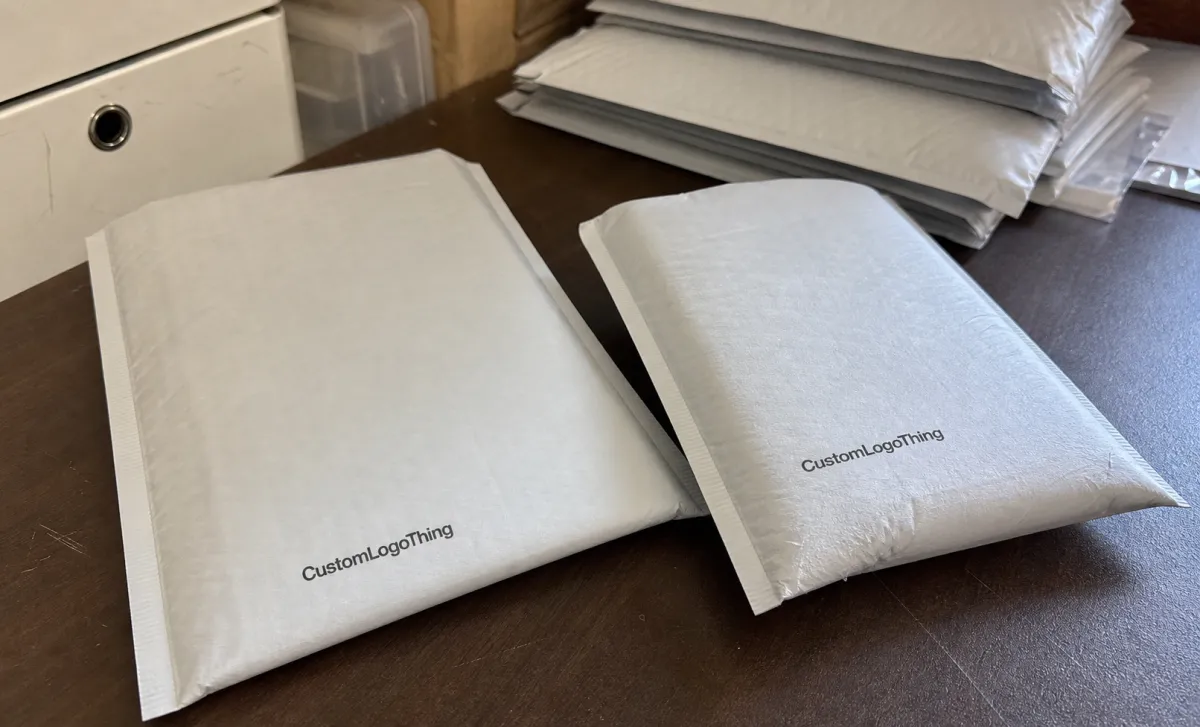
Most apparel businesses do not overspend because packaging is too expensive. They lose money because the mailer is underbuilt, oversize, or vague enough that the wrong product gets ordered. A mailer that saves a few cents can quickly create replacement shipping, labor, and customer service costs when it fails in transit.
Oversizing is one of the easiest ways to waste money. Even a small increase in width can trigger dimensional-weight charges, while an undersized mailer can crease garments, split seams, or slow packing. The right spec should be based on the folded product and the seal allowance, not on a rough category estimate.
Brand perception matters too. A wrinkled, dented, or visibly weak mailer makes the order feel less valuable before the customer opens it. That is especially important in apparel, where packaging and product presentation influence the same buying judgment.
A packaging line can absorb a lot of small friction, but it cannot absorb a mailer that tears on the first shipment. Survival comes before style.
Padded mailers fit soft goods that need light protection and efficient shipping: tees, socks, leggings, scarves, swimwear, and small bundles. They are usually better than plain poly mailers when the product needs more cushion, but they are not a replacement for rigid cartons when the item is bulky, structured, or display-ready.
Which Apparel Orders Belong in Padded Mailers
Padded mailers work best for soft, foldable products that do not need hard-side protection. Tees, light knitwear, loungewear, socks, shapewear, scarves, and compact accessory bundles are the most common fits. These orders benefit from lower shipping weight and faster packing without moving all the way to a box.
They also fit subscription drops, replenishment orders, and DTC shipments with a high share of single-item units. A mailer takes less shelf space than a carton and usually reduces volumetric weight, which can matter when weekly volume is high.
There are clear limits. Heavy fleece, shoe boxes, framed items, structured gift sets, and premium retail presentations usually need a box or a more rigid format. If the product needs a clean reveal or a firm face, a padded mailer becomes a compromise rather than a solution.
The simplest sizing rule is to start with folded thickness. Width matters, but thickness determines whether the mailer closes cleanly and whether the seal holds under pressure. A folded hoodie stack needs a different spec than a flat tee, even if both look “small” on a catalog page.
For buyers comparing options, the tradeoff is straightforward: mailers win on storage and labor; boxes win on structure and presentation. A well-chosen padded mailer should solve the shipping problem without creating a new one.
Specification Checklist: Materials, Cushion, Closure, and Print
A serious quote starts with the build. Ask for the outer material, cushioning layer, closure style, and print method in plain language. For paper-based options, that may mean a kraft face with recycled padding and a pressure-sensitive seal. For film-based mailers, it may mean a printed outer layer with bubble or quilted cushioning. If the supplier cannot describe the structure clearly, it will be hard to control later.
Thickness affects puncture resistance, moisture protection, and shipping reliability. For apparel, common ranges are 60 to 100 gsm for paper outer layers or 50 to 70 micron for film outer layers, depending on the design and shipping lane. Padding depth is often in the 3 to 5 mm range for lighter garments, with heavier orders needing more structure.
Closure details matter just as much. A good adhesive strip should seal consistently in warehouse conditions, including cool rooms and dusty pack stations. Tear strips improve customer opening experience, and tamper evidence helps when resealing or returns fraud is a concern.
Decoration needs to be defined, not implied. Ask whether the mailer supports flexo, gravure, digital, or screen print, how many colors are included, and whether the surface accepts shipping labels cleanly. A weak print surface can make branding look fuzzy or cause labels to lift during transit.
Operational details belong in the spec as well. Ask how many units come per carton, how cartons are labeled, and whether the factory can pack to warehouse preference. A mailer that arrives in awkward pack counts can slow receiving before it ever reaches the packing line.
For sustainability or transit-testing claims, ask for documentation, not adjectives. If a supplier references FSC-certified paper or recycled content, request the paperwork. If the mailer is said to be transit tested, the protocol should be named. Recognized references such as ISTA testing methods and FSC chain-of-custody guidance help buyers separate proof from promotion.
Custom Padded Mailers for Apparel Retailers: Pricing and MOQ
Pricing depends on size, material, print coverage, color count, and volume. Larger formats use more material and freight. More print coverage adds setup time and waste. Heavier construction usually raises MOQ. None of that is unusual; it is how packaging production works.
For rough planning, simple Custom Padded Mailers for apparel retailers often land around $0.18 to $0.32 per unit at about 5,000 pieces for a basic one-color run on standard material. Recycled paper versions with tear strips and cleaner branding can move to $0.24 to $0.42. Full-bleed graphics, stronger cushioning, or premium finishes can rise to $0.35 to $0.65, depending on size and print method.
MOQ usually tracks production complexity. A basic one-color logo on a standard build may start around 3,000 to 5,000 units. Full-coverage graphics, multiple SKUs, or special finishes often need 8,000 to 12,000 units or more. If a supplier does not define whether the price is based on finished size, print zones, and artwork complexity, the quote is incomplete.
| Option | Typical MOQ | Indicative Unit Price | Best For | Tradeoff |
|---|---|---|---|---|
| Basic one-color padded mailer | 3,000-5,000 | $0.18-$0.32 | Tees, socks, light tops | Lowest cost, simplest branding |
| Recycled paper padded mailer | 5,000-8,000 | $0.24-$0.42 | Sustainable retail packaging programs | Better brand story, slightly higher cost |
| Full-bleed printed mailer | 8,000-12,000 | $0.35-$0.65 | Launches, seasonal branding | Higher setup and waste exposure |
| Heavier padded structure | 5,000-10,000 | $0.30-$0.55 | Bulkier knits, multi-item orders | More protection, more freight weight |
Landed cost is the number that matters. A low ex-works price can become a weak deal once freight, carton count, palletization, and destination charges are added. Sometimes the cheapest quote has the worst shipping profile, which makes the final cost higher than a slightly more expensive option.
If a retailer wants to benchmark formats, it helps to compare against Custom Poly Mailers for lighter shipments or review broader Custom Packaging Products if the product mix includes cartons, inserts, and other retail packaging pieces.
Production Steps, Samples, and Lead Time
A clean order follows a simple path: brief, dieline review, artwork proof, sample check, spec approval, and production. If a supplier skips a step, the risk does not disappear; it just moves into delay, reprint, or warehouse rejection.
Before production starts, lock the dimensions, print colors, closure style, carton count, and packing method. A written sign-off that includes size, copy placement, and finish reduces disputes later and protects the order if someone changes the artwork after approval.
Typical timing is often 3 to 7 business days for artwork and proofing, 5 to 10 business days for a sample or pre-production unit, and 12 to 20 business days for production after approval. Shipping adds another clock. Air freight is faster, ocean freight is slower, and neither one adjusts for a launch date.
The most common delays are easy to predict: missing vector files, late copy changes, color edits after approval, and samples that were never packed with the actual garment. Each one is avoidable if the brief is specific from the start.
For launch-sensitive orders, sample approval should include print checks, seal tests, and a quick pack test with the real product. A mailer can look fine flat and still fail once filled, stacked, and shipped.
Custom Padded Mailers for Apparel Retailers Supplier Quote Checklist
This is the part that makes comparison useful. A quote should prove the supplier understands the job, not just the headline price. A Custom Padded Mailers for apparel retailers supplier quote checklist should be strict enough to filter vague answers quickly.
A usable quote should state finished size, structure, thickness, closure type, print method, MOQ, carton count, lead time, and freight assumptions. If any of those pieces are missing, the quote is incomplete. A supplier that sends only a price is not quoting a product; they are guessing at one.
Send the same spec to every supplier, or the comparison is fake. A 5,000-piece recycled mailer quoted with carton packing is not the same job as a 10,000-piece full-bleed film mailer.
Sample terms should be clear too. Is the sample free, refundable, or charged as a one-off cost? Does it match the final print process, or is it only a mockup? A sample that does not reflect production can create false confidence, which is expensive.
Overrun and underrun policy belongs in writing. A tolerance of 10 percent is common in some custom packaging runs, but the exact range varies by factory and structure. Ask for carton dimensions, pallet count, and whether freight is based on actual or volumetric weight. Those details affect landed cost more than the artwork does.
If the mailer includes recycled content, FSC references, or transit-test claims, ask for documentation before placing the order. If the supplier says the packaging has been tested, ask which protocol was used and whether the conditions reflect your own shipping lane.
Common Ordering Mistakes That Inflate Unit Cost
The first mistake is overbuilding. Apparel is often light and compressible, so buyers sometimes specify a heavier structure than the route requires. Extra protection only helps if it solves a real failure mode.
The second mistake is poor sizing. A mailer that is too large increases waste, freight, and packing labor. A mailer that is too small can scuff fabric, weaken the seal, and frustrate packers. The right size is usually based on folded thickness plus seal allowance.
The third mistake is chasing the lowest line item while ignoring setup and freight. That is how an attractive factory price turns into a high landed cost. It happens often enough that buyers should treat it as a normal risk, not an exception.
- Not sharing finished garment dimensions.
- Sending low-resolution artwork and calling it final.
- Comparing prices without freight or carton count.
- Choosing a finish that blocks label adhesion.
- Skipping sample approval on a brand-sensitive order.
Retailers also forget that the mailer sits inside a larger packaging system. If a brand already uses custom printed boxes for some orders, the mailer should still match the same visual language. Colors, logo placement, and tone should feel connected to the rest of the package, not like an unrelated leftover.
Sustainability language can distort price expectations. Recycled content and paper-based structures can justify a premium, but only if the documentation is real and the shipping performance still meets the lane. Environmental claims without operational proof tend to create disappointment, not trust.
Next Steps for a Clean RFQ and Faster Quote Comparison
A better RFQ usually produces better pricing. Include folded garment type, finished dimensions, estimated monthly volume, print files, destination warehouse, and required features such as tear strips or recycled content. The more complete the brief, the fewer unnecessary revisions come back.
Ask every supplier to answer in the same format: same size, same print count, same MOQ, same shipping terms. That makes the quotes easier to compare and makes weak responses obvious. It also reduces the temptation to normalize bad data later in a spreadsheet.
For the first run, a production sample or pre-production proof is usually worth the extra step, especially if the mailer is tied to a launch, seasonal drop, or brand refresh. If the color is off, the seal is weak, or the thickness is wrong, it is better to learn that before buying thousands.
A strong quote process does not need drama. It needs a clear spec, a realistic budget, and enough detail to compare one option against another without guesswork. That is what keeps Custom Padded Mailers useful instead of merely branded.
FAQ
What should I include in a quote request for custom padded mailers for apparel retailers?
Send finished dimensions, folded garment type, print coverage, target volume, and the destination warehouse or country. Ask for the material spec, closure type, sample cost, production lead time, and freight assumptions in the same reply. Request pricing at multiple quantities so you can see where the unit cost changes.
What size padded mailer works best for folded apparel orders?
Base the size on folded thickness first, not just garment width. Tees and light tops usually fit smaller formats, while hoodies and bulkier knits need more depth or a wider flat format. A pack test with the actual folded garment is the quickest way to confirm fit.
How do MOQ and pricing change with print coverage?
More print coverage usually adds setup time, waste, and production control, which pushes MOQ up. One-color logos on standard materials are generally the cheapest route. Full-bleed graphics, special finishes, or multiple SKUs increase both price and complexity.
What lead time should I expect for a custom padded mailers order?
Artwork and proofing often take a few business days, sampling usually takes longer, and production begins only after approval. Freight timing is separate, so factory lead time should be reviewed alongside shipping time. If the supplier cannot separate those two clocks, the schedule is not clear enough.
What files and approvals does a supplier need before production?
Expect to provide vector artwork, logo placement notes, size specs, and any compliance or label requirements. Approve the proof line by line: dimensions, colors, copy, finish, and carton count. Do not skip sample approval if the order is brand-sensitive or the first run.

