Buyer Fit Snapshot
| Best fit | Custom Padded Mailers for Sample Kits projects where brand print, material claims, artwork control, MOQ, and repeat-order consistency need to be specified before quoting. |
|---|---|
| Quote inputs | Share finished size, material target, print colors, finish, packing count, annual reorder estimate, ship-to region, and any compliance wording. |
| Proofing check | Approve dieline scale, logo placement, barcode or warning zones, color tolerance, closure strength, and carton packing before bulk production. |
| Main risk | Vague material claims, crowded artwork, missing packing details, or unclear freight terms can make a low unit price expensive after revisions. |
Fast answer: Custom Padded Mailers for Sample Kits: Sustainable Options should be specified like a repeatable production item. The safest quote records material, print method, finish, Artwork Proof, Packing Count, and reorder notes in one written spec.
Production checks before approval
Compare the actual filled-product size with the drawing, then confirm tolerance on folds, seals, hang holes, label areas, and retail display edges. Reserve space for logos, QR codes, warning copy, and material claims before decorative graphics fill the panel.
Quote comparison points
Review material grade, print process, finish, sampling route, tooling charges, carton quantity, and freight assumptions side by side. A quote is only useful when the supplier can repeat the same color, closure quality, and packing count on the next order.
Custom Padded Mailers for Sample Kits: Sustainable Options
Custom Padded Mailers for Sample kits sustainable material options matter because a sample kit can be technically correct and still feel underwhelming the second it lands on a desk. The outer package is the first thing people see. If it looks flimsy, oversized, or wasteful, the product starts at a disadvantage before anyone opens it. That is a packaging problem, not a branding problem.
For buyers, padded mailers sit in a useful middle ground. They are lighter than a box, more protective than a plain film mailer, and faster to pack than a setup built around corrugated, void fill, and tape. For skincare samples, tea kits, apparel swatches, supplement trials, and flat B2B sample packs, that middle ground is often the right answer.
The job is not only protection. It is also controlled presentation. A custom mailer can make a kit feel intentional, especially when the contents are small but the brand still needs a premium read. That matters for launch mailings, influencer kits, trade show follow-ups, and sales samples where the package has to work hard in a short amount of time.
Shipping efficiency matters too. A mailer that fits tightly can reduce dimensional weight, cut packing steps, and eliminate unnecessary filler. That usually means fewer dents, fewer returns, and less material overall. Sustainability starts with the right structure, not with a green phrase printed across the front.
A damaged sample is the least sustainable outcome. If the kit arrives crushed, soaked, or torn open, the eco message on the outside stops carrying much weight.
If the contents are heavy, fragile, or require serious crush resistance, compare the format with Custom Packaging Products or a box-based structure instead of forcing everything into a mailer. If the sample kit is flat, light, and low-profile, a padded mailer usually wins on cost, speed, and shipping weight. That is the practical call, and it usually ages better than the prettier one.
Custom Padded Mailers for Sample Kits: What They Solve
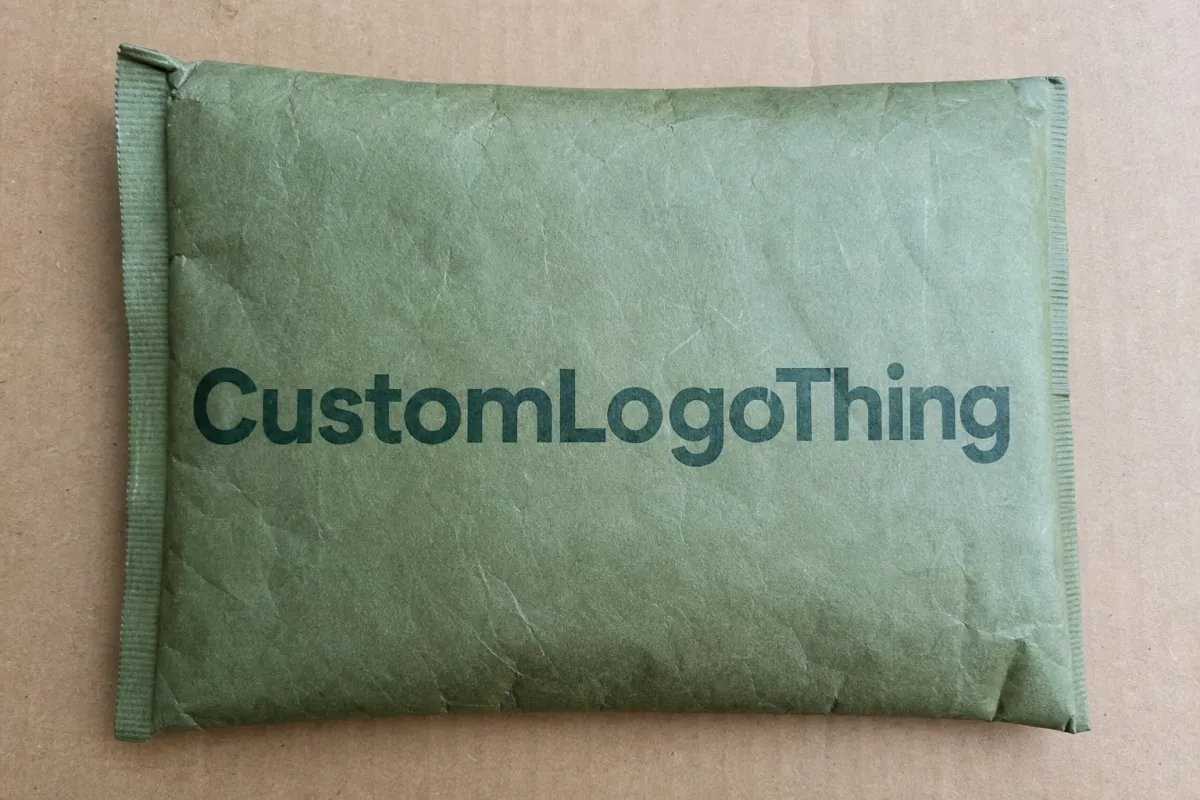
Sample kits fail in predictable ways. The product may be good, but the shipping package makes the whole experience feel cheap, messy, or wasteful. Custom Padded Mailers for Sample kits solve that before the customer ever sees the contents.
Unlike a plain poly mailer, a padded mailer adds a cushioning layer that actually does something. Unlike a rigid carton, it stays slim, light, and easy to handle. That combination is useful for mixed assortments where each unit does not need a full box but still needs better protection than a thin film bag.
For sample programs, the outer package is part of the product story. A clean printed mailer reinforces the brand without eating up space with unnecessary structure. That fits direct-to-consumer mailings, retail sample drops, and B2B outreach where the first impression needs to land fast.
The operational wins show up immediately:
- Lower shipping weight than a box with filler.
- Faster packing because there is less assembly.
- Better protection for small items that might scuff or shift in transit.
- Less void fill than an oversized carton.
- Cleaner presentation for mail-order and sample-kit fulfillment.
There is a reason so many teams default to mailers for launch kits, influencer kits, and sales samples. They are efficient. A printed mailer can also be tuned to the exact contents, which improves the unboxing moment without turning the project into a box-heavy build with inserts, tape logic, and extra labor. Sometimes a mailer is not a compromise. It is the correct format.
That said, mailers are not a fix for everything. If the contents are sharp-edged, heavy, or prone to leaking, the package has to be engineered around those realities. A padded mailer helps with vibration, light crush, and abrasion, but it does not replace product prep. Seal the liquids. Pad the corners. Do not expect a nice print job to survive bad packout decisions.
For many sample programs, the business case is simple: less material, fewer steps, and a better branded presentation than a bare shipping bag. That is why buyers come back to custom padded mailers again and again. They solve the ordinary problems that quietly destroy margin and customer goodwill.
How Custom Padded Mailers Work for Sample Kits
A padded mailer looks simple from the outside, which is usually a sign that the buying team should ask a few more questions. The structure usually has four parts: an outer layer, a cushioning layer, a closure, and a print or finish layer if the design is custom.
The outer layer may be kraft paper, recycled paper, co-extruded film, or a hybrid face stock. Paper versions often use a kraft face stock paired with a fiber pad or air-bubble paper liner. Plastic-based versions may use film with recycled content blended in. The cushioning layer absorbs vibration and minor impact. The closure is usually a peel-and-seal strip, though some programs add a tear strip for easier opening. Finish options can include matte, gloss, soft-touch, or an uncoated look depending on brand direction.
The padding is not there to make the mailer feel plush. It is there to reduce movement and soften the edges of what is inside. For sample kits, that matters more than many teams expect. A tiny glass dropper, a sachet with liquid, or a set of folded swatches can all arrive looking tired if they rattle around too much. Even soft goods can crease and scuff when they shift inside a loose mailer.
Fit is half the battle. A good sample kit mailer should hold the contents snugly without forcing the packer to overstuff it. If the team has to jam the product into the opening or add filler every time, the spec is wrong. That usually means the mailer is too shallow, too narrow, or too small for the actual contents plus inserts or cards. Common finished sizes for sample kits include 6 x 9 inches, 7.5 x 10.5 inches, and 9 x 12 inches, with larger formats reserved for thicker insert stacks.
One detail many teams skip is the opening experience. A peel-and-seal strip is efficient, but the opening still should feel deliberate. Tear notches, tamper-evident closures, and clean print alignment all help the package feel finished. If the mailer arrives mangled or is hard to open, the packaging design has already missed the mark, even if the product inside is fine.
Sample kit planning should also account for inserts and paperwork. A brand card, product guide, return postcard, or QR insert can be sized around the mailer format so the packer is not guessing. That reduces handling errors, especially in short runs where staff changes are common and nothing is fully automated. For a more premium feel, many teams use 350gsm C1S artboard for the main card insert, then pair it with a 250-300gsm reply card or instruction sheet. It adds structure without turning the mailer into a full box build.
When the structure matches the contents, padded mailers work the way good packaging should: quietly, efficiently, and without drama. The best packaging gets out of the way and still does its job.
Custom Padded Mailers for Sample Kits Sustainable Material Options
Sustainable material choices are where things get muddy. Everyone wants a cleaner answer, but not every material works for every sample kit. The right pick depends on product type, shipping conditions, moisture risk, and how the customer is likely to dispose of the mailer.
Three options show up most often: paper-based padded mailers, recycled plastic mailers, and compostable or hybrid constructions. Each has strengths. Each has tradeoffs. A paper-forward story is not automatically the best performance choice, which is why custom Padded Mailers for Sample kits sustainable material options need to be judged by use case, not marketing copy.
| Material option | Best for | Strengths | Tradeoffs | Typical unit price at 5,000 pieces |
|---|---|---|---|---|
| FSC paper padded mailer | Light, dry sample kits, swatches, cards, soft goods | Strong shelf appeal, easy to print, paper-forward look, fits a kraft-based brand system | Less moisture resistance, weaker than film in wet lanes, recycling depends on local rules and whether the build is mostly paper | $0.15-$0.24 for standard sizes with one- or two-color print |
| Recycled poly padded mailer | Cosmetics, sachets, small liquids, mixed kits, rough shipping lanes | Better tear strength, better moisture resistance, lighter than many box setups | Not ideal for every curbside stream, less natural look, disposal depends on local film recovery | $0.16-$0.27 depending on size and print coverage |
| Compostable or hybrid mailer | Controlled sustainability programs, premium eco campaigns | Can support a strong environmental story, useful for specific brand positioning | Usually higher cost, narrower performance window, disposal infrastructure is inconsistent | $0.22-$0.40, sometimes more for smaller runs or specialty films |
Paper works best when the kit is light, dry, and visually simple. It gives a cleaner unboxing feel and often pairs well with kraft-based branding, minimal print, and FSC-certified sourcing. For brands that want the package to feel less industrial and more editorial, paper is usually the first material to test. Just do not assume every paper mailer is automatically recyclable everywhere. Local rules still matter, and paper mailers with plastic liners or heavy coatings may not belong in standard paper streams.
For general recycling guidance, the EPA keeps a useful overview here: EPA recycling guidance.
Recycled poly works when the kit may face moisture, smudging, or rougher transit. If the sample includes liquids, coated items, or products that might scuff against each other, a recycled plastic mailer often performs better. Recycled content can be meaningful, especially when the alternative is overbuilding the package with a heavier structure. That is practical sustainability, not theater.
Compostable options need a more cautious read. They sound attractive, and sometimes they are the right fit for a controlled program with a clear end-of-life path. But compostable claims are easy to oversell and hard to manage at scale. If your audience does not have access to proper composting infrastructure, the promise gets messy fast. A more expensive mailer with unclear disposal is not automatically the greener choice.
There are also details inside the material spec that matter more than marketing copy. Look for these markers:
- PCR content if the structure includes recycled plastic.
- FSC-certified paper if the face stock is paper-based.
- Recyclable adhesive choices where available.
- Controlled print coverage so the material stays easier to recover.
- Clear disposal guidance printed or inserted for the end user.
For brands that care about third-party standards, it helps to check how the packaging maps to real certification language rather than loose eco claims. FSC is a better anchor than vague green copy, and transit testing references from ISTA can help if the kit needs to survive parcel handling without failure. That is not glamorous, but neither is paying for re-ships because a package was underbuilt.
If the sample kit includes items that may leak, sweat, or deform, I would rather see a recycled poly mailer that keeps the product safe than a paper mailer that arrives stained and torn. The most sustainable option is often the one that prevents waste, not the one that sounds pure in a sales deck.
Cost, Pricing, and MOQ: What Drives the Quote
Pricing for custom padded mailers is less mysterious than some suppliers make it sound. The quote usually comes down to a handful of variables: material type, size, print colors, cushioning thickness, seal style, and whether the design uses a standard conversion or something more specialized.
The first mistake teams make is asking for a price before the size is locked in. That rarely ends well. A mailer that fits a 6 x 9 inch kit is not priced like one that fits a 10 x 13 inch assortment with inserts, a card, and a sample vial. Even a small change in finished size can shift material usage and freight weight.
MOQ matters too. Lower quantities almost always cost more per unit because setup gets spread across fewer pieces. That is normal. A 1,000-piece order with custom print will usually carry a much higher unit cost than a 10,000-piece run. If a supplier says otherwise, ask where the catch is hiding.
Here is a practical way to think about the cost stack:
- Base material - paper, recycled poly, or hybrid build.
- Size and gusset - larger formats consume more stock.
- Print complexity - one-color branding is cheaper than full-coverage graphics.
- Closure and finish - tear strips, soft-touch coats, and specialty laminations add cost.
- Sampling and proofing - physical samples and artwork revisions take time and money.
- Freight and storage - a low unit price can still lose once shipping is added.
For a standard sample kit run of 5,000 pieces, a realistic quote often lands around $0.15-$0.24 per unit for paper padded mailers, depending on size and print coverage. Recycled poly usually sits in a similar range, though the exact number shifts with film thickness and closure style. Specialty compostable builds can run higher because the substrate is costlier and supply is narrower. Move from one-color print to full-bleed graphics, add a matte varnish, or widen the format, and the number rises. Packaging does not care about wishful thinking.
For many sample kit launches, the real unit-cost range looks something like this:
- Paper padded mailers: about $0.15-$0.24 at 5,000 pieces, with standard sizing and limited print coverage.
- Recycled poly mailers: about $0.16-$0.27 at similar volumes, especially when the film gauge or closure is upgraded.
- Compostable or specialty hybrid mailers: about $0.22-$0.40, with smaller runs often landing at the top of that range.
Those numbers are not a promise. They are a reality check. The cheapest quote can become the expensive one once you count damaged samples, slower packing, rework, and the cost of replacing a bad first impression. That is why I always push buyers to compare unit cost plus packing speed plus shipping weight, not unit cost alone.
If you are comparing categories, it can help to view them next to other formats like Custom Poly Mailers and then decide whether the sample kit truly needs extra cushioning. Some projects do. Some do not. That distinction saves money fast.
Also watch for hidden costs that get buried in rushed quotes:
- proofing charges for color matching
- special tooling for unusual sizes
- freight from overseas production
- storage if the order ships in multiple waves
- reprints if the artwork approval process goes sideways
From a packaging buyer's point of view, a good quote is not the lowest number on the page. It is the quote that matches the real sample kit, the real packing process, and the real shipping lane.
Process and Timeline: From Sample Brief to Production Steps
The cleanest projects start with a proper brief. Not a vague mood board. Not a file named final_v7_reallyfinal.pdf. A useful brief. If the supplier has to guess the dimensions, the insert count, or the target sustainability profile, the quote will be sloppy and the lead time will drift.
The usual workflow is straightforward:
- Product audit - measure the sample kit, including inserts, cards, and any sealed items.
- Size selection - choose a mailer that fits without forcing overpacking.
- Artwork prep - place logos, messaging, and regulatory copy on the dieline.
- Dieline review - confirm where folds, seals, and print-safe areas sit.
- Proof approval - check color, layout, and material callouts.
- Sampling - review physical material before full production.
- Production - manufacture, print, convert, and finish.
- Shipment - send to your warehouse or fulfillment site.
Lead time depends on complexity. A simple custom job with a standard structure and limited print colors often moves from proof approval to shipment in 12-15 business days. That is the number most teams actually want. If the spec adds specialty materials, full-coverage print, imported stock, or a slow approval chain, the timeline can stretch to 3-5 weeks or longer. Freight adds its own clock on top of that.
The biggest delays are usually not in the factory. They are in the office.
- Artwork revisions because brand, legal, and operations all want different things.
- Material sourcing if the exact sustainable substrate is not in stock.
- Approval bottlenecks when too many people sign off late.
- Sample changes after the first packed unit shows the fit is wrong.
A clean brief should include the following details if you want a realistic quote the first time:
- finished dimensions of the sample kit
- weight of the packed unit
- number and size of inserts
- liquid, powder, or fragile content notes
- print goals and brand colors
- destination market and shipping method
- recycling or composting target, if there is one
For projects that matter, I also recommend asking for a packed sample, not just a flat sheet proof. Flat art can look perfect and still be wrong once the sample kit is inside. A packed prototype reveals whether the closure holds, whether the padding is enough, and whether the unboxing sequence feels thought through.
If the kit will be shipped in volume or through rough parcel networks, ask about transit testing. The ISTA standards are a sensible reference point for vibration, drop, and compression testing. You do not need a lab report for every small run, but you do need more than optimism.
The smartest launch schedules work backward from the ship date. Build in time for proofing, one round of revision, and a buffer day for freight. A custom mailer is not something that appears overnight because someone in the room got excited.
Common Mistakes That Waste Money or Hurt Sustainability
The most expensive padded mailers are not always the ones with the highest quote. Often they are the ones specified badly. A slightly oversized mailer, a mixed-material structure that is hard to recover, or an overbuilt spec for a light sample kit can waste money faster than most teams expect.
First mistake: oversizing. If the mailer has too much dead space, the team usually adds filler or overpacks the contents. That means more material, more cost, and a worse presentation. It also increases movement during shipping, which defeats the point of padding in the first place.
Second mistake: confusing material complexity with sustainability. A mailer with five layers and a polished eco message is not automatically better than a simpler structure with higher recycled content. Mixed materials can make recycling harder, especially when adhesives, films, and print layers are not easy to separate.
Third mistake: over-specifying performance. Not every sample kit needs a heavy-duty mailer with industrial-grade crush resistance. If the contents are light and dry, paying for extra structure is just budget leakage. Spend the money where it matters: fit, print quality, and the right amount of protection.
Fourth mistake: underbuilding the mailer. This one sounds obvious, yet it still happens. A thin mailer that looks efficient on paper can become expensive once damaged samples, returns, and replacement shipments show up. The cheapest packaging is not cheap if it fails in the field.
Fifth mistake: vague environmental claims. Teams sometimes write the green copy before they have the documentation to back it up. Ask for recycled content data, FSC paperwork, or clear disposal guidance before using sustainability language on the package. If the claim cannot be defended, do not print it.
There is also a softer mistake that hurts teams internally: choosing a mailer that looks great in a mockup but is miserable to pack. If the fulfillment team hates the format, they will find workarounds, and the package will stop performing the way the design intended. Packaging design has to survive contact with the warehouse.
That is especially true for sample kits with multiple components. A nice outer finish means very little if the inserts shift, the seal catches, or the contents are awkward to load. Good product packaging works in production, not just in the presentation deck.
The best projects keep the structure simple and the claims honest. That is how you get a mailer that supports the sample kit instead of pretending to be something else.
Expert Tips and Next Steps for a Smarter Sample Kit Rollout
If I were setting up a new sample program, I would start small and test the real packout first. Not the artwork file. The actual sample kit. Flat designs hide problems. A physical pilot exposes them quickly.
Request material swatches and a packed sample before full approval. That gives the team a chance to judge stiffness, seal quality, print clarity, and the feel of the opening moment. A lot of so-called premium packaging falls apart right there because the closure is awkward or the print looks muddy under real light.
For brand teams, the goal should be clear: make the outer package support the message without draining budget or adding clutter. That means deciding whether the priority is visual polish, moisture resistance, lower shipping weight, or easier recycling. You do not get every benefit at once. Packaging does not hand out bonus points for trying to do everything.
A simple decision matrix keeps the conversation honest:
- Brand - does the finish match the packaging design and package branding goals?
- Protection - does the structure protect the contents under normal parcel handling?
- Cost - what is the true landed cost, including freight and rework?
- Disposal - can the customer recycle or compost it where they live?
That last point matters more than many teams admit. Sustainability claims only help when they map to real behavior. A paper mailer that goes into the wrong bin is not more noble than a recycled poly mailer that keeps the product intact and reduces replacements. There is no prize for avoidable damage.
Here is the short version of the buying advice:
- Match the mailer to the contents, not the aesthetic mood.
- Ask for proof of recycled content or certification if you plan to market the eco angle.
- Test fit with the actual insert stack, not just one sample.
- Compare total landed cost, not only unit price.
- Keep the spec sheet tight so production does not guess.
If you are early in the process, it helps to line up sample kit mailers next to other formats such as Custom Packaging Products and decide whether the launch needs a mailer, a box, or a hybrid approach. There is no prize for overcomplicating the packout. There is also no prize for shipping something fragile in a flimsy pouch and calling it minimalist.
For a lot of brands, the sweet spot is a well-fitted mailer with a clean print system, moderate recycled content, and enough protection to survive the actual route. That mix keeps the brand sharp, the shipping light, and the operations team calm. Which, frankly, is a rare and underrated outcome.
The clearest next step is simple: define the kit dimensions, choose the material based on the shipping lane, and request a packed sample before production. That one move catches most of the costly mistakes early and turns custom Padded Mailers for Sample Kits sustainable material options into a spec decision instead of a guess.
FAQ
What is the best sustainable material for custom padded mailers for sample kits?
There is no single winner. Paper works well for light, dry kits and often fits a kraft-based or FSC-oriented brand story. Recycled poly is usually better for moisture resistance, tear strength, and rough shipping lanes. If the kit includes liquids, glass, or coated items, I would choose performance first and sustainability second, because a damaged sample is the least sustainable outcome.
Are recycled padded mailers strong enough for sample kit shipping?
Yes, if the mailer is sized correctly and matched to the weight and contents. Recycled content does not automatically mean weak. The real question is whether the structure has enough cushioning, a good seal, and the right film or paper thickness for the route. For heavier or sharper items, a stronger film or hybrid build is usually safer than assuming every recycled mailer performs the same way.
How much do custom padded mailers for sample kits usually cost?
Cost depends on material, size, print coverage, and MOQ, so the unit price can swing a lot even when the mailers look similar. For a 5,000-piece run, standard paper padded mailers often land around $0.15-$0.24 per unit depending on size and print coverage. Recycled poly usually lands around $0.16-$0.27, and compostable or specialty hybrid options often sit around $0.22-$0.40. Freight, proofing, and replacement cost from damaged samples can change the real number fast.
What is the typical lead time for sustainable sample kit mailers?
Lead time usually includes proofing, sampling, production, and transit, so the clock starts before manufacturing does. A simple custom run may move from proof approval to shipment in roughly 12-15 business days, while specialty materials, multi-color print, or slower approval chains can stretch to 3-5 weeks or more. If a launch date matters, build in margin and do not count on last-minute heroics.
Can I order a small MOQ before scaling up sample kits?
Yes, and a small pilot run is usually the smartest move if you want to test fit, brand feel, and disposal claims before committing to a larger order. Smaller MOQs usually cost more per unit because setup is spread over fewer pieces, but that premium is often worth it. I treat custom padded mailers for sample kits sustainable material options as a spec decision, not a branding mood board, and a pilot run is the easiest way to keep the spec honest.

