Buyer Fit Snapshot
| Best fit | Branded Padded Mailers for Sample Kits projects where brand print, material claims, artwork control, MOQ, and repeat-order consistency need to be specified before quoting. |
|---|---|
| Quote inputs | Share finished size, material target, print colors, finish, packing count, annual reorder estimate, ship-to region, and any compliance wording. |
| Proofing check | Approve dieline scale, logo placement, barcode or warning zones, color tolerance, closure strength, and carton packing before bulk production. |
| Main risk | Vague material claims, crowded artwork, missing packing details, or unclear freight terms can make a low unit price expensive after revisions. |
Fast answer: Branded Padded Mailers for Sample Kits: Shipping Checklist should be specified like a repeatable production item. The safest quote records material, print method, finish, artwork proof, packing count, and reorder notes in one written spec.
Production checks before approval
Compare the actual filled-product size with the drawing, then confirm tolerance on folds, seals, hang holes, label areas, and retail display edges. Reserve space for logos, QR codes, warning copy, and material claims before decorative graphics fill the panel.
Quote comparison points
Review material grade, print process, finish, sampling route, tooling charges, carton quantity, and freight assumptions side by side. A quote is only useful when the supplier can repeat the same color, closure quality, and packing count on the next order.
Branded Padded Mailers for Sample kits shipping durability checklist is a mouthful, sure. The job itself is not mysterious: keep the kit intact, keep the brand looking intentional, and avoid sending a customer a damaged package with a pretty logo on top. A mailer can look excellent on a mockup and still fail the second it gets crushed in a sortation bin, scraped on a conveyor, or wedged under heavier parcels. Packaging does not care about the mood board.
For brands shipping samples, swatches, trial sizes, promos, or product inserts, the mailer has two jobs. It has to protect the contents. It also has to act like the first physical proof of the brand. If the package arrives torn, bent, or hanging together with desperate tape, nobody starts by blaming the carrier. They blame the brand. Then they remember it later, which is worse.
The real test is not whether the mailer photographs well on a desk. The real test is whether it still looks respectable after vibration, pressure, stacking, and the kind of drops that happen when a parcel moves through a real network. That is where a shipping durability checklist earns its keep. Material choice, seal strength, fit, print coverage, and packing behavior decide whether the sample kit arrives ready to impress or arrives as a support ticket.
Branded Padded Mailers for Sample Kits: Why Durability Matters
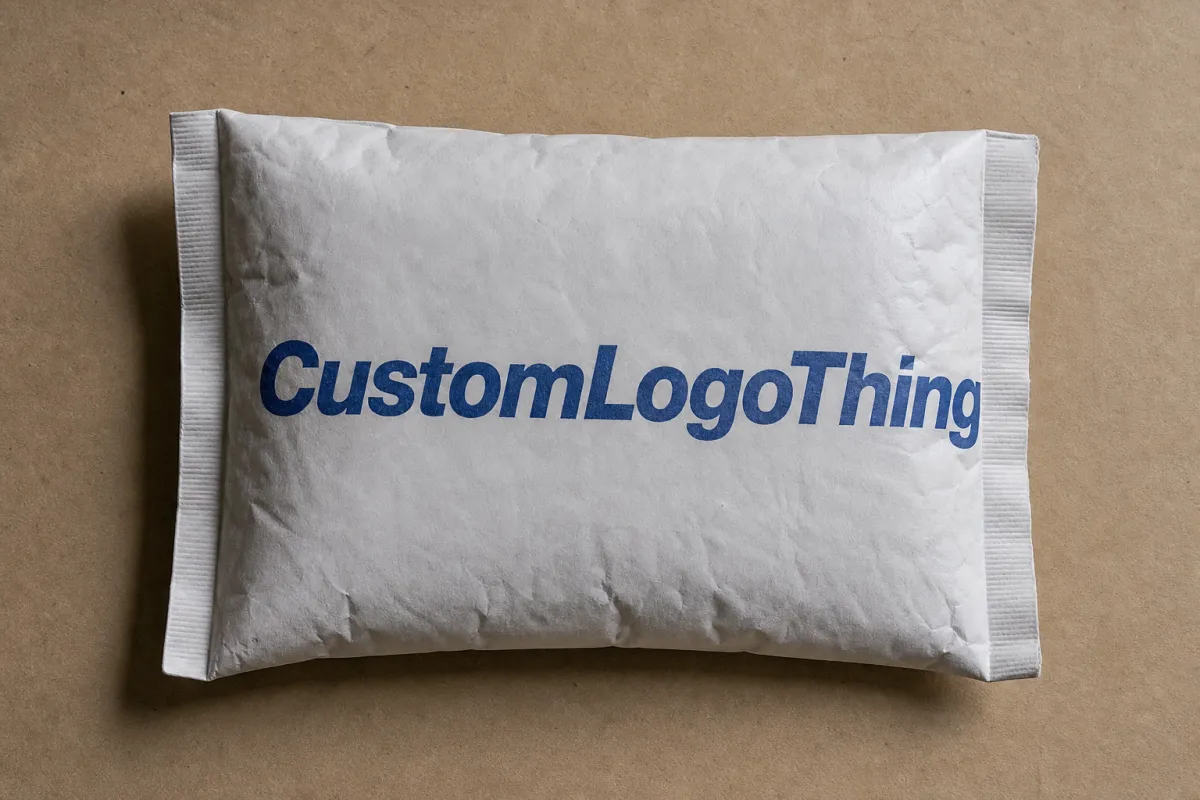
Sample kits are small, which makes people underestimate them. Bad habit. A set of glass vials, sample jars, folded cards, swatches, and inserts can turn into a tiny demolition derby inside a thin envelope. Corners push outward. Heavy pieces migrate. Edges rub. The package starts losing before it even leaves the warehouse.
From the buyer side, the goal is straightforward: the mailer should look branded without acting fragile. A printed outer layer can carry logos, graphics, handling notes, and campaign details, but the structure underneath has to absorb abuse. A paper-padded build might use a 190-250gsm kraft outer stock with a bubble or fiber cushioning layer. A more premium presentation build might use a 350gsm C1S artboard sleeve around the kit, then place that inside a cushioned shipper. Pretty artwork does not fix a weak seam. It never has.
That is why branded Padded Mailers for Sample kits should be judged by transit performance, not by how they sit in a product photo. The question is whether the kit reaches the customer in the same condition it left the packing table. Fewer damaged samples mean fewer replacements, fewer reships, fewer support tickets, and fewer awkward explanations about why a polished launch arrived looking beat up.
"If a mailer folds under a 3-foot drop, it was not built for shipping. It was built for a sample table and a caption."
There is a brand perception piece here that teams often underestimate until it bites them. Packaging is usually the first physical evidence that the company pays attention. A split seam or ugly re-tape tells the customer the operation is sloppy. A clean, intact arrival does the opposite. The package feels deliberate before the sample is even opened, which matters in shipping where first impressions and damage get judged together.
For launch planning, the better question is not "How attractive can this be?" It is "How much abuse can this package take before it fails, and what does that failure cost?" The answer depends on the sample content, the route, and the quantity. A 50-unit influencer kit with glass components is a very different problem from a 5,000-piece sample program with flat cards and inserts.
A structured durability checklist keeps the team honest. It should cover structure, closure, fit, testing, and quote assumptions. It should also connect the packaging decision to the rest of the shipping stack: shipping materials, dimensional weight, carton logic, and the labor it takes to pack each unit without turning fulfillment into a slow, expensive mess.
How Branded Padded Mailers Protect Sample Kits in Transit
Protection comes from layers, not wishful thinking. The outer shell fights abrasion and tearing. The cushioning absorbs impacts and softens edge contact. The closure holds everything together when the parcel bends, gets squeezed, or takes a drop. If one layer is weak, the others end up carrying too much of the load. If two layers are weak, the package fails in ways nobody can ignore.
Paper-based padded mailers usually use a kraft or printed outer stock with internal padding. Bubble-lined versions rely on air pockets for cushioning and tend to handle repeated scuffing better. A common production spec is a 120-170gsm outer paper with 3/16 inch bubble lining, which is usually enough for flat kits, cards, and light component sets. Poly mailers with padding are lighter and often resist moisture more effectively, while paper versions may suit brands chasing a matte, premium, or recyclable-looking presentation. If sustainability claims are part of the pitch, check the actual spec sheet. Marketing language is cheap. Material proof is not. Certifications like FSC should be confirmed directly, and the FSC organization explains the standards at fsc.org.
The contents matter more than most teams expect. Glass droppers, tins, and jars bring puncture and crush risk. Liquids introduce leak risk and can weaken paper if the barrier fails. Powders are lighter, but they still create pressure issues once rigid inserts or sharp-edged components get involved. Swatches and printed cards sound harmless until they are bundled too tightly and start curling or creasing inside the envelope.
Branding choices can change performance. Heavy ink coverage, deep color blocks, and special finishes can look sharp, but they can also hide seam problems, fold issues, and stress lines during inspection. A full-bleed black mailer with a matte varnish may look expensive, then show every rub mark once it hits a conveyor belt. Adhesive choice matters too. A hot-melt closure that behaves in a warm warehouse can act differently after a cold night in transit. I have seen seals that looked fine at packing fail after one rough transfer. Not glamorous. Very real.
The bigger question is whether a padded mailer is enough or whether the kit really needs a corrugated box. A mailer usually works for flat, moderate-value samples with controlled weight and little internal movement. A box is safer when the kit includes multiple rigid pieces, tall bottles, fragile glass, or enough looseness inside to create corner damage. A padded mailer is not a cheaper box. It is its own structure, with its own limits, and pretending otherwise is how damage claims happen.
That tradeoff shows up quickly when the protection load changes. A mailer handles light scuffs and mild compression well enough. A corrugated box with void fill does a better job controlling movement and edge crush. If the package is likely to ride through mixed freight, stack under heavier parcels, or move through a long fulfillment chain, the box can end up cheaper in the long run because it avoids rework. Many brands compare both options in their Custom Packaging Products catalog and choose based on contents, route, and labor.
A clean rule of thumb works better than a pretty theory. Start with fragility. Add route severity. Then think about appearance. That order usually produces better decisions than starting with design and hoping protection catches up later. From there, it becomes easier to decide whether branded Padded Mailers for Sample kits are the right fit or whether the project needs a different transit format.
Shipping Durability Checklist: Materials, Seal Strength, and Fit
A good durability checklist should be specific enough to compare supplier samples without turning into a debate over vibes. The point is to reduce guesswork. If one mailer passes and another fails, the team should be able to point to a reason that can be measured, not a reason that sounds polite.
Start with the material layer. Ask for the outer stock type, basis weight or gauge, and whether the print process changes the hand-feel or structure. For paper mailers, check whether the outer layer resists tearing at corners and seams. For poly versions, puncture resistance and seal integrity usually matter more. Padding density matters too, because cushioning that looks thick can compress quickly once real weight gets involved. For insert cards or presentation pieces, a common spec is 350gsm C1S artboard or 16pt SBS, which gives enough stiffness to protect print without turning the kit into a brick.
Then move to closure strength. A strong adhesive seal should stay shut during vibration, light compression, and normal handling. If the seal peels back with gentle pressure, the design is too risky. Heat and cold can also shift performance. A closure that looks fine on a desk may start acting weak after hours in a hot truck or a cold dock. For recurring programs, ask whether the closure tape is pressure-sensitive hot melt, peel-and-seal, or a tamper-evident strip. The answer changes both performance and pack-out speed.
Fit is where teams make the same mistake twice. The outer size of the mailer matters less than the usable space inside it. Too much slack lets the contents slide and bang into the edges. Too little space bends inserts, buckles cards, and stresses the closure. Internal dimensions should be checked against the finished kit, including sleeves, dividers, tissue, and any insert that adds bulk after assembly. If the final pack includes a rigid panel, factor in the extra 1/8 to 1/4 inch that shows up after lamination or folding. That is where the bad surprises live.
Useful test methods do not require a lab coat and a clipboard. They require consistency.
- Drop test: Test the packed kit from several orientations, including corners and edges, at a realistic height such as 30-36 inches.
- Shake test: Shake the parcel by hand for 15-20 seconds and listen for shifting, rattling, or impact inside the mailer.
- Compression check: Stack a modest load on the package for a few hours and watch for crushed corners or seal failure.
- Route simulation: Send a pilot batch through the actual shipping lane before approving production.
For formal performance language, many buyers look at packaging standards like ISTA transit procedures or ASTM distribution testing methods. ISTA posts packaging testing resources at ista.org, which helps when a supplier says the mailer has been "tested" but does not say how. For a broader industry view, the Institute of Packaging Professionals has useful material at packaging.org.
A simple scorecard keeps the review clean. Score the seal, corner integrity, print durability, content movement, and appearance after shipping. Use the same test contents every time. That way, branded Padded Mailers for Sample kits can be compared on actual performance, not on which sample came with the shinier sales pitch. A glossy mailer is still a failure if the closure opens after one basic drop test.
| Mailer Type | Typical Strength Profile | Common Use Case | Approx. Unit Cost Range |
|---|---|---|---|
| Paper padded mailer | Good surface presentation, moderate tear resistance, light to medium cushioning | Flat sample kits, cards, swatches, light inserts | $0.15-$0.24 per unit at 5,000 pieces for simple print; $0.24-$0.45 for larger sizes or heavier coverage |
| Bubble padded mailer | Stronger cushioning, better shock absorption, lighter overall weight | Small fragile items, bottles with secondary wraps, mixed sample packs | $0.18-$0.38 at 5,000 pieces, depending on size, bubble thickness, and print coverage |
| Poly mailer with padding | Moisture resistance, good flex resistance, lighter shipping weight | Light kits where dimensional weight and weather exposure matter | $0.16-$0.34 at 5,000 pieces, depending on film gauge and branding |
| Mailer plus box | Best crush control and internal stability, higher material and labor cost | Fragile kits, premium launches, multi-piece assemblies | $0.55-$1.40+ depending on box style, inserts, and assembly time |
Those ranges are not universal. They move with order volume, color count, finish, and freight. Even so, they give buyers a more honest starting point than vague claims like "affordable" or "premium." If the sample kit is part of a high-volume launch, the difference between a lighter mailer and a box can also affect dimensional weight, which changes postage more than a lot of teams expect.
For a cleaner quote conversation, ask suppliers to price the same spec three ways: plain stock, one-color print, and full-coverage print. That makes it easier to see what each feature costs. A standard run at 5,000 units often lands in a lower unit range once the art is locked and the dieline is reused; custom shapes, foil, or heavy ink coverage push the number up fast. That is normal. Surprise is not.
Cost, Pricing, MOQ, and Quote Factors for Sample Kit Mailers
Pricing for Branded Padded Mailers for sample kits comes from more than raw material cost. Size is the first driver because larger mailers use more stock, more padding, and more print area. Material type comes next. Paper, bubble, and poly sit at different cost points, and the gap gets clearer as volume rises. A narrow mailer sized for one folded insert might be cheap. A larger format that holds a tube, a booklet, and a swatch deck will not be.
Print complexity sits right behind that. A one-color logo on one panel costs less than full coverage, multi-color artwork with bleeds and tight registration. Finishes like matte lamination, soft-touch coating, foil, or specialty varnish can add appeal, but they also add setup cost and often increase lead time. If the branding is bold, ask whether that coverage affects fold lines or adhesive zones. Pretty is nice. Printable is better. And if the outer mailer needs a presentation insert, the cost of a 350gsm C1S artboard card or a folded insert usually needs to be counted separately.
Minimum order quantity, or MOQ, changes the math fast. A smaller launch may pay more per unit because setup and production overhead get spread across fewer pieces. That is not always a bad deal. A pilot order with a manageable MOQ can protect the brand from committing to a design that has not been tested with real contents. For sample kits, lower risk can beat lower unit price. A 500-piece test run at a higher unit cost is often cheaper than a 10,000-piece failure that needs to be tossed or reworked.
The quote review gets more useful when costs are split into two buckets: product costs and project costs. Project costs often include proofs, sampling, tooling or setup fees, freight, and rush charges. Two quotes can look close on the line item and still end up far apart once shipping and packaging services are added. If the launch date is fixed, the all-in number is the number that matters.
Here is a clean way to review quotes for sample kit mailers:
- Confirm the outer size and internal usable space.
- Ask for material specs instead of relying on a product name alone.
- Check the print method and the number of colors.
- Verify whether proofing and revisions are included.
- Ask for freight estimates to the real destination.
- Compare the cost of rework if the mailer fails in transit.
That last point matters because the cheapest mailer can become the most expensive once damage starts showing up. If 3% of units fail, the hidden costs include replacement product, handling time, reshipment postage, and customer annoyance. In some fulfillment operations, even a small defect rate throws off inventory planning because damaged kits still burn labor before they get tossed. For teams that care about tight order fulfillment, the true cost is material plus labor plus postage plus loss. Tiny savings do not matter much when they trigger repeat work.
Buyers often ask where they can save. The honest answer is simple: save on features that do not affect survival in transit. Do not save on seal quality, padding integrity, or fit. Those are structural decisions. Saving a few cents per unit is not much of a win if the replacement cost is several dollars per package. A white stock mailer with one-color print and a standard peel-and-seal closure is often a sane baseline. Special finishes are nice if they earn their keep; they are not magic.
If you are comparing formats, it can help to review Custom Poly Mailers alongside padded options. That comparison matters when the sample kit is light enough that a lighter shipper keeps postage down without giving up the protection the contents actually need.
Production Steps and Timeline: From Artwork to Shipment
Custom packaging works best when the timeline runs backward from launch day. The order of operations is usually straightforward. The delays are not. Brief, structure spec, artwork setup, proofing, approval, production, quality checks, packing, dispatch. Easy to say. Easy to derail if a file is wrong or a decision gets stuck in email.
The brief should answer the basics: what is in the kit, how it will be packed, what the customer should feel when they open it, and what shipping conditions it must survive. The structural spec should include inner dimensions, material type, seal style, and print requirements. If the contents are fragile or oddly shaped, ask for a prototype or sample before approving the run. Guessing is a terrible production strategy.
Artwork setup can be fast or painfully slow depending on whether the files are print-ready. Clean dielines, correct bleed, and accurate color references cut down revision cycles. If the design uses metallic ink, specialty coating, or tight color matching, expect extra proofing. A digital proof is fine for layout. A physical sample is better when seal placement, fold behavior, or print opacity can change the final result. That is especially true on black or deep-color mailers, where a tiny registration error becomes very visible.
Lead time depends on customization level and material availability. A simple branded mailer can move faster than one with special finishes or a niche substrate. For standard custom runs, production is often 12-15 business days from proof approval. Add another few days if you need foil, heavy lamination, a custom insert, or a new structural size. Supplier location matters because transit time can take a meaningful bite out of the schedule. If the order moves through multiple production steps or overseas freight, the timeline should include enough buffer to absorb customs or port delays without wrecking the launch.
A practical planning frame looks like this:
- 6-10 weeks out: lock the structure, content weight, and artwork direction.
- 4-6 weeks out: review proofs, request samples, and confirm quote assumptions.
- 3-4 weeks out: approve production and verify fulfillment timing.
- 1-2 weeks out: receive goods, inspect cartons, and prepare packing.
- Launch week: run final quality checks and ship the campaign.
That schedule is flexible, not decorative. A simple one-color design from stocked material may move faster. A custom structural order with premium finishes may take longer. The smart move is to leave time for revisions, especially when marketing, procurement, and operations all want a say. One missed approval can cost more than a slightly higher material price.
When teams build packaging around a larger launch, it helps to align the mailer with the rest of the packaging stack. If the sample kit includes inserts, labels, or a presentation box for premium tiers, review how those pieces interact. For more complex programs, brands often move to Custom Shipping Boxes when the kit has outgrown what padded transit packaging can safely handle.
There is one shipping detail that gets skipped too often: carriers and fulfillment partners need dimensions early to set rates and carton logic. If the mailer size changes late, postage and lane assumptions can shift too. That is another reason to settle the structure before the artwork is locked.
Common Mistakes That Cause Damage, Reprints, and Delays
The fastest path to damage is a mailer that is too small. When the kit has to be forced into a tight pouch, corners buckle and the seal starts under stress. The opposite mistake is just as common. Too much empty space lets the kit drift inside the package and slam into the edges. That creates scuffs, creases, and crushed corners. Packaging hates empty space and tight corners in equal measure.
Weak closures are another predictable failure point. Some seals hold until stacking pressure or heat gets involved, then they lift. Others survive in a dry warehouse and soften once transit conditions change. That is why closure testing should happen in conditions the parcel is actually likely to face, not just on a clean desktop with no chaos nearby. A mailer with a 1/2 inch adhesive strip and a clean peel liner is a lot safer than a seal that depends on everybody packing carefully forever. That fantasy dies fast.
Designing for looks only is risky. Heavy ink coverage can make a package feel premium, but it can also hide seam distortion or early surface wear. Glossy coatings can look polished, then turn out to be a bad choice if the team needs to spot stress lines during inspection. Fold placement matters too. If graphics cross a critical fold or seal area, the package may be harder to manufacture cleanly and harder to inspect later.
Another common problem is inconsistent sample weight. A mailer approved with a light prototype may fail once the final kit includes extra inserts, a card, or a slightly heavier sample. That creates a mismatch between the tested load and the actual order fulfillment load. When the weight changes, the structure should be retested. Otherwise, the packaging decision is built on the wrong version of reality.
Process mistakes can be just as expensive as structural mistakes. Skipping proofs saves time only until a print error forces a reprint. Approving a rushed sample without testing the actual contents usually leads to damage after launch. Ignoring carrier handling conditions can backfire too, because a parcel that survives local hand delivery may collapse in mixed parcel networks where drops and compression are routine.
Here are the failure patterns that show up over and over:
- Contents move freely inside the mailer.
- Seal opens when the parcel is squeezed.
- Edges crush during stacking or transport.
- Print rubs off or hides defects.
- Sample kit weight changes after approval.
- Testing happens without real shipping conditions.
All of that is avoidable if the team treats sample kit packaging as a controlled test instead of a branding afterthought. The best decisions usually come from comparing one tested option against another and writing down what happened. That is where case histories help. Brands reviewing their own programs often study Case Studies to see what improved performance and what created repeat failures.
There is also a small but real difference between a packaging failure and a logistics failure. Sometimes the mailer is fine, and the label placement, pallet stacking, or carrier choice creates the mess. That is why durability should be reviewed with shipping methods, not on a separate island where nobody has to deal with the consequences. If the package moves through a high-compression lane, the pack-out may need more protection than the design team first planned.
Expert Tips and Next Steps for Better Sample Kit Shipping
The most reliable move is also the least exciting: build a pilot run with real contents, real labels, and a real shipping route. Not a mock-up. Not a studio sample. A genuine packed kit that moves through the same path the final order will use. That gives the team actual evidence on seal strength, scuffing, shifting, and presentation after transit. If it survives the real route, the full run has a much better shot.
Another smart step is to create a one-page internal checklist. Keep procurement, packaging, and marketing on the same sheet. Include the approved material, internal dimensions, print requirements, seal type, weight target, and test results. That reduces the risk of different people working from different versions of the sample. It also makes signoff faster because everyone is reviewing the same criteria instead of reenacting a guessing game.
Data matters after launch too. Track damage rates, customer feedback, and any gap between expected and actual packing time. A mailer that performs well but slows packing can still hurt the program. A cheaper option that drives more replacements may cost more over the full campaign. Small performance gaps become expensive when sample kits ship at volume.
Packaging teams tend to underuse the first run. That first release tells you how the mailer handles pressure, how the print holds up, whether the adhesive survives transit, and whether the size is actually correct. Those observations beat speculation every time. If the next run is larger, the cost of being wrong gets larger too. Funny how that works.
For brands that want a stronger starting point, here is a short action list:
- Request supplier samples with the actual internal dimensions.
- Pack the final sample kit, not a lighter placeholder.
- Run drop, shake, and compression checks.
- Compare at least two material options if volume allows.
- Verify quote assumptions, including freight and proofing.
- Confirm that the branded padded mailers for sample kits fit the exact shipping plan.
If the kit is going to scale, the structure should scale with it. That may mean shifting to another mailer style, changing padding, or moving to a box for a heavier version of the program. The point is not to marry one package format forever. The point is to choose the format that protects the sample, controls cost, and keeps the brand consistent without pretending every shipment is identical.
In the bigger packaging picture, the strongest programs treat transit packaging as part of the product experience. The mailer is not a disposable shell. It is part of the promise. With a real shipping durability checklist behind it, branded padded mailers for sample kits can do the job buyers actually need: protect the contents, present the brand well, and keep shipping costs from drifting all over the place.
Frequently Asked Questions
How durable are branded padded mailers for sample kits in real shipping conditions?
Durability depends on the outer material, padding thickness, seal quality, and how tightly the sample kit fits inside the mailer. A solid test uses the actual kit, not a lighter substitute, and runs it through a drop test, a compression check, and a simulated carrier route before approval. Fragile or oddly shaped contents may need a stronger seal, extra cushioning, or a box-style structure instead of padding alone.
What size branded padded mailers for sample kits should I choose?
Start with the finished dimensions of the sample kit, not just the contents, because inserts, dividers, and branding cards add bulk fast. Leave enough room for a snug fit without too much movement; excess slack can cause edge damage and corner denting. Ask suppliers for internal dimensions and sample prototypes so you can test the actual build instead of guessing from the outer size.
How do I test shipping durability before ordering branded padded mailers for sample kits at scale?
Use a pilot batch with the actual contents, then inspect for scuffs, seal failures, crushed corners, and shifting after transit. Combine manual drop tests, shake tests, and compression tests so you can catch problems that only appear when the parcel is handled roughly. Keep the results in a simple scorecard so your team can compare materials, seals, and print choices across supplier options without turning the review into a mood contest.
What affects the price of branded padded mailers for sample kits the most?
The biggest cost drivers are size, material type, print complexity, finish, order quantity, and whether the design needs custom tooling or special setup. MOQ can lower unit cost, but small runs may carry higher per-piece pricing because setup and production overhead are spread across fewer units. Freight, packaging inserts, and proofing fees can change the final quote, so compare all-in costs rather than just the headline unit price.
What is the usual lead time for branded padded mailers for sample kits?
Lead time usually includes artwork proofing, production, quality checks, packing, and shipping, so the full timeline is longer than printing alone. Standard custom runs are often 12-15 business days from proof approval, while special finishes, custom inserts, or overseas freight can add more time. The safest move is to work backward from launch day and leave buffer time for revisions, sampling, and transit delays.
If you are planning a new sample campaign, treat the mailer like a performance item first and a branding surface second. That gives you better package protection, fewer reprints, fewer damaged samples, and a cleaner customer experience. The practical takeaway is simple: build the branded padded mailers for sample kits shipping durability checklist around real contents, real routes, and real closure testing, then approve only the format that survives all three. Pretty is nice. Arriving intact is better.