Buyer Fit Snapshot
| Best fit | Custom Padded Mailers for Sample Kits Unit Cost Breakdown projects where brand print, material claims, artwork control, MOQ, and repeat-order consistency need to be specified before quoting. |
|---|---|
| Quote inputs | Share finished size, material target, print colors, finish, packing count, annual reorder estimate, ship-to region, and any compliance wording. |
| Proofing check | Approve dieline scale, logo placement, barcode or warning zones, color tolerance, closure strength, and carton packing before bulk production. |
| Main risk | Vague material claims, crowded artwork, missing packing details, or unclear freight terms can make a low unit price expensive after revisions. |
Fast answer: Custom Padded Mailers for Sample Kits Unit Cost Breakdown should be specified like a repeatable production item. The safest quote records material, print method, finish, artwork proof, packing count, and reorder notes in one written spec.
Production checks before approval
Compare the actual filled-product size with the drawing, then confirm tolerance on folds, seals, hang holes, label areas, and retail display edges. Reserve space for logos, QR codes, warning copy, and material claims before decorative graphics fill the panel.
Quote comparison points
Review material grade, print process, finish, sampling route, tooling charges, carton quantity, and freight assumptions side by side. A quote is only useful when the supplier can repeat the same color, closure quality, and packing count on the next order.
Custom Padded Mailers for Sample Kits Unit Cost Breakdown — If you need a real planning number for a Custom Padded Mailers for Sample kits unit cost breakdown, start around $0.15-$0.24 per unit at 5,000 pieces for a standard size, one-color print, and moderate coverage, before freight and duties. Smaller runs cost more. Heavier print coverage costs more. Special closures, recycled content, and custom dimensions push it up again. That is the number buyers can actually use. Not the lazy “it depends” answer people give when they have not done the math.
Sample kits are deceptively simple. They are usually flat, lightweight, and easy to under-package. That is why the wrong mailer choice shows up fast. Too much structure wastes money. Too little structure creates damage, reprints, and annoyed recipients. A well-built padded mailer can protect swatch sets, promo packs, trial kits, and small retail samples while keeping the kit slim enough to ship cheaply. It also shortens pack-out time, which matters more than most teams admit.
There is a limit, though. If the contents are brittle, tall, sharp, or heavy, do not force them into a mailer because the unit price looks nice on paper. Use the right structure. A padded mailer is best for flat product packaging and light protection, not for crush-sensitive items that need a real carton. Saving three cents on the wrong format is still a bad buy.
Why sample kits live or die on the mailer
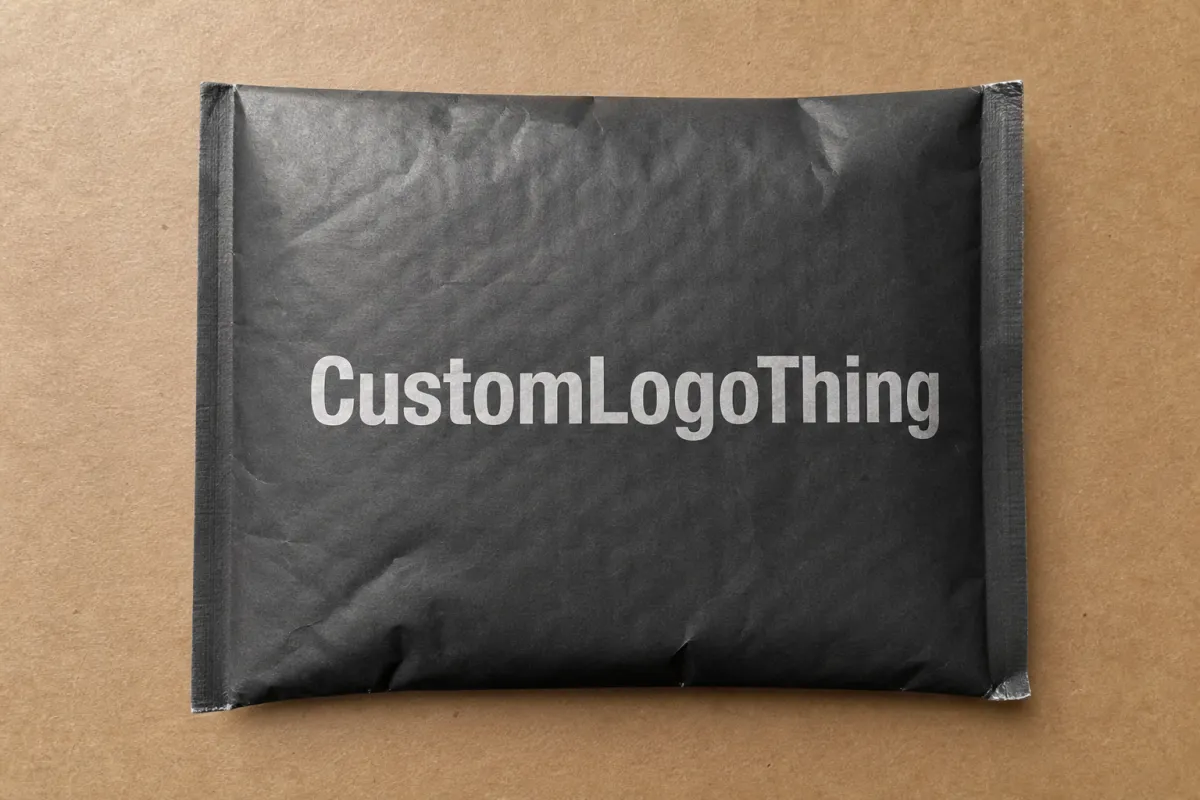
The outer pack gets judged first. Always. People open the mailer before they touch the sample, and if the outside feels flimsy or generic, the whole kit drops a tier in perceived value. Harsh? Sure. True? Also yes. That is why branded packaging matters here. The mailer is not just a shipping shell. It is part of the pitch.
Custom Padded Mailers for Sample kits can replace a box in the right setup. A flat swatch set, a small promo kit, a lightweight cosmetic sampler, a fragrance sample card, or a few folded inserts often fit better in a mailer than in a carton. When that happens, you cut three things at once: the box, the void fill, and the labor that comes with building a box pack. The savings do not always show up in one obvious line. They show up across the whole operation.
Storage is another quiet win. Mailers stack flatter than many custom printed boxes and take less room at the packing station. That sounds minor until launch week arrives and the team is moving fast. Less cube means easier inventory handling, faster pick-and-pack, and fewer packing errors when people are trying to clear a queue.
For retail packaging and sample campaigns, a mailer can also make the unboxing feel cleaner. The buyer opens one item, not a stack of filler and nested packaging. That reads as intentional. Better package branding usually comes from restraint, not from overloading the kit with extra material nobody asked for.
“If the sample is light and flat, do not put it in a box just to feel safer. That is not protection. That is overhead.”
There is a hard cutoff. If your contents include brittle bottles, tall components, sharp corners, or real crush risk, a padded mailer is the wrong format. Use a carton and move on. A cheap mailer that fails in transit is not cheap. It becomes a replacement shipment, a support ticket, and usually a disappointed buyer.
For teams comparing this against other Custom Packaging Products, the question is simple: does the lighter build protect the contents and still present well? If the answer is yes, the mailer earns its place. If the answer is no, use a box and stop pretending it is a cost win.
Product details that change the cost of a padded sample kit mailer
Price moves for real reasons once you know where to look. The biggest drivers are the outer material, the padding type, the closure, the print coverage, and the finished size. Buyers often ask for quotes before locking those details. Then the quote looks vague, or worse, it looks cheap for the wrong build. That is how projects drift.
Outer material comes first. Paper mailers usually feel more premium and fit better with Branded Packaging for Retail-facing sample kits. A common build might use a 350gsm C1S artboard face with a kraft backer or paper laminate, which gives a cleaner print surface and a sturdier hand feel than thin stock. Poly mailers can cost less in some builds and weigh less, which helps on shipping. Recycled paper stock supports a sustainability story, but it often adds cost. None of these choices is free. Each one trades off presentation, protection, and price.
Padding type changes both durability and unit cost. Bubble lining is common because it is familiar and efficient. Fiber or paper padding can support a more recyclable story, but it may behave differently in transit and cost more to build. If the sample is especially fragile, you may need more wall thickness or a different format entirely. A typical paper-padded sample mailer might pair the outer face with a 2-3 mm paperboard or honeycomb-style liner. That extra layer shows up in the quote quickly.
Seam style and closure matter too. A peel-and-seal adhesive strip is common because it speeds pack-out. Tamper-evident closures, reinforced lips, and stronger seals add cost, but they reduce rework and transit failures. That tradeoff is worth paying for if the kit goes to distributors, press contacts, or retail decision-makers who expect a cleaner finish.
Print scope is where budgets often leak. A one-color logo on one side is the cheapest branded option that still looks intentional. Full-bleed print, inside print, and variable data increase setup time, ink use, and inspection effort. If you need barcodes, QR codes, batch codes, or personalized messaging, build that into the spec early. Last-minute changes are how simple packaging turns into an expensive mess.
Sizing is the sneaky cost trap. Oversized mailers waste material and raise dimensional weight. Overly tight mailers slow packing and can crush the product. The right size is the smallest one that fits the packed kit without buckling the contents. If the sample kit measures 7 x 9 x 1.25 inches after assembly, do not order a 9 x 12 mailer because it feels safer. That is just paying for empty space.
For buyers who want lower shipping weight and a different cost profile, it helps to compare this against Custom Poly Mailers. In some sample programs, poly wins on price. In others, paper or padded paper wins on presentation. There is no universal winner. The contents decide.
Finish options deserve a reality check too. Matte stock, soft-touch coatings, and specialty laminations can look good, but they are not automatically better. They only make sense if the kit will be handled by people who notice them. If the mailer goes straight from warehouse to customer and gets discarded after opening, do not pay for decoration you will never recover.
Custom padded mailers for sample kits unit cost breakdown and MOQ
Here is the clean way to think about the number. The unit cost is not one thing. It is a stack of pieces: material, padding, print setup, conversion, freight, and sometimes testing or artwork prep. If you only look at the factory quote, you are not pricing the project. You are pricing a slice of it.
At lower volumes, setup cost does the damage. Plates, proofing, press setup, and conversion effort get spread across fewer units, so the per-piece price climbs. Once volume increases, the same setup gets diluted and the unit price drops. That is why a 1,000-piece order can look annoyingly expensive while a 10,000-piece order starts to make sense.
The MOQ depends on structure and print complexity. A simple stock-size mailer with light branding can often start lower. A fully custom dimension, multiple colors, or a special coating usually pushes MOQ up. If you need a launch-friendly minimum, expect to pay more per unit. That is the tradeoff. Flexibility costs money, even if a sales rep says otherwise.
Buyers can control cost by making a few practical choices:
- Use one-side print instead of two-side print unless the back panel is actually visible.
- Choose standard sizes before requesting fully custom dimensions.
- Limit color changes and keep branding simple.
- Match the mailer to the packed kit instead of leaving room for unnecessary filler.
- Ask for a landed quote that includes freight and receiving costs.
The landed-cost view matters because a cheap factory quote can fool people. Freight, import duties, carton pack-outs, and receiving labor can push the real spend much higher. A buyer who only compares ex-factory pricing is comparing half the bill. That is how budgets disappear while everyone stares at a quote and acts surprised.
| Build option | Typical MOQ | Typical unit cost at 5,000 | Best for | Tradeoff |
|---|---|---|---|---|
| Paper padded mailer, 1-color print, 350gsm C1S face | 1,000-2,500 | $0.15-$0.24 | Flat swatch kits, brand samples, promo mailers | Good presentation, moderate protection |
| Poly padded mailer, 1-2 color print | 2,000-5,000 | $0.18-$0.32 | Lightweight sample shipments, lower freight cost | Less premium feel than paper |
| Recycled paper mailer, full-bleed print | 3,000-10,000 | $0.30-$0.65 | Eco-positioned product packaging and retail outreach | Higher material and print cost |
| Custom size with tamper-evident seal | 5,000+ | $0.40-$0.85 | Distributor kits, press kits, higher-value samples | More setup, more lead time |
Those numbers are a planning range, not a promise. Final pricing depends on dimensions, padding density, print area, order quantity, and whether the job needs extra handling. Even so, the table is useful. It helps you spot a quote that is too low to be real or too high to be competitive.
For environmental claims, do not wing it. If the build uses recycled content, ask for documentation. For shipping performance and test language, the industry references from ISTA are more useful than vague promises. For recycled fiber and responsible sourcing claims, FSC is the cleaner reference. If you are evaluating waste reduction or recycling messaging, EPA guidance is a better starting point than marketing copy.
Process and timeline: from quote to production to delivery
A useful quote starts with facts, not adjectives. Send the packed kit dimensions, the actual weight, print requirements, target quantity, and the date the sample kit has to arrive. If the brief only says “premium” or “eco,” the quote will be vague too. Clear inputs produce usable numbers. Vague inputs produce sales fluff.
Proofing comes next. Artwork should be checked against the dieline, then a digital proof or pre-production sample should confirm the size, color placement, and closure fit. This is the point where packaging design stops being a concept and starts being a physical object. A logo that looks fine on screen can sit too close to a seam or fold badly once the mailer is built.
Production usually follows a predictable sequence:
- Material sourcing and prep
- Printing or coating
- Padding application or laminate build
- Cutting and sealing
- Inspection and packing
- Freight booking and delivery
Lead time depends on how custom the job is. Repeat runs can move quickly. First-time custom work takes longer because each extra step adds decision points. As a planning range, repeat orders are often 12-15 business days from proof approval for production, while first custom runs usually take 15-25 business days before freight. If the mailer needs special coating, extra inspection, or cross-border shipping, add time. That is not pessimism. That is basic scheduling.
Delivery timing is separate from production. That distinction matters. A factory can finish on time and still miss the launch because freight was booked late or the receiving dock only accepts certain windows. A buyer should always ask for both production time and transit time. One without the other is not enough to schedule a sample drop.
For teams managing branded packaging across multiple SKUs, the packaging plan should also account for storage and reorder cadence. If a kit ships monthly, consistency matters more than the lowest one-time price. You want repeatability. That keeps the unit cost predictable enough to forecast and keeps the launch from turning into a last-minute reorder scramble.
Specifications to lock before you request a quote
The fastest way to get a clean quote is to send the right specs the first time. Start with the internal dimensions of the packed kit, not the dimensions of a product box that may or may not be the final bundle. If the mailer needs to hold a folded insert, sample bottle, card pack, swatch board, or accessory set together, include the whole bundle. The mailer should fit the real shipment, not a guess.
Next, state the weight and fragility of the contents. A 3-ounce swatch pack and a 1-pound sample jar are not the same job. They do not need the same cushion, the same seam strength, or the same closure. If the contents can shift, bend, or puncture, that changes the structure right away.
Then spell out the print requirements in plain language:
- Number of print colors
- Coverage area
- Front, back, or inside print
- Need for QR codes, barcodes, or variable data
- Brand colors that must match closely
After that, define the closure and opening experience. Some kits need a fast peel-and-seal strip so the pack-out line can move. Others need a stronger tamper-evident seal because the contents are valuable or the shipment is customer-facing. That choice changes both price and handling. A simple peel strip on a paper mailer often costs less than a specialty closure, but it still changes the bill.
Testing and carrier constraints should not be an afterthought. If the mailer will face rough handling, ask about drop resistance or shipping validation. If moisture matters, say so. If the route includes heat swings or cold storage, say that too. For claims and testing, a supplier should talk in terms of a real standard or at least a recognized test path, not vague “good enough” language.
These are the specs I would lock before requesting a quote:
- Packed dimensions of the full sample kit
- Contents weight and any fragile elements
- Mailer material and padding type
- Print sides and artwork coverage
- Closure style and tamper requirement
- Target quantity and acceptable MOQ
- In-hand date and delivery location
That list sounds basic because it is. It still removes most of the quote noise. If a vendor cannot give you a clean answer after that, the problem is not your brief.
Why buyers choose us for sample kit mailers
Buyers usually want three things: a fair quote, a mailer that fits, and a supplier who does not pretend bad specs are fine. That is the practical side of branded packaging. Nobody wants a stylish failure. They want a package that works, looks intentional, and stays inside budget.
Our fit-first approach keeps the structure honest. We recommend the least expensive build that still protects the sample and presents well. That often means a standard size, restrained print, and a closure that gets the job done without overengineering the pack. Waste is easy to sell. Good judgment is harder, which is probably why it matters more.
Consistency matters just as much. If the mailers are going to retailers, distributors, influencers, or internal sales teams, the seams need to be clean, the print needs to repeat, and the adhesive needs to hold. A sample campaign can survive a slightly higher unit cost. It cannot survive bad presentation or random failures in transit.
We also help buyers narrow the spec so the project stays realistic. That includes trimming oversized dimensions, cutting unused print areas, and picking a structure that can actually be produced on schedule. In packaging, the expensive mistake is not paying for quality. The expensive mistake is approving a spec that never had a chance.
If you are comparing a mailer against a carton build, or against more complex custom printed boxes, ask one blunt question: does the extra structure add value the buyer will notice? If the answer is no, the simpler mailer usually wins. That is especially true for trials, swatches, and lightweight product packaging where speed and repeatability matter more than theater.
“The best sample kit mailer is usually the one nobody talks about. It protects the product, looks on-brand, and does not broadcast its own cost.”
That is also why MOQ and print scope matter so much. A low MOQ can help a launch, but higher quantities usually bring a better unit cost and a calmer supply line. The buyer who understands that tradeoff makes better decisions than the buyer chasing the lowest headline number.
Next steps: get a real quote and compare landed cost
Start with the basics: packed dimensions, weight, quantity, artwork files, and the date the kits must arrive. If you send those five pieces of information, the quote gets much more useful. If you skip them, expect rough pricing and a lot of follow-up emails.
Ask for two or three build options. A standard version, an upgraded version, and a budget version will tell you more than a single quote ever will. That side-by-side view makes it easier to compare protection, appearance, and landed cost without getting trapped by one pretty number.
Compare landed unit cost, not just factory pricing. Freight, duties, sampling, and receiving fees can move the real spend more than the unit quote does. That is the boring truth, and it saves money. Buyers who focus on landed cost usually make cleaner decisions on Custom Padded Mailers for Sample kits than buyers who only stare at the ex-works number.
Request a physical sample or proof if the launch matters. A proof catches fit and print issues before the run is locked. Then freeze the spec. That is how you keep reorder pricing predictable and avoid repeating the same setup work later.
The best buying decision is the one that protects the sample, fits the budget, and gives you a repeatable supply line. That is the real custom padded mailers for sample kits unit cost breakdown buyers should use: material, print, setup, freight, and the cost of getting it wrong. Get those right, and the mailer does its job without drama.
Frequently Asked Questions
How much do custom padded mailers for sample kits cost per unit?
Price depends on size, material, print coverage, and order quantity. Small runs cost more per unit because setup gets spread across fewer pieces. For planning, a simple build might land around $0.15-$0.24 at 5,000 pieces, while more custom versions can move higher. The real number to compare is landed unit cost, not just the factory quote, because freight and handling can push the total fast.
What is the MOQ for padded mailers for sample kits?
MOQ varies by size and print complexity. Simpler stock sizes usually allow lower minimums than fully custom dimensions. If you need a low MOQ, expect a higher per-piece price; larger orders usually unlock better pricing and steadier lead times. That is the normal tradeoff, and there is no magic workaround for it.
Which size should I choose for custom padded mailers for sample kits?
Choose the smallest size that fits the packed kit without crushing it. Oversized mailers waste material and raise shipping costs, while undersized ones slow packing and can damage the contents. Share the actual packed dimensions and weight, not just the product dimensions, so the spec matches the real shipment.
Can I print both sides on sample kit mailers without a big price jump?
Yes, but two-sided print usually adds setup, inspection, and ink cost, so it is almost always more expensive than single-side branding. If budget is tight, prioritize the side the buyer sees first and keep the back side clean unless you need extra messaging or regulatory information.
How long does production take after artwork approval?
Turnaround depends on order size, print complexity, and whether the job needs a proof or pre-production sample before full run approval. Simple repeat jobs move faster than first-time custom orders, so lock the spec early if the sample kit launch date is fixed. For planning, repeat orders are often 12-15 business days from proof approval, while first custom builds usually take 15-25 business days before freight.

