Buyer Fit Snapshot
| Best fit | Branded Padded Mailers for Sample Kits Quote Checklist projects where brand print, material claims, artwork control, MOQ, and repeat-order consistency need to be specified before quoting. |
|---|---|
| Quote inputs | Share finished size, material target, print colors, finish, packing count, annual reorder estimate, ship-to region, and any compliance wording. |
| Proofing check | Approve dieline scale, logo placement, barcode or warning zones, color tolerance, closure strength, and carton packing before bulk production. |
| Main risk | Vague material claims, crowded artwork, missing packing details, or unclear freight terms can make a low unit price expensive after revisions. |
Fast answer: Branded Padded Mailers for Sample Kits Quote Checklist should be specified like a repeatable production item. The safest quote records material, print method, finish, artwork proof, packing count, and reorder notes in one written spec.
Production checks before approval
Compare the actual filled-product size with the drawing, then confirm tolerance on folds, seals, hang holes, label areas, and retail display edges. Reserve space for logos, QR codes, warning copy, and material claims before decorative graphics fill the panel.
Quote comparison points
Review material grade, print process, finish, sampling route, tooling charges, carton quantity, and freight assumptions side by side. A quote is only useful when the supplier can repeat the same color, closure quality, and packing count on the next order.
Branded padded mailers for Sample Kits Supplier Quote Checklist matters because the package is the first piece of proof a buyer sees. If the kit arrives bent, scuffed, or half-crushed, the conversation starts on the wrong foot. No dramatic mystery there. A tight quote checklist keeps buyers comparing the things that actually affect results: construction, print coverage, MOQ, cushioning, closure, and lead time, before the order turns into a reprint, a delay, or a weak first impression.
Why Branded Padded Mailers Protect Sample Kit Value
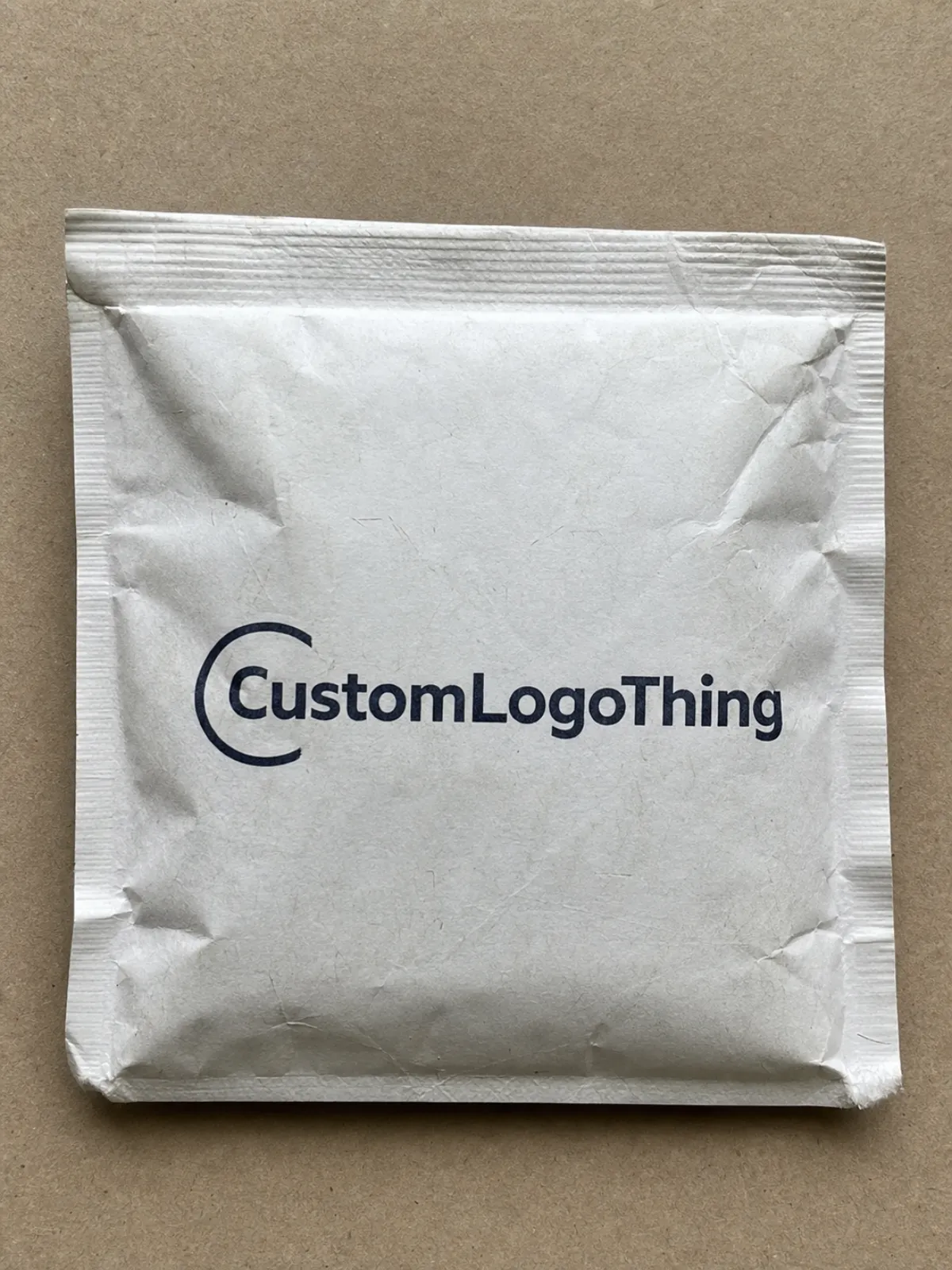
A sample kit is not just mail. It is a sales tool with postage attached. That changes the packaging brief immediately. A plain envelope can carry paperwork. It cannot carry much confidence. A branded padded mailer does both jobs at once: it protects the contents and signals that the brand cares about presentation, handling, and follow-through.
One crushed sampler can do more damage than the shipping claim itself. The cost is not only the replacement product. It is the second shipment, the delay, the extra coordination with a prospect, and the quiet question in the buyer’s head: if the packaging was this weak, what else is being handled casually? For higher-value trial programs, that hidden cost often beats the small difference between a basic mailer and a better-built one.
That is why branded Padded Mailers for Sample kits do so well when the outer pack is the first touchpoint. Cosmetics teams use them for shade cards, mini jars, and sample sets. Apparel brands use them for swatches, trim packs, and folded lookbook inserts. Food and beverage companies use them for dry or shelf-stable trial kits. Same pattern every time: the package opens before the product does, so the mailer has to carry part of the brand story.
A better mailer also cuts waste in a practical way. When the contents are light but delicate, a little more cushioning and a tighter fit can reduce damage in parcel handling. When the contents are expensive, the extra per-unit cost is usually easier to accept than a resend. From a packaging buyer’s side, the math is less about the envelope price and more about the cost of a lost conversion.
Buying rule: if the kit is meant to win a trial, a meeting, or a repeat order, the mailer should help conversion, not just delivery.
There is another piece buyers overlook. The outer pack creates a controlled brand moment. Color, print coverage, finish, and structure can turn a shipping vessel into a deliberate reveal without making the design noisy. A one-color logo on matte white or black works fine for some brands. Others need a full-bleed graphic because the whole kit is supposed to feel like the product line. The right choice depends on the role of the sample kit, not on decoration for its own sake.
When sourcing this kind of packaging, the better question is not “Can you print a mailer?” It is “Can this mailer protect the sample, fit the contents, and still look like part of the sales kit?” That framing keeps the project tied to business outcomes instead of surface-level aesthetics.
Product Details: Materials, Print, and Closure Options
The cleanest way to compare suppliers is to split the mailer into three decisions: material build, print method, and closure style. Those choices affect appearance, yes, but they also decide whether the package survives handling and whether it feels finished when the customer opens it.
A common starting point is a co-extruded poly exterior with a cushioning layer inside. For many sample programs, a 2.75-3.25 mil outer film paired with bubble or padded lining is enough for light to moderate contents. Heavier kits, rigid inserts, or multiple pieces may need thicker film, denser cushioning, or a larger gusset. If the contents can scratch, shift, or leak, structure matters more than artwork. Pretty does not save a broken sample.
Opacity is another real procurement detail. If the samples are confidential, premium, or easy to identify from the outside, buyers often ask for a darker film or extra opacity so contents stay hidden in transit. That is not only a brand issue. It can be a privacy issue too, especially when sample kits include product names, pricing sheets, or launch details.
Print options vary more than many buyers expect. One-color branding is usually the fastest and most economical route. Full-bleed graphics give a cleaner retail feel, but they can raise setup complexity and need tighter color control. Some programs need inside print for an unboxing reveal or a reminder message on the flap. Others need the exterior to stay restrained while the insert handles the sales story. Ask the supplier what the artwork will be printed with, because flexographic, digital, and gravure-style production methods affect price, ink coverage, and line detail.
Closure choice changes the user experience as much as the print. Peel-and-seal is the standard for single-use shipping. Tamper-evident strips help when product integrity matters or when the package passes through multiple hands. Reseal features are worth asking about if the mailer is part of a return-sample program or a multi-stage kit that may be reused internally. Not every job needs a fancy closure. Every job needs the right one.
Finish is the last detail many teams ignore until they see the proof. Matte often reads as more premium in photography and hides handling marks better. Gloss feels louder and more retail-like, which works for youth-oriented brands or quick-turn promotions. Neither is automatically better. The right finish depends on how the kit will be photographed, opened, and remembered.
If the kit includes stiffeners, inserts, or product cards, material choice matters there too. A 350gsm C1S artboard insert can keep a flat sample stack from flexing inside the mailer and can improve the opening experience without adding much weight. That kind of detail often costs less than replacing damaged pieces later.
If you are comparing related formats, it helps to review broader options like Custom Poly Mailers before deciding whether padding is actually needed for the contents. That comparison usually makes the choice obvious. Protection, presentation, or both.
For brands building a wider packaging program, the same thinking applies across Custom Packaging Products. The mailer is one piece of the system, and consistency across the system is what makes the unboxing feel intentional instead of patched together at the last minute.
Specifications That Affect Fit, Feel, and Shelf Appeal
Specifications are where many quote requests go fuzzy, and fuzzy requests produce expensive revisions. A supplier can only price accurately when the use case is clear. That starts with dimensions, but it does not stop there.
Measure the internal usable space, not just the outside size. A 9 x 12 inch mailer may sound right until the kit includes rigid sample cards, a foam insert, a folded brochure, and a small vial that shifts when the package closes. The usable cavity, gusset behavior, and seal overlap are what decide whether the contents sit flat or bulge awkwardly. For kits with multiple items, depth often matters more than width.
Weight and cushioning density matter more than many teams expect. A mailer that looks fine on a counter can fail in parcel handling if the contents press through the padding or create pressure points. If the sample can scratch, leak, or fracture, ask how the cushioning behaves under compression and whether the design has enough seal overlap to stay closed after rough sorting. That matters even more if the package moves through postal networks, regional carriers, or warehouse automation.
Print-ready files need to be specified early. Buyers should confirm bleed area, safe zone, vector artwork requirements, and color matching expectations before proofing starts. If the supplier needs Pantone references, say so up front. If gradients, fine text, or a full-bleed image are part of the design, ask how those elements reproduce on the chosen substrate. A good quote is built on production reality, not on a mockup that pretends the press has no limits.
Common insert and packaging specs should be stated as well. A mailer used for sample sachets may only need a thin card backer. A kit holding perfume vials, fabric swatches, or branded mini products often needs a shaped insert, extra padding, or a tighter cavity. If the team is combining materials, include the thickness of each component so the supplier can estimate the pack-out correctly. A good rule is to give both the product dimensions and the assembled kit dimensions.
Industry testing deserves a place in the conversation too. If the sample kit is fragile or high-value, it may be worth asking how the mailer performs against parcel abuse profiles or drop testing aligned with ISTA testing standards. Not every project needs formal certification, but the discussion prevents surprises later. A mailer that looks attractive but fails in transit is not a packaging solution.
For fiber-based inserts, outer cartons, or mixed-material kits, buyers may also care about certified sourcing. If paper components are involved and the brand makes sustainability claims, ask about FSC certification and the paperwork behind it. Claims should be backed by actual chain-of-custody documents, not a logo floating on a proof.
Storage and distribution specs are the last layer of fit and appeal. Carton counts, master pack dimensions, and pallet efficiency matter if the order scales. A product that packs 250 per carton is easier to count and handle than one that creates loose, inefficient packing. If sample kits ship through multiple teams or regions, ask for carton labeling that makes receiving easier. Not flashy. Useful.
When the specs are right, the mailer does more than survive shipping. It stacks neatly, opens cleanly, photographs well, and feels deliberate in the hand. That is the kind of detail that supports conversion without adding noise.
Pricing, MOQ, and What Changes the Quote
Pricing for branded padded mailers usually comes down to five variables: size, print coverage, material thickness, closure upgrades, and quantity. If one of those shifts, the quote can move faster than buyers expect. That is normal. The useful part is knowing which levers matter most so you can compare offers on equal ground.
MOQ, or minimum order quantity, is where purchasing strategy runs into inventory risk. Lower quantities are easier to test and easier to approve internally, but they usually carry a higher per-unit cost. Higher quantities cut the unit cost because setup, proofing, and print prep are spread across more pieces. The question is not whether the MOQ is good or bad. It is whether the inventory level matches the pace of sample distribution.
As a practical benchmark, many buyers see the best pricing improvement after moving from a pilot run to a mid-sized order. A 1,000-piece order may fit a launch test. A 5,000-piece order usually makes more sense when the brand already has a predictable sales motion. At 10,000 pieces, freight planning, carton efficiency, and repeat-use forecasting start to matter almost as much as unit cost.
For standard branded Padded Mailers for Sample Kits, pricing is often about $0.15-$0.24 per unit for 5,000 pieces, depending on size, film thickness, and print coverage. A small stock size with one-color print may sit near the lower end. A larger custom size with full-bleed graphics, extra padding, or a custom closure usually sits higher. At 1,000 pieces, the same build can easily move into the $0.28-$0.60 range. At 10,000 pieces, efficient specs can push the unit cost down again, sometimes near $0.12-$0.20 for simpler builds.
| Option | Typical MOQ | Indicative Unit Range | Best Fit | Tradeoff |
|---|---|---|---|---|
| Stock size, one-color logo | 1,000-2,500 | $0.18-$0.34 | Early sample programs, lower-risk launches | Limited visual impact, fewer structure choices |
| Custom size, one- or two-color print | 2,500-5,000 | $0.15-$0.24 at 5,000 pieces | Ongoing sales kits, repeat distribution | More setup, slightly longer approval cycle |
| Full-bleed graphics, premium finish | 5,000+ | $0.35-$0.82 | Launch kits, brand-led outreach, camera-ready presentation | Higher print complexity and tighter color control |
Those ranges are directional, not universal. Size, thickness, print coverage, and market conditions can move pricing up or down. Freight, duties, and rush production can change the landed cost enough to alter the decision. A headline unit price without shipping is incomplete. It is also a little misleading, which is a polite way of saying buyers should not trust it blindly.
Buyers should ask for tiered pricing at several volumes. That is one of the fastest ways to find the real crossover point between pilot spend and efficient production. A request for 1,000, 5,000, and 10,000 units usually shows whether the supplier is competitive at the intended scale or only at one narrow quantity band.
Other cost drivers deserve attention too:
- Artwork complexity: multiple ink colors, gradients, metallics, and inside print usually raise setup time and price.
- Custom sizing: exact-fit builds may cost more than stock dimensions, but they can reduce waste and improve presentation.
- Padding upgrade: thicker or denser cushioning can raise unit cost while lowering damage risk.
- Speed: rushed production narrows the supplier pool and usually pushes the quote up.
- Extras: samples, tooling, special cartons, and gift-ready packaging add to the landed total.
That is why a clean quote request should separate product cost from freight and setup. A buyer who only compares the unit number can miss the real gap between suppliers. Two quotes that look similar on paper may be very different once proofing, shipping, and carton packing are added.
For commercial sample programs, the smartest pricing question is usually not “What is the cheapest option?” It is “What is the lowest-cost option that still protects the sample, fits the brand, and avoids rework?” That is where strong sourcing decisions happen.
Process and Timeline: From Artwork to Delivery
A good supplier quote should do more than list numbers. It should show the path from brief to delivery. Buyers need to know where the schedule can move fast and where it can stall. That kind of transparency matters a lot when the sample kit is tied to a launch, a trade event, or a sales campaign with a fixed send-out date.
The cleanest process starts with complete specs: size, quantity, print colors, closure choice, and destination. Once those are in, the supplier can confirm whether the design fits the selected material and what kind of proof is needed. For simple jobs, a digital proof may be enough. For more sensitive branding or heavier contents, a pre-production sample or reference sample is the safer path.
A typical timeline usually includes four checkpoints. First is proof turnaround, which may take 1-3 business days when files are complete. Second is proof approval, which depends on the buyer’s internal review process and can be fast or slow. Third is production, which commonly runs 12-15 business days from proof approval for standard projects, though custom builds or larger volumes can take longer. Fourth is freight, which may add a few days for domestic shipping or longer for cross-border movement.
For rush programs, buyers should ask for the exact cutoff date for artwork approval, because a one-day delay can push the whole job into the next print window. A supplier that can tell you the difference between a 10-business-day build and a 15-business-day build is already helping the project. Guesswork is how schedules slip.
Delays usually show up for predictable reasons. Missing artwork files create the first delay. Unclear dimensions create the second. Color revisions and late internal approvals create the third. The fastest projects are rarely the most complicated. They are the ones where the buyer sends the right information the first time and keeps the decision chain short.
That is where a supplier can earn the relationship. Good communication reduces rework, but it also helps the buyer coordinate marketing, sales, and operations. If a launch team knows when proof approval is due, they can schedule inserts, fulfillment, and outreach around that milestone instead of scrambling after the fact.
From a planning point of view, this is a simple way to think about the schedule:
- Submit the quote request with complete dimensions and artwork.
- Confirm the structure, print method, and finish before proofing.
- Review and approve the proof with all stakeholders present.
- Lock the ship date and freight method as soon as production begins.
- Build in a buffer for transit, receiving, and internal kit assembly.
That buffer matters more than many teams admit. A package that lands on time but arrives without enough receiving time can still delay a campaign. Sample kits often move through several hands before they go out the door, so the real schedule is production plus handling, not production alone.
If the supplier understands that, the quote becomes more than a price sheet. It becomes a planning tool. That is the kind of document buyers can use internally without translating it three times before approval.
Why Choose Us for Branded Padded Mailers
Custom Logo Things is strongest when the project needs more than a basic print estimate. The value is in translating brand goals into packaging that performs in real shipping conditions. That means asking the right questions early, flagging risks before approval, and keeping the build aligned with the actual use case.
For buyers comparing suppliers, three things usually separate a specialist from a generic source. First is material consistency. If the film thickness, pad density, or closure strength swings too much from run to run, the customer experience gets uneven. Second is print accuracy. A logo that shifts, dulls, or prints off-color can undermine an otherwise strong kit. Third is communication speed. The buyer should not have to chase status updates just to know whether the proof, production run, or freight booking is moving.
That is where it helps to look at packaging the way a procurement team does: the best partner lowers uncertainty. A quoting desk can send a number. A packaging partner can explain why that number makes sense, what the tradeoffs are, and where the buyer has room to save or upgrade. That difference matters most when the kit has a sales function and not just a shipping function.
Brands also benefit from seeing the larger packaging picture. Our Case Studies page shows how packaging choices affect presentation, repeat orders, and launch timing across different product categories. The lesson stays the same: the right structure simplifies the rest of the program.
If the sample kit is part of a bigger rollout, it often helps to compare the mailer against other Custom Packaging Products so the outer pack and the inner components feel like one system. That approach keeps the brand language consistent from the first touchpoint to the final insert card.
And if the brief is tight, a quick conversation can prevent avoidable revisions. Our Contact Us page is the fastest place to send dimensions, artwork, and target quantity so the request can be reviewed against real production constraints.
Specialized suppliers also tend to support samples better. That matters. A proof that looks fine on a screen is not always enough to judge structure, opacity, or finish. When a team can review a sample or a clear reference build before full production, the risk of mismatch drops sharply. That is especially useful for premium kits, launch mailers, and programs with strict brand standards.
Confidence in a supplier should come from process as much as price. Transparent pricing, clear proofing, and proactive updates usually save more time than a slightly lower quote that shows up wrapped in uncertainty. For branded padded mailers, that reliability is part of the product.
Next Steps for a Fast Supplier Quote Checklist
The fastest way to Get an Accurate Quote is to send a complete brief. The more detail a supplier has, the less back-and-forth the buyer has to manage later. That is especially true for branded Padded Mailers for Sample kits supplier quote checklist requests, where structure, Print, and Fulfillment all change the final number.
Before requesting pricing, gather the following:
- Finished dimensions: include the internal size the samples actually need, not just the envelope size that seems close.
- Sample weight and thickness: note whether the contents are flat, rigid, fragile, or liquid-bearing.
- Print colors: specify one-color, two-color, or full-bleed artwork and provide Pantone references if needed.
- Artwork file type: vector files are usually easier to quote accurately than flattened images.
- Closure preference: peel-and-seal, tamper-evident, or reseal features.
- Quantity targets: ask for pricing at more than one volume so the tradeoff is visible.
- Delivery location: destination ZIP or country helps estimate freight and landed cost.
- Target delivery date: the schedule should include proof, production, and shipping time.
- Special requirements: opacity, recycled content, return use, or product confidentiality.
Internally, it helps to get approval on three points before the quote goes out: structure, branding, and budget. If marketing wants a premium finish, operations wants the mailer to survive transit, and finance wants the order to stay within range, those constraints should line up before a supplier spends time building options. That one step can prevent multiple rounds of edits.
It also helps to request two or three choices at once. A standard version, a premium version, and a rush version create a cleaner decision. Buyers can compare not only price, but also the practical differences in appearance, production time, and inventory commitment. That is much better than asking for a single number and then discovering the project should have been scoped differently.
For sample kits that carry fragile or high-value contents, ask for a visual proof or sample reference. If brand standards are strict, it is usually cheaper to confirm the look before production than after. If the contents are confidential, ask whether the opacity level is high enough to conceal the contents in transit. Those details sound small. They are not.
Actionable takeaway: send one complete brief with size, quantity, print method, finish, closure, destination, and delivery date, then ask the supplier to quote at three volumes and call out any production risks. That is the fastest route to a real comparison, not a pile of half-useful numbers.
Use this checklist as a practical filter, not a formality. A well-built branded mailer should protect the sample, present the brand clearly, and fit the distribution plan. If one of those pieces is missing, the quote is incomplete.
When you are ready to source, use branded padded mailers for sample kits supplier quote checklist criteria to compare tiered pricing, proof timing, freight detail, and material build in the same response. That keeps the buying decision grounded in facts instead of guesswork.
What should I include in a branded padded mailers for sample kits supplier quote checklist?
Include finished dimensions, sample weight, print colors, artwork files, closure preference, and estimated order quantity. Add the shipping destination, required delivery date, and whether you need samples or a proof before production starts. Note any special requirements such as opacity, tamper evidence, or return-use functionality so the supplier prices the right build.
How does MOQ affect branded padded mailers for sample kits pricing?
Higher quantities usually lower unit cost because setup, print, and materials are spread across more pieces. Lower MOQ orders are easier to test, but they often carry a higher per-unit price and fewer customization options. Ask for tiered pricing at several volumes so you can compare cash outlay, storage needs, and total landed cost.
Which specs matter most when ordering branded padded mailers for sample kits?
Internal size, cushioning thickness, seal strength, and print area are the biggest drivers of fit and appearance. Artwork limits, bleed requirements, and color matching rules decide whether the final mailer matches your brand standard. If the samples are fragile or liquids are involved, confirm opacity, barrier performance, and impact resistance before approving the quote.
What is the usual lead time for branded padded mailers after approval?
Lead time depends on artwork complexity, quantity, and whether the supplier needs a pre-production proof or sample. Clear files and fast approvals shorten the timeline more than almost any other factor. For standard runs, production often takes 12-15 business days from proof approval, then freight adds the final leg. If a launch date is fixed, ask the supplier to separate proof time, production time, and freight time in the quote.
Can I get custom printed branded padded mailers for sample kits in a small run?
Yes, but small runs often cost more per unit because setup costs are spread over fewer pieces. Custom print is still worth it when the sample kit supports high-value sales or repeat outreach. If budget is tight, ask for a limited-color version, stock size, or staged order plan to control upfront spend.


