Buyer Fit Snapshot
| Best fit | Custom Padded Mailers for Sample Kits projects where brand print, material claims, artwork control, MOQ, and repeat-order consistency need to be specified before quoting. |
|---|---|
| Quote inputs | Share finished size, material target, print colors, finish, packing count, annual reorder estimate, ship-to region, and any compliance wording. |
| Proofing check | Approve dieline scale, logo placement, barcode or warning zones, color tolerance, closure strength, and carton packing before bulk production. |
| Main risk | Vague material claims, crowded artwork, missing packing details, or unclear freight terms can make a low unit price expensive after revisions. |
Fast answer: Custom Padded Mailers for Sample Kits: Quote Checklist should be specified like a repeatable production item. The safest quote records material, print method, finish, artwork proof, packing count, and reorder notes in one written spec.
Production checks before approval
Compare the actual filled-product size with the drawing, then confirm tolerance on folds, seals, hang holes, label areas, and retail display edges. Reserve space for logos, QR codes, warning copy, and material claims before decorative graphics fill the panel.
Quote comparison points
Review material grade, print process, finish, sampling route, tooling charges, carton quantity, and freight assumptions side by side. A quote is only useful when the supplier can repeat the same color, closure quality, and packing count on the next order.
Custom Padded Mailers for Sample Kits Supplier Quote Checklist sounds like procurement jargon until a sample kit arrives bent, loose, or damp. Then it reads like a survival guide. Buyers judge the envelope before they touch the product. If the mailer looks cheap, the brand looks cheap. If the seal fails, the kit starts with a problem nobody can hand-wave away. Packaging either supports the sale or gets in the way. That part is not mysterious.
Beauty launches, apparel swatch packs, subscription samples, and B2B product kits all ask the outer mailer to do more than move from one address to another. It has to protect inserts, stay sealed, survive parcel handling, and still look polished on arrival. That is four jobs in one line item. Teams keep under-specifying it, then act surprised when the package feels underbuilt. The truth is less dramatic and more annoying: the mailer is usually the first place a launch loses credibility.
Good sample packaging does not need a speech. It fits the kit, seals properly, prints cleanly, and arrives looking like somebody made actual decisions instead of hoping the carrier would be gentle.
Use this as the buyer-side version of reality: what to specify, what to compare, what drives cost, and what a supplier quote needs to include if you want a fair comparison instead of spreadsheet theater.
Why Sample Kits Fail Without the Right Mailer
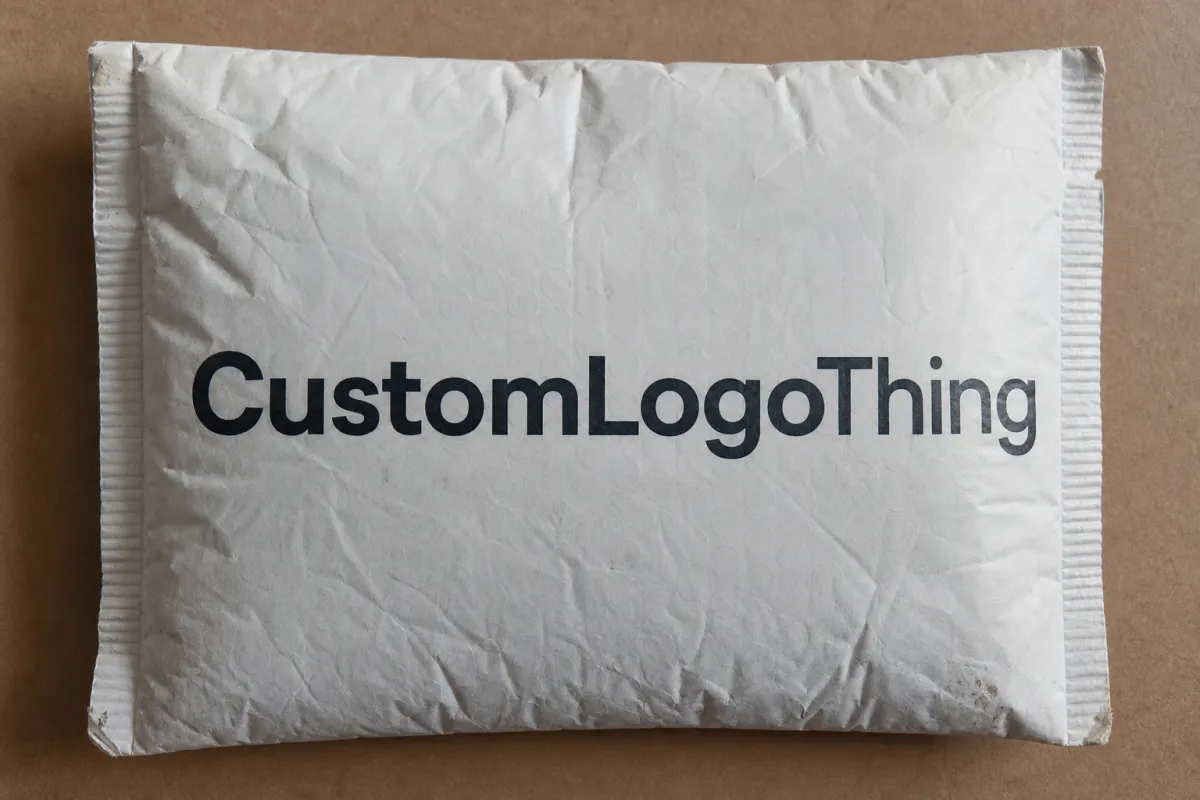
Sample kits fail for boring reasons. That is usually how packaging problems work. A mailer looks fine on the bench, then a carrier stacks it, crushes it, drags it across a conveyor, and the neat presentation turns into a wrinkled apology. A weak mailer can crease corners, split at the seal, or scuff the print hard enough that the whole package feels underfunded.
Beauty, apparel, and subscription kits all fail in slightly different ways, but the pattern is the same. Sachets shift around. Folded cards crease. Small bottles press through thin seams. Fabric swatches bunch up and turn the envelope into a lumpy mess. Once the outer package looks sloppy, people assume the product inside is sloppy too. Fair? No. Common? Absolutely.
From a packaging buyer’s point of view, the outer mailer is part of product packaging and branded packaging, not a throwaway shipper. It is often the first physical proof of package branding. The mailer does not need to do everything. It does need to do the basics without drama:
- Hold the insert stack without overstuffing.
- Protect against moisture, puncture, and edge wear.
- Stay sealed through parcel handling and repeated sorting.
- Carry the brand clearly, without muddy print or awkward layout.
- Arrive clean enough to feel intentional, not disposable.
That is why the quote checklist matters. If a supplier does not know the packed dimensions, insert count, and finish requirements, the quote is basically a guess with a nice font. A decent supplier asks for the right details. A good one asks before wasting your time with numbers that do not mean anything.
Sample kits usually get judged in one of three places. Sometimes a sales rep opens the mailer during a meeting. Sometimes a consumer opens it and decides whether the brand feels premium or flimsy. Sometimes it lands in procurement, where someone compares it against three other vendors and looks for a reason to cut you. In all three cases, the outer package gets the first vote. That is why the envelope is not the place to improvise.
Custom Padded Mailers for Sample Kits: Product Details
A custom padded mailer is not a plain shipping envelope with a logo slapped on top. It is built with cushioning inside the structure, usually bubble, foam, or padded paper, so the package gets more puncture resistance and a better feel in the hand. Compared with a standard poly mailer, a padded version gives the kit more protection and usually reads as more premium, especially when the exterior print is sharp and the seal looks tidy.
For sample kits, the best fit depends on what goes inside. A stack of cards and a sachet set needs less protection than a kit with small glass bottles or sharp-edged inserts. Folded garments, swatch books, and mixed promotional sets can all fit well, but the dimensions need to match the packed load, not the main product alone. That detail gets missed constantly, then everybody acts shocked when the mailer looks too tight.
Common custom options include:
- Printed exterior for logos, color fields, campaign graphics, or simple branding.
- Printed interior if you want a stronger unboxing moment without changing the outside layout.
- Matte or gloss finish depending on the look you want and the scuff resistance you need.
- Tear strip for cleaner opening.
- Tamper-evident seal for confidence in transit and a more secure feel.
- Recycled content for brands that want a lower-virgin-material option.
There is a real split between mailers built for retail presentation and mailers built for bulk shipment. Sample kits often need both qualities at once. A retail-looking outer envelope supports the sales story; a transport-ready build keeps that story intact. If the kit is going to media, retail partners, or prospects, the outer mailer should look deliberate. If it is moving through large fulfillment batches, closure strength, print durability, and dimensional stability matter just as much as the visual side.
If the pack includes a rigid insert card, a common spec is 350gsm C1S artboard for a clean, stiff presentation layer that does not sag inside the mailer. For swatch sets and sales kits, that kind of insert often does more work than people expect. It keeps the contents flat, gives the kit structure, and helps the outside envelope hold its shape. A soft insert in a padded mailer still looks soft.
If your packaging program also includes Custom Packaging Products beyond mailers, that should shape the plan early. A sample kit campaign often sits beside custom printed boxes, presentation sleeves, and insert cards. The outer mailer should fit that system instead of fighting it. A good supplier will look at the whole set, not just the envelope and hope the rest sorts itself out.
A simple decision rule helps here: choose a mailer based on packed weight, insert shape, and brand visibility. If the kit is light and flat, the structure can stay simple. If the kit contains bottles, rigid parts, or layered materials, step up the protection. If the campaign is customer-facing, push the branding harder. If the job is pure logistics, keep the print restrained and put the money into protection instead.
Materials, Sizes, and Protection Specs That Matter
The spec sheet is where the purchase becomes real. Outer film thickness, padding type, seal strength, and puncture resistance all affect whether the mailer survives the trip or arrives looking used. Size matters more than most teams expect. A mailer that is too small forces the seal and stresses the closure. A mailer that is too large wastes material, freight space, and print area while letting the kit slide around inside.
Start with the packed kit, not the product name. Measure the full stack after inserts, sleeves, wraps, and samples are inside. Then leave enough room for a clean closure without creating dead space. That sounds basic because it is basic. Still, a lot of weak mailer quotes start with the wrong dimension assumption. The wrong assumption is cheap. The correction is not.
For sample kits, common finished sizes often include 6 x 9 inches, 7.25 x 10.25 inches, 9 x 12 inches, and 10 x 13 inches. Those sizes work because they cover flat cards, folded apparel, sample sachets, and slim presentation sets without forcing awkward overpacking. If the contents are thicker than expected, size up early. Trying to squeeze a kit into the wrong envelope usually costs more than ordering the right one from the start.
Here is a practical comparison of common material directions for sample kits:
| Material option | Best for | Typical strengths | Tradeoffs | Ballpark unit cost at 5,000 pcs |
|---|---|---|---|---|
| Standard poly padded mailer | Light sample kits, apparel swatches, flat inserts | Good moisture resistance, decent print clarity, lighter freight | Less premium feel than paper-faced options | $0.15-$0.24 |
| Recycled-content poly mailer | Brands prioritizing recycled content and lower resin use | Comparable transit performance, easier sustainability story | Color matching can be a little less forgiving | $0.18-$0.30 |
| Kraft or paper-padded mailer | Beauty, lifestyle, and retail packaging with a warmer look | Premium tactile feel, strong shelf-to-door branding | Can cost more and may need more careful moisture planning | $0.22-$0.45 |
| Custom-size specialty mailer | Odd-shaped kits, heavier inserts, tighter presentation control | Better fit, less shifting, cleaner brand execution | Higher setup pressure and longer lead time | $0.30-$0.60+ |
Those numbers are not a quote. They are a planning range, and they move with print coverage, material thickness, finish, order volume, and freight destination. For a 5,000-piece run, a basic printed sample kit mailer often lands in the $0.15-$0.24 range when the size is standard and the print coverage is limited. Push into full-bleed graphics, larger formats, heavier padding, or paper-faced construction, and the cost climbs fast. That is normal. It only becomes a problem when somebody pretends it is not.
Common build details can also shift the price and performance. A 2.5 mil outer poly film is lighter and usually cheaper than a heavier gauge. A 3/16 inch bubble layer gives more cushion than a thin foam liner. An 80 to 100 gsm kraft face can look clean and natural, but it may need a better moisture strategy if the kit ships through humid lanes or sits in transit for several days. Practical specs matter more than marketing language ever will.
For transit performance, the biggest details are usually moisture resistance, edge protection, and seal integrity. A sample kit may only weigh a few ounces, but it still has to survive sorting equipment and parcel compression. If the package will move through rough distribution channels, ask whether the mailer has been tested to parcel handling methods aligned with ISTA procedures. That does not guarantee perfection. Nothing does. It gives you a more serious basis for judging performance than a pretty mockup alone.
If your brand makes environmental claims or wants certified fiber in the system, look at the paper and sourcing story too. A paper-facing or kraft-style mailer may fit a recycled-content brief better, but that is not automatic. For fiber claims, certification matters. The FSC system is one common reference point for responsibly sourced material, and it is worth asking your supplier how that applies to your specific build. “Recycled” is not the same thing as certified, and buyers should not let anyone blur that line.
Here is the short version on common sizing mistakes:
- Too tight: the seal fights the contents, the edges bulge, and the mailer looks stressed before shipping starts.
- Too loose: the kit slides, corners rub, and the outer presentation feels cheap.
- Wrong profile: a flat product in a thick cushioned envelope can feel wasteful, while a brittle sample in a thin sleeve is asking for damage.
- Ignoring insert growth: cards, sleeves, and literature add more thickness than people expect, especially once samples are nested together.
Not every sample kit needs the heaviest mailer on the list. Some do. The job is to match the protection level to the risk. That is the whole point.
Pricing, MOQ, and Quote Variables to Compare
Pricing on custom padded mailers is driven by a few hard variables, and none of them are mysterious. Size is one. Material thickness is another. Print complexity matters too, especially if you are using full-bleed art, multiple colors, or interior printing. Finish can move the price up as well, particularly for matte coatings, specialty adhesives, or tamper-evident structures.
The most common mistake is comparing quotes by unit price alone. That usually produces bad decisions. One supplier may quote a lower per-piece cost but add setup fees, freight, proofing, or packing charges later. Another may quote a slightly higher unit price and include more of the project in the base number. If the specs are not identical, the comparison is meaningless. Simple. Annoying. True.
MOQ, or minimum order quantity, deserves the same blunt treatment. Lower MOQ helps with launches, pilot programs, and brand testing. It is not free. Smaller runs often carry higher unit pricing because setup costs are spread across fewer pieces, print options may be limited, and production efficiency drops. That does not make the low MOQ bad. It just means the buyer should know what they are paying for.
Use this as a basic quote checklist for cost comparison:
- Product cost: the actual mailer price per unit.
- Setup or plate charges: often tied to each color or print method.
- Sample charge: pre-production or physical proof cost, if any.
- Freight: domestic or import shipping, plus possible duties.
- Packing add-ons: carton labels, bundling, special pack-out rules, or kitting.
- Rush fees: extra cost if the schedule is compressed.
- Special finishes: matte lamination, soft-touch feel, metallic accents, or custom adhesives.
A realistic pricing comparison for custom Printed Padded Mailers might look like this:
| Order profile | Typical MOQ | What usually moves price | Common unit range |
|---|---|---|---|
| Simple one-color print, stock size | 2,000-5,000 pcs | Size, print method, seal style | $0.15-$0.24 |
| Two-color or full-coverage exterior print | 5,000-10,000 pcs | Ink coverage, registration, finish | $0.22-$0.42 |
| Custom size with branded interior | 5,000+ pcs | Tooling, size lock, extra print step | $0.30-$0.60+ |
| Short-run launch order | 500-2,000 pcs | Setup dilution, limited economies of scale | $0.45-$0.95+ |
That table helps you read a quote, not replace one. A reputable supplier still needs exact dimensions, artwork, and delivery destination before the numbers matter. If someone gives you a price in five minutes without asking anything useful, that is not speed. That is a shortcut.
Another hidden cost shows up in packaging programs that include retail packaging or a wider package branding system. If your sample kit needs color matching across printed mailers, printed inserts, and maybe even custom printed boxes elsewhere in the line, consistency has a cost. One weak component makes the whole set look mismatched. Buyers notice. So do customers.
Use this rule when comparing suppliers: do not compare quotes unless the specification sheet, shipping terms, and packaging method are the same. Same size. Same material. Same print method. Same freight basis. Otherwise you are comparing different products that happen to share a label. That is how procurement teams end up with the wrong winner.
Process, Timeline, and Lead Time for Sample Kit Orders
The production process should feel boring in the best possible way. Request specs. Confirm artwork. Approve a sample. Start production. Run quality control. Ship. If a supplier makes that path feel chaotic, the project is probably leaking time somewhere. Chaos is expensive. Predictability is not glamorous, but it keeps launches on the calendar.
Most delays come from a small set of predictable problems: artwork changes after proofing, missing dimensions, vague delivery instructions, and slow color approval. None of those problems are glamorous, but they all cost money. If the sample kit is client-facing, the proof stage is worth protecting. Fixing a design after production starts is slower and more expensive than people want to admit.
Here is a reasonable lead-time range for printed padded mailers, assuming normal conditions and no customs surprises:
- Artwork and proofing: 1-3 business days if the files are ready.
- Sampling or pre-production approval: 3-7 business days, depending on complexity.
- Production: often 12-15 business days from proof approval for standard printed runs, and 15-25 business days for custom size or specialty finishes.
- Freight: 2-7 business days domestic, longer for ocean freight or remote delivery.
For highly custom work, a total of 15-30 business days is not unusual once you include proof approval and shipping. If the job is simple and the supplier has the right stock material on hand, it can move faster. That still does not make a specialty printed mailer an overnight commodity. It is not. Buyers who plan as if it is usually end up paying for urgency.
Ask for two dates, not one. Production completion and delivery arrival are different. That matters if you are coordinating a launch event, an influencer drop, a retail roadshow, or a sales team mailing. A quote that only promises “ready by” without a delivery window is incomplete.
“The quote looked fine until we asked how the sample kit would actually arrive. That extra question saved us from a very expensive disappointment.”
For buyers working on branded packaging programs, that kind of discipline pays off. A sample kit often sits inside a larger product launch, so one missed deadline can ripple into sales calls, content shoots, and retail outreach. Packaging does not get excuses once the mail date is on the calendar.
If you are managing multiple pack formats at once, keep the mailer timeline separate from any fulfillment or kitting timeline. The mailer supplier may quote printing only, while your fulfillment partner handles insertion and outbound shipping. Or the supplier may bundle part of that service. Either way, confirm who owns which step before the order starts. That conversation is dull. It is also the one that prevents the most arguments later.
Why Buyers Choose Us as Their Supplier
Buyers usually do not need a poetic speech from a supplier. They need consistent print quality, stable sizing, clear communication, and reorders that match the first run. That is the job. If a supplier cannot repeat the same spec twice, they are not really helping a packaging program; they are just producing a one-off event.
For sample kit mailers, the advantage of working with a supplier that understands sample kit packaging is simple: fewer assumptions, fewer wrong sizes, and fewer “we thought you meant something else” moments. Sample kits are often more sensitive than standard shipper mailers because they are tied to sales, presentation, and launch timing. A supplier who understands that can advise on structure, print coverage, and closure style without overcomplicating the order.
At Custom Logo Things, that means helping buyers get to a usable quote faster. If you need broader support across formats, our Custom Packaging Products page is the place to see other options in the packaging lineup. If the project is mainly about shipping envelopes, our Custom Poly Mailers page is a practical starting point for spec comparison. Neither page solves the whole job by itself, but both give you a cleaner starting point than guessing from memory.
Useful supplier support usually includes:
- Dieline or size guidance so the packed kit fits without wrestling the seal.
- Material recommendations based on weight, fragility, and brand look.
- Proofing support so artwork placement is checked before production.
- Sample support when you need a physical check before committing to volume.
- MOQ and lead-time clarity so the quote does not drift after approval.
Quality control is another place where the right supplier shows up. I look for three things in a production run: seal testing, print alignment, and carton consistency. If the seals vary from piece to piece or the print shifts badly at the edges, the whole batch feels sloppy. That may not matter for internal mailers. It absolutely matters for client-facing sample kits and retail packaging.
Flexibility matters too. A good supplier should be able to support a small launch run, then repeat the order later without forcing a new spec every time. Reorders should be boring. If they are not boring, something is wrong with the process.
If you are ready to move, use Contact Us with your dimensions and artwork, and ask for a line-item quote. That is the fastest way to get a real answer instead of a vague estimate dressed up like one.
Custom Padded Mailers for Sample Kits Supplier Quote Checklist
Here is the checklist I would use before asking for pricing on a sample kit mailer. It keeps the quote honest and saves time for both sides. It also keeps the conversation on the actual job, not on a pile of assumptions. If you want a fair comparison, this is the minimum useful brief.
- Finished mailer size: include the packed dimensions, not only the product size.
- Packed weight: give the total weight of the completed kit.
- Insert count: list every card, swatch, sachet, sample bottle, or folded piece.
- Print details: number of colors, exterior coverage, interior print, and any special finishes.
- Material preference: standard poly, recycled-content poly, kraft, or another structure.
- Closure requirement: tear strip, tamper-evident seal, or standard adhesive.
- Delivery destination: city, state, and country, since freight can change the final number.
- Target launch date: the real one, not the optimistic one.
- Artwork files: final art, brand colors, and any layout references.
- Photo of the kit: a simple image helps the supplier understand the pack-out faster than a paragraph does.
That photo matters more than people think. A visual of the full kit often shows why the package needs a different profile, a wider seal area, or a stronger exterior. It also helps the supplier spot issues that the written description misses. If the kit has a rigid insert, a bottle neck, or a thick swatch book, the right mailer size becomes obvious fast.
Ask for a line-item quote, not a single blended number. You want to see the unit cost, setup charges, sample charges, freight, and any add-ons separately. That gives you room to compare suppliers fairly and cuts down on surprise charges later. Surprises belong in birthday cakes. Not packaging invoices.
Use this decision order to keep the project moving:
- First, lock the size.
- Second, choose the material.
- Third, finalize the print method and artwork coverage.
- Fourth, confirm MOQ and price breaks.
- Fifth, lock the timeline and freight terms.
If you change that sequence halfway through, the quote will drift. That is normal. Every change in size or finish can change the cost structure. The cleaner the brief, the faster the quote comes back. That is not marketing. It is just how production works.
For teams comparing options across product packaging formats, the best approach is to keep the sample kit mailer spec separate from the rest of the launch plan. That way the outer envelope is optimized for its own job instead of being squeezed into whatever happens to be available. A good supplier can still coordinate with the rest of the system, but the spec should stand on its own.
If your kit is being mailed to prospects, partners, or retailers, the outer package should support the selling story without overdoing it. The mailer should feel like part of the brand system, not a random shipping accessory. That is especially true for premium beauty, apparel, and subscription programs where the first impression carries a lot of weight.
The bottom line is simple. A strong quote starts with a strong brief. Send the right dimensions, artwork, and delivery details, and you get a cleaner number with fewer delays. If you are building a launch kit, a sales sample, or a retail outreach package, that difference is the line between a smooth order and a week of back-and-forth emails.
What details do I need for a custom padded mailers for sample kits quote?
Send the finished mailer size, packed weight, insert count, print colors, and delivery destination. Include artwork files or a simple mockup so the supplier can price the real job instead of guessing. If the kit has rigid parts, bottles, or extra literature, mention that too. Those details change the quote more than people expect.
How do I choose the right size for sample kit mailers?
Measure the full packed kit, not just the main product, because cards, sleeves, and fillers add bulk quickly. Leave enough room for a clean seal without so much extra space that the kit shifts during transit. If the sample kit looks tight on the bench, it will look worse after the carrier has had a turn with it.
What MOQ should I expect for custom padded mailers for sample kits?
MOQ depends on size, print method, and material, but custom runs usually start higher than stock mailers. A lower MOQ usually costs more per unit, so compare the full quote before deciding. If you are testing a new launch, a smaller run can still make sense as long as you understand the tradeoff.
How long is the usual lead time for printed padded mailers?
Lead time depends on proof approval, production complexity, and freight method, so get the supplier to quote all three. Simple printed runs often take 12-15 business days from proof approval, while custom sizes or specialty finishes can take longer. For client-facing sample kits, a few extra days for proofing is usually cheaper than fixing a mistake after production.
Can one supplier handle printing, kitting, and shipping for sample kits?
Yes, but ask whether kitting and fulfillment are included in the quote or billed separately. A bundled service can save time, but only if the supplier is clear on inventory, pack-out rules, and ship dates. That is exactly why the custom Padded Mailers for Sample Kits supplier quote checklist should spell out dimensions, artwork, and delivery terms before production starts.

