Buyer Fit Snapshot
| Best fit | Custom Plant Based Mailers Quote projects where brand print, material claims, artwork control, MOQ, and repeat-order consistency need to be specified before quoting. |
|---|---|
| Quote inputs | Share finished size, material target, print colors, finish, packing count, annual reorder estimate, ship-to region, and any compliance wording. |
| Proofing check | Approve dieline scale, logo placement, barcode or warning zones, color tolerance, closure strength, and carton packing before bulk production. |
| Main risk | Vague material claims, crowded artwork, missing packing details, or unclear freight terms can make a low unit price expensive after revisions. |
Fast answer: Custom Plant Based Mailers Quote: Pricing, Specs & MOQ should be specified like a repeatable production item. The safest quote records material, print method, finish, artwork proof, packing count, and reorder notes in one written spec.
Production checks before approval
Compare the actual filled-product size with the drawing, then confirm tolerance on folds, seals, hang holes, label areas, and retail display edges. Reserve space for logos, QR codes, warning copy, and material claims before decorative graphics fill the panel.
Quote comparison points
Review material grade, print process, finish, sampling route, tooling charges, carton quantity, and freight assumptions side by side. A quote is only useful when the supplier can repeat the same color, closure quality, and packing count on the next order.
One box, one pouch, one mailer can set the tone for an entire order, because the first surface a customer touches often carries as much brand weight as the item inside. A custom Plant Based Mailers quote should do more than hand over a unit price. It should explain how the material behaves, what the print includes, how the closure holds up during transit, and which sustainability claim is backed by documentation you can actually verify. Buyers who ask for a Custom Plant Based mailers quote without those details often end up comparing different builds that only look similar on paper, and that is how budgets go sideways.
The market is crowded for a reason. Some mailers are only partly plant-based, some are compostable under narrow conditions, and some sound greener than they really are once you read the fine print. I have seen teams get tripped up by a quote that looks clean but leaves out the structure, the thickness, or the finish. For a packaging buyer, the job is pretty simple: get a custom plant based mailers quote that is specific enough to trust and structured enough to compare against other bids. That means the material type, thickness, seal style, print coverage, certification, lead time, and MOQ should all be visible from the start. Without that information, the quote is just decoration.
Custom Plant Based Mailers Quote: What You Can Expect Fast
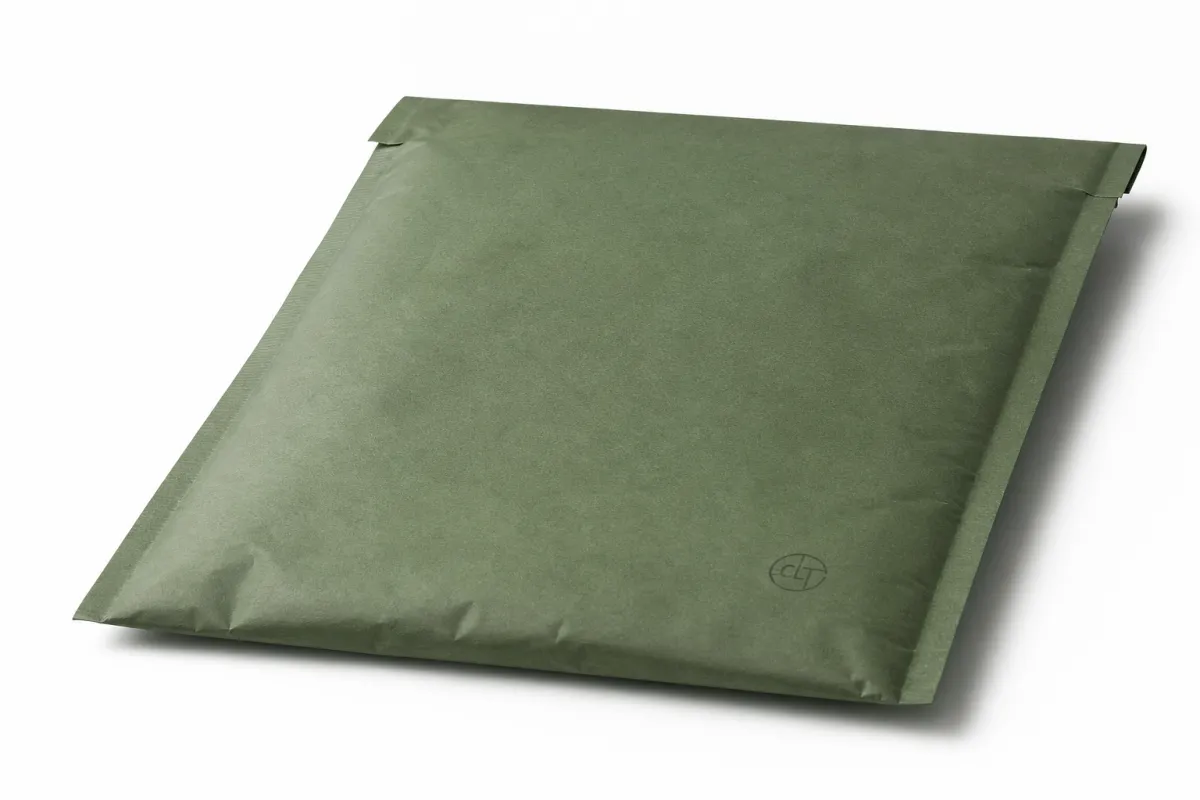
The mailer is often the first package a customer handles in person. That detail matters more than many teams expect. A small change in film gauge, seal tack, or format can shift the unboxing feel, the chance of damage in transit, and even the risk of returns tied to shipping abrasion. A serious custom plant based mailers quote should account for those variables rather than bury them behind a broad sustainability label.
Speed matters, but only if the numbers are grounded in real production choices. A strong quote separates the material from the decoration and the decoration from the promise. A supplier should not bundle the cost of a compostable film, a two-color print run, and a custom tear notch into one vague line that leaves the buyer guessing. Procurement teams need to see what is driving the cost, because that is how they decide whether to keep the spec, simplify the print, or shift to another structure.
There is a practical point that gets overlooked a lot: not every plant-based mailer is automatically compostable, recyclable, or suitable for every shipping lane. A plant-based blend may use renewable feedstock, yet that does not guarantee an end-of-life path. If a supplier cannot explain the difference between bio-based content and certified compostability, the custom plant based mailers quote is missing a key piece of information.
That distinction matters more in packaging than in marketing language. A buyer selecting branded packaging for apparel may care most about shelf appeal and tear resistance. A cosmetics brand may place more weight on surface quality and moisture resistance. A subscription brand may need reliable seal integrity and a mailer that survives automated sorting. The same quote request can mean very different things, and the response should reflect that reality.
A good quote tells you what is included, what is excluded, and what the mailer is built to do.
That is the standard worth using. If a custom plant based mailers quote arrives without enough detail to compare against another supplier, it is not much help. It is only a placeholder with numbers attached.
For buyers who want speed without guesswork, the cleanest approach is to request a quote that includes:
- finished dimensions, including width, length, and gusset if needed
- film structure and thickness, such as 60-80 microns depending on application
- print method, color count, and coverage area
- seal type, tear strip, and opening features
- MOQ, setup fees, and sample policy
- certification and compliance claims, if required
- estimated production lead time and shipping method
That list is not bureaucracy. It is the fastest way to get a clean custom plant based mailers quote that procurement, marketing, and operations can read the same way.
Custom Plant Based Mailers Quote: Material Options and Product Details
The material choice sets the tone for the entire project. Some plant-based mailers use bio-based content blended with conventional polymers. Others use certified compostable films made from plant starches or PLA-type structures. Those options are not interchangeable, and the label alone does not tell the buyer enough. A careful custom plant based mailers quote should name the structure, not just the marketing claim.
Here is the practical difference. A bio-based blend can reduce fossil feedstock content, but it may not come with a compostability certification. A certified compostable mailer may fit a closed-loop sustainability story more cleanly, but it can bring tighter storage, heat, or sealing requirements. A good supplier will explain those trade-offs before the buyer signs off on the custom plant based mailers quote. That is the kind of detail that keeps a project from drifting into avoidable rework.
Product details matter just as much. Thickness affects puncture resistance. Opacity affects how visible the contents are while the parcel moves through the shipping system. Adhesive strength affects tamper resistance and repeated handling. A tear strip can improve the customer experience, yet it adds a manufacturing step and can change the quote. Small choices, real cost impact.
For retailers and e-commerce brands, the best material is rarely the one that sounds the greenest in a sales deck. It is the one that protects the contents, prints cleanly, and fits the distribution chain. A mailer for lightweight apparel may work well with a thinner gauge. A mailer for boxed accessories, beauty kits, or mixed-SKU shipments may need more puncture resistance and a wider sealing area. That is where the custom plant based mailers quote becomes a functional decision instead of a branding exercise.
Common material paths buyers compare
- Bio-based blend mailers - useful when the goal is renewable content and familiar handling characteristics.
- Certified compostable film mailers - useful when end-of-life claims must be documented and supported.
- Hybrid structures - useful for balancing barrier performance, print quality, and sustainability messaging.
Some buyers assume a compostable option will behave exactly like a standard poly mailer. That is not always true. The seal window can be narrower. Storage conditions may matter more. Print coverage can affect material cost differently. If a supplier gives a custom plant based mailers quote without explaining those constraints, the quote is likely built for selling rather than for production.
Technical clarity matters as much as price. Packaging buyers working on product packaging and outbound shipping often need consistency across replenishment cycles. If the first run performs well but the second run drifts in thickness or seal behavior, the brand pays for it in labor and complaints. A reliable custom plant based mailers quote should reduce that risk instead of adding it.
| Material Type | Best Use | Typical Strength | Quote Impact |
|---|---|---|---|
| Bio-based blend | Apparel, lightweight accessories, retail shipping | Moderate puncture resistance, familiar handling | Often mid-range pricing, depending on resin content |
| Certified compostable film | Brands with documented sustainability claims | Varies by structure; may need tighter process control | Can cost more due to certification and material sourcing |
| Hybrid structure | Higher-demand shipments or mixed product loads | Better balance of barrier and durability | Quote depends on complexity and print coverage |
That table is the kind of comparison buyers should ask for in a custom plant based mailers quote. Material names help. Performance language helps more. A supplier that understands packaging design should connect both without making the buyer translate the technical side alone.
For technical references, buyers evaluating shipping performance can review the ISTA transit testing standards and compare claims against real transport conditions. For sustainability and waste-related context, the EPA recycling and waste guidance is also useful. Standards do not replace a sample test, but they give the quote a more meaningful frame of reference.
Specifications That Shape Your Custom Plant Based Mailers Quote
Specifications are where most quote requests either sharpen or blur. A vague request such as "need eco mailers" forces a supplier to guess. A precise request creates a real custom plant based mailers quote with fewer revisions and less room for error. The difference is not cosmetic. It affects Cost, Lead Time, and the odds of getting a production-ready file on the first pass.
The core specs are straightforward, but every one of them changes the number on the page. Flat width and length determine material usage. Gusset depth affects how well the mailer fits thicker items. Film thickness influences durability and freight weight. Seal style changes production setup. Print colors affect plates, ink use, and registration risk. The quote should show those items clearly instead of burying them in a paragraph.
Dimensional tolerances are another point buyers underestimate. A 2 mm variance may not matter for a T-shirt. It can matter a great deal for a rigid boxed accessory or a beauty bundle with tight carton clearance. If the finished package has to pass through automated fulfillment equipment, the tolerance range becomes a real production concern. A detailed custom plant based mailers quote should address that before the order is approved.
Branding details belong in the spec sheet too. Logo placement, maximum ink coverage, matte or gloss finish, and whether a one-sided print is enough all influence the quote. Buyers working on package branding usually need the mailer to match the broader identity of their retail packaging and insert materials. If the same brand uses Custom Printed Boxes, the mailer should not feel like a leftover decision.
What to lock before pricing
- Finished size, including any gusset or depth requirement
- Material structure and target thickness
- Closure type, such as self-seal adhesive or tamper-evident strip
- Print method and number of colors
- Surface finish, opacity, and artwork coverage
- Certification needs, including compostability or FSC-related requirements if applicable
- Requested sample stage, proof approval, and delivery deadline
Those seven items give a supplier a serious starting point. They also help internal teams stay aligned. Marketing wants the logo placed a certain way. Operations wants the adhesive to hold through temperature swings. Finance wants a predictable per-unit number. A clean custom plant based mailers quote balances all three.
If a sustainability claim is part of the order, ask for the exact wording and supporting documentation. A "plant-based" statement is not the same thing as "industrially compostable," and neither one automatically means "home compostable." If the supplier cannot show the basis for the claim, the quote is not ready for sign-off. Buyers should also request references to material certification where relevant, including FSC where paper components are involved. For that, the FSC website is the right place to verify the framework.
Precision helps speed. That sounds backward, but it holds up in production. The more specific the specs, the faster a supplier can turn around an accurate custom plant based mailers quote. There is less back-and-forth, fewer corrections, and fewer surprises after proofing. In practice, that usually saves more time than chasing a quote with a lower headline number.
Cost, Pricing, MOQ, and What Affects Your Quote
Pricing on a custom plant based mailers quote usually looks simple at first glance, then becomes more involved quickly. The headline unit price is only one part of the picture. Material grade, size, print complexity, order quantity, freight method, setup costs, and certification requirements all shape the final number. A buyer who looks only at the lowest unit cost can miss the bigger picture by a wide margin.
Material grade is the first driver. A basic bio-based blend can price differently from a certified compostable film with tighter processing requirements. Size is the second. Larger mailers use more resin and sometimes more labor. Print is the third. A one-color logo on a small area is a different job from full-surface branded packaging with multiple ink zones. The quote should show that distinction plainly.
MOQ matters because setup cost has to be absorbed somewhere. If a run requires artwork prep, plate creation, calibration, and line adjustment, those fixed costs are spread across the number of units produced. That is why smaller runs usually carry a higher per-unit cost. Larger runs tend to improve efficiency. A supplier quoting a 1,000-piece test order and a 10,000-piece production run should show the pricing break clearly in the custom plant based mailers quote.
Here is a useful rule of thumb: if the order is highly customized, the first batch is often the most expensive per unit. That is normal. It is also why some buyers request tiered pricing. A tiered quote shows the cost difference between a pilot run, a reorder, and a scale-up order. It is one of the quickest ways to make a sensible decision without overcommitting.
| Order Size | Typical Use Case | Price Behavior | What to Watch |
|---|---|---|---|
| 1,000-2,000 units | Test launch or seasonal campaign | Higher per-unit cost | Setup fees and freight can dominate the total |
| 3,000-5,000 units | Small to mid-size replenishment | More balanced pricing | Check whether print changes alter the quote |
| 10,000+ units | Ongoing retail or e-commerce program | Lower per-unit cost | Confirm storage space and delivery timing |
That price curve is common across packaging, not just mailers. It shows up in custom printed boxes, inserts, and other branded formats too. Fixed setup costs are fixed. Volume is what spreads them out. A transparent custom plant based mailers quote should say that plainly rather than hide it behind a vague discount story.
Freight is another variable buyers often underestimate. A delivered quote is easier to compare than an ex-works quote, but not every supplier structures pricing the same way. If the shipment is time-sensitive or international, transit mode can move the number more than expected. Air shipping a rush order can erase the savings from a cheaper unit price. That is why landed cost deserves attention, not just factory price.
Ask whether the quote includes sample charges, proof fees, plates or tooling, special inks, and certification documentation. Those extras can be small, or they can be meaningful, depending on the project. A clean custom plant based mailers quote spells them out before the order is placed. If it does not, budget control turns into guesswork.
For a packaging buyer comparing vendors, the best question is not "Who is cheapest?" It is "Which quote gives the most reliable total cost for the spec I actually need?" That single question saves more time than any sales pitch, and honestly, it cuts through a lot of noise.
Process and Timeline: From Quote to Delivery
Good quoting is only half the job. The path from inquiry to delivery determines whether the project stays on schedule. A typical custom plant based mailers quote should lead into a clear process: inquiry, spec confirmation, artwork review, proof approval, sampling if needed, production, and shipment. That sequence sounds obvious, yet delays usually appear when one step is skipped or rushed.
The first bottleneck is usually the brief. Missing dimensions, unclear print requirements, or a vague sustainability claim can create at least one extra revision cycle. A buyer who sends a complete spec sheet gets a faster response and a more credible custom plant based mailers quote. The supplier is not inventing the build from scratch; they are pricing an agreed structure.
Proofing is the second major checkpoint. Color expectations on flexible film can differ from what teams see on a monitor. Fine lines, small text, and QR codes need careful review. If the artwork has a dense logo or a textured background, the proof stage matters even more. Rushing proof approval is one of the easiest ways to create a production problem that could have been avoided.
Typical lead times depend on complexity. For a straightforward order with approved artwork and a standard structure, production might fall in the 12-15 business day range after proof approval. More complex builds, certification requests, or special finishing can extend that window. Rush jobs are possible in some cases, but they depend on inventory, tooling availability, and factory capacity. A realistic custom plant based mailers quote should say that plainly.
Sampling is worth the time when the mailer supports a launch or premium brand experience. A physical sample can reveal things the spec sheet will not: seal strength, print readability, finish feel, and how the mailer behaves once filled. For a team managing branded packaging, that test can be the difference between a good-looking order and a dependable one.
Here is a practical planning sequence:
- send complete specs and artwork together
- review the quote for exclusions and setup fees
- approve the digital proof only after internal sign-off
- request a sample if the package must support premium presentation or fragile contents
- confirm shipping method before production starts
This sequence reduces friction. It also protects the timeline. A buyer planning a replenishment cycle around a custom plant based mailers quote should leave room for proof revisions and freight transit. That is not pessimism. It is discipline.
One more point: if the project needs to align with broader packaging standards, ask about transit testing and material documentation early. Some companies compare mailers against internal damage goals, while others align with ISTA-style testing concepts. Either way, the sooner the supplier understands the shipping environment, the more useful the quote becomes.
Why Choose Us for Custom Plant Based Mailers
There are plenty of places to ask for a quote. The difference is in how the quote is built. At Custom Logo Things, the goal is to deliver a custom plant based mailers quote that is specific enough to support a decision, not vague enough to keep the conversation circling. That means clear specs, clear pricing logic, and clear expectations around MOQ and lead time.
Precision matters because packaging is not just an expense line. It is part of the product presentation and part of the shipping system. A mailer has to protect the item, represent the brand, and fit the actual fulfillment process. Our approach keeps those three realities in view at the same time. That matters especially for brands managing both product packaging and outbound mailers, where consistency across formats carries more weight than people often admit.
We also pay attention to repeat-order consistency. A good first run helps. A predictable second run helps more. For buyers who need reliable replenishment, a custom plant based mailers quote should come with the ability to repeat the same spec without rebuilding the entire project every time. That is where packaging programs become easier to manage, and where a steady production history really starts to pay off.
Communication is another difference maker. If the MOQ changes because the size is large, or if the print count changes the tooling cost, that should be stated in plain language. If a sample is advisable before full production, that should be said early. This is how a supplier helps a buyer move from quote to purchase order without confusion.
We also understand that sustainability goals do not sit apart from operations. A plant-based mailer still has to work inside a real distribution network. Warehouse handling, stackability, shelf presentation, and customer perception all matter. The best custom plant based mailers quote is the one that respects those constraints rather than pretending they do not exist.
If you are comparing Custom Poly Mailers with plant-based options, or if you are building a broader sourcing plan across Custom Packaging Products, the key is to use the same spec discipline for every format. A packaging program gets more efficient when every quote follows the same logic.
For buyers who need a starting point, the team at Contact Us can help shape the request into a usable brief. That is often the quickest way to get a quote procurement can actually compare, especially if the project mixes sustainability language with a real production deadline.
We are not trying to make the package sound bigger than it is. We are trying to make the answer more accurate. In packaging, that usually wins.
Next Steps for Your Custom Plant Based Mailers Quote
If you want a useful custom plant based mailers quote, start with the facts buyers sometimes leave out. Finished size. Quantity. Print colors. Seal style. Whether the mailer needs to be compostable, bio-based, or simply made with plant-derived content. Target delivery date. Shipping destination. The more complete the brief, the more useful the quote.
It also helps to compare two or three quotes using the same spec sheet. That sounds obvious, yet many teams skip it. They send slightly different requirements to different vendors, then compare the numbers as if they mean the same thing. They do not. A fair custom plant based mailers quote comparison uses identical inputs, the same quantity, and the same compliance requirements.
Ask for a sample or material swatch if the mailer will play a visible role in the customer experience. Ask for a proof if the artwork includes fine type or a detailed logo. Ask for a written timeline that separates proof approval, production, and freight. Those requests do not slow the process down. They prevent problems later, which is what you actually want.
There is a practical edge to sustainability sourcing too. A supplier should be able to explain what the mailer is made from, what the claim means, and what the end-of-life pathway actually is. If the material is certified, the documentation should be easy to verify. If the claim is limited, the quote should say so. That is a better outcome than a glossy sales sheet with no substance behind it.
For brands serious about branded packaging, the mailer is not a side item. It is part of the delivery experience. It sits beside tissue, inserts, labels, and sometimes custom printed boxes. That is why a serious custom plant based mailers quote should be evaluated alongside the rest of the packaging system rather than in isolation.
Here is the simplest path forward:
- gather your size, quantity, print, and closure requirements
- state your sustainability target in precise language
- request a quote that lists setup, sample, and freight assumptions
- compare landed cost, not just unit price
- approve a sample or proof before production if the shipment is customer-facing
That process is practical, and it works. It helps you filter out vague proposals and focus on the quote that actually fits the job. If your goal is a dependable, defensible, and easy-to-compare custom plant based mailers quote, that is the path I would recommend. Start there, and the rest of the decision gets a lot clearer.
When you are ready to move, ask for the custom plant based mailers quote with complete specs so the first number you see is the number you can trust.
What information should I send for a custom plant based mailers quote?
Send the finished bag size, estimated quantity, and whether you need a flat or gusseted mailer. Include artwork, number of print colors, and any branding or compliance claims that must appear on the mailer. Add your target delivery date and shipping destination so lead time and freight can be priced correctly. If you already know your preferred finish or seal style, include that too.
Are custom plant based mailers always compostable?
No. Plant-based content and compostability are not the same thing. Ask for the exact material structure and certification details before comparing options. If compostability matters, confirm whether the mailer is industrially compostable, home compostable, or only bio-based. A supplier should be able to explain that without hand-waving.
What is a typical MOQ for custom plant based mailers?
MOQ varies by material, size, and print method. Smaller runs usually cost more per unit because setup and production costs are spread across fewer pieces. Ask for tiered pricing so you can compare a test order against a larger production run. That gives you a much better sense of the real cost curve.
How long does production take after I approve the quote?
Timing depends on artwork readiness, sampling needs, and factory capacity. A clean proof cycle is usually faster than a project with multiple revisions or missing spec details. Ask for a written timeline that separates proof approval, production, and shipping so there are no surprises. If the project is rush-critical, mention that before the quote is finalized.
How do I compare two custom plant based mailers quotes fairly?
Use the same size, thickness, print count, and quantity on both proposals. Compare total landed cost, not just unit price, because freight and setup fees can shift the real number. Check certifications, material claims, and lead time before choosing the lower bid. If one quote leaves out key details, it is not a true apples-to-apples comparison.

