Custom Printed Stand Up pouches low minimum orders are usually less about chasing the lowest unit price and more about avoiding dead stock that eats margin later. If you are testing a new flavor, splitting SKUs by region, or replacing a tired package design, a small run can be the cleaner move. The trick is knowing where the real costs sit before you ask for a quote.
Buyers often fixate on the per-unit number and miss the bigger picture. A run of 2,000 pouches that fits the launch, protects the product, and leaves room for a second revision can be smarter than 20,000 pouches you regret six weeks later. That is especially true for branded packaging that is still being refined.
Why low-minimum pouches can be the smartest first run
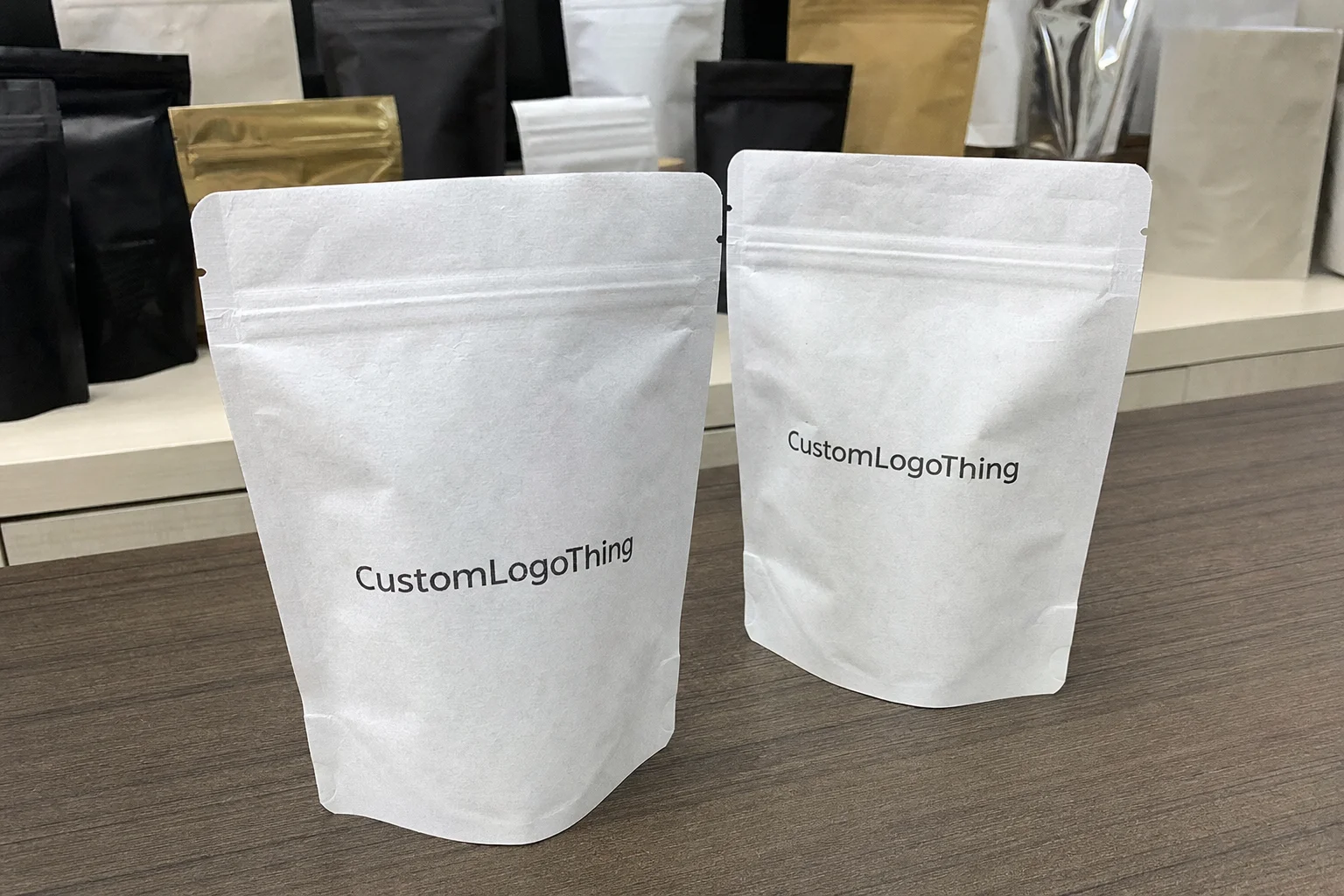
Custom printed Stand Up Pouches low minimum programs make sense when demand is uncertain or the product is still changing. Launches are rarely clean on the first pass. Flavor names shift, panel copy gets edited, and someone always notices that the net weight looks odd on shelf after the fact. Small runs buy flexibility, which is often more valuable than a low unit cost on paper.
That matters for seasonal products, limited editions, local market tests, and line extensions. It also matters for rebrands. If you are updating retail packaging or changing package branding, the last thing you want is a warehouse full of obsolete film. Small quantities reduce that risk and let you correct the structure, the size, or the artwork before the order gets serious.
The tradeoff is simple. Lower quantity usually means higher unit cost, more sensitivity to setup, and less room for sloppy artwork. No factory is going to rescue a bad spec with good intentions. You still need the right pouch dimensions, the right barrier, and print-ready files. “Low minimum” is not code for “we can guess.”
Good packaging buying is not about ordering less for the sake of it. It is about ordering enough to prove the product without trapping cash in inventory you may not need.
For brands that are still shaping their product packaging strategy, small-run pouches are often a better fit than custom printed boxes. Boxes can be great, but they are not the answer to every launch. If the product needs moisture resistance, aroma control, or a strong retail presence with less material, a stand-up pouch does the job more efficiently.
That is why custom printed Stand Up Pouches low minimum orders show up so often in test markets, DTC launches, and SKU-heavy portfolios. One good run can teach you more than six meetings. The data comes from sell-through, not opinions.
There is also a practical reason small runs keep coming up: packaging teams are often working with incomplete information. Forecasts are rough. Fill lines are still being tuned. Retailers may want a different case pack. A low minimum order gives room to make those adjustments without paying for the privilege twice.
How stand-up pouches are built and printed
A stand-up pouch is a laminated structure with a bottom gusset that lets it stand on shelf once it is filled. In plain English, it is a stack of film layers doing different jobs: one layer gives printability, another provides barrier, another handles seal strength, and the gusset gives the pouch its shape. Add a zipper, tear notch, or hang hole, and you have a package that does more than sit there and look branded.
The outside surface is where the branding lives. The inside layers are where the product stays protected. That distinction matters. A pouch can look excellent and still fail if the barrier is wrong for the product. Coffee, powders, snacks, pet treats, and greasy foods all ask for different structures. If the barrier is too light, shelf life suffers. If it is heavier than needed, you are paying for performance you may not use.
Printing method changes both economics and appearance. Digital printing is usually better for shorter runs, faster artwork changes, and multiple versions with less setup pain. Flexographic printing often makes sense at higher volume because plate and setup costs are spread across more units. Digital tends to fit custom printed Stand Up Pouches low minimum orders better, while flexo can win once volume climbs and the design stays stable.
Color consistency, fine detail, and finish quality vary by method. A heavy gradient, tiny type, or photo-real image can behave differently on matte film than on gloss. If the design depends on a specific shade of black or a subtle metallic effect, ask for a proof that reflects the actual print process, not a screen mockup that looks prettier than reality. Screen mockups lie for a living.
Function is not optional. A pouch that stands badly on shelf because the fill weight is too low or the gusset geometry is wrong is a packaging problem, not a design quirk. Packaging is rude like that. It exposes every shortcut.
If your product is food or sensitive to moisture and oxygen, you should also think about seal integrity and transit abuse. Seal strength testing, leak checks, and transport testing matter more than most buyers want to admit. For finished packages that have to survive more than a gentle handoff, ISTA transit testing is a useful benchmark.
MOQ, cost, and unit pricing: what small runs really cost
There are three cost buckets that matter. First is setup and prepress, which covers artwork prep, file checks, plate creation for some print methods, and proofing. Second is the material and printing cost, which is the film, ink, and press time. Third is finishing, which includes things like zippers, hang holes, matte varnish, rounded corners, or a clear window. Buyers who only compare unit price are usually comparing the loudest number, not the full story.
For custom printed stand up pouches low minimum orders, the setup bucket weighs more heavily. That is why a 2,000-piece order can look expensive next to a 20,000-piece run even if the product is the same. The math is normal. The overhead is being split across fewer units. The question is not whether the unit price is higher. It is whether the smaller order saves more by preventing overbuying and obsolete stock.
Spec changes move price quickly. Thicker barrier films, metalized layers, soft-touch finishes, clear windows, and extra closures all raise cost before artwork even gets involved. A simple matte pouch can be one thing. A high-barrier, zipper, euro-hole, and spot-gloss version can be something else entirely. That is not suppliers being dramatic. That is material and process reality.
Here is a rough comparison buyers can use to frame the conversation:
| Print method | Typical MOQ | Best fit | Main tradeoff | Rough cost behavior |
|---|---|---|---|---|
| Digital print | 500 to 5,000 pieces | Launches, test markets, multiple SKUs | Higher unit cost at scale | Setup is lighter; pricing is friendlier on short runs |
| Flexographic print | 5,000 to 25,000+ pieces | Stable designs, repeat orders, volume production | More setup and plate cost | Unit price usually improves as quantity rises |
| Stock pouch with label | Very low | Extremely small tests or internal use | Less premium shelf presence | Lowest startup cost, but weaker package branding |
That table is not a quote. It is a decision frame. Real pricing depends on size, film structure, print coverage, closure type, shipping weight, and whether you are ordering one SKU or six. A quoted pouch that looks more expensive may actually include better barrier, a zipper, and shipping that another quote quietly left out.
Compare quotes on the same basis. Exact dimensions. Exact quantity. Same print sides. Same closure type. Same finish. Same destination. Otherwise every quote looks different for a reason, and the reason is usually buried in the spec sheet.
If you are deciding between formats, the broader Custom Packaging Products page is useful for seeing how pouches compare with other product packaging options.
One more reality check: the cheapest-looking quote can get expensive fast if it drives slower filling, higher waste, or more customer complaints. A narrow seal area, poor film stiffness, or a pouch that refuses to stand properly can create costs that do not show up until production starts.
Production steps, proofing, and lead time
The process is usually straightforward. You send the product details, pouch size, artwork, and target quantity. The supplier checks the spec, confirms the print method, and sends a proof or mockup. After approval, production starts, then inspection, then packing, then freight. The sequence is simple. The delays usually are not.
Artwork revisions are the most common schedule killer. Missing bleed, low-resolution logos, unembedded fonts, and vague color expectations can add days. So can indecision. If you are still changing the front panel after the proof has been built, the calendar is going to punish you. Packaging design is not the place for “we’ll know it when we see it.”
For custom printed stand up pouches low minimum orders, lead times are usually shorter than large flexo runs, but they are not magic. A clean file and a final spec can move fast. A messy file and three rounds of revisions can turn a small order into a slow one. In practice, well-prepared small runs often land in the 12 to 18 business day range from proof approval to ship, though that varies with material availability and freight.
To shorten the timeline:
- Send the dieline early and keep the artwork locked.
- Use one print version per SKU if the launch is tight.
- Approve proofs fast and avoid last-minute copy changes.
- Confirm the finish, closure, and barrier before production starts.
There is another piece people skip: inspection. If the order is for a food product or something shelf-sensitive, ask how the supplier checks seals, print quality, and dimensions. Good QC usually includes dimensional checks, seal testing, visual inspection for print defects, and carton count verification. If the answer is vague, that is information too.
For paper-based components in hybrid packaging, FSC-certified materials can be worth asking about if your brand cares about sourcing claims and packaging compliance language. Just keep the claim aligned with the actual structure. A logo on a spec sheet does not magically make a multilayer pouch recyclable or paper-based.
Specs that decide whether the pouch actually works
The first spec is size. Not just width and height, but usable volume once the product is inside. Fill weight, density, and headspace all affect the final pouch dimensions. A powder behaves differently from a snack. A loose, airy product behaves differently from a dense one. If the pouch is too tight, it bulges and looks clumsy. If it is too large, you waste material and the product looks undersold.
Barrier choice comes next. Dry goods with a short shelf life can often use a lighter structure. Coffee, pet treats, sauces, and moisture-sensitive products usually need more protection. Oxygen barrier, moisture barrier, grease resistance, and aroma retention are not decorative features. They are shelf-life controls. If the product needs to stay crisp, fragrant, or stable, the film has to be built for that job.
The functional extras should be decided early, because they affect both cost and production setup. A zipper adds convenience and repeat use. A tear notch improves opening. Rounded corners reduce sharp edges and can improve shelf appearance. A clear window can help sell the product, but it also changes the print area and the film structure. Matte and gloss finishes create different shelf signals. Matte reads quieter and more premium. Gloss pops harder under retail lighting.
For food-contact or regulated products, the spec has to account for compliance language, not just looks. If your product requires odor control, freshness retention, or a certain seal performance, say that upfront. If it has to pass seal strength expectations, ask what standard the supplier uses. ASTM methods such as seal strength testing are useful reference points when a product needs more than “it feels sealed.”
That is also where custom printed stand up pouches low minimum orders can save money or waste it. A smaller run lets you verify the structure before you commit to a larger batch. A bad structure on a small order is a lesson. A bad structure on a huge order is inventory and brand damage.
Film thickness matters too, even though it is often discussed too casually. A thinner film can lower cost and reduce package bulk, but it may also feel flimsy, show scuffs faster, or handle distribution less gracefully. A heavier film can improve stiffness and barrier, but it may push price and make the pouch harder to fill cleanly. There is no magical thickness that works for every product. There is only the structure that fits the product and the line it will run on.
Common mistakes that make low-minimum orders expensive
The most common mistake is ordering the wrong size and trying to force it later. Packaging buyers do this because they want to move quickly. The problem is that a slightly off pouch format can wreck shelf appeal, complicate filling, and raise freight costs. If the product is tall and the pouch is short, the brand looks cramped. If the pouch is oversized, it looks wasteful and prints like an afterthought.
Artwork is the second trap. Low-resolution files, missing bleed, unconverted fonts, and RGB colors sent to a CMYK print process can all create avoidable problems. If the design has tiny type, thin lines, or a dark background, ask for a proof that reflects production conditions. A PDF on a laptop screen is not a production proof. It is a promise, and promises do not seal pouches.
Too many variations are another cost multiplier. Multiple flavors, sizes, and finishes can turn a clean order into a scheduling headache. Each version may need its own proof, its own handling, and its own production slot. If you need three SKUs, fine. If you need eight slightly different versions just because the team cannot settle on a hierarchy, expect the quote to look ugly. That is not padding. That is complexity.
The classic false saving move is choosing the cheapest spec without checking barrier performance, shipping weight, or closure quality. A lower-cost pouch that fails in transit or shortens shelf life is not cheap. It is just delayed spending, and usually the expensive kind. Retail packaging has a habit of exposing that mistake right on the shelf.
Another miss is ignoring how the pouch will be filled. Manual filling, semi-automatic fill lines, and fully automated lines have different tolerance requirements. If the seal area is too small or the pouch width is wrong for your equipment, you do not have a packaging problem. You have a production problem.
Finally, do not compare a pouch quote against a label-and-stock-bag setup without thinking through the whole system. Sometimes custom printed stand up pouches low minimum orders cost more per piece and less per launch because they replace separate labels, reduce assembly labor, and improve shelf presentation. Cost is not just ink on film. It is the total system.
A less obvious mistake is forgetting freight and storage. Small runs are lighter on cash, but they still have to be packed, shipped, and stored somewhere dry and clean. If you order a spec that is unusually bulky, freight can erase part of the savings. The quote that looks neat on a spreadsheet may look less cute once cartons are stacked in your warehouse.
Next steps before you request a quote
Before you ask for pricing, collect the basics. Product type. Fill weight. Target pouch size. Quantity. Closure preference. Finish. Shelf-life requirement. If you already know whether the product is oily, aromatic, brittle, or moisture-sensitive, include that too. Those details determine whether the supplier can recommend a structure that actually holds up.
Send usable artwork if you have it. If not, send a clean logo, brand colors, and any copy that must appear on the pouch. That is enough to get a meaningful quote. A quote built on guesswork is not really a quote. It is a placeholder with numbers attached.
Ask for a sample or material recommendation if the product is sensitive, heavy, or likely to stress the seal. That is not overcautious. That is normal buying discipline. A sample can confirm size, feel, print finish, and whether the pouch opens and reseals the way you expect. It is far cheaper to catch a spec issue before production than after a pallet is on the floor.
If you are comparing options across packaging formats, decide whether the pouch is being asked to do more than one job. Some products need barrier, convenience, and retail appeal all at once. Others just need to stay intact long enough to reach the customer. That distinction changes the spec more than most teams expect.
If you are weighing pouches against other formats, use the rest of the FAQ resources to pressure-test the spec before you commit. Then compare minimums, unit cost, lead time, and structure side by side. Choose the version that fits the launch, not the fantasy budget. That is the practical way to Buy Custom Printed stand up pouches low minimum without turning a small test into a large mistake.
For most brands, the best first run is the one that teaches you something useful and does not bury cash in boxes of unused packaging. If your launch is still being tested, custom printed stand up pouches low minimum orders are often the sane move.
What is the minimum order for custom printed stand up pouches?
Minimums depend on print method, pouch size, and features, so there is no single universal number. Small-run digital jobs usually allow lower quantities, while flexo-style runs often make more sense at higher volume. The real question is whether the minimum fits your launch volume without forcing you to overbuy inventory.
Are low-MOQ custom printed stand up pouches more expensive per unit?
Usually yes, because setup and production overhead are spread across fewer pouches. That does not automatically make them the wrong choice if the smaller run protects cash flow or reduces risk. Compare total spend, not just unit cost, especially for test launches or seasonal products.
How long does it take to produce low minimum stand up pouches?
Lead time depends on artwork readiness, proof approval, print method, and how many SKUs are in the order. Clean files and a finalized spec shorten the timeline more than almost anything else. Delays usually come from revisions, not from the pouch itself.
What information should I send for an accurate pouch quote?
Send product type, fill weight, target pouch size, quantity, print count, closure style, and finish preference. Include artwork files or brand assets so the quote reflects real production requirements. If you have shelf-life or barrier requirements, include those up front. Guessing is how quotes get useless.
Can I get a sample before ordering custom printed stand up pouches low minimum?
Yes, and you should ask for one if the product is sensitive, heavy, aromatic, or visually picky. A sample helps verify size, feel, seal area, and how the artwork reads on the actual material. It is cheaper to catch a spec problem before production than after you have a pallet of regrets.