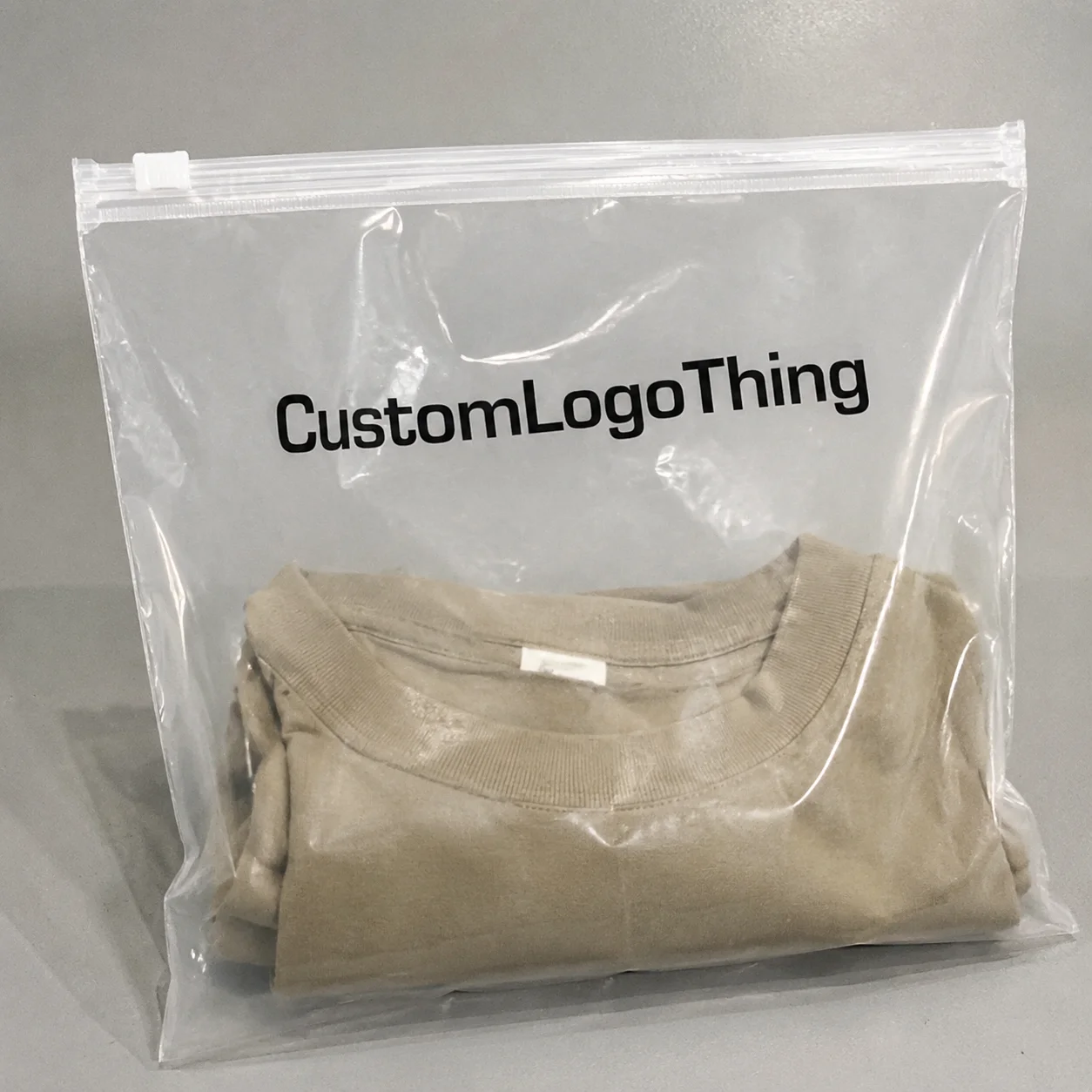
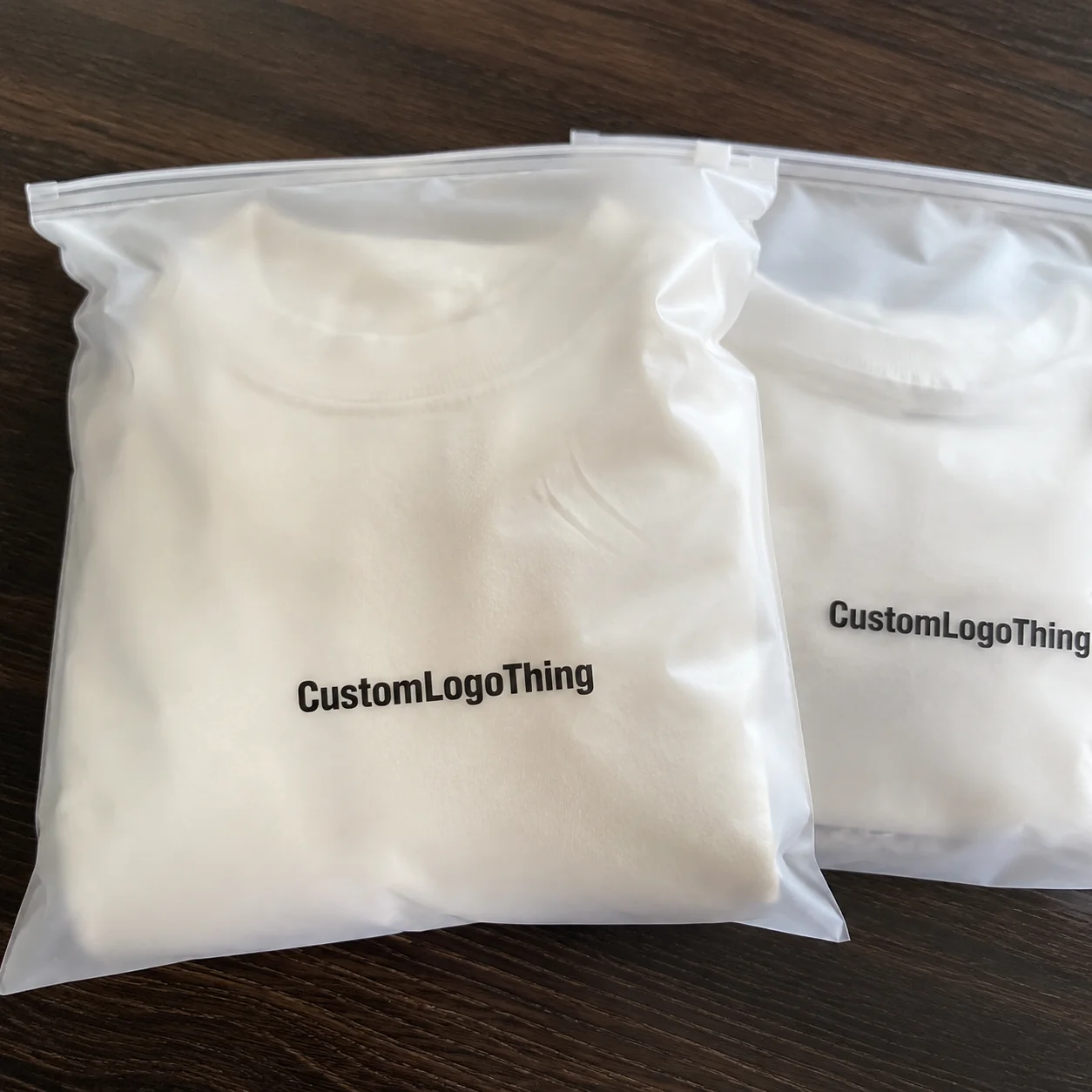
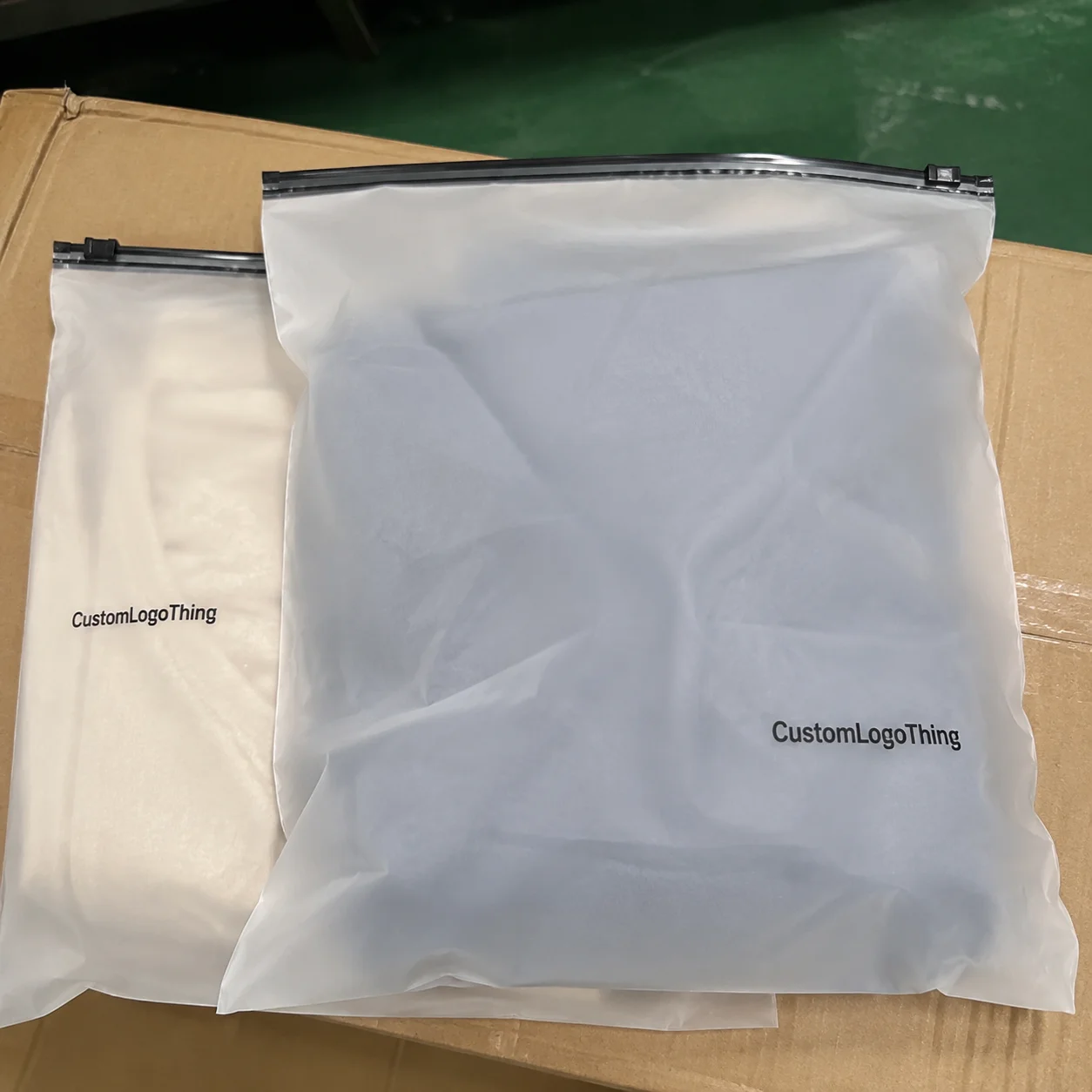
Custom slider lock clothing Bags for Beauty Brands sit in a useful middle ground: more polished than a basic poly sleeve, less expensive and less rigid than a box, and easier to pack than packaging with a complicated closing sequence. They are not trying to steal the spotlight from the product. They are there to make the product look cared for, keep pieces together, and survive the kind of handling that happens between finishing, packing, display, and unboxing.
That practical balance is why they keep showing up in salon merch, apparel drops, spa uniforms, influencer kits, gift-with-purchase sets, and lightweight retail items that need a tidy finish. A good slider lock bag also earns its keep after the first use, because customers often reuse it for storage. That gives the brand a little extra visibility without asking for much more from the packaging budget.
The key is knowing what the bag needs to do. If the job is display, the visual finish matters most. If it is pack-out speed, the closure and opening width matter more. If the bags will be reused, the feel of the material and the quality of the track become part of the brand experience. Those details sound small until one of them is wrong.
Why beauty brands are switching to slider-lock bags
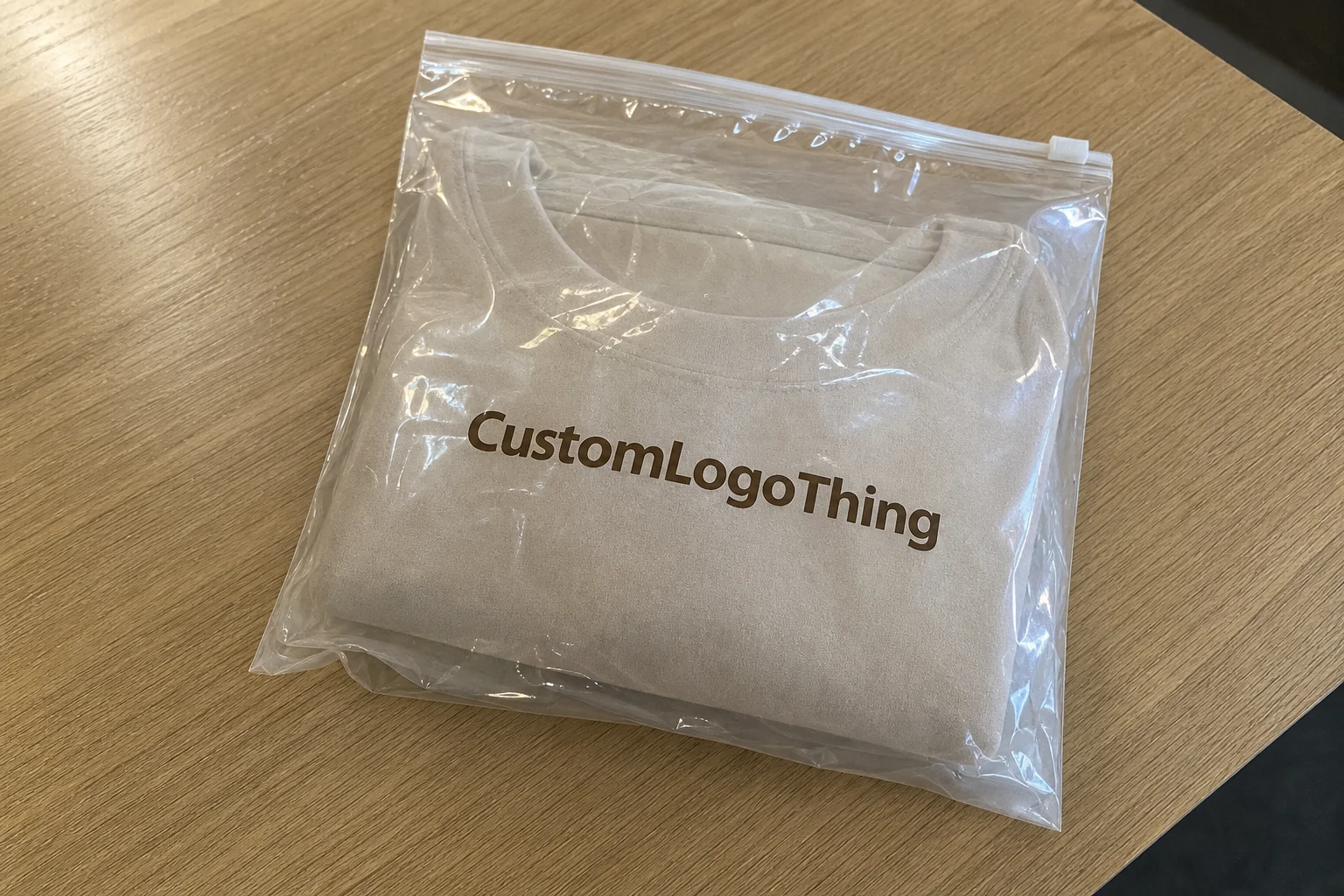
Beauty brands are using custom Slider Lock Clothing bags because the format solves several packaging problems without adding much complexity. The bag can hold apparel, accessories, or small bundled items in one place, keep dust and handling marks off the surface, and present the product in a more intentional way than a loose sleeve or overfilled mailer. It also helps teams keep sets organized during packing, which matters more than people expect once an order volume starts climbing.
These bags work especially well for packaging that sits somewhere between retail and fulfillment. A salon apparel drop, for example, may need to look attractive on a shelf but still be quick to pack in batches. A promo kit might need to keep a robe, headband, and insert card together without shifting around. A frosted or clear slider bag can handle those jobs while still being simple enough for warehouse staff to use all day.
They are not a substitute for proper shipping protection. If the shipment has to survive rough transport, the slider lock bag should be treated as the inner presentation layer, not the final defense. Outer mailers, cartons, and insert protection still matter. For anything with a higher damage risk, it makes sense to check the complete pack against common transit testing methods such as ISTA protocols rather than assume the inner package will carry the whole load.
From a branding standpoint, the format also gives beauty companies room to keep the look consistent across products. Used alongside inserts, labels, and other Custom Packaging Products, the bag can support a cleaner package architecture without forcing every SKU into a custom box.
How the slider lock closure works in real use
The closure itself is straightforward. A track runs across the top edge of the bag, and a small slider moves along that track to open or close the seal. In practical terms, that means less fiddling than a press-to-close bag and less opportunity for the opening to look crooked or worn after a few uses. For staff packing hundreds of units, the difference is real: the bag loads faster, closes in a more consistent way, and is less likely to end up half shut.
That ease of use is one reason Custom Slider Lock Clothing Bags for beauty brands tend to feel more premium. The closure gives a more deliberate motion, which customers notice even if they do not consciously think about it. A good slider should move smoothly, hold its line, and not snag at the ends. If it catches or skips, the whole package feels off no matter how nice the print is.
In beauty and lifestyle packaging, the closure serves three main purposes:
- Dust and handling protection for garments, towels, robes, or accessories.
- Reclosability for storage after unboxing or for repeat use by the customer.
- Presentation control so the bag stays neat on shelves, tables, or in mailers.
Material selection changes the experience more than many buyers expect. Clear PVC gives maximum visibility and is often chosen when the product itself should stay fully visible. PE is generally the budget-conscious option and works well for lighter-duty use. EVA has a softer, more refined feel in hand and is often picked when the brand wants the package to feel more premium without moving into rigid packaging. Frosted finishes can reduce glare and fingerprints, which helps in retail lighting where shiny plastic can look cheap very quickly.
If the bag is part of the aesthetic rather than just a protective shell, the finish matters almost as much as the logo. A frosted or lightly tinted bag can make a beauty pack feel more curated. Clear film is better when visibility matters more than mood. Choosing between them is less about personal taste and more about whether the product, the brand, or the unboxing moment is doing the heavy lifting.
Key specs that affect durability, look, and compliance
This is where a lot of packaging orders go sideways. The bag looks simple, so buyers assume any close-enough spec will do. In practice, the finish, thickness, dimensions, and closure quality all affect how the bag performs, how it photographs, how it packs, and how much it costs.
Thickness is usually listed in mils or microns, depending on the supplier. Thin film lowers material cost and takes up less storage space, but it can wrinkle more easily and feel flimsy if the product is moderately heavy. Thicker film improves structure and usually gives the bag a cleaner hand-feel, though it also raises cost and can make the pack feel stiffer than necessary. For light apparel, beauty merchandise, and gift sets, many brands settle in the middle instead of chasing the lowest price or the thickest possible film.
Size needs to be based on the actual packed state, not just the flat garment dimensions. A folded robe, sweatshirt, or accessory set can take up more room once tags, inserts, and tissue are added. If the bag is too tight, staff will fight it every day. If it is too large, the product shifts and the package loses that crisp, intentional look. The right size gives enough clearance for quick loading while keeping the contents visually anchored.
Print method changes both appearance and lead time. A one-color logo is often the most economical route and usually gives the cleanest result. Full-color artwork can work well for campaign packaging or limited launches, but it adds setup steps and may need extra proofing. If a brand wants predictable costs, restrained artwork is usually the safest choice. Busy graphics can look exciting on screen and slightly overworked in hand.
Closure quality deserves more attention than it usually gets. A smooth slider, cleanly aligned track, and consistent seal line matter for repeated use and for brand perception. If the slider feels loose or the track lifts unevenly, the customer notices immediately. That kind of defect is small on paper and obvious in person.
Compliance questions depend on what is inside the bag and how the brand plans to position the package. If the product includes fragrance-sensitive items, moisture-sensitive materials, or fabrics that scratch easily, the material choice becomes more important. If the wider packaging program includes environmental claims, ask for documentation rather than relying on marketing language. For paper-based components in a broader pack, third-party verification such as FSC can support the claim, but only when the paperwork is in place.
Packaging claims are cheap. Documentation is what keeps them honest.
| Option | Typical use | Pros | Tradeoffs |
|---|---|---|---|
| Clear PVC | Retail display, visible apparel | High visibility, crisp presentation | Can show fingerprints; may feel less eco-friendly |
| EVA | Premium kits, reusable storage | Softer hand-feel, cleaner appearance | Usually higher cost than PE |
| PE | Basic merch, lightweight inserts | Lower unit cost, widely available | Less premium in look and feel |
| Frosted finish | Beauty launches, curated sets | Masks contents slightly, reduces glare | Less full visibility of the product |
For teams comparing reuse-friendly formats and broader retail packaging structures, the resources at packaging.org are useful background reading. They do not replace a supplier spec, but they help clarify what kind of performance is realistic for each material family.
Custom slider lock clothing bags for beauty brands: cost and MOQ
Price is usually the point where theory meets reality. Custom Slider Lock Clothing Bags for beauty brands are priced by a mix of size, material, thickness, closure style, print coverage, and quantity. Larger dimensions use more film. Thicker film uses more material. More print increases setup and production complexity. Lower quantities spread fixed costs across fewer units, so the per-piece number rises fast.
For simple bags with minimal decoration, the unit cost can be manageable at higher volumes. Once you add premium film, custom sizing, full-color print, or specialized closures, the price climbs. Small brands often focus on the unit number and miss the bigger picture: tooling, color matching, proofing, and freight can change the real landed cost just as much as the bag itself.
A practical buying checklist usually looks like this:
- Material: PE is usually the most economical; EVA and specialty films cost more.
- Thickness: more film means more cost and more structure.
- Dimensions: larger bags require more material and often more handling.
- Print coverage: one-color branding is simpler than full-wrap graphics.
- Closure detail: better sliders and tighter seal control raise the price.
Typical hidden costs include sample charges, setup fees, artwork adjustments, and freight. If the brand needs an exact color match, allow time for proofing. If the order quantity is small, expect a higher per-unit rate than a larger repeat run. That is normal manufacturing math, not a pricing problem unique to one supplier.
The smartest comparison is usually value rather than the cheapest line item. A bag with better closure alignment, cleaner print, and fewer packing rejects can save time every day on the floor. That saving rarely appears in the quote, but it shows up in operations very quickly.
Production process, timeline, and lead time expectations
A reliable production flow usually follows a simple sequence: brief, artwork review, size confirmation, sample, approval, production, inspection, and shipment. If any of those steps are skipped or rushed without reason, the risk rises. Packaging is not the place to improvise and hope for the best.
For straightforward orders with finished artwork and an agreed specification, production can move fairly quickly after approval. A common range is about 12 to 18 business days after proof sign-off, with freight added on top. Specialty film, multiple artwork revisions, complex print layouts, or unusual sizes can extend that window. Rush orders may be possible, but they usually cost more and limit material options.
The delays that show up most often are easy to predict:
- Dieline confirmation when the bag size has not been fully settled.
- Proof approvals when several people need to review artwork.
- Sample feedback when the finish needs to be checked in hand rather than on screen.
If the bags are tied to a launch, build in a buffer. Packing materials tend to arrive either right on time or after everyone has already started worrying about them. PR mailings, seasonal launches, and influencer kits are especially sensitive to schedule slip because the packaging has to be ready before the order spike, not during it.
“The bag should arrive before the packing shift starts, not after the launch email goes out.”
For teams who need to compare packaging formats as part of a broader rollout, a structured review of product packaging through Case Studies can help spot where the spec is too loose or where the production timeline is being underestimated.
Common mistakes beauty brands make before ordering
The most common mistake is measuring the product the wrong way. A garment looks one size when it is flat, another when folded with tags, and a third when tucked together with tissue or inserts. The packed state is what matters. Measure that, not the version sitting on a design sheet.
Another frequent issue is choosing a finish because it looks good in a render rather than because it behaves well in real use. Glossy film can show fingerprints quickly. Softer frosted finishes can scratch if the material is too thin. If the bags will be handled repeatedly or displayed under bright retail lights, get a sample in the exact finish you plan to order.
Closure quality also gets underestimated. A slider that drifts, catches, or feels loose makes the whole bag feel cheap, even if the print is excellent. For reusable storage, that problem is even more noticeable because customers interact with the closure more than once. A beautiful logo cannot make up for a frustrating opening experience.
Skipping sample approval is still one of the quickest ways to create an expensive problem. The logo can print too small. The placement can sit too low. The color can read darker than expected on the final film. None of those issues are rare. All of them are easier to catch before production.
Before approving custom slider lock clothing bags for beauty brands, check the actual pack-out:
- Fold the real product.
- Add inserts, hang tags, or tissue.
- Open and close the slider more than once.
- Look at the bag under retail lighting, not only in office light.
- Let someone outside the project judge the presentation.
Expert tips for a cleaner spec and a smoother order
Start with the product, not the print. Fit is what makes the bag work. If the dimensions are right, the rest gets easier: packing is faster, the presentation is cleaner, and the risk of rejects drops. A good bag should support the product, not force the product to adapt to the packaging.
Ask for a sample in the exact material and thickness you plan to order. A light PE sample does not tell you much about a thicker EVA version, and a clear sample does not fully represent how a frosted finish will behave under store lighting. Shape is only one part of the result.
Keep artwork restrained if the goal is premium branding with controlled cost. One clean logo, one placement, and enough quiet space around it often looks better than filling every available inch. Strong packaging design usually comes from restraint and proportion rather than decoration density.
Think about packing speed, too. Staff should be able to open, load, and close the bag without wrestling with the closure. That may sound minor, but across hundreds or thousands of units it can affect labor time, fatigue, and consistency. A bag that saves a few seconds at the table is doing real work.
Check carton quantities, packing method, and storage plan before final approval. If the bags nest too tightly or the cartons are awkward to stack, the problem will show up in the warehouse long before the product reaches a customer. Good packaging reduces friction. Bad packaging creates new friction in places no one budgeted for.
That is why custom slider lock clothing bags for beauty brands should be treated as part of the overall packaging system, not as a decorative afterthought. They need to fit the brand tone, the packing workflow, and the shipping path at the same time.
Next steps: how to compare quotes and place the right order
Before asking for pricing, put together a simple spec sheet. Include dimensions, material preference, thickness target, closure style, quantity, print method, and the intended use. If the bag is for retail display, say so. If it is for gift sets or staff packing, include that context. Quotes get more accurate when the supplier knows what the bag has to do.
Request two or three quote variations rather than only one number. Compare a standard thickness against a premium thickness. Compare clear film with frosted film. Compare a one-color logo against a slightly more detailed version. That comparison tells you where the money is actually going and which tradeoff makes sense for the launch.
Ask for samples before approving production, and ask for the production timeline in writing. If the order is tied to a launch or event, add a buffer for proof revisions, freight delays, and internal approvals. A few extra days early is cheaper than paying for a rush charge later.
When samples arrive, check fit, closure feel, and presentation with the actual product inside. If the bag loads well, closes neatly, protects the product, and looks clean under normal retail conditions, the order is probably on the right track. Then the packaging can do its job without becoming another point of stress in the launch calendar.
For brands building a consistent system across launches, retail, and shipping, Custom Packaging Products can help align the bag with other branded formats. The strongest packaging programs are usually the ones that solve the immediate need without creating a new one somewhere else.
The short version: custom slider lock clothing bags for beauty brands make sense when presentation, reuse, and packing efficiency all matter. Get the size right, choose the film with a real use case in mind, keep the artwork clean, and verify the closure before you place the order. That is a practical way to buy packaging once instead of revisiting the same mistake later.
For launch planning and shipment checks, resources from ISTA are useful when you want to evaluate the full journey, not just the bag sitting on the table.
What sizes work best for custom slider lock clothing bags for beauty brands?
Base the size on the folded garment or kit in its final packed state, not on the product alone. Leave room for inserts, tags, and easy loading without making the bag look loose or underfilled. For a more polished retail look, test two sizes before locking the spec.
Are slider lock bags better than zip bags for beauty packaging?
Slider lock bags are easier to open and close repeatedly, which helps for retail presentation and reusable storage. Standard zip bags can be cheaper, but they often feel less refined and may slow packing. The right choice depends on the brand image, budget, and how often the bag will be used.
How much do custom slider lock clothing bags usually cost?
Cost depends on material, thickness, dimensions, print coverage, quantity, and closure quality. Simple single-color bags at larger quantities generally cost less per unit. Premium film, special finishes, and smaller runs raise the price quickly because setup costs are spread across fewer pieces.
What is the typical lead time for a custom order?
For straightforward orders, production may take around 12 to 18 business days after proof approval, with freight added separately. Samples, revisions, specialty materials, or complex artwork can extend the timeline. If the bags are launch-critical, leave buffer time rather than relying on the shortest estimate.
Can beauty brands use these bags for shipping and retail display?
Yes, they work well for retail display, gifting, and organized pack-out. For shipping, check whether the film thickness and closure strength are enough for the trip, and add outer packaging if needed. The bag is a presentation and light-protection layer, not a replacement for shipping protection.