Buyer Fit Snapshot
| Best fit | custom reverse tuck cartons for packaging buyers comparing material specs, print proof, MOQ, unit cost, freight, and repeat-order risk where brand print, material, artwork control, and repeat-order consistency matter. |
|---|---|
| Quote inputs | Share finished size, material target, print colors, finish, packing count, annual reorder estimate, and delivery region. |
| Proofing check | Approve dieline scale, logo placement, barcode or warning zones, color tolerance, and any recyclable or compostable wording before bulk production. |
| Main risk | Vague material claims, crowded artwork, or missing packing details can create delays even when the unit price looks attractive. |
Fast answer: Custom Reverse Tuck Cartons: Design, Cost, and Uses should be specified like a repeatable production item. The safest quote includes material, print method, finish, artwork proof, carton packing, and reorder notes in one written spec.
What to confirm before approving the packaging proof
Check the product dimensions against the actual filled item, not only the sales mockup. Ask for tolerance on folds, seals, hang holes, label areas, and retail display edges. If the package carries a logo, QR code, warning copy, or legal claim, reserve that space before decorative graphics fill the panel.
How to compare quotes without losing quality
Compare board or film grade, print process, finish, sampling route, tooling charges, carton quantity, and freight assumptions side by side. A lower quote is only useful if the supplier can repeat the same color, closure quality, and packing count on the next order.
Custom Reverse Tuck Cartons: Design, Cost, and Uses
Custom Reverse Tuck Cartons are one of those packaging formats that can look ordinary until you spend time around a filling line or a retail shelf. Then the small structural choices start to matter fast. The flap direction changes how the carton opens, how it closes, and how neatly it presents after it has been handled a few times. That has a real effect on shelf appeal, packing speed, and the way a product feels in the hand. For brands that need a clean retail box without overbuilding the package, custom reverse tuck cartons hit a very practical sweet spot.
They arrive flat, which helps with storage and freight. They fold quickly, which helps with labor. They also leave enough room for branding, ingredients, instructions, barcodes, and other regulatory copy without crowding the design. That is a big reason these cartons show up in cosmetics, supplements, personal care, small electronics, sample kits, and lightweight consumer goods. If you are comparing formats, our Custom Packaging Products page is a good place to review carton styles before you lock the spec.
From a production standpoint, the carton is only as good as the board, the score, the dieline, and the finish. I have seen attractive proofs turn into finicky cartons on press because the board was too stiff for the fold path or because the dimensions were just a hair too tight for the actual product. That kind of mismatch is easy to miss on screen and impossible to ignore during pack-out. So yes, custom reverse tuck cartons are simple in concept, but the details are where the work lives.
What Custom Reverse Tuck Cartons Are and Why They Sell
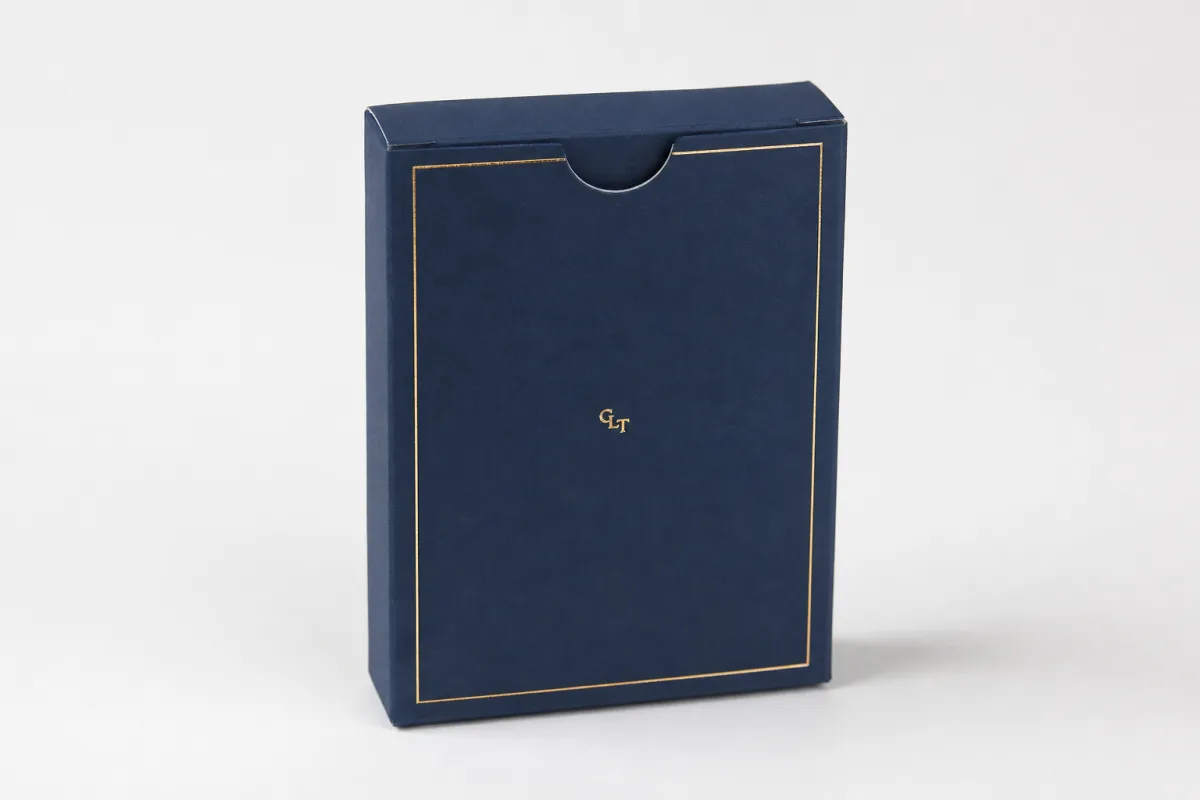
A reverse tuck carton is a folding carton with top and bottom flaps that tuck in opposite directions. The top closes one way, the bottom closes the other. That sounds like a minor structural quirk, but it changes the way the box behaves during filling and how the front panel reads once it is closed. In practice, custom reverse tuck cartons are popular because they balance presentation, material efficiency, and packing convenience better than a lot of heavier packaging formats.
They are a strong fit for products that need a polished retail shell without the cost of rigid packaging. Cosmetics, supplements, small tools, accessories, and sample sets all tend to sit well inside this format. It gives the product a neat outer face, and it does not fight the design. If the goal is to make the item feel considered rather than thrown into a plain box, this structure does the job without making things complicated.
One reason custom reverse tuck cartons sell so steadily is that they are easy to brand across a line. The same basic structure can be reused for several SKUs with changes in size, copy, or color system. That keeps a range looking like a family, which is useful both on shelf and in fulfillment. A shopper can spot the line from across an aisle, and a warehouse team can recognize it at a glance. Pretty handy, honestly.
They are also familiar to most folding carton converters, which usually helps with setup and consistency. When the dieline is clean, the cartons cut, score, fold, and glue with far less drama than a structure that is trying to be clever just for the sake of it. That matters because time on press and at finishing stations adds cost very quickly. A carton that converts efficiently is often the one that ends up being the better value overall, even if it is not the flashiest sample on the table.
A carton is never just a container on the retail shelf. It becomes part of the product story, and custom reverse tuck cartons make that role easy to see without overcomplicating the build.
If sustainability is part of the brief, the board callout matters just as much as the artwork. Buyers often ask for FSC-certified board, recycled content, or coatings that stay aligned with recycling goals. That can usually be worked into the spec, but it needs to be confirmed early. Once the structure is approved and artwork is built, changes are possible, sure, but they are not fun and they are not free.
Another quiet benefit is consistency. A carton system can be built so the same brand language carries across a whole family of products while the dimensions shift from one item to the next. That helps with launch planning and keeps the shelf looking organized instead of patchwork. Good packaging should do a little more than hold a product; it should help the line look like it belongs together.
How Custom Reverse Tuck Cartons Work on the Line
Custom reverse tuck cartons usually ship flat and pre-scored. On the line, the carton is opened, the product is inserted, and the flaps tuck in opposite directions to close the box. That sounds straightforward, and most of the time it is. The catch is that the carton’s real behavior depends on the stiffness of the board, the quality of the scores, and the amount of friction in the fold path.
The folding sequence matters because it affects speed and repeatability. A carton with crisp scores and balanced panel pressure opens squarely and closes without forcing the operator to fight it. A carton with weak scoring can crack along the fold line, while one that is too tight may bow, spring open, or require a second press to stay closed. This is why I always like to see a sample handled with the actual product inside, not only as an empty mock-up.
The dieline does the heavy lifting here. Score lines decide how the board bends. Dust flaps help the body hold its shape. Tuck tabs control the final closure. If pre-gluing is part of the build, glue areas need to be positioned so they do not interfere with the print or with the closing motion. Packaging design works best when the structure and the artwork are built together from the start, not treated as separate chores.
Hand packing and machine packing create different demands. A hand line can usually absorb a little more variation because the operator can adjust the fold naturally. Automated or semi-automated equipment is less forgiving. In that setting, the carton has to open and close the same way every cycle, no fuss. Friction, board memory, squareness, and score depth start to matter more than a pretty mock-up on a desk.
Custom reverse tuck cartons also protect the product in a very specific way. They give the item a crisp retail face while still remaining efficient to assemble and fill. That makes them a sensible choice for lightweight products that need a polished presentation without the extra weight or expense of a rigid box. They are not the right answer for every product, though. A small plastic accessory and a heavier glass vial place different demands on the carton, so the board and the internal clearance have to match the real load, not the imagined one.
For products that need transit validation, many packaging teams use ISTA transit testing guidance as part of the review. That is not a carton certification by itself, but it helps test whether the carton, insert, and product hold up through shipping conditions. If the sourcing plan matters, it is also smart to verify paperboard and supply chain claims against FSC chain-of-custody requirements before the run starts.
Custom Reverse Tuck Cartons Cost, Pricing, and MOQ
Cost is where custom reverse tuck cartons become very concrete. Pricing depends on dimensions, board caliper, print coverage, finishing, quantity, and any added converting steps. A simple carton on standard paperboard with minimal color can be fairly economical. Add heavy ink coverage, foil, lamination, a tighter structural spec, or a window, and the price rises. That is normal. The tricky part is that quote comparisons can get misleading if buyers are not comparing the same build.
The main cost drivers are pretty easy to identify. Carton size affects how efficiently the dieline nests on a sheet. Board thickness affects both material use and fold behavior. More colors mean more press time. Coatings and specialty finishes add separate operations. Pre-gluing, specialty die cuts, and windows each bring their own labor and tooling implications. Even small decisions, like whether a barcode sits on a flat panel or crosses a fold, can change waste and setup time.
Quantity matters because fixed setup work gets spread across more cartons. Proofing, die cutting, plate setup, and finishing all carry startup cost. Once those are covered, unit price usually improves as the run gets larger. A buyer ordering 1,000 cartons will usually pay more per unit than a buyer ordering 10,000, even when the artwork stays the same. That is why MOQ talks belong early in the process, before the team gets attached to a spec that may not fit the budget.
MOQ is not always arbitrary. Sometimes it reflects sheet yield. Sometimes it reflects press setup economics. Sometimes it has to do with the die size or the amount of board needed to run efficiently. If a supplier gives you a minimum order quantity, ask what is driving it. You will usually learn a lot about the process, and that makes it easier to decide whether the carton spec is realistic or needs a rethink.
When you compare quotes for custom reverse tuck cartons, line them up with care. Check board caliper, print method, proof type, coating, and freight terms. If one quote includes a structural mock-up and another does not, the lower number may stop being lower once the missing step gets added back in. Apples-to-apples is the only comparison worth trusting here.
| Option | Typical Unit Cost at 5,000 pcs | Best For | Notes |
|---|---|---|---|
| Standard SBS, 1-2 colors, no coating | $0.18-$0.28 | Simple retail items with light handling | Usually the most economical route for custom reverse tuck cartons when the graphic demand is modest. |
| Printed SBS/C1S with aqueous coating | $0.24-$0.38 | Cosmetics, supplements, and branded packaging | Offers better scuff resistance and a stronger shelf finish for custom printed boxes that get handled often. |
| Heavier board with gloss or matte lamination | $0.32-$0.52 | Premium product packaging | Improves feel and durability while adding material and finishing cost. |
| Special finishes with foil or spot UV | $0.45-$0.75+ | Launches, gift sets, and higher-end retail packaging | Creates more shelf impact, but only makes sense if the brand story really needs that level of detail. |
Those numbers are directional, because every job turns on its own details, but they are close enough to shape expectations. If you want to control cost, do not start by shaving a tiny amount of board. Start by reviewing print coverage, finish complexity, and carton footprint. A slightly tighter layout can reduce total spend more than trimming a sliver of material, which surprises people sometimes.
Total value matters as much as carton price. If a slightly better spec saves only a few seconds per unit on the line, the labor savings can outweigh the extra carton cost over the life of the program. The cheapest quote is not always the cheapest outcome, especially if the carton slows the line or creates more rejects than expected.
Production Process and Timeline for Custom Reverse Tuck Cartons
The production path usually starts with the product brief. The packaging supplier needs finished dimensions, target quantity, product weight, carton style, and finish goals. Once those basics are clear, the structural team can build or adjust the dieline, and the artwork team can place graphics against the panel layout. The cleaner the brief, the fewer revisions creep in later.
After the structure is set, proofing begins. That may include a dieline proof, a color-managed PDF, and sometimes a physical sample if the product or closure is sensitive. This is the stage where many projects slow down. Artwork changes, unclear copy, and late color decisions all eat time. If the team is still debating logo placement after a sample has already been made, the schedule is gonna stretch whether anybody likes it or not.
A realistic timeline depends on complexity. A straightforward run of custom reverse tuck cartons with standard board and ordinary print coverage can move fairly quickly. A project with lamination, foil, inserts, or multiple rounds of approval will take longer. New structures and tight fit tolerances also need more time. A buyer who plans the launch around the carton schedule, instead of treating the carton as a last-minute task, usually has a much easier time keeping inventory stable.
Here is the usual sequence:
- Receive the product brief and dimensional data.
- Create or confirm the dieline and structural spec.
- Review artwork against bleed, folds, safe zones, and barcode placement.
- Approve the digital proof or sample.
- Run production, cutting, scoring, and finishing.
- Inspect, pack, and ship.
Simple projects can often land in roughly 12-15 business days after proof approval, while more involved jobs may need 3-5 weeks or more, especially if sampling, specialty finishes, or material sourcing are part of the scope. Those ranges vary by supplier and season, so they should be treated as planning guidance rather than a promise. If the carton has to fit a new product tightly, build extra time into the schedule and do not assume the first sample will be the final one.
One detail that gets missed a lot is the shipping and receiving format. If a warehouse will receive pallets directly to the line, pallet count and case configuration matter. If the cartons are going to a contract packer, that packer’s preferred case count can save handling time. Custom reverse tuck cartons are easier to work with when logistics are considered during design, not after the carton has already been approved.
Step-by-Step: How to Specify the Right Carton
The best custom reverse tuck cartons start with accurate measurements. Measure the product length, width, and depth, then confirm the finished weight and any protrusions such as caps, pumps, hang tabs, or inserts. A box built only to the bare product size often ends up too tight. A little internal clearance makes packing easier and lowers the risk of bowed panels or crushed corners.
Next, choose the board grade. Paperboard selection is a balance between strength, fold performance, and print quality. Lightweight SBS or C1S board can work well for smaller, lighter items. Heavier products may need a thicker caliper or a board with better stiffness. If the carton will be handled often, a coating or laminate can help protect the printed surface. That choice should come from the actual use environment, not from a pretty render on a screen.
Finish comes after that. Matte, gloss, soft-touch, spot UV, foil, and uncoated surfaces all send different signals. Gloss feels bright and commercial. Matte softens the appearance. Soft-touch adds a premium tactile layer, but it raises cost and is not always the right call for every product packaging brief. For some brands, a clean printed board with disciplined typography is stronger than a stack of effects fighting for attention.
Artwork should always be built with the dieline in mind. Safe zones keep copy away from folds. Bleed prevents white edges after trimming. Barcode placement should avoid the tuck area and major score lines. The front panel should do the heavy lifting, while the side and back panels carry supporting content. Packaging design has to serve the real carton, not just the mock-up.
Before the full run, ask for a sample or mock-up. Even a simple flat sample can expose dimensional issues that are hard to spot in a PDF. A pre-production sample lets the team check fit, shelf presentation, legibility, and pack-out speed. If you have a rigid insert, a cap, or a fragile component, test the whole assembly. Custom reverse tuck cartons that look perfect in concept can still miss the mark if the interior volume is off by only a few millimeters.
These are the details I would confirm before approving custom reverse tuck cartons:
- Finished product size with all closures and inserts included.
- Board caliper and whether the carton needs extra stiffness.
- Coating or finish based on shelf wear and handling.
- Artwork placement for barcode, regulatory copy, and front-panel branding.
- Pack-out method for hand filling or machine-assisted filling.
- Sample approval before the production run is released.
If you want the process to stay manageable, keep a locked spec sheet in your internal records. That document should include the approved dieline, material callout, print colors, finish, and approved carton dimensions. Reorders go much more smoothly when the source of truth is clear. It also protects the consistency of custom reverse tuck cartons across product launches and seasonal updates.
Common Mistakes When Ordering Custom Reverse Tuck Cartons
The biggest mistake is measuring the product and stopping there. Real packaging needs room for handling, material thickness, and the way the product settles inside the carton. If the spec is too tight, the carton can crush at the corners or become difficult to close. If it is too loose, the product shifts, the shelf look suffers, and the carton may feel cheap. With custom reverse tuck cartons, a few millimeters can change the whole result.
Another common error is choosing the lightest possible board because it looks cheaper on paper. That can backfire if the cartons need to survive shipping, pallet stacking, or repeated retail handling. Thin board may save a little material cost, but it can create rejects, damaged presentation, or a weaker perceived value. The better question is not, “What is the lightest board?” It is, “What board lets the carton do its job with the least waste?”
Artwork mistakes are just as costly. Tiny type becomes hard to read on a moving line or under store lighting. Barcode placement across a fold can create scan issues. Overcrowded panels make the carton feel busy. Color expectations can also be tricky: a design that looks fine on a monitor may not hold up on coated or uncoated paperboard without proper proofing. In Custom Printed Boxes, the substrate is part of the final color story.
Skipping sample validation is risky, especially for products with caps, pumps, irregular forms, or an insert that changes the interior volume. A mock-up exposes issues before the full run is printed. That step is far cheaper than fixing an entire shipment after the fact. It is also the point where a buyer can decide whether custom reverse tuck cartons are truly the right structure for the product, or whether another carton style would pack better.
Finally, many teams overcomplicate the spec. Foil plus spot UV plus soft-touch plus lamination can look impressive on a presentation deck, but it can also push cost and lead time higher than the brand actually needs. A cleaner retail packaging solution often sells better because it feels confident rather than noisy. Good custom reverse tuck cartons do not need every finishing trick to earn attention.
Expert Tips for Better Custom Reverse Tuck Cartons
Design for the pack line first. That is the piece people miss. A carton that photographs beautifully but slows down operators will create hidden cost through the whole program. If the fold opens cleanly, closes cleanly, and stands up to repeated handling, the rest of the packaging process gets easier. That is one reason experienced buyers keep returning to custom reverse tuck cartons for repeatable retail programs.
Use visual hierarchy with discipline. The front panel should tell the shopper exactly what the item is within a second or two. Side panels can carry the practical details: ingredients, directions, warnings, barcode, and lot code space. That structure supports both branded packaging and compliance. If every panel tries to be the hero, the carton loses clarity fast.
Match the coating and board choice to the environment. Humidity, warehouse friction, cold-chain conditions, and long transit paths all affect how a carton ages. A finish that looks elegant on day one may scuff faster than expected if the cartons rub inside case packs or spend time in warm storage. That is where custom reverse tuck cartons benefit from a real use case, not just a design preference.
Keep records of the approved dieline, board callout, and finish. That simple habit saves time on reorders and seasonal updates. It also reduces the risk of tiny drift from one production run to the next. A carton can be dimensionally close and still feel different if the board changes or the scores are adjusted. The more disciplined the spec sheet, the more consistent the output.
If your program includes multiple SKUs, think about how the carton family will read on a shelf. Shared typography, panel layout, and color logic can strengthen package branding without making every box identical. That is where custom reverse tuck cartons can carry an entire line with very little structural change. One well-built system often works better than several disconnected ones.
Here is the practical checklist I would use before release:
- Confirm product dimensions against actual samples, not just drawings.
- Test the full pack-out with the final insert or accessory.
- Check barcode placement under real lighting conditions.
- Verify the carton closes without force or panel bowing.
- Review the quote against the approved board and finish spec.
If you are still comparing options, ask for a quote that shows a standard build and a premium build side by side. That makes the tradeoffs plain. In many cases, a modest upgrade in board or coating is justified because it improves retail presentation and reduces damage during handling. The right custom reverse tuck cartons should feel like a fit, not a compromise.
Final Thoughts
Custom reverse tuck cartons earn their place because they do several things well at once: they protect a product, show it clearly, and convert efficiently. That combination is not common, and it is a big reason the structure stays relevant across cosmetics, supplements, small consumer goods, and a long list of other retail categories. The exact spec will always depend on the product, but the logic stays the same: better measurements, smarter material choices, and cleaner artwork lead to better results.
If you are planning a launch, treat the carton as part of the product strategy rather than as a late-stage purchase. Confirm the measurements, define the finish, decide how the pack line will work, and get a sample before you commit. That approach keeps custom reverse tuck cartons aligned with schedule, budget, and brand goals instead of forcing the rest of the project to work around the box.
At Custom Logo Things, that kind of practical thinking keeps the program steady. Whether you need a simple run of custom reverse tuck cartons or a more polished branded packaging setup, the best results usually come from clear specs and honest testing, not guesswork. Start with the product, the line, and the shelf, then lock the dieline and test the fit before the first production run.
What products are best for custom reverse tuck cartons?
They are a strong fit for lightweight to medium-weight retail items that need a neat shelf presence, such as cosmetics, supplements, small electronics, and personal care goods. The best match is a product that benefits from a clean front panel, efficient packing, and a carton that opens and closes smoothly without bulky flaps.
How are custom reverse tuck cartons different from straight tuck cartons?
The main difference is flap direction: reverse tuck cartons have the top and bottom tucks facing opposite directions, while Straight Tuck Cartons fold in the same direction. That changes how the carton opens, how it sits on the line, and sometimes how clean the front panel looks after folding.
What do I need to request a quote for custom reverse tuck cartons?
Provide finished product dimensions, target quantity, board preference, print colors, coating or finish requests, and whether you need samples or pre-production proofs. If you can share product weight, shipping conditions, and any insert requirements, the quote will be more accurate and the recommended construction will be better matched to the job.
How long does production usually take for custom reverse tuck cartons?
Timing depends on artwork readiness, proof approval, material availability, and the complexity of the finish, but simple cartons generally move faster than specialty projects. Build extra time for sampling and revisions if you are launching a new product or if the carton must fit tightly around an irregular item.
Can custom reverse tuck cartons work for fragile products?
Yes, but the carton may need the right board grade, tighter dimensional control, and possibly inserts or trays to keep the product stable. For fragile items, the best approach is to test the full pack-out, not just the carton by itself, so you know the package protects the product during handling and transit. In many cases, carefully specified custom reverse tuck cartons are still the right choice, as long as the structure and the product are tested together.

