A box that saves three cents but causes one damaged shipment is not cheap. It is expensive with better camouflage. Buyers searching for Custom Shipping Boxes cheap usually want branded cartons That Protect Products, ship cleanly, and do not wreck margins. Fair request. The trick is knowing which specs to cut and which ones to leave alone.
Good shipping packaging does more than hold a product. It controls dimensional weight, reduces void fill, supports fulfillment speed, and gives customers a clean first impression. A right-sized corrugated box can reduce filler by 20% to 40% on many ecommerce shipping programs, depending on the old box size, product shape, and packing method. Not glamorous. Profitable.
Custom Shipping Boxes Cheap: What Buyers Actually Get
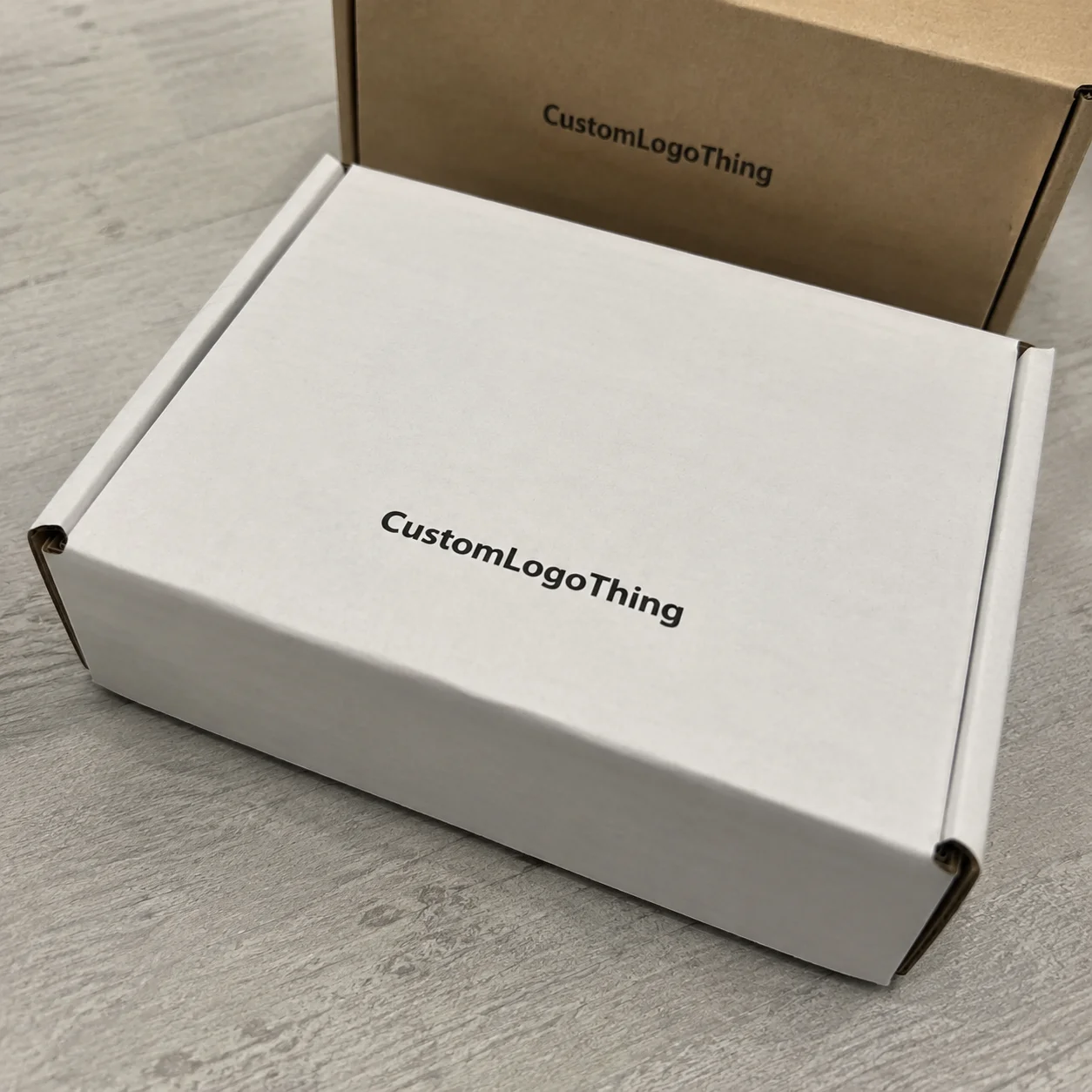
Low-cost does not automatically mean flimsy. That assumption creates bad buying decisions. The real cost drivers are box style, dimensions, corrugated board grade, print method, ink coverage, quantity, tooling, freight, and delivery location. Change one, and the price moves. Sometimes a little. Sometimes enough to make accounting start asking questions.
For most ecommerce brands, apparel sellers, subscription box companies, cosmetics businesses, food brands, and promotional kit packers, the goal is not the cheapest possible box on earth. The goal is the lowest sensible landed unit cost for the strength, print quality, and timeline required. Landed cost includes the box, setup, sampling, shipping, taxes, storage impact, and sometimes the cost of using too much filler because the box is oversized.
Custom Logo Things is best suited for buyers who want practical options rather than overbuilt packaging theater. If a one-color kraft shipper does the job, use it. If a full-color outside print improves shelf presentation or repeat purchase appeal, price it. If an insert prevents breakage on glass jars, add it. Every feature should earn its keep.
Custom sizing is often the quiet savings machine. A box reduced by even 1 inch in length, width, and height can lower corrugated board usage, fit more units per master carton, reduce storage volume, and help avoid carrier dimensional-weight jumps. That is how brands order Custom Shipping Boxes cheap without treating the carton like disposable trash with a logo.
Smart packaging rule: cut waste before you cut strength. Weak board is not a savings strategy. It is a damage claim waiting for a tracking number.
Box Styles That Keep Shipping Costs Under Control
Box style affects price quickly. A regular slotted carton, often called an RSC, is usually the lowest-cost shipping structure because it uses standard converting equipment, simple flaps, and efficient board layouts. It is not fancy. It works. For bulk ecommerce shipping, wholesale orders, and products that do not need a big unboxing moment, RSC cartons are hard to beat.
Mailer boxes and roll-end front tuck boxes cost more because they use more board, more cutting complexity, and more folding structure. They also improve presentation, reduce the need for tape, and often double as product packaging. That tradeoff can be worth it for subscription kits, influencer mailers, cosmetics bundles, apparel, and premium branded packaging.
| Box Style | Typical Best Use | Cost Level | Buying Advice |
|---|---|---|---|
| Regular slotted carton | Bulk shipping, wholesale, heavier orders | Lowest to moderate | Best for simple branding and practical protection |
| Mailer box | Subscription boxes, apparel, gift kits | Moderate | Good presentation value, but watch board usage |
| Tuck-top shipping box | Lightweight ecommerce products | Moderate | Clean look with fewer packing steps |
| Die-cut shipper box | Custom-fit products or kits | Moderate to high | Use only when fit or branding justifies tooling |
| Two-piece box | Premium kits and retail packaging | Higher | Looks sharp, costs more, packs slower |
One-piece structures are usually cheaper than two-piece builds because they need less handling and fewer components. Add panels, locks, inserts, tear strips, windows, or specialty closures, and cost rises through material, die-cutting time, assembly labor, and packing complexity. Amazing how adding things makes things cost more. Shocking, I know.
Right-sizing is the boring trick that saves real money. Smaller custom dimensions reduce corrugated usage, filler material, warehouse space, and carrier dimensional-weight charges. Carriers calculate dimensional weight by package volume, not by your hopes. A lightweight item in a huge box can ship like a heavier item because the carton consumes truck space.
Product type decides how aggressive you can be. Soft goods can often use lighter structures. Books, bottles, candles, jars, electronics, and ceramics need crush resistance and internal support. Fragile products do not care that your packaging budget had feelings.
Start with the simplest structure that protects the product and supports the brand moment. For practical options, browse Custom Shipping Boxes or compare them with broader Custom Packaging Products if you are still choosing between mailers, cartons, and inserts.
Material, Strength, and Print Specifications That Matter
Corrugated board is not one thing. It comes in flute profiles, paper grades, liner options, and strength ratings. E-flute is thinner and gives cleaner print presentation for lighter goods, often around 1.5 mm thick. B-flute is thicker, around 3 mm, with better puncture resistance and cushioning. C-flute is common for standard shipping cartons at roughly 4 mm. Double-wall board is built for heavier products, longer transit, or stacking abuse.
Kraft paper is usually the budget-friendly choice and gives a natural, recycled look. White exterior liner costs more but produces brighter logo color and cleaner graphics. Coated or specialty papers can look excellent for retail packaging, but they should be used with intent. If the box is going straight into a wet loading dock, maybe do not spend like it is a jewelry counter display.
Ask about strength specs before approving Custom Printed Boxes. Common discussion points include ECT rating, burst strength, product weight, stacking height, warehouse humidity, pallet pattern, and whether the box ships alone or inside a master carton. The International Safe Transit Association publishes testing procedures that many brands use for transit performance. ASTM standards also guide paper and packaging test methods. You do not need to become a lab technician, but your supplier should be able to talk in actual specs.
Printing choices matter as much as board. Flexographic printing is usually economical for simple logos, one-color designs, and larger runs. Digital printing works well for lower quantities, variable artwork, and full-color graphics without plate costs. Litho-lamination gives the sharpest retail-style graphics by printing on paper and laminating it to corrugated board, but the price jumps because the process has more steps.
- Flexo print: practical for 1 to 3 colors, simple graphics, and repeat orders.
- Digital print: useful for small batches, full-color tests, and shorter lead times.
- Litho-laminate: best for premium package branding where sharp image quality matters.
- Inside print: effective for presentation, but it adds print passes and cost.
Finishing add-ons are where budgets go to get dramatic. Matte coating, gloss coating, spot UV, foil, embossing, debossing, aqueous coating, and soft-touch finishes all look nice. Each one adds setup, material, time, or spoilage risk. Use them if they support the selling experience. Skip them if the product just needs to arrive intact and recognizable.
Before production, request dieline confirmation or a written spec sheet. It should show internal dimensions, board grade, flute, print colors, print method, coating, tolerance, quantity, packing method, and proof approval status. For custom shipping boxes cheap, clear specifications prevent the classic mess: one supplier quoting white E-flute digital print, another quoting kraft B-flute flexo, and everyone pretending the prices are comparable.
Pricing, MOQ, and Unit Cost Tradeoffs
Box pricing is not mysterious. It just has enough variables to annoy everyone. The basic formula includes style, dimensions, board grade, print method, ink coverage, quantity, tooling, finishing, packing, and freight. Change from one-color kraft flexo to full-color digital on white board, and the unit cost changes. Add an insert, and it changes again. Need rush production? Congratulations, it changes harder.
Practical unit costs vary by size and volume, but buyers need ranges before they budget. Small branded corrugated boxes at higher quantities can sometimes land around $0.60 to $1.40 per unit for simple one-color printing. Larger mailer boxes may run $1.20 to $3.50 per unit depending on board, coverage, and volume. Small test runs can be $3.00 to $8.00 per box or more because setup and production handling are spread over fewer units. These are planning ranges, not a universal price list carved into stone tablets.
MOQ depends on print method and structure. Digital print can support smaller test batches, sometimes 100 to 500 units depending on size and supplier setup. Flexographic custom cartons often make better economic sense at 1,000 to 5,000 units and above, especially after plate and setup costs are absorbed. Larger runs get cheaper per piece because material purchasing improves, press setup is amortized, cutting is more efficient, and packing becomes more streamlined.
| Quantity Range | Typical Use | Unit Cost Pattern | Best Fit |
|---|---|---|---|
| 100 to 500 | Testing, launch kits, seasonal drops | Higher per box | Digital print and simple structures |
| 1,000 to 3,000 | Growing ecommerce SKUs | Moderate per box | Repeatable branded packaging programs |
| 5,000 to 10,000+ | Established order fulfillment | Lower per box | Flexo print, planned inventory, stable artwork |
Fake-cheap quotes are common. If freight, plate fees, dieline work, sampling, packing, rush charges, or taxes are missing, the quote is not a quote. It is a teaser with shoes on. Buyers should compare landed unit cost, not factory unit cost. A $0.92 box that lands at $1.38 after freight may lose to a $1.08 box that lands at $1.20.
Storage matters too. Buying 20,000 boxes may drop the unit price, but if your warehouse has room for 4,000, the savings can disappear into offsite storage, damaged inventory, or cash tied up in cardboard. Sensible buying beats trophy-volume buying.
Process and Timeline From Artwork to Delivery
A clean box project follows a predictable path: share product dimensions or current box size, choose a style, confirm board strength, send artwork, review the dieline, approve the proof, produce, inspect, pack, and ship. Skip steps and the project will still move. It will just move toward confusion.
For new custom projects, plan for extra time. Dieline setup can take 1 to 3 business days after specs are clear. Digital proofs often take 1 to 3 business days after artwork is submitted correctly. Physical sampling may add 5 to 10 business days depending on structure and print needs. Production can run 10 to 20 business days for many standard custom printed boxes after proof approval, with freight time added after that. Repeat orders are usually faster because the dieline, artwork, and material specs are already approved.
Delays usually come from incomplete artwork, unclear dimensions, late shipping details, last-minute design edits, or buyers asking for luxury results on panic timelines. A supplier cannot accurately price a box from “about shoebox size” unless everyone enjoys wasting time. Send length, width, height, product weight, shipping destination, quantity, artwork, and any must-have delivery date up front.
Proofing is not a formality. Digital proofs confirm layout, logo placement, panels, bleed, fold orientation, and color callouts. Physical samples confirm fit, feel, closure, board strength, label placement, and pack speed. For a new fragile product, a sample is usually cheaper than discovering during launch week that candle jars rattle like dice in a cup.
Rush production may be possible, depending on size, board availability, print method, finishing, and production queue. Rush can also limit options. A one-color kraft RSC may move faster than a full-color litho-laminated mailer with spot UV and inside print. That should surprise exactly no one.
Order before inventory becomes a five-alarm fire. Packaging is a supply chain item, not a magic trick. Brands that reorder while they still have 30 to 45 days of usable stock usually get better choices than brands that discover they have 73 boxes left and 900 orders in the queue.
How to Avoid Cheap Box Mistakes Before You Order
The most common cheap box mistake is ordering too large. Oversized cartons waste board, filler, storage, labor, and shipping dollars. Internal dimensions matter more than guesses because the product, tissue, bubble wrap, molded pulp, inserts, dividers, and packing method all affect final size. Measure the packed product, not the naked product sitting proudly on a desk.
The second mistake is choosing weak board for heavy products. A 2 lb hoodie and a 2 lb glass jar do not behave the same in transit. One compresses. One breaks and makes a mess. For bottles, jars, ceramics, electronics, and anything with corners that can punch through a panel, discuss ECT rating, flute, inserts, and drop performance before chasing the lowest unit price.
Test real-use conditions. Stack boxes five or ten high if that matches your warehouse. Check tape adhesion on kraft or coated surfaces. Confirm shipping labels fit on a flat panel without covering required branding. Drop test a packed box from common handling heights if the item is fragile. Watch how the box moves through packing stations. If a closure takes 20 extra seconds per order, that cost shows up in labor.
Artwork mistakes create another pile of avoidable expense. Low-resolution logos, RGB files, missing bleed, tiny type on rough kraft, incorrect dieline placement, and expecting exact screen color on corrugated stock all cause problems. Corrugated is not a glossy phone screen. Ink absorbs differently on kraft, white liner, and coated paper. Use Pantone references when color matters, and accept reasonable production tolerance.
Sustainability deserves a practical conversation. Recycled content, right-sized boxes, water-based inks, soy-based inks, FSC-certified paper, and recyclable materials can reduce waste and support brand values. The Forest Stewardship Council provides certification standards for responsibly sourced fiber. Still, durability comes first for shipped goods. A recyclable box that fails in transit wastes the product, replacement shipment, labor, and customer trust. Very green. Very expensive.
- Ask for the board grade, flute, and strength recommendation.
- Confirm internal dimensions and manufacturing tolerance.
- Check whether the quote includes sampling, tooling, freight, and taxes.
- Review packing count per bundle or master carton for storage planning.
- Clarify reorder timing, artwork storage, and repeat setup charges.
If a product can ship in a soft mailer instead of a box, compare that too. Apparel, fabric accessories, and soft goods may fit Custom Poly Mailers, though mailers do not provide crush protection. Cheap is only cheap if the packaging fits the job.
How to Request a Box Quote That Comes Back Accurate
An accurate quote starts with accurate information. Send product dimensions, packed product weight, desired box style, order quantity, shipping destination, artwork files, preferred board or paper, print coverage, required delivery date, and any testing needs. If you have current packaging, send photos, samples, or the old dieline. Guessing from memory is how box projects become little cardboard soap operas.
Choose a starting quantity based on sales reality. For a new SKU, a 100 to 500 unit test may make sense even if the unit price is higher. For steady ecommerce shipping, 1,000 to 3,000 pieces often gives a better balance of price and storage. For predictable bestsellers, 5,000+ pieces can lower cost if cash flow and warehouse space support it. Buying more just because the unit price looks pretty is not strategy. It is cardboard hoarding with a spreadsheet.
Separate must-haves from nice-to-haves before asking for pricing. Must-haves might include crush protection, plastic-free materials, a white exterior, one-color logo, exact internal fit, or a delivery deadline. Nice-to-haves might include inside printing, full-color art, spot UV, foil, or premium coatings. This helps Custom Logo Things compare options without pushing the most expensive build by default.
For many buyers, the best first quote includes two or three versions: a budget kraft option, a better branded option, and a premium option if presentation matters. That structure makes tradeoffs visible. You can see whether the jump from one-color flexo to full-color digital is worth $0.40 per unit, or whether an insert saves enough damage claims to justify its cost.
Custom Logo Things can help compare custom shipping boxes, mailers, inserts, and related product packaging based on actual use: product weight, carrier method, artwork, quantity, and delivery schedule. The conversation should be specific. “I need 2,000 white E-flute mailer boxes, 9 x 6 x 3 inches, full-color outside print, shipping to a commercial address, delivery needed in about four weeks” will get a cleaner answer than “How much are boxes?” Funny how that works.
To order custom shipping boxes cheap, send exact specs first, compare landed costs, approve proofs carefully, and reorder before stock runs low. Lower pricing does not come from guessing harder. It comes from tighter dimensions, honest strength specs, sensible print choices, and fewer surprises between quote and delivery.
FAQ
How can I order cheap custom shipping boxes without getting weak boxes?
Start with product weight, shipping method, and stacking conditions before choosing board grade. Use right-sized dimensions to cut material and freight costs instead of downgrading strength. Ask for ECT or burst-strength recommendations, especially for fragile, heavy, or glass products. Request a sample when the box is new, unusually shaped, or mission-critical.
What is the MOQ for affordable custom printed shipping boxes?
MOQ depends on box style, print method, size, and material availability. Digital print can support smaller test runs, while flexographic or larger production runs usually lower the unit cost. Ask for pricing at several quantity breaks so you can see where the real savings start. Do not compare MOQs alone; compare landed unit cost after setup, freight, and sampling.
Are custom shipping boxes cheap enough for small ecommerce brands?
Yes, if the design stays practical: simple structure, sensible board grade, limited ink coverage, and realistic order quantity. Small brands often save money by reducing void fill and avoiding oversized carrier charges. A plain kraft box with one-color branding can look professional without acting like a luxury perfume carton. Start with your best-selling SKUs instead of customizing every slow-moving product.
What affects the cost of custom shipping cartons the most?
The largest cost drivers are dimensions, corrugated grade, order quantity, print coverage, tooling, finishing, and freight. Oversized boxes can cost more in both production and shipping because carriers price by dimensional weight. Full-color graphics, inside printing, coatings, and specialty finishes raise costs quickly. Clear specs produce cleaner quotes and fewer surprise charges.
How long does production take for budget custom shipping boxes?
Timelines vary by style, quantity, print method, proof approval speed, and production queue. New orders usually need time for dieline setup, artwork proofing, sampling if requested, production, inspection, and shipping. Repeat orders are typically faster because specs and artwork are already approved. Order before inventory is critically low if you want lower-cost options; panic usually costs extra.