Buy Slider Lock Clothing Bags: Beauty Insert Checklist
Why Beauty Brands Use Slider Lock Clothing Bags
A satin robe, microfiber hair towel, spa headband, or sample kit can look expensive online and still arrive wrinkled inside a limp open poly bag. That is how packaging quietly murders margin. A slider lock clothing bags beauty Packaging Insert Checklist helps buyers prevent that mess before artwork, sampling, and production start chewing through the calendar.
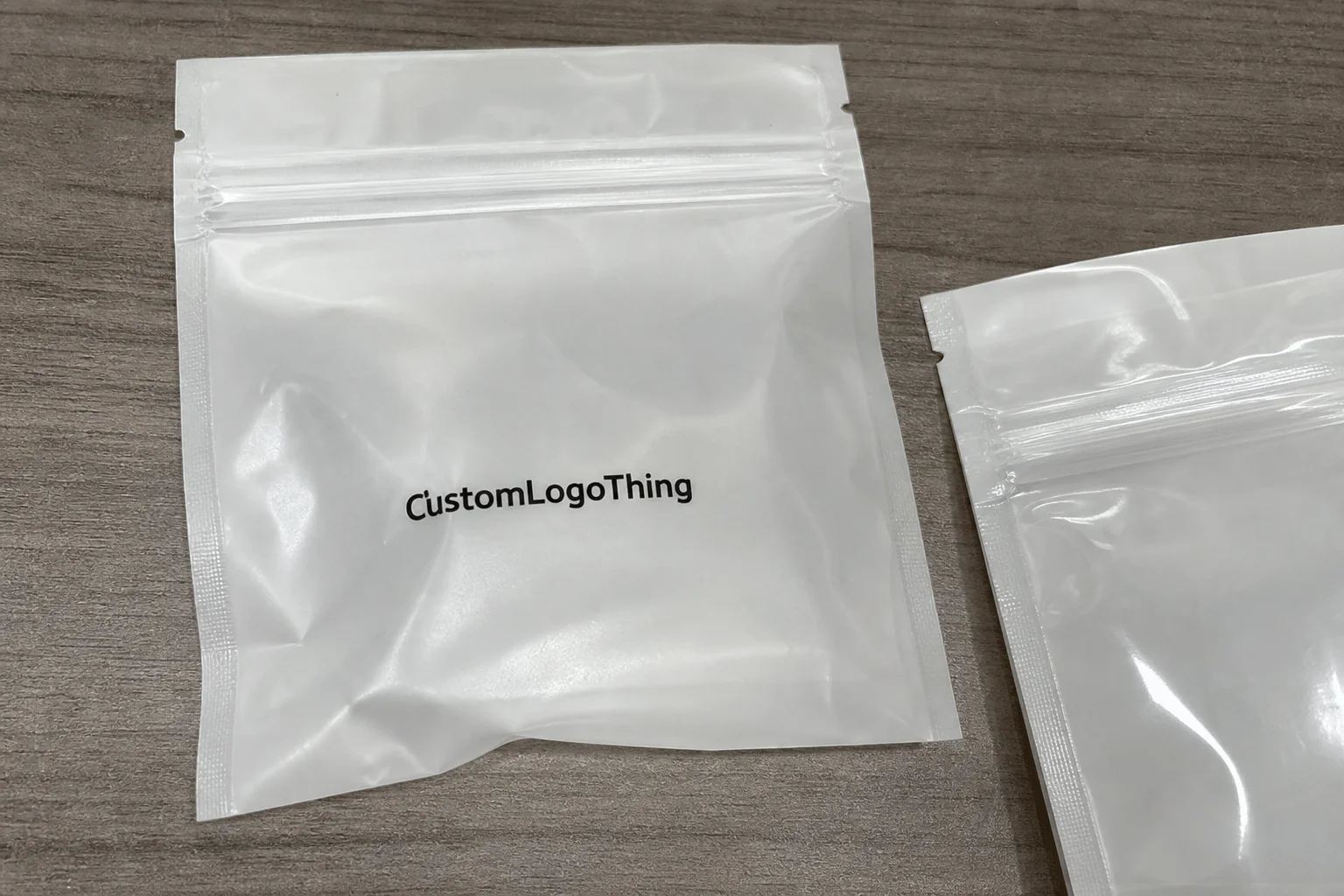
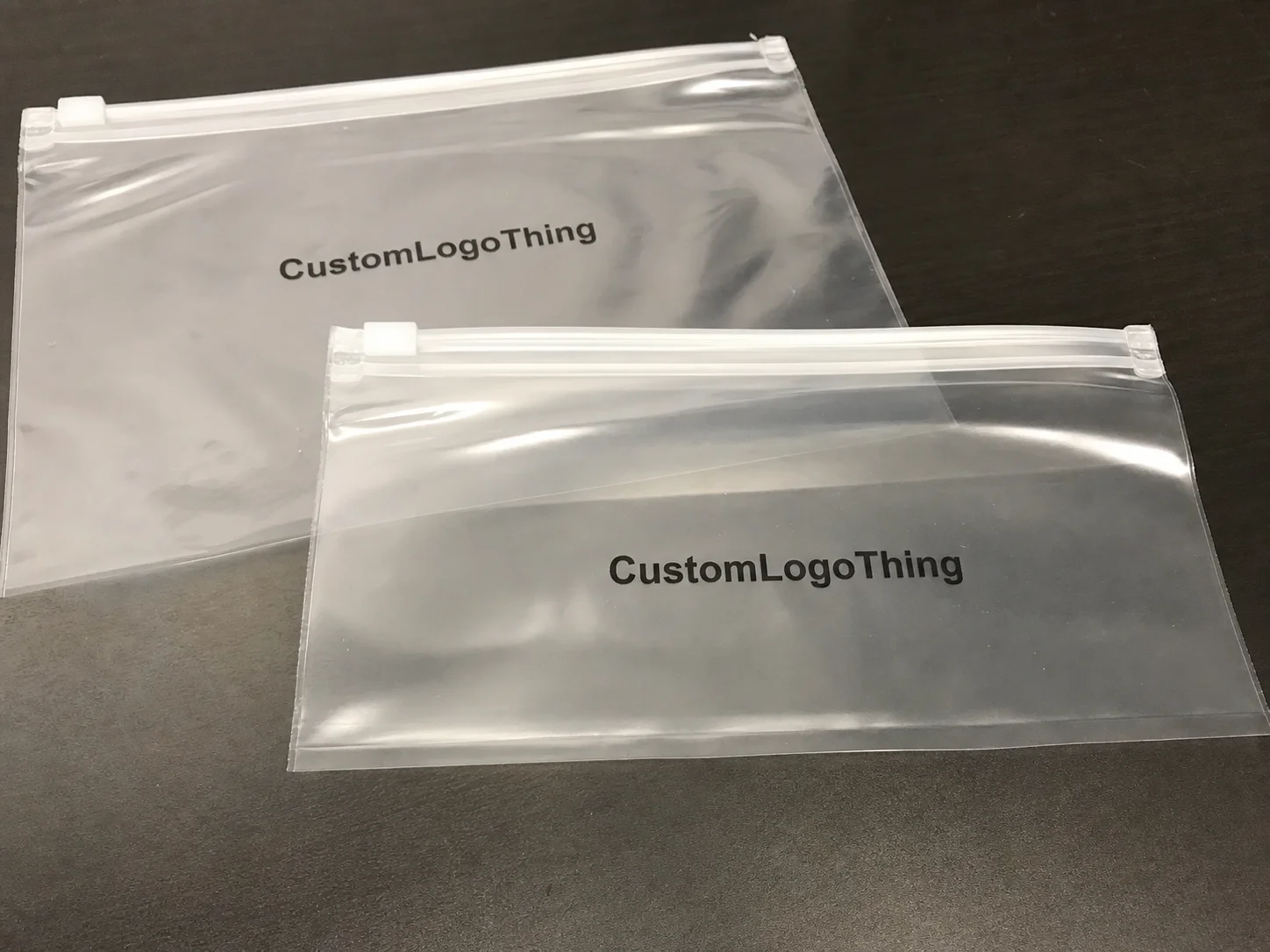
Slider Lock Clothing Bags are resealable plastic bags with a sliding closure across the top. They are used for apparel, accessories, robe sets, towel wraps, influencer kits, spa textiles, and beauty-adjacent soft goods that need to arrive clean, folded, and retail-ready. The slider tab does not automatically make a bag premium. Plenty of bad packaging has hardware. But a smooth slider usually feels more deliberate than a basic press-to-close zip.
Beauty brands care because presentation is part of the product. Dust protection matters. Easy repacking matters too, especially for items customers may remove, inspect, store, or gift. A closure that glides cleanly feels better in the hand than a flimsy lip that takes three tries to line up. Tiny detail. Big difference.
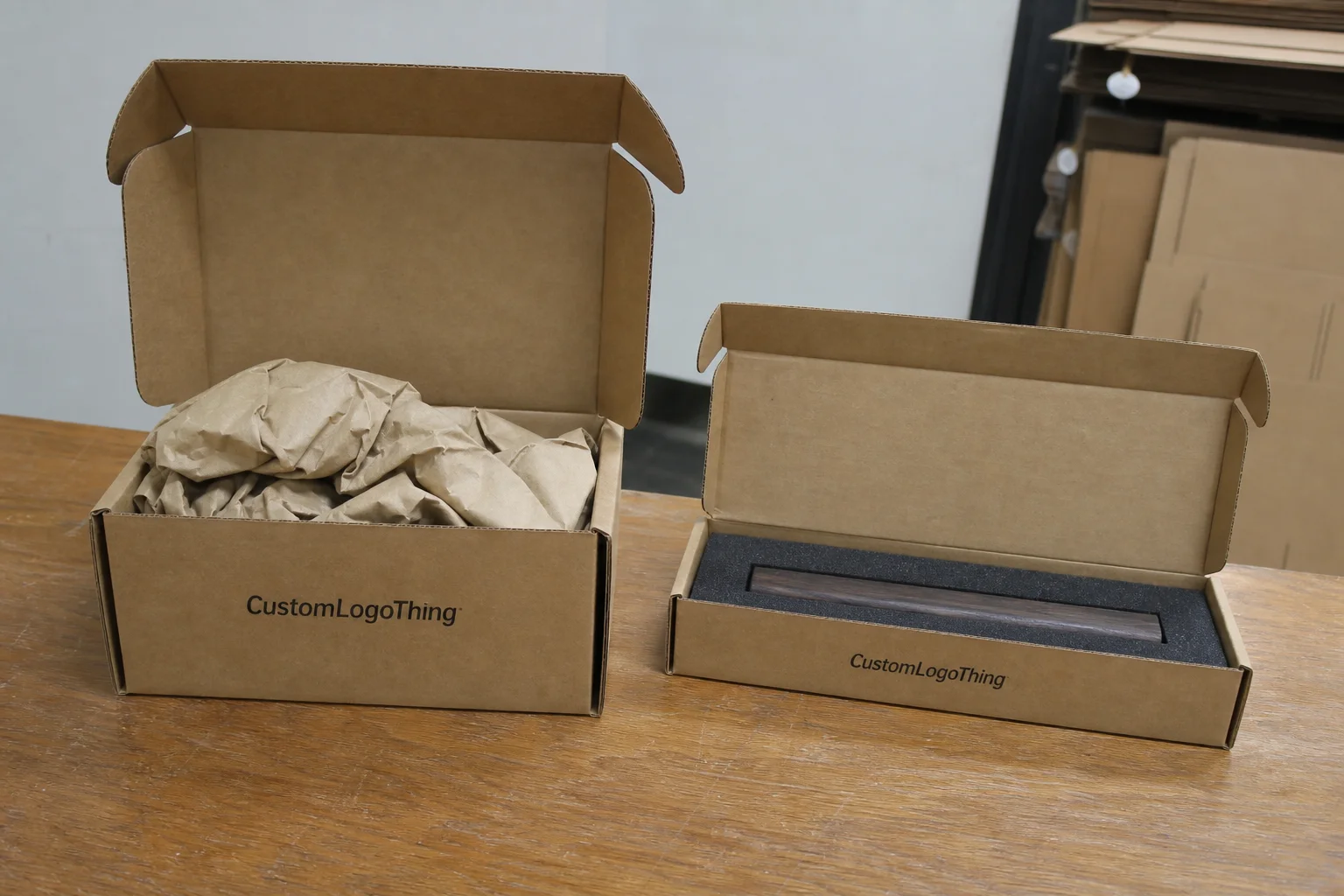
The “insert” part covers anything placed inside or alongside the bag: instruction cards, care cards, ingredient reference cards, warranty notes, promo cards, QR inserts, branded tissue, and backing boards. Inserts carry the details that should not clutter the bag print. Good packaging design knows when to shut up. The bag sells the feeling; the insert handles the fine print.
Use this as a spec-building guide, not a fluffy trend piece. You should leave with a sharper sense of what to ask suppliers, what drives price, where lead time gets burned, and which quality checks stop finished packaging from looking like it was assembled during a lunch break.
How Slider Locks, Bag Film, and Inserts Work Together
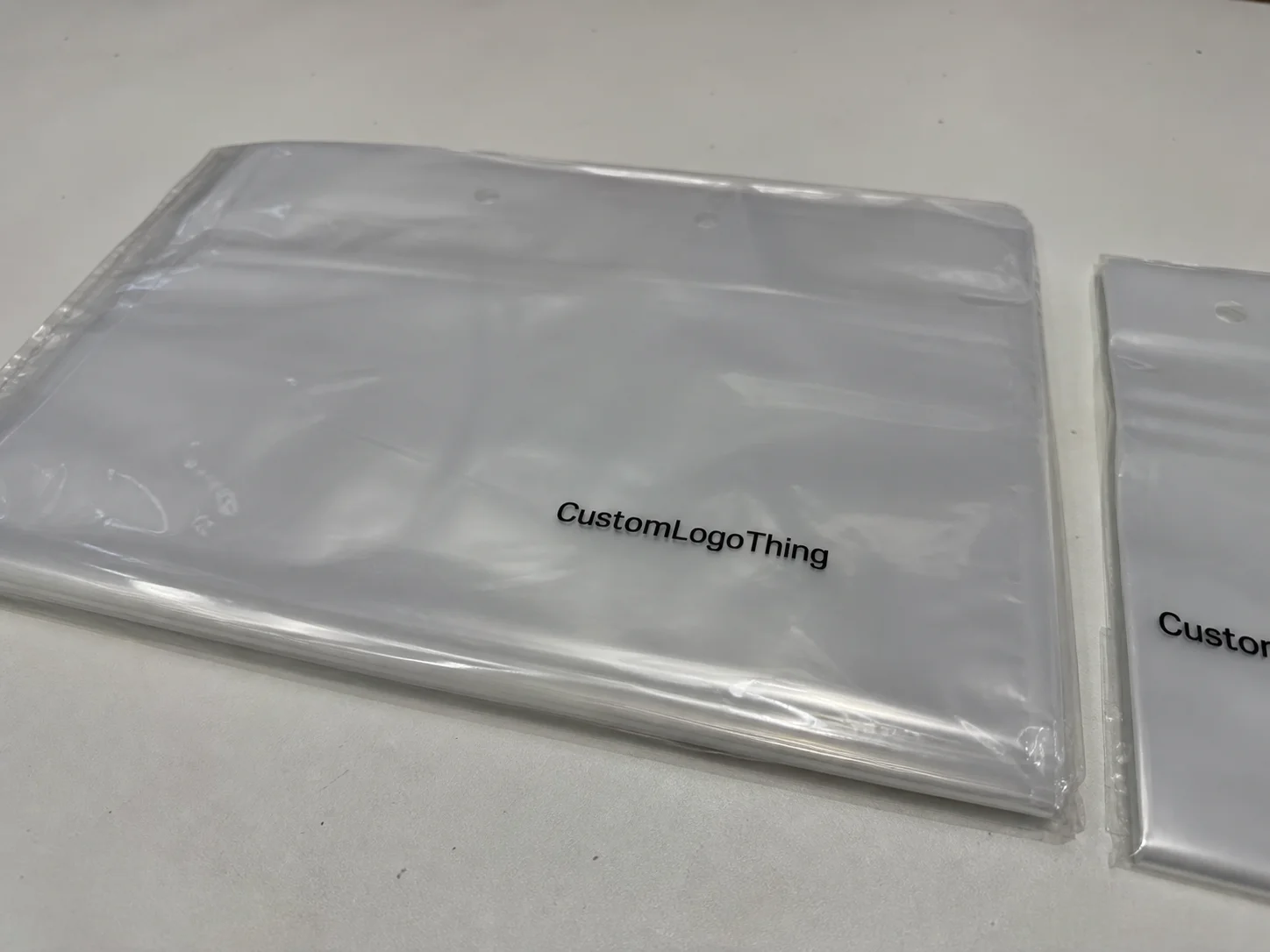
A typical slider lock clothing bag has a clear or frosted plastic body, a slider track, a sliding tab, an optional hang hole, optional side or bottom gusset, a printable panel, and sometimes an internal card or backing board. Simple parts. Many ways to spec them badly.
The film choice controls the look, feel, fold behavior, and handling strength. LDPE is soft and flexible, often used around 2.5 to 4 mil for apparel packaging. CPP is clearer and stiffer, which helps product visibility but can feel crinklier. EVA blends can create a softer hand feel for spa and beauty packaging. Recycled-content or biodegradable film may fit sustainability goals, but performance depends on resin mix, thickness, and supplier capability. Ask for samples, not adjectives.
The slider closure changes the handling experience. It is easier to open repeatedly than a press zipper, especially on thicker garments, multi-piece bundles, or kits with cards and tissue. Customers do not have to pinch both sides perfectly. They pull the slider. Done. That matters for retail packaging because shoppers, store staff, and fulfillment teams may open and reclose the bag more than once.
Inserts do different jobs. A backing card adds structure, especially for soft items that flop around. A care card reduces customer service questions about washing, drying, or storage. A promo card can support repeat orders. A QR card can connect to videos, shade guides, ingredient information, or product registration without turning the bag into a billboard. QR codes are useful when they are not slapped everywhere like a panic sticker.
Fit is the boring part that saves money. The bag, slider, product, and insert must be sized together. If the insert is too stiff or too wide, the slider can jam. If the bag is too loose, the product shifts and looks like a clearance-bin afterthought. For beauty-related soft goods, even a half inch can change the whole presentation.
Key Specs to Confirm Before Artwork Starts
Start with size. Measure the product folded exactly as it will ship, not as it looks on a perfect design mockup. Most soft goods need about 0.5 to 1.5 inches of extra room in width and height, depending on thickness and whether the customer must reseal the bag. A thin lash accessory set may need only light clearance. A plush robe needs more breathing room unless you enjoy slider tracks under stress.
Closure choices include standard slider, heavy-duty slider, colored slider, clear slider, and slider with a reinforced track. Thicker or bulkier products need stronger tracks. A standard slider can work for a lightweight headband set. A towel wrap or robe may need a heavier closure, especially if stores will handle the package repeatedly.
Bag style matters too. Options include flat bags, bottom gusset bags, side gusset bags, hang-hole retail bags, mailer-ready pouches, and kit bags built for multiple inserts. For shelf display, a hang hole and clean front panel may matter. For influencer kits, a frosted bag with a backing card and tissue may photograph better. For fulfillment, carton fit and packing speed may matter more than the prettiest sample on the conference table.
Confirm print specs before a designer places a logo right under the slider track. Common options include one-color logo printing, full-panel graphics, spot white, frosted backgrounds, clear windows, matte finishes, and limited registration near the closure. On flexible film, registration can shift. Keep small text, barcodes, and QR codes away from high-stress seams and slider movement areas.
Insert specs need the same attention. Confirm card size, paper weight, corner radius, coating, QR code placement, barcode placement, and packing position. A 300gsm C1S card works for many inserts. A thicker 350gsm card adds structure but may bow inside a tight bag. Rounded corners cost a little more, but they reduce corner dents and feel better in premium branded packaging.
Beauty-related packaging may also need compliance details. Check suffocation warnings, recycling marks, country-of-origin notes, ingredient reference cards when applicable, and retailer barcode rules. For transit testing, standards from ISTA can help frame drop, vibration, and shipping expectations. For paper inserts or backing boards, FSC-certified stock from sources aligned with FSC standards may support sustainability claims. Claims still need to be accurate. Marketing poetry is not a compliance strategy.
Cost, MOQ, and Quote Factors Buyers Forget
Slider Lock Clothing Bags usually cost more than basic poly bags because the closure has more parts and tighter assembly requirements. Shocking, I know: more hardware costs more money. The slider track, tab, film tolerance, packing labor, and inspection all affect the quote.
The main quote drivers are bag size, film thickness, slider type, print colors, ink coverage, insert quantity, insert paper stock, packing labor, freight volume, and order quantity. A small clear bag with a one-color logo is a different animal from a frosted gusseted bag with a colored slider, full-panel print, care card, promo card, tissue, and pre-packing.
For rough planning, simple custom slider bags at 5,000 to 10,000 units may land around $0.22 to $0.55 per unit depending on size, film, and print. Larger bags, thicker film, custom sliders, and heavier ink coverage can move into the $0.60 to $1.20 range. Add printed inserts and hand packing, and low-volume retail-ready sets can climb higher fast. Supplier location, freight method, destination, resin pricing, and structure all matter, so treat ranges as planning numbers, not gospel.
| Option | Typical Use | Common Cost Range | Tradeoff |
|---|---|---|---|
| Clear slider bag with one-color logo | Basic apparel or spa textile packaging | $0.22-$0.55 per unit at higher quantities | Clean and practical, but less premium |
| Frosted bag with colored slider | Beauty kits, robes, gifting, retail display | $0.45-$0.95 per unit | Better feel, higher film and component cost |
| Printed bag with packed insert set | Retail-ready bundles and influencer kits | $0.75-$1.60+ per unit | Polished presentation, more labor and proofing |
MOQ is where buyers get tempted into dumb math. Lower MOQ gives flexibility, reduces storage, and lets an emerging brand test a launch. Higher MOQ lowers unit cost, but it ties up cash and shelf space. The cheapest unit price is not always the smartest buy. If you need 2,000 pieces for a seasonal drop, ordering 20,000 just to save twelve cents each can be a storage bill wearing a discount costume.
Setup costs may include plates, digital proofing, physical sample fees, insert print setup, and possible tooling if the slider or bag structure is unusual. Ask vendors for good-better-best quotes: a plain logo bag, an upgraded finish bag, and a fully packed insert set. That keeps the slider lock clothing bags beauty Packaging Insert Checklist grounded in real numbers instead of wishful mood-board energy.
Production Steps and Lead Time From Sample to Delivery
The usual process runs like this: confirm specs, submit artwork, receive a digital proof, approve a physical sample if needed, print the bag film, form the slider bags, print inserts, pack components, inspect, and ship. Simple reorders move faster because the dielines, materials, and print settings are already known. New custom slider bags with printed inserts need more review time.
For a straightforward reorder, production may take 10 to 18 business days after proof approval, before freight. A new bag with custom film, slider color, printed cards, and pre-packing often needs 20 to 35 business days, sometimes more if a physical sample is required. Air shipping may take 3 to 7 days after production. Ocean freight can take several weeks. Domestic production can shorten freight time but may raise unit cost. Tradeoffs. Packaging loves those.
The slow points are predictable: unclear dielines, missing insert dimensions, logo files sent as low-resolution screenshots, compliance copy changes, and late barcode approvals from retailers. Send vector artwork when possible, usually AI, EPS, or editable PDF. For raster graphics, 300 dpi at final print size is a normal baseline. A blurry PNG pulled from a website header is not production art. It is a cry for help.
Insert packing affects turnaround because printing inserts is one job and placing them correctly inside every bag is another. Labor exists. Apparently bags do not pack themselves. If the insert must sit behind the product, face forward, remain visible through a clear window, or align with a hang hole, that needs written packing instructions and inspection criteria.
Build the launch calendar backwards from the event, retail delivery date, influencer campaign, or product drop. Include buffers for sampling, freight, customs, and final kitting. A realistic calendar for a new custom project might include 3 to 5 business days for quote and spec cleanup, 2 to 4 days for proofing, 7 to 14 days for sampling if needed, 20 to 35 business days for production, and freight on top.
Approve the boring details early: carton counts, master case labels, case pack quantity, carton weight limits, and how finished bags should face inside cartons. Boring details become expensive details once the truck is booked.
Slider Lock Clothing Bags Beauty Packaging Insert Checklist
Use this slider lock clothing bags beauty packaging insert checklist before you request pricing, approve a sample, or send final art. It keeps the conversation practical and prevents the supplier from guessing. Guessing is cute for party games. Not for product packaging.
- Define the use case. Are you packing robes, spa headbands, microfiber towels, lash accessory sets, towel wraps, apparel bundles, or influencer kits? A retail shelf bag and a fulfillment-only dust bag do not need the same structure.
- Measure the folded product. Record width, height, and thickness after folding. Then confirm whether customers need to remove and reseal the product multiple times. Repacking needs more clearance than one-time shipment protection.
- Choose the film. Clear film works when product visibility sells the item. Frosted film gives a softer premium look. Thicker film adds structure. Recycled-content film can support sustainability messaging, but get documentation and test feel.
- Select slider strength and color. Match the closure to product weight and brand palette, not just whatever looks cute on a mood board. Heavy products need stronger tracks. Colored sliders can support package branding, but they may add MOQ.
- Plan the print and insert together. Keep the bag print clean if the insert carries care instructions, offers, QR codes, barcodes, or compliance text. If both are screaming, neither is helping.
- Request a complete quote. Include bag size, film thickness, print colors, slider type, insert specs, packing method, MOQ target, delivery deadline, and shipping destination.
- Review sample fit with the real product. A perfect mockup means nothing if the robe bulges like a burrito or the insert jams the slider.
If you are also comparing custom printed boxes, mailer bags, and other formats, review the broader Custom Packaging Products options before locking the bag spec. Slider bags are excellent for soft goods, but not every launch needs the same packaging structure.
Buyer rule: approve the fit before approving the artwork. A beautiful print on the wrong-size bag is still the wrong-size bag.
Common Mistakes That Make Slider Bags Look Cheap
The first mistake is choosing a bag that is too large. Extra space makes soft goods slide around and destroys the clean presentation beauty buyers expect. For a folded headband set, even 1 inch of excess width can make the product look undersized. For a robe, loose corners can wrinkle and collapse during shipping.
The second mistake is using thin film for a premium product. Thin bags wrinkle, stretch, and make even a nice robe or towel wrap feel like discount packaging. For beauty retail packaging, 3 mil is often a safer starting point than ultra-thin film, though the right gauge depends on product weight and bag size.
The third mistake is overprinting the bag and the insert. Put brand presence on the bag and details on the card. A clean logo, soft frosted film, and well-sized insert often look more expensive than full-coverage graphics fighting with care instructions, QR codes, and offer copy.
The fourth mistake is ignoring the slider track in the artwork. Important logos, QR codes, and text too close to the closure can distort, hide, or rub during use. Keep critical print areas away from seams, punched holes, and slider movement zones. Ask for a dieline with safe zones clearly marked.
The fifth mistake is ordering inserts without testing fit. A card that is too thick can fight the product, bow inside the bag, or jam near the slider. If the card acts as a backing board, test 300gsm and 350gsm options. If it only carries instructions, a lighter stock may work and reduce bulk.
The sixth mistake is skipping retailer and shipping requirements. Hang holes, barcodes, suffocation warnings, carton labels, and case packs are not exciting. They are still required. If a retailer wants a scannable UPC on the back lower-right area, do not bury it behind a frosted film fold and hope the scanner feels generous.
Next Steps Before You Send a Packaging Brief
Gather five things before contacting a manufacturer: product photo, folded dimensions, target quantity, logo or artwork files, and delivery deadline. With those five items, a packaging supplier can usually give useful direction instead of asking ten rounds of basic questions.
Create a simple spec sheet with bag size, film type, slider color, print colors, insert size, insert copy, and packing instructions. It does not need to be fancy. A clean spreadsheet beats a vague email every time. If the product sits behind tissue, if the insert faces outward, or if the barcode must remain visible, write that down.
Ask for two quotes: the simplest working version and the retail-ready version with inserts packed inside. The first quote shows your functional baseline. The second shows the real cost of polish. If the budget cannot support pre-packed inserts, you can still use a clean slider bag and pack cards during fulfillment. Not ideal, but better than pretending labor is free.
Test the first sample like a customer. Open it. Remove the product. Put it back. Reseal it. Scan the QR code. Check whether the bag still looks good after handling. If the slider catches, the insert bows, or the product shifts too much, fix it before mass production. Sampling is cheaper than explaining to a retailer why 5,000 bags look tired on arrival.
For buyers building a full launch kit, compare slider bags with related formats through Custom Packaging Products, especially if you need mailers, sleeves, cards, or custom printed boxes around the same campaign. Package branding works best when the bag, insert, carton, and shipping experience feel like they came from the same brand brain.
Use the checklist before approving artwork, samples, or production. It forces the right decisions early: fit, film, slider, print, insert, packing, cost, and timing. Not glamorous. Just how polished packaging actually gets made.
FAQ
What should be on a slider lock clothing bags checklist for beauty packaging?
Include product dimensions, folded thickness, bag material, film thickness, slider color, print colors, insert size, insert copy, QR code, barcode needs, suffocation warning, MOQ, budget, and delivery deadline. Add packing instructions too, such as whether the insert sits behind the product, in front of it, loose inside the bag, or pre-packed with tissue. A slider lock clothing bags beauty packaging insert checklist should remove guesswork before the quote is built.
Are slider lock clothing bags better than regular zip bags for beauty kits?
They are better when customers will open and reseal the bag multiple times or when the packaging needs to feel more retail-ready. Regular zip bags are cheaper and fine for simple protection, but slider locks usually create a cleaner handling experience for robes, towels, headbands, accessory kits, and gift sets.
How much do custom slider lock clothing bags with inserts cost?
Cost depends on bag size, plastic thickness, slider type, print coverage, insert stock, packing labor, MOQ, and freight. As a rough planning range, many custom slider bags fall around $0.22 to $1.20 per unit at commercial quantities, while packed insert sets can run higher. Ask for tiered pricing at several quantities because unit cost can change sharply as volume increases.
What insert size works best inside slider lock apparel bags?
The insert should be smaller than the bag width and should not interfere with the slider track or product fold. Leave enough clearance so the card does not bow, catch, or push against the closure. Use a sample with the real product before production because stiff cards, thick products, and tight bags can create awkward bulging.
How long does production take for slider lock clothing bags with beauty inserts?
Simple repeat orders are faster, while new custom bags with printed inserts, samples, and packing requirements take longer. Plan for artwork proofing, physical sample approval, bag production, insert printing, packing, inspection, freight, and possible customs delays. For many new custom projects, 20 to 35 business days after approvals is a practical production planning range before freight.