Custom snapback Caps Bulk Order projects are easier to price when the buyer thinks in production terms. The first proof, digitizing pass, and sample usually carry fixed setup costs, so a small run can look expensive before the true unit cost becomes clear. Larger quantities spread those costs out and make pricing easier to compare.
For that reason, the details that matter most are the ones that affect tooling, decoration, and packing: cap construction, logo method, quantity, and turnaround. A clear brief keeps the quote tighter and reduces revision time. A vague brief usually adds cost later through extra sampling, rework, or packaging changes.
Custom Snapback Caps Bulk Order: Why Volume Changes the Math
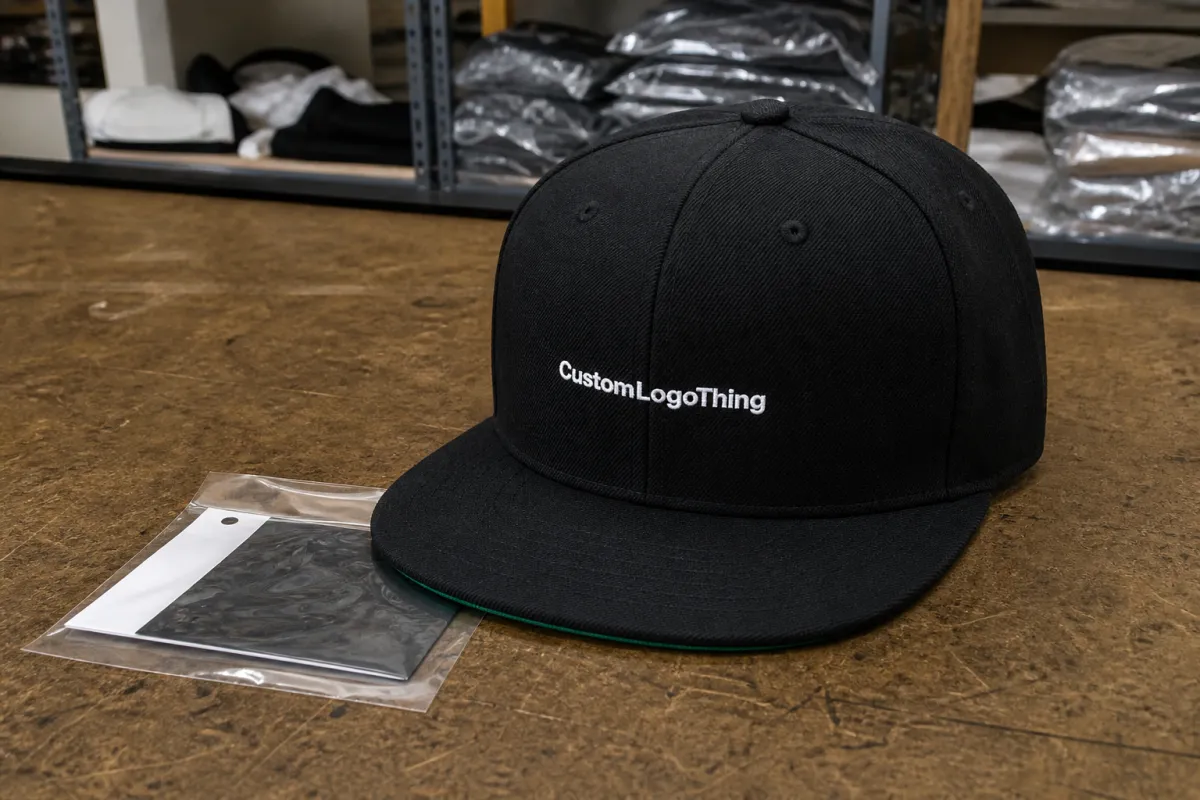
Snapbacks are popular in volume because they balance shape, fit, and presentation. The structured crown keeps the front panel firm, the flat brim photographs well, and the snap closure avoids the size issues that come with fitted headwear. That makes them a practical choice for events, retail drops, teams, and promotional programs.
Volume changes the math because setup is front-loaded. Digitizing, artwork cleanup, machine setup, and proofing happen whether the order is 50 pieces or 500. As the run gets larger, those costs get diluted and the cap price starts to reflect the product itself instead of the admin around it.
Snapbacks also give brands room to build a more finished look. A front logo can be paired with a side mark, back message, or underbill detail without overcrowding the design. That flexibility is useful when the cap needs to feel like a retail item rather than a simple giveaway.
Buyers usually save the most when they decide what matters before quoting. If margin is the priority, keep the build simple and use stock materials. If shelf appeal matters more, spend on the patch, finish, or interior details. Trying to optimize every feature at once often creates the most expensive version of the product.
Snapback Build Details That Affect Appearance and Wear
A snapback is defined by a structured crown, a flat or slightly curved brim, and a plastic snap closure. Each part affects appearance and performance. A structured crown supports sharper embroidery. A softer build can feel more casual, but it usually presents branding less cleanly.
Fabric choice also changes the result. Cotton twill has a matte look and works well with embroidery. Polyester blends often hold color better and can perform well in heat or active use. Brushed twill feels softer, though it may look less crisp under bright lighting. The right option depends on whether the buyer values durability, color saturation, or a more premium hand-feel.
Decoration method is where most decisions are made. Flat embroidery is durable and cost-effective. 3D puff embroidery creates a bold front logo, but very small text can get lost. Woven patches handle fine detail better than dense stitch work. Leather patches read premium and understated. Printed appliques help when the design is too complex for full embroidery.
Before approving a custom snapback Caps Bulk Order, it helps to review the actual branding zones rather than relying on the mockup alone:
- Front panel: the main logo location and the strongest visual field.
- Side panel: useful for a secondary mark, icon, or campaign line.
- Back arch: a good place for a small message above the snap closure.
- Underbill: adds a retail-style detail without changing the exterior look.
- Sweatband: useful for interior branding, sizing notes, or comfort upgrades.
That mix of surfaces is why snapbacks often behave more like retail products than simple promo items. A cap needs to read well from the front, but it also needs to hold up under a closer look. Clear placement decisions usually matter more than adding extra decorations.
Specs to Lock In for an Accurate Quote
Accurate pricing starts with a complete spec. When buyers send only a logo and quantity, quotes usually come back broad because key variables are still unknown. Crown height, panel count, brim shape, closure color, eyelet color, and sweatband finish can all change the build.
Artwork needs the same level of detail. Vector files in AI, EPS, or PDF format are preferred because they scale cleanly for embroidery and patch production. If brand color accuracy matters, include Pantone references or an approved sample. If the logo will be turned into a patch, include the exact size in inches or millimeters.
Optional features can quietly move the budget. Custom taping, woven labels, interior printing, hang tags, and retail inserts all add labor or material cost even when they look minor on paper. It helps to separate must-haves from nice-to-haves before requesting a quote.
Packaging also belongs in the spec. Bulk packed, individually polybagged, tagged, or retail-ready all have different handling requirements. If the caps will be part of a launch kit, the order may need cartons, inserts, or bundled packaging. That changes carton count, freight weight, and packing time.
What to confirm before production
- Logo format: vector file preferred, with a PDF backup if needed.
- Placement: exact position for front, side, or back branding.
- Color standard: Pantone, swatch, or an approved visual reference.
- Finish: flat embroidery, 3D puff, woven patch, leather patch, or printed applique.
- Packaging: bulk packed, polybagged, tagged, or retail-ready.
Packaging and distribution choices benefit from basic transit planning. The International Safe Transit Association publishes packaging testing guidance, and the EPA provides general recycling resources that can help teams think through material choices and carton waste: EPA recycling resources and ISTA standards.
Cost, Pricing, MOQ, and Unit Cost Drivers
MOQ is where buyers either gain efficiency or pay more than they need to. A simple embroidered snapback may have a relatively low minimum, but the per-unit price usually improves as the order moves from 100 to 250, then again at 500 and 1,000 pieces. On a bulk order, the cap itself is only part of the cost; setup and finishing often matter most at lower quantities.
In general, a basic embroidered cap at volume may land in the low single digits per unit once the order gets large enough. 3D puff, woven patches, leather patches, and retail packaging move the price higher. Add custom trims, inside labels, or individual boxing and the run shifts into a different cost tier. That is normal because the labor increases, not just the materials.
The main cost drivers are easy to identify:
- Decoration method: flat embroidery usually costs less than dense 3D puff or multi-step patch work.
- Thread coverage: full-front logos cost more than small marks because they use more stitch time.
- Patch type: woven and leather patches add separate setup and production steps.
- Packaging: polybags, tags, inserts, and retail boxing add handling.
- Rush timing: shorter lead times reduce flexibility and usually increase cost.
Buyers often compare options like this:
| Option | Typical Use | Relative Cost | Best For |
|---|---|---|---|
| Flat embroidery | Clean logo application | Lower to moderate | Teams, promotions, repeat orders |
| 3D puff embroidery | Bold front branding | Moderate to higher | Streetwear, premium resale, strong logo impact |
| Woven patch | Detailed artwork or fine lines | Moderate | Complex logos and tighter visual control |
| Leather patch | Premium lifestyle look | Moderate to higher | Retail packaging, lifestyle brands, gift sets |
The most useful quote request is tiered. Ask for pricing at 100, 250, 500, and 1,000 pieces if possible, then ask for landed cost to the delivery zip code. That shows the real budget picture. A unit price can look good until freight, digitizing, sampling, or packaging labor are added back in.
A second version is often worth requesting. A value version can stay simple with flat embroidery and bulk packing. A premium version can add a woven patch, custom label, or better retail presentation. Seeing both side by side makes the tradeoffs easier to judge.
Process, Timeline, and Production Steps From Proof to Ship
The production flow should be predictable: inquiry, mockup, art approval, sample or proof, bulk production, inspection, packing, and freight. Each step exists to catch problems before they become expensive. Skipping a step usually creates more work later.
Typical turnaround for a custom snapback Caps Bulk Order is often 2 to 4 weeks after proof approval. The exact timing depends on decoration complexity, material availability, and how quickly the buyer signs off. A simple stock cap with flat embroidery can move faster than a mixed-material build with multiple revisions.
Approval speed matters more than many buyers expect. A one-day delay on artwork can push the order out of its production slot. The smoothest projects are usually the ones where the logo version, color standard, decoration method, and packaging have already been settled before the sample stage.
There is also a tradeoff between speed and value. If the event date is fixed, paying more for a rush may make sense. If the launch date can move, there is usually room to save money and keep more options open.
Common schedule risks
- Artwork revisions after the mockup is already built.
- Unclear patch size or logo placement.
- Missing delivery details for freight calculation.
- Holiday or seasonal congestion in production schedules.
- Last-minute packaging changes after approval.
How We Keep Large Runs Consistent and Reorder-Ready
Consistency affects returns, approvals, and whether a reorder is painless or painful. If a brand orders the same cap twice, the second run should match the first in color, stitch density, patch placement, and fit. If it does not, the buyer has to manage issues that should never reach the customer.
Quality control needs more than one checkpoint. Color matching starts before production. Stitch density is checked when the embroidery file is prepared. Patch placement is reviewed during sampling. Seam alignment, count verification, and final packing checks happen before freight. One final inspection is not enough for a large run.
Sample retention helps too. A documented reference cap makes reorders easier, especially for seasonal programs or retail assortments that need the same product months later. The second order should behave like a repeatable SKU, not a new creative project.
The same discipline that supports packaging programs also supports headwear. Clear specs, measurable materials, and controlled output make a custom snapback Caps Bulk Order easier to repeat, reprice, and restock.
The cheapest order is not the lowest quote. The cheapest order is the one that reorders cleanly.
What to Send Next to Get a Fast, Accurate Quote
If speed matters, send the full brief in one message: logo files, target quantity, color choices, decoration preference, target ship date, and delivery zip code. That gives the supplier enough information to price the job without guessing and cuts down on back-and-forth.
For a cleaner comparison, ask for two versions of the order: one cost-focused and one premium. The cost-focused build can stay simple, while the premium build can add a patch, custom label, or upgraded packaging. Side-by-side pricing usually makes the decision easier.
A short approval checklist keeps the project on track:
- Verify the mockup and logo placement.
- Confirm the price tier and landed cost.
- Lock the packaging spec, including tags or inserts.
- Approve the sample or pre-production proof.
If you need a quick reference point before sending artwork, the FAQ page covers common ordering questions. For broader product launches, it helps to plan the cap alongside any other branded packaging assets so the run feels coordinated rather than assembled in pieces.
A well-planned custom snapback Caps Bulk Order usually comes down to three things: a sharp spec, a realistic schedule, and a quote that reflects landed cost. Get those right and the order is much easier to repeat, reprice, and resell.
What is the usual MOQ for custom snapback cap bulk orders?
Many suppliers start pricing efficiently around 100 to 250 pieces, with better per-unit costs at 500 and above. The exact MOQ depends on whether the cap is stock or built with custom trims, and whether the decoration is simple embroidery or a more involved patch or puff application. If you need a test run, keep the build simple.
How long does a bulk order of custom snapback caps usually take?
Standard production often takes about 2 to 4 weeks after proof approval. Rush orders can move faster, but they usually cost more and reduce flexibility on materials, packaging, and revisions. Complex decoration or seasonal production pressure can extend the timeline.
What artwork files do I need for a custom snapback cap bulk order?
Vector files such as AI, EPS, or PDF are the safest option because they stay sharp for embroidery and patch production. Include Pantone references when color accuracy matters, and note the exact placement if the design goes on a side panel, back arch, or underbill. Low-resolution JPG files are fine only as a visual reference, not as production art.
Can I mix colors or decoration styles in one bulk snapback cap order?
Yes, but mixed colors or mixed decoration usually behave like separate SKUs, which can change pricing and minimums. Even if the cap style stays the same, each variation may need its own setup and count. Ask for line-item pricing before assuming the order will be priced as one group.
How should I compare quotes for bulk custom snapback caps?
Compare landed cost, not just the headline unit price. Check whether digitizing, sampling, packaging, and freight are included, then confirm the proofing timeline and reorder conditions. The cheapest quote on paper is not always the best transaction once the order is packed and shipped.

