Buyer Fit Snapshot
| Best fit | Custom Void Fill Paper Rolls projects where brand print, material claims, artwork control, MOQ, and repeat-order consistency need to be specified before quoting. |
|---|---|
| Quote inputs | Share finished size, material target, print colors, finish, packing count, annual reorder estimate, ship-to region, and any compliance wording. |
| Proofing check | Approve dieline scale, logo placement, barcode or warning zones, color tolerance, closure strength, and carton packing before bulk production. |
| Main risk | Vague material claims, crowded artwork, missing packing details, or unclear freight terms can make a low unit price expensive after revisions. |
Fast answer: Custom Void Fill Paper Rolls: Material, Print, Proofing, and Reorder Risk should be specified like a repeatable production item. The safest quote records material, print method, finish, artwork proof, packing count, and reorder notes in one written spec.
Production checks before approval
Compare the actual filled-product size with the drawing, then confirm tolerance on folds, seals, hang holes, label areas, and retail display edges. Reserve space for logos, QR codes, warning copy, and material claims before decorative graphics fill the panel.
Quote comparison points
Review material grade, print process, finish, sampling route, tooling charges, carton quantity, and freight assumptions side by side. A quote is only useful when the supplier can repeat the same color, closure quality, and packing count on the next order.
Custom Void Fill Paper Rolls: Cost, Use, and Buying Tips
Custom Void Fill paper rolls can sound like a small purchasing decision until a carton starts shifting on a conveyor or a bottle set arrives with a cracked corner because the empty space inside the box was never really controlled. That is usually how dead space turns into damage, and how a shipment that looked tidy on the packing bench turns into a customer service problem two days later. For packaging teams that care about product protection and presentation, custom void fill paper rolls are one of the more practical ways to stabilize items without stuffing the carton with filler that does little beyond taking up room.
From the packing floor, the best roll has to do a few jobs at once. It fills unused space, keeps the product centered, and helps the inside of the box look intentional rather than rushed. A poor roll does the opposite: it slows the line, wastes paper, and still leaves movement in the carton. That is why Custom Void Fill paper rolls deserve more attention than they often get. They are not flashy, but they quietly affect labor, breakage, and how the customer feels when they open the box.
If you ship e-commerce orders, fragile goods, subscription kits, or premium retail packages, you already know the carton is part of the product experience. A well-chosen paper roll supports branded packaging, protects contents in transit, and helps the pack line move at a steady pace without making the shipper look overfilled. That is the point here: cleaner shipping, fewer returns, less waste, and a stronger first impression when the lid comes off. No magic. Just better control.
Custom Void Fill Paper Rolls: What They Are
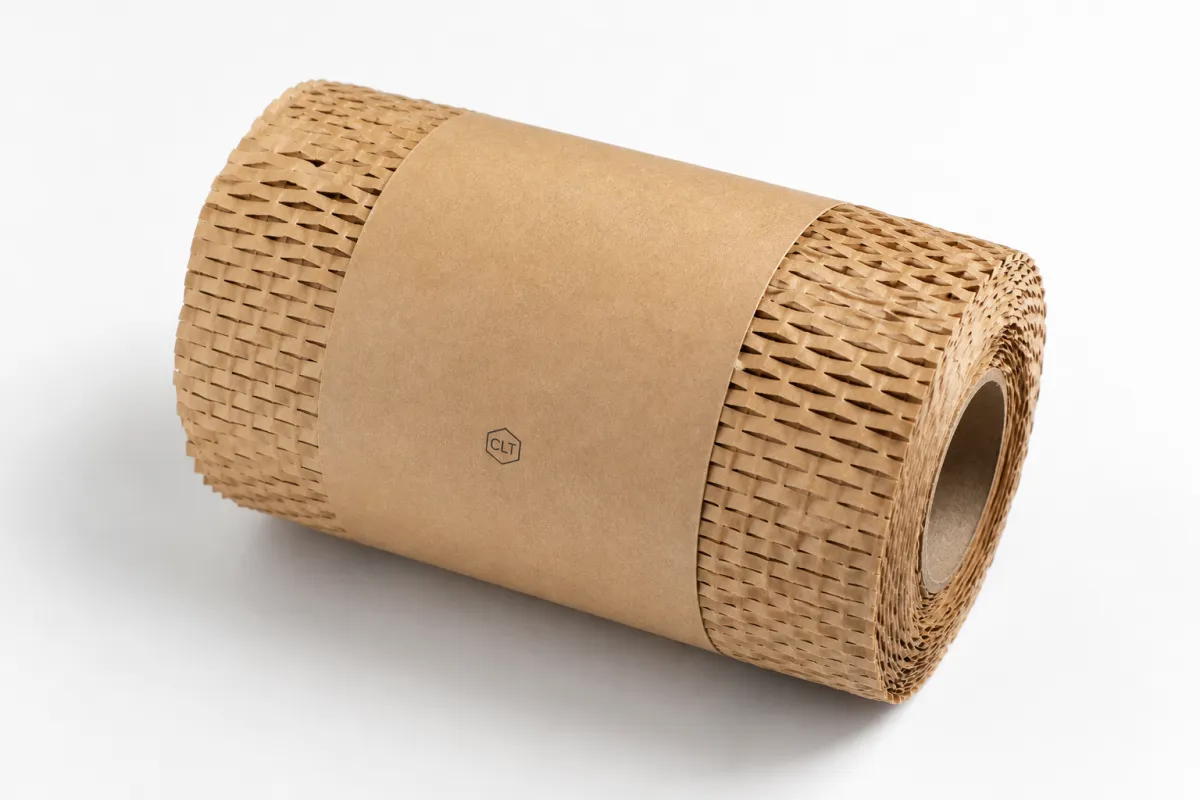
Custom Void Fill paper rolls are paper-based dunnage rolls designed to occupy open space inside cartons so products do not slide, bounce, or collide during shipment. In plain terms, they are paper used as box filler, but not the flimsy kind that feels like a last-minute fix. Better versions are specified by roll width, sheet length, paper grade, core size, and perforation pattern so they fit a packing setup instead of forcing the team to work around them.
The word custom matters more than people think. A standard roll works for general use. A custom roll is built around your box sizes, pack speed, product weight, and handling style. That can mean 8-inch, 12-inch, 16-inch, or 18-inch widths; 1.5-inch, 2-inch, or 3-inch core sizes; or perforations every 12, 18, or 24 inches depending on how the packer tears and places the paper. Some buyers also ask for printing, a tint, or a specific kraft shade so the roll fits their package branding and broader packaging design.
It helps to keep void fill separate from cushioning and wrapping, because teams mix those terms all the time and then wonder why the carton still fails in transit. Void fill sits in the empty space to stop movement. Cushioning absorbs shock around fragile items. Wrapping protects a product surface, such as ceramics, cosmetics, or glass. A roll can serve more than one purpose, but not every paper solution is equally good at every job.
In practical use, custom void fill paper rolls fit well in mixed-SKU fulfillment, subscription boxes, boutique retail shipments, premium unboxing programs, and any operation where the inside of the carton needs to look neat. They are especially useful when a brand wants a cleaner alternative to plastic air pillows and a more finished look than loose-fill materials. If the box is part of the customer experience, the filler is part of the brand too.
- E-commerce: keeps products stable across different carton sizes and reduces movement during transit.
- Retail packaging: improves presentation for premium orders and gift-ready shipments.
- Fragile goods: helps secure glass, ceramics, home goods, and small hardware.
- Subscription packs: keeps inserts and products centered so the box opens cleanly.
Material choice matters as much as the roll spec. Kraft paper, recycled kraft, and FSC-certified paper are common options, and paper weight changes how the filler behaves in the box. Lighter paper may be enough for cosmetics or apparel. Heavier grades usually make more sense for dense or awkwardly shaped items, especially when the product has hard edges or a high center of gravity. If sustainability claims matter to your team, review material sourcing and recycling guidance from the Forest Stewardship Council and the EPA recycling guidance. Claims only help if the material can actually be handled responsibly after use.
How Custom Void Fill Paper Rolls Work in Packing
Custom void fill paper rolls work because they are fast to pull, easy to tear or dispense, and simple to place wherever the carton has open space around the product. The packer pulls the roll, cuts or tears the needed length, folds or crimps the paper if the job calls for it, and places it in the box so the item stays centered. The paper compresses enough to hold shape, but not so much that it turns into mush. That balance is what makes paper dunnage useful instead of irritating.
Most operations use one of three setups. A hand-fed station works for low to moderate order volume. A semi-automatic dispenser helps when the team is packing repetitive box sizes and needs more speed without fully automating the line. Powered systems make more sense for high-volume warehouses where the same motion repeats all day and pack-out time matters more than anything else. The right machine and the right custom void fill paper rolls can save more labor than a low-cost roll ever will, and that is often where the real return shows up.
Paper behaves differently from air pillows and loose-fill peanuts. Air pillows are light and fast, but they can leave gaps when carton shapes vary or when hard product edges push them aside. Loose-fill can get messy, settle during transit, and make the interior look like a craft project gone wrong. Paper tends to brace better, especially for items that need the box interior to look tidy and controlled. That is why custom void fill paper rolls are common in premium retail packaging and high-trust product packaging.
Picture a typical shipping scenario. A fulfillment team is packing a bottle set in an 18 x 12 x 8 carton. The product sits in the center, but the corners are open. If the roll width is too narrow, the packer uses too many pieces and loses time. If the paper is too soft, the bottles can still shift. If the perforation length is wrong, the team tears extra material and creates scrap. A properly specified roll reduces rework, speeds the station, and lowers the chance of a damaged corner box. That is the real value of custom void fill paper rolls.
For buyers comparing materials, a simple comparison helps:
| Material | Best Use | Strength | Tradeoff |
|---|---|---|---|
| Custom void fill paper rolls | Stable box filling, premium presentation, mixed-SKU shipping | Clean look, good bracing, easy to place | Needs the right width and dispenser setup |
| Air pillows | High-volume light filling | Fast and lightweight | Less stable for heavy or oddly shaped items |
| Loose-fill peanuts | Low-risk filler for simple cartons | Flexible and inexpensive to buy | Messy, settles, and feels less premium |
That table is why some teams switch to custom void fill paper rolls after years of dealing with plastic dunnage or loose-fill dust. Paper is not magic. It is simply better aligned with a packing line that cares about speed, presentation, and predictable support. If the team is gonna use a filler all day, it had better feed cleanly and behave the same way from the first carton to the last one.
Custom Void Fill Paper Rolls Cost, Pricing, and MOQ
Custom void fill paper rolls are priced by more than paper weight. The biggest factors are paper grade, roll width, sheet length, perforation pattern, print or branding, order quantity, and freight. A plain roll with standard specs is usually far less expensive than a branded or unusual configuration, but the lowest quote on paper can still be the worst deal in the warehouse. Labor belongs in the price whether buyers want to see it or not.
For many buyers, a standard unprinted roll sits somewhere in the low single-digit to low double-digit cost per roll at volume, depending on length, weight, and width. Fully custom options can move higher, especially if the supplier needs special perforations, new print tooling, or nonstandard core dimensions. It is better to compare total pack cost than to fixate on a few cents per roll. If the material saves 10 seconds per carton, that can outperform a cheaper roll very quickly, and sometimes it is the difference between a line that feels smooth and one that feels kinda chaotic.
MOQ is where the math gets real. Smaller runs usually carry a higher unit price because setup cost gets spread across fewer rolls. Larger volume reduces unit cost, but it also asks for more storage space and more cash upfront. That is the tradeoff. If your order volume is still changing, a pilot run is safer than buying a truckload and hoping the team uses it before it gets damaged or buried in storage. I have seen warehouses find out the hard way that the cheapest pallet price can turn into a storage headache by month two.
Here is a practical quote checklist for custom void fill paper rolls:
- Roll width, length, and basis weight
- Core size and dispenser compatibility
- Perforation spacing or tear pattern
- Print, branding, or color requirements
- MOQ, pallet count, and freight terms
- Lead time, sample policy, and remake policy
The hidden costs are usually the ones people forget to ask about. A roll that does not fit the dispenser creates slowdowns. A roll that is too narrow wastes time because packers need multiple pulls. A roll that is too wide can create scrap or unnecessary box bulk. A supplier may quote a tidy price, but if the setup increases labor or causes jams, the real cost is worse than buying a better spec. That is the kind of detail that separates careful purchasing from expensive guessing.
To make comparisons easier, this is how cost pressure often shows up:
| Roll Type | Typical Price Pressure | Best Fit | Buying Note |
|---|---|---|---|
| Standard kraft roll | Lowest | General void fill for common box sizes | Good starting point for testing |
| Heavier recycled kraft | Moderate | Denser or more fragile goods | Usually better support, slightly higher material cost |
| Printed branded roll | Higher | Brand-led unboxing and retail packaging | Useful if package branding matters to the customer experience |
| Special perforation or custom width | Highest setup risk | Fast lines with fixed carton sizes | Worth it only if the workflow actually benefits |
That table is the honest version. Custom void fill paper rolls should be bought for fit and performance first, then for price. Otherwise you end up paying less up front and more every day in labor, waste, and frustration. A cheap-looking savings line on the quote sheet does not matter if the pack line dislikes the material.
Process and Lead Time: From Quote to Production Steps
The process for custom void fill paper rolls usually starts with a needs review. What box sizes are you using? How many orders do you ship each day? Is the team packing by hand, or are they on a semi-automatic line? Those answers tell the supplier whether the roll should be spec'd for speed, for support, or for a balance of both. If the supplier skips this step, the quote is probably too generic to be useful.
After that comes spec collection, sample review, quote approval, production, quality check, and shipment. That sounds simple because it should be simple. Delays usually come from vague measurements, slow approvals, or changing the spec after production has already started. If the team wants a shorter lead time, they need to give exact carton sizes, expected monthly volume, and the dispenser type on day one. Better input shortens the whole job.
Lead time depends on how custom the order is. Standard rolls can move quickly if the paper is in stock. Custom width, special perforation, print, or branded packaging details add time because each one may require setup and verification. A plain order might ship in about 1-2 weeks after approval, while a more customized run can take longer, especially if samples need revision. Rushing usually costs more than waiting for the right spec, which is annoying but usually true. The urgency often feels bigger than the actual risk, and that is something experienced buyers learn to sort out.
Here is what speeds up the quote for custom void fill paper rolls:
- Box dimensions for the top three carton sizes.
- Monthly or weekly order volume.
- Manual, semi-auto, or powered feed preference.
- Paper weight target and sustainability requirements.
- Whether print, branding, or FSC-certified material is needed.
For operations that care about transit testing, it is smart to align the roll choice with common packaging test logic from groups like the International Safe Transit Association. Not every packout needs formal lab testing, but the mindset helps: the material should hold the product in place under real shipping abuse, not just look neat on a bench. If the goal is to reduce breakage and returns, test the material the way it will actually be used.
Teams usually do better when they approve a sample before full production. A few cartons packed with the sample roll will tell you more than a spec sheet ever can. You can see whether the paper tears cleanly, whether the dispenser feeds properly, and whether the fill pattern actually blocks movement. That one sample review often saves a lot of money later, especially when the product has an odd shape or a fragile finish.
Step-by-Step Guide to Choosing the Right Roll
If you are buying custom void fill paper rolls for the first time, start with a carton audit. Measure the void space in your top shipping boxes. Note the product weight, the sharp edges, and the top three box sizes your team uses most. You do not need a spreadsheet that looks like it was built by an anxious accountant. You need enough data to know whether the box needs gentle bracing or serious blocking.
Next, match the roll to the packing environment. A manual station usually does better with a roll that tears cleanly and does not require much force. A high-volume line may need a roll that works with a dispenser and keeps pace with repetitive packing. If the team is packing 300 cartons a day, a spec that saves two seconds per pack starts adding up quickly. That is where custom void fill paper rolls begin paying for themselves, quietly but consistently.
Then choose roll width, sheet length, and paper weight based on the job. Wider rolls help fill larger voids, but they can be excessive in small cartons. Shorter perforations improve control, while longer sheets can speed up work if the boxes are consistent. Heavier paper offers better shape retention and support for dense products, but it can also make the box feel bulkier. There is no perfect answer for every order line. There is only the spec that fits your product and workflow best.
A practical selection process looks like this:
- Pick two or three likely roll specs, not ten.
- Run each option through live orders for a week.
- Measure damage rate, pack time, and paper consumption.
- Check whether the box still closes cleanly.
- Choose the roll that protects the product without excess waste.
Testing matters because paper can behave differently under load than it does in a sample photo. A good-looking roll can still be too soft for heavy items. A sturdy roll can still be too bulky for low-profile cartons. The only honest way to choose is to test the packout under real conditions. If you are trying to improve custom void fill paper rolls use across your operation, compare them against actual orders, not a theoretical box diagram.
For brands that care about presentation, this is also where packaging design comes into play. If the filler shows through the opening, the texture and color become part of the unboxing. That is why custom void fill paper rolls can support Custom Printed Boxes and other branded packaging choices instead of working against them. Small details, sure. Customers notice them faster than most teams expect, and they usually do not separate the filler from the rest of the experience.
Common Mistakes With Custom Void Fill Paper Rolls
The biggest mistake with custom void fill paper rolls is buying by price alone. People see a cheaper quote and stop there. Then the roll jams, packers tear too much material, or the carton still ships with movement inside. That is how a low price turns into a high daily cost. Buyers love savings until the floor team explains why the savings are slow, messy, and useless.
Oversizing or undersizing the roll is another easy way to waste money. Too narrow, and the team has to pull extra sheets just to fill basic gaps. Too wide, and you create trim waste or bulk the carton more than needed. Too soft, and the fill collapses around heavier products. Too dense, and it becomes awkward for light items. Custom void fill paper rolls only work well if the paper matches the product weight and carton geometry.
The cheapest roll on paper is not the cheapest roll in the warehouse.
Skipping sample testing is a classic error. The first quote is not the final answer. It is only the starting point. If a team does not test the roll in live packing conditions, they end up discovering problems after the purchase order is already locked. That is a bad way to spend money, and it happens more often than people admit.
Storage and handling mistakes matter too. Paper that sits in damp conditions can warp or lose performance. Rolls that are stacked badly can get crushed or become difficult to dispense. Ordering far more volume than the team can use creates clutter and cash flow pressure. For custom void fill paper rolls, storage is part of the buying decision, not an afterthought. Buy what you can use, store it properly, and keep the supply close to the packing area so the roll does not become a warehouse obstacle.
Another common miss is not pairing the roll with the right dispenser or station layout. A beautiful spec that does not fit the equipment will slow down the line. Sometimes buyers focus so hard on material features that they forget the daily workflow. That is a packaging buyer mistake, not a paper problem. Good custom void fill paper rolls should fit the people using them, not just the carton they go into.
Expert Tips and Next Steps for Better Packing
If you want a low-risk start, run a one-week pilot with custom void fill paper rolls. Track three numbers: damage rate, pack time, and paper use per shipment. That gives you a real picture of whether the spec is doing its job. If the roll reduces product movement and does not slow the bench, you are probably in the right zone. If it looks good but wastes time, it is not the right fit. Simple enough.
If your order volume is high or your box sizes repeat a lot, compare a manual setup against a dispenser setup. There is a big difference between a team casually packing a few orders and a line that needs to move all day. A dispenser can make custom void fill paper rolls much more efficient, especially when the same carton sizes show up over and over. Manual feeding is fine for smaller runs, but high volume tends to expose inefficiency quickly.
Ask for samples before you place the larger order. Confirm carton compatibility. Check whether the paper supports the product without overfilling the box. Look at how it tears, how it stacks, and whether it makes the interior look tidy. If the brand is using package branding or premium retail packaging, the filler should match that standard instead of dragging it down. A careful unboxing does not happen by accident, and the filler is part of that math.
Here is the buying sequence I would use:
- Shortlist two or three specs for custom void fill paper rolls.
- Request samples and a line-ready quote.
- Test each roll in live orders, not just empty cartons.
- Review packer feedback on speed and handling.
- Scale the best option only after the results hold up.
That process keeps the decision grounded in actual use. It also gives your team a reason to trust the material instead of treating it like another procurement surprise. If you need more packaging items to pair with the order, it is worth reviewing Custom Packaging Products so the rest of the box build stays aligned with the new filler spec. A box is a system, not a random pile of supplies.
My blunt take: the best custom void fill paper rolls are the ones that cut waste, protect product, and keep the workflow moving without drama. If you can get cleaner packouts, lower breakage, and a better customer impression at the same time, that is a solid purchase. If not, keep testing. Paper is cheap to say yes to and expensive to tolerate when it is wrong.
Frequently Asked Questions
What are custom void fill paper rolls used for?
They fill empty space inside boxes so products do not shift in transit. They also help reduce damage, reduce waste, and create a cleaner packing presentation. For mixed-SKU shipping, fragile items, and premium e-commerce orders, custom void fill paper rolls are usually a smarter fit than loose filler that moves around.
How do custom void fill paper rolls compare to air pillows?
Paper usually feels more premium and lines up better with sustainability goals. Air pillows can be faster for pure volume filling, but they do not always brace product as well. Custom void fill paper rolls are often the better choice when you want stability, a cleaner box interior, and less plastic in the packout.
What affects custom void fill paper rolls pricing the most?
Paper grade, roll size, perforation style, customization, and order volume all move the price. Freight and dispenser compatibility can change the real cost more than the base roll price. The cheapest quote is not always the cheapest option if it slows packers or wastes material, which is exactly why custom void fill paper rolls need a total-cost review.
What MOQ should I expect for custom void fill paper rolls?
MOQ depends on the supplier, the customization level, and whether the paper is standard or made to spec. Higher MOQs usually lower unit cost, but they increase storage needs and upfront spend. If volume is uncertain, ask for a pilot run or a smaller first order before scaling custom void fill paper rolls across the whole warehouse.
How long does it take to get custom void fill paper rolls made?
Timeline depends on specs, approval speed, paper availability, and production load. Standard options move faster than fully customized rolls with print or special sizing. The fastest way to avoid delays is to share exact measurements and approve samples quickly so the supplier can move custom void fill paper rolls into production without back-and-forth.
If you want better packout control, fewer damaged shipments, and a cleaner unboxing, custom void fill paper rolls are a strong place to start. Get the spec right, test it in real orders, and do not let a bargain quote talk you into a bad setup. Start with one pilot carton line, measure the results, and only scale once the roll proves it can protect the product without slowing the bench.

