Outdoor buyers usually have a short list of packaging non-negotiables: survive transit, protect the contents, and still look credible hanging on a retail peg or packed into a field kit. That is why Zip Lock Bags for outdoor brands unit cost is rarely just a packaging line item. If the bag tears, fogs, or makes a $40 accessory look disposable, the brand loses margin and trust together.
For trail snacks, repair kits, spare parts, small electronics, maps, fishing tackle, and bundled gear sets, resealable bags do more than hold product. They keep components together, reduce handling problems, and make small SKUs easier to count, ship, and display. The real challenge is balancing performance against price. Too light, and the bag fails. Too elaborate, and you end up paying for packaging theater that never improves the customer experience.
That balance is where buying decisions get tricky. Outdoor brands want a clean, premium-looking package, but they also need bulk pricing that leaves room for healthy margin. So yes, Zip Lock Bags for outdoor brands unit cost matters. Material choice, closure quality, print coverage, and order quantity matter too. Miss one of those variables, and the quote changes fast.
Why outdoor brands still use zip lock packaging for resale and kit sets
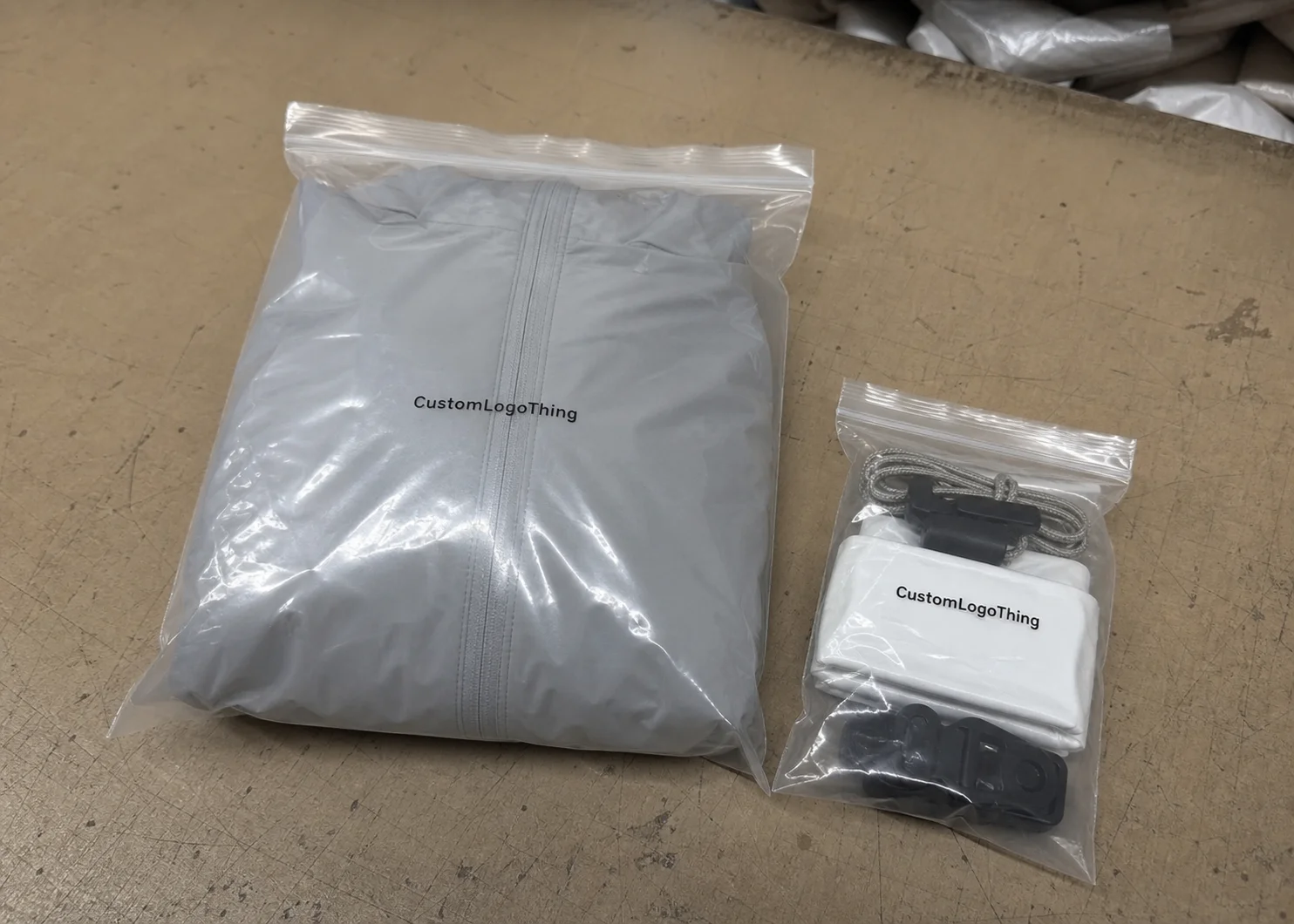
Outdoor packaging gets judged by a different standard than beauty or gifting. A hiker does not care whether the bag looks elegant if it splits in a pack. A retailer does not want a dusty, half-open item hanging on a peg all afternoon. Packaging has to protect the product and keep the presentation intact without driving cost per piece into uncomfortable territory.
That is why resealable bags still appear across outdoor retail. They work well for bundled items, replacement parts, sample packs, and starter kits. They also reduce fulfillment headaches. If a repair kit contains six tiny pieces, a zip bag keeps them from scattering across a carton or slipping out during handling. That alone can cut customer complaints, missing-part claims, and rework.
There is a less obvious benefit too: better packaging can reduce total cost. A slightly thicker bag with a dependable seal may cost more upfront, but it can lower damage in transit and reduce returns. On a low-margin SKU, one broken shipment can erase the savings from a cheaper bag. Packaging only looks cheap if it survives the job.
From a packaging buyer’s point of view, the useful question is not “What is the lowest quote?” It is “What gives me the lowest landed cost without creating returns, freight damage, or retail headaches?”
For outdoor brands, the bag also has to work as part of the shelf story. Clear packaging lets the product speak for itself. Frosted or printed formats add a more premium feel. Either way, the buyer usually wants Zip Lock Bags for outdoor brands unit cost under control while making the product look intentional rather than improvised.
Bag styles, materials, and closure options that affect performance
There are a few formats worth comparing before anyone asks for pricing. Clear PE Zip Lock Bags are usually the budget baseline. They are lightweight, practical, and easy to produce. Frosted bags tend to look cleaner on shelf and hide scuffs better. Slider bags cost more, but they are easier to open and close, especially with cold hands or gloves on. Custom printed pouches with a zip closure push presentation further, and they also push unit cost upward.
Material choice is where the tradeoff becomes visible. Polyethylene, or PE, is often the most economical route. It is flexible, widely available, and suitable for many lightweight accessories. If the product needs more stiffness, better shelf feel, or improved barrier performance, buyers move into thicker films or specialty laminates. That improves the packaging, but it also raises raw material cost and can add production complexity.
Closure style changes both usability and price. Standard zip seals are economical and work well for most retail kits. Slider closures add parts and assembly steps, so they usually cost more. Still, they can make sense for higher-end gear, repeat-use items, or products that will be opened often in the field. If the customer is likely to reopen the bag repeatedly, a weak seal becomes a false economy.
For outdoor use, the practical concerns are usually clear: moisture resistance, puncture resistance, and how the bag behaves when packed tightly inside a backpack or shipping carton. UV exposure can matter too, especially if inventory sits near bright warehouse lighting or a windowed retail display. Not every bag needs heavy-duty construction, but pretending all resealable bags perform the same is how brands end up replacing stock they thought was protected.
Branding affects price as well. One-color print is generally the cleanest way to keep costs in check. Full-color print improves shelf impact, especially for retail-facing items. Artwork that wraps across multiple sides increases print area and can add setup time, plates, or prepress work depending on the process. If the artwork is simple, keep it simple. A low-margin accessory rarely benefits from a complicated decoration plan.
Specifications to lock down before you request a quote
If you want a useful quote, do not send a vague note that says “need bags for gear.” That is not a specification. It is a shortcut to inaccurate pricing. The buyer should confirm width, height, gusset, thickness in mil, seal style, print area, and finish before requesting numbers.
Dimensions matter because outdoor products are rarely neat little cubes. Carabiners, tool kits, first-aid packs, tent stakes, hooks, and charging cables all behave differently inside a bag. An oversized bag wastes film and lifts material cost. An undersized one can distort the seal, force a redesign, or create returns when the product does not fit cleanly.
Thickness should match the use case. Light accessory packs may work at lower mils. Sharp-edged or heavier contents usually need more structure. A thin bag may save a fraction of a cent, but if it pinholes during fulfillment or shipping, the “saving” disappears immediately. That is one of the most common places buyers underestimate real packaging cost.
Compliance should be clarified early. If the bag touches food, food-contact suitability matters. If sustainability is part of the brief, ask about recycled-content options and how they affect clarity, sealing, and print performance. If the bag is warehouse-only, the spec may be simpler than a retail-facing SKU. Those are not small details; they change both material choice and pricing.
If possible, send a sample product or a dieline. That lets the quote reflect real fill size instead of an estimate. When packaging is sized from an actual sample, waste becomes visible before production starts. That is the point where a buyer can still fix an oversized bag, a poor fit, or a print layout that looked fine on screen but not on film.
| Spec choice | Typical use | Effect on unit cost | Buyer tradeoff |
|---|---|---|---|
| Standard PE, clear, 2-3 mil | Light accessories, samples, small kit sets | Lowest | Good value, less premium feel |
| Thicker PE, 4-6 mil | Heavier parts, sharp-edged items | Moderate increase | Better protection, higher material use |
| Frosted or specialty film | Retail presentation, premium outdoor kits | Higher | Better shelf appeal, more price pressure |
| Slider closure or custom pouch | Repeated use, premium gear sets | Highest | Easier handling, more assembly cost |
Unit cost, pricing, and MOQ factors that change your landed price
For buyers comparing zip lock Bags for Outdoor brands unit cost, the biggest cost drivers are usually obvious once they are listed: bag size, film thickness, print colors, finish, closure type, and order quantity. The less obvious part is how those choices interact. A small bag with simple printing can still cost more than expected if the minimum order quantity is high or the material spec is unusual.
MOQ matters because setup charges get spread across the run. If a line requires printing plates, tool setup, or machine calibration, a small batch takes the same preparation as a larger one. That is why lower minimums almost always mean higher unit cost. The setup cost does not vanish; it just gets divided among fewer pieces.
Here is the pricing pattern that shows up most often:
- Sample runs: highest cost per piece, because they are intended for fit and print approval.
- Small batches: better than samples, but still carry a premium because setup is spread thin.
- Mid-volume orders: often the best compromise for brands balancing budget and inventory risk.
- Larger production quantities: best unit cost, but more cash tied up and more storage required.
For realistic ranges, simple stock-style resealable bags can land around a few cents per unit at larger quantities, while custom printed outdoor packaging can move into the teens or higher depending on size, film structure, and closure. Small runs may be several times that. That is normal, and it is why comparing zip lock bags for outdoor brands unit cost without looking at quantity gives a misleading picture.
Hidden costs deserve attention. Rush fees are easy to see. Freight is sometimes forgotten until the final invoice. Artwork revisions after proof approval can add time and money. Special inserts, stronger cartons, or retail display requirements can raise landed cost too. If the comparison only covers the base quote, it is not the real number.
The cheapest quote is not always the lowest landed cost. A flimsy bag can force overpacking, damage product, or look off-brand on shelf. Once those problems show up, the bargain option stops looking like a bargain. Outdoor buyers need packaging that supports the SKU, not packaging that only looks inexpensive in a spreadsheet.
Production steps, proofing, and lead time from artwork to delivery
The production path is straightforward enough: inquiry, spec confirmation, artwork review, digital proof, sample approval if needed, production, quality control, and shipment. None of it is glamorous, but it works when the information is clean.
Most delays happen because the brief is incomplete. Vague dimensions slow everything down. Missing bleed requires artwork rework. Late changes to copy, barcode placement, or compliance marks can push the schedule. People often blame the factory, but in packaging, a lot of delays start when the buyer changes files after proofing has already begun.
Lead time depends on complexity and quantity. Simple stock formats move faster. Custom printed orders usually take longer because proofing and production setup take time. As a practical planning range, straightforward jobs often need around 12-15 business days after proof approval, while special materials or more complex artwork need longer. Freight comes on top of that. Ocean shipment needs extra cushion, and no one enjoys learning that inventory exists, just not where the launch needs it.
Samples help avoid expensive mistakes. Plain samples are useful for fit checks. Printed samples matter when color, logo placement, or barcode alignment needs approval. For retail products, sample sign-off before bulk production is worth the extra step. Spending a little on samples is cheaper than discovering a sizing error after thousands of units are already in process.
For seasonal launches, shipping timing matters as much as production timing. Build a buffer into the calendar, especially if the packaging must support a trade show, preorder date, or retail event. If the packaging lands late, everything downstream gets harder. Packaging rarely gets credit when it works. It gets noticed immediately when it does not.
How our packaging team keeps cost low without cheapening the bag
Good packaging pricing is mostly careful spec work. The goal is to right-size the bag so buyers pay for the performance they need, not for a premium structure that looks impressive and adds no value in the field. That means reviewing dimensions, thickness, print layout, and closure choice before the order starts.
Small changes can reduce waste quickly. If the bag is oversized by even a little, material cost creeps up across the run. If the print area is larger than necessary, coverage cost rises. If the zipper style is more complex than the use case demands, the quote climbs again. A sharp quote comes from matching the package to the product, not from adding features because they sound nice in a spec sheet.
Consistency matters too. Zip alignment, seal strength, and print registration should stay within a controlled range from lot to lot. Outdoor brands do not have room for packaging that varies wildly across reorder runs. Buyers should expect suppliers to speak plainly about tolerances, QC checks, and what gets inspected before shipment.
Typical QC checks for this kind of packaging include seal integrity, zipper function, print alignment, thickness verification, and visual inspection for film defects. For products that will ship long distances or travel through rough handling, some teams also ask for drop or compression testing references. Industry testing bodies such as ISTA can provide useful standards, while sustainability claims should be grounded in documented material specs rather than loose marketing language. That keeps the conversation practical instead of decorative.
Transparency is part of the value. Clear quotes. Straightforward MOQ guidance. Honest feedback when a requested spec is more expensive than the product deserves. If a customer wants a heavy laminate for a tiny accessory pouch, a good supplier should say so. It is not that the design is impossible. It is that the buyer would be paying for performance the product will never use.
For brands that need outdoor retail packaging to look clean without pushing unit cost too high, the winning formula is usually moderate film thickness, restrained print coverage, and a closure that matches the use case. Simple is often the best starting point. Not always, but often enough that buyers should begin there before adding premium features.
Next steps to compare quotes and place the right order
Before asking for quotes, gather the essentials: product dimensions, target quantity, closure preference, artwork files, and delivery deadline. If you can include a product sample or clear photos of the item inside the bag, even better. That reduces back-and-forth and helps the pricing reflect reality instead of guesswork.
Ask for at least two or three quote options. Compare more than the base number: unit cost, print coverage, thickness, freight, and MOQ. A higher quoted price can still win if the bag is stronger, the print cleaner, or the shipping risk lower. That is why buyers should compare landed cost, not just headline pricing.
Request a sample or proof before bulk production, especially for a new outdoor SKU or a seasonal launch. One approved sample can prevent a painful batch correction later. If the packaging must handle rough shipping, repeated opening, or retail display, ask for that use case to be considered specifically. Those jobs are not interchangeable.
Decide the real priority before you order. Lowest unit cost? Better Shelf Appeal? Stronger protection in the field? You can usually optimize one or two of those. Getting all three at the absolute cheapest price is how people end up disappointed and then surprised by the reprint bill.
If you are comparing zip lock bags for outdoor brands unit cost, the cleanest way to do it is still the oldest one: know the product, know the spec, know the MOQ, know the freight, and choose the bag that protects the contents without eating the margin.
FAQs
What affects zip lock bags for outdoor brands unit cost the most?
The biggest drivers are bag size, material thickness, print colors, closure type, and order quantity. Smaller runs cost more per bag because setup is spread across fewer units. Special finishes, sliders, and heavy-duty films also raise pricing.
What MOQ should I expect for custom outdoor zip lock bags?
MOQ depends on the bag style and print complexity. Simple stock-style resealable bags usually have lower minimums than fully custom printed formats. Ask for pricing at multiple quantities so you can see where unit cost drops meaningfully.
Can I get a sample before placing a full order?
Yes, and you should if the product fit or print placement matters. Plain samples help check size and closure performance. Printed samples are better when color, branding, or barcode placement must be approved.
How long does production usually take for custom zip lock bags?
Simple jobs move faster than complex custom printed runs. Lead time depends on proof approval, order quantity, and whether the bag requires special materials. Add freight time on top of production if you need inventory by a fixed launch date.
What should I send to get an accurate quote fast?
Send the product dimensions, quantity, closure type, print artwork, and target delivery date. If possible, include a sample or photo of the item going into the bag. That makes pricing more accurate and reduces back-and-forth.


