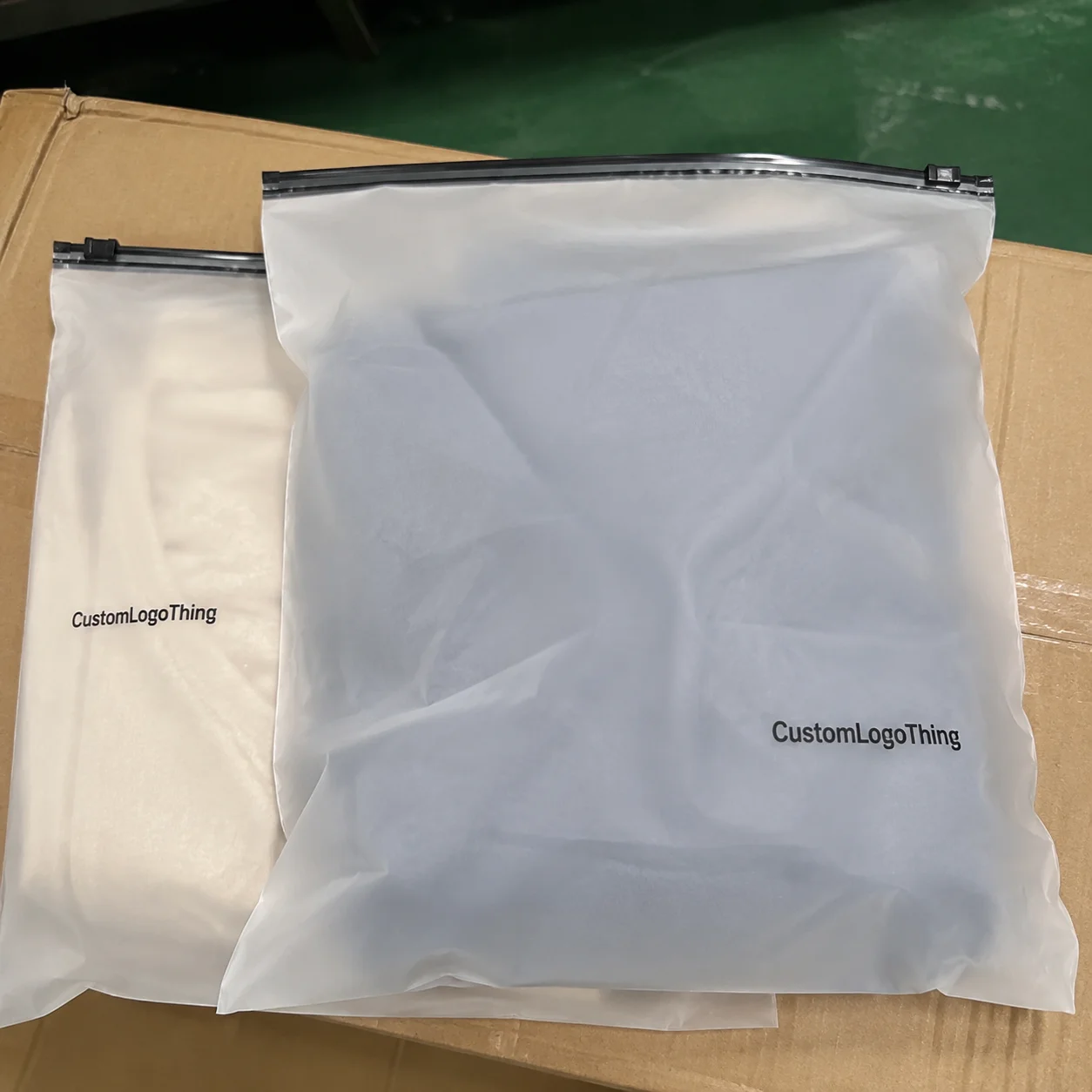
If you are comparing Die Cut Handle Bags for boutique retailers moq planning, the real question is not whether the bags look polished. They should. The real question is whether they solve checkout friction, fit the product mix, and keep inventory risk under control. A small boutique needs packaging that feels premium, stacks flat behind the register, and does not turn every rush into a hand-packaging seminar.
That is why experienced buyers start with quantities, dimensions, and print limits before they think about color palettes or finishes. Pretty is fine. Pretty and practical is better. Pretty and practical at a price the store can live with is the actual target.
In practice, die-cut handle bags often beat ribbon-tied tissue packs and rigid gift boxes on total handling burden. They are lighter to store, faster to hand over, and easier to reorder in a controlled way. For boutique apparel, accessories, beauty, and gift purchases, they also give you a broad branding surface without the storage footprint of a box program.
Why die-cut handle bags often beat ribbon, tissue, and boxes at checkout
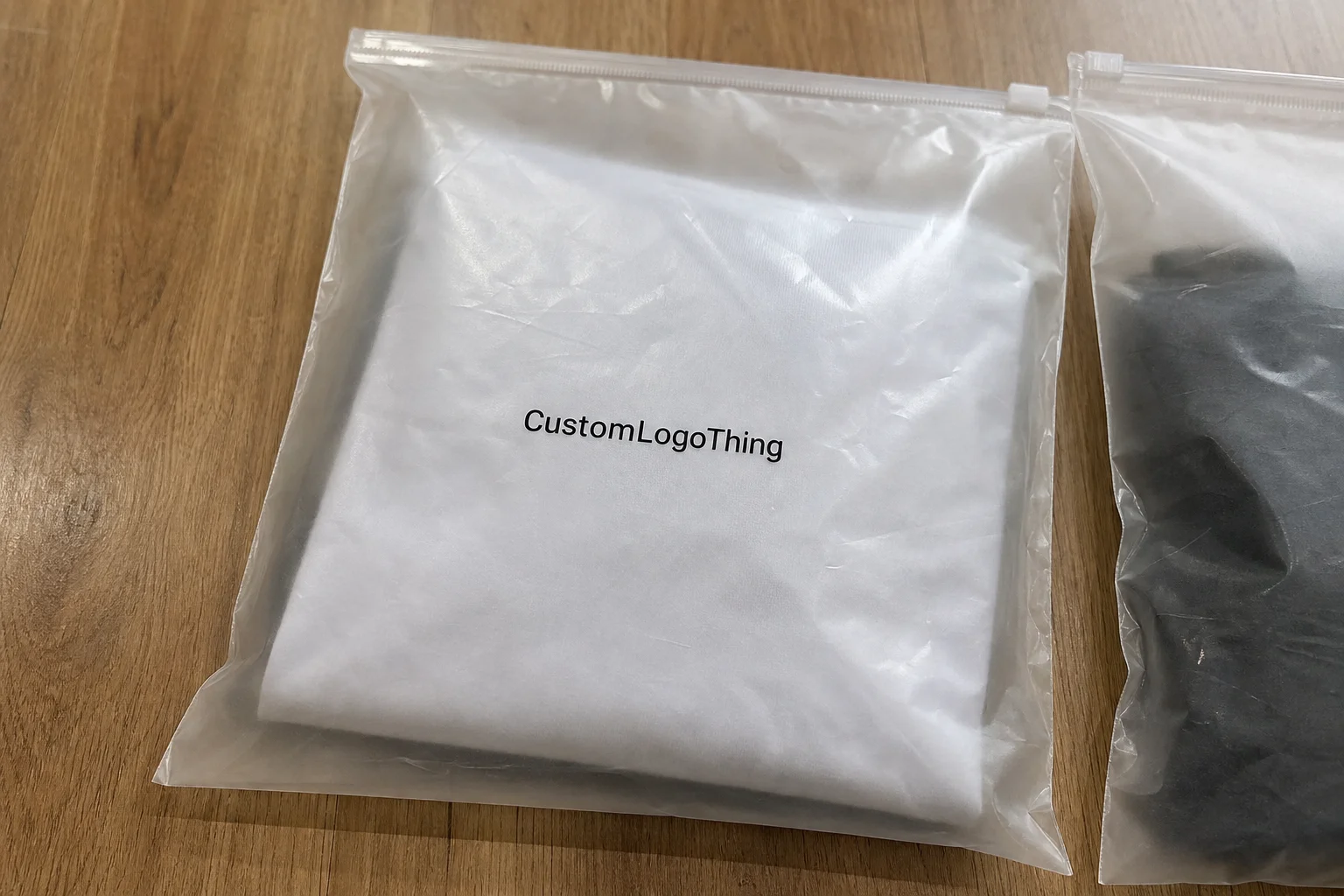
At a busy register, packaging either slows the transaction or disappears into the workflow. Die Cut Handle Bags for boutique retailers moq planning usually starts with that operational test. Can the bag be stored flat? Can staff grab it with one hand? Does it fit the item without overstuffing? If the answer is yes, the bag has already earned its place.
Rigid boxes look premium, but they bring hidden costs. They occupy more back-room space, often require folding or assembly, and can increase per-order handling time. Tissue-and-ribbon sets look elegant on the sales floor, yet they can be fragile under pressure. A die-cut handle bag avoids much of that friction. It ships compactly, stores flat, and usually requires less labor at point of sale.
That matters because labor is not a rounding error. Even 20 to 30 extra seconds per order becomes meaningful during a Saturday rush or a holiday launch. A well-sized bag keeps the transaction moving and reduces the chance of damage while the customer carries the purchase out the door.
There is also a branding angle many buyers underestimate. Attractive carry bags get reused. Customers walk out with them, take them to lunch, use them for returns or gifts, and sometimes keep them in the car. That extends the brand impression far beyond the sale. A shopping bag with a clean logo can outperform a more expensive package that never leaves the store.
Buyer reality: the best packaging is not always the most elaborate. It is the format that looks premium, moves fast, and keeps total handling cost under control.
For boutiques selling apparel, jewelry, candles, skincare, or curated gift sets, the bag format also makes inventory management easier. One SKU can often cover several product lines if dimensions are planned correctly. That reduces the temptation to overbuy. And overbuying is where many small retail programs get trapped.
For internal packaging questions, keep your spec sheet close and your assumptions loose. That is usually where the money is saved.
Product details: construction, handle style, and print options
A die-cut handle bag is a shopping bag with the handle cut directly into the film. The handle opening is reinforced so the bag can be carried comfortably without tearing under normal retail loads. The result is a clean silhouette and efficient production. That is why many boutiques prefer it over bulky carry formats.
Material choice matters more than most first-time buyers expect. LDPE usually feels softer and more flexible. HDPE is thinner, crisper, and often more economical at comparable performance levels. Blended films can sit between the two, depending on the supplier’s formulation. The right material depends on what you sell and how the bag will be used.
For light fashion accessories, a lighter-gauge film may be enough. For heavier items such as boxed candles, bottles, or multiple garments, a thicker film and reinforcement patch may be worth the extra cost. If the handle area is under-specified, the bag can feel cheap even when the print looks good. That is a poor trade.
Most boutiques also choose between glossy and matte appearances. Glossy film often reads brighter under store lighting, while matte finishes can feel more subdued and upscale. Neither is automatically better. The right choice depends on your brand position, print coverage, and how much contrast you want between the bag body and the logo.
Print options usually range from a single-color logo to multi-color branding or fuller coverage artwork. A simple one-color print is often the most cost-efficient path. Full-coverage designs look striking, but they add setup complexity and can raise cost per piece. If you are watching bulk pricing carefully, do not assume more print equals more value. Sometimes the cleanest logo placement does the job better.
Practical categories tend to follow a similar pattern:
- Apparel: standard shopping bag sizes with enough width for folded garments or boxed items.
- Jewelry: smaller formats that feel refined and use minimal ink coverage.
- Home fragrance: reinforced films that can handle glass bottles or boxed candles.
- Beauty: attractive print surfaces with moisture resistance for transit and gifting.
From a packaging buyer’s point of view, the most useful question is simple: what load does the bag need to support, and for how long? Once that is clear, the handle style, gauge, and print style become much easier to choose.
Specifications boutique buyers should lock before requesting a quote
Price comparisons are only meaningful when the spec is fixed. If one supplier quotes a 9 x 12 inch bag in 2.5 mil film and another is estimating 3.0 mil with a reinforced patch, the numbers are not comparable. That is why Die Cut Handle Bags for boutique retailers moq planning should begin with a clean specification sheet, not a rough idea.
The core inputs that move pricing are straightforward:
- Width, height, and gusset depth
- Film gauge or thickness
- Handle reinforcement
- Print coverage and color count
- Material type and finish
- Total order quantity
“Close enough” sizing sounds harmless, but it can cause fit issues at production time. A bag that is too narrow will stress the handle area and may wrinkle the print. One that is too large increases material usage, freight volume, and the chance of a sloppy shelf presentation. A buyer who defines the product load first usually ends up with a better package and a lower total cost.
Artwork details also need to be settled early. Submit vector logo files when possible. Confirm whether the printer needs Pantone Matching System references, and ask how many print colors are included in the quote. If the logo is off-center or too close to a cut edge, the bag may still be usable, but it will not look intentional. That is exactly the kind of mistake that hurts a boutique brand.
Compliance and durability should be part of the spec discussion too. If the bag will regularly carry heavier goods, ask about tensile strength, handle reinforcement, and whether the construction has been tested to a recognized method. For packaging performance references, the industry often looks to standards bodies and testing groups such as ISTA and the packaging guidance published by the Institute of Packaging Professionals.
Sample approval matters. A digital proof can catch artwork placement issues, but it will not tell you how the handle feels in hand or how the bag behaves when loaded. When the order matters, ask for a pre-production sample or a physical reference if the supplier offers one. That small delay is usually cheaper than correcting a production mistake across a full run.
| Spec choice | Typical effect on cost | Practical buyer takeaway |
|---|---|---|
| Standard size | Lower tooling fees and simpler setup charges | Best for predictable SKU mix and repeat orders |
| Custom dimensions | Higher setup charges and sometimes higher MOQ | Use only when product fit truly demands it |
| One-color logo | Lower cost per piece | Often the most efficient boutique branding choice |
| Multiple print colors | Higher press complexity and higher unit cost | Worth it only when artwork needs the extra detail |
| Reinforced handle patch | Moderate increase in material and labor cost | Useful for heavier products and better carry comfort |
Cost, pricing, and MOQ planning for smaller retail programs
Let’s talk about the part most boutique buyers care about first: price. The main drivers are material thickness, bag size, print complexity, color count, reinforcement, and order volume. When those variables move, the quote moves. That is normal. What matters is whether you understand the relationship between MOQ and unit cost before you commit.
Smaller order quantities usually mean a higher cost per piece. That is because tooling fees, setup charges, and press preparation are spread across fewer bags. A run of 5,000 pieces might price differently than 20,000 pieces, even if the bag design is identical. The supplier is not being difficult. The economics are simply different.
Here is the tradeoff boutique retailers face. Buy too little, and the unit price rises. Buy too much, and you carry dead inventory. The sweet spot is usually tied to sell-through rate, seasonality, and how many orders your team actually ships in a week. A bag that works for a spring capsule collection may not make sense for a year-round core line if demand is uneven.
Standard sizes often help lower the quote because they fit existing production setups. Custom dimensions, unusual gussets, or premium effects such as specialty inks can push the price up. In other words, if you want bulk pricing to work in your favor, reduce variables wherever possible.
For planning purposes, many boutique buyers use a simple annual usage model:
- Estimate average weekly bag consumption.
- Multiply by selling weeks, adjusting for seasonality.
- Divide by the number of replenishment cycles you want each year.
- Compare unit cost across quantity tiers before choosing an MOQ.
That approach often reveals a useful surprise. A slightly larger order can lower the cost per piece enough to justify the extra inventory, but only if storage space and demand are stable. If you are tight on back-room capacity, the cheapest unit price is not always the smartest decision.
To make the math less abstract, consider this general pattern:
- Lower MOQ: higher unit cost, lower inventory risk
- Middle-tier MOQ: balanced cost and stock position
- High MOQ: lower unit cost, but more cash tied up
My advice is blunt: match the MOQ to your real sell-through, not your wishful forecast. Boutique packaging fails most often when a buyer orders for a “perfect” demand curve that never actually shows up. That mistake is expensive because packaging cash is trapped in a box before the product ever leaves the shelf.
Price ranges also deserve a reality check. A simple stock-size bag with one-color print can sit in a much lower bracket than a custom-size bag with reinforcement and multi-color art. Freight, tariffs, and seasonal paper or resin swings can move those ranges further. If a quote looks unusually low, look for missing details before assuming you found magic. Usually you found a shortcut.
Process, lead time, and production steps from artwork to delivery
The buying workflow is usually straightforward, but each stage can affect timing. First, request a quote with finished dimensions, material preference, print detail, and target quantity. Next, submit artwork. Then confirm the proof. If a sample is needed, approve that before mass production starts. Only then should the order move into the main run.
The step that slows most projects is artwork approval. Not material sourcing. Not shipping. Artwork. A logo that needs resizing, color correction, or layout changes can add days. If the files are already print-ready, the order can move much faster. Standard sizes help too, because they reduce the need for special preparation.
A typical production sequence looks like this:
- Prepress review
- Digital proof approval
- Material allocation
- Printing and converting
- Quality inspection
- Packing and shipment
Lead time varies with print complexity and freight method. A simple, standard-spec order often moves faster than a custom run with multiple colors and special reinforcement. For many buyers, the practical production window is measured in business days after proof approval, not in vague promises. Planning earlier can also reduce rush fees and give you more shipping options.
For seasonal launches, store openings, or promotional events, build buffer time into the plan. A boutique opening with packaging arriving late is not a small inconvenience. It can create immediate labor problems at the register and damage the customer’s first impression. That is why timing should be treated as part of the spec, not an afterthought.
Good production control includes a few checks that are easy to ask for and irritating to skip:
- Artwork placement verification against the die line
- Ink color confirmation before print release
- Handle cut and seal inspection
- Bag dimension sampling from the finished run
- Carton count and packaging verification before shipment
If the supplier cannot explain where their QC checkpoints sit, that is not a small gap. It usually shows up later as bent handles, off-center logos, or a pallet of bags that do not quite match the approved sample. Packaging is supposed to reduce headaches, not manufacture new ones.
What makes a packaging supplier reliable for boutique retail programs
Reliable suppliers do not hide behind vague language. They give you clear specs, MOQ tiers, proofing discipline, and realistic timing. That sounds basic, but it is what separates an orderly purchase from a messy one. If a vendor cannot explain the tradeoffs in plain language, they are probably not the right fit for a boutique program.
Repeatability matters more than flash. The second order should match the first in size, color, and finish. If it doesn’t, your brand presentation becomes inconsistent, and that inconsistency is surprisingly visible to customers. A bag that looks slightly different from one shipment to the next can make a store feel less polished, even if the product line is unchanged.
Look for a supplier that can support smaller test orders and then scale with you. Many boutiques start with a controlled run, then expand once sell-through data is available. A supplier that understands that growth path is more useful than one pushing oversized commitments from day one.
Reliable service traits are practical, not glamorous:
- Quote details that match the approved spec
- Transparent MOQ and bulk pricing tiers
- Clear explanation of tooling fees and setup charges
- Proofing that catches errors before production
- Honest lead-time estimates
There is also a sustainability angle for buyers who care about broader packaging impact. If your program needs FSC-certified paper components elsewhere in the pack, or you want to understand material choices more broadly, the Forest Stewardship Council is a useful reference point. Plastic carry bags have different sustainability considerations, so this depends on your total packaging mix and recycling access.
Honestly, the best packaging suppliers are usually the ones who sound almost boring. They ask for dimensions. They confirm the print area. They warn you when a design will increase unit cost. That kind of unglamorous communication protects margin.
A reliable supplier also knows where not to overpromise. If a design needs extra reinforcement, they should say so. If a lower MOQ will make the unit price ugly, they should say that too. Boutique retail does not benefit from cheerful guessing.
Next steps: finalize specs, compare quotes, and place a controlled test order
If you are ready to move, start with three inputs: product dimensions, target quantity, and artwork files. Those three items unlock better quotes than a vague request ever will. Once you have them, ask for at least two or three quantity tiers so you can see how the unit cost changes as MOQ rises.
Then compare more than price. Look at the material gauge, handle reinforcement, print method, and whether the quote includes proofing. A lower number that excludes key details is not necessarily the better deal. If one supplier gives you a cleaner spec sheet and more reliable timing, that has real value.
For a new store opening, seasonal capsule, or first-time order, a pilot run is usually the smart move. It lets you test fit, print quality, customer reaction, and staff handling before you commit to a larger quantity. Use that pilot to establish reorder thresholds and document the approved dimensions so the next order is faster.
Also confirm storage space before finalizing the order. A lower cost per piece means very little if the cartons sit in a back room that cannot actually hold them. Inventory discipline is part of packaging planning. It is not separate from it.
If you want the cleanest path forward, treat Die Cut Handle Bags for boutique retailers moq planning as a controlled buying exercise: define the load, standardize what you can, compare cost tiers, and order only what your demand supports. That is how boutique packaging stays premium without becoming expensive clutter.
FAQ
What MOQ should boutique retailers expect for die-cut handle bags?
MOQ depends on bag size, film thickness, and print complexity. Smaller or standard-spec runs may be more accessible, while custom dimensions and multi-color printing usually increase minimums. Best practice is to match MOQ to realistic sell-through, not just the lowest possible quantity.
How do I reduce unit cost without sacrificing the boutique look?
Keep to a standard size when possible. Limit print colors or use a simpler logo placement. Choose the least expensive film thickness that still supports the product safely. Those three decisions usually do more for cost control than chasing decorative extras.
What information do I need before requesting a quote for handle bags?
Provide product dimensions, desired bag size, estimated order quantity, and artwork files. Include preferred finish, handle style, and any special requirements like gussets or reinforcement. The more complete the spec sheet, the faster and more accurate the quote will be.
How long is the usual production timeline for custom die-cut handle bags?
Timeline varies by order size, print complexity, and proof approval speed. Standardized specs and print-ready artwork typically move faster. Shipping method also affects total delivery timing, so build that into your launch schedule.
Can I order a smaller test run before committing to a larger MOQ?
Yes, if the supplier offers tiered pricing or pilot quantities. A test run is useful for checking fit, print quality, and customer reaction before scaling. Use the pilot to set reorder thresholds and refine future specs.
What quality checks should I ask about before approving production?
Ask how the supplier checks artwork placement, handle cuts, seal strength, finished dimensions, and carton counts. Those are the basic controls that keep a printed bag from turning into a customer complaint.