Most ecommerce packaging problems stay invisible until they become expensive. Bags arrive too small. The warehouse slows down. Staff start wrestling with packaging instead of shipping orders. That is why Die Cut Handle Bags for ecommerce brands moq planning matters more than it first appears. The bag is simple. The purchasing decision is where the headaches hide.
From a buyer’s point of view, the best bag is the one that fits cleanly, packs quickly, and does not create avoidable labor. A good die cut handle bag can do that. It can also work for retail pickup, event handouts, wholesale transfers, and direct-to-consumer orders. A flashy print is fine. Paying for the wrong size is not.
Most brands do not need the fanciest packaging. They need the right dimensions, the right film thickness, and an MOQ that does not trap cash in slow-moving inventory. That is the unglamorous part. It is also the part that keeps a packaging program from turning into a storage problem.
Why die cut handle bags make ecommerce packing easier
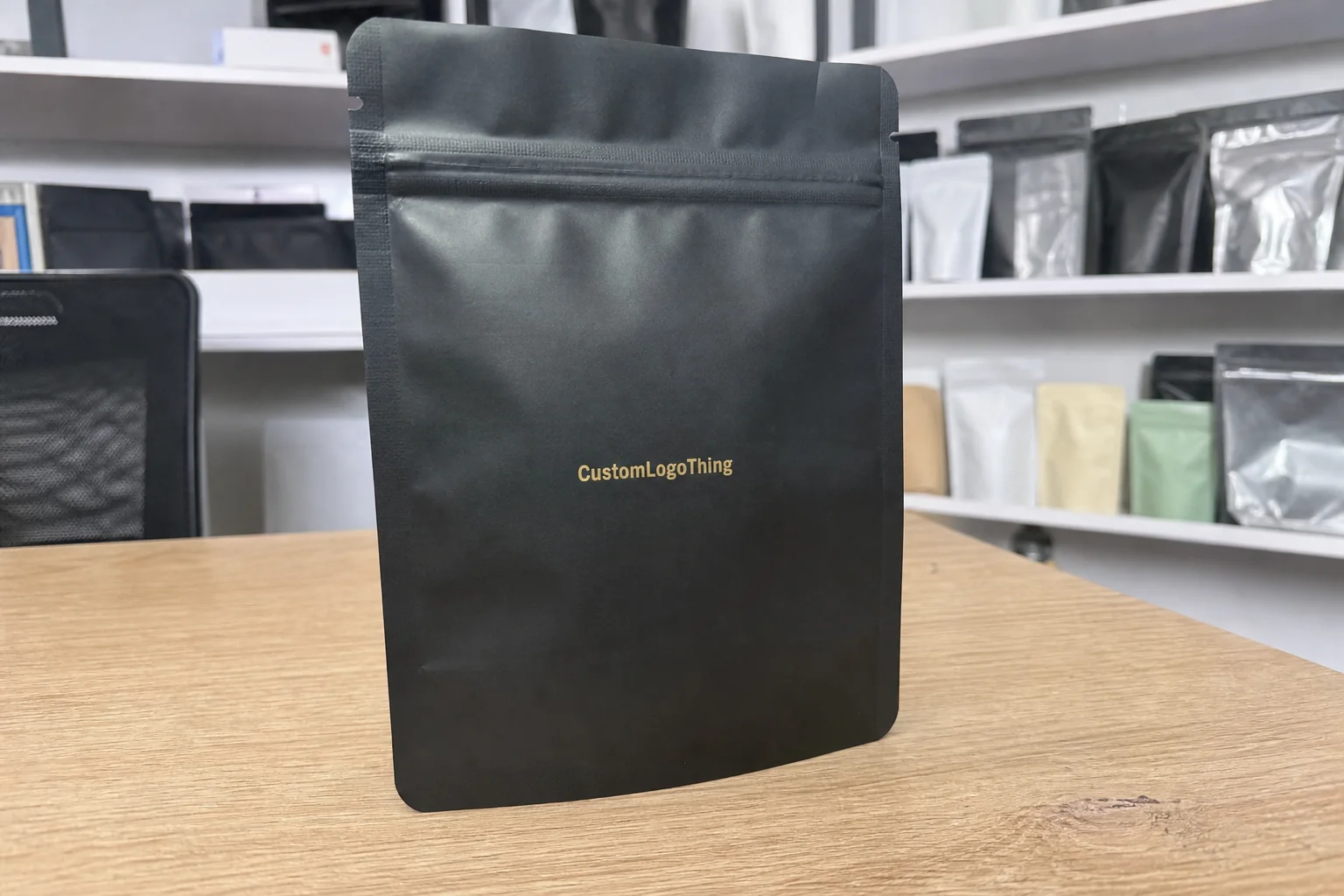
Die Cut Handle Bags are popular because they are fast to fill, easy to carry, and easier to present than a plain mailer when the customer opens the box or picks up an order. For teams shipping apparel, accessories, supplements, or boxed goods, the biggest win is speed. The opening is obvious. The bag holds shape better than thin alternatives. The handle makes it easier to move orders around a warehouse or store.
Die Cut Handle Bags for ecommerce brands moq planning also helps with forecasting. If you know the right size and the likely order quantity, you can avoid over-ordering packaging that sits on a pallet for half a year. That sounds minor until shelf space disappears and your team is digging through inventory to find the right SKU during a restock. Packaging clutter slows everything down. It also makes reordering messier than it should be.
The handle matters more than many buyers assume. It improves pickup orders, pop-up events, and wholesale handoffs. It also makes the packaging feel intentional without requiring a full custom box program. In practice, a well-sized die cut handle bag can reduce labor friction and presentation problems more reliably than a more expensive decorative mailer. Pretty packaging that fails in operation is still a failure.
The goal is not the fanciest bag on the sheet. It is the bag that fits, ships, and reorders without drama.
The buying process should start with three questions: what goes inside the bag, how many units will move per month, and where the bags will live before use. Answer those honestly and you avoid the usual mess: oversized bags, weak seals, or a production run that looks fine in a mockup and annoying in the warehouse.
Product details that matter before you request a quote
Before asking for pricing, lock in the construction details. A die cut handle bag is not just “a bag with a hole.” Handle shape, film type, thickness, seal strength, and whether the bag is flat or gusseted all affect how the bag performs. A flat bag is fine for lighter or slimmer items. A gusseted bag gives more depth for products with volume, but it usually changes the quote and the packing behavior.
Printing is another area where buyers get sloppy. One-color print on a clear or opaque bag is usually enough for branding, especially if the logo lands where customers actually see it in transit or at pickup. Full-surface print looks bold, but it costs more and the artwork is often covered once the bag is filled. Do not pay for coverage that disappears behind the product.
Here is a useful comparison for common ecommerce use cases:
| Use case | Typical bag style | Practical spec note | Buying concern |
|---|---|---|---|
| Apparel | Flat or lightly gusseted | Medium film thickness, clean handle cutout | Wrinkling and sizing by folded garment count |
| Accessories | Flat | Smaller footprint, one-color print usually enough | Oversizing wastes material and storage |
| Supplements | Gusseted | Stronger seal and better depth for rigid bottles or jars | Weight and puncture risk |
| Small boxed goods | Gusseted | Enough clearance for inserts and labels | Handle comfort and edge stress |
Size matters more than design taste. Measure the packed product, not the product by itself. Leave room for insert cards, tissue, or protective wrap if those are part of the shipment. If the bag looks stuffed to the limit, the brand impression drops fast. If the bag is too large, you waste film and the shipment looks sloppy.
A few details make the bag easier to use: reinforced handles, smooth cut edges, and tear resistance that matches the product weight. If the item is heavier, do not pretend a lightweight promo bag will behave like a shipping bag. It will not. Thin specs save money right up until they fail.
For teams that want a basic reference point on material decisions, sources like the Packaging School / packaging industry resources and the EPA recycling guidance are useful for checking material claims and recycling context. They do not replace product testing, but they help buyers ask better questions.
Key specifications buyers should lock in first
Lock the specs before talking seriously about pricing. Otherwise every quote becomes a moving target. The core items are straightforward: width, height, gusset depth if applicable, film thickness, handle cutout size, and print area. If one of those is missing, the estimate is only partly useful.
Choose specs based on product load and handling, not aesthetic preference. A bag used for storefront pickup does not need the same abuse tolerance as one used for repeated distribution across multiple fulfillment centers. If the bag will be packed, stacked, and handled more than once, upgrade the material before worrying about shiny graphics.
Thickness affects feel, durability, and unit cost. Lighter economy bags can work for low-weight items and promotional use. Heavier-duty options cost more but usually offer better puncture resistance and a more substantial hand feel. For many ecommerce brands, that extra durability is worth the price bump because it reduces rework and damaged presentation. Cheap packaging that fails is not cheap.
- Width and height: Must fit the product plus inserts without distortion.
- Gusset depth: Needed when the item has real volume or hard edges.
- Film thickness: Impacts strength, feel, and cost per piece.
- Handle cutout: Affects comfort and how easily staff can carry orders.
- Print area: Determines logo visibility and artwork layout.
Operational details matter too. If the product has food-contact requirements, mention that early. If your team wants recycled content, ask for the actual material spec. If warehouse stacking efficiency matters, ask for outer carton count and pallet configuration. Those details sound small until the packaging program becomes a storage problem.
A practical buyer checklist is simple:
- Send a product sample or full packed dimension.
- State target fill weight and order mix.
- Confirm storage constraints.
- Provide artwork in the right format, ideally vector.
If you want a better sense of how consistent manufacturing supports repeat orders, our Case Studies page shows common production setups and the kinds of specs buyers usually compare.
Cost, pricing, and MOQ planning without the guesswork
Pricing for Die Cut Handle Bags moves with a few predictable variables: size, film thickness, print colors, surface coverage, and order volume. Bigger bags cost more. Thicker films cost more. Higher print coverage costs more. None of that is surprising. What catches buyers off guard is how setup charges and tooling fees change the math on smaller runs.
Die cut handle Bags for Ecommerce Brands moq planning is really about balancing unit cost against risk. A low MOQ is attractive because it lowers cash exposure, but it usually carries a higher cost per piece. That is the tradeoff. The press still has to be set up, the artwork still needs approval, and the line still needs to run. Smaller quantities spread those fixed costs across fewer bags.
Here is a practical pricing range example for common custom runs. These are not quotes. They are buying context.
| Order volume | Likely cost behavior | Typical buyer advantage | Typical downside |
|---|---|---|---|
| 1,000-2,500 pcs | Higher unit price, more setup pressure | Lower inventory risk | Setup charges and tooling fees hit harder |
| 5,000 pcs | Better balance of price and flexibility | Useful launch or test quantity | Requires more storage space |
| 10,000+ pcs | Better bulk pricing and lower unit cost | Strong economics for steady sellers | Cash tied up longer |
For a simple one-color branded bag, the cost difference can be meaningful. A small run may land in a range that works for testing, while a larger run can drop the unit cost enough to justify bulk buying. In practice, buyers often see the best break once volume is high enough to dilute setup charges. That point changes by size and print coverage, so ask for two or three quote tiers instead of one.
Do not chase the absolute lowest unit price if the brand is still testing sell-through. A slightly higher cost per piece can be the smarter move if it protects cash flow, keeps storage under control, and reduces launch risk. The cheapest packaging becomes expensive fast when it sits unused for nine months. That is not savings. That is inventory with a purchase order attached.
Plan MOQ in two stages. Use a smaller launch run to validate demand. Then request a reorder price at a stronger volume once sales data is real. That avoids the classic mistake of buying like a mature brand when the sales curve still behaves like a startup with too much confidence.
Process and timeline from artwork to delivery
The process is straightforward, but it does require discipline. Start with a request for specs, dimensions, and quantity. Then send artwork, review the proof, approve a sample or digital mockup, and move into production. The faster the buyer gets clear, the faster the order moves. Vague requests create slow quotes and slower production. No mystery there.
Typical timing depends on volume and print complexity, but proofing is usually the quickest step. The real clock starts after approval. Production often takes longer for larger quantities or multi-color print work, and shipping adds another layer. If your launch date is fixed, do not plan against best-case timing. Plan against the normal case plus a buffer.
Most delays come from a few predictable mistakes:
- Missing bleed or incorrect artwork size.
- Low-resolution logos that look fine on a screen and poor in proofing.
- Vague bag dimensions, especially when inserts or folded products are involved.
- Indecision on finish, thickness, or bag style after the quote is already moving.
For ecommerce launches, work backward from the ship date. If you need bags for a product drop or seasonal spike, build enough time for proof approval, production, and transit. If the order is for a restock, add a buffer so you are not forced into a rush order later. Rush production is possible in many cases, but it almost always costs more and leaves less room for changes.
One more practical point: if the same bag needs to serve different channels, say so up front. A die cut handle bag for pickup can need a different spec than one packed into subscription boxes or distributed through wholesale. A decent supplier should help sort that before production starts. If they do not ask, you should.
For teams that want structured guidance on repeat orders and common ordering questions, our FAQ covers the things buyers usually remember only after the first email thread gets long.
Why our bag specs, print control, and support reduce buyer risk
Custom Logo Things focuses on the parts that cut mistakes: accurate specs, repeatable print quality, and Packaging That Fits ecommerce workflows. That means direct guidance on material, thickness, and print layout before the order is placed. It also means being clear about what fits budget and what does not. Cheap claims are easy. Reorders are what matter.
We also help with MOQ planning in a practical way. If you need a launch quantity, we can talk through the tradeoff between a lower MOQ and a lower unit price at a higher volume. If you already know your monthly volume, we can shape the quote around likely reorder behavior instead of guessing. That matters when a brand is ordering across multiple warehouses, subscription programs, or seasonal drops.
Consistency across batches matters more than many buyers expect. If a brand reorders the same bag for several locations, a small spec change can create packing headaches. One batch feels different. One batch stacks differently. One batch has slightly off print placement. Then everyone starts asking what changed. Good production control avoids that mess.
We also support proof approval and sample review so buyers can catch fit or artwork issues before full production. That is not glamorous. It is how expensive mistakes get stopped early. If the order needs a special finish, a tighter tolerance, or a realistic discussion around tooling fees and setup charges, that gets handled plainly. Better to hear the truth before production than after an invoice and a warehouse full of the wrong bag.
If you want more examples of what works in real packaging programs, our Case Studies show how different specs behave in common ecommerce setups.
Next steps to order the right bag size and quantity
Before requesting a quote, gather three things: product dimensions, estimated monthly volume, and artwork files. That sounds basic because it is. Yet those three inputs solve most of the confusion around bag sizing, MOQ, and price range. If you have product samples, send those too. A real sample beats guessing every time.
Ask for two quote scenarios. One should be your launch MOQ. The other should be a better-unit-price quantity for the next run. That gives you a clear picture of how unit cost changes as volume rises. It also helps you decide whether to protect cash or push harder on bulk pricing. Both choices can be right, depending on sales velocity and storage.
If you are not sure about fit, request a sample or mockup. That is especially smart for heavier items, rigid boxes, or mixed-SKU packing. A small mistake in depth or width creates a bigger problem than most buyers expect. Packaging is one of those categories where “close enough” usually means “order again.”
Here is the decision path I would use:
- Choose the bag style and specs.
- Compare cost per piece at two volumes.
- Check lead time against your launch or restock date.
- Confirm storage space before approving the full run.
If your plan includes sustainability requirements, ask for material options and any relevant certification data. FSC applies to paper-based products, and broader material guidance can be cross-checked through FSC resources when applicable. If your packaging strategy includes transport testing or distribution stress, the ISTA site is worth reviewing for testing standards used across the packaging industry.
Plan the reorder now. Seriously. The next run should not become an emergency because the first order was treated like a one-time decision. If you want to turn die cut handle Bags for Ecommerce brands moq planning into something practical, start with the dimensions, the volume, and the launch date. The rest gets easier once those three numbers are real.
What is a practical MOQ for die cut handle bags for ecommerce brands?
MOQ depends on size, print complexity, and material, but smaller launch runs usually cost more per bag. A better approach is to plan one MOQ for testing demand and a second target for better unit pricing once sales are steady.
How do I choose the right size for die cut handle bags for ecommerce packing?
Base the size on the packed dimensions, not the product alone. Leave enough room for inserts, but avoid oversized bags that waste material and look sloppy.
Do printed die cut handle bags cost much more than plain ones?
Yes, printing raises cost, but the jump depends on color count, coverage area, and order volume. A simple one-color print is usually the best balance of branding and budget.
How long does production usually take after artwork approval?
Production time varies by quantity and print setup, but proof approval is usually the fastest step. Build in extra time for shipping, and plan earlier if your order includes custom sizing or special print requirements.
Can I reorder the same die cut handle bags without starting over?
Usually yes, if the specs and artwork stay the same. Keeping approved files, dimensions, and order history organized makes reorders faster and reduces mistakes.


