Choosing Die Cut Handle Bags for hotel groups material comparison is not a box-checking exercise. It shapes the first physical impression a guest gets when they pick up a welcome kit, a spa retail purchase, or a boxed amenity bundle. If the bag stretches too much, wrinkles hard, or feels flimsy in the hand, the brand message starts leaking out before the guest even reaches the room.
From a packaging buyer’s point of view, the substrate matters as much as the print. A strong logo on the wrong film still feels wrong. A beautiful bag that can’t carry a bottle, slippers, or a folded garment becomes a cost problem, not a branding win. That is why Die Cut Handle Bags for hotel groups material comparison deserves more attention than size alone.
Why hotel groups are rethinking bag materials
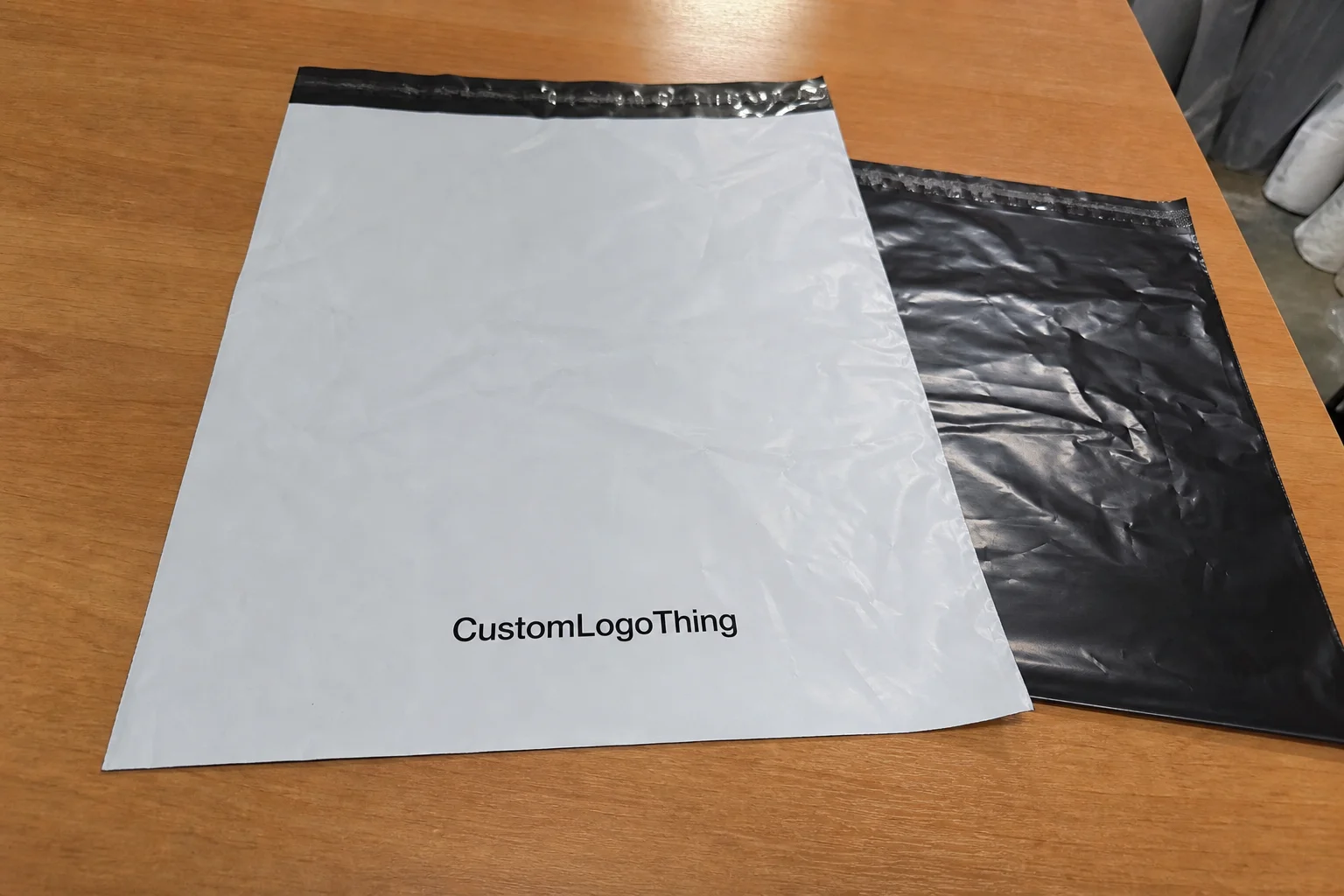
Hotel teams usually compare bags under real operating pressure: different properties, different amenities, different guest expectations, and constant pressure to standardize purchases across a brand family. One hotel may use the bag for a check-in welcome kit, another for a spa retail sale, and a third for event handouts. Same logo. Very different demands.
That is where material choice becomes practical rather than theoretical. The right substrate supports presentation, carry comfort, and repeated handling. The wrong one can trigger complaints from front desk staff, extra waste in housekeeping, and an inconsistent brand look across locations.
The materials most buyers compare are LDPE, HDPE, co-extruded films, PP or polypropylene, recycled-content blends, and, in some programs, paper-laminate or specialty alternatives. Paper options often involve kraft paper or paperboard structures rather than true die cut film bags, and they behave very differently in humidity, handling speed, and load-bearing use. For hospitality buyers, that difference matters.
Honestly, the best material is almost never the cheapest one on paper. It depends on whether the bag is carrying a lightweight spa gift, a premium retail item, or a heavier bundled kit. Boutique properties, multi-property chains, and event-driven hotel groups all have different tolerance for cost, stiffness, print quality, and reuse.
“The first touch tells the story before the logo does.”
That is why material choice can create either a polished guest moment or an avoidable mismatch between brand promise and physical experience.
How die cut handle bags are made and where material choice shows up
A die cut handle bag is usually made from film that is extruded into a sheet or tube, printed, cut to size, and then sealed with the handle shape punched out using a die. Depending on the design, the bag may include gussets, reinforced handle areas, or a folded bottom seal. The details sound small, but they are exactly where performance changes.
Material thickness, often expressed as gauge or microns, directly affects how the bag holds its shape and how much weight it can carry. A thinner film may work fine for a light amenity set, but it can feel noisy, floppy, or weak if the hotel puts a boxed item inside. A thicker film can improve strength and hand feel, although it also changes cost and sometimes print behavior.
Surface finish matters too. A glossy film tends to look brighter under lobby lighting and can make logos pop, while a matte finish reads softer and more restrained. Transparency also changes the guest’s impression. Clear or semi-clear bags show contents, which can be useful for retail, but opaque versions hide the contents and usually feel more private and premium for check-in kits.
Two bags can look nearly identical on a spec sheet and behave very differently once weight, humidity, and repeated handling enter the picture. That is why sample testing matters. A bag that feels fine with a folded T-shirt may behave differently with two bottles, a boxed amenity, or anything with sharp corners.
Handle reinforcement is another major detail. If the die cut opening is too close to a stress point, or the film is too thin around the handle area, the bag can tear under load even when the body of the bag is adequate. For hotel groups, that kind of failure is especially frustrating because it reflects on both operations and brand presentation.
Material comparison: LDPE, HDPE, PP, and recycled blends
If you are doing Die Cut Handle Bags for hotel groups material comparison properly, start by separating the materials by how they behave in hand. Buyers often focus on name recognition, but resin structure, finish, and gauge drive the real result.
| Material | Typical feel | Strength profile | Print appearance | Best fit for hotel use |
|---|---|---|---|---|
| LDPE | Softer, smoother, more flexible | Good toughness; can stretch before tearing | Often strong for color and branding | Welcome kits, boutique gifting, premium retail |
| HDPE | Crinklier, lighter feel | Efficient strength for the weight, but less soft | Works well, though the film texture is more noticeable | High-volume distribution, budget-sensitive programs |
| PP | Stiffer, glossier, more structured | Good rigidity and visual presence | Can look upscale with the right print method | Retail, premium gift packaging, branded merchandise |
| Recycled blends | Varies by input stream and blend ratio | Can be strong, but consistency must be checked | Color and clarity may vary slightly | Sustainability-led programs, guest-facing messaging |
LDPE is often the best choice when the hotel wants a smoother, quieter, more premium hand feel. It tends to present graphics nicely and is forgiving when the bag carries slightly irregular contents. For branded welcome kits, that softer appearance usually reads better than a very crinkly film.
HDPE is often chosen when cost control matters and the bag is doing straightforward work, like carrying a lightweight amenity kit or a folded item. It is lighter in feel and more crinkly, which some buyers dislike for premium hospitality settings, but it can be very efficient for large-volume distribution.
PP or polypropylene brings a stiffer, more structured feel. It can support an upscale appearance, especially when the artwork is bold and the bag is meant to function almost like retail packaging. The tradeoff is that PP does not always feel as soft in hand, so it needs to match the brand tone carefully.
Recycled-content blends are increasingly common in hotel procurement, particularly where brand sustainability language is part of the guest experience. These options may include post-consumer waste or other recycled materials, and they can support environmental goals, but the buyer should check color consistency, print clarity, and supply stability. If the group also wants FSC certified paper alternatives or is comparing against paper-based options, ask how the packaging system performs under real handling, not just how it looks in a sample photo.
For some uses, a paper-based carrier may be discussed alongside biodegradable packaging claims, kraft paper, or corrugated cardboard inserts for protection. Those materials have their place, but they are not direct substitutes for every die cut film bag. Humidity, handling speed, and item weight can make one material obviously better than another.
A practical way to narrow the choice: match the material to carry weight, appearance, budget, and whether the bag is expected to be reused by guests after check-in or checkout. That reuse question changes everything. A bag that gets one short trip from front desk to room has a different duty cycle from one that goes home with the guest and gets reused for travel.
Cost, pricing, and MOQ factors that change the quote
Pricing for hotel packaging usually comes down to resin type, thickness, dimensions, handle style, number of print colors, and quantity. If a buyer only compares base unit price, the quote can look misleading. A lower-cost film may need a heavier gauge to perform well, which reduces the apparent savings.
For rough planning, a simple one-color die cut bag in a standard size may land in the range of roughly $0.18 to $0.28 per unit at 5,000 pieces, depending on material, thickness, and print coverage. Add more colors, a custom Pantone match, heavier gauge, or specialty recycled materials, and the number can move upward quickly. These are planning ranges, not promises, because every spec sheet changes the math.
MOQ matters a great deal for hotel groups. Larger chains often get better unit pricing because setup costs spread across more bags. Smaller property groups may need to balance stock risk against customization, especially if the bag is tied to one seasonal program or one property type. Sometimes it is smarter to standardize one base bag and adjust only the artwork panel or insert.
Below is a simple comparison of how material choice can affect quote structure and purchasing decisions:
| Factor | LDPE | HDPE | PP | Recycled blend |
|---|---|---|---|---|
| Base cost tendency | Moderate | Usually lower | Moderate to higher | Varies |
| Perceived premium feel | High | Lower | High if designed well | Depends on finish |
| Consistency | Strong | Strong | Strong | Needs verification |
| Lead time sensitivity | Moderate | Moderate | Moderate | Can be higher |
Specialty or recycled-content structures can also have more variable lead times because resin availability and procurement requirements may shift. If a hotel group needs a tight replenishment cycle, that can matter as much as the sticker price. I would rather see a buyer compare two or three materials on the same quote sheet than chase the lowest unit cost and discover the bag feels wrong in use.
Quantity changes everything. The difference between 3,000 and 10,000 units can alter setup economics enough to make a better-looking material affordable, especially if the group is standardizing across multiple properties. The reverse is also true: a low MOQ can make a “cheap” bag look expensive once tooling, print setup, and freight are divided out.
Process and timeline: from spec sheet to delivery
The usual process starts with a clear spec sheet: bag dimensions, target load, material choice, gauge, handle style, print colors, and quantity. Once that is set, artwork is prepared, a proof is reviewed, and production begins after approval. Quality checks happen during or after printing, followed by packing and shipment.
Where do delays happen? Most often in artwork changes, late color corrections, or a material switch that needs new sourcing. If the hotel group wants a custom color match, allow time for proofing. If the selected resin is not commonly stocked, procurement can add days or even a couple of weeks, depending on the supply chain.
Lead time also depends on complexity. A simple one- or two-color bag may move faster than a multi-color design with strict brand matching. If the bag is meant for an opening date, event program, or seasonal guest initiative, build in sample review time. A rush order can force compromises in material choice or print detail, and that often costs more than planning ahead.
Standardization helps. If one approved bag spec can serve several hotel properties, reorders become easier, inventory is simpler, and procurement has less back-and-forth on every placement. That is one reason larger groups eventually settle on a core bag and only vary the insert or printed message by property.
For programs that touch sustainability reporting, buyers may also ask whether the paper-based components are FSC certified, whether any recycled materials are post-consumer waste, and whether the overall packaging program aligns with broader waste-reduction goals. If packaging is being evaluated for transport protection too, standards like ISTA are worth reviewing, especially when bags are packed inside outer cartons or master cases for distribution.
A clean approval cycle usually looks like this: spec confirmation, digital proof, physical sample or pre-production sample if the order is large enough, final sign-off, production, carton labeling, and dispatch. Skip one of those checks and the odds of a costly reprint go up. Not dramatically. Just annoyingly enough.
Common mistakes hotel buyers make when choosing bag material
The first mistake is choosing on price alone. A cheap bag that feels flimsy around boxed items creates a poor guest impression and can increase replacement needs if staff have to double-bag or re-pack items.
The second mistake is ignoring print behavior. A premium logo can look muddy on the wrong film, especially if the artwork includes thin strokes or fine detail. Buyers often assume the design will behave the same across substrates, but the substrate changes the way ink sits, how color reads, and how the bag looks in daylight or lobby lighting.
Another common error is over-specifying strength. If the bag only carries a folded robe card or lightweight amenity bundle, there is no reason to chase a heavy-duty spec that raises cost without improving the guest experience. That extra material is just wasted money.
People also forget to match the bag to the actual use case. Spa retail needs are not the same as housekeeping amenity kits, event swag, or in-room delivery. One size and one material rarely fit every purpose well. A hotel group may be better served by a standard core bag plus a specialty version for heavier retail sales.
Finally, too many buyers skip sample testing. Put the real contents in the real bag and let front desk or operations staff handle it. That quick test exposes weak handles, awkward stiffness, sliding contents, and print issues that a flat proof will never show.
There is one more problem that shows up constantly: treating recycled-content and sustainability claims as if they automatically equal better performance. They do not. A responsible material choice still has to survive use, stack well in cartons, and hold up under handling by busy staff.
Expert tips for choosing the best material mix
Use a simple matrix with five columns: weight, appearance, reuse likelihood, branding needs, and budget ceiling. That keeps the discussion focused and prevents the team from drifting into vague language like “premium” or “eco-friendly” without defining what those words mean in practice.
Ask for physical samples in more than one gauge or resin blend. Compare feel, sound, stiffness, and print quality side by side. A bag that makes a lot of noise in the guest hand can feel less upscale than one with a quieter, smoother film, even if both technically pass strength requirements.
When brand perception matters, prioritize the guest’s first touch. If the bag is meant to support a luxury arrival, a slightly better hand feel may be worth more than a marginal unit cost reduction. That is especially true for boutique or premium properties where packaging is part of the service experience.
If sustainability is a priority, verify claims carefully. Ask what recycled content actually means, whether the material includes post-consumer waste, and whether color or clarity will shift from batch to batch. Sustainability messaging can be powerful, but only if the bag still looks intentional and consistent.
For some groups, the right answer is not one material everywhere. Standardize a core spec, then allow controlled variation only where the use case truly differs. That is the cleanest way to keep procurement sane while still serving different properties properly.
“A hotel bag should support the guest moment, not fight it.”
That mindset usually leads to better purchasing decisions than trying to force one material to do every job.
One practical check I use: if the bag has to be folded, packed flat, shipped across multiple properties, and still look presentable after handling, the resin choice matters more than the artwork. Flat-packed bags with a cleaner memory and better seal consistency usually save headaches at receiving. The bag that looks nice in a mockup but arrives curled, scuffed, or inconsistent is not premium. It is expensive disappointment with a logo on it.
Next steps for selecting the right hotel bag spec
Start with the contents, not the bag. List exactly what it must carry, how much it weighs, and what kind of guest moment it supports. A check-in welcome kit, a spa retail bag, and a conference handout bag do not need the same structure.
Then shortlist two or three materials and compare them on cost, lead time, appearance, and durability. Request samples and test them with actual items across one or two properties so operations, branding, and procurement can all react to the same physical example.
Once the final bag is chosen, lock the spec into a repeatable purchase standard. Confirm material, thickness, dimensions, print layout, handle style, and approved sample reference before reordering. That is the best way to keep consistency across hotel groups and locations.
If you are also comparing secondary packaging, you may find that some programs work better with kraft paper inserts, corrugated cardboard protections, or a mixed packaging system that includes recyclable or biodegradable packaging elements. Just make sure every piece of the system supports the same guest experience rather than adding complexity for its own sake.
For hotels making Die Cut Handle Bags for hotel groups material comparison decisions today, the smartest move is to compare actual use cases, not just catalog descriptions. The right material will protect the contents, hold its shape, print cleanly, and support the brand every time a guest lifts it by the handle.
Keep the decision process simple: define the load, test the sample, verify the print, and check the supply timing. That is usually enough to avoid the expensive mistake of choosing a bag that looks good in a spreadsheet and behaves badly at the front desk.
What is the best material for die cut handle bags for hotel groups?
The best material depends on weight, appearance, and budget. LDPE is often chosen for a smoother, more premium feel, while HDPE can be a cost-effective volume option. PP and recycled blends may fit groups that want a stiffer look or sustainability messaging, provided the print and availability work for the program.
How do I compare material strength for hotel tote bags with die cut handles?
Match the material to the actual contents, not just the bag size. Check film gauge, resin type, and handle reinforcement, then test with the heaviest expected load. Real-world handling matters because a bag can pass a simple spec but still feel weak when guests carry it.
Does recycled content change the look or performance of the bag?
Yes, recycled content can affect color consistency, clarity, and sometimes print appearance. Performance can still be strong, but the material blend should be tested with the intended contents and printing method. Always request samples if a polished brand presentation is important.
How does MOQ affect the unit cost of custom hotel bags?
Higher quantities usually reduce unit cost because setup and production efficiency are spread across more bags. Smaller hotel groups may pay more per bag or need to simplify artwork and material choices. It helps to compare quotes at multiple quantities to find the best balance of inventory and price.
What should I confirm before placing a reorder?
Confirm the exact material, thickness, dimensions, print layout, and handle style. Check that the previous approved sample matches the current quote, since substitutions can change performance and look. Review lead time and inventory needs so the next shipment arrives before stock runs low.


