Why Event Teams Care About Bag Material More Than Print
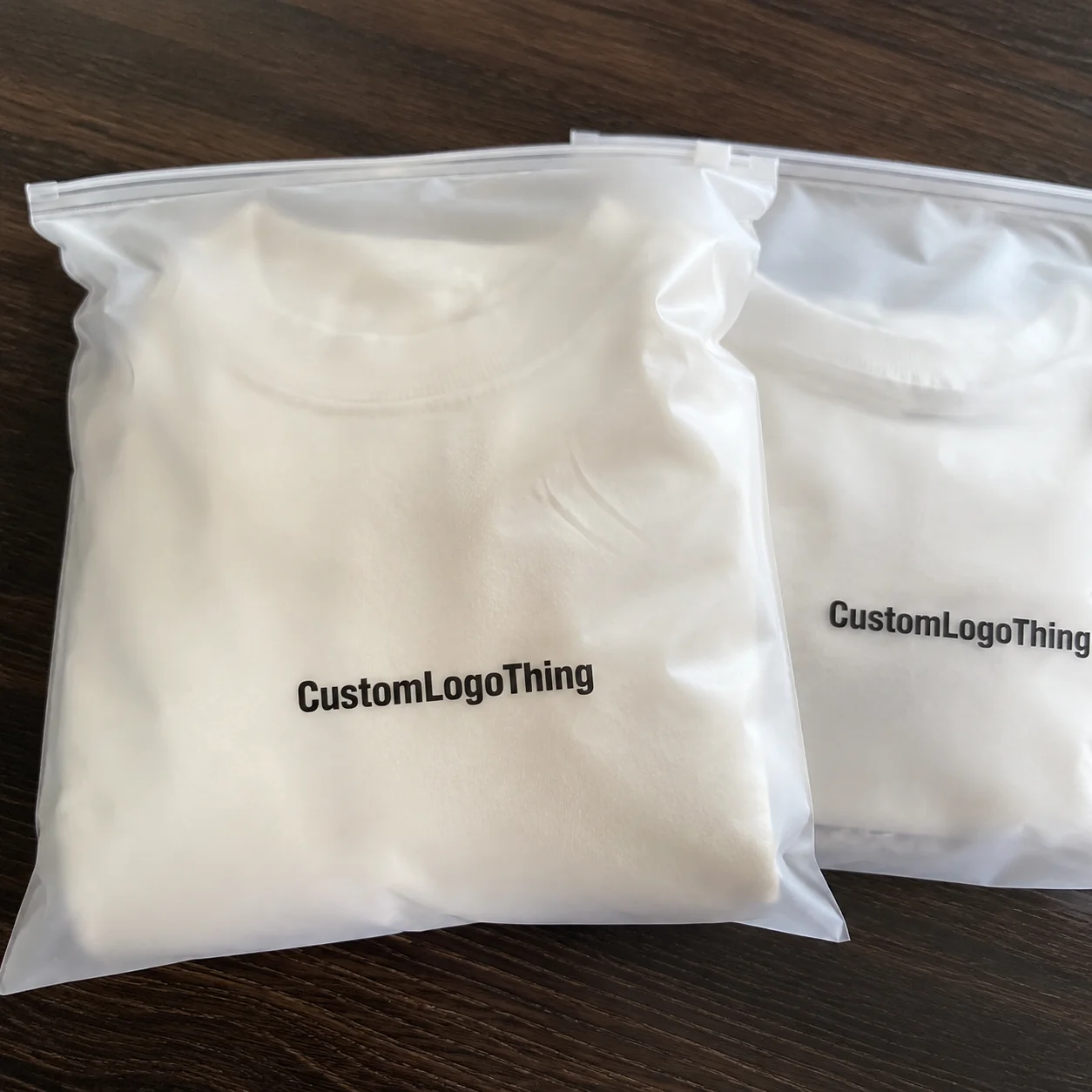
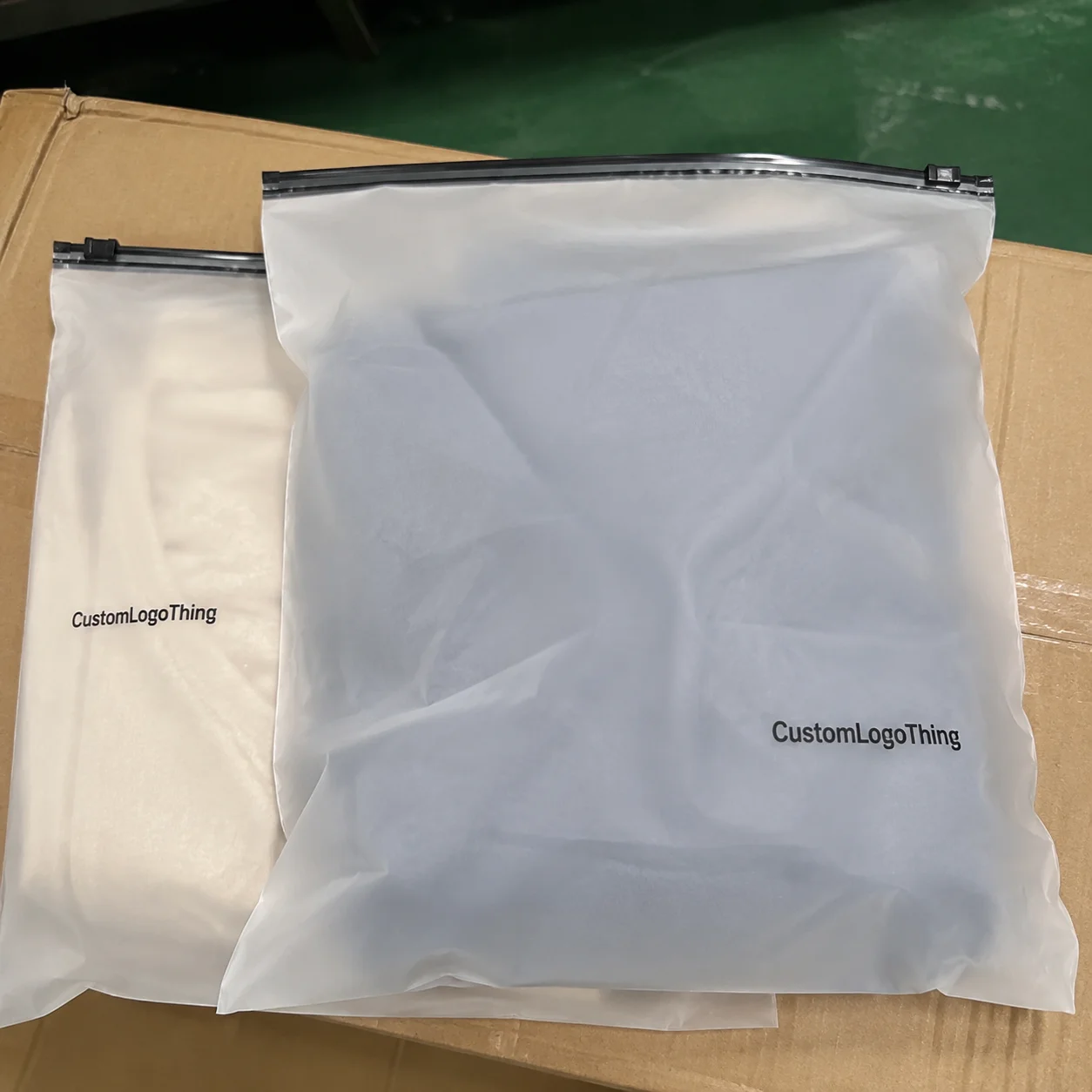
The same bag can look polished or cheap depending on the film thickness, surface finish, and how much weight it actually carries. That is why Die Cut Handle Bags for event teams material comparison matters before anyone gets distracted by artwork. A beautiful proof does not rescue a bag that stretches under brochures, shirts, samples, or a boxed gift.
Event teams use Die Cut Handle Bags for registration kits, sponsor giveaways, speaker gifts, quick handouts, and merch drops. The bag is part of the experience. It frames the moment, holds the load, and gets carried through the room where everyone can see it.
These bags are flat, retail-style poly bags with a punched handle area, usually reinforced so the handle does not tear under pressure. Compared with loop-handle totes or T-shirt bags, they stack flatter, look cleaner on a table, and are easier to keep uniform when you need hundreds or thousands of identical pieces.
First decision: performance. Print matters, sure. But if the bag feels too thin, curls at the edges, or becomes uncomfortable after ten minutes in someone’s hand, attendees notice that faster than they notice a PMS match.
How Die Cut Handle Bags Are Built and Printed
Most Die Cut Handle Bags start as polyethylene film and are converted into a finished bag with side seals, a bottom seal, and a handle area punched into the top. Depending on the spec, the handle may be simple, reinforced, or paired with an extra patch that spreads the load and reduces stress around the cutout.
For Die Cut Handle Bags for event teams material comparison, the film choice matters more than many buyers expect. LDPE has a softer hand feel and better drape, which often makes the bag look more premium. HDPE is lighter and usually less expensive, which suits simple literature kits. Recycled blends are increasingly used when sustainability messaging is part of the event story, though they can show more variation in texture or color.
Thickness is usually measured in mils or microns, and that number affects real-world performance. A thin 1.5 to 2.0 mil bag may be fine for folded brochures and a pen. A 3.0 to 4.0 mil bag feels sturdier for shirts, catalogs, or a small boxed item. If the bag will be carried more than once during a conference day, the heavier gauge often pays off in fewer failures and less bag sag.
Printing is usually flexographic for larger runs, especially when the goal is clean logo reproduction at a sane per-unit cost. PMS color matching helps keep brand color consistent, though very fine type, tiny rules, and tight gradients can be tricky on thin film. Matte, gloss, frosted, and high-opacity white films all change the visual impression, and custom sizing can make a big difference if the contents are not a standard stack of paper.
Material Comparison: LDPE, HDPE, and Recycled Film
If you are comparing die cut handle Bags for Event Teams material comparison options side by side, the real question is not which material sounds best in a catalog. It is which one matches the job. A VIP kit bag is not the same thing as a mass handout bag. Treating them as identical usually leads to overbuying or disappointment.
| Material | Feel and Appearance | Typical Event Use | Strength and Print Notes | Budget Impact |
|---|---|---|---|---|
| LDPE | Softer, smoother, often more premium | Conference kits, speaker gifts, branded merch | Handles mixed loads well; strong print presentation | Usually mid-range to higher than HDPE |
| HDPE | Crisper, lighter, more utilitarian | Literature packs, entry giveaways, fast handout lines | Good for lighter loads; can feel thinner and noisier | Often the lowest unit cost |
| Recycled-content film | Variable texture and color tone | Sustainability-focused events, eco messaging, general branded use | Good story value; artwork may need more tolerance for variation | Can be competitive, depending on content and availability |
LDPE is usually the best choice when presentation matters. It folds nicely, has a smoother feel, and tends to hold up better when the contents vary a little in weight. If the bag will be photographed, carried through a lobby, or handed out with higher-value items, LDPE usually looks right.
HDPE makes sense when the goal is volume, speed, and budget control. It is a practical option for lightweight brochures, maps, and promo items, especially when you need a large run without pushing cost too high. The tradeoff is that it can feel more basic, and the bag may not communicate “premium event” as well as a heavier LDPE bag.
Recycled-content film is where sustainability messaging gets more concrete. Many teams want recycled materials, post-consumer waste content, or packaging that aligns with broader environmental goals. That said, recycled film can vary more in finish, clarity, and tint. If brand color accuracy is critical, ask for a proof and set expectations early.
There is also a practical intersection with other packaging choices. Event teams often compare these poly bags against Kraft Paper Bags, corrugated cardboard mailers, or biodegradable alternatives for different parts of an activation. That comparison is useful, but it should be driven by use case. A bag for a fast indoor giveaway has different needs than a shipped welcome kit.
“The best-looking mockup is not always the best event bag. The real test is what happens when people stuff it with a catalog, a hoodie, and one more brochure than planned.”
If your event has strict sustainability goals, ask what claims are actually supportable. An EPA recycling resource helps teams separate wishful thinking from real end-of-life behavior, while material claims like FSC certified generally apply to paper-based components, not polyethylene film itself. That distinction matters when procurement, marketing, and legal all review the same bag and assume it means the same thing.
Cost, Pricing, MOQ, and Unit Cost Tradeoffs
Pricing for custom event bags usually comes down to material type, thickness, size, print colors, reinforcement, and quantity. If you only need a small run, setup costs matter more and the unit price climbs fast. Once quantities go up, the per-bag price drops enough that a better material becomes realistic.
As a rough buying range, a simple HDPE die cut bag in a standard size may land around $0.12-$0.22 per unit at moderate quantities. A heavier LDPE or recycled-content spec with more colors or a larger size may sit closer to $0.18-$0.35 per unit. Lower minimum orders usually push those numbers up, especially if the print coverage is high or the bag needs a special size.
The biggest pricing jumps usually come from three places:
- Heavier gauge film for better strength and feel
- More print colors or tighter PMS matching
- Custom dimensions that require a different conversion setup
Transparent and frosted finishes can also affect cost. A white or high-opacity film is often preferred for brighter logo contrast, while a frosted look creates a more upscale feel but can add to the unit price. If a team wants a brushed or matte appearance, make that call early, because finish changes can ripple into print performance and lead time.
From a budgeting standpoint, split event bags into tiers. VIP kits and speaker gifts deserve a stronger, more polished spec. Staff distribution and media packets can often use something simpler. General attendee giveaways, especially those handed out in volume, should be optimized around durability without paying for features nobody will notice.
That same logic applies if you are comparing die cut handle bags for event teams material comparison options against paper-based alternatives. Kraft paper can work for some branded presentations, especially with FSC certified sourcing, but it is not always the answer for moisture resistance, carry comfort, or cost at high quantities. Poly film still wins many event scenarios because it is lighter, tougher in transit, and easier to store flat.
Process and Timeline: From Artwork to Production
The workflow is straightforward, but each step can add time if the spec is vague. It usually starts with a quote request, followed by confirmation of bag size, material, print count, quantity, and delivery date. After that comes artwork submission, proofing, approval, production scheduling, and shipping.
Artwork complexity matters more than people expect. A one-color logo on a standard bag can move quickly. A detailed sponsor lockup with fine type, multiple PMS colors, and a tight print-safe area may need revisions before it is ready to run. If the brand team wants exact color consistency across other event materials, ask for a printed proof or at least a very clear digital proof with notes on tolerance.
Typical lead times often land in the 12-15 business day range after proof approval for a standard run, but that depends on quantity, film availability, and whether the order is simple or highly customized. Rush deadlines happen, especially around conferences and launch events, but rush work narrows the material and finish options.
Sampling is worth the time. A physical sample answers questions a screen never can: Is the handle comfortable? Does the bag stand up to the actual weight? Does the logo look right against the film color? When the order is large or the event date is fixed, a pre-production proof can prevent a costly surprise.
Packaging logistics matter too. Ask how the bags will be carton-packed, how many fit per case, and whether they will arrive flat-packed for on-site stuffing. If the event team is stuffing 1,500 kits in a ballroom or loading distribution bins for a trade show booth, a neat flat pack saves hours and reduces damage.
For teams that need to verify handling or transit performance, standard shipping and distribution tests matter as well. References like ISTA are useful when a package will be shipped, stacked, or moved through multiple hands before it reaches an attendee.
Common Mistakes Event Teams Make When Choosing Bags
The most common mistake is choosing a bag based on artwork alone. A strong logo mockup can hide a weak spec, and weak specs show up quickly once the bag is loaded with real items. If the film stretches, the handle cuts in, or the bottom seam feels questionable, the problem is not the print. It is the construction.
Another frequent issue is ordering a size that looks right on screen but does not fit the actual contents. A kit with a booklet, a hoodie, and a boxed sample needs a very different bag than a flat stack of brochures. Measure the real load first, then leave a little room for packing tolerance.
Handle comfort gets ignored more often than it should. Event attendees may carry a bag across a convention center, through a hotel, or onto public transit. A handle that seems fine for a ten-second handoff can become annoying after fifteen minutes. A slightly thicker gauge or reinforced handle area can make a real difference.
Some teams also pick a material that clashes with the brand message. A high-end gala or executive summit usually needs a more refined appearance than a thin, noisy film. On the other hand, a short-lived walk-in giveaway does not need premium specifications that end up in the trash by lunchtime.
Proof review also gets rushed. Check handle placement, logo scale, bleed, and print-safe margins. If the bag has a frosted or clear finish, check how the logo reads against the background and whether the contents will show through in a way that supports or hurts the presentation.
Expert Tips for Matching Material to Event Use
If presentation matters and the contents vary in weight, LDPE is often the safest starting point. It gives a smoother look, feels a bit more substantial in the hand, and handles mixed contents without looking stressed. For speaker kits, VIP welcome packs, or sponsor gifts, that extra polish usually shows up immediately.
If volume and cost are the priority, HDPE is hard to beat. It works well for lightweight literature, maps, handouts, and smaller promo items where the bag mostly organizes the giveaway and carries it a short distance. In high-volume distribution, a lighter spec also helps with storage and case count.
Choose recycled-content film when sustainability messaging is part of the event story, but ask for a realistic view of finish and color. Recycled materials can be a strong fit, especially if your organization wants to reduce virgin resin use, but the final appearance may be less uniform than a virgin resin bag. That is normal, not a defect.
Ask for handle reinforcement or a thicker gauge if the bag will be reused beyond the event floor. A bag that leaves the venue in a guest’s hand and then gets used again at the office or home needs more than a nice print. It needs to survive real use.
Think in terms of workflow. Can staff stuff the bag quickly without snagging? Does it stack neatly at registration? Does it sit flat in the carton? Does it look tidy in photos? Those small questions often decide whether the bag feels effortless or annoying on event day.
And if your team is comparing die cut handle bags for event teams material comparison options alongside recycled materials, kraft paper, or biodegradable packaging alternatives, keep the decision anchored in function. A bag that matches the event, the load, and the timeline will outperform a prettier spec that nobody can actually use well.
Next Steps to Specify the Right Event Bag
The cleanest way to move forward is to build a simple spec sheet with bag dimensions, target load, preferred material, print colors, quantity, and delivery date. If you can add a note about whether the bag is for one-time use or repeated carrying, that helps narrow the gauge and finish right away.
Compare at least two material options using the same artwork and the same contents you plan to distribute. That side-by-side view often makes the answer obvious in a way that a catalog description never will. A lighter HDPE bag may be fine for brochures, while an LDPE version may be worth the upgrade for heavier or more visible kits.
Ask for a quote that breaks out unit cost, setup, proofing, and shipping. Transparent pricing makes it easier to judge whether a premium finish or heavier film is worth the increase. If you are balancing several event pieces, this kind of breakdown also helps procurement and marketing stay aligned.
If sustainability is a requirement, ask what is being claimed and what is actually in the bag. Recycled-content film, FSC certified paper inserts, and post-consumer waste messaging are not interchangeable terms, and they should not be treated that way. Accuracy protects the brand and prevents awkward questions later.
Once the sample or proof looks right, lock the order before the event calendar gets crowded. Good event packaging is rarely the thing people praise directly, but they notice it immediately when it is wrong. A smart die cut handle bags for event teams material comparison now saves a lot of scrambling later.
FAQs
Which material is best for die cut handle bags for event teams?
LDPE is often best for a smoother, more premium look and better presentation. HDPE is a strong choice for lighter loads and tighter budgets. Recycled-content film works well when sustainability messaging matters. The right choice depends on the contents, carry time, and branding goals.
How do I choose the right thickness for event giveaway bags?
Start with what the bag will carry, not how it looks in a mockup. Heavier kits, books, and boxed items usually need a thicker gauge. Light literature or small promo items can often use a lighter spec. If the load is uncertain, ask for a sample or proof.
What affects pricing the most for custom event bags?
Material type, thickness, size, and print colors are major cost drivers. Higher quantities usually lower the unit cost. Special finishes, reinforcement, and custom sizing can increase price. Rush timelines may also affect the final quote.
How long does production usually take for custom die cut bags?
Production timing depends on artwork approval, material availability, and order size. Proofing can add time if color matching or layout changes are needed. Shipping time should be added to the schedule. Event teams should start early to avoid last-minute tradeoffs.
Can I use the same bag for staff kits and attendee giveaways?
Yes, but only if the bag size and material work for both uses. Staff kits often need stronger bags or larger dimensions. Attendee giveaways may prioritize speed, cost, and visual impact. A single spec can work if the contents are similar in weight and size.