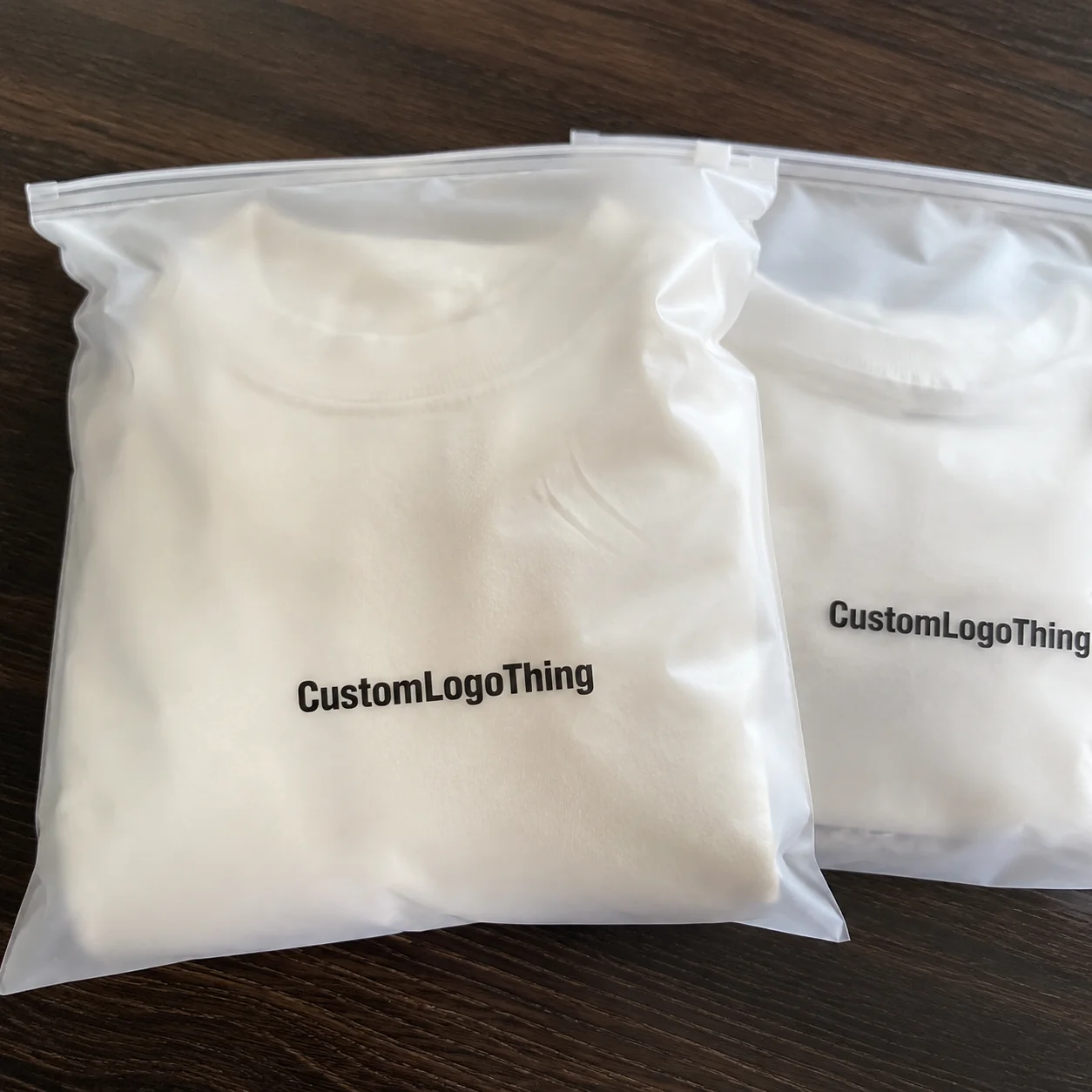
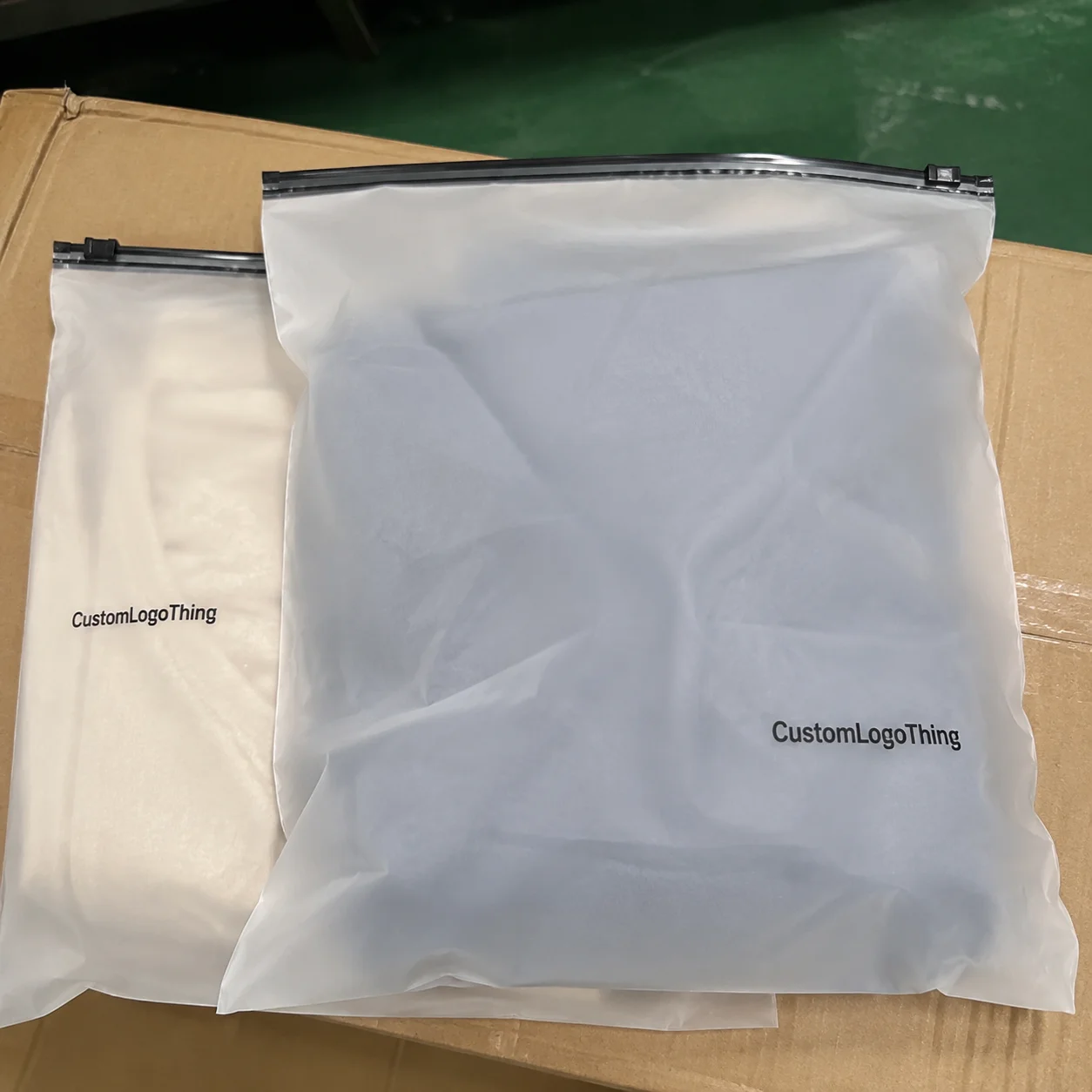
Nonprofit buyers usually feel the pressure right away: the bags need to look polished, hold real weight, and stay inside budget. That is why Die Cut Handle Bags for nonprofit campaigns moq planning has to happen before anyone signs off on artwork or quantities. A donation kit, volunteer welcome packet, or donor appreciation bundle is not a flimsy throwaway handout. The bag choice affects both the campaign image and the day-of logistics.
The practical problem is easy to describe and annoying to solve. You want something presentable for sponsors, schools, or community partners, but you also need to think about unit cost, stock size, print complexity, and what happens if attendance changes. Order too few and you are scrambling. Order too many and you are storing cartons for months. Neither option is elegant.
From a packaging buyer’s point of view, the first mistake is often starting with decoration instead of use. The better sequence is simple: what does the bag need to carry, how many will actually be handed out, and will the same bag serve more than one event? That is where MOQ planning saves money and prevents dead inventory.
Why nonprofit campaigns often need stronger handout bags than standard retail styles
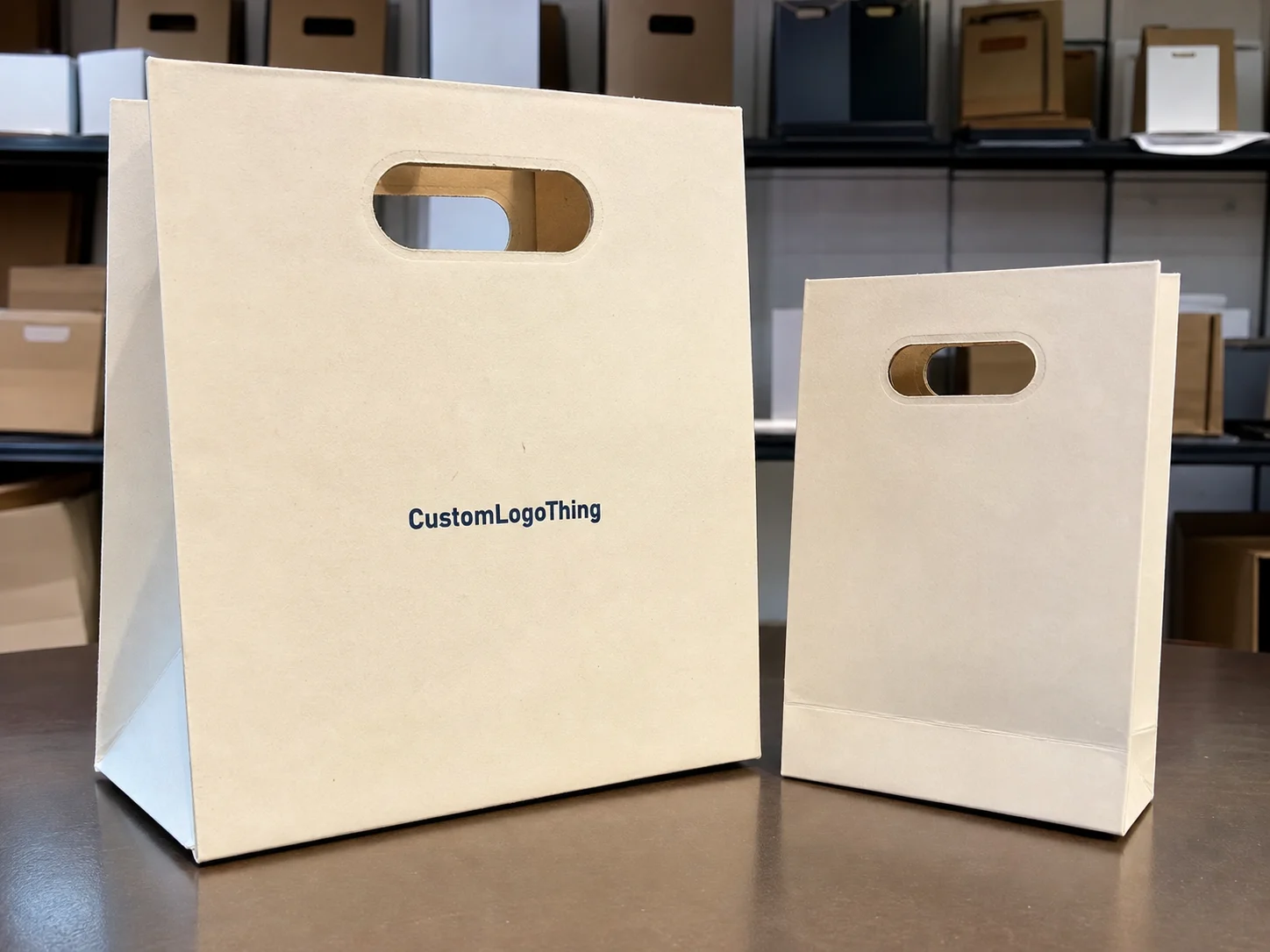
Fundraising events, donor dinners, volunteer orientations, and school drive campaigns put more stress on a bag than a basic retail giveaway. A standard merch bag might carry a brochure and a pen. Nonprofit kits are more demanding. They may include apparel, canned-good vouchers, thick mailers, printed programs, boxed gifts, or a stack of forms that somehow always ends up thicker than expected.
That is where Die Cut Handle Bags earn their keep. The handle is built into the bag itself, so the bag stacks flat, dispenses cleanly, and looks more finished than a loose sack with add-on handles. For campaign teams, that matters. A bag that looks intentional supports the organization’s message before the recipient even opens it.
The handle area also affects how the bag performs. A clean die cut opening is fine for light loads, but if the contents are heavier or awkwardly shaped, reinforcement becomes a real consideration. A patch-reinforced handle or a heavier gauge film can prevent stress tears and make the bag more reusable after the event. That is a better outcome than saving a small amount on paper and paying for complaints later.
Most buyers also underestimate how much handling a campaign bag goes through. It gets picked up at registration tables, dropped into car seats, stacked on carts, and carried across parking lots. Sometimes all in the same hour. The bag has to survive that, not just look good in a mockup.
Honestly, a lot of teams overcomplicate the design before they settle the basics. They worry about a color match while the bag size is still wrong. They debate a logo lockup before they know whether the handle area needs extra strength. That is why Die Cut Handle Bags for nonprofit campaigns moq planning should begin with distribution math, not creative preference.
A good nonprofit bag does three jobs at once: it carries the kit safely, presents the brand clearly, and avoids wasting money on inventory you will never use.
For a campaign with uncertain attendance, MOQ is not just a factory rule. It becomes a planning tool. If a gala expects 425 attendees but registrations still move around, quantity, buffer stock, and reprint risk all need to be considered together. The right order size depends on the event structure, not just the lowest quoted price.
Die cut handle bag construction, materials, and print options
Most Die Cut Handle Bags used for nonprofit campaigns are made from LDPE or HDPE film. LDPE tends to feel softer and more flexible. HDPE is usually crisper and can be more economical for certain runs. Which one is better depends on the load, the look you want, and the budget. If the bag needs to carry folded shirts, brochures, or a small box, the material choice matters more than people expect.
Thickness, often listed as gauge or mil, is one of the easiest ways to change performance. A lighter film can work for a flat flyer pack. Once you add apparel, hard-cover brochures, or a gift box, a heavier film usually makes more sense. A stronger bag resists stretching near the handle and gives recipients a better carry experience. For many campaign buyers, that extra durability costs less than replacing damaged bags or rerunning a short order.
Reinforcement is another useful decision point. Some die cut handle bags include extra material around the opening to spread load and reduce stress. That helps for donor kits, mailed packets, and event giveaways that carry more than a few sheets of paper. If the bag will be reused after the event, reinforcement matters even more.
Print options usually fall into one-color, two-color, or multi-color setups. Simple layouts help control setup charges and tooling fees. More complex artwork can raise both cost and lead time. Front-only print is common, but front-and-back printing is available if the campaign message needs more space. Full-coverage graphics and tight registration increase production difficulty, so they should be approved with realistic expectations.
There is no magic material that solves every nonprofit order. The right choice depends on contents, expected handling, and how much importance the bag has as a brand touchpoint. A bag that is mostly a distribution tool can stay simple. A bag that donors will reuse should feel a little more substantial.
Here is a practical comparison that often helps buyers narrow options:
| Option | Typical Use | Relative Cost | Best Fit |
|---|---|---|---|
| LDPE, light gauge, one-color print | Flyer packs, small giveaways | Lower cost per piece | Events with tight budgets and light contents |
| HDPE, medium gauge, one- or two-color print | Volunteer kits, donor handouts | Moderate bulk pricing | Campaigns needing value and decent strength |
| Reinforced die cut handle bag, heavier gauge, multi-color print | Apparel kits, sponsor packs, retail-style donor gifts | Higher unit cost | Premium presentation and heavier loads |
Sizing should follow the contents, not the other way around. If the kit includes folded tees, brochures, and a small box, leave enough room for the contents to sit naturally without forcing the bag open or stretching the handle area. Common nonprofit uses include donation thank-you packs, volunteer onboarding kits, care packages, and awareness campaign handouts. The right dimensions reduce wrinkling, tearing, and awkward overstuffing.
For teams comparing material and sustainability references, general resources from the Packaging Corporation materials resources and the FSC certification system can help frame sourcing conversations, especially if paper alternatives or certification language are part of the brief. Plastic bag buyers still need to think about end use, but those standards are useful context when packaging is tied to donor messaging.
Specifications to confirm before you request a quote
If you want accurate pricing, do not send only a logo and a target quantity. That creates guesswork, and guesswork wastes time. A proper quote for die cut handle bags for nonprofit campaigns moq planning should start with the essentials: bag width, gusset, height, thickness, handle style, reinforcement, and print colors.
Bag dimensions are usually written as width by gusset by height. If your contents include folded shirts or thick brochures, the gusset matters just as much as width. A narrow gusset can make contents bulge, while a deeper gusset gives the kit a cleaner profile and better stacking. One inch does not sound dramatic until you see the packed bag sitting on a registration table.
Artwork files should be production-ready. Vector art is best for logos, and spot color references help when brand colors need to stay consistent. Keep copy away from the handle area and confirm safe margins so text does not disappear where the die cut opening removes material. If the design uses a full-bleed print or reverse print effect, the setup should be checked before approval, not after the run starts.
Production tolerances matter too. Bags are manufactured within normal ranges, so small variation in size and print placement is expected. That is not a defect. It is how converting lines and printing equipment work. Planning for those tolerances keeps a campaign from overreacting to tiny differences that do not affect use.
The use condition should be part of the brief. Will the bags be handed out indoors, used outdoors at a walkathon, or packed into shipping cartons for donor mailers? Will they carry one brochure or an apparel bundle? Those details affect thickness, handle reinforcement, and sometimes even print layout. If the bag will be carried multiple times or used in damp conditions, a slightly heavier film may be the better choice.
It helps to send a short spec sheet instead of scattered emails. Procurement, marketing, and event staff do not always speak the same packaging language, and a single document keeps the quote clean.
- Bag dimensions: width, gusset, height
- Material: LDPE or HDPE
- Thickness: gauge or mil requirement
- Handle: standard die cut or reinforced
- Print: one-color, two-color, or multi-color
- Artwork: vector logo, color references, safe zones
- Use case: event, shipping, donor kit, apparel pack
If your team is still aligning on terms, internal references such as the FAQ on common packaging questions can help everyone compare apples to apples before supplier conversations begin.
Cost, pricing, and MOQ planning for campaign quantities
Pricing depends on a handful of concrete factors: bag size, material thickness, number of print colors, reinforcement, and total quantity. For many nonprofit runs, the biggest swing comes from quantity. Once a production line is set up, a larger order can lower cost per piece, which is why MOQ should be viewed through the lens of distribution needs, not just the minimum a supplier will accept.
As a practical example, a simple one-color bag in a moderate size may land in a lower price band than a larger reinforced bag with multi-color print. The gap widens as coverage increases or if the artwork requires careful registration. Smaller quantities often carry a higher unit cost because setup charges and press preparation are spread over fewer bags. Larger runs usually improve bulk pricing, but only if the bags will actually be used.
That last part matters. Nonprofits sometimes overorder because they fear running short, then end up storing boxes of leftovers for months. Better planning is to order to a firm distribution count plus a modest buffer, often 5% to 10% depending on event uncertainty and whether the bag will be reused across several functions. If the same design can serve multiple chapters or fundraising dates, a higher quantity may make financial sense.
There is no reason to pretend every order should be optimized the same way. A walkathon pack for 1,000 people does not need the same inventory logic as a donor dinner with a hard headcount and one handout window. That is where MOQ planning gets practical instead of theoretical.
Here is a simple way to think about the economics:
- Fewer colors usually mean lower setup complexity.
- Smaller bags generally use less film and cost less.
- Heavier gauge increases material cost, but also improves durability.
- Reinforced handles add material and process steps.
- Shorter runs carry more setup overhead per bag.
If the question is whether to choose a simple layout or a more decorative one, start with the campaign objective. If the bag is mostly a distribution tool, clean branding and legibility matter more than fancy graphics. If the bag will be reused after the event, better print presentation may justify the added expense because the bag keeps advertising the organization beyond the venue.
Shipping and handling also affect the final number. General packaging and transport guidance still matters, even if the order is not a corrugated carton project. For materials, handling, and recycling context, the EPA recycling resources can help nonprofits shape clearer end-of-life messaging for donors and volunteers.
Production steps, proofing, and turnaround planning
The standard workflow is straightforward, but every step matters when a campaign date is fixed. First comes specification review, then artwork preparation, then proof approval, followed by production scheduling, printing, finishing, packing, and shipment. Skip one piece and the schedule starts slipping. Usually at the worst possible time.
Proofing is where many mistakes get caught early. A proof can show a logo placed too close to the handle opening, a missing phone number, a color that does not match the approved guide, or copy that looks fine on a screen but feels cramped at actual bag size. It also reveals whether the artwork still works once the die cut area and print margins are applied.
Lead time depends on order size, print complexity, and current plant workload. Simple runs move faster than heavy coverage or multiple print colors. Material availability can also shift scheduling. If the event date is fixed, plan backward from the handout day, not from the approval day. Leave room for proof revisions, internal signoff, and transit. That buffer is usually what keeps a nonprofit from paying for a rushed compromise.
A realistic planning sequence looks like this:
- Confirm the event date and target distribution count.
- Finalize the contents that will go in each bag.
- Set the bag size and material based on load and appearance.
- Prepare print-ready artwork and color references.
- Review the digital proof carefully.
- Approve production only after internal stakeholders sign off.
- Allow time for transit and receiving before the event.
If the schedule is tight, optimism is not a plan. A supplier who explains what can and cannot be done in the available window is usually the safer choice, even if the answer is less exciting than a rush promise. Nonprofit campaigns depend on timing, and the bags have to arrive before the doors open.
For orders tied to donor kits or volunteer onboarding, some teams ask for a sample or pre-production bag to test the feel and carrying comfort. That small extra step is often worth it when the contents are heavy, oddly shaped, or meant to be reused.
There is also a quality-control side that buyers should not ignore. Check print registration, handle cut consistency, film clarity or opacity, and the way the bag lies flat when stacked. If a bag is supposed to read as clean and professional, a tiny alignment problem can make the whole shipment look sloppy. That is the sort of thing buyers notice immediately, even if nobody at the factory wants to hear about it.
Why buyers choose a packaging partner for nonprofit orders
Nonprofit purchasing teams usually need three things from a packaging partner: clear quoting, consistent production, and sensible advice. Transparent quotes help with internal approvals because finance teams want to see exactly how unit cost changes with quantity, print colors, and material thickness. No one wants hidden charges after the budget is already approved.
Consistency matters too, especially when the campaign is spread across chapters, partner organizations, or multiple dates. If one event uses the same bag as another, the dimensions and print need to stay consistent so each team knows what to expect. That kind of repeatability is especially valuable when donor experience or volunteer onboarding depends on the bag looking the same everywhere.
A good packaging partner also helps translate technical decisions into practical ones. Should the bag be one mil heavier? Is the handle area strong enough for an apparel bundle? Can the art be simplified without losing brand impact? Those are the questions That Save Money and avoid rework, especially when the buyer is balancing marketing goals against procurement limits.
The strongest partners are usually the ones who ask the boring questions first. What is going inside the bag? How far will it travel? How many units are truly needed? That is not red tape. That is the work that keeps a nonprofit campaign on schedule and prevents unnecessary expense. When the supplier understands film thickness, handle reinforcement, print limitations, and MOQ alignment, the process gets easier to manage.
Clear communication matters most when the bags are visible to donors, sponsors, or the public. A bag that arrives on time, prints correctly, and carries the load safely reflects well on the organization. That reliability is worth paying for, especially when the packaging is part of the campaign’s first impression.
Next steps to lock in bag specs, budget, and delivery dates
Start with three basics: campaign date, target quantity, and what will go inside each bag. Those three details do more to shape the right order than almost anything else, and they help turn die cut handle bags for nonprofit campaigns moq planning into a concrete purchasing decision instead of a guessing game.
Then gather the logo files, color references, and any layout notes before asking for pricing. Clean files speed up proofing and make the quote more accurate. If your team needs to test the feel or size before full production, ask about sample bags early so there is time to check carry comfort, print visibility, and fit.
Compare offers based on total campaign need, not just the lowest sticker price. A slightly higher unit cost can still be the better decision if the bag performs better, reduces waste, or prevents a reprint. That is especially true once setup charges, tooling fees, and leftover inventory are part of the math.
For teams still aligning internally, the simplest path is usually the best one: send the specs, request a quote, review the proof, and approve production once the bag size and print plan match the nonprofit schedule. That keeps the order grounded in real numbers and real deadlines, which is exactly what die cut handle bags for nonprofit campaigns moq planning should accomplish.
What MOQ should I plan for die cut handle bags for nonprofit campaigns?
The right MOQ depends on bag size, print colors, and material, but campaign buyers should usually plan around their real distribution count plus a modest buffer. If the bag will be reused across several events, a larger quantity may lower unit cost and make more sense than ordering only for one function.
How do I reduce cost without hurting the look of the bag?
Use a simpler print layout, fewer colors, and a size that fits the contents without unnecessary extra film. Choose a material and thickness that match the load, because overbuilding the bag usually raises cost without adding much value.
What information do you need to quote nonprofit die cut handle bags?
Have the bag dimensions, material preference, thickness, print colors, artwork files, and target quantity ready. Also share the campaign date and what will be packed inside the bag so the quote matches the actual use case.
How long does production usually take after proof approval?
Turnaround depends on order size, print complexity, and current production load, but proof approval is the point where the schedule becomes firm. Build in time for shipping and any internal nonprofit review before the event date.
Are die cut handle bags strong enough for donor kits and apparel?
Yes, when the film thickness and bag size are chosen correctly, they can handle brochures, apparel, and many standard event kits. If the contents are heavier, ask about reinforced handle options and a thickness that supports the load comfortably.