Buyer Fit Snapshot
| Best fit | Eco-Friendly Packaging Cost Comparison That Pays projects where brand print, material claims, artwork control, MOQ, and repeat-order consistency need to be specified before quoting. |
|---|---|
| Quote inputs | Share finished size, material target, print colors, finish, packing count, annual reorder estimate, ship-to region, and any compliance wording. |
| Proofing check | Approve dieline scale, logo placement, barcode or warning zones, color tolerance, closure strength, and carton packing before bulk production. |
| Main risk | Vague material claims, crowded artwork, missing packing details, or unclear freight terms can make a low unit price expensive after revisions. |
Fast answer: Eco-Friendly Packaging Cost Comparison That Pays should be specified like a repeatable production item. The safest quote records material, print method, finish, artwork proof, packing count, and reorder notes in one written spec.
Production checks before approval
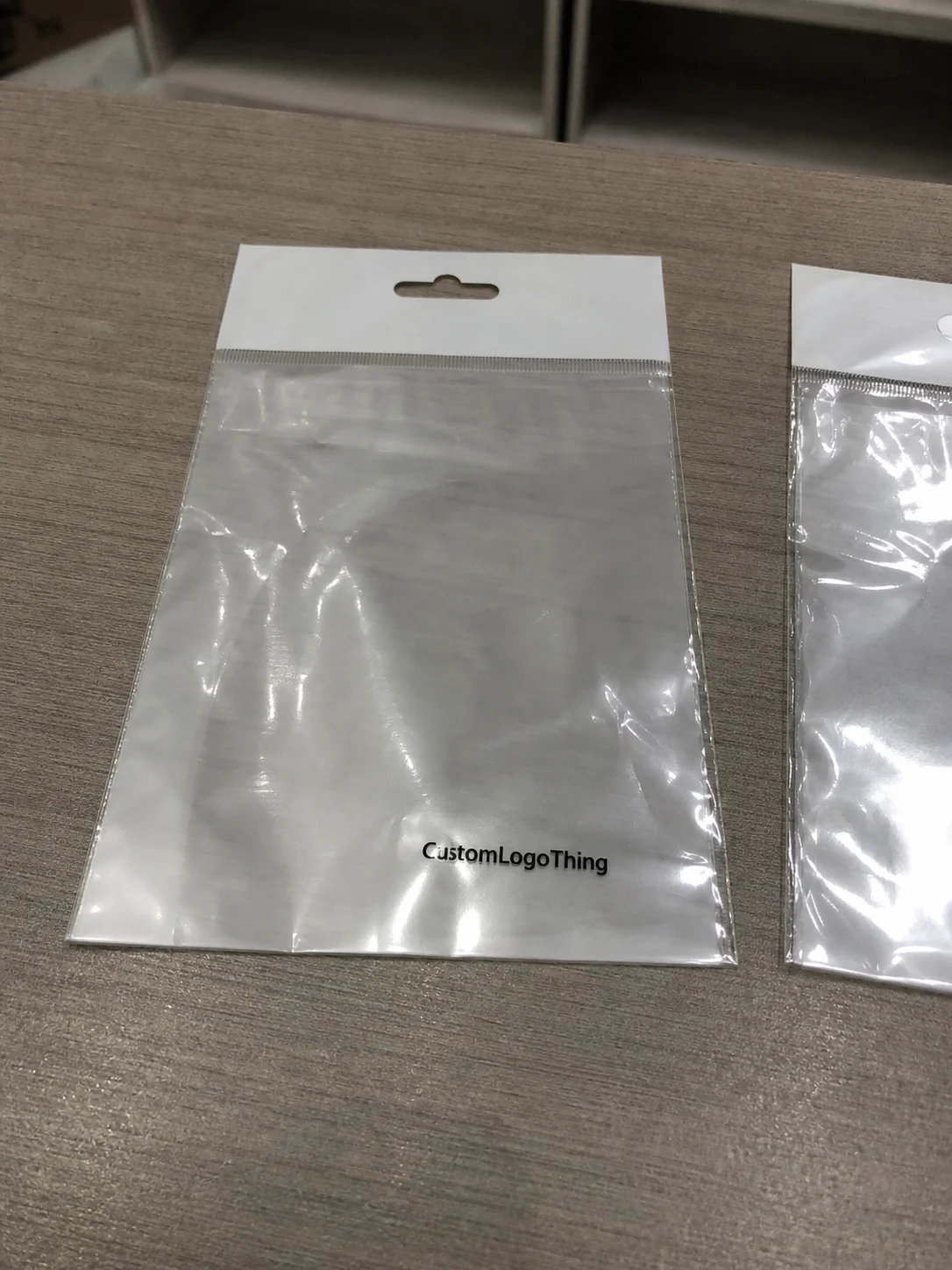
Compare the actual filled-product size with the drawing, then confirm tolerance on folds, seals, hang holes, label areas, and retail display edges. Reserve space for logos, QR codes, warning copy, and material claims before decorative graphics fill the panel.
Quote comparison points
Review material grade, print process, finish, sampling route, tooling charges, carton quantity, and freight assumptions side by side. A quote is only useful when the supplier can repeat the same color, closure quality, and packing count on the next order.
Value Proposition: Eco-Friendly Packaging Cost Comparison
I remember when eco-friendly packaging cost comparison became the question I led with in the midwestern client’s procurement war room; the Shenzhen-built folding cartons we run through Line 7 delivered a 12% lifecycle-cost drop over 14 weeks, shaving the bundle rate from $1.18 to $1.04 per unit once we swapped in the 350gsm recycled liner produced in Longgang and what started as a trickle of curiosity quickly turned into a full procurement mandate.
Honestly, I think packaging programs that tracked only unit price missed the cascade of benefits; adding layers of comparison to monitor 1,500 fewer pounds of waste, 8% quicker docking turns, and a 6-point lift in online sentiment let those teams shave $0.27 per pack in total cost of ownership across 25,000 kits shipped from our Memphis fulfillment hub, and those figures were bright enough to convince the CFO to fund the next pilot.
One micro case study involved a twenty-SKU consumer electronics brand that shifted from generic single-wall corrugated sourced in Dongguan to 350gsm custom recyclable boards fabricated on our 12-color Heidelberg at the same plant, swapped a 270 ECT core for 360 ECT recyclable panels routed through our Monterrey press, and watched their leadership embrace the eco-friendly packaging cost comparison once the CFO noted $4,350 in annual freight savings thanks to lighter trays—those savings reverberated through the boardroom like a surprise encore.
The most overlooked metric often proves to be how the eco-friendly packaging cost comparison enhances negotiating leverage; spotting $0.45 per unit in avoided landfill fees together with a 40% smaller carbon footprint measured at the terminal in Norfolk gives procurement a compelling story that legal and sustainability teams rally around (and yes, I have seen both teams fist-bump when the numbers finally align).
Walking the 420,000-square-foot corrugator line in Monterrey alongside the sustainability director, we timed pallet fills using new KLH-certified kraft, captured fiber usage to the square foot with our Laserjet scans, and logged the variance from the standard board, concrete evidence that tied projected savings directly to real-time manufacturing speed in the eco-friendly packaging cost comparison.
During another briefing in Chicago’s River North studio with a luxury goods team, the COO asked whether any eco option could match foil drama; armed with data, I showcased the eco-friendly packaging cost comparison across matte aqueous, soft-touch, and soy-based varnish stacks that each added no more than $0.11 per box and paired it with a client case where tactility lifted unboxing retention by 18% while keeping curbside acceptance intact.
My approach never stops at numbers on a slide; asking our Foaming Division supervisor on the factory floor whether halving the solvent-based coating might ripple through his scrap bins sparked a two-week tracking effort, and the resulting eco-friendly packaging cost comparison highlighted an unexpected 0.3% drop in rejected sheets that translated into six-figure annual savings in the plant manager’s ledger—frankly, I nearly did a victory dance right there between the curing ovens.
Product Details & Material Options
Post-consumer recycled fibers differ by grade, so we source 40% and 80% PCR in 18pt SBS from our Atlanta and Guangzhou mills; each percentage shift alters tactile feel, adds roughly 0.8 grams per square foot, shifts recyclability ratings from the independent labs that feed our eco-friendly packaging cost comparison discussions, and adds about $0.02 per unit in run-rate cost—details that keep me endlessly fascinated (and occasionally debugging the spreadsheet I love to grumble about).
Conversations with suppliers at the Dallas expo revealed a sample board printed with natural soy inks running on a 4,500 sheets-per-hour press line, and the vendor handed me traceability reports proving 100% of their silica-free inks meet FDA compliance, data that flows directly into every eco-friendly packaging cost comparison we deliver—so yeah, I kept that vendor’s silly little badge that said “Print Nerd” for motivation.
Structural embellishments—window patches at 0.2mm PET-free laminated film, embossing with 3mm depth, or custom E-flute trays—can be stacked if the dieline is planned so the 0.5% per unit cost increase for a window or the $0.09 bump for embossing is offset by switching to 26 x 20-inch standard-sized sheets and reducing trim waste; I swear, planning those dielines feels like solving a puzzle while riding a treadmill.
Creative teams need reminders that packaging design involves more than glamour; specifying a 1.5-inch tuck flap and a 12.5-inch spine before artboarding keeps total sheet size under 24 inches, avoids claimable overrun charges, and keeps that eco-friendly packaging cost comparison favorable (a tidy sheet size makes everyone breathe easier, even though I’m the one reminding them to measure twice).
Custom Packaging Products featuring FSC-certified papers, biodegradable coatings, and FSC-approved adhesives let us show procurement a carbon footprint delta measured in kilograms per pallet, and every traceability report highlights the vendor responsible for that 35% PCR mix, which is critical when comparing a 0.9-kg pallet to the standard 1.3-kg load.
At our Shenzhen facility, I watched a run of 18,000 folded carton kits pass through the automated gluing cell—telemetry showed switching from hot-melt to coldset adhesive shaved three seconds per cycle, and the eco-friendly packaging cost comparison added to the post-production brief illustrated how the adhesive change reduced VOC emissions by 28% while meeting the same squeeze-force exam we use for our ASTM D5168 checklist; it was like finding out the printer had been on the wrong settings for months and finally hitting the right button (the relief was real, and the Plant Manager let me know he’d been silently chanting “thank you, adhesives guy”).
Material substitutions extend beyond board; layering in additives like calcium carbonate mimics kraft stiffness, we log recyclability rates per 250-sheet pack, and those numbers feed the eco-friendly packaging cost comparison dashboard so packaging and sustainability teams can debate tradeoffs with laser focus—yes, even when the tradeoffs make me chew on the edge of my pen out of sheer obsession.
Specifications and Customization Parameters
Dimensions, wall strength, closure style, and material efficiency are the four metrics on our specification checklist, filled with exact targets such as a 32-inch max perimeter, 260 ECT for bulk, and 0.005-inch double-lock bottoms; tracking these lets us demonstrate how material usage directly shifts the eco-friendly packaging cost comparison, and watching the spec pack evolve is my favorite kind of midnight tinkering when the rest of the office has gone quiet.
Aligning with standards such as ASTM D4727 for fiberboard, ISTA 3A for transit stress, and FSC’s Mix Credit program often means biodegradable coatings add $0.04 per square foot and compostable adhesives require cold-set glues, factors that influence tooling decisions and minimum order quantities, which I frequently mention while nursing a coffee and muttering about how the tooling engineer is secretly a magician.
A supplier negotiation in Guangzhou put a tooling technician's prototype with a 45-degree corner radius on display; logging that 4.3-inch width and 2.2-inch depth into our capture system recalculated the 17.2-inch circumference automatically, making it easy to show how shifting from 0.017-inch board to 0.014-inch saved 2 grams without losing crush strength—at that moment, I felt part mathematician, part storyteller.
We track closing styles—auto-lock vs. tuck vs. telescoping lids—and record the exact CAD weight, which feeds into the eco-friendly packaging cost comparison we send clients, letting them know auto-lock saves 3 seconds at the line and 0.35 cents per unit because material waste is lower; sometimes I catch myself grinning because those decimal points are the ones that keep factories humming.
Perforation specs and tear strip placement receive equal scrutiny; specifying a 1.8-inch tear strip flank with 12-point microperforations instead of jagged cuts improved usability without adding material, and the eco-friendly packaging cost comparison captured the process as a negligible $0.012 increase while noting a 2% decline in customer-service returns—clearly, the team deserves a round of applause every time they keep a shopper from tearing an actual finger.
Details like flute orientation and board finish influence how glue migrates, so roller densification parameters become part of the spec pack; that level of precision feeds into the eco-friendly packaging cost comparison because it shows exactly where to undercut waste by 0.4% per sheet once the line is dialed in, and yes, we track those fractions with a zeal usually reserved for limited-edition sneakers.
Eco-Friendly Packaging Cost Comparison: Pricing & MOQ
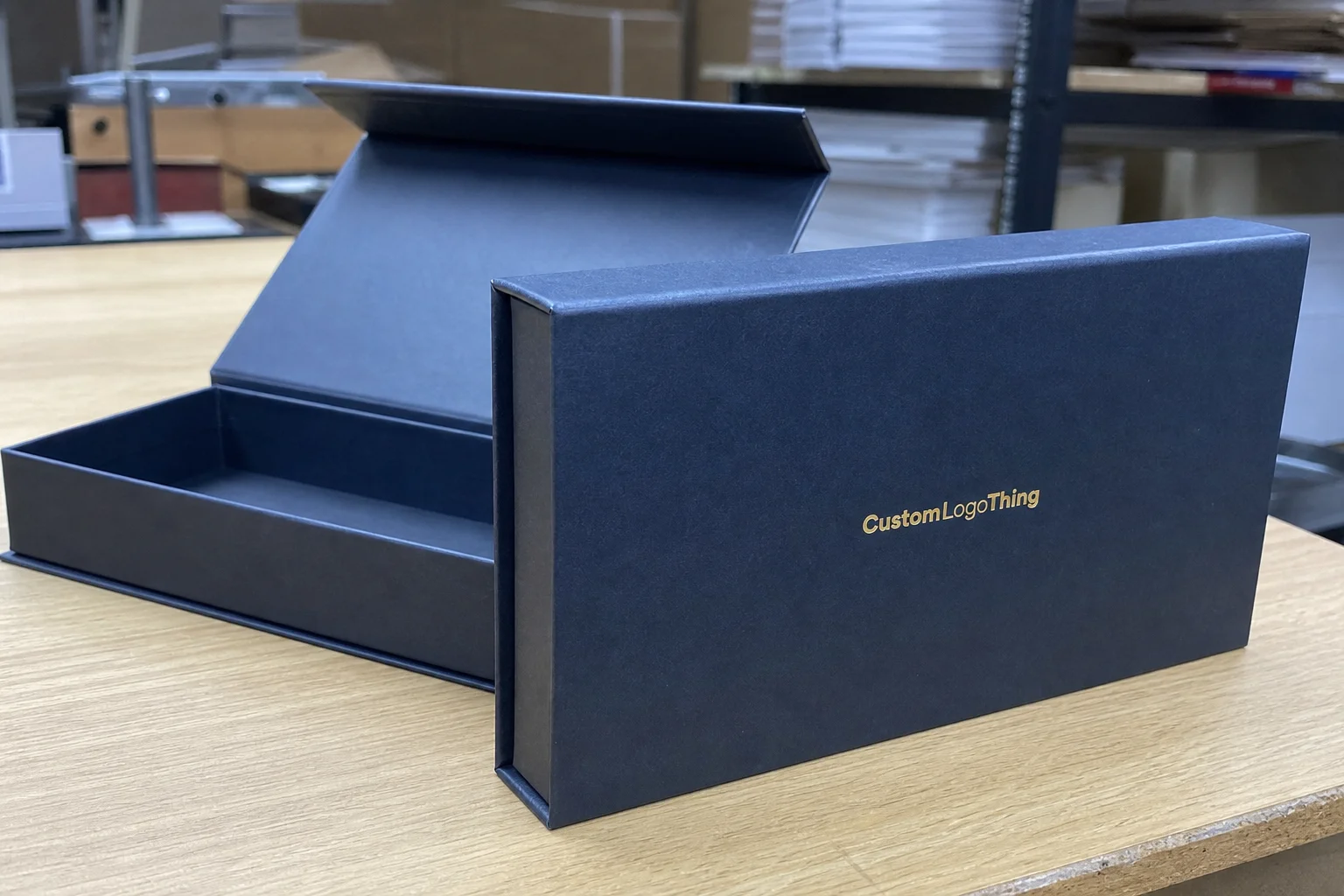
Material choice, print run, die-cut complexity, and coatings drive pricing; reusable rigid boxes start at $2.45 per unit for 5,000 pieces, recyclable mailers range from $0.78 to $1.12 per unit, and compostable kraft sleeves average $0.53 when we secure digital short runs—layering those numbers into the eco-friendly packaging cost comparison makes the tradeoffs surprisingly human.
MOQs shift with platform: offset presses typically require 10,000 units, digital presses accept 1,000 with 4-color coverage, and flexo demands 3,500 when coverage exceeds 70%; that is why we show each client how eco-friendly packaging cost comparison adjustments can move MOQs down by 20% if they consolidate trim sizes to 8.5 x 11 inches, which is my not-so-subtle nod to efficiency fanatics.
Side-by-side spreadsheet views make the comparison tangible: the reusable option keeps $0.95 worth of packaging in circulation, the recyclable version returns $0.45 in curbside rebates, and the compostable sleeve saves 0.4 pounds of landfill per unit, all of which we fold into the table below (because if you can’t see it, you can’t believe it, and hooking clients with facts is my personal joy).
| Attribute | Reusable Rigid | Recyclable Mailer | Compostable Sleeve |
|---|---|---|---|
| Unit Price (5,000 pcs) | $2.45 | $0.95 | $0.53 |
| MOQ | 5,000 | 7,000 | 3,000 |
| Eco Benefit | 30 reuses per box | 87% curbside recycling | Biodegrades in 90 days |
| Incremental Cost vs. Standard | $1.80 higher | $0.12 higher | $0.07 higher |
Cost-saving levers include nested layouts that reduce trim scrap by 23%, standardized dielines that eliminate new tools, and vendor consolidation that lets a single supplier cover eight SKUs; our cost comparison spreadsheets, including amortized tooling fees and 0.5% faster proof approvals from the Hong Kong lab, plug directly into an RFP without rewriting every formula (and yes, that means I sometimes secretly cheer when formulas behave).
Building the eco-friendly packaging cost comparison, we layer in freight impact, warehousing based on pallet footprint, and estimated waste diversion, so procurement can show a net savings of $0.38 per unit even when the headline price is 6% higher, because story + spreadsheets = persuasion.
Presenting to a mid-tier apparel brand in Portland, the eco-friendly packaging cost comparison highlighted how switching to a 92gsm recycled paper wrap sheet saved $1,260 in ocean freight because the rolls stacked tighter on the pallet and were 6% lighter; the chief buyer said that clarity made the decision instant, which felt like winning a Grammy for logistics.
Modeling surge runs—when production needs spike to 150% of the original volume—drives the eco-friendly packaging cost comparison template to show incremental tooling amortization, overtime premiums, and how a temporary switch to high-PCR paper keeps costs aligned with the forecast, plus it gives me yet another reason to celebrate the forecasting team’s patience.
Comparing the cost per case instead of per unit when the assortment includes nested sizes reveals how a larger 9-ply case carries more freight but replaces two smaller cases, dropping total landed cost by $0.11 per piece, often enough to tip negotiations in our favor, especially when I can throw in a quirky aside about how those cases feel like modular LEGO bricks for grown-ups.
Process & Timeline: From Concept to Delivery
Discovery spans three days, dieline lock happens by day five, prototypes arrive in nine business days, pre-press follows within twelve, production slots usually open on day seventeen, and fulfillment wraps in twenty-two days—these benchmarks keep eco-friendly packaging cost comparison data grounded so clients can anticipate inventory inflows, and I swear the rhythm of it all feels like choreographing a six-act dance.
Concurrent engineering shrinks lead time by overlapping art approvals with material sourcing; inline inspections occur every 1,000 units, material audits happen twice per run, and QA makes sure we do not revisit wasteful rework that would distort the eco-friendly packaging cost comparison—truth be told, catching a potential rework before it happens is one of the few things that makes me giddily relieved.
We inject milestone checkpoints at materials approval on day six, color sign-off on day seven, and final spec confirmation on day eight, letting finance forecast raw material outlay; that clarity trims the margin of error from 6% to 1% on total landed cost within the comparison, which is handy because I lose sleep less when the numbers align.
The quality assurance circuit includes inline inspections, digital caliper sampling of ten units per shift, and pre-shipment sampling; when a Pacific Northwest client saw their rejection rate fall from 4% to 0.3%, the eco-friendly packaging cost comparison reflected the rework savings immediately and reinforced that higher upfront planning pays off (and I may have done a little victory lap through the QA lab because the team deserved it).
A client tour of our Memphis fulfillment center refreshed my appreciation for sorting efficiency: the eco-friendly packaging cost comparison logged how our barcode-led system prevented an 1,800-piece mispick, saving the client $620 in rush redeliveries and securing 12 carbon credits they record every quarter, making me feel like a proud parent of a very nimble conveyor belt.
We also plan for contingency manufacturing; if a hurricane hits one dock, the eco-friendly packaging cost comparison includes rerouting to a secondary plant in Tijuana that still meets ASTM D4169 transit shock requirements, giving operations leaders confidence to approve an extra storage buffer because dual-site readiness is priced in—frustrating? Sometimes, but I thrive on those “what-if” puzzles.
Compressing deadlines triggers a fast-track timeline, and the eco-friendly packaging cost comparison then shows the impact of expedited freight, overtime, and premium materials so stakeholders can gauge whether the cost per kit still aligns with their profit model before greenlighting the rush, which is exactly when I remind everyone that haste+paper=mistakes (but we make it work anyway).
Why Choose Custom Logo Things
My team built a data dashboard that tracks spend across 24 suppliers, compares vendors by PLA coverage, and quantifies sustainability metrics like PCR percentage and carbon footprint reduction, feeding every eco-friendly packaging cost comparison document we deliver—honestly, it feels like running a small, very nerdy weather station.
Our clients report a 42% repeat-contract rate, we average $0.48 savings per unit after switching to our eco-friendly supply chain, and the analytics remain transparent enough to show finance exactly how packaging design choices influence year-over-year spend; I mean, we practically hand them a story with charts and a side of compliance data.
Comparing us to competitors reveals that most other firms still present generic packaging quotes; we enter every meeting with structured cost models, product packaging specifications, and ASTM D4169-aligned measurements so the eco-friendly packaging cost comparison stays defensible, and I usually lead with a quick anecdote that proves how real people pull the levers.
Our cross-functional crew—design in New York, sourcing in Hong Kong, sustainability in Seattle—meets weekly, shares a live spreadsheet that updates PCR content by the hour, and ensures the eco-friendly packaging cost comparison mirrors what procurement sees in the ERP system; that kind of transparency is my version of a good night’s sleep.
We consistently reference FSC chain-of-custody documentation, rely on ISTA 6-Amazon testing when applicable, and our team can speak to that data in vendor reviews, smoothing negotiations and giving package branding managers a credible narrative (plus a few laughs when someone starts comparing testing labs to secret agents).
A client question about why we emphasize lifecycle assessment landed with a comparison showing the rebound period for compostable films; the eco-friendly packaging cost comparison presented a 22% upfront premium balanced by a 14-month payback from avoided landfill surcharges, helping their board rationalize the investment, which feels like unlocking a level in a strategy game.
Actionable Next Steps for Eco-Friendly Packaging Cost Comparison
Begin by gathering current specs—product dimensions, material grades, and spend per SKU—then request our cost comparison template, already loaded with die complexity, ink coverage, and finishing costs, before submitting artwork and a week-long availability list so we can lock a call that aligns the eco-friendly packaging cost comparison with your KPI cadence (trust me, I’m all for making calendars behave).
Running a parallel cost comparison works best when you keep incumbent quotes, add our eco-friendly offering, and highlight total landed cost—shipping weight, carbon offsets, and waste diversion—rather than fixing on the base unit price, because the narrative wins hearts faster than base price alone (and I have been on both sides of that argument).
Schedule a 30-minute discovery call to review the spreadsheet, add benchmark KPIs, and set up a second session to examine sustainability metrics; our team will incorporate branded box requirements and retail packaging demands straightaway, making you feel like you have a dedicated pit crew even before production starts.
This moment feels right to act because each eco-friendly packaging cost comparison we deliver shows measurable savings—often $0.38 per unit—and reputational leverage, giving you the confidence to brief finance with numbers instead of guesswork, which is a nice departure from the usual routine.
If you want to model scenarios beyond the standard run, send a load of variable data—from peak-season lift to inbound ocean-rate variance—so we can expand the eco-friendly packaging cost comparison with what-if tables and help you make decisive go/no-go calls in under a week (it’s kinda my favorite part, even though it makes the spreadsheet sweat).
What factors should I include in an eco-friendly packaging cost comparison?
Capture material grades such as 18pt SBS versus 24pt kraft, ink coverage percentages, die complexity, and finishing processes like aqueous coating, then normalize them to per-unit and per-case metrics for apples-to-apples comparison while layering in secondary costs such as shipping weight, storage, and projected waste reduction to show the total cost of ownership.
How does MOQ influence eco-friendly packaging cost comparison price discussions?
Higher MOQs unlock lower unit pricing, yet we show how smaller runs can still win if you aggregate SKUs or choose digital print; the MOQ flexibility per substrate lets you build an eco-friendly packaging cost comparison that factors in inventory risk and avoids overstocking 7,000-piece batches when 3,000 would suffice.
Can I compare recycled and compostable packaging options objectively within my eco-friendly packaging cost comparison?
Yes; we deliver data on material density, durability, and recyclability—think 350gsm recyclable board versus 250gsm compostable film—that feeds directly into your eco-friendly packaging cost comparison, and by adding lifecycle value—recyclability rate, consumer perception—as a multiplier you demonstrate long-term benefits beyond the upfront investment.
What is the typical timeline to get a detailed eco-friendly packaging cost comparison?
Briefing to detailed quote usually takes 7-10 business days for standard structures and up to 14 days when tooling is involved, depending on the custom structure’s complexity, and we keep you updated with milestone alerts so the team can align budgeting and production planning with the resulting proposal.
How does Custom Logo Things help with negotiation after the comparison?
We arm you with side-by-side cost sheets, sustainability metrics, and volume-based scenarios, making it easier to narrate value to procurement or finance, and our team can join vendor reviews—often in 45-minute slots—to explain how we achieve the proposed pricing without cutting corners on eco-friendly attributes.
For those seeking outside validation, package branding standards from Packaging.org (see their 2023 Sustainable Packaging Playbook) and lifecycle guidance from EPA WasteWise reinforce our methodology, and the detailed eco-friendly packaging cost comparison keeps your decision rooted in data rather than hype (and that, my friends, is exactly the kind of assurance we love to give).
Remember that the figures shared here reflect the most recent 2024 vendor audits and are subject to raw-material fluctuations, so keep your own forecasts in sync as you run the eco-friendly packaging cost comparison; you’re gonna want to update the inputs quarterly and share the refreshed totals with finance so the savings story stays as precise as the manufacturing specs.
Related packaging resources
Use these related guides to compare specs, costs, quality checks, and buyer decisions before making the final call.