An electronics pom pom Beanies Material Sample guide saves money for the same reason a decent spec sheet does: it shows the real product before you pay for a run of it. A beanie can look clean in a render and still feel scratchy, pill too fast, or lose its shape after a few wears. That gap is where budgets go sideways.
For electronics teams, the risk is bigger than a bad hat. These items show up in launch kits, employee onboarding boxes, conference giveaways, and winter promos that have to look polished on day one. If the beanie feels cheap, the whole package takes the hit. A sample is the first honest test of handfeel, stitching, color, trim, packaging, and whether the piece still makes sense once it is out of the box and on a real head.
The useful part is not just saying yes or no. It is learning what the sample is actually telling you, what can still change, and what will almost certainly carry into bulk production. That is the difference between a controlled approval process and a guessing game.
What Material Samples Actually Prove
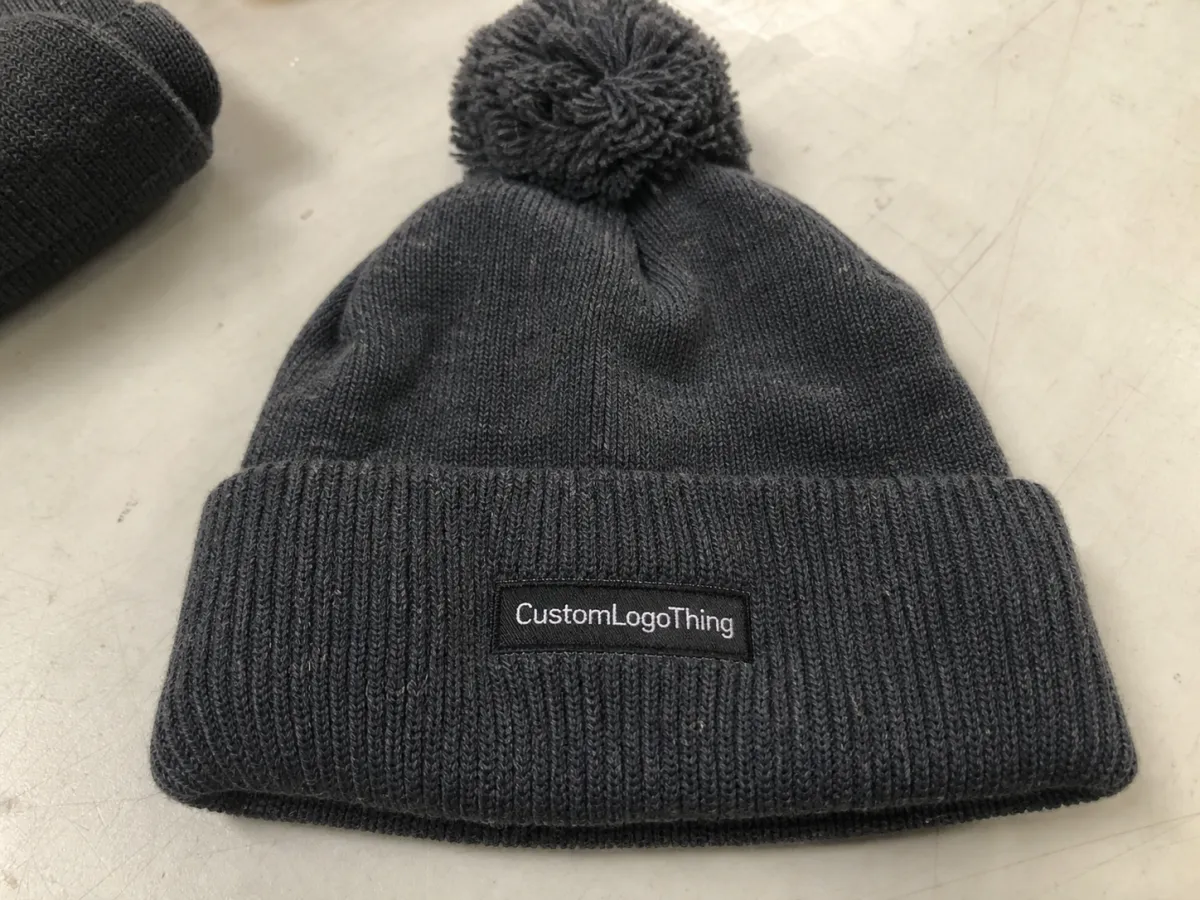
A physical sample is more revealing than any mockup. Yarn texture, stitch density, cuff recovery, and pom attachment all behave differently once the hat is knitted at production gauge. A yarn that looks plush on screen may feel flat in hand. A color that reads bright in a photo may dull under indoor light. A cuff that looks structured can relax more than expected after stretching.
The sample should answer practical questions. Does the knit feel soft enough for all-day wear? Does the cuff rebound after being pulled? Does the logo sit cleanly on the fabric, or does the knit texture break up the artwork? Does the pom look balanced, or does it make the hat top-heavy? Those answers matter more than a polished presentation.
For electronics buyers, the comfort test matters because these hats are often worn at events, not just unboxed. People may keep them on for hours in cold venues, then toss them into a bag or leave them on a desk. A beanie that itches, twists, or collapses at the brim gets ignored fast.
A good sample answers one question clearly: if this exact feel, weight, and finish shipped in bulk, would it still get approved?
Packaging can be part of the sample story too. A hat packed in a crushed mailer looks worse than the same hat packed neatly in corrugated cardboard with simple kraft paper protection. If the program has a sustainability angle, recycled paper, FSC-certified inserts, or minimal packaging can support that message without turning the sample into a branding exercise.
How the Sample Maps to Production
The best sample is close to production, not just close enough to impress in a photo. The same yarn content, knit gauge, trim method, and finishing process should be used whenever the factory can replicate them. If the sample uses a heavier yarn or a looser knit than the bulk run, it is not really previewing the final product. It is previewing a cousin of it.
Construction changes matter more than many teams expect. Rib height affects the visual balance of the cuff. Crown shaping changes the silhouette when the hat is worn. Seam placement can create a flat, comfortable interior or a ridge that is obvious under a hood. Pom attachment is a small detail with a big failure mode: if the anchor is weak, the pom may loosen after wear and handling.
Some samples are true pre-production builds. Others are development samples made from substitute yarn or a temporary label. That is fine if everyone says so upfront. The problem starts when the sample is treated like final approval even though half the build is still provisional. Ask what is exact and what is placeholder material. If the yarn, lining, and pom are final but the label is temporary, you can usually judge the hat. If the whole thing is a concept piece, use it for direction only.
Color needs careful handling. Knit goods rarely match a monitor cleanly, and yarn shade can shift under different light sources. Navy may lean almost black under warm office lighting and more blue in daylight. Black can read soft gray if the yarn has sheen. If the sample feels rough, ask whether finishing will relax it or whether the bulk run will behave the same way. Do not approve on hope.
Compare samples on equal terms. Same pattern, same decoration method, same size spec. Change one variable at a time. Otherwise you end up with a pile of hats that all look different for reasons that are impossible to isolate. That wastes time and muddies the approval.
electronics pom pom beanies material sample guide: Key Material Choices
This is where the budget gets decided. Yarn, stitch density, lining, and pom construction all shape the final feel and price. A solid electronics Pom Pom Beanies material sample guide should make those choices legible, not hide them behind supplier shorthand.
Yarn usually comes first. Acrylic is common because it is cost-effective, color-stable, and easy to knit in many gauges. It works well for larger promotional programs that need consistency. Wool blends add warmth and a more natural handfeel, but they usually cost more and can be fussier about pilling or fiber variation. Recycled acrylic and recycled polyester blends support a sustainability brief, though softness and recovery depend on the source fiber and spinning quality.
Stitch density affects both appearance and function. A tighter knit usually feels denser, hides the head better, and holds shape more reliably after repeated wear. A looser knit can look softer and more relaxed, but it may sag sooner or let more wind through. If the beanie is meant for outdoor use, a denser knit usually makes more sense. If it is mostly a style piece, a lighter hand can work.
Pom pom quality is easy to underestimate. Size, density, fiber type, and attachment method all change the look. A large pom feels more retail-like and playful. A smaller one reads cleaner and less flashy. The attachment matters even more than the shape. A reinforced anchor is worth asking for, especially if the hat will be worn often. Detachable poms are useful, but the hardware adds weight and changes the crown profile.
Lining changes comfort and cost at the same time. Brushed tricot or microfleece can make a beanie more wearable for people who dislike scratchy fibers. It also adds warmth and makes the hat feel more finished. The tradeoff is less stretch, more bulk, and sometimes a longer lead time. For quick handouts, an unlined knit is often enough. For outdoor staff or winter travel kits, lining may be worth the extra cost.
There is a practical testing angle here too. Buyers do not need a lab report for every sample, but they do need enough structure to compare options. If a supplier references pilling resistance, stretch recovery, or wear durability, the point is not to turn the process into a certification project. The point is to keep the feedback specific enough that the next round can be improved without guesswork.
Practical material comparison
- Acrylic: lower cost, broad color range, reliable for volume orders, can pill if the yarn quality is weak.
- Wool blend: warmer and often softer, usually higher cost, may need tighter quality control on consistency.
- Recycled blend: useful for sustainability targets, performance depends on the recycled content and spinning method.
- Lined knit: better comfort and warmth, but adds cost, weight, and often more lead time.
Process and Timeline: From Request to Approval
The sample process goes faster when the spec sheet is tight from the start. The supplier needs size, yarn direction, logo method, pom style, and packaging requirements before building anything. After that comes material confirmation, sample construction, shipment or photos, revision if needed, and final sign-off. Simple enough. The delays usually come from unclear input, not from the knitting itself.
Timing depends on complexity and stock availability. A basic sample using existing yarn can often be turned in about 5-8 business days. If the order needs custom dye work, a special lining, or a unique pom build, 10-15 business days is more realistic. If yarn has to be sourced first, add more time. International shipping and internal approvals can stretch the calendar further, and they often do.
Internal review is where many schedules slip. A supplier may finish the sample quickly, only for the buyer side to spend a week chasing comments from marketing, procurement, and the event team. That delay should be assumed, not ignored. If the beanie is tied to a launch date, the sample stage needs enough cushion for real review, not a last-minute thumbs-up.
Revision control helps more than people admit. Before the first sample ships, ask what counts as a minor revision and what would require a new build. If the cuff is too tall, fix the cuff. Do not fold in a fresh color test unless the color is actually in question. Narrow revisions are faster, cheaper, and less likely to create accidental side effects.
Packaging deserves the same discipline. A folded knit hat can arrive looking crushed if it is tossed into weak packaging. A tidy corrugated mailer with kraft paper protection keeps the sample focused on the product instead of the transit damage. If the program wants a lower-impact presentation, recycled materials and FSC-certified paper components are practical, not decorative. They also make the sample feel like it belongs in a real brand kit.
If shipping reliability matters, it is worth understanding the basics of ISTA handling standards. For paper-based components, FSC certification can help frame sourcing expectations. Neither replaces actual sample review, but both give the logistics conversation a useful anchor.
Cost, Pricing, and MOQ: What Changes the Quote
Sample pricing follows the same logic as bulk pricing, just in smaller numbers. Yarn type, number of colors, lining, labels, pom construction, and whether the sample is based on an existing template all affect the quote. A plain acrylic beanie with a standard cuff is cheaper to sample than a multi-color jacquard hat with a custom pom, woven label, and lining. Every extra detail adds handling time and materials.
A practical way to frame the sample budget:
| Sample Type | Typical Sample Fee | What Usually Changes the Price | Best Use Case |
|---|---|---|---|
| Basic fit or swatch sample | $25-$60 | Stock yarn, no custom trim, limited finishing | Early handfeel and size review |
| Development sample | $60-$140 | Custom color, logo placement, specific cuff or seam details | Comparing material choices and construction |
| Pre-production sample | $90-$180 | Near-final materials, labels, pom attachment, packaging review | Final approval before bulk order |
MOQ and unit price move together. A simple acrylic beanie may land at a lower unit cost at 1,000 pieces than a lined, two-color knit with a custom pom at the same quantity. For planning purposes, a custom promotional beanie often falls somewhere around $2.50-$6.50 per unit at larger volumes, while more detailed builds can run higher depending on decoration and packaging. Those are useful budgeting ranges, not promises.
Ask whether the sample fee is credited against production. Some suppliers apply all or part of it to the final order. Others treat it as a separate development charge. Also ask how many revision rounds are included. A quote with one free correction is very different from one that bills for every change, even the small ones.
Packaging can add hidden cost too. A sample wrapped in a simple protective sleeve is cheaper than one packed in a branded insert with custom paper stock. If the presentation matters for internal approval, that extra spend can still be worth it. If the buying team only needs a technical check, keep the packaging simple and put the money into the actual build.
How to Review and Score Each Sample
The cleanest sample review follows the same order every time. Measure first, touch second, look last. If you start with the visual impression, you are more likely to approve based on surface appeal instead of the actual spec.
- Measure size and stretch. Check total length, cuff height, and relaxed width against the spec sheet.
- Test recovery. Stretch the cuff, release it, and see how quickly it returns to shape.
- Inspect under two lights. Review the hat in daylight and indoor light so color and sheen are not hiding problems.
- Check the logo or pattern. Confirm placement, scale, clarity, and how the decoration sits on the knit surface.
- Feel the interior. If there is a lining or seam, make sure it does not create pressure points or rough edges.
- Handle the pom. Shake it lightly and twist it a bit to see whether the attachment and shape feel secure.
A simple scorecard keeps feedback aligned. A 1-5 rating for fit, softness, color match, decoration quality, and overall finish is usually enough. Procurement may care more about cost structure. Marketing may care more about silhouette. The merch manager may care more about comfort and packaging. A scorecard keeps those priorities in the same room.
Document everything with photos and exact notes. “Cuff feels loose by about 1 cm” is useful. “Looks off” is not. Keep the approved sample, spec sheet, and comments together so the production team has a clean reference later. If the final run misses the mark, that record makes the comparison straightforward instead of emotional.
A short wear test helps too. Put the beanie on for 15-20 minutes, remove it, and check whether the cuff rebounds, whether the pom stays balanced, and whether the yarn feels itchy or leaves marks. That is a small test, but it tells you more than five minutes of desk handling.
Common Mistakes That Skew Decisions
Approving from photos alone is the biggest one. Screens flatten texture, alter color, and hide fit issues. A fluffy pom can look balanced in a shot and awkward in hand. A dense knit can look soft in a picture and firm once touched. If the sample matters enough to approve, it matters enough to hold.
Changing too many variables at once is another expensive habit. If you alter yarn, gauge, pom size, and label placement in a single round, you will not know which change helped. That leads to more revisions, not fewer. Keep each round focused on one or two specific corrections.
Skipping wear and wash checks can cost you later. A beanie may look fine on arrival and then pill faster than expected after a few uses. The cuff may loosen more than intended. You do not need a full lab program for every order, but you do need enough handling to see whether the structure behaves the way the brief assumes it will.
Vague feedback slows everything down. “Make it better” is useless. “Tighten the cuff by 1 cm, densify the pom, and deepen the navy under indoor light” gives the sample maker something real to work with. Specific notes are the difference between a useful development cycle and a circular one.
Packaging can distort judgment too. If the sample arrives crushed, the team may blame the hat when the problem is transit damage. Simple protection, especially corrugated cardboard and proper folding, keeps the review focused on the actual product. For programs that care about lower-impact packaging, recycled paper and biodegradable materials can support the brief without turning the sample into a branding prop.
Expert Tips Before Production
Lock the spec sheet before chasing refinements. That sounds basic because it is. Confirm yarn, color reference, pom construction, lining, label type, and finished measurements in one place. Once that document is stable, the sample process gets a lot easier because everyone is chasing the same target.
Ask for one final photo set of the approved sample in the lighting your team actually uses. Approval in warm office light does not always translate to daylight, trade-show lighting, or warehouse conditions. That extra check reduces surprises after the bulk run lands.
Keep the handoff to production clean:
- Comfort: does the knit feel wearable for the intended audience?
- Silhouette: does the cuff and crown shape match the brief?
- Branding: is the logo placement, color, and scale correct?
- Packaging: does the sample presentation support the brand story?
- Delivery: is the ship date realistic for the launch or event?
If the beanie is part of a broader electronics kit, make sure the same approved sample or photo set reaches every stakeholder. Misalignment usually starts when one person remembers a softer yarn or a smaller pom than the one that was actually approved. That is avoidable, and usually expensive when it is not avoided.
The clean outcome is simple: a sample that tells the truth, a quote that reflects the construction, and a production run that matches what was approved. Treat the electronics Pom Pom Beanies Material Sample guide as a decision tool, not a formality, and you remove most of the chaos before bulk production even starts.
FAQs
What should an electronics pom pom beanies material sample guide include?
It should cover yarn options, stitch density, pom construction, lining choices, sample timing, and the parts of the build that are likely to match bulk production exactly. The useful version also explains how to compare samples under the same light and against the same spec sheet.
How many material samples should I request for pom pom beanies?
Usually one or two base options are enough, plus any major color or trim variation that could change the final decision. Extra samples only help when fit, handfeel, or branding direction is still unclear.
How long does the pom pom beanie sample process usually take?
A simple sample can often be ready in about 5-8 business days if the materials are in stock. Custom colors, special lining, or new pom construction usually push that to 10-15 business days or more.
What affects the cost of a pom pom beanie sample and the final quote?
Yarn type, number of colors, lining, labels, pom construction, and overall customization level all influence sample cost and production pricing. MOQ and unit price usually improve when the design uses repeatable materials and a simpler construction.
How do I know if a sample is accurate enough to approve?
Compare it directly against the spec sheet and check size, stretch, color, trim balance, and finish under consistent lighting. If the sample matches the intended use and the factory can repeat the same materials at scale, it is usually ready for approval.
A careful sample review is not wasted time. It protects the budget, clarifies the spec, and keeps the final hat aligned with the brand from the first stitch to the last folded package. Use this electronics pom pom Beanies Material Sample guide to compare yarn, trim, fit, and timing with a clear eye, and the production order has a much better chance of landing right the first time.


